
6 Best Fitness Trackers in 2026
This post contains affiliate links. As an Amazon Associate, we earn from qualifying purchases.
The Google Fitbit Air Screenless Tracker wins as best overall because it strips away screen distractions and delivers accurate health tracking with a micro-adjustable fit. Fast charging gives a day’s power in five minutes. For those who hate charging devices, the Garmin Vívosmart 5 Health Tracker is best for battery life, while the Xiaomi Smart Band 11 is our pick for best lightweight design.
A fitness tracker should match your actual routine, not the one you see in ads. Some of us need recovery insights to avoid overtraining, others want a tracker that survives a pool session, and plenty of people just want something comfortable enough to forget they are wearing it.
We built this guide by reviewing manufacturer specifications, expert round-ups, and patterns in owner feedback. You will get clear criteria for choosing, six carefully ranked picks, and honest answers to the most common buyer questions.
Top 6 Fitness Trackers in the Market
Certain content that appears on this site comes from Amazon. This content is provided "as is" and is subject to change or removal at any time.
The Best Fitness Trackers, Reviewed
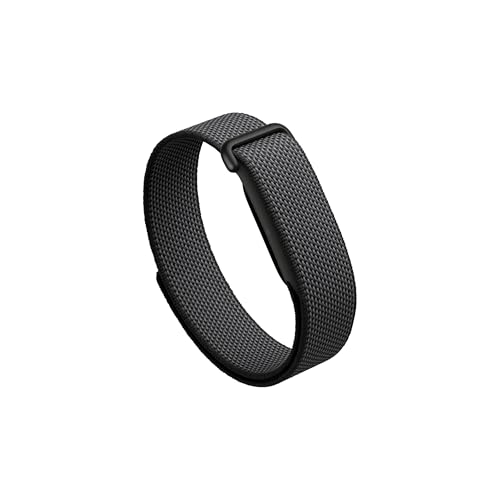
Google Fitbit Air Screenless Tracker
What We Like
- Lightweight, micro-adjustable fit for all-day wear
- No screen to distract during workouts or sleep
- Fast charging gives a day's power in 5 minutes
- Interchangeable bands for different occasions
Trade-offs
- No screen means you must check phone for stats
- Premium coaching features require separate subscription
A battery that lasts up to seven days and recharges to a full day in just five minutes means you can wear this tracker through the whole work week without hunting for a charger. The screenless design keeps it comfortable and discreet, no glowing display to distract you during a set of deadlifts or to keep you awake when you’re trying to fall asleep. For anyone who wants health tracking that fades into the background, this is a refreshingly simple approach. The lightweight, micro-adjustable band fits snugly for all-day wear, and swapping bands takes seconds so it works with a bracelet or workout strap.
The trade-off for that distraction-free experience is that you don’t get real-time stats on your wrist. You’ll need to pull out your phone to see your heart rate or step count, which can feel like an extra step during a run or a busy day. Compared to the Samsung Galaxy Fit 3, which has a display, the Google Fitbit Air asks you to trust the tracking and check in later. That works great if you’re trying to reduce screen time, but if you want instant feedback mid-workout, a screen-equipped tracker might suit you better. The personalized coaching with a premium subscription works behind the scenes, so you still get insights, just not in your face.
Product photos
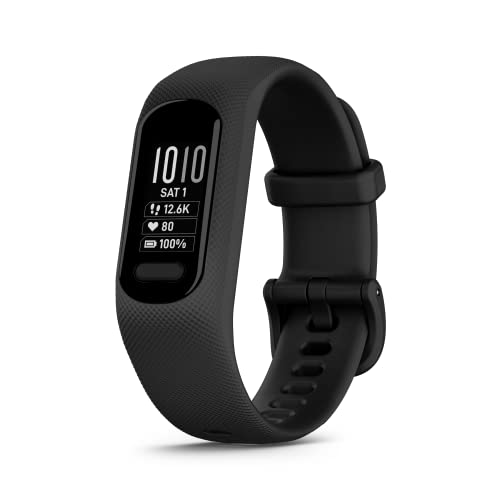
Garmin Vívosmart 5 Health Tracker
What We Like
- Up to 7 days of battery life
- Swim and shower safe
- Tracks sleep quality with improvement insights
- Built-in sports apps for walking, running, yoga, pool swim
Trade-offs
- Pulse Ox not available in all countries
- Requires smartphone GPS for outdoor route tracking
- No built-in GPS, relies on phone connection
Seven days of battery life is the headline here, and it’s the reason this tracker fits so naturally into a busy week. You can wear it through workouts, showers, and sleep without needing to recharge every other night. That longevity pairs with a comfortable band and a touchscreen plus button interface that’s simple to navigate even mid-run. For people who want health data, heart rate, stress, Body Battery energy levels, and sleep scores without the daily charging ritual, this is a practical, no-fuss companion.
The trade-off is that the Garmin Vívosmart 5 leans on your phone’s GPS for outdoor walks and rides. If you prefer to run phone-free, you’ll miss out on accurate distance and pace. Compare that to the Xiaomi Smart Band 11, which packs a larger AMOLED screen and longer battery, but the Vívosmart 5 counters with a more focused health suite, respiration tracking, women’s health logging, and sleep quality insights that actually suggest how to improve. It’s a steady, reliable choice for someone who values battery peace of mind over screen size.
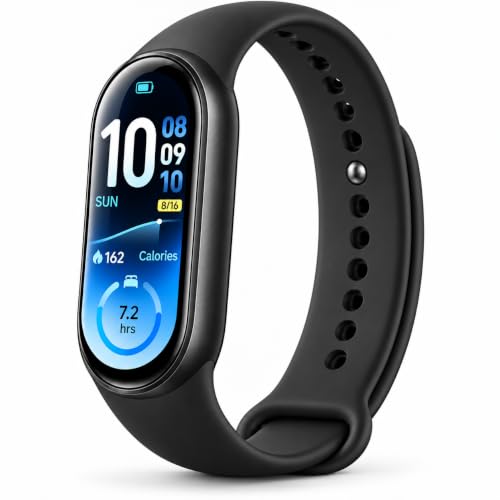
Xiaomi Smart Band 11 Fitness Tracker
What We Like
- Ultra-light 15.6g design
- Slim 9.99mm curved body
- Long 21-day battery life
- 150+ sports modes
Trade-offs
- No built-in GPS for outdoor tracking
- No included charging cable in the box.
At 15.6 grams and 9.99mm thin, this band is light enough to wear all day and night without noticing it, so it won’t interfere with sleep tracking or gym sessions. That slim build means it slides under a shirt cuff easily, and the 5ATM water resistance lets you swim or shower without taking it off. With up to 21 days of battery life, you can go weeks between charges instead of hunting for a cable every few days.
The trade-off for that slim profile is the lack of built-in GPS, so you will need to keep your phone nearby for accurate outdoor route tracking during runs or bike rides. Compared to the Garmin Vívosmart 5, which has a larger form factor and up to 7 days of battery life, the Xiaomi Smart Band 11 offers a lighter design and longer battery life. If you want a comfortable tracker for daily activity, sleep, and casual workouts, this fits well. But if you rely on phone-free GPS for trail runs, you might need a different device.
Product photos
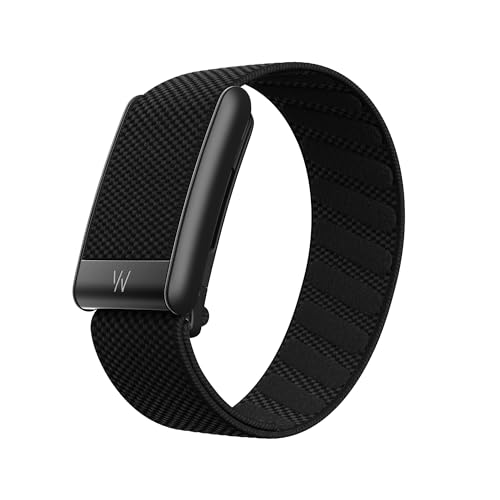
WHOOP 5.0 Screenless Fitness Wearable
What We Like
- 14+ day battery with on-wrist charging
- 24/7 health and stress monitoring
- AI coaching from 140+ metrics
- Tracks sleep stages and recovery
Trade-offs
- Requires a 12-month membership to use
- No screen for glanceable stats
- Must keep app nearby for live data
A 14+ day battery that charges on your wrist means you never take this tracker off, so it captures your sleep, heart rate variability, and recovery continuously without gaps. That continuous data feeds an AI coach that turns over 140 health metrics into personalized next steps. This makes it ideal for anyone who wants to understand how their body responds to training, stress, and daily habits rather than just counting steps. The screenless design keeps it light and comfortable for all-night wear, which is why it fits best for people focused on recovery insights over on-the-wrist notifications.
The trade-off is that you need a 12-month membership to access the coaching and metrics, and there’s no display to check your stats at a glance, you rely on the phone app for everything. Compared to the Garmin CIRQA Smart Band, which also skips a screen but requires no subscription, the WHOOP demands an ongoing commitment. If you prefer a simple, subscription-free tracker for occasional use, the CIRQA may be a better fit. But if you want deep, continuous recovery tracking and are ready to commit to the membership, the WHOOP delivers a level of sleep and strain analysis that few others match.
Garmin CIRQA Smart Band
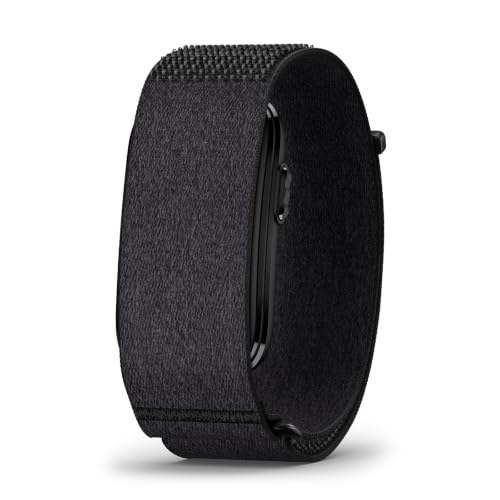
What We Like
- No subscription required
- Up to 10 days battery life
- Screenless soft fabric band for comfort
- Tracks 80+ activities via app
Trade-offs
- Screenless design means no on-wrist display
- Basic activity data only on-device; full stats in app
- Pulse Ox not available in all countries
The CIRQA Smart Band offers up to 10 days of battery life, so you can wear it through a full week of workouts, sleep, and daily life without constantly needing to recharge. That’s a real convenience for people who want health tracking without the constant upkeep. It’s also refreshingly simple: no subscription, no screen to distract you, just a soft fabric band that collects heart rate, stress, Body Battery, and sleep data you can review in the Garmin Connect app. For those who prefer to check stats after the fact rather than during a run, this is a low-friction way to stay on top of your health.
The biggest trade-off is that you’ll need your phone for most detailed insights; the on-device button only gives you basic current stats like heart rate and time. That’s fine if you’re comfortable with a screenless approach, but it does mean you can’t glance at your wrist mid-workout. Compared to the Xiaomi Smart Band 11, which has a 1.72-inch AMOLED screen, the CIRQA is less convenient for real-time feedback. However, if you value battery life and a distraction-free experience, the CIRQA’s up to 10 days of battery life and no-subscription model make it a practical alternative.
Samsung Galaxy Fit 3 Fitness Band
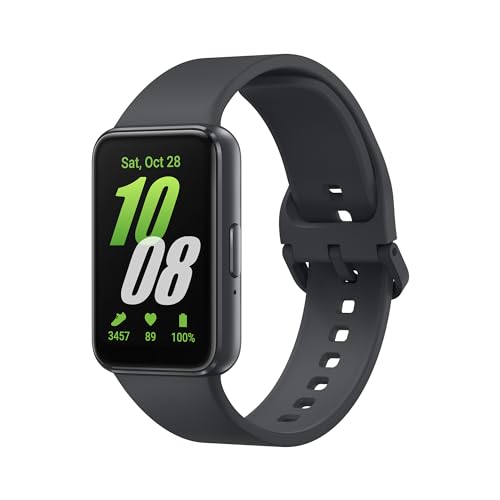
What We Like
- 5ATM & IP68 water resistance for swimming
- Vibrant 1.6" AMOLED display
- Up to 14 days battery life
- 101+ workout modes with auto detection
Trade-offs
- Not compatible with iPhone or iOS
- International model has no US warranty
- Samsung Pay not supported
A 5ATM and IP68 rating means this band can handle laps in the pool, splashes at the beach, or a dusty trail run without a second thought. That swim-ready durability is the main reason to pick the Galaxy Fit 3 over most trackers in this guide. If you spend as much time in the water as on land, this band keeps up without fuss.
The big trade-off is that this international model only works with Android phones, so iPhone users are out of luck. Compared to the Xiaomi Smart Band 11, the battery life is shorter, but the water resistance is the same, and the Galaxy Fit 3 offers auto-detection for common workouts. Just know there is no US warranty, and Samsung Pay is not supported, so it is a focused tool for swim-ready fitness tracking rather than a full smartwatch replacement.
Product photos
How We Evaluated Fitness Trackers
Our evaluation method relies on published specifications, manufacturer documentation, expert round-ups, and consistent patterns in owner feedback. We focused on verifiable facts like battery life claims, water resistance ratings, and sensor capabilities.
We prioritized four criteria that matter most in a fitness tracker. Accuracy of core metrics like heart rate and step tracking came first, followed by battery life since a dead tracker tracks nothing. Comfort and fit determined whether you would actually wear the device all day, and water resistance decided if it could follow you into a pool or shower.
A research-led evaluation has limits. We cannot confirm real-world battery life or sensor precision, and individual results vary based on wrist size, activity type, and how tightly you wear the band. We flag trade-offs clearly so you can decide what matters for your routine.
What To Look For In Fitness Trackers
Start by deciding whether you want a screen or a screenless design, then match battery life to your charging habits and water resistance to your activities.
Pick a tracker whose battery lasts at least five days, check that water resistance matches your swimming frequency, and confirm the band fits your wrist size before you buy.
Screen vs. Screenless Design
Screenless trackers like the Google Fitbit Air Screenless Tracker and WHOOP 5.0 are lighter, have better battery life, and remove the temptation to check notifications during workouts. The trade-off is that you must pull out your phone to see real-time stats. Trackers with screens, such as the Samsung Galaxy Fit 3, let you glance at pace, heart rate, and lap count mid-exercise.
Battery Life and Charging Convenience
Battery life ranges from a few days to three weeks depending on the model and feature usage. The Xiaomi Smart Band 11 claims 21 days, while the Garmin Vívosmart 5 promises up to seven days. Fast charging matters too: the Google Fitbit Air Screenless Tracker can get a full day of power in five minutes, which helps if you forget to charge overnight.
Water Resistance and Activity Modes
Water resistance ratings tell you where a tracker can go. A 5ATM rating means it is safe for swimming, while IP68 protects against dust and submersion in shallow water. The Samsung Galaxy Fit 3 carries both 5ATM and IP68 ratings, making it a top choice for swimmers. Check that the tracker has sports modes for your main activities, whether that is yoga, running, or pool swimming.
- Confirm the water resistance rating matches your swimming frequency and depth.
- Verify the tracker supports your primary workout types in its sports modes.
- Check if the device requires a smartphone for GPS or has built-in satellite tracking.
- Look for interchangeable bands if you want one tracker for workouts and casual wear.
- Read the fine print on subscription requirements before committing to a screenless model.
A fitness tracker that matches your charging habits and water exposure will serve you longer than one with flashier features you never use.
Fitness Trackers Compared
The table below compares our six picks across battery life, water resistance, display type, and subscription requirements so you can see the differences at a glance.
| Product | Display | Battery Life | Water Resistance |
|---|---|---|---|
| Google Fitbit Air Screenless Tracker | None (screenless) | Up to 7 days | N/A |
| Garmin Vívosmart 5 Health Tracker | Touchscreen + button | Up to 7 days | Safe for swimming and showering |
| Xiaomi Smart Band 11 Fitness Tracker | 1.72" AMOLED | 21 days | 5ATM |
| WHOOP 5.0 Screenless Fitness Wearable | None (screenless) | 14+ days | IP68 |
| Garmin CIRQA Smart Band | Screenless | Up to 10 days | N/A |
| Samsung Galaxy Fit 3 Fitness Band | 1.6" AMOLED | Up to 14 days | 5ATM & IP68 |
Frequently Asked Questions
How do fitness trackers count steps?
Most trackers use an accelerometer to detect wrist motion and algorithmically filter out non-walking movements. The step counting accuracy varies by device and where you wear it, with wrist-based trackers generally being less precise than hip-worn ones.
What is the difference between a fitness tracker and a smartwatch?
Fitness trackers focus on health metrics, battery life, and lightweight comfort, while smartwatches add phone notifications, apps, and larger screens. Our guide on smartwatches and trackers breaks down which suits different needs.
Are calorie burn estimates on fitness trackers accurate?
Calorie burn accuracy varies significantly between devices and activities. Trackers estimate calories based on heart rate and personal data, but individual metabolism and form affect real numbers, so use them as relative trends rather than exact measurements.
Which fitness tracker is best for swimming?
The Samsung Galaxy Fit 3 is best for swim readiness thanks to its 5ATM and IP68 water resistance ratings. It tracks pool swims with dedicated sports modes and offers a bright AMOLED display that remains readable in wet conditions.
Can I use a fitness tracker without a smartphone?
Most trackers require a smartphone for setup and full data analysis, but some store basic activity data on the device for later syncing. Screenless models like the WHOOP 5.0 need the app nearby for live data, while the Garmin Vívosmart 5 can show limited stats on its small display without the phone.
The Bottom Line
The Google Fitbit Air Screenless Tracker is our best overall pick for anyone who wants accurate health monitoring without screen distractions or frequent charging. Its micro-adjustable fit and five-minute fast charging make it the most practical all-day companion for most people.
If battery life is your priority, the Garmin Vívosmart 5 Health Tracker delivers up to seven days and works for swimming and yoga. Swimmers should look at the Samsung Galaxy Fit 3, while athletes focused on recovery will appreciate the WHOOP 5.0’s deep sleep and stress insights, subscription included.
The single most important factor is honest self-assessment of your charging habits. A tracker with great features does nothing if you stop wearing it because the battery dies mid-week. Choose one that fits your routine, not your aspirations.
