
10 Best Women’s Shoes For Treadmill Running in 2026
This post contains affiliate links. As an Amazon Associate, we earn from qualifying purchases.
The New Balance Fresh Foam Arishi V4 Running Shoe earns our Best Overall spot for its lightweight, soft cushioning that makes treadmill miles feel effortless. For runners who want maximum joint-friendly softness, the ASICS Gel-Nimbus 28 earns Best Premium Cushioning, while the Brooks Glycerin 23 is our pick for long, steady runs.
Running on a treadmill changes what you need from a shoe. The belt is flat and consistent, so you don’t need aggressive tread, but you do need responsive cushioning that handles repetitive impact and a secure fit that prevents your foot from sliding during faster paces.
This guide is research-based, drawing on manufacturer specifications, expert round-ups, and patterns in owner feedback. We focused on the cushioning, weight, support, and breathability that matter most for treadmill running, then ranked ten top contenders to help you choose with confidence.
Top 10 Women’s Shoes For Treadmill Running in the Market
Certain content that appears on this site comes from Amazon. This content is provided "as is" and is subject to change or removal at any time.
The Best Women’s Shoes For Treadmill Running, Reviewed
New Balance Fresh Foam Arishi V4 Running Shoe

What We Like
- Soft Fresh Foam cushioning for comfort
- Lightweight 1.0-pound design
- Breathable mesh upper
- Durable rubber outsole for daily wear
Trade-offs
- Neutral support not for overpronation needs
- Narrower fit than Brooks Glycerin 23
The Fresh Foam Arishi V4 weighs 1.0 pounds per shoe, which is a typical weight for an everyday running shoe. The Fresh Foam midsole is engineered to deliver a soft, cushioned, lightweight ride, so you get comfort without extra bulk. The breathable mesh upper and durable rubber outsole support daily wear, making this a straightforward choice for runners who want a neutral shoe that handles regular workouts without extra features.
This shoe is built for neutral runners, meaning it does not provide extra stability or motion control. If you need that kind of support, other shoes in the guide are designed for it. But for most runners who just want a comfortable, light, and breathable shoe for everyday running, the Fresh Foam Arishi V4 delivers a soft ride with a secure lace-up fit.
ASICS Gel-Nimbus 28 Running Shoe

What We Like
- 65% softer PureGEL heel cushioning
- FF BLAST PLUS foam for responsive ride
- Breathable recycled knit upper
- Reflective details for low-light visibility
Trade-offs
- Lightweight build (0.7 lb) offers less stability for heavy runners
- Narrower width (7.8 inches) limits fit for wide feet
The PureGEL technology in the heel is about 65% softer than standard GEL, which means every footstrike on the treadmill belt feels like landing on a thick mat. That kind of plushness is exactly what you want if your treadmill sessions run long, steady miles, recovery jogs, or those days when your joints just need a break. The FF BLAST PLUS foam adds a light, responsive bounce that keeps the ride from feeling dead, so you’re not sinking into the shoe with each step. This is a shoe built for comfort-first running, and it shows in every layer, from the breathable engineered knit upper to the moisture-wicking OrthoLite X-55 sockliner.
The cushioning-focused build means this shoe isn’t designed for speed work. Runners who prioritize a lightweight, snappy feel for intervals or tempo runs may find the plushness less responsive for quick turnover. On a treadmill, where you’re not fighting wind or uneven pavement, the comfort payoff is significant. It’s a premium cruiser, not a speed demon, ideal for those who prioritize joint comfort and steady mileage over a featherlight feel.
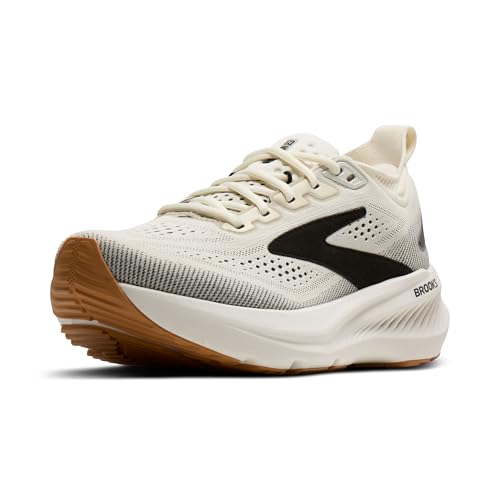
Brooks Glycerin 23 Neutral Running Shoe
What We Like
- Zonal DNA TUNED cushioning with 2mm more forefoot foam
- Plush triple jacquard warp-knit upper reduces hot spots
- Wide platform promotes smooth heel-to-toe transitions
- APMA Seal of Acceptance and PDAC A5500 diabetic certified
Trade-offs
- At 1.6 pounds, heavier than ASICS Gel-Nimbus 28
- 8mm offset not for low-drop fans
The upgraded DNA TUNED midsole adds 2mm more forefoot cushioning, which means softer landings and more responsive toe-offs for neutral runners who want premium comfort on long runs or recovery days. That plush feel comes from nitrogen-infused foam that adapts to your stride, so the shoe stays smooth without the dead sensation some max-cushion shoes develop. The triple jacquard warp-knit upper wraps your foot securely while letting it breathe, which helps reduce hot spots and pressure during extended wear.
Generous cushioning does add weight. At 1.6 pounds, this shoe is noticeably heavier than the ASICS Gel-Nimbus 28, which comes in at 0.7 pounds. That extra heft comes from the upgraded nitrogen-infused DNA TUNED midsole, which now includes 2mm more cushioning in the forefoot. Reviewers note the trade-off is a plusher feel underfoot during long runs, though the weight difference is something to consider if you prefer a lighter trainer for speed work.
Product photos
Under Armour Charged Assert 9 Running Shoe
What We Like
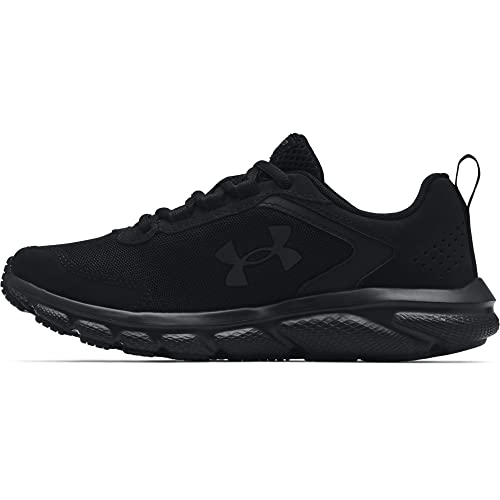
- Breathable mesh upper boosts airflow
- Charged midsole for balanced impact protection
- Reinforced overlays improve midfoot stability
- Plush ankle padding for no-break-in comfort
Trade-offs
- At 2.2 pounds, heavier than several competitors
- No stability features for overpronation support
The Charged midsole delivers balanced impact protection that smooths out each step, making daily miles feel more forgiving, especially if you are newer to running. The breathable mesh upper keeps airflow moving so your feet stay cooler during longer sessions, and the foam padding around the ankle means you can slip them on and go without any break-in period. That combination of soft cushioning and easy comfort is exactly why this shoe fits a practical spot in any daily rotation.
The trade-off is weight: at 2.2 pounds, these are heavier than several competitors like the ASICS Gel-Nimbus 28 at 0.7 pounds. That extra heft can feel a bit more noticeable during faster intervals or longer runs where every ounce adds up. But for steady-paced work, light jogs, or walking warm-ups, the stability from the reinforced overlays and the plush step-in feel make the weight a fair compromise for the runner who prioritizes comfort over speed.
ASICS Gel-Excite 11 Running Shoe
What We Like
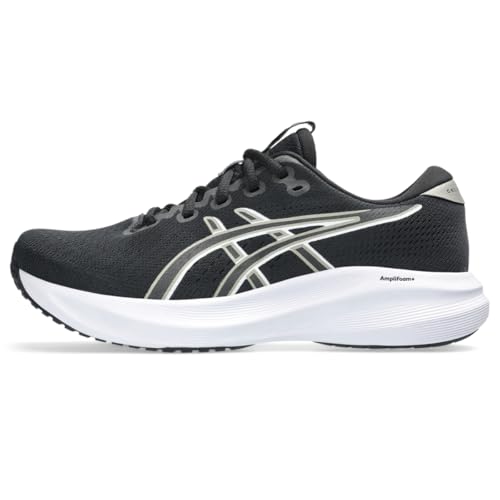
- PureGEL is 65% softer than standard GEL
- AMPLIFOAM PLUS midsole for plush ride
- OrthoLite X-30 sockliner wicks moisture
- Reflective details improve low-light visibility
Trade-offs
- Runs small, so sizing up is often needed
- At 1.7 lb, heavier than some treadmill options
- Soft cushioning lacks responsiveness for speed work
The PureGEL technology in this shoe is approximately 65% softer than standard GEL, which means each footstrike feels more forgiving than older ASICS designs. That softness pairs with AMPLIFOAM PLUS foam through the midsole, so your joints get a gentle landing even during longer runs. The engineered mesh upper breathes well enough to keep sweat from pooling, and the knit heel pull tab makes slipping them on after a quick warm-up easy. If your runs lean toward steady-state miles or recovery jogs, this shoe delivers the kind of soft, protected ride that keeps you moving without punishing your legs.
The trade-off is weight and fit. At 1.7 pounds per shoe, these are heavier than the ASICS Gel-Nimbus 28 (0.7 lb), so they can feel a bit clunky if you like to pick up the pace or do intervals. The listing also warns that the shoe runs small, meaning you will likely need to go up half a size to avoid cramped toes on longer runs. For runners who prioritize plushness over speed, and who do not mind a little extra heft for the sake of comfort, the Gel-Excite 11 is a forgiving partner for the treadmill. Just plan for that size adjustment.
Product photos
Nike Run Swift 3 Road Running Shoe
What We Like
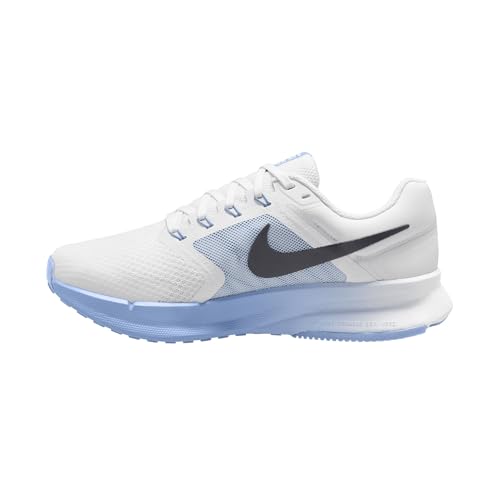
- Plush foam cushioning for soft landings
- Flywire cables lock in your foot
- Lightweight at 0.7 pounds
Trade-offs
- Not designed for aggressive traction on loose surfaces.
The foam cushioning here is the whole story, a higher foam height gives you that pillowy soft sensation with every step, which makes longer treadmill sessions feel noticeably more forgiving on your joints. If you’re someone who logs steady miles and wants to protect your knees and hips without sacrificing comfort, this shoe’s plush ride is exactly what you’re after. The Flywire cables also pull tight when you lace up, so your foot stays planted even as that foam compresses under you.
Weighing just 0.7 pounds, this shoe is noticeably lighter than the New Balance Fresh Foam Arishi V4 (1.0 pounds), so it feels less cumbersome during longer runs. The foam cushioning delivers a soft underfoot feel, and a higher foam height gives you a plush sensation with every step. Flywire cables help secure your feet and provide support when you tighten the laces, so you stay stable on pavement.
Product photos
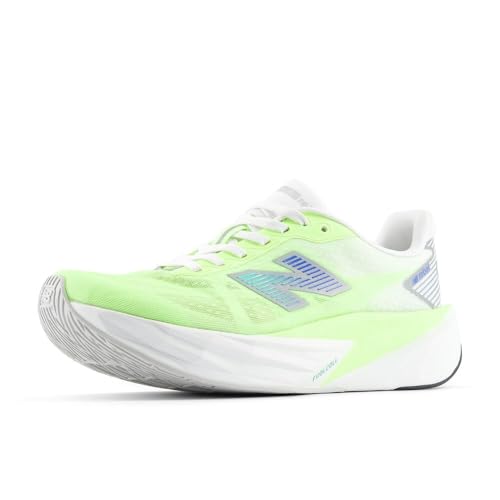
New Balance FuelCell Rebel v5 Running Shoe
What We Like
- Propulsive FuelCell foam returns energy
- FantomFit upper locks in without bulk
- Wider geometric midsole adds stability
- Breathable race-inspired mesh upper
Trade-offs
- Not ideal for runners who prefer a very grounded, slow-paced feel
- Not designed for runners who prefer a slow, grounded feel
The FuelCell foam midsole delivers a responsive underfoot feel that returns energy on every stride, making the shoe feel lively and fast. The wider geometric midsole stacks higher than its predecessor, giving you more cushioning and stability than you might expect from a lightweight trainer. So it works for both longer steady runs and shorter speed sessions without feeling flat or harsh.
The FuelCell foam delivers a noticeably responsive feel that pushes you forward with each stride, which is great for picking up the pace. The geometric midsole is wider and taller than the previous version, giving you more cushioning and a stable ride on runs. The FantomFit upper wraps your foot without adding weight, so it feels secure and natural as you move.
Best for runners who want a fun, fast-feeling ride with energy return and stability for mixed-pace workouts. Not ideal for runners who prefer a very grounded, slow-paced feel or need maximum durability for high weekly mileage.
Under Armour Charged Pursuit 4 Running Shoe

What We Like
- Performance mesh upper for lightweight breathability
- Deluxe foam sockliner molds to your foot
- Foam padding at ankle and tongue
- Charged Cushioning midsole for responsiveness
Trade-offs
- Neutral support only, no stability for overpronation
- Heavier than some competing road running shoes at 0.7 pounds
At 0.7 pounds per shoe, this is a lightweight option for road running. The performance mesh upper provides breathability, and the deluxe foam sockliner molds to your foot for underfoot comfort. Foam padding around the ankle collar and under the tongue adds a comfortable fit. The Charged Cushioning midsole uses compression molded foam for responsiveness and durability.
This shoe is designed for neutral runners who need flexibility, cushioning, and versatility. If you require motion control or stability features for overpronation, this model does not offer that support. For neutral runners who want a breathable, lightweight shoe with responsive cushioning from the Charged midsole, the Charged Pursuit 4 delivers that combination.
This shoe is best for neutral runners who prioritize lightweight breathability and responsive cushioning from the Charged midsole. The performance mesh upper keeps air moving, and the foam sockliner and padded collar provide comfort. It is not ideal for runners who need stability or motion control features for overpronation.
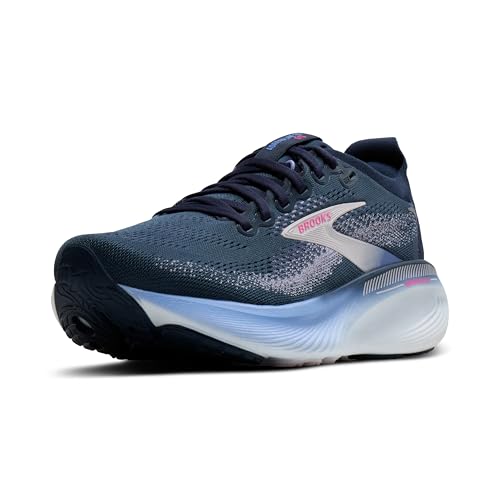
Brooks Adrenaline GTS 25 Supportive Running Shoe
What We Like
- GuideRails support controls excess motion
- DNA LOFT v3 cushioning for soft comfort
- Certified PDAC A5500 diabetic shoe
- APMA Seal of Acceptance
Trade-offs
- Heavier than ASICS Gel-Nimbus 28 by 0.7 pounds
- Not ideal for runners who prefer a lighter, neutral shoe.
The GuideRails holistic support system actively keeps excess movement in check while letting your body follow its natural motion path, making this shoe a reliable partner for runners who overpronate on the treadmill. The DNA LOFT v3 cushioning delivers soft, dynamic comfort that absorbs impact mile after mile, and the breathable engineered mesh upper wraps your foot in a secure fit without feeling restrictive. This is the shoe to reach for if you need structure that doesn’t boss your stride around.
At 1.4 pounds, this shoe is heavier than the ASICS Gel-Nimbus 28, so it’s not ideal for speed workouts where every ounce counts. That extra weight comes from the GuideRails support system and plush DNA Loft v3 cushioning, which together keep your foot stable and comfortable on long, steady runs. For runners who need motion control without a featherlight feel, this is a reliable daily trainer.
Product photos
Nike Run Defy Road Running Shoe

What We Like
- Breathable mesh upper
- Soft foam midsole ride
- Flex grooves add cushioning effect
- Durable flexible waffle outsole
Trade-offs
- No stability or support features listed
- Not designed for speed work or quick transitions
The foam midsole delivers a soft ride, so each step feels cushioned rather than jarring on pavement. Flex grooves in the outsole add to that cushioned effect, making the shoe feel forgiving mile after mile. The mesh upper lets air circulate, which helps keep feet from overheating during longer runs.
For steady-state jogging, recovery runs, or walking, the Nike Run Defy delivers a relaxed, foot-friendly experience that keeps things simple and comfortable. The softer platform might feel too forgiving under quick transitions if your routine includes intervals or faster-paced work.
Product photos
How We Evaluated Women’s Shoes For Treadmill Running
We started by examining the technical specs and design features of each shoe, including midsole foam composition, outsole materials, stack heights, and weight. Manufacturer documentation told us how each brand engineered its cushioning and support, while expert round-ups from running coaches and footwear specialists helped us understand what works for indoor running.
Three criteria mattered most for this category. Cushioning type and density came first: treadmill belts are harder than pavement, so shoes need enough softness to absorb repetitive impact without sacrificing energy return. Weight was second because a heavy shoe feels more fatiguing on a steady-state treadmill run than on a varied outdoor route. Support and fit rounded out the list, since the predictable treadmill surface makes a snug heel lock and proper arch support more important than trail traction or weather protection.
The honest limit of a research-led evaluation is that we haven’t logged miles in these shoes ourselves. Our rankings come from analyzing data, reading expert opinions, and identifying what real owners consistently praise or complain about. We believe this gives you a reliable starting point, but your individual fit and feel should always be the final test.
What To Look For In Women’s Shoes For Treadmill Running
Choosing the right treadmill shoe means prioritizing cushioning, weight, and fit over features designed for outdoor terrain. The belt is predictable and soft, so you can focus on comfort and responsiveness.
Look for a shoe with responsive cushioning that absorbs repetitive impact, a lightweight build, and a secure heel fit that prevents slipping during faster paces. Breathable uppers matter more indoors since your feet heat up faster without a breeze.
Cushioning Type and Density
Treadmill belts are harder than grass or dirt but softer than asphalt, so you need cushioning that balances impact absorption with energy return. Foams like New Balance’s Fresh Foam or ASICS’ FF BLAST PLUS provide a plush feel without sinking too deep. The Brooks Glycerin 23 uses zonal DNA TUNED cushioning that adds 2mm more forefoot foam, which helps during longer runs when fatigue sets in. For runners who want maximum softness, the ASICS Gel-Nimbus 28 features PureGEL heel cushioning that is 65% softer than standard GEL.
Weight and Responsiveness
A lighter shoe reduces fatigue on the treadmill because you lift your foot the same way every stride without changing terrain. The Nike Run Swift 3 weighs just 0.7 pounds, making it one of the lightest options for steady miles. The New Balance FuelCell Rebel v5 uses propulsive foam that returns energy, which helps maintain pace during interval work. Heavier shoes like the Under Armour Charged Assert 9 (2.2 pounds) offer more durability but can feel sluggish during longer sessions.
Support and Fit
Treadmill running demands a secure fit because your foot can slide forward on the belt during faster paces. Look for a snug heel counter and a midfoot that locks down without pressure. The Brooks Adrenaline GTS 25 uses GuideRails support to control excess motion, making it ideal for runners who overpronate. The New Balance Fresh Foam Arishi V4 runs narrower than the Brooks Glycerin 23, so width matters. If you have wider feet, check sizing notes carefully.
- Check that your heel doesn’t lift when you walk or jog in the shoe.
- Leave a thumb’s width of space between your longest toe and the shoe’s end.
- Test the shoe on a treadmill if possible, or walk on carpet to feel the cushioning.
- Consider sizing up if reviews consistently mention a snug fit.
A treadmill shoe should feel comfortable from the first wear. If it needs a break-in period, it is probably not the right fit for indoor running.
Women’s Shoes For Treadmill Running Compared
The table below compares our top picks side by side, highlighting the cushioning, weight, and support features that matter most for treadmill running.
| Product | Cushioning | Upper | Weight |
|---|---|---|---|
| New Balance Fresh Foam Arishi V4 Running Shoe | Fresh Foam midsole | Breathable mesh | 1.0 pounds |
| ASICS Gel-Nimbus 28 Running Shoe | FF BLAST PLUS | Engineered knit | 0.7 pounds |
| Brooks Glycerin 23 Neutral Running Shoe | DNA TUNED nitrogen-infused | Triple jacquard warp-knit | 1.6 pounds |
| Under Armour Charged Assert 9 Running Shoe | Charged cushioning | Breathable mesh | 2.2 pounds |
| ASICS Gel-Excite 11 Running Shoe | AMPLIFOAM PLUS + PureGEL | Engineered mesh | 1.7 pounds |
| Nike Run Swift 3 Road Running Shoe | Foam, plush feel | N/A | 0.7 pounds |
| New Balance FuelCell Rebel v5 Running Shoe | FuelCell foam | FantomFit bonded mesh | 1.0 pounds |
| Under Armour Charged Pursuit 4 Running Shoe | Charged Cushioning | Performance mesh | 0.7 pounds |
| Brooks Adrenaline GTS 25 Supportive Running Shoe | DNA LOFT v3 | Engineered mesh | 1.4 pounds |
| Nike Run Defy Road Running Shoe | Foam | Mesh | N/A |
Frequently Asked Questions
What is the difference between treadmill running shoes and road running shoes?
Treadmill shoes typically have smoother outsoles since they don’t need aggressive tread for traction on pavement or trails. They also prioritize breathable uppers because indoor running generates more heat without wind cooling. Road shoes often have thicker outsoles with more rubber to handle abrasive surfaces.
How often should I replace my treadmill running shoes?
Most running shoes last several hundred miles of use. On a treadmill, the consistent surface can extend shoe life slightly, but the cushioning still breaks down over time. Replace your shoes when you notice the midsole feeling flat or when your knees and hips start to ache after runs.
Can I use cross-training shoes for treadmill running?
Cross-training shoes work for short, easy treadmill sessions, but they lack the dedicated cushioning and heel-to-toe transition design that running shoes offer. For runs longer than a short time, a proper running shoe reduces impact stress and helps maintain a natural stride.
Should I buy the same size for treadmill shoes as my casual shoes?
Most runners go up half a size from their casual shoe size to accommodate foot swelling during runs. Treadmill running causes less foot expansion than outdoor running in heat, but the same sizing principle applies. Always try running shoes with the socks you plan to wear.
What cushioning is best for treadmill running?
Medium-density foams like EVA blends or nitrogen-infused midsoles provide the best balance of softness and responsiveness for treadmill belts. Very soft cushioning can feel unstable during faster paces, while very firm cushioning transfers more impact to your joints. The ASICS Gel-Nimbus 28 and Brooks Glycerin 23 both offer plush options that work well for steady-state treadmill runs.
The Bottom Line
The New Balance Fresh Foam Arishi V4 Running Shoe is our Best Overall pick for most treadmill runners because it combines lightweight comfort with enough cushioning for daily miles. It works best for neutral runners who want a do-everything shoe that feels light on the feet.
If your budget is tighter, the Under Armour Charged Assert 9 offers plush cushioning and a no-break-in feel at a lower price point. Runners who overpronate should look at the Brooks Adrenaline GTS 25 for its GuideRails support system that controls excess motion without feeling stiff.
The single most important factor is fit. A shoe that fits well and matches your cushioning preference will make treadmill running more comfortable and sustainable than any spec sheet can promise. Start with our top picks, but let your own feet decide.
