
10 Best Cross Trainer Shoes in 2026
This post contains affiliate links. As an Amazon Associate, we earn from qualifying purchases.
The Reebok Nano X5 Men’s Cross Trainer is our best overall pick because it handles lifting, jumping, and short runs without skipping a beat. For balanced cushioning, the Under Armour Charged Commit Trainer 5 stands out, while the Nike MC Trainer 4 excels for lateral movement.
Cross trainer shoes need to bridge the gap between stability for weights and flexibility for cardio, which makes finding the right pair a challenge. We compared specs, manufacturer details, and expert opinions alongside patterns in owner feedback to build this guide. You get ten top picks with clear trade-offs so you can match a shoe to your specific gym routine.
Top 10 Cross Trainer Shoes in the Market
Certain content that appears on this site comes from Amazon. This content is provided "as is" and is subject to change or removal at any time.
The Best Cross Trainer Shoes, Reviewed
Reebok Nano X5 Men's Cross Trainer

What We Like
- Dual-density midsole for stability and responsiveness
- Breathable Flexweave upper for multi-purpose training
- Decoupled Metasplit outsole for varied movements
- Plush collar locks foot down securely
Trade-offs
- No arch support for flat-footed users.
- Flexweave upper lacks durability for heavy rope climbs.
A dual-density midsole pairs a firmer heel for stability under heavy lifts with a more responsive forefoot for comfort during running and jumping. That is exactly what you need when a single shoe has to handle squats, box jumps, and short jogs in the same session. The breathable Flexweave upper keeps things light, and the decoupled Metasplit outsole lets your foot move naturally across different surfaces. This is the shoe for anyone who wants one reliable pair for the whole gym routine, from deadlifts to treadmill cooldowns, without switching footwear.
The shoe weighs 1.0 pound, which is lighter than the Under Armour TriBase Reign 6 at 2.6 pounds. The removable insole with arch support is included for comfort. The dual-density midsole provides firmer foam in the heel for stability under heavy lifts and more responsive foam in the forefoot for running and jumping. For gym-goers who mix lifting, HIIT, and light cardio, this balance of stability and flexibility works well for a single-shoe routine.
Under Armour Charged Commit Trainer 5

What We Like
- Full-length Charged Cushioning for balanced comfort
- Breathable mesh upper keeps feet cool
- Leather overlays add durability for daily wear
- Rubber outsole wraps up for side support
Trade-offs
- Standard tie laces lack quick-lock or strap system
- Leather overlays reduce breathability for sweaty workouts
The full-length Charged Cushioning midsole is the key here. It gives you a balanced blend of softness underfoot and snappy response when you push off, so you can handle everything from weightlifting to treadmill intervals without your feet feeling dead or jarred. This makes the Charged Commit Trainer 5 a great match for someone who wants one shoe for the whole gym session, not a specialist for just one move. The breathable mesh upper keeps air moving, and the leather overlays add toughness where you need it most, like around the toe and lace area.
The full rubber outsole wraps up on the sides for added durability, which is a plus for gym use. The 6mm offset is a standard drop for cross-training shoes. For most gym-goers looking for a do-it-all trainer that won’t break the bank on comfort, this is a smart, no-surprises pick.
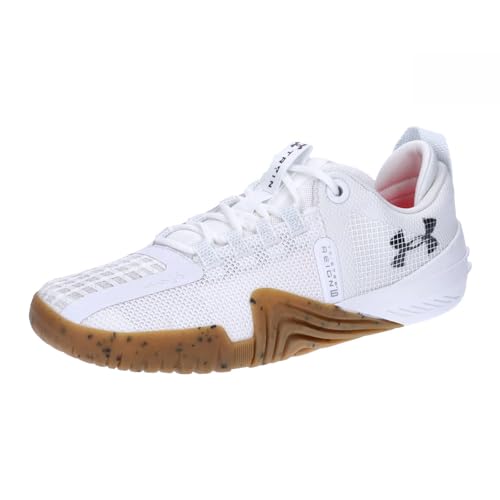
Under Armour TriBase Reign 6
What We Like
- Three-point ground contact for stability
- Strategic rubber under toe box for grip
- Dual-density midsole: soft forefoot, firm heel
- Low-to-ground build for power transfer
Trade-offs
- Weighs 2.6 pounds, heavier than some cross trainers
- Not ideal for runners needing cushioning over distance
A three-point ground contact system and a low-to-ground build mean this shoe is designed to keep you planted during lifts, with every ounce of force going straight into the floor. The strategic rubber under the toe box adds extra grip exactly where you push off, so heavy deadlifts or explosive moves feel secure rather than slippery. It’s a great match if your training revolves around barbell work, kettlebell swings, or any movement where stability and floor feel matter more than plush padding.
The trade-off is weight: at 2.6 pounds, the TriBase Reign 6 is noticeably heavier than the Reebok Nano X5 (1.0 pound), which could feel clunky during agility drills or quick transitions. The dual-density midsole, softer in the forefoot, firmer in the heel, gives you comfort for standing lifts but not the bounce you’d want for a run. If your sessions mix heavy strength with sprints or box jumps, the lighter Nano X5 might flow better. But for pure grip and ground connection under a loaded bar, this shoe delivers.
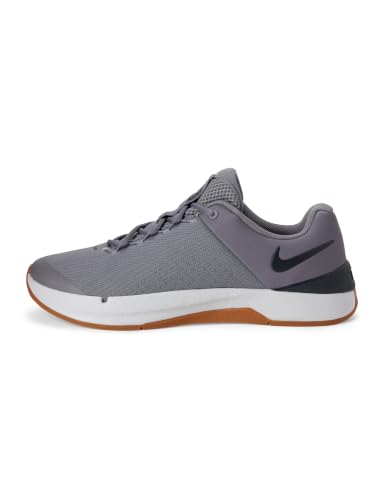
Nike MC Trainer 4 Workout Shoes
What We Like
- Flat stable base for lateral moves
- Forefoot flex grooves aid flexibility
- Foam midsole cushions during activity
- Rubber traction supports multi-direction movement
Trade-offs
- Soft foam midsole lacks firm support for heavy lifting
- Flat base limits arch support for high-arched feet.
A flat, stable base is the first thing that stands out here, because it keeps you grounded when you’re shuffling side to side or cutting hard during agility drills. That makes the Nike MC Trainer 4 a natural pick for anyone whose workouts involve lateral movements, think court sports, ladder drills, or reactive strength work. The forefoot flex grooves let you bend and push off naturally, while the foam midsole gives enough cushion to feel secure through bursts of activity without letting you sink too deep. It’s a shoe built for motion, not just standing still.
At 0.7 pounds, this shoe is lighter than some other cross-trainers on the market, such as the Under Armour TriBase Reign 6 at 2.6 pounds. That lightness can help with quick footwork, but the shoe’s flat, stable base and foam midsole are designed to keep you grounded during lateral movements and rigorous activity. It is built for motion, not specifically for heavy static lifting, so consider your training focus when choosing.
Product photos
New Balance 608 V5 Cross Trainer

What We Like
- ABZORB heel pad absorbs impact
- Suede leather upper for durable structure
- Dual density collar supports ankle stability
- Phantom Liner reduces interior irritation
Trade-offs
- 0.9 lb weight is light but not minimal for speed work
- Suede upper limits breathability for intense sweat sessions
A suede leather upper and ABZORB heel crash pad make this shoe feel like a well-worn friend from the first step. The dual density collar wraps your ankle with supportive foam, while the Phantom Liner interior cuts down on seam irritation so you can focus on your set instead of your feet. At 0.9 pounds, it’s light enough for all-day wear but built with a molded PU insert and internal shank that keep you stable during gym circuits or a long walk. This is the shoe that rewards steady, everyday movement without demanding you break in a stiff chassis first.
The ABZORB heel crash pad absorbs impact on every step, making this a comfortable choice for walking and casual wear. The dual density collar foam supports the ankle and helps maintain stability during workouts, while the Phantom Liner interior reduces irritation for a smooth fit. For lifting and daily use, the EVA foam midsole with an internal shank adds lightweight cushioning and midfoot stability.
Puma Voltaic Evo Cross Trainer

What We Like
- SoftFoam+ insole for all-day cushioning
- TPU shank keeps strides steady
- Full-length rubber outsole grips varied surfaces
- Padded collar and heel for wide feet
Trade-offs
- At 2.4 lb, heavier than some gym-focused trainers
A full-length rubber outsole and a built-in TPU shank give the Puma Voltaic Evo a stable, planted feel during quick pivots and strength work. The SoftFoam+ insole with its extra-thick heel adds plush comfort that carries you through a long gym session or a day on your feet. This shoe is built for men who need a roomy toe box and a secure fit around the heel, the padded collar and wide-friendly design mean no pinching or slipping, even during lateral moves. It blends durability with a street-ready look, so you can wear it from the squat rack to the sidewalk without changing shoes.
At 2.4 pounds, the Voltaic Evo is heavier than some gym-focused trainers, but that extra heft pays off in impact absorption and all-day comfort. For anyone with wide feet who wants a do-everything trainer that doesn’t sacrifice support for comfort, this Puma delivers a steady, cushioned ride.
PUMA Tazon 6 Cross Training Shoes

What We Like
- TPU shank improves motion control
- SoftFoam+ sockliner for plush step-in comfort
- EVA heel pod absorbs impact
- Durable rubber outsole grips varied surfaces
Trade-offs
- Designed for stability, not quick lateral cuts.
- Not ideal for high-intensity agility drills.
The TPU shank reinforces support and improves motion control, which means you get a stable, confident stride during activities that require a solid base. The SoftFoam+ sockliner adds plush step-in comfort with an extra-thick heel, so your feet stay comfortable during longer sessions without losing that grounded sensation.
The PUMA SoftFoam+ sockliner delivers plush step-in comfort with an extra-thick heel for enhanced everyday cushioning, so your feet feel supported during long periods on hard gym floors. The EVA heel pod provides soft cushioning to help absorb impact during daily activities, which means less jarring when walking on concrete or using cardio machines. The midfoot saddle design helps create a secure, comfortable fit that feels supportive for all-day wear, keeping your foot locked in place without excessive pressure.
Product photos
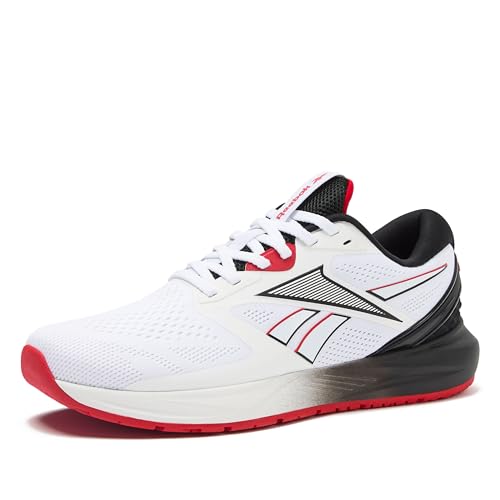
Reebok NFX Trainer 2 Cross Trainer
What We Like
- EVA midsole for cushioning
- TPU heel clip for stability
- Breathable engineered mesh upper
- Removable INSITE LuxComfort sock liner
Trade-offs
- No weight listed for comparison
The removable INSITE LuxComfort sock liner means you can swap in your own orthotics or let the open-cell PU foam cradle your foot during a long gym session. That kind of adaptability, paired with an EVA midsole that softens landings and a TPU heel clip that locks you in for lateral moves, makes this shoe feel ready for whatever you throw at it. Lifting, running, walking, or circuit work, it’s the kind of do-it-all design that suits someone who hates changing shoes between a deadlift set and a treadmill cooldown.
The TPU heel clip provides stability for lateral moves, but the added structure may not suit those who prefer a more flexible shoe. Compared to the Reebok Nano X5, which is also a cross trainer, the NFX Trainer 2 offers a balance of cushion and support for a range of activities. If your workouts jump from burpees to barbells, this shoe’s versatility is hard to beat.
Product photos
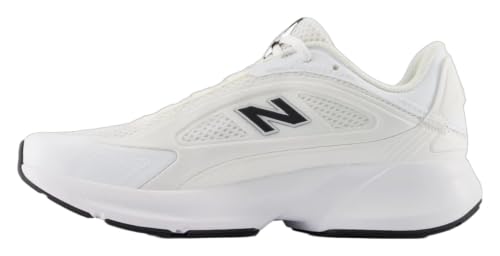
New Balance DynaSoft CTLYST V1 Cross Trainer
What We Like
- DynaSoft midsole for plush comfort
- Higher stack height adds underfoot cushioning
- Rubber pod outsole for traction and stability
Trade-offs
- Not designed for men's sizing or wide feet
A DynaSoft midsole that pairs ultra-responsive performance with plush comfort means every step feels forgiving, even during high-impact circuits or long gym sessions. The higher stack height adds noticeable underfoot cushioning. So if your knees or feet tend to complain after a few rounds of burpees or box jumps, this shoe gives you that extra layer of protection without turning spongy. It suits anyone who prioritizes comfort over ground feel, especially those mixing cardio with light strength work.
The extra cushioning and 1.5-pound weight mean this shoe is less suited for heavy deadlifts or Olympic lifts where a stable, low-to-the-floor platform is preferred. For gym-goers who value soft landings and all-day wearability over pure lifting precision, this is a worthy pick.
Product photos
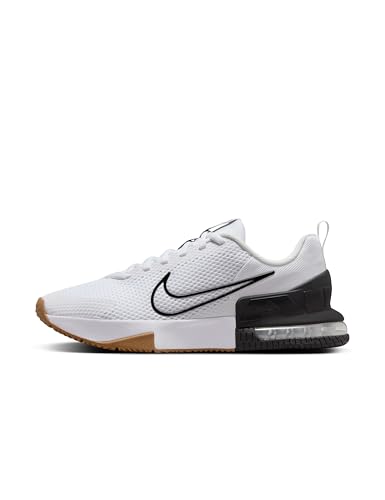
Nike Air Max Alpha Trainer 6 Workout Shoes
What We Like
- Fine-tuned heel Max Air for stability
- Foam midsole softens impact
- Flex grooves aid lunging movement
- Rubber wrap supports lateral moves
Trade-offs
- Forefoot lacks Max Air cushioning for impact
- Wide sole prioritizes stability over quick pivots
A Max Air unit at the heel, fine-tuned for stability, makes this shoe feel like a mini landing pad for heavy lifts and high-impact moves. The foam midsole spreads that cushioning forward, so each rep or step lands softer. That combination suits anyone who wants to protect their heels during squats, deadlifts, or box jumps without losing a stable base. The flat, wide sole and rubber tread lock you in place, so you can focus on the weight, not your footing.
The forefoot cushioning relies on foam without a Max Air unit, and the wide sole prioritizes stability over quick directional changes. If your training leans toward agility work or fast lateral cuts, the Reebok Nano X5 offers a different balance of support and flexibility. But for steady strength sessions where heel comfort matters most, this Nike delivers reliable support that won’t quit.
Product photos
How We Evaluated Cross Trainer Shoes
Our research focused on what makes a cross trainer work for real gym sessions. We studied manufacturer specifications, dug into expert round-ups from strength and conditioning sources, and looked at patterns in thousands of owner reviews to see which features held up over time. This is not a lab test, it is a thorough, research-led evaluation designed to narrow the field based on what matters most.
We judged each shoe on four criteria. Stability and support came first because a wobbly platform compromises heavy lifts and quick cuts. Cushioning balance mattered next, too soft and you sink during squats, too firm and box jumps punish your joints. Traction and outsole design determined how well a shoe gripped floors, turf, and gym mats. Finally, we considered versatility: a true cross trainer should handle strength work, cardio intervals, and agility drills without forcing you to change shoes.
A research-based approach has limits. We cannot tell you how a shoe feels on your unique foot, and owner feedback sometimes conflicts between runners and lifters. What we can do is give you the data-backed differences so you can make an informed choice for your training style.
What To Look For In Cross Trainer Shoes
Cross trainers live in the middle ground between running shoes and lifting shoes. The right pair balances stability, cushioning, and traction for whatever your workout throws at you.
A good cross trainer has a stable heel platform for lifting, enough forefoot cushioning for jumps, and an outsole that grips during lateral cuts. Durability matters too, mesh breathes but wears faster, while leather or synthetic overlays add life.
Stability and Heel Platform
A firm, low-to-ground heel keeps you planted during squats, deadlifts, and overhead presses. Look for a dual-density midsole or a TPU heel clip, these resist compression under heavy loads. The Reebok Nano X5 uses a decoupled outsole that lets the forefoot move independently while the heel stays locked, which is ideal for mixed workouts. If you primarily lift heavy, prioritize a wider heel base and minimal midsole foam.
Cushioning and Responsiveness
Cross trainers need enough cushioning for box jumps, burpees, and short runs, but not so much that you feel unstable under a barbell. Full-length foam midsoles like the Charged Cushioning in the Under Armour Charged Commit Trainer 5 offer a balanced feel. Higher stack heights, such as the New Balance DynaSoft CTLYST V1, provide plush comfort for cardio but can sacrifice stability for dedicated lifters. Match the cushioning level to your dominant activity.
Traction and Outsole Design
Grip matters for everything from sled pushes to agility drills. Rubber outsoles with multi-directional tread patterns handle gym floors and turf alike. The Under Armour TriBase Reign 6 uses a three-point ground contact design that maximizes rubber contact for heavy lifting. Look for outsole rubber that wraps up the sides of the shoe, this adds durability during rope climbs and lateral movements.
A quick checklist before you buy:
- Can you press your thumb into the heel foam without it sinking more than a quarter-inch?
- Does the outsole have visible tread patterns in the forefoot and heel?
- Is the upper breathable but reinforced at high-wear points like the toe box and sidewalls?
- Does the shoe weigh under 14 ounces for a men’s size 10?
- Can you bend the forefoot 45 degrees while the heel stays flat?
Rule of thumb: if the shoe feels comfortable during a standing calf raise with weight, it has the stability you need for lifting.
Cross Trainer Shoes Compared
The table below compares our ten picks across key specs so you can see how each shoe stacks up for your training needs.
| Product | Midsole/ Cushioning | Outsole | Weight |
|---|---|---|---|
| Reebok Nano X5 Men's Cross Trainer | Dual-density midsole | Metasplit outsole | 1.0 pounds |
| Under Armour Charged Commit Trainer 5 | Full-length Charged Cushioning midsole | Full rubber with wrap-up sides | N/A |
| Under Armour TriBase Reign 6 | Dual-density midsole | Strategic rubber under toe box | 2.6 pounds |
| Nike MC Trainer 4 Workout Shoes | Foam midsole | Rubber with flex grooves | 0.7 pounds |
| New Balance 608 V5 Cross Trainer | ABZORB heel + EVA foam midsole | N/A | 0.9 pounds |
| Puma Voltaic Evo Cross Trainer | SoftFoam+ insole, 10CELL midsole | Full-length rubber | 2.4 pounds |
| PUMA Tazon 6 Cross Training Shoes | PUMA SoftFoam+ sockliner, EVA heel pod | Durable rubber | N/A |
| Reebok NFX Trainer 2 Cross Trainer | EVA foam midsole | Rubber with flex grooves | N/A |
| New Balance DynaSoft CTLYST V1 Cross Trainer | DynaSoft midsole | Rubber pod | 1.5 pounds |
| Nike Air Max Alpha Trainer 6 Workout Shoes | Foam midsole + Max Air heel unit | Flat, wide sole with rubber tread | 1.0 pounds |
Frequently Asked Questions
Can I use cross trainer shoes for running?
Cross trainers work for short runs under two miles, but they lack the forefoot cushioning and heel-to-toe drop of dedicated running shoes. For longer distances, stick with running-specific footwear.
What is the difference between cross trainers and weightlifting shoes?
Weightlifting shoes have a raised heel, a rigid sole, and straps for foot lockdown during squats and Olympic lifts. Cross trainers offer a flat base with more flexibility for multi-directional movement. Our cross trainers vs weightlifting shoes guide breaks down the shoe type differences in detail.
How long do cross trainer shoes typically last?
With regular gym use, three to five sessions per week, expect several months to a year. Signs of wear include compressed midsole foam, smooth outsole tread, and tears in the upper mesh.
Are cross trainer shoes good for wide feet?
Some models accommodate wider feet better than others. The Puma Voltaic Evo Cross Trainer features a padded collar and heel designed for wider builds, while many standard cross trainers run narrow. Look for brands that offer wide sizing options.
Can I wear cross trainer shoes for everyday walking?
Yes, many cross trainers double as comfortable walking shoes thanks to their supportive midsoles and durable outsoles. The New Balance 608 V5, with its ABZORB heel pad and padded collar, is a popular choice for all-day wear.
The Bottom Line
The Reebok Nano X5 Men’s Cross Trainer is the best all-around choice for gym-goers who lift, jump, and run in a single session. Its dual-density midsole and decoupled outsole give you the stability for heavy work and the flexibility for dynamic moves. If your priority is balanced cushioning for daily training, the Under Armour Charged Commit Trainer 5 delivers, while the Nike MC Trainer 4 is your pick for lateral agility work.
For shoppers with specific needs, the Under Armour TriBase Reign 6 offers unmatched grip for heavy lifting. The Puma Voltaic Evo fits wider feet comfortably, and the New Balance DynaSoft CTLYST V1 provides plush cushioning for cardio-focused workouts. Budget-minded buyers will find strong value in the Reebok NFX Trainer 2, which covers lifting, running, and circuits without a premium price tag.
The single most important factor in choosing a cross trainer is matching the shoe’s stability and cushioning to your dominant workout style. A lifter needs a firm platform; a HIIT enthusiast needs shock absorption and grip. Pick the shoe that fits how you actually train, not the one with the most features.
