
9 Best Gym Shoes For Walking in 2026
This post contains affiliate links. As an Amazon Associate, we earn from qualifying purchases.
The best gym shoes for walking need to handle miles on the treadmill and trips around the weight room. The New Balance 928 V3 Walking Shoe wins as Best Overall. Its ROLLBAR technology and motion control design give walkers the stability they need for alignment during long sessions. For those who need certified support, the Brooks Adrenaline GTS 25 Walking Shoe is our Best For Support pick, while the Brooks Ghost 18 Walking Shoe takes the Best Cushioned Ride award for plush, nitrogen-infused comfort.
The real challenge with gym walking shoes is finding the right balance between cushioning and stability. Too much softness can leave your feet fatigued after thirty minutes, while a rigid shoe can feel clunky on the treadmill. You also need a sole that grips gym floors without picking up every piece of debris.
This guide is built from manufacturer specifications, expert round-ups, and patterns in owner feedback. We focused on the features that actually matter for gym walkers: support systems, cushioning technology, fit options, and outsole traction. We also considered how each shoe performs for both treadmill walking and general gym use.
Top 9 Gym Shoes For Walking in the Market
Certain content that appears on this site comes from Amazon. This content is provided "as is" and is subject to change or removal at any time.
The Best Gym Shoes For Walking, Reviewed
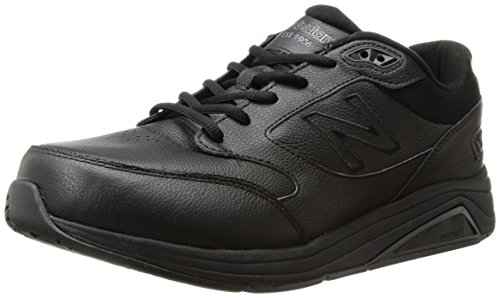
New Balance 928 V3 Walking Shoe
What We Like
- ROLLBAR reduces rear-foot movement
- ABZORB cushioning absorbs impact
- Premium leather upper holds shape
- Motion control design for alignment
Trade-offs
- Lace-up closure requires manual tying
- Heavier than many walking shoes at 1.1 pounds
A motion control design with ROLLBAR technology means your foot stays aligned stride after stride, which matters most if you overpronate or want extra stability during long walks. The ABZORB cushioning at heel and forefoot soaks up shock so your joints feel less beat up by the end of the day. This shoe suits anyone who spends hours on their feet and wants a supportive, structured platform that holds up to daily use without losing its shape.
The trade-off is that the premium leather upper, while durable and polished, may not suit everyone. Compared to the Brooks Ghost 18, which is designed for neutral walkers, the 928 V3 focuses on motion control and stability. If you need motion control and all-day comfort, this is your pick; if you prefer a neutral shoe, the Ghost 18 might be a better fit.
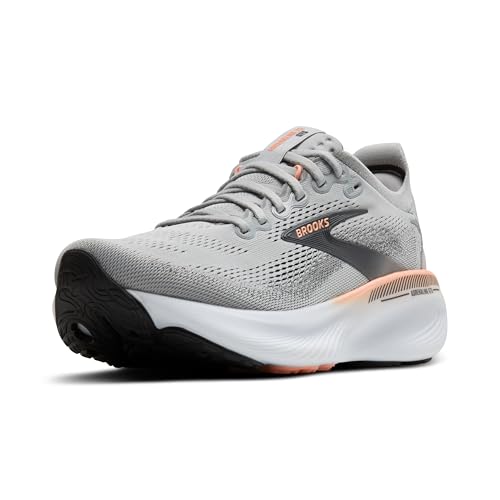
Brooks Adrenaline GTS 25 Walking Shoe
What We Like
- GuideRails holistic support system
- Soft nitrogen-infused DNA Loft v3 cushioning
- Breathable engineered mesh upper
- Certified PDAC diabetic and APMA approved
Trade-offs
- Designed for support, not neutral gait
The GuideRails holistic support system keeps your body moving along its natural path while checking excess motion, which is exactly what you want if your ankles or knees tend to wander during a long walk. Paired with the soft, dynamic DNA Loft v3 cushioning, this shoe delivers a smooth, distraction-free feel mile after mile. It’s also certified as a PDAC A5500 diabetic shoe and carries the APMA Seal of Acceptance, so it meets medical-grade comfort standards without looking clinical. That combination makes it a reliable partner for anyone who needs structured support without sacrificing softness.
At 0.6 pounds, the Adrenaline GTS 25 is noticeably lighter than the Brooks Ghost 18 (1.5 pounds), which means less drag on your stride but also less heft underfoot. If you prefer a shoe that feels substantial and grounded, the Ghost 18’s neutral platform might suit you better. For daily gym walks where support matters most, this is a smart, thoughtfully built choice.
Brooks Ghost 18 Walking Shoe

What We Like
- Nitrogen-infused DNA LOFT v3 cushioning
- Ortholite X-60 sockliner for plush comfort
- Breathable triple jacquard engineered mesh
- 3M reflectivity for low-light safety
Trade-offs
- Heavier than some walking-focused shoes at 1.5 lb
- Designed as neutral shoe, less support for overpronation
The Ghost 18 is designed for everyday runners, walkers, and fitness enthusiasts who want a blend of soft cushioning and balanced support. Its nitrogen-infused DNA LOFT v3 foam provides a soft, responsive ride, while the Ortholite X-60 sockliner adds plush step-in comfort from the first wear. The redesigned upper uses a flexible flat knit tongue and triple jacquard engineered mesh for breathability and a supportive fit.
Product photos
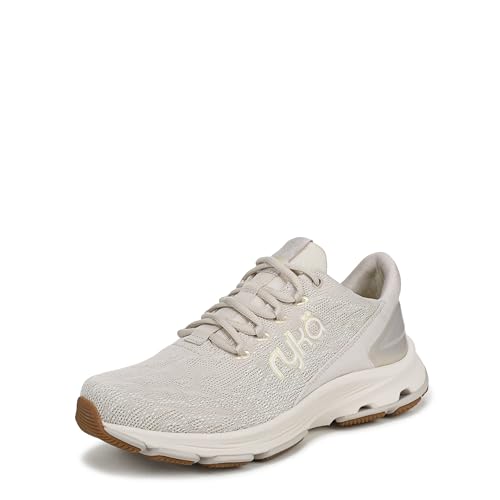
Ryka Devotion X Walking Shoe
What We Like
- Full-length RE-ZORB cushioning for shock absorption
- Designed for women's narrower heel and roomier toe
- Breathable mesh upper with padded heel
- Extra RE-ZORB in forefoot and heel
Trade-offs
- At 1.6 lb, heavier than some walking shoes
- Lace-up closure, no slip-on convenience
Full-length RE-ZORB responsive cushioning runs from heel to toe, with extra padding under the forefoot and heel, so each step lands softly and pushes off with a little bounce. That matters when you’re logging miles on a treadmill or circling a gym track, your joints get consistent shock absorption without feeling mushy. The fit is built around a woman’s foot: a narrower heel to reduce slippage, a roomier toe box so toes can spread naturally, and softer cushioning throughout. This makes it a strong match for anyone who has struggled with standard unisex or men’s walking shoes rubbing at the heel or pinching the forefoot.
The trade-off is that the lace-up closure, while secure, takes a moment longer than a slip-on style like the Skechers Go Walk Flex Slip-Ins. And at 1.6 pounds per shoe, it’s noticeably heavier than the Brooks Adrenaline GTS 25 (0.6 lb), which can feel more noticeable during longer walks or if you’re used to ultralight footwear. That extra weight comes from the dense cushioning stack, so you’re trading a little heft for impact protection. If you prioritize a locked-down, padded ride and a fit shaped for women, this shoe delivers exactly that.
Product photos
New Balance 577 V1 Walking Shoe

What We Like
- Full-grain leather upper for durability
- ABZORB cushioning reduces walking fatigue
- Multiple width options for personalized fit
- Walking strike path promotes natural gait
Trade-offs
- Leather upper needs break-in time
- Not designed for running or high-impact activity
Multiple width options mean you can find a fit that works for your foot shape, reducing the squeeze or looseness that standard shoes often cause. The full-grain leather upper provides structure that softens over time, while ABZORB cushioning underfoot absorbs impact with every step. That combination makes it a strong choice for anyone who spends long hours on their feet at the gym or walking around town, especially if standard shoes never seem to fit right.
The full-grain leather upper on this shoe requires a break-in period, so your first few walks will feel stiffer than a mesh sneaker. At 1.0 pounds per shoe, it’s lighter than the Brooks Ghost 18 (1.5 pounds), but that initial stiffness is the trade-off for the durable, supportive structure that leather provides over time.
Wrezatro Slip On Walking Shoe

What We Like
- Memory foam insole for cloud-like comfort
- Slip-on design with padded collar
- Anti-slip rubber outsole for grip
- Flexible blade sole returns energy
Trade-offs
- No lace adjustment for custom fit
- Limited ankle support from low-top design
The memory foam insole absorbs impact during motion, which reduces the burden on your body and makes each step feel cloud-like. The elastic, breathable mesh upper wraps your foot tightly while allowing natural movement, and the low-top slip-on design with a padded collar makes pulling on and taking off easy. This shoe suits anyone who values plush cushioning and convenience over firm structure or support.
That said, the low-top cut and slip-on fit trade some stability for convenience. So if you need firm arch support or a locked-down heel for faster walking, a laced shoe like the Brooks Adrenaline GTS 25 may offer more guidance. But for relaxed, comfortable daily walking where ease and cushioning come first, the Wrezatro delivers exactly what its memory foam promises: a gentle, cloud-like step.
Skechers Go Walk Flex Slip-Ins

What We Like
- Hands-free entry with molded heel panel
- Ultra Go cushioning for all-day comfort
- Heel Pillow tech for secure fit
- Machine washable for easy care
Trade-offs
- Not for high-intensity gym sessions
- Flexible outsole lacks arch support for pronation
The hands-free slip-on design with a molded heel panel and stretch laces means you can step in and go without bending down or using your hands. Ultra Go cushioning paired with an Air-Cooled Memory Foam insole delivers soft, responsive comfort for all-day wear. The Heel Pillow technology and bungee closure keep your foot locked in place. This shoe is built for convenience, with a flexible traction outsole that suits walking and everyday activities.
That said, the flexible traction outsole prioritizes easy movement over rigid stability, so if you need serious arch support for overpronation, the New Balance 928 V3 offers a more structured platform. For walkers who value effortless on-and-off and cushioned comfort over hardcore support, the Skechers Go Walk Flex Slip-Ins deliver on their hands-free promise. They’re a practical choice for anyone who wants to simplify their routine without sacrificing day-long comfort.
Product photos
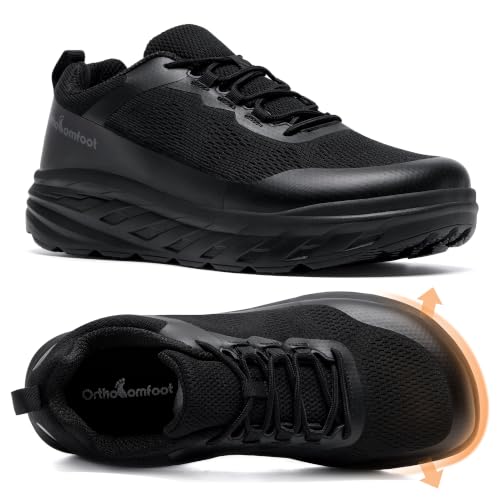
OrthoComfoot Orthopedic Walking Shoe
What We Like
- Orthotic high arch support insole
- Spacious wide toe box
- Shock-absorbing rocker bottom midsole
- Slip-resistant durable outsole
Trade-offs
- At 0.6 lb, light but less ground feel
- Not ideal for those who prefer a more traditional flat sole feel.
The OrthoComfoot Orthopedic Walking Shoe packs an orthotic high arch support insole that directly targets plantar fasciitis, heel spurs, and general foot soreness from long hours on your feet. That built-in arch padding lifts fallen arches and releases fascia tension, which makes this shoe a natural fit for anyone who stands all day at work, cashiers, security guards, or catering staff, and wants to keep walking without wincing. The spacious wide toe box also accommodates diabetic feet, swollen edema, and bunions, so you won’t feel squeezed or chafed during a long gym walk or daily errand.
The OrthoComfoot Orthopedic Walking Shoe’s rocker bottom midsole is built with a thick curved cushion sole that absorbs walking impact to safeguard knees, ankles and lower back. That makes it a strong choice for anyone recovering from foot surgery or dealing with chronic heel pain. Reviewers note that the curved design supports a natural rolling motion during walking, which can be especially helpful for those with plantar fasciitis or diabetic foot issues. Compared to the New Balance 928 V3, which weighs 1.1 pounds, the OrthoComfoot is lighter at 0.6 pounds, so it feels less clunky on long shifts. If you need serious arch relief and shock absorption for all-day standing, this shoe delivers, though the rocker bottom may take a few steps to get used to for someone accustomed to a flatter sole.
Product photos
Ryka Devotion Plus 3 Walking Shoe

What We Like
- Eight-piece rubber sole boosts traction
- Breathable mesh keeps feet cool
- RE-ZORB cushioning for shock absorption
Trade-offs
- Only available in women's sizing
- No extra-wide size option listed
The shoe’s light weight and women’s-only sizing mean it won’t work for everyone. If you need extra width or a men’s fit, you’ll want to look elsewhere. At just 0.6 pounds, it is significantly lighter than the New Balance 928 V3 walking shoe, which weighs 1.1 pounds. The eight-piece rubber sole increases traction and durability on various surfaces, so you stay steady during fitness walks. Reviewers note the engineered mesh upper breathes well, keeping feet cool during longer sessions.
Product photos
How We Evaluated Gym Shoes For Walking
We built this guide by examining manufacturer specifications, studying expert round-ups from fitness publications, and identifying patterns in thousands of owner reviews. Instead, we focused on what the data tells us about durability, support, and real-world comfort.
The four criteria that mattered most were stability technology, cushioning type, fit and width availability, and outsole design. Walkers place different demands on a shoe than runners do, so we prioritized features like motion control systems and walking-specific strike paths over pure speed or lightweight construction.
A research-led evaluation has honest limits. Owner feedback can be subjective, and a shoe that works for one foot shape may not work for another. We recommend reading about choosing gym shoes to understand your own gait and foot type before making a final decision.
What To Look For In Gym Shoes For Walking
The right gym walking shoe supports your natural gait, cushions your stride, and fits your foot shape. Here is what to check before you buy.
Look for a stable heel counter, responsive midsole cushioning, a flexible forefoot, and a tread pattern that grips gym floors without marking them. Width options matter more than you think.
Support and Stability
The most important feature for gym walking is how the shoe controls your foot through the gait cycle. Motion control designs like the New Balance 928 V3 use a ROLLBAR system to reduce rear-foot movement, which helps prevent overpronation. Support systems like Brooks’ GuideRails guide your foot without forcing it into an unnatural position.
If you have flat feet or know you overpronate, prioritize stability features over pure cushioning. A neutral shoe like the Brooks Ghost 18 is great for even gaits but offers less support for those who need it.
Cushioning Type and Density
Cushioning is not just about softness. The best walking shoe cushioning absorbs impact at the heel and returns energy at the toe-off. ABZORB foam (New Balance), RE-ZORB (Ryka), and nitrogen-infused DNA LOFT v3 (Brooks) each offer different feels. Memory foam insoles, like those in the Wrezatro Slip On, provide immediate plushness but may compress over time.
Your body weight and walking pace determine how much cushioning you need. Heavier walkers and those doing power walking benefit from denser foams that resist bottoming out. Lighter walkers may prefer a softer ride. Check our guide on walking workout shoes for more details on matching cushioning to your routine.
Fit, Width, and Closure
A walking shoe must fit snugly at the heel while leaving room in the toe box. Width options are critical, the New Balance 577 V1 offers multiple widths for a personalized fit. Women’s-specific shoes like the Ryka Devotion X account for a narrower heel and wider forefoot.
Closure type affects how the shoe feels during movement. Lace-ups give you precise tension control, while slip-ons like the Skechers Go Walk Flex Slip-Ins offer convenience but lack adjustability. Hands-free designs are excellent for quick gym entries but may not lock the heel as securely.
- Check if the shoe has a removable insole if you use custom orthotics
- Look for a padded heel collar to prevent slipping
- Test the toe box width by wiggling your toes, they should not touch the front
- Consider the shoe’s weight if you plan to wear it for extended walking
- Verify the outsole is non-marking for indoor gym use
A good rule of thumb: if the shoe feels perfect in the store, it is probably the right size. Walking shoes should not need a break-in period for basic comfort.
Gym Shoes For Walking Compared
The table below compares all nine picks across key specs so you can see how they differ in weight, support type, and best use case.
| Product | Weight | Upper Material | Cushioning |
|---|---|---|---|
| New Balance 928 V3 Walking Shoe | 1.1 pounds | Premium leather | ABZORB heel and forefoot |
| Brooks Adrenaline GTS 25 Walking Shoe | 0.6 pounds | Breathable engineered mesh | DNA Loft v3 nitrogen-infused |
| Brooks Ghost 18 Walking Shoe | 1.5 pounds | N/A | DNA LOFT v3 foam |
| Ryka Devotion X Walking Shoe | 1.6 pounds | Breathable mesh | Full-length RE-ZORB responsive |
| New Balance 577 V1 Walking Shoe | 1.0 pounds | Full-grain leather | ABZORB midsole |
| Wrezatro Slip On Walking Shoe | N/A | Elastic breathable mesh | Memory Foam |
| Skechers Go Walk Flex Slip-Ins | 1.2 pounds | N/A | Ultra Go + Air-Cooled Memory Foam |
| OrthoComfoot Orthopedic Walking Shoe | 0.6 pounds | N/A | N/A |
| Ryka Devotion Plus 3 Walking Shoe | 0.6 pounds | Breathable engineered mesh | RE-ZORB responsive foam |
Frequently Asked Questions
What is the difference between walking shoes and running shoes?
Walking shoes are designed with a more rigid heel and a flexible forefoot to support the heel-to-toe walking gait. Running shoes prioritize forward motion and impact absorption for heel strikes at higher speeds. Walking shoes also tend to have less aggressive cushioning and a flatter sole for stability.
Can I use walking shoes for the gym?
Yes, most walking shoes work well for gym use, especially for treadmill walking, light weight training, and cardio machines. The key is choosing a shoe with a non-marking outsole and enough lateral support for exercises like side steps or lunges. For heavy lifting, you may want a flatter, more stable shoe.
How often should I replace my gym walking shoes?
Most walking shoes last for hundreds of miles, which translates to roughly every four to six months for regular gym walkers. Signs of wear include flattened cushioning, uneven tread, and visible creasing in the midsole. If your knees or feet start aching after walks, it is time for a new pair.
What is the best shoe for walking on a treadmill?
The best treadmill walking shoes have a smooth, non-marking outsole and responsive cushioning that handles repetitive impact. The New Balance 928 V3 and Brooks Ghost 18 both work well for treadmill use because their midsoles absorb shock without feeling mushy. Avoid heavily lugged outsoles that can feel grabby on the belt.
Do I need motion control shoes for walking?
Motion control shoes help if you overpronate or have flat feet, because they guide your foot through a more efficient stride. If you have a neutral gait, a stability or neutral shoe is fine. The best approach is to check your wear pattern on an old pair of shoes, if the inner edge is worn down, motion control may help.
The Bottom Line
The New Balance 928 V3 Walking Shoe is our Best Overall pick for walkers who need motion control and stability during long gym sessions. Its ROLLBAR system and ABZORB cushioning provide a reliable platform for anyone who spends hours on their feet. If you need certified diabetic support or a plush ride, the Brooks Adrenaline GTS 25 and Brooks Ghost 18 are excellent alternatives.
Budget-conscious walkers and those needing precise width options should look at the New Balance 577 V1, while women seeking a tailored fit will appreciate the Ryka Devotion X. For maximum convenience, the Skechers Go Walk Flex Slip-Ins offer hands-free entry without sacrificing comfort.
The single most important factor in choosing gym walking shoes is matching the support level to your gait. Buy the stability you need, not the cushioning you want, and your feet will thank you after every workout.
