
10 Best Veggie Protein Powders in 2026
This post contains affiliate links. As an Amazon Associate, we earn from qualifying purchases.
The best veggie protein powder is Orgain Organic Vegan Protein Powder, winning for its clean organic pea, rice, and chia blend. It delivers 21g of protein alongside 6g of prebiotic fiber for gut support with no added sugar or artificial extras. For a complete meal replacement, Garden of Life Raw Organic Meal Protein Powder stands out, while Vega Protein Recovery Powder excels for post-workout recovery.
Finding the right plant-based protein means balancing protein content, ingredient purity, and digestive comfort. Many powders are packed with artificial sweeteners, gums, or incomplete amino profiles that leave you guessing what you are actually fueling your body with.
We built this guide by combing through manufacturer specs, ingredient labels, and patterns in owner feedback across dozens of vegan protein powders. The result is a curated list of 10 options that cover different priorities, from budget-friendly single-ingredient picks to certified-sport powders for serious athletes.
Top 10 Veggie Protein Powders in the Market
Certain content that appears on this site comes from Amazon. This content is provided "as is" and is subject to change or removal at any time.
The Best Veggie Protein Powders, Reviewed
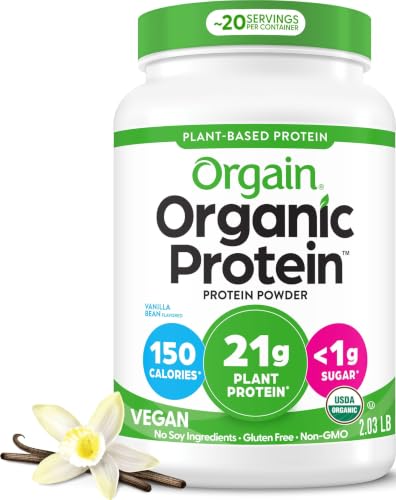
Orgain Organic Vegan Protein Powder
What We Like
- Organic pea, rice & chia protein blend
- 6g prebiotic fiber for gut support
- No added sugar, erythritol, or soy
- All nine essential amino acids included
Trade-offs
- 21g protein is lower than some competitors
- Contains chia seeds, which some avoid
Twenty-one grams of organic plant protein from peas, brown rice, and chia seeds gives you a complete amino acid profile. The 6g of prebiotic fiber is a feature that supports gut health, according to the label. You can mix it with water, almond milk, oat milk, or blend it into shakes and smoothies, and add it to overnight oats or baked goods. With no added sugar or artificial sweeteners, the ingredient list stays clean. This is a reliable everyday powder for anyone who wants something straightforward.
The trade-off is that 21g per scoop is a bit lean compared to Vega Protein Recovery’s 30g, so if you’re chasing serious post-lift numbers, you might need an extra half-scoop or a second shake. But the organic certification, the prebiotic fiber, and the simple ingredient list make this a better everyday choice for most people. It’s a powder that doesn’t try to be everything at once, it just does the basics well, and that’s exactly what a lot of us need.
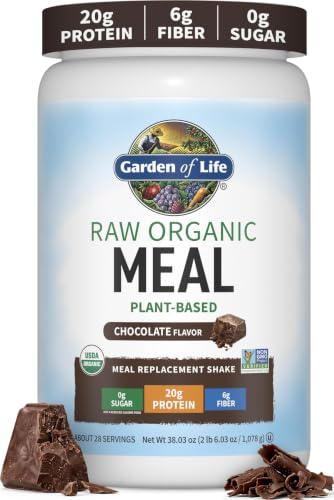
Garden of Life Raw Organic Meal Protein Powder
What We Like
- 20g protein with 6g fiber per serving
- 0g sugar and low net carbs
- Includes probiotics and digestive enzymes
- Third-party certified organic and vegan
Trade-offs
- Higher calorie than some plain protein powders
- Contains added probiotics, not for those avoiding them
Twenty grams of plant protein plus six grams of fiber in just 150 calories, that ratio is what makes this powder feel like a full meal rather than a snack. The organic pea protein base gets support from sprouts, greens, and live probiotics, so you are getting more than just muscle fuel. It suits anyone who wants a shake that doubles as a quick breakfast or lunch replacement, especially when you need something that keeps you full without a sugar crash.
With 20 grams of plant-based protein and 6 grams of fiber in 150 calories per serving, this powder is designed to work as a complete meal, not just a quick protein boost. For someone who wants a higher protein count, the Vega Protein Recovery Powder offers 30 grams per serving, but that product is formulated for recovery rather than all-in-one nutrition. This Garden of Life blend keeps things simple with no added sugar and a smooth chocolate flavor that mixes easily in water or smoothies. So you get a satisfying shake without the chalky taste or artificial ingredients found in some other brands.
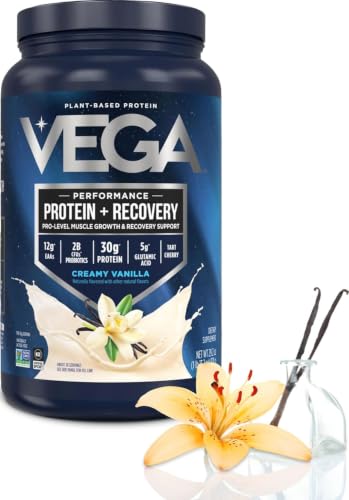
Vega Protein Recovery Powder
What We Like
- 30g plant protein for muscle recovery
- NSF Certified for Sport safety
- Gut-healthy probiotics and fiber
- Mixes smooth without clumps
Trade-offs
- Vanilla flavor only in this size
- Only 20 servings per container
Thirty grams of plant protein per serving is the kind of number that catches your eye when you are trying to rebuild muscle after a hard session. Vega Protein Recovery Powder backs that with 2 billion CFU of probiotics and a dose of fiber, so your digestion stays on track while your muscles get what they need. The NSF Certified for Sport badge means you can trust what is inside the tub, whether you are training for a race or just trying to feel less sore the morning after leg day. For anyone who wants a protein powder that pulls double duty on recovery and gut health, this one delivers on both fronts.
The trade-off here is that the probiotics, while helpful for many, can cause bloating or gas if your stomach is not used to them, especially if you are new to fermented foods or live cultures. Compared to a simpler option like NAKED Pea Protein, which is just one ingredient and no extras, this Vega formula asks your gut to adapt. But if you already handle probiotics well, the added fiber and digestive support make it a smarter post-workout choice than a plain protein powder. Just stick with water or oat milk for the smoothest mix, and you will have a reliable recovery shake that does not leave you feeling heavy.
Product photos
EarthChimp Organic Vegan Protein Powder

What We Like
- 1 billion CFU probiotics per serving
- 0g added sugar, sweetened with monk fruit
- USDA Organic and soy-free
Trade-offs
- Only 20g protein per serving
- Contains dates and banana for flavor
A single serving delivers 1 billion CFU of probiotics alongside 4g of fiber, which makes this protein powder unusually kind to your digestion. Most plant-based blends focus solely on protein content, leaving you to chase fiber and gut support from other foods. EarthChimp wraps those extras into a chocolate shake that stays at 120 calories and 0g added sugar, sweetened gently with monk fruit instead of sugar alcohols. It is a smart pick if your stomach tends to protest after heavy protein shakes or if you want a breakfast-friendly option that keeps things moving without extra effort.
The protein content is 20g per serving, which is less than the 24g in Optimum Nutrition Gold Standard Plant Protein or the 30g in Vega Protein Recovery Powder. That gap matters if you are aiming for a high-protein post-workout shake, but for everyday use, stirring into oatmeal or blending with banana and berries, it is enough. The ingredient list includes organic cocoa, dates, banana, baobab, cinnamon, and turmeric, so you know exactly what is in your scoop. The fruit-based flavor profile leans naturally sweet and earthy, which is pleasant but distinct from the more neutral or dessert-like profiles of other powders.
Product photos
Optimum Nutrition Gold Standard Plant Protein

What We Like
- Contains all 9 essential amino acids
Trade-offs
- Not organic like some competitors
- Lacks added fiber or probiotics found in others
One scoop of this powder delivers 24 grams of protein from pea, rice, and fava bean, along with all nine essential amino acids. That matters for anyone on a plant-based diet who wants a single protein source that covers the full amino profile without needing to combine different foods. It mixes smoothly with just a glass and spoon, and contains zero sugar and no gluten, so it fits into a straightforward daily routine. The brand suggests having a shake 30 to 60 minutes after a workout or as an anytime snack.
This powder is not organic, so if sourcing certified organic ingredients is a priority for you, something like Orgain Organic Vegan Protein Powder might fit better. And while it delivers a solid protein punch, it skips extras like prebiotic fiber or probiotics that some other plant powders include.
THORNE Plant Protein Powder

What We Like
- 22 g protein with all 9 EAAs
- NSF Certified for Sport purity
- Only 130 calories per serving
- Vegan, gluten-free, soy-free
Trade-offs
- Vanilla flavor only in this option
- No fiber or probiotics included
Twenty-two grams of protein from pea, rice, and chia, plus every essential amino acid, means this powder gives your muscles the full building block set they need for repair and recovery. What really sets it apart, though, is the NSF Certified for Sport badge on the label. That certification means every scoop has been tested for nearly 300 substances banned by major athletic organizations. So if you compete or just want total peace of mind about what goes into your shake, this is the cleanest bet in the guide.
This option currently comes only in vanilla, so if you prefer chocolate or unflavored, you will have to look elsewhere. But for anyone who values third-party verification over variety, the Thorne plant powder delivers exactly what the certification promises: pure, reliable nutrition without the guesswork.
Product photos
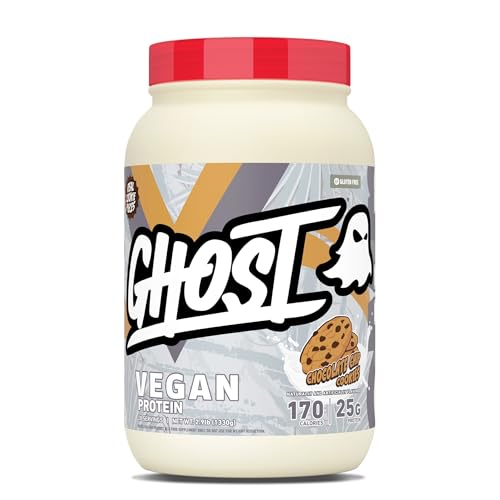
GHOST Vegan Protein Powder
What We Like
- Fully disclosed ingredient doses per scoop
- 25 g protein from pea and organic pumpkin seed
- Soy free and gluten free formula
- Chocolate Chip Cookies flavor included
Trade-offs
- Contains pumpkin seed protein, which some avoid for taste
- No probiotics or prebiotic fiber included
A 25-gram protein dose from a fully disclosed pea and organic pumpkin seed blend means you know exactly what goes into every scoop. That transparency is rare in plant-based powders, where proprietary blends often hide exact amounts. If you value knowing how much pea protein concentrate versus pumpkin seed protein you’re getting, this tub makes it easy to track your intake without guesswork. The soy-free and gluten-free formula also sidesteps common allergens, so it fits a range of dietary needs without forcing you to compromise on protein count.
28 servings per tub means you’ll go through it faster than a 76-serving bag like NAKED Pea if you drink a shake daily. Compared to Orgain Organic Vegan’s 21 grams with added prebiotic fiber, GHOST focuses on pure protein and label honesty rather than extras. It is a straightforward pick for someone who wants a clean, verifiable protein source without mystery ingredients.
Product photos
NAKED Pea Protein Powder

What We Like
- Single ingredient: 100% yellow pea protein
- NSF Certified for purity and safety
- 27g protein with 120 calories per serving
- No artificial sweeteners, flavors, or colors
Trade-offs
- Unflavored, so you must add your own taste
- Contains only pea protein, no blended protein sources
27 grams of protein per serving with just 120 calories and zero additives means you get a clean, concentrated protein boost without any of the fillers or artificial stuff that can clutter up other powders. That single-ingredient simplicity makes this a smart pick if you want full control over what goes into your shake, just toss in a banana or some berries and you’re set. It’s a verified, no-nonsense protein source you can trust for daily use.
Unflavored pea protein has a distinct earthy taste that not everyone loves straight up, and you’ll need to blend it with something flavorful to mask it. Compare that to Orgain Organic Vegan Protein Powder, which comes in vanilla bean flavor. If you don’t mind playing mixologist with your smoothies and want maximum protein per dollar without any extras, this is a straightforward, honest option.
Product photos
Truvani Organic Plant Based Protein Powder

What We Like
- USDA Organic certified ingredients
- No artificial sweeteners or fillers
- Free of soy, dairy, gluten, stevia
- Sweetened with organic monk fruit
Trade-offs
- Only 18 servings per container
- No probiotics or fiber included in the formula
Truvani delivers 20 grams of protein per serving from organic pea, pumpkin seed, and chia seed, which puts it in the middle of the pack for protein count but makes it a standout for anyone who needs to avoid common irritants. The formula skips artificial sweeteners, fillers, soy, dairy, gluten, and stevia, using organic monk fruit for sweetness instead. With USDA Organic certification and a short ingredient list, you know exactly what you’re drinking.
Serving count is the main limitation here. With only 18 servings per container, you will go through it faster than some larger tubs on the market. If you want a no-fuss, allergen-friendly protein that tastes smooth without chalkiness, the shorter container is a fair swap for that peace of mind. Just plan to restock a little sooner.
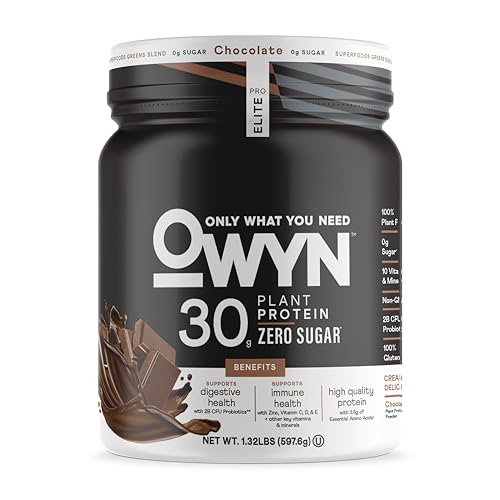
Owyn Only What You Need Pro Elite High Protein Powder
What We Like
- Zero sugar with 30g vegan protein
- Free of top allergens and artificial additives
- Delivers all 9 essential amino acids
Trade-offs
- Only 12 servings per container
Thirty grams of plant protein with zero sugar means this powder is built for recovery without the blood sugar spike or crash that can sabotage post-workout refueling. The blend of organic pumpkin seed, chia, and pea protein supplies every essential amino acid and naturally occurring BCAAs, so your muscles get the building blocks they need to repair after a hard session.
Portion count is the main drawback: with only 12 servings per tub, this is a smaller container than many competitors, so you will reorder more often if you train daily. Compared to Orgain Organic Vegan Protein Powder, which offers 21g of protein and 4g of prebiotic fiber per serving in a larger tub, Owyn prioritizes higher protein and zero sugar over volume. If your main goal is maximizing protein per scoop with no sugar and you do not mind a smaller package, this is an excellent recovery option.
Product photos
How We Evaluated Veggie Protein Powders
The evaluation focused on three data sources: official product specifications and nutrition panels, ingredient transparency from brand disclosures, and recurring themes in verified owner feedback. Products were prioritized if their claims were backed by third-party certifications or clear label policies.
The four criteria that mattered most were protein completeness, ingredient cleanliness, digestive support, and value relative to serving count. Protein completeness means having all nine essential amino acids. Ingredient cleanliness means no artificial sweeteners, fillers, or unnecessary additives. Digestive support comes from added fiber, probiotics, or enzymes. A powder with 30g of protein means little if it is loaded with erythritol or lacks key amino acids.
A research-led evaluation has limits: we cannot verify taste or mixability firsthand, and individual digestive responses vary widely. We relied on consistent owner reports about texture and flavor, and we noted where brands use third-party testing for purity and safety.
If you are weighing your options, our guide to vegetarian protein powders covers more ground on dairy-free and egg-free choices. Our breakdown of plant vs whey protein helps clarify which type fits your diet and digestion. For those focused on single-source blends, our review of pea protein powders and review of hemp protein powders offer deeper dives into those specific ingredients. And if organic certification is non-negotiable, our organic plant protein guide narrows the field further.
What To Look For In Veggie Protein Powders
Choosing the right veggie protein powder comes down to matching your fitness goals with the powder’s nutritional profile and ingredient list. Here are the three most important factors to consider.
Look for a powder that delivers at least 20g of protein with a complete amino acid profile. It should use clean sweeteners like monk fruit or stevia. Include digestive aids like fiber or probiotics if your gut is sensitive.
Protein Content and Amino Acid Completeness
Plant proteins are often incomplete on their own, meaning they lack one or more of the nine essential amino acids your body cannot produce. Pea protein is rich in lysine but low in methionine, while rice protein has the opposite profile. The best veggie powders blend multiple plant sources, like pea, rice, and hemp, to create a complete amino acid profile that rivals whey.
Look for at least 20g of protein per serving for muscle recovery and satiety. Powders with 25g to 30g are better suited for post-workout repair or meal replacement needs, but they often come with higher calorie counts or fewer servings per container.
Ingredient Cleanliness and Sweeteners
The cleanest veggie protein powders use organic bases and avoid artificial sweeteners, sugar alcohols like erythritol, and synthetic fillers. Many brands now sweeten with monk fruit or stevia, which have minimal impact on blood sugar. If you have multiple food sensitivities, look for powders that are certified organic, soy-free, and gluten-free.
Some powders add natural flavors from dates or banana, which can improve taste but add a small amount of sugar. For a truly neutral option, unflavored single-ingredient powders like yellow pea protein let you control the flavor profile yourself.
Digestive Support and Added Nutrients
Protein powders that include prebiotic fiber, probiotics, or digestive enzymes can make a big difference for those with sensitive stomachs. Fiber slows digestion and promotes fullness, while probiotics support gut microbiome balance. Some powders also include greens blends or added vitamins for an extra nutritional boost.
- Check the fiber content: 3g to 6g per serving is a good range for gut support.
- Look for probiotic strains and CFU counts if digestive health is a priority.
- Note the serving size: a 30g scoop might deliver more protein but also more calories.
- Verify third-party certifications like NSF Certified for Sport if you compete.
- Consider the number of servings per container to gauge how long a tub will last.
A good rule of thumb: the shorter the ingredient list, the fewer surprises in your shake.
Veggie Protein Powders Compared
The table below compares the 10 veggie protein powders side by side, covering protein content, key features, and best-use scenarios so you can see at a glance which one fits your routine.
| Product | Protein per serving | Sugar per serving | Certifications |
|---|---|---|---|
| Orgain Organic Vegan Protein Powder | 21g | 1g | USDA Organic, vegan, non-GMO |
| Garden of Life Raw Organic Meal Protein Powder | 20g | 0g | USDA Organic, Non-GMO, Vegan, Kosher, NSF Gluten Free |
| Vega Protein Recovery Powder | 30g | N/A | NSF Certified for Sport |
| EarthChimp Organic Vegan Protein Powder | 20g | 0g added sugar | USDA Organic |
| Optimum Nutrition Gold Standard Plant Protein | 24g | 0g | Gluten free |
| THORNE Plant Protein Powder | 22 g | 0 g added sugars | NSF Certified for Sport |
| GHOST Vegan Protein Powder | 25 g | N/A | Soy free, gluten free |
| NAKED Pea Protein Powder | 27g | 2g | NSF Certified |
| Truvani Organic Plant Based Protein Powder | 20g | No added sugar | USDA Organic, non-GMO |
| Owyn Only What You Need Pro Elite High Protein Powder | 30g | Zero sugar | Gluten-free, soy-free, nut-free, vegan |
Frequently Asked Questions
How much protein do I need from a veggie protein powder?
Most active adults benefit from 20g to 30g of protein per serving for muscle recovery and satiety. Your total daily protein needs depend on your weight and activity level, but a single scoop can help fill the gap between meals or after a workout.
Is pea protein a complete protein?
Pea protein alone is not a complete protein because it is low in methionine, one of the nine essential amino acids. However, many veggie protein powders blend pea protein with rice, hemp, or chia to create a full amino acid profile that supports muscle repair.
What is the difference between veggie protein and whey protein?
Veggie protein comes from plants like peas, rice, hemp, and soy, while whey is derived from dairy milk. Plant proteins are generally lower in leucine per gram than whey, but they offer fiber, are lactose-free, and are suitable for vegan and dairy-free diets.
Can veggie protein powder help with weight loss?
Yes, veggie protein powder can support weight loss by promoting fullness and preserving lean muscle mass during a calorie deficit. Powders with added fiber, like those with 5g to 6g per serving, are especially effective at curbing hunger between meals.
Which veggie protein powder is best for sensitive stomachs?
EarthChimp Organic Vegan Protein Powder is a strong choice for sensitive stomachs because it includes 1 billion CFU of probiotics per serving, is sweetened with monk fruit, and contains no added sugar or soy. Its organic, plant-based blend is designed to be gentle on digestion.
The Bottom Line
If you want a clean, organic veggie protein powder that supports both muscle recovery and digestive health without artificial extras, Orgain Organic Vegan Protein Powder is the best overall choice. Its pea, rice, and chia blend delivers a complete amino acid profile with 6g of prebiotic fiber, making it ideal for everyday use.
Budget-conscious shoppers should look at NAKED Pea Protein Powder, a single-ingredient yellow pea protein that is NSF Certified for purity and gives you full control over flavor. Athletes who need competition-safe supplementation will appreciate THORNE Plant Protein Powder, which carries NSF Certified for Sport certification and delivers 22g of protein with all nine essential amino acids.
The single most important factor when choosing a veggie protein powder is whether it matches your digestive needs and fitness goals. A powder with 30g of protein is worthless if it upsets your stomach, and a clean ingredient list means little if it lacks the amino acids your muscles need.
