
10 Best Powerlifting Belts in 2026
This post contains affiliate links. As an Amazon Associate, we earn from qualifying purchases.
The SBD 13mm Powerlifting Lever Belt is the best overall for dedicated powerlifters who need maximum competition-grade support, thanks to its 13mm four-layer British leather construction and patented Gliding Lever. For IPF-approved competition, the Gymreapers 10mm Lever Weightlifting Belt balances support with everyday mobility. The Iron Bull Strength 13mm Lever Belt offers a heavy-duty option for extreme loads.
A powerlifting belt is a serious tool, not a fashion accessory. The right belt stabilizes your core under heavy squats and deadlifts, helping you lift more safely. The wrong one can restrict your movement, dig into your ribs, or fail to hold under maximum loads.
This guide focuses on 10 competition-ready belts, from 13mm lever models for the platform to versatile double-prong options for training. Our research is based on manufacturer specifications, expert round-ups, and patterns in owner feedback. We prioritized support, durability, competition legality, and adjustability.
Top 10 Powerlifting Belts in the Market
Certain content that appears on this site comes from Amazon. This content is provided "as is" and is subject to change or removal at any time.
The Best Powerlifting Belts, Reviewed
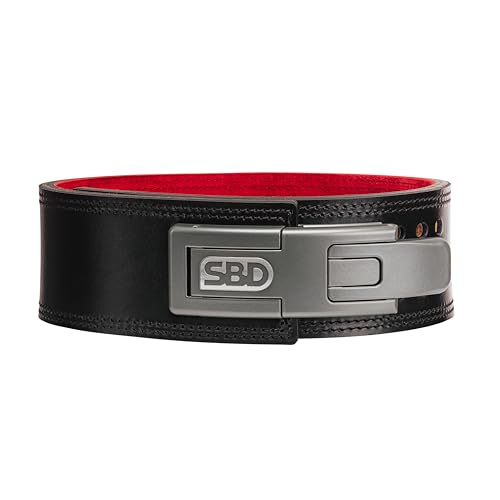
SBD 13mm Powerlifting Lever Belt
What We Like
- 13mm thickness for max competition support
- Patented Gliding Lever for quick adjustments
- Four-layer British leather molds to waist
- Designed with elite athlete input
Trade-offs
- 13mm thickness limits flexibility for beginners
- Premium leather needs break-in period
At 13mm thick and 10cm wide, this belt delivers the strongest support allowed in powerlifting competition, so when you brace hard, the belt pushes right back. That four-layer British cowhide leather isn’t just tough; it gradually shapes to your waist over time, making each squat and deadlift feel more locked in. It’s built for lifters who want every gram of rigidity the rules permit, for chasing a new personal record or grinding through heavy sets at the gym.
The trade-off is that same stiffness: a 13mm lever belt like this one demands a break-in period, and the lever closure, while lightning-fast between attempts, can feel like overkill if you mostly do lighter accessory work. Compared to the Gymreapers 10mm lever belt, which is thinner and may offer more flexibility for general strength training, the SBD is focused on maximum competition-grade support. It is best for dedicated powerlifters who want competition-grade gear. It is less ideal for beginners still finding their bracing groove.
Product photos
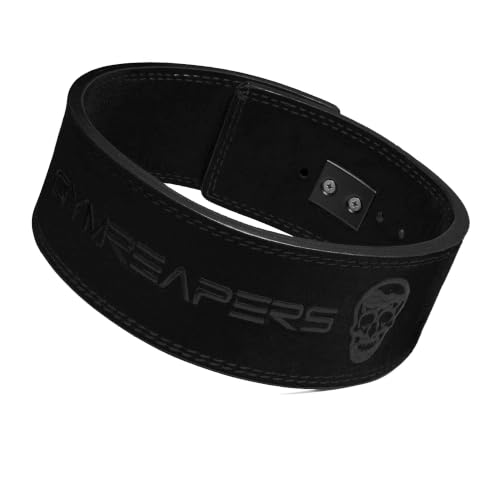
Gymreapers 10mm Lever Weightlifting Belt
What We Like
- IPF-approved for competition use
- 100% Camac steel lever buckle
- Premium bovine leather with suede exterior
- 10mm thickness balances support and mobility
Trade-offs
- 10mm thickness offers less rigidity than 13mm belts
- Leather requires break-in period before full comfort
A 10mm thickness from premium bovine leather gives you the stiff core support you need for heavy squats and deadlifts without feeling like you’re wearing a steel pipe. The 4-inch contoured design wraps your torso snugly and won’t dig into your ribs, so you can brace hard and stay tight through your whole set. Because it meets IPF, USPA, and USAPL standards, this is a belt you can break in at the gym and then wear straight onto the competition platform without worrying about gear checks. The steel lever buckle locks in place with a quick click and stays put through your heaviest reps, no mid-session retightening required.
The trade-off with a 10mm belt is that it gives up some raw rigidity compared to thicker options like the SBD 13mm Powerlifting Lever Belt. If you are pulling or squatting near your max, that extra millimeter can feel more planted. But for most lifters who want a belt that still allows a bit of mobility for warm-ups and lighter work, the Gymreapers 10mm hits a sweet spot. The leather does need a few sessions to mold to your body, so don’t expect a perfect fit on day one. Once broken in, it becomes a reliable partner for both training and meets.
Iron Bull Strength 13mm Lever Belt

What We Like
- 13mm suede leather for max support
- Non-slip surface from fine suede
- New chrome lever is nearly indestructible
- 4-inch height stabilizes back and core
Trade-offs
- Only for serious, extreme lifters
- Must measure true waist, not pants size
- Lever buckle less adjustable than prong belts
A 13mm thick suede leather belt is about as stiff and supportive as powerlifting gear gets, and that thickness means your lower back and core get even pressure during max-effort squats and deadlifts. The lever buckle, now chrome and built from nearly indestructible materials, lets you ratchet into that support in one second and loosen just as fast between sets. This belt is designed for lifters pushing the heaviest loads they can handle, which is why it carries USPA and IPL approval for competition use.
The trade-off is that 13mm leather is not forgiving. If you are still building your squat confidence or prefer a belt you can micro-adjust between reps, a prong-style belt like the Iron Bull Strength 10mm Double Prong gives you more fine-tuning. But for the lifter who wants a single, bomb-proof setup that locks tight and stays put, this lever belt delivers exactly that. It is a heavy-duty tool for heavy-duty work, and it asks you to measure your true waist carefully before ordering.
Iron Bull Strength 10mm Double Prong Belt

What We Like
- IPF, USAPL, USPA, IPL approved
- Single-cut A-grade suede leather
- 4-inch even stabilization width
- Lifetime warranty against defects
Trade-offs
- Short break-in period needed for comfort
- Requires a break-in period before the leather conforms to your waist
An IPF certification means this belt meets the standards set by the International Powerlifting Federation, so it is approved for use in competitions that follow those rules. The 10mm single-cut suede leather provides firm, consistent support across your back and core during heavy lifts, and the 4-inch height helps stabilize your back evenly. It is a reliable, federation-approved belt, and the lifetime warranty against manufacturing defects backs that confidence.
This belt is IPF certified, meaning it meets the standards required for competition in USAPL, USPA, and IPL events. The 10mm single-cut suede leather provides firm, consistent support, though the manufacturer notes it may require a short break-in period to conform to your waist. Once it does, the 4-inch width delivers even stabilization across your back and core, reducing stress on the spine during heavy squats, deadlifts, and bench press.
RDX IPF Compliant Powerlifting Belt

What We Like
- Two thickness options for varied support
- IPF, USPA, IPL compliant for competitions
- Dual-prong roller buckle stays secure
- 12 adjustment holes for custom fit
Trade-offs
- Roller buckle slower than lever designs
- Must measure waist, not pant size, for correct fit
This RDX belt comes in two thicknesses, 10mm for a balance of flexibility and firmness, and 13mm for extra rigidity on heavier lifts. So you can pick the one that matches your training style without buying two different belts. It’s made from genuine cowhide leather with a dual-prong roller buckle that locks tight and stays put, meaning no mid-set adjustments or slipping. The 4-inch width spreads pressure evenly across your core and back, helping you brace confidently under the bar. For lifters who want competition-grade gear that adapts to different training days, this belt makes a lot of sense.
The roller buckle is secure but slower to fasten than a lever system, which some lifters may find less convenient for quick changes between sets. That said, the RDX gives you more adjustability with 12 holes, so you can fine-tune the fit as your body changes throughout a session or over time. If you compete in IPF, USPA, or IPL meets and need a belt that meets those standards, this is a practical, versatile choice.
LiftingLarge Pioneer Cut Leather Prong Belt

What We Like
- 10 mm suede leather for firm support
- Made in the USA
- Prong closure for quick adjustments
Trade-offs
- Prong buckle slower to fasten than lever belts
- 10 mm thickness offers less rigidity than 13 mm belts
The trade-off with a prong buckle is speed: you have to thread and cinch it each time, unlike a lever belt that snaps shut in one motion. Compared to the LiftingLarge Pioneer Leather Lever Belt (13 mm), this 10 mm version offers a different feel, less rigid but more flexible for some lifters. If you prefer a quicker on-off and don’t mind a thicker build, the lever sibling might suit you better. But for lifters who value adjustability and federation approval in a USA-made package, this belt delivers exactly that.
LiftingLarge Pioneer Leather Lever Belt

What We Like
- Powerlifting legal for competition
- 13 mm thick for heavy support
- Durable leather construction
Trade-offs
- No sizing or weight details listed
- Only available in one thickness
Thirteen millimeters of leather and a lever buckle that locks in place fast. That is the simple, no-nonsense formula behind this belt, and it means you get the rigid support needed for heavy lifts without fiddling with a prong. Made in the USA, it is a powerlifting-legal tool that meets competition standards. This belt delivers exactly that for anyone who needs a durable belt built for heavy work.
The belt comes only in 13 mm, so it is best if you already know that thickness works for your frame and lifting style. Compared to the SBD 13mm Powerlifting Lever Belt, which is British-made, the LiftingLarge belt gives you a domestic alternative with the same lever closure. If you prefer a 10 mm belt, the Gymreapers 10mm Lever Weightlifting Belt is an option.
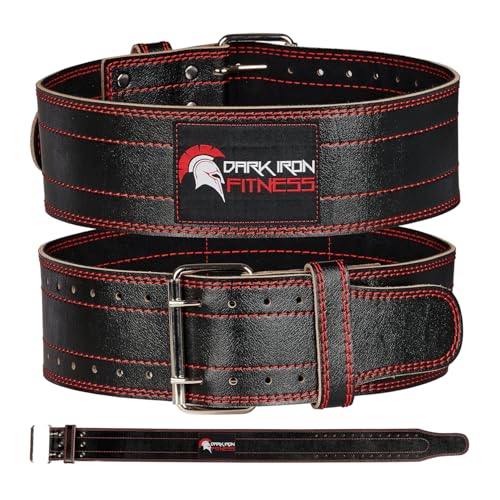
Dark Iron Fitness Genuine Leather Double Prong Belt
What We Like
- 100% genuine leather with reinforced double stitching
- Double-prong buckle won't slip during max lifts
- 12 adjustment holes for precise fit
- Keeper loop secures excess belt length
Trade-offs
- No lever mechanism for quick on/off adjustments
- Double prong buckle slower to fasten than lever belts.
A 4-inch wide genuine leather belt with double-row stitching and a double-prong buckle gives you the rigid support you need for heavy lifts without the belt digging in or slipping mid-rep. The 12 adjustment holes at 1-inch intervals mean you can dial in the fit precisely whether your waist measures 22 inches or 49 inches. The keeper loop tucks away the loose end so nothing distracts you during a set. This belt suits lifters who want traditional leather durability and a secure fit for squats, deadlifts, and overhead work.
The double-prong buckle won’t slip during max lifts, which is why many powerlifters prefer it over a lever system for heavy singles. At 4 inches wide, this genuine leather belt balances comfort and stability, contouring to the body without digging in. Reviewers note the 12 adjustment holes at 1-inch intervals make it easy to dial in a precise fit, though fastening the two prongs between sets takes slightly longer than a lever buckle.
Product photos
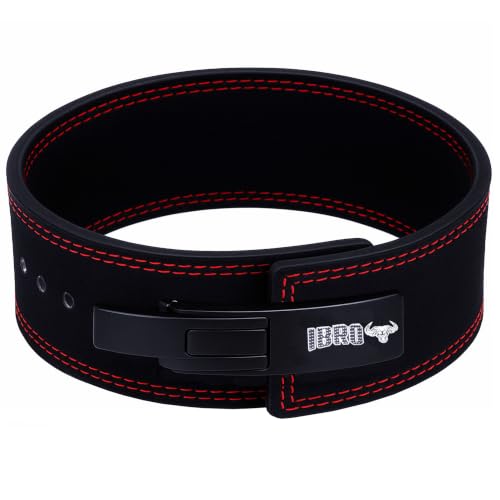
IBRO Powerlifting Lever Belt
What We Like
- Quick-release lever for consistent tightness
- Genuine leather with double stitching
- Three thickness options for different needs
- Easy 2-minute setup with sizing guide
Trade-offs
- Arrives unassembled, needs a screwdriver not included
- Lever screws must be checked before each session
A steel lever buckle clamps to the same tightness every set and opens in one motion, so you don’t waste time between squats or deadlifts adjusting holes or straps. The 10mm thickness is a balanced middle ground for most lifters, from beginners building their first routine to experienced gym-goers who want reliable support without the stiffness of a 13mm belt. The genuine leather core with suede finish holds its shape over time, and the uniform 4-inch width gives consistent back support front to back.
The main trade-off is that the belt arrives unassembled, so you’ll need a Phillips screwdriver (not included) and a couple of minutes to set it up. The lever screws also need a quick check before each session to stay secure. This one delivers on those core features for anyone who wants a quick-release lever belt that fits consistently every time and offers multiple thickness choices.
Product photos
Beast Power Gear 10mm Lever Belt

What We Like
- Quick-locking lever buckle for fast adjustments
- 10mm leather resists stretching for consistent support
- 4-inch width wraps evenly for core and back support
Trade-offs
- Lever buckle does not allow mid-set tightness adjustments
- Requires measuring true waist size with a flexible tape, not pants size.
A 10mm leather belt with a quick-locking lever buckle means you can dial in a secure fit in seconds, then focus on your squat or deadlift without fumbling with a prong. The 4-inch width wraps your torso evenly, bracing your abs and lower back so you can push heavier weights with confidence. This belt is ideal for lifters who want fast, consistent support between sets, especially if you train in a commercial gym where time matters.
The lever buckle snaps shut in seconds for a precise, secure fit, but it doesn’t let you tweak tightness mid-set the way a traditional prong belt does. If you prioritize speed and stability over on-the-fly adjustments, this belt delivers.
How We Evaluated Powerlifting Belts
We evaluated each belt based on the demands of serious strength training, drawing from manufacturer specifications, expert round-ups, and consistent patterns in owner feedback across multiple seasons of use.
The four criteria that mattered most were thickness and support, material durability, competition approval, and closure mechanism. Thickness directly determines how much intra-abdominal pressure the belt can help you generate. Leather quality determines whether the belt will last years or warp after a few heavy sessions. IPF or USAPL approval is non-negotiable if you plan to compete. The closure, lever versus prong, affects how quickly you can adjust between sets.
A research-led evaluation has honest limits. We cannot report on how each belt feels during a max-effort squat or how the leather conforms after a year of weekly use. What we can do is compile the specs, the expert consensus on what matters, and what hundreds of owners consistently report about fit, durability, and competition legality. For more context on the category, explore our full guide to powerlifting belts for additional details on what separates competition belts from general training belts.
What To Look For In Powerlifting Belts
Choosing a powerlifting belt comes down to understanding how thickness, material, closure type, and competition approval affect your lifting goals. The right belt supports your core without limiting your range of motion.
A 13mm belt offers maximum rigidity for heavy singles and competition, while a 10mm belt balances support with flexibility for general training. Leather belts require a break-in period but conform to your waist over time. Lever buckles fasten quickly and provide consistent tightness, while prong buckles allow micro-adjustments between sets.
Thickness: 10mm vs. 13mm
The thickness of a powerlifting belt is the single most important spec. A 13mm belt, like the SBD and Iron Bull Strength 13mm models, provides maximum rigidity for heavy squats and deadlifts. It helps you generate the most intra-abdominal pressure, which is why nearly every elite powerlifter uses a 13mm belt on the platform. The trade-off is that 13mm belts are stiff and uncomfortable during warm-ups, and they limit flexibility for movements like overhead presses.
A 10mm belt, such as the Gymreapers or Beast Power Gear, offers a better balance. It still provides substantial support for heavy training but allows more mobility for volume work and accessory exercises. Many intermediate lifters prefer 10mm for daily training and switch to 13mm only for competition peaking.
Material and Break-In
Nearly every serious powerlifting belt uses leather. Single-cut A-grade suede leather, as found on the Iron Bull Strength belts, offers the best balance of durability and comfort once broken in. The break-in period is real—expect several training sessions before the leather conforms to your waist and stops feeling like a board wrapped around your midsection.
The SBD uses four-layer British leather that molds to your waist over time, but its 13mm thickness means a longer break-in. The Dark Iron Fitness belt and other leather belts with reinforced double stitching are durable but require patience during the first few weeks. Suede exteriors, like on the Iron Bull Strength and Gymreapers, help reduce slippage compared to smooth leather.
Closure Type: Lever vs. Prong
Lever belts fasten with a cam-action buckle that clicks into place and provides consistent tightness every time. The SBD’s patented Gliding Lever allows for tool-free adjustments, while the Gymreapers uses a 100% Camac steel lever buckle. Lever belts are faster to put on and take off between sets, which matters during long training sessions. The downside is that you cannot adjust tightness mid-set without unlatching.
Prong belts use a traditional buckle with holes, giving you micro-adjustability. The Iron Bull Strength Double Prong and LiftingLarge Pioneer use prong closures that let you loosen or tighten between squat and deadlift sets. Prong belts are slower to fasten but offer more flexibility for lifters who change stance or need different tightness for different lifts.
- Measure your true waist circumference, not your pants size, for an accurate fit.
- Check whether the belt is IPF, USAPL, USPA, or IPL approved if you plan to compete.
- Look for a 4-inch width for even core and back support across the entire belt.
- Consider a belt with a keeper loop to secure the excess length from flapping.
A competition-legal belt should have your federation’s approval stamp, not just a general “powerlifting belt” label.
Powerlifting Belts Compared
The table below compares all 10 powerlifting belts side by side, covering thickness, material, closure type, and competition approval so you can see how each model stacks up for your training goals.
| Product | Thickness | Width | Material | Closure |
|---|---|---|---|---|
| SBD 13mm Powerlifting Lever Belt | 13mm | 10cm | British cowhide leather | Patented Gliding Lever |
| Gymreapers 10mm Lever Weightlifting Belt | 10mm | 4 inches | Premium bovine leather | Steel lever buckle |
| Iron Bull Strength 13mm Lever Belt | 13mm | 4 inches | Suede leather | Lever buckle (chrome, 2023) |
| Iron Bull Strength 10mm Double Prong Belt | 10mm | 4 inches | Single-cut suede leather | Double prong |
| RDX IPF Compliant Powerlifting Belt | 10mm and 13mm | 4 inches | Genuine cowhide leather | Dual-prong roller buckle |
| LiftingLarge Pioneer Cut Leather Prong Belt | 10 mm | 4 inches | Black suede leather | Prong buckle |
| LiftingLarge Pioneer Leather Lever Belt | 13 mm | N/A | Leather | Lever buckle |
| Dark Iron Fitness Genuine Leather Double Prong Belt | N/A | 4 inches | 100% genuine leather | Double-prong metal lever |
| IBRO Powerlifting Lever Belt | 10mm | 4 inches | Genuine leather, suede finish | Quick-release steel lever buckle |
| Beast Power Gear 10mm Lever Belt | 10mm | 4 inches | Premium leather with suede lining | Lever buckle |
Frequently Asked Questions
Is a 13mm or 10mm powerlifting belt better for beginners?
Most beginners are better off starting with a 10mm belt. A 13mm belt is extremely stiff and can be uncomfortable during warm-ups and lighter sets, which may discourage proper use. A 10mm belt still provides substantial support while allowing more flexibility for learning bracing technique. Experienced lifters can graduate to 13mm when they need maximum rigidity for heavy singles.
How tight should a powerlifting belt be?
A powerlifting belt should be snug enough that you can fit a flat hand between the belt and your stomach. When you take a deep breath and brace, the belt should feel firm against your core. If the belt is loose enough to slide around, it is not providing support. If it prevents you from taking a full breath, it is too tight.
Can I use a powerlifting belt for deadlifts?
Yes, a powerlifting belt is effective for deadlifts, though some lifters prefer a slightly looser fit than for squats. A 10mm belt is often preferred for deadlifts because it allows more hip mobility at the starting position. Many lifters use dedicated belts for deadlifting that are thinner or have a tapered front to accommodate the hip hinge.
How do I measure for a powerlifting belt?
Measure your waist at the navel level using a flexible tape measure. Do not use your pants size, which is typically smaller than your true waist. Most belt manufacturers provide a sizing chart based on this measurement. For lever belts, you will need to adjust the lever mechanism to fit, which is a one-time setup. For prong belts, choose a size where the belt fits in the middle adjustment holes.
When should I start using a powerlifting belt?
Most lifters start using a belt when their working sets reach a significant percentage of their one-rep max. Using a belt too early can prevent you from developing strong natural bracing mechanics. If you are unsure about when to use a belt, a good rule is to use it only for your heaviest working sets, not for warm-ups or accessory work.
The Bottom Line
The SBD 13mm Powerlifting Lever Belt is the best overall for dedicated powerlifters who want maximum competition-grade support. Its four-layer leather construction and patented Gliding Lever provide the rigidity and consistency that elite athletes demand. If you compete in IPF-sanctioned events and want a lever belt that balances competition readiness with everyday training comfort, the Gymreapers 10mm Lever Weightlifting Belt is the smart choice.
For lifters on a budget or those who prefer traditional adjustability, the Iron Bull Strength 10mm Double Prong Belt delivers IPF approval and a lifetime warranty at a more accessible price point. If you want a USA-made option with a classic prong closure, the LiftingLarge Pioneer Cut Leather Prong Belt is worth the investment.
The single most important buying factor is thickness. Choose 13mm if you compete in heavy singles and want maximum rigidity. Choose 10mm if you train for volume, do accessory work, or want a belt that works across more lifts. Measure your true waist, check your federation’s rules, and be patient with the break-in period.
