
10 Best Fitness Tracker Bracelets in 2026
This post contains affiliate links. As an Amazon Associate, we earn from qualifying purchases.
For most people, the Fitbit Inspire 3 Fitness Tracker is the best overall fitness tracker bracelet because it balances daily workout guidance with sleep and stress management in a comfortable, easy-to-wear design. It earns our top spot for its Daily Readiness Score and automatic sleep tracking, while picks like the Garmin Vivosmart 5 for swimmers and the screenless WHOOP 5.0 for recovery athletes cover more specific needs.
The challenge with fitness trackers is finding one that actually fits your routine instead of sitting in a drawer. A bracelet that excels for a runner might frustrate a swimmer, and a feature-packed screen can feel like overkill for someone who just wants to track sleep without distractions.
This guide is built from manufacturer specs, expert round-ups, and patterns in owner feedback across ten top models. We focused on the features that genuinely affect daily use: battery life, water resistance, screen preferences, and subscription requirements.
Top 10 Fitness Tracker Bracelets in the Market
Certain content that appears on this site comes from Amazon. This content is provided "as is" and is subject to change or removal at any time.
The Best Fitness Tracker Bracelets, Reviewed
Fitbit Inspire 3 Fitness Tracker
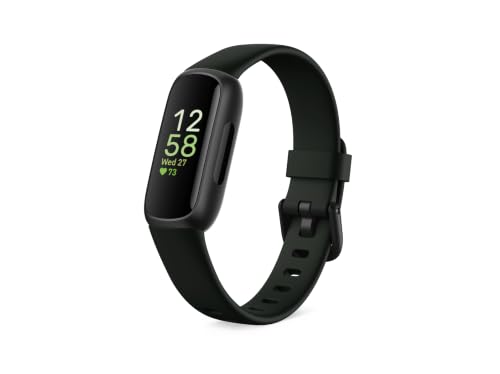
What We Like
- Daily Readiness Score for workout guidance
- 24/7 heart rate and SpO2 tracking
- Automatic sleep tracking with Sleep Score
- Stress Management Score plus mindfulness sessions
Trade-offs
- No built-in GPS for phone-free outdoor tracking
- Screen is small for detailed workout stats
A Daily Readiness Score that tells you whether your body is up for a tough workout or needs a lighter day is the kind of practical guidance that keeps you from overdoing it or skipping entirely. That alone makes the Inspire 3 a smart everyday companion for anyone who wants steady progress without guesswork. It also covers the essentials well: automatic sleep tracking with a detailed Sleep Score, 24/7 heart rate monitoring, SpO2 readings, and a Stress Management Score that nudges you toward mindfulness or relax breathing sessions when life gets hectic. The 40-plus exercise modes and Active Zone Minutes help you stay motivated. The vibrating smart alarm wakes you gently during light sleep.
The Inspire 3 relies on your phone’s GPS for outdoor route mapping, which works fine for most people but adds a small layer of friction. What you get in return is a slim, comfortable band that focuses on the habits that matter most: moving more, stressing less, and sleeping better. For someone building a sustainable fitness routine and wanting clear daily feedback, this is the most balanced option in the guide.
Fitbit Charge 6 Fitness Tracker
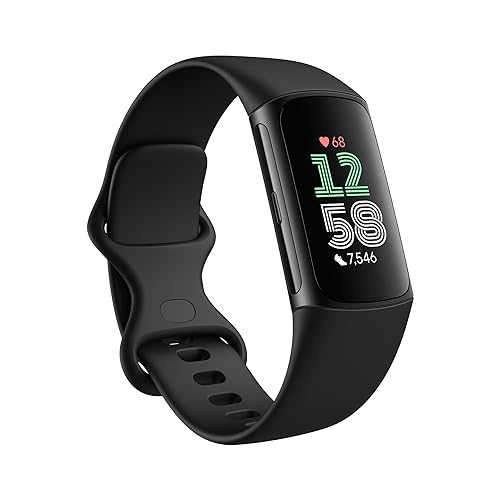
What We Like
- Links to compatible gym equipment for heart rate
- Built-in GPS for runs and rides
- Google Maps turn-by-turn directions on wrist
- Google Wallet tap-to-pay
Trade-offs
- Google Health Premium subscription needed after trial
- YouTube Music controls require compatible subscription
The ability to link your heart rate to compatible exercise machines like treadmills and ellipticals makes this tracker feel like it actually belongs in the gym, not just on your nightstand. With built-in GPS, 40+ exercise modes, and Google Maps turn-by-turn directions on your wrist, it’s built for runners and walkers who want real navigation without pulling out a phone. Google Wallet tap-to-pay adds convenience for grabbing a snack mid-route, and the included small and large bands mean you can get a comfortable fit right out of the box. For anyone who uses Google services daily, this tracker integrates Maps, Wallet, and YouTube Music controls directly on your wrist.
The trade-off is that some of the deeper coaching features live behind Google Health Premium, and after the three-month trial you’ll need to decide if the personalized Gemini-powered coaching is worth the ongoing cost. Compared to the Garmin Vivosmart 5, which offers a 7-day battery life and smart notifications, the Charge 6 provides built-in GPS and Google app integration but requires a subscription for full coaching features. The YouTube Music controls are included, though they require a compatible subscription to use. If you’re fine with the premium model and already use Google services daily, this is a very capable companion.
Garmin CIRQA Smart Band
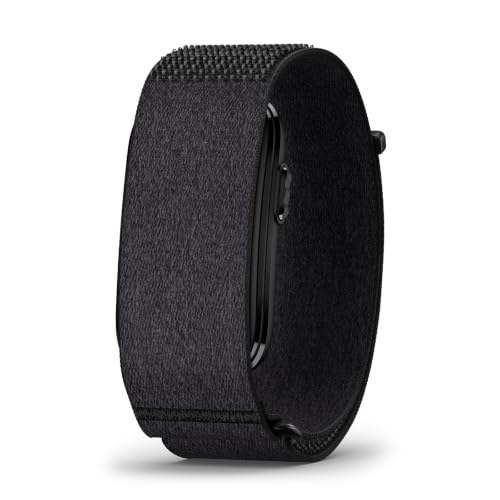
What We Like
- Screenless fabric band for comfort
- 10-day battery, less charging
- No subscription needed
- Auto-detects and adapts to activities
Trade-offs
- No screen means no glanceable stats
- Must check Garmin Connect for data
- Pulse Ox not available in all countries
With up to ten days of battery life, you can wear this band through sleep, a morning run, and into your next rest day before needing to charge. The screenless fabric band is soft enough that you might forget it’s there, perfect for people who find traditional trackers bulky or distracting. It automatically detects activities like running or yoga, so you don’t have to fumble with buttons mid-workout, and it adapts over time to get better at recognizing what you’re doing. That makes it a strong pick if you want health tracking without the constant buzz of a screen.
No display means you can’t quickly check your heart rate or step count without pulling out your phone. You’ll rely on the Garmin Connect app for all your data, which works fine but adds a step. If you’re okay with that extra phone check, the comfort and battery life make it a worthy choice for distraction-free fitness tracking.
Garmin Vivosmart 5 Fitness Tracker
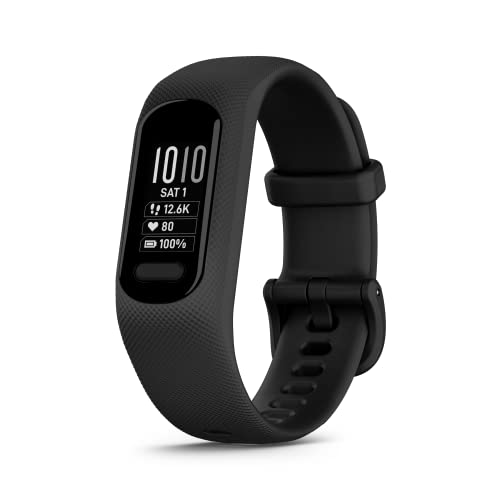
What We Like
- Swim and shower safe
- Up to 7 days battery
- Sleep score with insights
- Pulse Ox and Body Battery
Trade-offs
- Pulse Ox not available in all countries
- Not a medical device
A 7-day battery life means you can wear this tracker through a full week of swims, showers, and sleep without hunting for a charger. That alone makes it a practical companion for anyone who wants health tracking that doesn’t get in the way. It monitors heart rate, respiration, stress, and even your Body Battery energy levels, so you get a fuller picture of how your day-to-day habits affect you. The touchscreen and button interface keeps things simple when your hands are wet or you’re mid-lap.
The Vivosmart 5 connects to your smartphone’s GPS to track outdoor walks, runs and rides, so you’ll need to carry your phone for route mapping. Compared to the Fitbit Charge 6, which also lacks built-in GPS but offers Google app integration, the Garmin focuses on comprehensive wellness metrics like sleep score and hydration tracking. If you want a tracker that handles pool sessions and delivers rich health data without frequent charging, this one fits the bill.
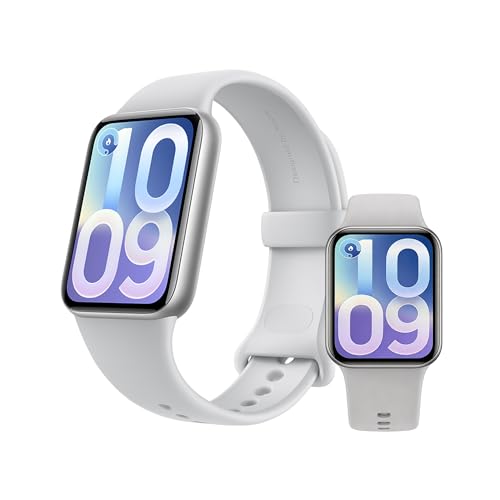
Xiaomi Smart Band 10 Pro
What We Like
- Bright 2000-nit AMOLED screen
- 21-day battery with fast charging
- 150+ sports modes with GNSS GPS
- Ultra-slim aluminum alloy frame
Trade-offs
- Always-on display cuts battery to 8 days
- TPU strap requires cleaning and removal breaks to avoid irritation
A 1.74-inch AMOLED display with 2000 nits peak brightness means you can read your stats clearly even in direct sunlight, a rare feature for a band this size. That screen, combined with up to 21 days of battery on light usage, lets you go weeks between charges without sacrificing visibility. The aluminum alloy frame keeps the weight at just 21.6 grams, so it feels like nothing on your wrist during workouts or sleep.
The included TPU strap comes with care instructions to avoid skin issues: wear it snug during exercise, looser for daily use, and clean the strap and wrist after sweating or swimming. Removing the band for about 30 minutes after long wear is also recommended. The Garmin Vivosmart 5 offers up to 7 days of battery life, while the Xiaomi delivers up to 21 days on light usage, giving you much more time between charges.
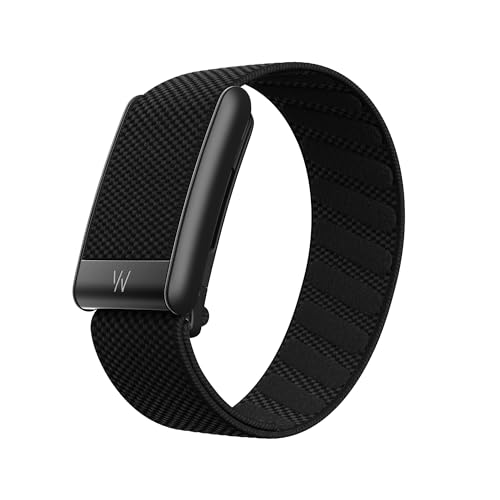
WHOOP 5.0 Screenless Wearable
What We Like
- Healthspan feature shows pace of aging
Trade-offs
- Requires ongoing 12-month membership
- No screen for quick glance at stats
The catch is that all that coaching and analysis requires a 12-month membership, which makes this a subscription commitment rather than a one-time buy. And unlike the Fitbit Charge 6, there is no screen here, so you cannot glance at your heart rate mid-set or check the time during a workout. If you prefer a simple display and no ongoing fees, the Garmin CIRQA Smart Band offers a screenless design without a subscription. It does not include the same depth of recovery tracking or AI coaching found in the WHOOP.
Product photos
Amazfit Helio Strap Tracker

What We Like
- Dedicated HYROX Race mode for race prep
- Rep, set, and rest tracking for strength training
- 10-day battery lasts through heavy training weeks
- Free Zepp App with AI-driven recovery insights
Trade-offs
- Screenless design means no display during workouts
- Relies on smartphone for real-time feedback and stats
A 10-day battery life means you can wear this strap through a full training cycle without hunting for a charger, which matters when your focus is on recovery and consistency rather than gadget upkeep. This screenless tracker is built for strength athletes and HYROX racers who want precise rep, set, and rest tracking without a watch face getting in the way. It uses Amazfit’s BioTracker technology to monitor heart rate, blood-oxygen, stress, and sleep around the clock. That data feeds into the free Zepp App for AI-driven insights on training load, recovery time, and VO₂ max. If your goal is to dial in your gym sessions and race prep without distractions, this strap keeps you honest and informed.
Going screenless means you rely on your phone for real-time feedback during workouts, which can be a minor hassle if you prefer glancing at your wrist mid-set. The Fitbit Charge 6 offers heart rate tracking on exercise equipment and a 3-month Google Health Premium membership. The Helio Strap focuses on a screenless design with up to 10 days of battery life and dedicated strength and HYROX modes. For the dedicated lifter or HYROX competitor who values recovery data and session-specific metrics over a display, this strap delivers exactly what you need and nothing you don’t.
Product photos
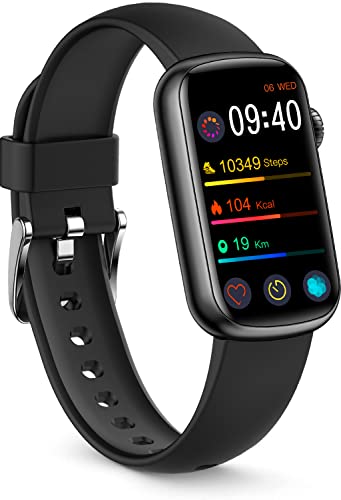
FITVII Slim Fitness Tracker
What We Like
- 24/7 blood pressure and heart rate tracking
- 7-10 day battery between charges
- Jewelry-inspired design with interchangeable straps
Trade-offs
- No built-in GPS for outdoor route tracking
- Not compatible with PC, iPad, or tablet
The FITVII Slim tracks blood pressure around the clock, which is still rare in this category. That continuous monitoring means you can spot resting trends and see how your numbers respond to different workouts or stress levels, giving you a fuller picture of your cardiovascular health than most trackers offer. It also measures blood oxygen during high-intensity sessions, so marathon runners or gym-goers pushing hard can check their recovery between sets. The IP68 waterproof rating means it can handle submersion up to a certain depth, and the 7-10 day battery means you are not hunting for a charger every other night. For anyone who wants health metrics beyond just steps and sleep, this is a capable companion.
You also do not get built-in GPS, so if you run or bike outdoors and want precise distance maps without carrying your phone, the Garmin Vivosmart 5 is a better fit. The FITVII also skips tablet and PC syncing, so you are tied to your smartphone for all setup and data review. Still, for the price-conscious buyer who values blood pressure insights and water resistance over GPS mapping, this tracker delivers a lot of practical daily feedback in a stylish, low-maintenance package.
Product photos
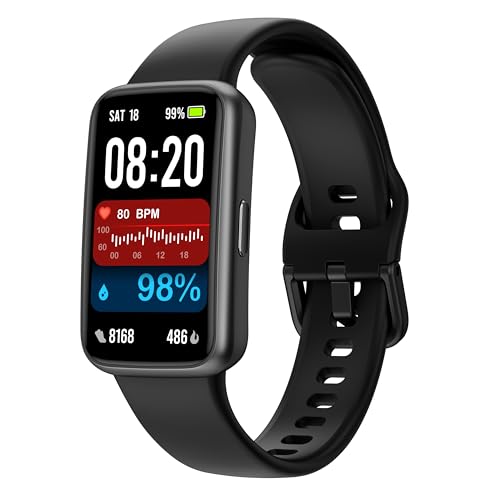
Enfit Fitness Tracker Smart Watch
What We Like
- 100+ workout modes for variety
- 3ATM waterproof for swimming and rain
- 24/7 heart rate and sleep monitoring
- Customizable watch faces from own photos
Trade-offs
- Not compatible with iPads or tablets
- Battery life varies with usage intensity
With more than 100 workout modes and 3ATM waterproofing, this tracker covers everything from swimming to yoga without needing to swap devices. The 1.47-inch color touchscreen stays readable in bright sunlight, and you can even set your own photo as the watch face. It suits someone who wants one wearable for a wide variety of activities, especially water sports, without diving into a premium price bracket.
A limitation shows up if you rely on connected devices beyond a phone: it won’t pair with iPads or tablets, so all data lives on your smartphone. The Garmin Vivosmart 5 also offers seven-day battery life but lacks the same depth of sports profiles, while the Enfit gives you more mode variety at the cost of a slightly simpler ecosystem. For someone who wants breadth over brand integration, it’s a practical fit.
Product photos
Lgnitek Screenless Fitness Tracker
What We Like
- Ultra-slim 10mm, 12g design
- 30-day standby battery life
- 100+ sports modes tracked
- No subscription for app data
Trade-offs
- No on-wrist display for quick checks
- Vibration alerts only, no visual notifications
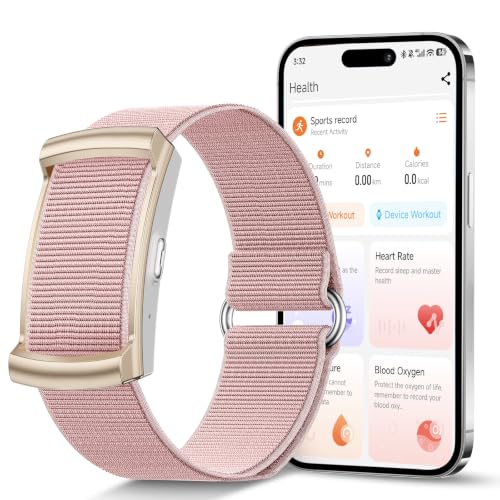
At just 12 grams and 10mm thick, this screenless band is barely there on your wrist, perfect for anyone who wants fitness tracking without the bulk or glow of a smartwatch. You get heart rate, blood pressure, SpO2, and sleep tracking through the companion app with zero subscription fees, plus over 100 sports modes to log your movement. It’s the kind of quiet background tracker that lets you stay present in your workout or meeting, then review your data later on your phone. For someone who finds smartwatch screens distracting or just wants something light and discreet, this delivers genuine value without the extra cost of a membership.
The Lgnitek Screenless Fitness Tracker’s 30-day standby battery means you can wear it for over two weeks without charging, so you’re not constantly hunting for a cable. You won’t get on-wrist stats, just vibration alerts for calls and alarms, so you’ll need the app to check step counts or workout data. The IP68 rating handles splashes and sweat, but the manufacturer advises against wearing it while swimming or in hot water, which keeps it out of the pool.
Product photos
How We Evaluated Fitness Tracker Bracelets
We started by reviewing the technical specifications and manufacturer documentation for each bracelet, then cross-referenced those claims with patterns found in expert round-ups and long-term owner feedback. This research-led approach helps us separate marketing hype from real-world usefulness.
The four criteria that mattered most were battery life and charging convenience, water resistance for swimming and shower safety, screen type versus screenless design for glanceable stats, and the total cost of ownership including any required subscriptions. A bracelet that needs daily charging or won’t survive a pool session fails the basic test of convenience.
Our evaluation is based on what the data and the community consistently report. We also reviewed specific fitness tracker wristbands to see how comfort and strap materials affect long-term wear.
What To Look For In Fitness Tracker Bracelets
Choosing the right bracelet means matching its strengths to your workout habits. Start with the three factors that matter most: where you’ll wear it, how often you want to charge it, and whether you need a screen.
Focus on water resistance for swimming or shower use, battery life that fits your charging routine, and screen type or screenless design based on how you prefer to check your stats.
Water Resistance and Durability
Not all “waterproof” trackers are the same. Some handle rain and hand washing, while others are safe for swimming and showering. Look for a rating of at least 5 ATM if you plan to wear it in the pool. The Garmin Vivosmart 5 and Enfit Fitness Tracker both offer swim-safe designs, while screenless bands like the Garmin CIRQA rely on fabric that dries slower after water exposure.
Battery Life and Charging
Battery life ranges from a few days to over three weeks. A bracelet that needs charging every night can disrupt sleep tracking. The Xiaomi Smart Band 10 Pro offers 21 days of typical use, while the WHOOP 5.0 lasts about five days but requires a subscription. The Lgnitek Screenless Fitness Tracker has a 30-day standby battery for those who want to forget about charging entirely.
Screen Type and Glanceable Stats
Decide if you need to see data on your wrist or if you prefer a distraction-free band that stores everything on your phone. Screenless designs like the Garmin CIRQA and Amazfit Helio Strap Tracker are lighter and more comfortable for sleep, but you cannot check your heart rate mid-workout without pulling out your phone. For compact trackers that fit smaller wrists, a slim display can make a big difference in daily comfort.
- Check if the bracelet requires a subscription for full features (WHOOP 5.0, Fitbit Charge 6)
- Confirm the strap material. TPU can irritate sensitive skin over time
- Verify phone compatibility, especially for Android versus iOS features
- Look for built-in GPS if you run or bike without your phone
A bracelet that matches your charging habits and water exposure will be the one you actually wear every day.
Fitness Tracker Bracelets Compared
The table below compares the ten fitness tracker bracelets across the key specs that matter most for daily use, from battery life and water resistance to screen type and subscription requirements.
| Product | Heart Rate Monitoring | Sleep Tracking | Battery Life |
|---|---|---|---|
| Fitbit Inspire 3 Fitness Tracker | 24/7 heart rate | Automatic with Sleep Score | N/A |
| Fitbit Charge 6 Fitness Tracker | 24/7, real-time on equipment | Sleep Score | N/A |
| Garmin CIRQA Smart Band | N/A | N/A | Up to 10 days |
| Garmin Vivosmart 5 Fitness Tracker | N/A | Sleep quality score | Up to 7 days |
| Xiaomi Smart Band 10 Pro | 24/7 heart rate tracking | sleep HRV monitoring | Up to 21 days |
| WHOOP 5.0 Screenless Wearable | Heart Rate | Sleep Tracker | 14+ days |
| Amazfit Helio Strap Tracker | Heart rate | sleep | Up to 10 days |
| FITVII Slim Fitness Tracker | 24/7 Heart Rate | Sleep Tracking | 7-10 days |
| Enfit Fitness Tracker Smart Watch | 24/7 Heart Rate Monitor | sleep tracking | 7 days per charge |
| Lgnitek Screenless Fitness Tracker | Heart Rate | Sleep Tracker | 15+ days use |
Frequently Asked Questions
What is the best fitness tracker bracelet for swimming?
The Garmin Vivosmart 5 is the best choice for swimming and shower safety. It is rated for water immersion and offers swim tracking, a sleep score, and up to seven days of battery life. It does not have built-in GPS, so you will need your phone for route tracking.
Do fitness tracker bracelets require a subscription?
Some do, but most do not. The WHOOP 5.0 requires an ongoing 12-month membership to access its recovery analytics and coaching features. The Fitbit Charge 6 offers Google Health Premium after a trial period. Screenless bands like the Garmin CIRQA and Lgnitek provide full data access without any subscription fees.
Can I wear a fitness tracker bracelet while sleeping?
Yes, and many are designed specifically for overnight wear. Screenless models like the WHOOP 5.0 and Garmin CIRQA are especially comfortable for sleep because they have no rigid display. The Fitbit Inspire 3 is also a strong choice for sleep tracking, with automatic sleep stage detection and a Sleep Score.
Which fitness tracker bracelet is best for strength training?
The Amazfit Helio Strap Tracker is built for gym work, with dedicated rep, set, and rest tracking for strength sessions. It also includes a HYROX Race mode for event preparation. Its screenless design keeps your focus on the lift, and the free Zepp App provides AI-driven recovery insights.
How do I choose between a screenless and a display bracelet?
It depends on how you prefer to check your data. A screenless band is lighter, more comfortable for sleep, and has longer battery life, but you must open an app to see your stats. A display bracelet lets you glance at heart rate, steps, and time without reaching for your phone. If you train without your phone nearby, a display is more practical.
The Bottom Line
The Fitbit Inspire 3 Fitness Tracker is the best overall pick for anyone building a sustainable fitness routine. It provides clear daily guidance on activity, sleep, and stress management in a comfortable band that feels natural to wear all day and night.
If your workouts are more specific, one of the other picks will serve you better. Swimmers should choose the Garmin Vivosmart 5, while athletes focused on recovery and coaching data will get more from the WHOOP 5.0. For a bright display and long battery life without a subscription, the Xiaomi Smart Band 10 Pro is an excellent value.
The single most important factor is comfort and consistency. A bracelet you actually wear every day will always outperform one with more features that you leave on the charger. Start with your workout environment, then match the features.
