
10 Best Womens Cross Trainer Shoes in 2026
This post contains affiliate links. As an Amazon Associate, we earn from qualifying purchases.
The Reebok Nano X5 Cross Trainer is the best overall women’s cross trainer shoe because its dual-density midsole balances stability for lifting with enough response for short runs. For high-intensity interval work, the Ryka Vivid RZX is the best for high-intensity workouts, while the adidas Dropset 4 is the top choice for strength training.
Finding the right cross trainer means balancing support for lateral moves, cushioning for impact, and a stable platform for weights. Many women end up with a shoe that excels at one thing but fails at another.
This guide is based on a review of specifications, manufacturer design notes, expert round-ups, and patterns in owner feedback. We focused on what actually matters for women in the gym: fit, stability, cushioning, and versatility.
Top 10 Women’s Cross Trainer Shoes in the Market
Certain content that appears on this site comes from Amazon. This content is provided "as is" and is subject to change or removal at any time.
The Best Women’s Cross Trainer Shoes, Reviewed
Reebok Nano X5 Cross Trainer

What We Like
- Dual-density midsole for stability and response
- Breathable Flex Weave upper for lightweight feel
- Metasplit outsole enhances short runs and walks
- Plush collar keeps foot locked down
Trade-offs
- Heavier than some cross trainers at 1.8 lb
- Not designed for heavy outdoor trail use
The dual-density midsole uses firmer foam in the heel for stability during weight training and more responsive foam in the forefoot for jumping and fitness classes. That means you don’t have to switch shoes between a deadlift set and a box jump. This makes it a practical choice for anyone who wants one pair that works on the gym floor, the treadmill, and a walk afterward. The breathable Flex Weave upper keeps your feet cool, and the built-in arch support plus plush collar help you stay locked in without constant lace adjustments.
At 1.8 pounds, this shoe isn’t the lightest in the category. The Reebok Nano Gym 1.0 comes in at 1.0 pounds, nearly half the weight. But you give up the dual-density cushioning and decoupled Metasplit outsole that make the X5 feel stable on longer walks and varied surfaces. For women who mix lifting with light cardio, this shoe balances support and weight in a way that suits a varied routine.
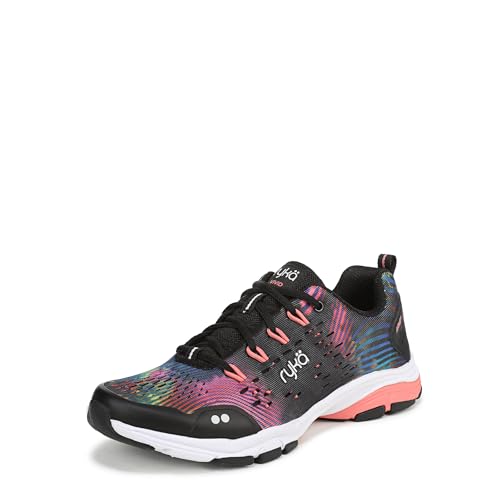
Ryka Vivid RZX Cross Trainer
What We Like
- RE-ZORB heel cushioning absorbs impact
- Ultra Flex allows full foot flexibility
- Pivot Point enables smooth turns
- Designed for women's narrower heel and roomier toe
Trade-offs
- 2.4 pounds is heavier than some cross trainers
The RE-ZORB responsive cushioning at the heel provides impact protection for high-intensity workouts and classes. Ultra Flex and flex grooves deliver flexibility for dynamic movement, and the pivot point supports smooth turns during agility drills. This shoe is designed for sport agility and cross-training, not for heavy lifting.
At 2.4 pounds, the Vivid RZX is heavier than the Reebok Nano X5 (1.8 pounds), which may be noticeable during quick footwork. The flexible sole that aids pivoting offers less stability for heavy squats or deadlifts. For women focused on cardio and circuit training, this shoe provides cushioning and flexibility for multidirectional movement.
Product photos
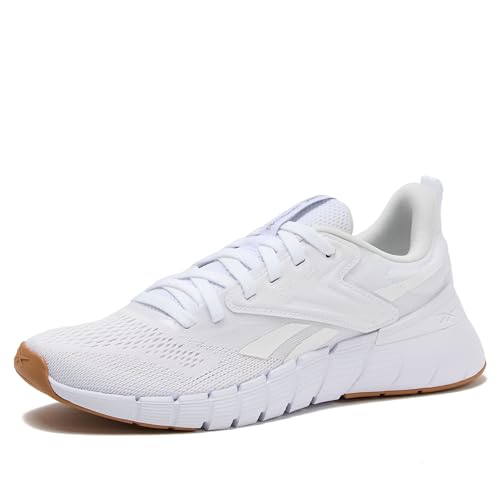
Reebok Nano Gym 1.0 Sneaker
What We Like
- Breathable lightweight mesh upper
- Removable insole with arch support
- TPU heel clip for lateral support
- Durable rubber sole for variable traction
Trade-offs
- At 1.0 lb, lighter than some gym shoes
- EVA midsole less stable for heavy lifting
The removable insole with built-in arch support means you can swap in your own orthotics or go flat for certain lifts, giving you real flexibility for different gym days. This shoe is designed to handle short runs, weight training, and everything in between. That makes it a great fit for someone who wants one pair of sneakers for the whole workout, no switching shoes between the squat rack and the treadmill. The breathable mesh upper keeps your feet from feeling like they’re in a sauna during a busy circuit, and the TPU heel clip adds a bit of lateral stability when you’re holding a heavy dumbbell or doing side-step moves.
At just one pound, these sneakers are lighter than the adidas Dropset 4 Power Trainer (2.1 pounds). That means they won’t weigh you down during runs or daily wear, but the EVA midsole prioritizes comfort over the firmer foam some lifters prefer for heavy weight sessions. For anyone wanting a single shoe that handles gym workouts, walking, and casual running, this Nano Gym 1.0 delivers straightforward versatility.
adidas Dropset 4 Power Trainer

What We Like
- Full-length cushioning for heavy lifts
- Targeted heel padding reduces pressure points
- Ventilated upper for airflow and lateral support
- Durable outsole grips gym floors, turf, and outdoor terrain
Trade-offs
- Designed for strength training, not high-impact cardio
- Heavier than the Reebok Nano Gym 1.0 at 2.1 pounds
The full-length cushioning delivers energy return and firmness when you’re lifting heavy, so you feel stable under load. This shoe is built for functional strength training, with a ventilated upper that allows air to flow freely during workouts and a heel construction that adds padding to reduce pressure points. If your training revolves around weight training and muscle endurance circuits, this design handles both without requiring you to swap footwear.
The Dropset 4 weighs 2.1 pounds, so it’s heavier than the Nano Gym 1.0 from Reebok at 1.0 pounds, which means you’ll feel the extra mass during fast-paced drills. That weight pays off in strength work: the full-length cushioning delivers energy return and firmness when you’re lifting heavy, and the specialized heel construction adds extra padding to reduce pressure points during long sessions. The durable rubber outsole with a strategic tread pattern grips gym floors, turf, and outdoor terrain, so you won’t slip during lateral moves or quick direction changes.
Product photos
PUMA Tazon 6 Cross Trainer

What We Like
- Plush step-in comfort from SoftFoam+ sockliner
- Extra-thick heel for everyday cushioning
- TPU shank improves motion control
- Secure fit from midfoot saddle design
Trade-offs
- EVA heel pod softens impact but lacks responsiveness
- No weight listed for size 7.5
The SoftFoam+ sockliner and EVA heel pod provide soft cushioning and impact absorption for everyday activities, making this shoe comfortable for standing, walking, or light movement where plushness is a priority. The midfoot saddle and TPU shank add support and motion control to keep you stable during lateral moves or while holding a squat. This is a shoe built for steady, all-day wear rather than explosive training, so it suits anyone who values cushioning and support over minimal weight.
The trade-off is that the same cushioning may feel less responsive for quick, dynamic movements where a firmer sole is preferred. Compared to the Reebok Nano X5, which is listed as a cross trainer but without specific performance details here, the Puma Tazon 6 focuses on soft landings and locked-in comfort for longer sessions. If your routine mixes heavy lifting with fast-paced drills, you might want a shoe with a different feel, but for steady strength work and everyday wear, this shoe’s cushioning is a strong feature.
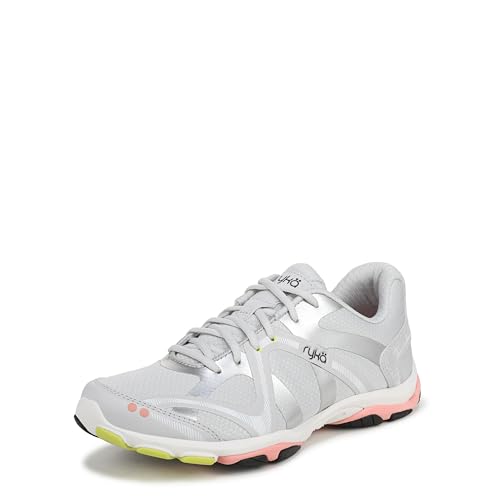
Ryka Influence Cross Trainer
What We Like
- N-Gage foam for cushioning on impact
- Pivot Point for smooth turns
- Narrower heel, roomier toe for women
- Padded heel for extra cushioning
Trade-offs
- Heavier than some cross trainers at 2.4 lb
- Best for low-impact, not heavy lifting
The N-Gage energy return foam in the Ryka Influence is designed to keep its shape and soften each landing, which makes it a natural fit for dance fitness and low-impact workouts where you’re on your feet for longer sets. The ergonomic rubber outsole includes a pivot point so turning during a Zumba or step routine feels smooth rather than sticky. The anatomical insole adds extra arch and heel support to help you stay comfortable through the whole class. It’s built on a woman-specific last with a narrower heel and roomier toe, so you get a snug fit at the back without pinching your toes forward.
The trade-off is that at 2.4 pounds, this shoe is noticeably heavier than a lighter option like the Reebok Nano X5 (1.8 lb), which can make quick lateral cuts feel a bit more effortful. The faux leather overlays add durability but also cut down on airflow compared to a fully mesh upper, so your feet may run warmer during longer sessions. If your routine leans toward steady-state low-impact movement where cushioning and support matter more than speed, the Influence delivers exactly what it promises, just don’t expect it to feel featherlight during fast-paced drills.
Product photos
Nike Free Metcon 5 Training Shoe

What We Like
- Wide heel for stable lifting base
- Softer foam core cushions landings
- Internal weave supports sudden direction changes
Trade-offs
- Softer foam compresses under very heavy squats
- Lacks the rigid platform of a dedicated lifting shoe
A wide heel that creates a solid base for weight lifting is the standout feature here, meaning you can squat or deadlift without wobbling. The softer foam core cushions your foot during jumps and quick moves, while the wide internal weave wraps the midfoot to distribute pressure during sudden stops and cuts. This shoe suits someone who splits their gym time between lifting and agility drills, wanting one pair that handles both without forcing a compromise.
The softer foam core cushions the foot, which some lifters may find less ideal for very heavy loads where a firmer platform is preferred. Compared to the Nano X5 from Reebok, which has a similar weight of 1.8 pounds, the Nike Free Metcon 5 offers a wide heel for stability and a softer foam core for comfort. If your routine mixes barbell work with lateral hops and sprints, this is the more versatile pick.
Product photos
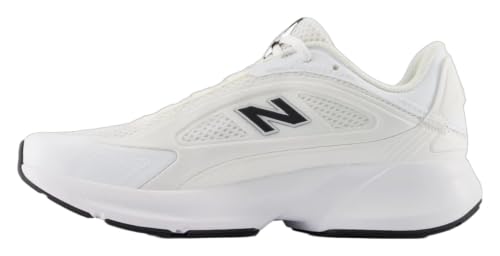
New Balance DynaSoft CTLYST V1 Cross Trainer
What We Like
- DynaSoft midsole for plush comfort
- Higher stack height adds cushioning
- Rubber pod outsole for traction and stability
Trade-offs
- Heavier than some cross trainers at 1.5 pounds
- Not designed for narrow feet or wide widths
A higher stack height and DynaSoft midsole mean this shoe prioritizes soft, forgiving landings over barefoot feel. If your workouts lean toward cardio circuits, jump ropes, or treadmill sessions where each step needs a little extra squish, the CTLYST V1 delivers that pillowy ride without sacrificing stability. The rubber pod outsole keeps you planted during lateral moves. It’s a smart pick for anyone who wants their cross trainer to double as a recovery-day sneaker, especially if your joints appreciate a buffer between you and the floor.
The trade-off shows up when you compare it to the Reebok Nano X5, which is lighter and lower to the ground for heavy lifting. At 1.5 pounds, the CTLYST V1 isn’t the lightest option in the guide, and the higher cushioning can make you feel less connected during deadlifts or squats. That’s not a flaw, it’s a design choice for comfort-first training. If your gym routine is more about dynamic movement than maxing out your squat, this shoe’s plushness will feel like a welcome break, not a compromise.
Product photos
Puma Voltaic Evo Cross Trainer

What We Like
- Wide-specific sizing for comfort
- SoftFoam+ extra thick heel cushioning
- TPU shank supplies stability
- Full rubber outsole for controlled grip
Trade-offs
- Heavier than some cross trainers at 1.8 lb
- Weighs 1.8 pounds, which is heavier than some alternatives like the Reebok Nano Gym 1.0 at 1.0 pound
The 8 Wide sizing is the first thing you notice about this shoe, it’s built for feet that need extra room across the forefoot, not just a longer length. That width, paired with the SoftFoam+ sockliner’s extra thick heel, gives a plush step-in feel that helps if you’ve ever felt cramped in standard-width trainers. The TPU shank and 10CELL tech add stability for lateral moves and lighter lifting, so you’re not wobbling during side lunges or kettlebell swings. It’s a thoughtful design for anyone whose wide toes have been squeezed out of other cross-training options.
At 1.8 pounds, the Voltaic Evo is noticeably heavier than the Reebok Nano Gym 1.0 at 1.0 pound, so it won’t feel as nimble for fast-paced HIIT or agility drills. If your workouts lean toward steady strength work and you prioritize a wide, cushioned fit over speed, this shoe makes sense. For quick box jumps or sprint intervals, the lighter Nano might serve you better.
Under Armour Aurora 3 Cross Trainer
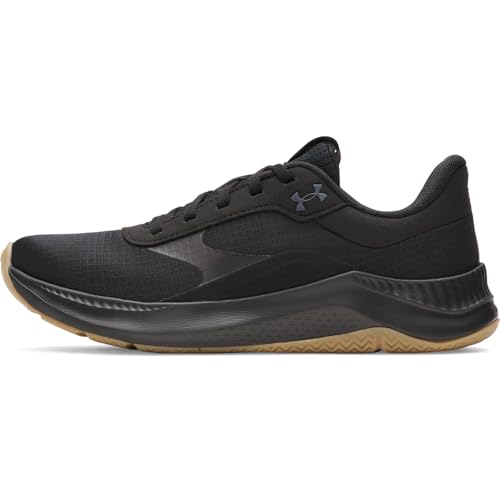
What We Like
- Built specifically for female foot shape
- Soft breathable mesh upper
- Updated Charged+ midsole cushioning
- Full rubber outsole with multidirectional traction
Trade-offs
- Standard lace type lacks quick-adjust option
A 9-ounce weight and a fit built specifically for the female foot make this trainer feel like it was designed with your anatomy in mind, not just a scaled-down men’s shoe. The soft mesh upper breathes well during high-rep circuits, and the Charged+ midsole delivers a plush step that keeps you comfortable through dynamic moves like box jumps or lunges. If you’ve ever felt that most cross trainers pinch your toes or gap at the heel, the Aurora 3’s streamlined shape is a thoughtful solution for women who want a secure, glove-like feel without sacrificing cushioning.
The 7mm offset is a moderate drop that suits walking and running between stations, but if you need a flatter platform for heavy deadlifts or deep squats, you might prefer a shoe with a lower offset. The standard lace system is straightforward and reliable, though it lacks a quick-cinch mechanism. The suede accents add a touch of style, but the shoe remains focused on gym performance. For women who prioritize a tailored fit and all-day comfort over pure lifting stability, this is a smart pick.
How We Evaluated Women’s Cross Trainer Shoes
We built this list by examining manufacturer specs, design notes, and expert commentary on what makes a shoe work for different training styles. We also analyzed owner feedback to understand real-world performance and common fit issues.
The four criteria that mattered most were stability under load, cushioning for impact, outsole traction for multi-directional movement, and fit for the female foot. A shoe that nails three of these but fails one is rarely the right choice.
A research-led evaluation has limits: we cannot report on long-term durability or how a shoe feels after months of sweat. What we can do is identify the design features that tend to predict good performance and match them to your workout style.
What To Look For In Women’s Cross Trainer Shoes
The right shoe depends on what you actually do in the gym. A lifter needs a firm, flat base. A HIIT enthusiast needs cushioning and lateral support. The best approach is to match the shoe’s design strengths to your most common movements.
Match the shoe’s platform to your primary activity: flat and stable for lifting, cushioned and flexible for cardio, and well-braced for lateral moves during HIIT or agility work.
Stability and Heel Support
For any workout involving weights, a stable heel is non-negotiable. Look for a wide heel base and a firm midsole that doesn’t compress under load. The Reebok Nano X5 and adidas Dropset 4 both use TPU clips or heel reinforcements to lock the foot in place. If you squat or deadlift regularly, avoid highly cushioned shoes that let your foot sink.
Cushioning and Impact Protection
High-impact moves like box jumps, burpees, and running drills require cushioning that absorbs force without feeling mushy. The New Balance DynaSoft CTLYST V1 uses a plush DynaSoft midsole for this purpose, while the Ryka Vivid RZX adds RE-ZORB foam in the heel. For low-impact workouts like dance fitness or step aerobics, the Ryka Influence’s N-Gage foam provides gentler cushioning.
Fit and Foot Shape
Women’s feet tend to have a narrower heel and a wider forefoot than men’s. The Ryka line and Under Armour Aurora 3 are built specifically for this anatomy. For women with wide feet, the Puma Voltaic Evo offers wide-specific sizing. A shoe that fits poorly at the heel will cause blisters, while a too-narrow toe box can lead to discomfort during lateral cuts.
- Check heel lockdown: the collar should grip without slipping
- Leave a thumb’s width between your longest toe and the shoe’s end
- Test lateral stability by pressing your foot sideways against a wall
- Consider removable insoles if you need custom orthotics
- Buy for your largest foot, not your smaller one
A half-size up is usually safer than a half-size down, especially for high-impact workouts.
Women’s Cross Trainer Shoes Compared
The table below compares all ten women’s cross trainer shoes across key specs so you can see at a glance which model fits your training style.
| Product | Weight | Midsole/Cushioning | Outsole |
|---|---|---|---|
| Reebok Nano X5 Cross Trainer | 1.8 pounds | Dual-density EVA | Rubber with Metasplit |
| Ryka Vivid RZX Cross Trainer | 2.4 pounds | RE-ZORB responsive heel cushioning | Durable rubber with pivot point |
| Reebok Nano Gym 1.0 Sneaker | 1.0 pounds | EVA | Durable rubber |
| adidas Dropset 4 Power Trainer | 2.1 pounds | Full-length responsive | Multi-functional rubber |
| PUMA Tazon 6 Cross Trainer | N/A | SoftFoam+ sockliner & EVA heel pod | Durable rubber outsole |
| Ryka Influence Cross Trainer | 2.4 pounds | N-Gage energy return foam | Rubber with Pivot Point |
| Nike Free Metcon 5 Training Shoe | 1.8 pounds | Softer foam core | N/A |
| New Balance DynaSoft CTLYST V1 Cross Trainer | 1.5 pounds | DynaSoft | Rubber pod |
| Puma Voltaic Evo Cross Trainer | 1.8 pounds | SoftFoam+ sockliner | Full rubber outsole |
| Under Armour Aurora 3 Cross Trainer | 9 oz | Charged+ midsole cushioning | Full rubber |
Frequently Asked Questions
What is the difference between cross trainers and running shoes?
Cross trainers have a flatter, more stable platform for lifting and lateral movement, while running shoes have more heel cushioning and a curved shape designed for forward motion. Using running shoes for lifting can be unstable, and using cross trainers for long runs can lack sufficient impact protection.
Can I wear cross trainer shoes for weightlifting?
Yes, many cross trainers work well for lifting. The adidas Dropset 4 and Reebok Nano X5 have stable platforms and firm midsoles that support heavy loads. For dedicated powerlifting, a specialized lifting shoe with a raised heel and rigid sole offers more ground feedback, but a good cross trainer is fine for general strength training.
How should women’s cross trainer shoes fit?
They should feel snug in the heel without slipping, with enough room in the toe box to wiggle your toes. Women’s-specific models like the Ryka Vivid RZX and Under Armour Aurora 3 are shaped for a narrower heel and wider forefoot. If you have wide feet, look for wide-specific sizing like the Puma Voltaic Evo.
What is the best cross trainer for HIIT workouts?
The Ryka Vivid RZX is a strong choice for HIIT because of its RE-ZORB heel cushioning, flexible forefoot, and pivot point for smooth turns. The Nike Free Metcon 5 also works well, blending a stable heel for lifting with a softer foam core for landings. Avoid overly cushioned shoes for HIIT as they can feel unstable during rapid direction changes.
Are expensive cross trainer shoes worth it?
Higher-priced models often use better materials, more advanced cushioning foams, and reinforced construction that lasts longer. The Reebok Nano X5 and adidas Dropset 4 sit in the mid-to-premium range and justify their cost through durability and performance. Budget-friendly options like the PUMA Tazon 6 offer good value for light activity but may not hold up to daily high-intensity training.
The Bottom Line
The Reebok Nano X5 Cross Trainer is the best all-around choice for women who want one shoe that handles lifting, HIIT, and gym cardio without compromise. Its dual-density midsole and breathable upper make it a reliable partner for most workouts.
If your training leans heavily toward high-intensity intervals, the Ryka Vivid RZX offers the cushioning and flexibility you need. For dedicated strength work, the adidas Dropset 4 provides the stable platform that heavy lifts demand.
The most important buying factor is honesty about what you actually do at the gym. A shoe that matches your primary activity will serve you better than one that tries to do everything but does nothing well.
