
10 Best Forearm Workout Tools in 2026
This post contains affiliate links. As an Amazon Associate, we earn from qualifying purchases.
For most people, the FitBeast Adjustable Grip Strengthener earns the best overall spot because its 10 to 132 lb resistance range suits everyone from rehab patients to seasoned athletes. The IronVibe Forearm Strengthener offers the best ergonomic design for wrist-focused work, while the Coniflor Forearm Strengthener is our budget pick for all-metal durability.
Weak forearms show up in everything from deadlifts to opening jars, yet most lifters neglect them until a plateau or injury forces the issue. The challenge is finding a tool that matches your specific goal–raw grip power, wrist stability, or sport-specific rotational strength–without wasting money on gear that collects dust.
We evaluated dozens of options by studying manufacturer specifications, expert programming advice, and patterns in owner feedback. This guide breaks down ten tools across different training needs so you can pick the one that fits your routine.
Top 10 Forearm Workout Tools in the Market
Certain content that appears on this site comes from Amazon. This content is provided "as is" and is subject to change or removal at any time.
The Best Forearm Workout Tools, Reviewed
FitBeast Adjustable Grip Strengthener

What We Like
- Wide 10-132 lb resistance range
- Ergonomic handles reduce hand fatigue
- Compact and portable at 0.4 lb
- Suitable for rehab and injury recovery
Trade-offs
- Fixed grip width limits hand-size customization
- No digital tracking or progress logging
An adjustable resistance span from 10 to 132 pounds means this single gripper can grow with you from gentle rehab squeezes all the way to heavy crush-grip work for climbing or deadlifting. The ergonomic, extended handles spread pressure across your palm rather than digging into one spot, which makes longer sets feel less punishing. For anyone who wants one tool that covers both recovery and progressive strength training without cluttering a drawer, that versatility is the whole point.
The trade-off is that the grip span is fixed, so if you have very large or very small hands, the handles may not feel as natural as a model with adjustable width. Compared to the FitBeast Digital Grip Strength Trainer Kit, this one skips the digital readout and programmed routines, which matters if you love tracking numbers. But for straightforward, durable, do-everything grip work that you can toss in a bag and use anywhere, this is the straightforward pick.
Product photos
FitBeast Digital Grip Strength Trainer Kit

What We Like
- Digital display shows instant grip readings
- Tracks weekly progress for motivation
- Adjustable from 10 to 160 lbs
- Saves up to 19 user profiles
Trade-offs
- Digital display needs batteries (not included)
- Larger than simple grip trainers at 9.2 inches
- Three separate pieces to keep track of
A digital grip strength tester that shows instant readings and weekly progress means you never have to guess if you’re getting stronger, you can watch the numbers climb. This 3-in-1 kit pairs that tester with an adjustable gripper (10 to 160 lbs) and a finger exerciser, so it works for anyone from someone recovering from an injury to an athlete pushing their limits. The multi-user memory holds up to 19 profiles, so a family or therapist can track each person’s progress without mixing up data.
The digital display requires batteries (not included), so you’ll want to keep spares handy if you train regularly. At 9.2 inches long, it’s also larger than some other grip trainers, which may affect portability. But if tracking real numbers keeps you motivated and you like having one kit for the whole household, the FitBeast Digital Grip Strength Trainer Kit delivers that data-driven edge.
Product photos
IronVibe Forearm Strengthener & Wrist Trainer
What We Like
- Adjustable resistance for progressive training
- Ergonomic padded forearm contact area
- Compact and portable for travel or office
- Targets wrist flexion and extension muscles
Trade-offs
- No built-in resistance gauge or digital tracking
- Focuses on wrist movement, not grip strength directly
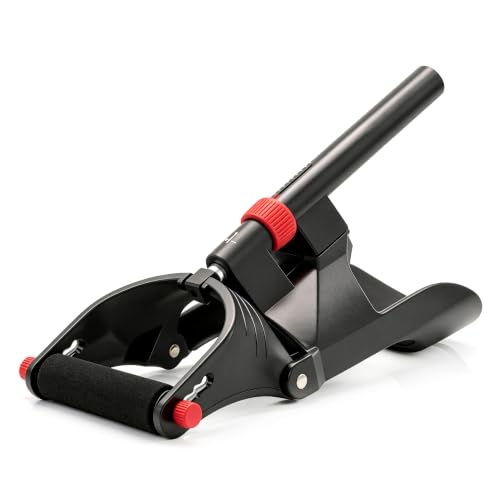
The forearm contact area uses soft polyurethane padding with a textured surface, which helps provide a secure and comfortable fit during training. Combined with an adjustable handle position, it can reduce unnecessary pressure while supporting consistent movement patterns. At 1.1 pounds and 0.1 inches thick, it’s compact enough to carry easily and use at home, in the office, or while traveling.
At 1.1 pounds and just over a foot long, the IronVibe Forearm Strengthener is light enough to toss into a bag for office breaks or travel workouts. Reviewers note the adjustable resistance lets them start easy and gradually increase difficulty for wrist flexion and extension exercises. The soft polyurethane padding on the forearm contact area helps keep the device comfortable during repeated use, and the adjustable handle position allows users to find a secure fit without excessive pressure.
Product photos
IronMind Twist Yo' Wrist Wrist Roller

What We Like
- Thumbs-up position targets radial/ulnar deviation
- Multi-directional wrist and forearm strengthening
- Durable polymer roller with climbing-grade cord
- Versatile for climbing, golf, tennis, MMA, hockey
Trade-offs
- Single fixed resistance (no adjustability built-in)
- Requires overhead or anchor point for use
A 4-inch diameter roller with a climbing-grade cord means you’re getting a tool built for serious multi-sport conditioning, not a flimsy toy. Instead of the standard palm-down wrist curl, the Twist Yo’ Wrist locks you into a thumbs-up position, radial and ulnar deviation. That hits the lower arm from elbow to fingertips in a way most rollers ignore. The compact 1-pound build travels easily, and the Made-in-USA construction gives it a durable feel that matches its price point. It is a go-to training tool for climbers, arm wrestlers, martial artists, hand gun shooters, golf, tennis, pickleball, and hockey.
Resistance is fixed, so you control intensity by how fast or slow you roll, not by adding weight plates. That keeps the movement pure but limits how you can increase load over time. For an athlete who values multi-directional wrist health and sport-specific endurance over max load, this fills a gap most grip tools skip entirely.
Marcy Wrist and Forearm Developer

What We Like
- Adjustable resistance dial grows with you
- Foam cradle fits arm comfortably
- Compact enough for desk or gym bag
- Works both sides of forearm in one motion
Trade-offs
- At 1.2 lb, light for heavy grip work
- Rocking motion can feel repetitive after several sets.
The adjustable resistance dial on this Marcy trainer means you can start with a light rock and crank it up as your forearms catch up, all without buying extra parts. That one rocking motion works the flexors and extensors in a single rep. This is exactly where grip strength comes from for deadlifts, golf swings, or holding a racket late in a match. The foam cradle slides to fit your arm length, so your elbow doesn’t dig into hard plastic during a full set. At 1.2 pounds and roughly the size of a small laptop, it slips into a drawer or gym bag and works on a desk, couch arm, or bench while you watch TV or wait on a call. This is the trainer for anyone who wants consistent forearm work without dedicating floor space or time to a separate workout station.
The Marcy Wrist and Forearm Developer weighs just 1.2 pounds, so it’s light enough to toss in a gym bag or desk drawer and use while you watch TV or wait on a call. That portability comes from the rocking design, which works both sides of your forearm and every finger in one motion. It builds grip strength without needing a stack of plates. For most people, climbers, golfers, tennis players, or anyone dealing with wrist fatigue, that trade-off in max resistance is worth it for the convenience and comfort of the foam cradle that adjusts to fit your arm.
DMoose Fitness Forearm Strengthener & Wrist Roller
What We Like
- Dual-function wrist roller and forearm strengthener
- Anti-slip textured handles for sweaty sessions
- Premium-grade steel rated to 240 lbs
- Therapeutic grooved finger roller for rehab
Trade-offs
- At 3.2 lbs, heavier than many compact alternatives
- Not ideal for those needing adjustable resistance
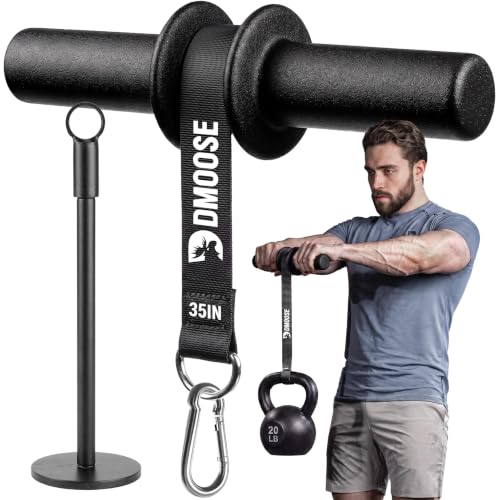
The rod uses premium-grade steel that can handle up to 240 pounds without bending, so you can load serious weight without worrying about the tool breaking mid-set. That dual-function design combines a wrist roller and forearm strengthener in one compact tool. The textured handles stay firm even when your palms get sweaty, and the grooved finger roller adds a therapeutic edge for folks dealing with tennis elbow or carpal tunnel.
At 3.2 pounds, this unit has a substantial heft that the IronMind Twist Yo’ Wrist, at just one pound, does not offer. That extra weight provides momentum during the rolling motion, which helps engage the forearm muscles more deeply with each rep. The steel rod is rated to handle up to 240 lbs without bending, so it can stand up to aggressive training sessions without flexing. The textured handles stay secure even when hands get sweaty, which means no slipping mid-set. For anyone who wants a tool that feels solid and delivers real resistance, the weight here is an advantage, not a drawback.
Product photos
Exura Forearm Trainer & Wrist Exerciser

What We Like
- Solid iron build, no plastic or springs
- Adjustable resistance dial from 0 to 125 lb
- Trains rotational forearm power for boxing
- Low-impact option for rehab and recovery
Trade-offs
- At 9.8 lb, not portable for travel or office
- Only 0.1 in thick, no ergonomic grip shaping
A 9.8-pound solid iron block that spins through full pronation and supination gives you rotational resistance that dumbbells simply can’t mimic. That dial lets you go from zero all the way up to 125 pounds of resistance. This means a boxer working on hook power and an arm wrestler building table strength can share the same tool without outgrowing it. The low end also makes it a genuine option for shoulder rehab, where the smooth rotary motion is far less jarring than traditional elastic bands or cable work. If your training revolves around rotational torque for grappling, punching, or clinch work, this trainer targets exactly that plane of movement.
At nearly ten pounds and with a flat 0.1-inch profile, this tool is a heavy single-purpose device. It is not something you throw in a gym bag for a quick office session, and it does not work your crushing or pinching grip the way a spring-loaded gripper does. The FitBeast Adjustable Grip Strengthener, at 0.4 pounds, is far more portable, but it targets squeezing resistance rather than rotational forearm power. The Exura delivers a very specific kind of forearm strength through pronation and supination, and if that rotational power is your goal, it provides a heavy, solid-iron resistance that lighter spring-based tools cannot replicate. Just know that it earns its spot on a home gym shelf, not in your backpack.
Coniflor Forearm Strengthener and Wrist Trainer
What We Like
- All-metal build for long-lasting use
- Adjustable resistance knob for progressive training
- Independent handles target each wrist separately
- Compact and portable for travel or desk use
Trade-offs
- At 2.2 lb, heavier than many grip-only tools
- 0.1-inch height makes it awkward to grip for people with large hands
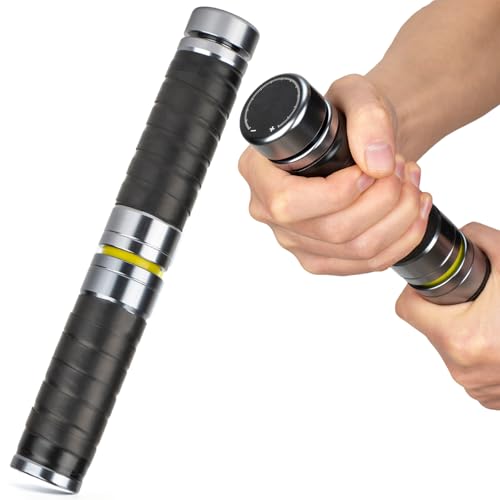
An adjustable resistance knob that lets you dial in tension from easy to challenging without ropes or weight plates makes this a genuinely flexible forearm tool. The all-metal build and independent handles mean you can work one wrist at a time, which is useful if you’re rehabbing an old strain or just want to even out strength side to side. It’s compact enough to toss in a gym bag or leave on your desk, and the included spare bearing and damping set suggest the manufacturer expects it to last through plenty of use. For someone who wants a single device that handles grip, wrist, and forearm work without cluttering the house, this delivers straightforward value.
At 2.2 pounds, this tool is heavier than a typical grip squeezer, so it won’t disappear into a pants pocket the way a smaller tool might. Compared to the lighter FitBeast Adjustable Grip Strengthener at 0.4 pounds, the Coniflor is more of a dedicated forearm station than a pocket companion. Still, the all-metal construction and independent handle movement give it a durability and targeting advantage that the lighter plastic-based options don’t match. If you prioritize a tool that stays put on a desk and lets you gradually increase resistance without buying add-ons, this is a sensible budget-friendly route.
Product photos
Yes4All Forearm Strengthener & Wrist Roller
What We Like
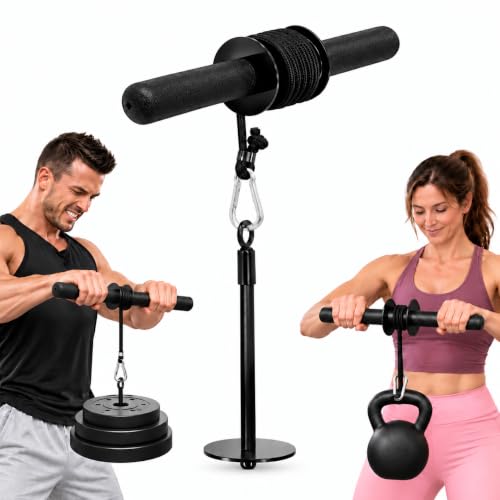
- Works with standard and Olympic plates
- Also accepts kettlebells and dumbbells
- Non-slip PVC handle for secure grip
Trade-offs
- Requires separate weight plates to use
- 1 lb base weight feels light unloaded
A 100-pound weight capacity means you can load this roller with everything from standard iron plates to kettlebells and dumbbells without worrying about the rope snapping. That versatility is the whole point, it lets you start with a light plate and work your way up as your forearms get stronger, which makes it a smart fit for anyone building grip strength for climbing, weightlifting, or just everyday carry.
You need to supply your own plates, and the roller itself weighs only one pound, so without weights it won’t do much. That puts it in a different category from something like the FitBeast Adjustable Grip Strengthener, which has built-in resistance you can dial up right out of the box. But if you already have a set of plates or kettlebells sitting around, this roller turns them into a dedicated forearm workout tool without taking up extra space or costing extra for specialty weights.
Logest Metal Hand Grip Set 7-Pack

What We Like
- Seven resistance levels from 50 to 350 lb
- Alloy steel construction for durability
- Aluminum handles are lightweight yet strong
- No-slip grip for secure use
Trade-offs
- 4.2 lb set is heavier than most portable options
- Fixed resistance per grip requires swapping to adjust load
- No progressive tension curve for targeted rehab work
A seven-grip set spanning 50 to 350 lb means you can start with a gentle squeeze and work up to a crushing hold without buying new gear every month. That range alone makes this kit a practical long-term investment for anyone serious about building forearm and hand strength. The alloy steel construction and aluminum handles are built for repeated use, and the no-slip design helps keep the grips steady during workouts. It suits anyone who wants a single set that grows with them rather than maxing out after a few weeks.
Each grip offers one fixed resistance, so adjusting the load means physically swapping to another handle. That is fine for planned progression, but it is less convenient than a single adjustable unit like the FitBeast Grip Strengthener. At 4.2 pounds, the full set also has heft, so it is better suited to a home gym or office drawer than a gym bag. If you prefer dialing in precise mid-range resistance without carrying multiple pieces, the adjustable route may feel simpler. But for raw range and rugged build, this set delivers.
How We Evaluated Forearm Workout Tools
We built this guide on a research-led review of product specs, manufacturer documentation, and common themes in user reports.
Three criteria mattered most. First, resistance adjustability–can the tool grow with you from light rehab work to heavy loading? Second, portability and build quality, since a forearm tool you cannot take to the gym or office is one you will not use. Third, training specificity–does the tool target grip strength, wrist flexion and extension, or rotational forearm power?
A research-based evaluation has honest limits. We cannot vouch for long-term durability beyond what owner patterns suggest, and individual fit depends on hand size and personal comfort. But by cross-referencing specs with real-world feedback, we can point you to the tool most likely to work for your goal.
What To Look For In Forearm Workout Tools
The right forearm tool matches your training goal, fits your environment, and offers resistance that challenges you without overwhelming your joints.
Look for adjustable resistance if you plan to progress over time. Consider weight, size, and noise if you train at home or in an office. Match the movement pattern to your sport or weakness–grip, wrist, or rotation.
Resistance Range and Adjustability
A tool with a wide adjustable range lets you start light for warm-ups or rehab and increase load without buying new equipment. The FitBeast adjustable grip strengthener covers 10 to 132 lb, while the Logest Metal Hand Grip Set offers seven fixed levels from 50 to 350 lb. Fixed-resistance tools like the IronMind Twist Yo’ Wrist Wrist Roller are simpler but require an anchor point and lack progressive tension.
Portability and Build
If you train at a desk or travel often, weight and size matter. The Marcy Wrist and Forearm Developer weighs 1.2 lb and fits in a gym bag, while the Exura Forearm Trainer is a solid 9.8 lb and stays in one spot. All-metal builds like the Coniflor Forearm Strengthener offer durability, while padded designs like the IronVibe Forearm Strengthener add comfort for longer sessions.
Training Specificity
Different tools target different movements. Grip strengtheners and hand grippers build crushing strength. Wrist rollers and forearm trainers work flexion and extension. For rotational power–useful in boxing, arm wrestling, and grappling–the Exura Forearm Trainer excels. The DMoose Fitness Forearm Strengthener combines a wrist roller with a finger roller for dual-function training.
- Check whether the tool fits your hand size–some fixed-width designs feel cramped for larger palms.
- Confirm the resistance method matches your goal: springs for grip, dials for wrist work, weight plates for rollers.
- Consider noise: spring-loaded grippers can click, while dial-based trainers are quieter for office use.
- Look at the anchor requirements: wrist rollers need a hook or overhead point, while grip trainers work anywhere.
A tool that matches your primary movement pattern will deliver faster results than a general-purpose device that does nothing perfectly.
Forearm Workout Tools Compared
The table below compares each tool for forearm workouts by resistance type, weight, portability, and best use case so you can see at a glance which one fits your training style.
| Product | Resistance Range | Weight | Dimensions | Material |
|---|---|---|---|---|
| FitBeast Adjustable Grip Strengthener | 10-132 lbs | 0.4 pounds | 6.2 x 4.5 inches | Steel spring, non-slip handle |
| FitBeast Digital Grip Strength Trainer Kit | 10-160 lbs | N/A | 9.2 x 6.2 x 0.1 inches | N/A |
| IronVibe Forearm Strengthener & Wrist Trainer | Adjustable, multiple levels | 1.1 pounds | 13.0 x 4.9 x 0.1 inches | Soft polyurethane, textured |
| IronMind Twist Yo' Wrist Wrist Roller | N/A | 1.0 pounds | 3.5 x 3.9 x 3.9 inches | Polymer roller, climbing-grade cord |
| Marcy Wrist and Forearm Developer | Adjustable dial | 1.2 lb | 14.5 x 6.0 x 7.8 in | Foam-padded, adjustable |
| DMoose Fitness Forearm Strengthener & Wrist Roller | N/A | 3.2 pounds | N/A | Non-Slip Thicker Handles, 35" Durable Nylon Strap |
| Exura Forearm Trainer & Wrist Exerciser | 0 to 125 lb | 9.8 lb | 14.2 x 6.3 x 0.1 in | Solid iron |
| Coniflor Forearm Strengthener and Wrist Trainer | Adjustable knob, no weights needed | 2.2 lb | 10.3 x 1.4 x 0.1 in | All-metal build |
| Yes4All Forearm Strengthener & Wrist Roller | 100 lb weight capacity | 1.0 pounds | 16.0 x 3.0 x 3.0 inches | PVC (non-slip) |
| Logest Metal Hand Grip Set 7-Pack | 50-350 lb | 4.2 lb | N/A | Aluminum, alloy steel |
Frequently Asked Questions
What is the best forearm workout tool for beginners?
The FitBeast Adjustable Grip Strengthener works well for beginners because its 10 lb minimum resistance is gentle enough for light work, and you can increase load gradually without buying multiple tools. The Marcy Wrist and Forearm Developer is another solid entry point for those who want a padded, compact device.
Can forearm tools help with wrist pain?
Some users report that consistent use of adjustable grip strengtheners and wrist trainers reduces wrist discomfort by strengthening the supporting muscles and tendons. For medical conditions like tendinitis or carpal tunnel, consult a healthcare provider before starting any resistance training.
How often should I train my forearms?
Two to three sessions per week with at least a day of rest between workouts allows for adequate recovery. Forearm muscles respond well to higher rep ranges for endurance, and lower reps with heavier resistance for strength gains.
What is the difference between a grip strengthener and a wrist roller?
A grip strengthener focuses on crushing force by squeezing handles against spring or coil resistance. A wrist roller, like the IronMind Twist Yo’ Wrist, works wrist flexion and extension by rolling a weight up and down a cord, targeting the forearm muscles differently.
Do I need multiple forearm tools?
One adjustable tool can handle most goals if you choose carefully. The FitBeast Digital Grip Strength Trainer Kit combines tracking with a wide resistance range, covering both rehab and heavy work. Specialized athletes–climbers, boxers, or arm wrestlers–may benefit from adding a sport-specific tool like the Exura Forearm Trainer for rotational strength.
The Bottom Line
The FitBeast Adjustable Grip Strengthener is the choice for most people because it covers light rehab through heavy training in one compact package. Athletes who need sport-specific rotational power should look at the Exura Forearm Trainer, while home gym owners with existing plates will appreciate the Yes4All Forearm Strengthener.
Budget-conscious shoppers will find solid value in the Coniflor Forearm Strengthener, and those who love data can rely on the FitBeast Digital Grip Strength Trainer Kit for progress tracking. The single most important factor is matching the tool to your primary movement–grip, wrist, or rotation–because the best device is the one you will actually use consistently.
