
10 Best Smart Fitness Trackers in 2026
This post contains affiliate links. As an Amazon Associate, we earn from qualifying purchases.
The Fitbit Charge 6 Fitness Tracker takes the best overall spot because it connects live heart rate data to compatible gym machines, gives turn-by-turn Google Maps directions on your wrist, and includes Google Wallet tap-to-pay. For ultra-light all-day wear, the Xiaomi Smart Band 11 Fitness Tracker is our best lightweight pick, and the WHOOP 5.0 Screenless Fitness Wearable leads for AI coaching without a screen.
Finding the right tracker means balancing battery life, display size, GPS needs, and whether you want a screen at all. A runner’s priorities differ from a yoga practitioner’s, and someone focused on sleep recovery needs different metrics than a HYROX athlete.
We built this guide by analyzing manufacturer specs, expert round-ups, and patterns in owner feedback across ten top models. You get clear comparisons, real trade-offs, and the details that help you pick the tracker that fits your actual routine.
Top 10 Smart Fitness Trackers in the Market
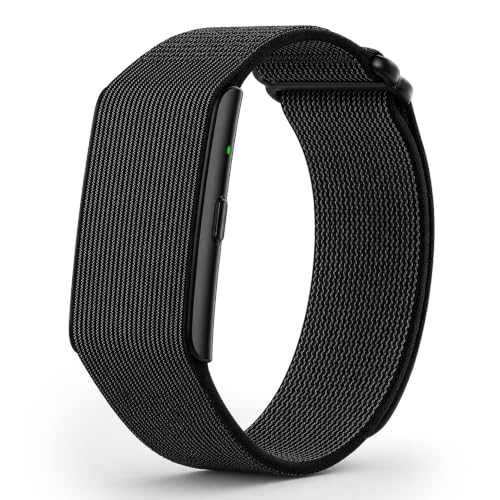
Certain content that appears on this site comes from Amazon. This content is provided "as is" and is subject to change or removal at any time.
The Best Smart Fitness Trackers, Reviewed
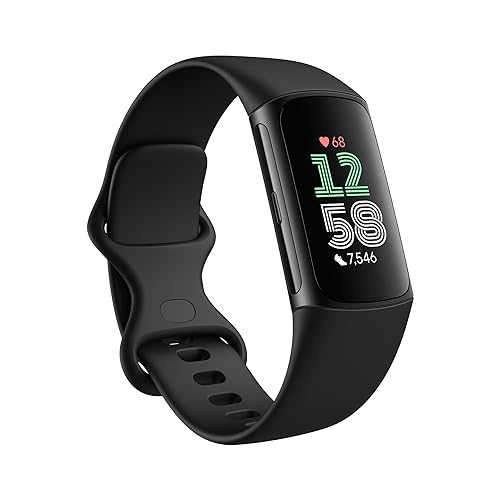
Fitbit Charge 6 Fitness Tracker
What We Like
- Real-time heart rate on compatible gym machines
- Turn-by-turn Google Maps directions during runs
- Google Wallet tap-to-pay on the go
- 3-month Google Health Premium trial included
Trade-offs
- Google Health Premium subscription required after trial
- No screenless option for minimalists
- Small and large bands only, no medium size listed
With 40+ exercise modes, built-in GPS, and 24/7 heart rate tracking, the Fitbit Charge 6 gives you the core data to guide your daily movement and recovery without needing a phone nearby. That live heart rate link to compatible treadmills and ellipticals? It makes gym cardio feel more intentional, you can see your effort right on the machine display, not just on your wrist. This tracker suits anyone who wants a straightforward, Google-connected companion for runs, rides, and everyday activity, with sleep scores and stress management built in to keep the bigger picture in view.
The Google Health Premium subscription is the main catch, you get a three-month trial, but after that, the deeper coaching and Gemini-powered personalization cost extra. If you prefer a subscription-free tracker, the Amazfit Bip 6 offers free maps and a 14-day battery, though its feature set differs from the Charge 6. For most people who want a balanced, all-day fitness tracker that blends health metrics with handy Google tools, the Charge 6 is the most complete package.
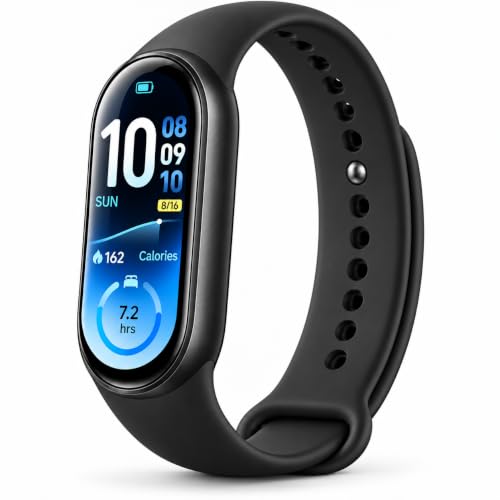
Xiaomi Smart Band 11 Fitness Tracker
What We Like
- 15.6g weight for all-day wear
- 21-day battery life
- 1.72" AMOLED screen
Trade-offs
- No built-in GPS for phone-free tracking
- Proprietary charger, not USB-C
At just 15.6 grams without the strap, this is the kind of tracker you genuinely forget is on your wrist, until it buzzes with a notification or reminds you to move. That featherlight build, paired with a 21-day battery, means you can wear it through sleep, showers, and back-to-back gym sessions without hunting for a charger every other night. The 1.72-inch AMOLED screen is crisp enough for quick glances during a set, and with 150+ sports modes, it covers everything from treadmill intervals to yoga flows. If your priority is a no-fuss daily companion that stays out of your way, this band makes a strong case for itself.
The Xiaomi Smart Band 11 is the brand’s slimmest tracker yet at 9.99mm, so it sits flush against your skin without catching on sleeves. Its 1.72-inch AMOLED screen makes notifications easy to read, and the 21-day battery means you can go weeks without reaching for a charger. For someone who wants a lightweight, waterproof tracker with heart rate and SpO2 monitoring that lasts three weeks between charges, this band delivers exactly that without the bulk or the premium price tag.
Product photos
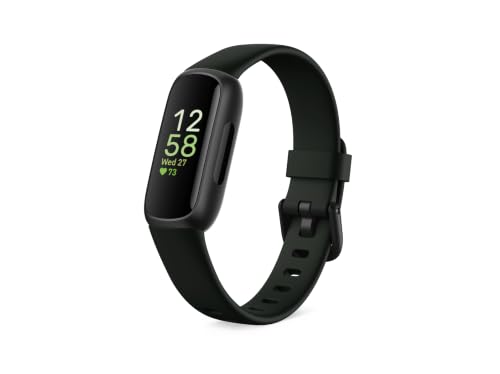
Fitbit Inspire 3 Fitness Tracker
What We Like
- Daily Readiness Score guides your effort
- 40+ exercise modes with automatic tracking
- Stress Management Score and breathing sessions
- 3-month Google Health Premium membership included
Trade-offs
- Relies on phone for connected GPS during outdoor runs
- No built-in GPS for phone-free tracking.
A Daily Readiness Score that tells you whether to push hard or take it easy is the kind of nudge most of us need to avoid burning out or slacking off. That, plus automatic sleep tracking with a detailed Sleep Score and 24/7 heart rate monitoring, makes the Inspire 3 a smart companion for anyone who wants to build a consistent routine without drowning in data. It’s the Fitbit for the person who values stress management and recovery as much as step counts, and the included three-month Google Health Premium membership gives you deeper insights right out of the box.
The Inspire 3 focuses on daily wellness with stress management, sleep tracking, and 24/7 heart rate monitoring, so you get a clear picture of your overall health without extra frills. Compared to the Fitbit Charge 6, which adds Google apps and heart-rate connectivity with gym equipment, the Inspire 3 keeps things simpler and lighter on the wrist. It’s designed for someone who wants a straightforward tracker that helps them find their energy and feel their best just by wearing it.
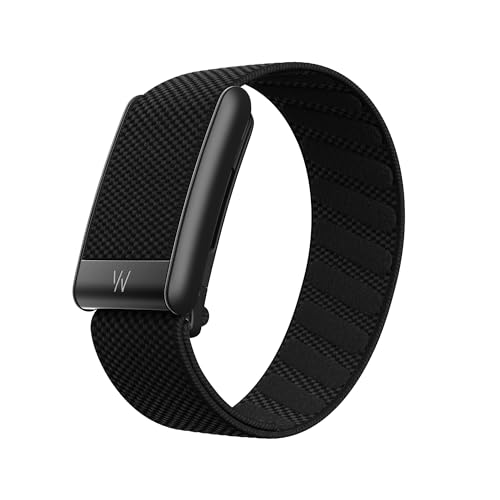
WHOOP 5.0 Screenless Fitness Wearable
What We Like
- AI Coach turns 140+ metrics into insights
- 14+ day battery with on-wrist charging
- Healthspan tracks aging and longevity
- Women's health and cycle phase insights
Trade-offs
- No screen for glanceable stats or notifications
- Requires 12-month membership commitment
- No built-in GPS for outdoor route tracking
An AI coach that learns from over 140 health metrics every day, that is the core of this screenless wearable. Instead of glancing at a display, you open the WHOOP app to see personalized recommendations on sleep, recovery, and training. The 14-plus-day battery lets you keep it on constantly, charging with the included PowerPack without taking it off. It is built for people who want deep, data-driven coaching rather than just step counts or notifications. The Healthspan feature goes further, calculating your WHOOP Age and Pace of Aging based on nine key metrics, so you understand how daily habits affect long-term health. If you are the type who loves digging into the numbers and acting on them, this tracker becomes a genuine partner in your fitness journey.
The biggest trade-off is the lack of a screen. You cannot check your heart rate mid-run or see a text at a glance, everything lives in the phone app. That design choice keeps the band light and comfortable for sleep tracking, but it means you rely on your phone for real-time feedback. The WHOOP also locks you into a 12-month membership, while the Amazfit Helio Strap offers screenless tracking without a subscription. For anyone who values constant, AI-powered coaching and is happy to let the app do the talking, the WHOOP 5.0 delivers an experience no other tracker in this guide matches.
Amazfit Bip 6 Smart Watch

What We Like
- Free downloadable maps with turn-by-turn directions
- Bright 1.97" AMOLED display for sunlight readability
- 14-day battery life between charges
- GPS tracking from 5 satellite systems
Trade-offs
- No always-on display option mentioned for quick glance
- Health insights rely on AI coaching, not manual analysis
Free downloadable maps with turn-by-turn directions turn this smartwatch into a reliable navigation companion for exploring trails or finding your way through unfamiliar areas. The 1.97″ AMOLED display stays crisp and readable even under bright sunlight, so you won’t squint to see your route. With GPS support from five satellite systems, location tracking locks on fast and stays accurate mile after mile. That combination makes the Bip 6 a natural fit for runners, hikers, and anyone who values knowing exactly where they are without pulling out a phone.
Battery life stretches a full 14 days, so you can skip nightly charging even with GPS sessions mixed in. But there’s no always-on display option mentioned, meaning you’ll need to raise your wrist or tap to see the time. For map lovers who want a bright screen and long battery, this watch delivers where it counts.
Product photos
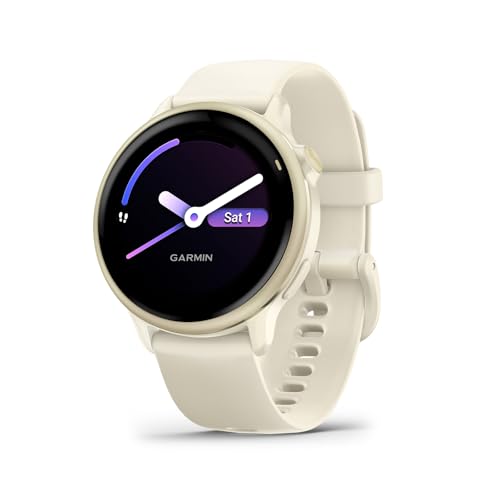
Garmin vívoactive 6 Smartwatch
What We Like
- Personalized sleep coaching with tips
- Smart wake alarm vibrates at optimal time
- Automatic nap detection tracks day sleep
- 80+ built-in sports apps for variety
Trade-offs
- Health data is estimated, not clinical
- No built-in music storage or playback
A sleep score and personalized coaching that tells you how much rest you actually need, plus a smart wake alarm that vibrates at the right moment, makes this the tracker for anyone who wants to stop guessing about their sleep. The Body Battery energy monitoring uses sleep, naps, stress, and workouts to help you understand when you’re charged up or need to rest. With up to 11 days of battery life and a bright AMOLED display, it fits into real life without demanding constant charging.
The Garmin vívoactive 6 tracks health metrics like HRV and sleep as close estimations, not clinical measurements, so it’s a guide for trends rather than a medical device. Unlike the screenless WHOOP 5.0, which requires a 12-month membership for its features, this watch gives you coaching and a bright AMOLED display without an ongoing subscription. It’s a practical companion for anyone looking to understand and gradually improve their sleep habits.
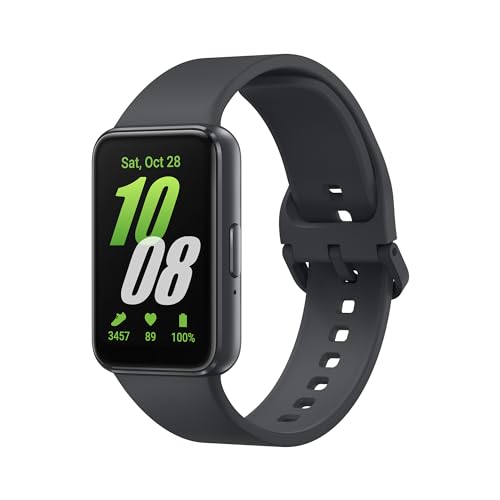
Samsung Galaxy Fit 3 Fitness Tracker
What We Like
- Vibrant 1.6" AMOLED display
- Up to 14-day battery life
- 101+ workout modes with auto detection
- 5ATM & IP68 water resistance
Trade-offs
- No iOS support, Android only
- No Samsung Pay support
- No US warranty (international model)
A 1.6-inch AMOLED display is the first thing you’ll notice, it’s bright, sharp, and makes navigating your stats feel effortless. That screen, paired with up to 14 days of battery life, means you can wear this tracker daily without constantly hunting for a charger. The 101+ workout modes with auto detection cover everything from runs to gym sessions, and the tracker can automatically detect common workouts. Sleep coaching, SpO2, heart rate, and snore detection are included for health tracking.
In contrast, the Fitbit Charge 6 offers Google apps and a 3-month Google Health Premium membership, while the Galaxy Fit 3 is more limited. For Android users who want a bright screen and long battery, this is an option. Just remember it’s an international model, so there’s no US warranty.
Amazfit Helio Strap Activity Tracker

What We Like
- Screenless design for distraction-free training
- HYROX Race mode for race prep
- 10-day battery life between charges
- Free Zepp App with AI insights
Trade-offs
- No screen means no glanceable stats mid-workout
- Must pair with phone for any data display
- Relies on Zepp App for all post-workout analysis
Up to 10 days of battery life lets you wear this strap through a full training cycle without needing to find a charger. It tracks recovery metrics, heart rate, fatigue, sleep, and a HybridCharge energy score, all without a screen to distract you during a set. The 27 sports modes and dedicated HYROX race mode give it a serious training focus, and the free Zepp App handles all the analysis, from VO₂ max to recovery time. If you find a watch face distracting or just want raw data without notifications, this is a refreshingly simple approach.
The obvious trade-off is that there’s no screen at all, so you can’t see your heart rate mid-rep or check the time without pulling out your phone. That makes it less convenient than a screen-equipped tracker like the Fitbit Charge 6 if you want quick stats on the go. But if your priority is accurate, uninterrupted tracking during strength sessions and sleep, and you’re happy reviewing everything in the app afterward, the Helio Strap delivers focused performance where it counts.
Product photos
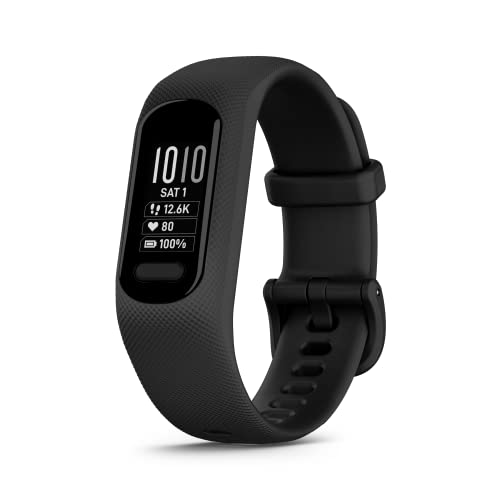
Garmin vívosmart 5 Fitness Tracker
What We Like
- Up to 7 days battery life
- Bright, bigger display than vívosmart 4
- Monitors respiration, Pulse Ox, and Body Battery
- Swim and shower safe
Trade-offs
- No built-in GPS; relies on smartphone GPS
- Pulse Ox not available in all countries
- Not a medical device for health metrics
A battery that lasts up to 7 days lets you wear this tracker through the work week without needing to find a charger. That kind of freedom matters when you want health data, heart rate, stress, sleep quality, even respiration and Body Battery energy levels, without constant maintenance. The touchscreen and button interface is simple to navigate, and the display is brighter and bigger than the previous model, so you can actually read your stats at a glance. The tracker connects to your smartphone’s GPS to track outdoor walks, runs, and rides, so if you already carry your phone, you get location data without a built-in GPS. It’s a straightforward health tracker that focuses on core metrics and long battery life.
The trade-off for that simplicity is that there’s no built-in GPS. To map outdoor walks, runs, or rides, you’ll need your smartphone nearby to provide location data. That’s fine if you already carry your phone, but consider this if you prefer leaving it behind. The Fitbit Charge 6, by contrast, includes Google apps and heart rate on exercise equipment, while the vívosmart 5 offers health monitoring like heart rate, Pulse Ox, stress, and sleep tracking. It’s a fitness tracker that does its core job, with a battery that keeps up with your routine.
Product photos
Domhong Screenless Fitness Tracker Smart Band
What We Like
- No subscription for full features
- 170+ sports modes plus connected GPS
- 24/7 heart rate, SpO2, HRV monitoring
Trade-offs
- No on-device display for quick checks
- Connected GPS requires smartphone nearby
- Readings are reference only, not medical grade
A battery that lasts 20 to 30 days in a 25g screenless band lets you wear it 24/7 without needing to find a charger every few nights. That long runtime makes it ideal for sleep tracking, where the Domhong monitors light, deep, and REM stages and feeds data into the free QwatchPro app for AI-powered wellness insights. No subscription fees here, so you get heart rate, SpO2, HRV, stress, and daily energy tracking without paying a monthly bill. If you want useful fitness data but don’t need another glowing screen on your wrist, this lightweight band keeps things simple and comfortable for everyday wear.
The trade-off for that simplicity is that you have to pull out your phone to see your stats, since there is no screen on the band itself. Connected GPS uses your smartphone to map outdoor activities, so it is not a standalone mapping tool. What you do get is a no-fuss tracker that handles 170+ sport modes, IP68 water resistance for sweat and rain, and customizable vibration alerts for calls and messages. For anyone who prioritizes battery life, zero subscription costs, and a distraction-free experience over an on-wrist display, the Domhong delivers exactly that.
Product photos
How We Evaluated Smart Fitness Trackers
We started with the core specs that define a tracker’s daily usefulness: battery life, display quality, GPS capability, and water resistance. Manufacturer documentation gave us the baseline numbers, and expert round-ups helped us understand how those specs perform in real-world conditions. Owner feedback patterns across hundreds of reviews confirmed which features matter most and which trade-offs users actually find frustrating.
The four criteria that mattered most were accuracy of health sensors (heart rate, SpO2, sleep staging), battery longevity between charges, GPS independence (built-in versus connected), and ecosystem compatibility with iOS and Android. For screenless models, we weighed data accessibility through companion apps. For display models, we prioritized sunlight readability and glanceable workout stats.
An evaluation has honest limits: we have not worn every tracker through a marathon or a week of night shifts. But by cross-referencing specifications with verified owner experiences and expert commentary, we can confidently point you toward the trackers that work well and away from those that do not. For deeper comparisons, our fitness tracker reviews cover additional models and categories.
What To Look For In Smart Fitness Trackers
Start with your non-negotiables: built-in GPS or phone-dependent tracking, screen or screenless, and whether you want subscription features or a one-time purchase. Everything else follows from there.
GPS: Built-In vs. Connected
Built-in GPS lets you run or cycle without carrying your phone, recording accurate route data from the wrist. Connected GPS relies on your smartphone’s antenna, which drains your phone battery and means you must bring it along. For serious runners, cyclists, and hikers, built-in GPS is worth the extra cost. For gym-goers who track indoor workouts, connected GPS is perfectly fine.
Battery Life and Charging
Battery life ranges from 7 days to 21 days depending on features. Always-on AMOLED displays drain faster than simple monochrome screens. Screenless trackers tend to last longest since there’s no display to power. Proprietary chargers are common, so losing the cable means replacing it from the manufacturer rather than grabbing a USB-C cord.
Display Type and Readability
AMOLED screens offer vibrant colors and deep blacks but can be harder to read in direct sunlight unless they have high peak brightness. Larger displays (1.6 to 1.97 inches) show more data at once, which helps during workouts. Screenless trackers trade glanceable stats for distraction-free training and longer battery life.
- Check if the display supports an always-on mode or if you must raise your wrist to see stats.
- Confirm the tracker is water-resistant to at least 5ATM for swimming and showering.
- Verify iOS and Android compatibility before buying, some trackers work with one ecosystem only.
- Look at band size options; some trackers offer only small and large with no medium.
- Review the companion app’s data dashboard to ensure it shows the metrics you care about.
A tracker you don’t wear is useless, prioritize comfort and battery life that matches your charging habits.
Smart Fitness Trackers Compared
The table below compares the ten best smart fitness trackers across the features that matter most: GPS, battery life, display, and subscription requirements.
| Product | Display | Battery Life | Sports Modes |
|---|---|---|---|
| Fitbit Charge 6 Fitness Tracker | N/A | N/A | 40+ |
| Xiaomi Smart Band 11 Fitness Tracker | 1.72" AMOLED | 21-Day | 150+ |
| Fitbit Inspire 3 Fitness Tracker | N/A | N/A | 40+ |
| WHOOP 5.0 Screenless Fitness Wearable | Screenless | 14+ days | N/A |
| Amazfit Bip 6 Smart Watch | 1.97" AMOLED | Up to 14 days | 140+ |
| Garmin vívoactive 6 Smartwatch | AMOLED | Up to 11 days | 80+ |
| Samsung Galaxy Fit 3 Fitness Tracker | 1.6" AMOLED | Up to 14 days | 101+ |
| Amazfit Helio Strap Activity Tracker | Screenless | Up to 10 days | 27 |
| Garmin vívosmart 5 Fitness Tracker | Touchscreen and button interface | Up to 7 days | N/A |
| Domhong Screenless Fitness Tracker Smart Band | Screenless | 20-30 days | 170+ |
Frequently Asked Questions
Which fitness tracker has the most accurate heart rate monitoring?
Chest straps remain the gold standard for heart rate accuracy, but wrist-based optical sensors have improved significantly. The Fitbit Charge 6 and Garmin vívoactive 6 both use multi-path optical sensors that reduce motion artifacts during exercise. For the best accuracy during high-intensity interval training, the WHOOP 5.0’s continuous optical sampling provides consistent data without the gap that some trackers show between readings.
Can I use a fitness tracker without a smartphone?
Most modern fitness trackers require a smartphone for initial setup, firmware updates, and data syncing. Screenless models like the Amazfit Helio Strap and Domhong Screenless Tracker depend entirely on the phone app for displaying your stats. The Garmin vívosmart 5 can show basic time and activity data without a phone, but you’ll miss sleep scores, stress tracking, and detailed workout analysis.
How long do fitness tracker batteries typically last?
Battery life varies widely by features and display type. The Xiaomi Smart Band 11 leads at 21 days thanks to its efficient AMOLED screen and power-sipping processor. GPS-heavy trackers like the Amazfit Bip 6 last about 14 days with typical use, dropping to 8-10 hours with continuous GPS tracking. Screenless trackers such as the WHOOP 5.0 last 14 days between charges since there’s no display to power.
Do fitness trackers work for swimming?
Trackers with 5ATM water resistance are rated to 50 meters depth and work for pool swimming and showering. The Samsung Galaxy Fit 3 and Garmin vívosmart 5 both carry 5ATM ratings. Saltwater and chlorinated pools can degrade seals over time, so rinsing the tracker with fresh water after each swim session helps maintain water resistance. No fitness tracker is designed for scuba diving.
What is the difference between a fitness tracker and a smartwatch?
Fitness trackers prioritize health metrics, battery life, and lightweight wear over app ecosystems and cellular connectivity. Smartwatches offer larger displays, onboard music storage, LTE options, and third-party app support but typically last 1-3 days between charges. For dedicated workout tracking without daily charging, a smartwatch vs fitness tracker comparison helps clarify which category fits your lifestyle.
The Bottom Line
The Fitbit Charge 6 Fitness Tracker is the best overall pick for anyone who wants live heart rate data on gym equipment, Google Maps navigation during runs, and tap-to-pay convenience. It balances smartwatch features with the battery life and form factor of a dedicated tracker, making it the most versatile option for mixed gym-and-outdoor routines.
If subscriptions aren’t your style, the Domhong Screenless Fitness Tracker Smart Band delivers full wellness monitoring without monthly fees, and the Amazfit Bip 6 offers free offline maps for outdoor explorers. For Android-only users, the Samsung Galaxy Fit 3 gives you a vibrant display and 14-day battery at a budget-friendly price point.
The single most important factor is honesty about your routine. A runner needs built-in GPS; a gym-goer can save money with connected GPS. A sleep-focused athlete benefits from coaching features; a minimalist may prefer a screenless band. Match the tracker to your actual workouts, not the ones you imagine doing.
