
10 Best Trainers For Treadmill Running in 2026
This post contains affiliate links. As an Amazon Associate, we earn from qualifying purchases.
For steady treadmill miles, the ASICS Gel-Nimbus 28 Running Shoes earn the Best Overall spot. PureGEL is 65% softer than standard GEL, and a responsive FF BLAST PLUS foam keeps longer sessions comfortable. The Brooks Ghost 18 offers a plush, cushioned ride, while the Under Armour Charged Assert 10 is our Best Budget Pick for those watching their spending.
Running on a treadmill changes how a shoe works. You land on a consistent, forgiving surface, so you do not need the same rugged outsole or trail-focused traction as outdoor running. What matters more is how the shoe breathes, how the cushioning feels over forty minutes of repetition, and whether the fit works for your foot shape.
We built this guide by examining manufacturer specs, reading expert round-ups, and looking at patterns in owner feedback across the most popular treadmill trainers. Our goal is to help you match a shoe’s strengths to your own running style and budget without guesswork.
Top 10 Trainers For Treadmill Running in the Market
Certain content that appears on this site comes from Amazon. This content is provided "as is" and is subject to change or removal at any time.
The Best Trainers For Treadmill Running, Reviewed
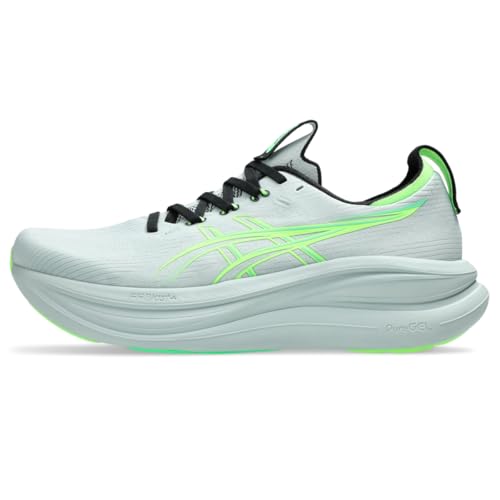
ASICS Gel-Nimbus 28 Running Shoes
What We Like
- PureGEL is 65% softer than standard GEL
- FF BLAST PLUS foam blends cushioning and responsiveness
- Engineered knit upper is lightweight and breathable
- At least 75% recycled content in upper
Trade-offs
- Not ideal for those who prefer a heavier, more stable shoe
- Lacks a wide-width option for broader feet
The PureGEL cushioning here is about 65% softer than standard GEL, which means each footstrike on the treadmill belt feels noticeably plusher, great news if your joints start complaining after mile three. Paired with FF BLAST PLUS foam, the ride stays responsive without turning mushy, so you can maintain a steady cadence without fighting the shoe. The engineered knit upper breathes well and cuts down on extra overlays, making this a shoe that disappears on your foot during longer sessions.
The trade-off? At 0.7 pounds, this shoe is light, but if you prefer a heavier, more grounded feel underfoot, the Brooks Ghost 18 (1.5 pounds) might suit you better. The HYBRID ASICSGRIP outsole is built for grip across various surfaces, which is a feature that adds versatility. For runners who value soft landings and a responsive ride, this shoe delivers.
Product photos
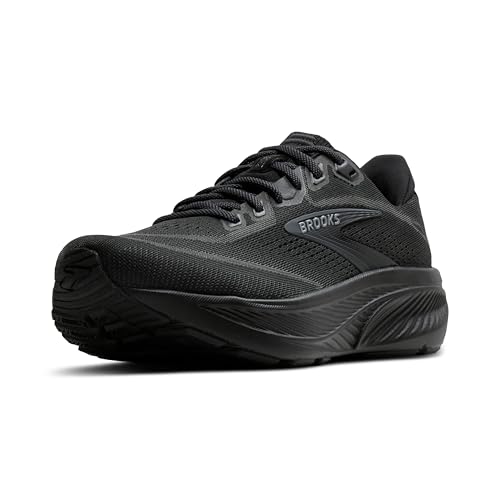
Brooks Ghost 18 Running Shoes
What We Like
- Nitrogen-infused DNA LOFT v3 foam
- Ortholite X-60 sockliner for plush comfort
- Breathable triple jacquard engineered mesh
- 3M reflectivity for low-light safety
Trade-offs
- Heavier than several guide picks at 1.5 lb
- Weighs 1.5 pounds, heavier than some alternatives
The nitrogen-infused DNA LOFT v3 foam is the heart of this shoe, giving you a soft, responsive ride that absorbs impact without feeling mushy underfoot. That plushness, paired with the Ortholite X-60 sockliner, means your feet land comfortably stride after stride, making it a natural fit for anyone who wants cushioning that lasts through long treadmill sessions or recovery runs. The breathable triple jacquard mesh upper also helps keep your feet cool when the gym gets warm, and the 3M reflectivity is a nice bonus if you ever step outside.
The trade-off is weight. That extra heft is less noticeable on a treadmill than on the road, but if you prefer a lighter, snappier feel for speed work, the Ghost Max 3 might suit you better. For everyday runners and walkers who prioritize soft landings over featherlight weight, this shoe delivers exactly that cushioned, steady ride.
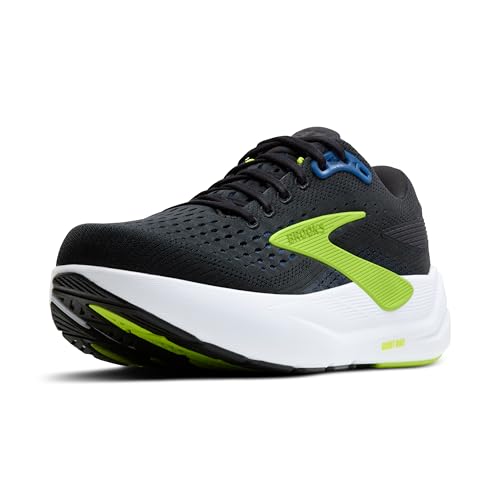
Brooks Ghost Max 3 Running Shoes
What We Like
- High stack of DNA Loft v3 cushioning
- Wide base for built-in stability
- GlideRoll Rocker for smooth transitions
- Certified PDAC A5500 diabetic shoe
Trade-offs
- Wide base reduces ground feel for agility work
- Not ideal for runners who prefer a low-stack shoe.
The high stack of DNA Loft v3 cushioning reduces underfoot pressure, which is exactly what you want when logging miles on the road or a treadmill. The wide base and GlideRoll Rocker work together to support smooth heel-to-toe transitions, so each stride flows into the next without extra effort. This shoe is ideal for both runners and walkers, and its breathable upper is designed for all-day wear.
The low offset and plush stack can feel a bit disconnected if you prefer a more responsive, ground-aware step for quick interval changes or incline sprints. Compared to the Brooks Ghost 18, which uses a similar DNA Loft platform but with a more traditional offset and narrower base, the Ghost Max 3 trades some agility for that extra cushioned, stable platform. It is a focused design: max protection for steady-state treadmill work, not a do-everything trainer for agility drills or outdoor trail mixing.
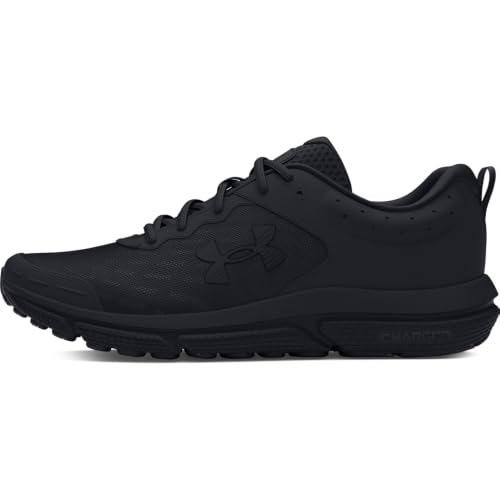
Under Armour Charged Assert 10 Running Shoes
What We Like
- Lightweight breathable mesh upper
- Charged Cushioning for responsiveness and durability
- Solid rubber outsole covers high-impact zones
- EVA sockliner for soft step-in comfort
Trade-offs
- At 9.5 oz, not the lightest option for speed work
- Neutral support offers no stability correction
A 10mm offset and Charged Cushioning midsole mean this shoe is built for steady, heel-striking runs on the treadmill where you want reliable cushioning without a bulky feel. The solid rubber outsole targets high-impact zones, so it should hold up to repeated miles on the belt without wearing down quickly. For someone starting out or sticking to a routine on the gym treadmill, this gives you the comfort and durability you need without overcomplicating things.
The 10mm drop and neutral design won’t suit everyone. If you land more on your forefoot or need extra arch support, you might find the ride less natural. The Under Armour is a straightforward option that gets the job done for anyone wanting a cushioned, durable shoe without chasing the lightest or most technical build.
New Balance Fresh Foam Arishi V4 Running Shoes

What We Like
- Soft Fresh Foam cushioning
- Breathable mesh upper
- Durable rubber outsole
Trade-offs
- Neutral support, not for overpronation
- At 1.0 lb, heavier than some rivals
The Fresh Foam midsole is precision-engineered to deliver a soft, cushioned ride that feels light underfoot, at 1.0 pounds per shoe, these won’t weigh you down during daily wear. That combination makes them a natural fit for runners who want plush comfort without the bulk, especially if you’re logging daily miles or mixing in walking recovery. The breathable mesh upper keeps air moving, so your feet stay cooler as the pace picks up, and the lace-up closure locks you in securely.
For everyday running and all-day wear, the Fresh Foam Arishi V4 delivers a soft, cushioned ride with neutral support, but if you need structured support for overpronation, this isn’t the shoe for you. At 1.0 pound per shoe, it’s still light for an everyday trainer, while the Nike Run Defy weighs 0.6 pounds if weight is your top priority. Most runners who value a forgiving step and all-day comfort will find the Arishi V4 hits a sweet spot between cushion and weight.
Under Armour Charged Surge 4 Running Shoes
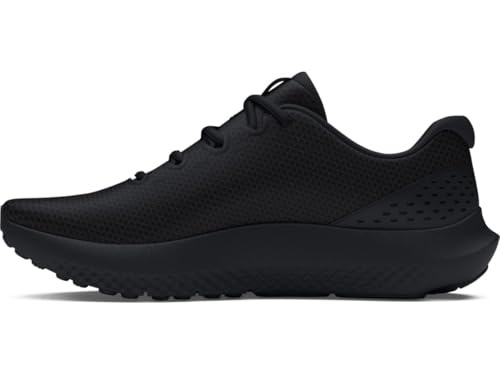
What We Like
- Charged Cushioning midsole for all-day comfort
- Deluxe Comfort System sockliner molds to foot
- Breathable mesh upper with supportive overlays
- Durable rubber outsole with toe-off flexibility
Trade-offs
- Heavier than some road-focused trainers at 10.05 oz
- Standard tie laces lack quick-lock adjustability
The Charged Cushioning midsole is the key feature here, it’s designed to deliver both responsiveness and durability, so you get a springy feel mile after mile without the foam packing down too quickly. That makes these a smart pick if your treadmill sessions stretch into long, steady runs or if you’re on your feet for a full gym session after the cardio. The Deluxe Comfort System sockliner adds to that plush step-in feel, molding to your foot so the shoe almost feels broken in from the first wear. Breathable mesh and synthetic overlays keep your foot secure without overheating, which is a real bonus when you’re indoors and the air isn’t moving.
Weight is the trade-off: at 10.05 ounces, these are lighter than some road-focused trainers like the ASICS Gel-Nimbus 28, which comes in at 0.7 pounds per shoe. That lighter feel is fine for moderate-paced treadmill work or cross-training, but if you’re chasing fast intervals or race-pace repeats, a lighter shoe might feel snappier underfoot. The standard tie laces are what you get with this model, so you’ll tie them as usual. For the runner who values comfort over speed and wants one shoe that handles both the treadmill and the rest of the workout, these deliver where it counts.
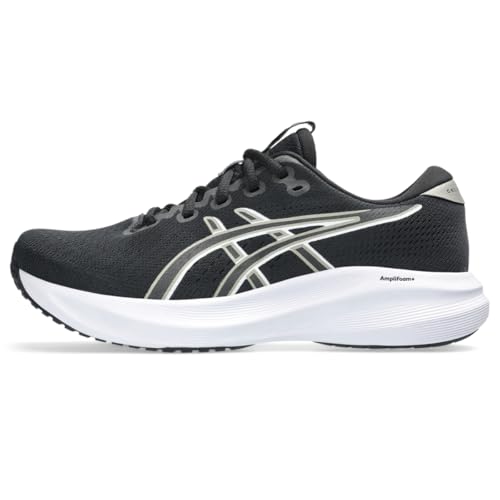
ASICS Gel-Excite 11 Running Shoes
What We Like
- PureGEL is 65% softer than standard GEL
- AMPLIFOAM PLUS for plush midsole ride
- Engineered mesh upper is lightweight and breathable
- Reflective details improve low-light visibility
Trade-offs
- Runs small, so sizing up is often necessary
- Heavier than many competitors at 1.7 pounds
The ASICS Gel-Excite 11 uses PureGEL technology that is about 65% softer than the standard GEL you might remember from older models, paired with AMPLIFOAM PLUS cushioning for a noticeably plush ride. That combination makes this shoe a natural fit if your treadmill sessions lean toward easy miles, recovery jogs, or longer steady-state work where you want the ground to feel forgiving underfoot rather than responsive or snappy. The engineered mesh upper keeps air moving, so your feet stay cooler during indoor runs, and the reflective details add a layer of safety if you ever step outside after your gym session.
The trade-off here is weight: at 1.7 pounds, the Gel-Excite 11 is heavier than something like the Nike Run Defy Road (0.6 pounds). That extra heft comes from the generous cushioning stack, so it is a deliberate trade-off for comfort over speed. Also, the sizing note says the shoe runs small, so check fit carefully before buying. For a softer, more forgiving treadmill run without paying premium prices, this is a smart pick.
Product photos
adidas Run Falcon 6 Running Shoes

What We Like
- Cloudfoam cushioning for consistent comfort
- Lightweight at 1.5 pounds
- Textile and synthetic upper for breathability
- Versatile road running design
Trade-offs
- Heavier than the 0.7-pound Brooks Ghost Max 3
- Lacks advanced stability features for overpronators
Cloudfoam cushioning and a 1.5-pound build mean these shoes are designed for consistent comfort during runs. The textile and synthetic upper provides a flexible fit, while the laces closure keeps them secure. This combination makes them suitable for road running, as indicated by the Amazon category.
At 1.5 pounds, they are heavier than the 0.7-pound Brooks Ghost Max 3, which may be a consideration for runners who prefer a lighter shoe. However, the Cloudfoam cushioning is a key feature for those who prioritize a soft landing over minimal weight.
Product photos
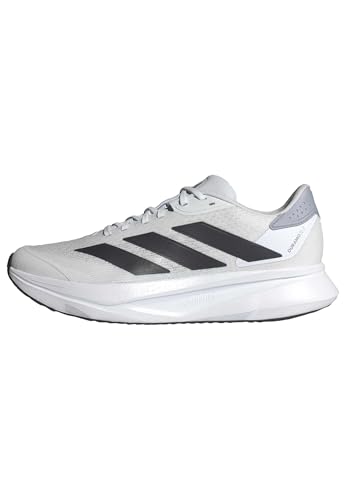
adidas Duramo SL 2.0 Running Shoes
What We Like
- Super-light LIGHTMOTION cushioning for step-in comfort
- Adiwear outsole for high-wear durability
- Breathable synthetic and textile mesh upper
- Lightweight at 10.3 ounces (size 9)
Trade-offs
- Designed for short-to-mid distance, not long runs
- Lacks the plush cushioning for long-distance comfort
The adidas Duramo SL 2.0 weighs 10.3 ounces per shoe in size 9, making it a lightweight option for short-to-mid distance training. The LIGHTMOTION cushioning provides a great step-in feel, and the synthetic and textile mesh upper offers breathable durability. The Adiwear outsole is built for high-wear durability. This shoe is designed for runners who want a lightweight trainer for shorter runs, not for long-distance efforts.
The 9 mm heel-to-toe drop (33 mm heel, 24 mm forefoot) gives a noticeable ramp that may feel pronounced if you are used to a flatter platform. The Duramo SL 2.0 is intended for short-to-mid distance training, so it is best suited for speed-focused sessions rather than longer, steady runs. It is a lightweight trainer that fits its purpose: shorter distances where weight matters.
Product photos
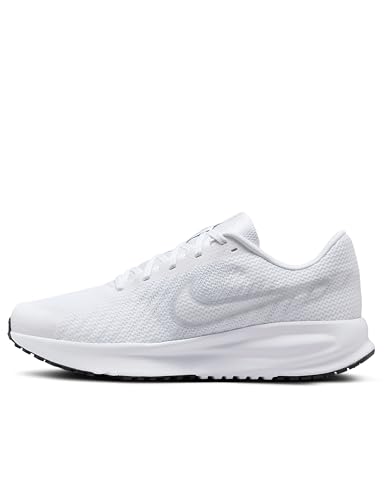
Nike Run Defy Road Running Shoes
What We Like
- Breathable mesh upper
- Soft foam midsole ride
- Flex grooves for cushioned effect
- Durable waffle outsole
Trade-offs
- No extra arch or heel support features listed
- Not ideal for runners needing extra arch support.
At 0.6 pounds, the Nike Run Defy is a lightweight road running shoe. The mesh upper adds breathability, which can help keep feet cooler during runs. The foam midsole delivers a soft ride, and flex grooves create a cushioned effect. The waffle outsole is made of a durable, flexible material. This combination makes it a comfortable choice if you want a light, airy feel without extra structure.
At just 0.6 pounds, the Nike Run Defy is one of the lightest road running shoes in its class, making it easy to forget you’re wearing them on long runs. The mesh upper breathes well, and the foam midsole delivers a soft feel underfoot. Flex grooves in the sole add a cushioned effect, while the waffle outsole uses a durable, flexible material to keep you moving. Runners who want more structure or support may find the shoe too flexible, especially compared to the ASICS Gel-Nimbus 28, which weighs 0.7 pounds and offers a more substantial build.
Product photos
How We Evaluated Trainers For Treadmill Running
We focused on what actually changes your experience on a belt. Cushioning type and density matter more on a treadmill than tread pattern, because the deck absorbs shock differently than pavement. We looked at foam formulations like DNA LOFT v3 and FF BLAST PLUS, and at how each shoe handles repetitive heel strikes.
Breathability was a top criterion. Treadmill running produces less airflow than outdoor running, so a shoe with a lightweight engineered mesh or knit upper helps keep feet from overheating during longer sessions. We also weighed the importance of weight, since a heavy shoe feels more noticeable when you are not covering real ground.
Fit consistency and sizing quirks came up repeatedly in owner feedback. Some shoes run small, others lack wide-width options, and those details can make or break a workout on a treadmill. Our evaluation is research-based rather than hands-on, drawing from specifications and the patterns that experienced runners report.
What To Look For In Trainers For Treadmill Running
The right shoe for the treadmill balances cushioning, breathability, weight, and fit. Your choice depends on whether you want a plush recovery ride, a lightweight trainer for intervals, or something in between.
Cushioning Profile
Treadmill decks are softer than asphalt, so you can get away with less shock absorption. But many runners still prefer a plush feel for longer sessions. Nitrogen-infused foams like Brooks’ DNA LOFT v3 offer a soft, responsive ride, while ASICS PureGEL targets heel-strike impact specifically. If you do intervals, a firmer, more responsive midsole helps you feel the belt beneath you.
Breathability and Heat Management
Without wind to cool you, a treadmill run gets hot fast. Look for engineered mesh or knit uppers that let air move through. The Nike Run Defy‘s breathable mesh and the ASICS Gel-Nimbus 28’s lightweight knit are good examples. Avoid heavy leather or synthetic overlays that trap heat.
Weight and Fit
A shoe that feels light on the road can feel even lighter on a treadmill, where you notice every ounce on repetitive strides. The adidas Duramo SL 2.0 at 10.3 ounces is a strong choice for shorter, faster sessions. Fit matters just as much: some shoes run small, so check sizing guidance. If you have wide feet, look for models that offer wide-width options.
- Check whether the shoe runs true to size or needs sizing up (the ASICS Gel-Excite 11 runs small).
- Look for a secure heel lock to prevent slipping during lateral movements.
- Consider the drop (heel-to-toe offset) if you have a preference for midfoot or forefoot striking.
- Test the toebox room, a cramped toebox leads to blisters on longer treadmill runs.
A good treadmill shoe should feel comfortable from the first step, with no break-in period needed.
Trainers For Treadmill Running Compared
The table below compares our ten picks across cushioning type, weight, breathability, and best use so you can see the differences at a glance.
| Product | Cushioning | Weight | Upper Material |
|---|---|---|---|
| ASICS Gel-Nimbus 28 Running Shoes | FF BLAST PLUS + PureGEL | 0.7 pounds | Engineered knit |
| Brooks Ghost 18 Running Shoes | DNA LOFT v3 | 1.5 pounds | Engineered mesh |
| Brooks Ghost Max 3 Running Shoes | DNA Loft v3 | 0.7 pounds | Engineered mesh |
| Under Armour Charged Assert 10 Running Shoes | Charged Cushioning midsole | 9.5 oz | Breathable mesh |
| New Balance Fresh Foam Arishi V4 Running Shoes | Fresh Foam midsole | 1.0 pounds | Breathable mesh |
| Under Armour Charged Surge 4 Running Shoes | Charged Cushioning midsole | 10.05 oz | Breathable mesh with synthetic overlays |
| ASICS Gel-Excite 11 Running Shoes | AMPLIFOAM PLUS + PureGEL | 1.7 pounds | Engineered mesh |
| adidas Run Falcon 6 Running Shoes | Cloudfoam | 1.5 pounds | Textile and synthetic |
| adidas Duramo SL 2.0 Running Shoes | adidas LIGHTMOTION | 10.3 ounces | Synthetic and textile mesh |
| Nike Run Defy Road Running Shoes | Foam | 0.6 pounds | Mesh |
Frequently Asked Questions
Are treadmill running shoes different from regular running shoes?
Not fundamentally, but the best trainers for treadmill running prioritize breathability and cushioning over outsole traction. Treadmill belts are smooth and consistent, so aggressive tread patterns are unnecessary. A lightweight, breathable upper is more important than a rugged outsole.
Can I use my outdoor running shoes on a treadmill?
Yes, most outdoor running shoes work fine on a treadmill. However, shoes with deep lugs or trail-specific outsoles may feel awkward on the belt. For the best experience, choose a road-running shoe with a smooth outsole and good ventilation, like the Brooks Ghost 18 or the ASICS Gel-Nimbus 28.
How often should I replace treadmill running shoes?
Replace them after several hundred miles of total use, whether on the treadmill or pavement. The foam midsole loses its cushioning over time, and a worn shoe can lead to discomfort or injury. Signs include flattened tread, creasing in the midsole, or new aches after your runs.
What is the best cushioning for treadmill running?
The best cushioning depends on your preference. Plush foams like Brooks DNA LOFT v3 or ASICS PureGEL suit runners who want a soft, forgiving ride. Firmer, more responsive foams like adidas LIGHTMOTION work better for interval training and shorter sessions where ground feel matters.
Do I need stability shoes for treadmill running?
Only if you overpronate or have flat arches. Neutral shoes like the Under Armour Charged Assert 10 work well for most runners on a treadmill, since the belt provides a consistent, stable surface. If you need motion control, look for shoes with a wider base or built-in support features.
The Bottom Line
The ASICS Gel-Nimbus 28 Running Shoes are the best overall pick for treadmill runners who want a plush, responsive ride that stays light and breathable over longer sessions. The PureGEL and FF BLAST PLUS foam combination handles the repetitive impact of steady-state running without weighing you down.
If your budget is tighter, the Under Armour Charged Assert 10 delivers durable cushioning at a more affordable price point, though it lacks the premium foam of higher-end models. For runners who prioritize maximum softness, the Brooks Ghost Max 3 offers the highest stack of DNA Loft v3 cushioning with a wide, stable base.
The single most important factor in choosing a treadmill trainer is fit. A shoe that matches your foot shape and running style will keep you comfortable mile after mile, whether you are doing a quick interval session or a long endurance run.
