
9 Best Vegetable Protein Powders in 2026
This post contains affiliate links. As an Amazon Associate, we earn from qualifying purchases.
The best vegetable protein powder for most people is Vega Protein + Recovery. It delivers 30g of plant-based protein per serving, includes probiotics for digestion, and carries NSF Certified for Sport status for purity. The Orgain Organic Vegan Protein wins for clean organic ingredients, and the Garden of Life Sport Organic Vegan Protein is the top choice for muscle recovery.
Finding a vegetable protein powder that actually tastes good, mixes smoothly, and supports your workout goals without upsetting your stomach can feel like a guessing game. Protein content, ingredient quality, digestive aids, and third-party testing all matter.
This guide is based on a careful review of manufacturer specs, nutritional data, certification records, and patterns in owner feedback across the market. We organized nine top contenders by award to help you match the right powder to your specific needs.
Top 9 Vegetable Protein Powders in the Market
Certain content that appears on this site comes from Amazon. This content is provided "as is" and is subject to change or removal at any time.
The Best Vegetable Protein Powders, Reviewed
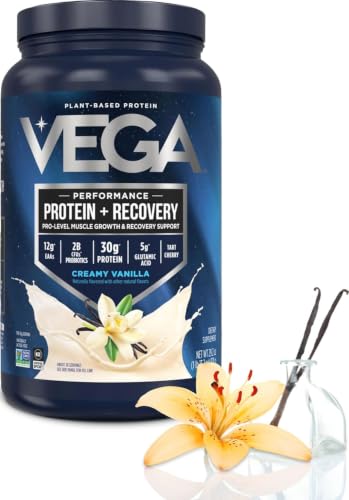
Vega Protein + Recovery
What We Like
- 30g plant-based protein per serving
- NSF Certified for Sport
- Includes 2 billion CFU probiotics
- Mixes smooth without clumps
Trade-offs
- Only 20 servings per container
- Not suitable for soy-free diets
Thirty grams of plant-based protein per serving is enough to support muscle recovery after a workout, and the NSF Certified for Sport label means the product has been tested for purity and safety. The formula also includes 2 billion CFU of probiotics to aid digestion and nutrient absorption, so you get a shake that addresses both recovery and gut health. It’s a straightforward choice for anyone who wants clean, dairy-free fuel without the chalky texture that plagues many plant powders.
The biggest trade-off is portion size: twenty servings per container means you’ll restock more often than with some larger tubs. For daily post-workout use, that adds up. But the blend mixes smooth in water or oat milk, so you’re not dealing with a gritty drink. For someone who values certified quality and gut-friendly extras over sheer volume, this is the one to grab.
Product photos
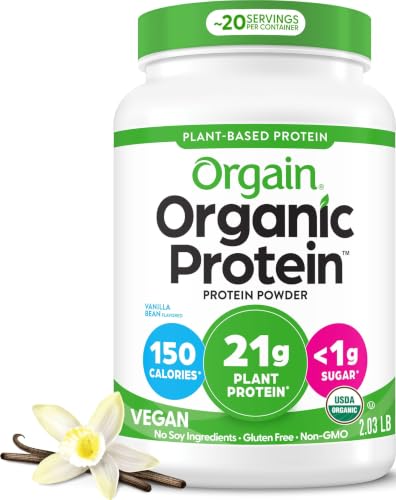
Orgain Organic Vegan Protein
What We Like
- USDA Organic certified plant protein
- No added sugar, only 1g naturally
- Free of soy, dairy, artificial ingredients
Trade-offs
- Only 21g protein per serving, lower than some competitors
- No probiotics included for digestive support
With 21 grams of organic protein from peas, brown rice, and chia seeds, this powder covers all nine essential amino acids without relying on soy or dairy. That makes it a straightforward pick if you want a clean, USDA Organic blend that skips artificial sweeteners and keeps sugar down to just one gram per scoop. It’s a great fit for anyone who prioritizes organic ingredients and wants a simple, no-fuss protein source for everyday shakes or meal replacements.
The trade-off here is protein per serving. At 21 grams, it’s noticeably less than the 30 grams you get from something like Vega Protein + Recovery, so if you’re focused on post-workout muscle repair or need a higher protein hit, you might feel the difference. The chia seeds also add a slight thickness that some people love and others find a bit gritty when mixed with just water. That said, for the organic certification and the lack of added sugar or artificial anything, this powder earns its place as the best organic option in the guide. It’s not the highest protein, but it’s the most thoughtfully sourced.
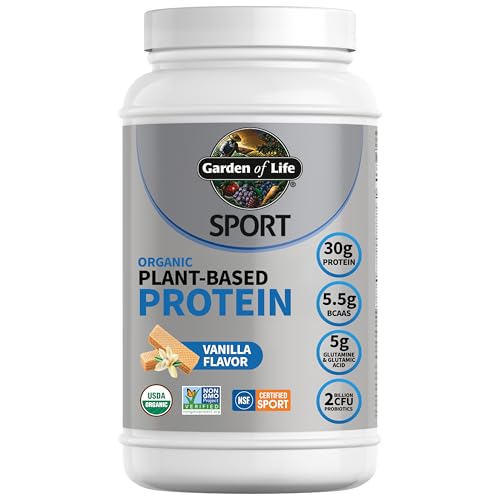
Garden of Life Sport Organic Vegan Protein
What We Like
- 30g organic protein for muscle recovery
- Over 5g BCAAs and 5g glutamine
- 2 billion CFU probiotics for digestion
- NSF Certified for Sport, no banned substances
Trade-offs
- Not intended for anyone under 18
- Requires 2 scoops per serving
Thirty grams of organic protein per serving from peas, navy beans, lentils, and garbanzo beans gives this powder a solid foundation for post-workout repair. But what really sets it apart for muscle recovery is the addition of over five grams of BCAAs and five grams of glutamine, paired with an organic fruit blend of tart cherries, apples, turmeric, blueberries, and goji berries. That combination targets reduced recovery time directly, making it a smart pick for athletes and active adults who want more than just protein. The two billion CFU of clinically studied probiotics also support digestion and immune health during intense training, so your gut keeps up with your effort.
The trade-off is that this powder is not intended for anyone under eighteen, which limits who can use it. Garden of Life adds organic certification and Non-GMO Project Verified status, plus it has been tested for banned substances through NSF for Sport. That extra layer of verification matters if you compete or simply want peace of mind about what goes into your shake. The vanilla flavor is designed to be mixed with water or non-dairy milk, and there are no artificial sweeteners or colors, so you get straightforward, plant-powered recovery without the extras.
EarthChimp Organic Vegan Protein Powder

What We Like
- USDA Organic with no artificial sweeteners
- Includes 1 billion CFU probiotics
- 4g fiber from agave and flax
- 0g added sugar, sweetened with monk fruit
Trade-offs
- Only 20g protein per serving
- Contains dates and banana for sweetness
Twenty grams of plant protein, four grams of fiber, and a billion probiotics per serving, that is a lot of functional goodness packed into 120 calories. EarthChimp keeps its ingredient list refreshingly short: organic cocoa, dates, banana, baobab, cinnamon, and turmeric, with no artificial sweeteners, no sugar alcohols, and no carrageenan. For someone who wants a clean, whole-food-style protein powder that pulls double duty as a fiber and gut-health supplement, this is a thoughtful choice. The monk fruit keeps it pleasantly mild, so it blends into oatmeal or smoothies without cloying sweetness.
Protein content is the main difference here: at 20 grams per serving, it is lower than some other options in this guide, such as Vega Protein + Recovery which offers 30 grams. If your main goal is maximizing protein per scoop, you might want a higher-protein option. But if you value ingredient transparency and prefer a powder that also supports digestion and fiber intake, EarthChimp delivers a genuinely clean profile you can read and recognize. It is a solid fit for everyday shakes and breakfast stir-ins, just not the heaviest hitter for pure protein volume.
Product photos
NAKED Pea Protein

What We Like
- Single ingredient: 100% yellow pea protein
- 27g protein with 5.7g BCAAs per serving
- NSF Certified for purity and safety
- Unflavored, so you control the taste
Trade-offs
- Unflavored means no sweetness or flavor on its own
- No added probiotics or digestive enzymes
- Only pea protein, not a blend of plant sources
27 grams of protein per serving from a single ingredient, 100% yellow pea protein, makes this about as stripped-down as a protein powder gets. No sweeteners, no flavors, no fillers, just the stuff your muscles need for recovery. That simplicity is exactly what you get if you want to know exactly what you’re putting in your body, especially if you’re vegan, dairy-free, or just tired of overly sweet shakes. The 5.7 grams of BCAAs per scoop are listed on the label, and the NSF certification backs up the purity claim with third-party verification.
The only ingredient is 100% yellow pea protein, so there are no artificial sweeteners, flavors, or colors to mask the taste. If you’re used to flavored powders like Vega Protein + Recovery (which comes in vanilla), this will feel like a blank canvas. You’ll need to add banana, berries, or a splash of plant milk to make it enjoyable. That’s perfect for smoothie builders and recipe tinkerers, but less ideal if you just want to shake and drink.
Product photos
Vega Essential Protein

What We Like
- Dairy-free and gluten-free formula
- Zero sugar creamy vanilla taste
- Blends easily without clumps
- Designed for smooth digestion
Trade-offs
- Only 20 servings per tub
- Low protein per serving compared to competitors
Twenty-five grams of pea protein per scoop means you get a solid muscle-building dose without the dairy or gluten that can leave some people feeling heavy. This powder is built around a single, simple ingredient base and a creamy vanilla taste that actually comes through as dessert-like rather than chalky. If your stomach tends to rebel against multi-ingredient blends or rich protein mixes, this straightforward approach keeps things light and bloat-free. You can move on with your day rather than feeling like you just swallowed a brick.
The trade-off for that focused ingredient list is a shorter list of components and a set number of servings per tub. Vega Essential Protein offers a clean pea protein option that mixes easily and is intended to digest smoothly. For anyone looking for a dairy-free, gluten-free protein powder that prioritizes simplicity, this product removes the guesswork and lets you focus on your routine.
Product photos
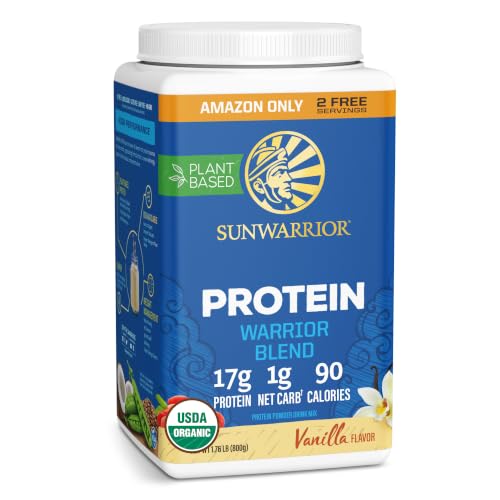
Sunwarrior Organic Plant Based Protein
What We Like
- Amino acid profile similar to whey
- Synergistic blend with coconut MCTs
- ISO-certified third-party lab tested
- No synthetics, fillers, or animal products
Trade-offs
- Contains coconut (medium-chain triglycerides) which some avoid
- Vanilla only flavor limits variety
This powder’s amino acid profile mirrors whey closely, which matters if you’re switching from dairy-based protein and want to avoid the bloating or cramping whey can cause. The blend of hemp seed, pea, and coconut MCTs works together to deliver BCAAs in a smooth formula that’s tested by an ISO-certified lab for heavy metals and microbes. It’s a clean option for athletes who want plant-based nutrition without sacrificing the protein quality they’re used to.
Flavor variety is the main limitation here: it only comes in vanilla, so if you prefer chocolate or unflavored, you’ll need to look elsewhere, like the NAKED Pea Protein if you want a single-source unflavored option. But for someone who values a complete amino profile and wants a protein that transitions easily from whey, this is a thoughtful pick that skips the shortcuts.
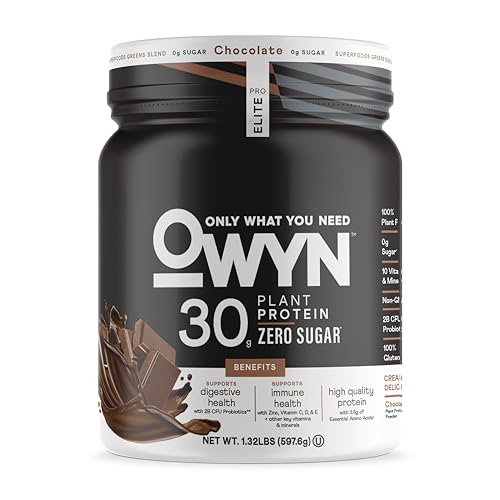
Owyn Pro Elite High Protein Powder
What We Like
- Zero sugar and low net carbs
- 30g plant protein with all essential amino acids
- Includes greens blend and probiotics
- Free of common allergens and artificial additives
Trade-offs
- Only 12 servings per container
- No added sugar for taste preference
Thirty grams of vegan protein with zero sugar is the standout fact here, for anyone watching their carb intake or managing blood sugar, that alone makes this powder worth a close look. It draws its protein from organic pumpkin seeds, chia, and Peato, which together deliver the full set of essential amino acids and naturally occurring BCAAs to enhance muscle recovery and promote optimal daily health. On top of that, you get a greens blend of kale, spinach, and broccoli plus probiotics, all packed into a formula that’s free of gluten, dairy, soy, nuts, and artificial anything. This is the kind of straightforward, allergen-friendly option that fits easily into a clean-eating routine without forcing you to compromise on taste.
Serving count is the main consideration here. With only twelve servings per tub, you’ll be restocking more often than with larger containers like the Garden of Life Sport Organic Vegan Protein, which gives you nineteen servings for the same protein per serving. That matters if you rely on protein powder daily and want to minimize trips to the store. But if your priority is a zero-sugar, low-net-carb plant protein that includes added greens and probiotics, Owyn Pro Elite delivers exactly what it promises. No guesswork, no hidden ingredients, just a clean shake that supports recovery without the sugar spike.
Product photos
THORNE Plant Protein

What We Like
- NSF Certified for Sport purity testing
- All 9 essential amino acids included
- Only 130 calories and 0 g added sugars
- Vegan, dairy-free, gluten-free, soy-free
Trade-offs
- Only 20 servings per tub
- Contains chia, which some avoid for texture
Twenty-two grams of protein from pea, brown rice, and chia covers every essential amino acid your muscles need for repair after a tough session. That NSF Certified for Sport badge on the label isn’t just decoration, it tells you the powder has been checked against nearly 300 banned substances. So if you’re serious about keeping your supplement routine competition-clean, this is the one to grab. Thorne keeps the extras light too: 130 calories, no added sugars, and a vanilla flavor that mixes easily without turning into a science experiment.
The trade-off here is serving count. If you train hard and go through protein fast, that extra frequency might bug you. But for anyone who values third-party verification over bulk, especially athletes or weekend warriors who want zero guesswork about what’s inside, the peace of mind from that NSF stamp makes the shorter run worthwhile.
Product photos
How We Evaluated Vegetable Protein Powders
We also looked at expert round-ups and analyzed patterns in what owners consistently report about texture, taste, digestion, and mixing.
Three criteria mattered most. First, protein content and amino acid profile: we looked for at least 20g per serving and a complete essential amino acid profile, especially for muscle recovery. Second, purity and certifications: we prioritized powders that carry NSF Certified for Sport, USDA Organic, or third-party certification. Third, digestibility and additives: we considered probiotics, digestive enzymes, and sweeteners because a powder that causes bloating or uses artificial ingredients won’t help anyone stick with it.
A research-led evaluation has limits. We rely on published data, certification records, and what owners tell us. Taste is subjective, and individual digestion varies. We present the facts so you can decide what fits your body and your goals.
What To Look For In Vegetable Protein Powders
Choosing a vegetable protein powder comes down to matching your fitness goals with the right protein content, ingredient quality, and digestive support. Here is what matters most.
Look for at least 20g of protein per serving, a complete amino acid profile, third-party certification for purity, and digestive aids like probiotics or enzymes if you have a sensitive stomach.
Protein Per Serving and Amino Acid Profile
Protein content ranges from 20g to 30g per serving in this guide. If your goal is muscle recovery after intense training, aim for 25g or more. The amino acid profile matters just as much: look for all nine essential amino acids, especially BCAAs like leucine, isoleucine, and valine. Some blends, like Sunwarrior’s, are formulated to mimic whey’s amino profile.
Certifications and Ingredient Purity
Third-party certifications take the guesswork out of purity. NSF Certified for Sport means the powder has been tested for banned substances, heavy metals, and contaminants. USDA Organic certification ensures no synthetic pesticides or GMOs. If you avoid soy, dairy, or gluten, check the label carefully. Some powders, like EarthChimp, also skip artificial sweeteners in favor of monk fruit.
Digestive Support and Mixability
Protein powders that include probiotics or digestive enzymes can reduce bloating and gas, a common complaint with plant proteins. Look for at least 1 billion CFU of probiotics if digestion is a concern. Mixability matters too: powders that clump or require a blender are less convenient. Owners consistently report that Vega and Garden of Life powders mix smoothly with just a shaker bottle.
- Check the serving size: some powders require two scoops per serving.
- Look at the ingredient list length: shorter usually means fewer additives.
- Confirm the sweetener type if you avoid stevia, monk fruit, or sugar alcohols.
- See if the powder contains common allergens like soy or coconut.
- Count the servings per container to gauge value for your usage frequency.
A powder that fits your protein needs, digests well, and tastes acceptable is one you will actually use consistently.
Vegetable Protein Powders Compared
The table below compares the nine vegetable protein powders side by side so you can quickly see how protein content, certifications, and key features stack up against each other.
| Product | Protein per serving | Certifications | Dietary | Servings |
|---|---|---|---|---|
| Vega Protein + Recovery | 30g | NSF Certified for Sport | Dairy & gluten free | 20 |
| Orgain Organic Vegan Protein | 21g | USDA Organic, Vegan, Non-GMO | Gluten-free, kosher, no soy ingredients | N/A |
| Garden of Life Sport Organic Vegan Protein | 30g | USDA Organic, NSF for Sport | Gluten-free | 19 |
| EarthChimp Organic Vegan Protein Powder | 20g | USDA Organic | Dairy Free, Gluten Free, Soy Free | 26 |
| NAKED Pea Protein | 27g | NSF Certified | N/A | 76 |
| Vega Essential Protein | 25g | N/A | Gluten free, non gmo | 20 |
| Sunwarrior Organic Plant Based Protein | N/A | Non-GMO, Soy, Dairy, Gluten Free | Soy, Dairy, Gluten Free | 32 |
| Owyn Pro Elite High Protein Powder | 30g | Non-GMO project verified, kosher | Vegan, gluten-free, soy-free | 12 |
| THORNE Plant Protein | 22g | NSF Certified for Sport | Dairy-free, gluten-free, soy-free | 20 |
Frequently Asked Questions
Which vegetable protein powder has the most protein per serving?
The Vega Protein + Recovery, Garden of Life Sport Organic Vegan Protein, and Owyn Pro Elite High Protein Powder all deliver 30g of plant-based protein per serving. These are the top choices if maximizing protein intake is your priority.
Is vegetable protein powder good for weight loss?
Yes, vegetable protein powders can support weight loss as part of a calorie-controlled diet. Protein increases satiety, helping you feel full longer. Choose a powder with low or no added sugar, like the Owyn Pro Elite High Protein Powder or EarthChimp Organic Vegan Protein Powder, to keep calories in check.
What is the difference between pea protein and a multi-source plant protein?
Pea protein, like the NAKED Pea Protein, uses a single ingredient and is ideal for those who want purity and control over flavor. Multi-source blends combine pea, rice, hemp, or other plant proteins to create a more complete amino acid profile, which can better mimic whey protein’s muscle-building potential.
Which vegetable protein powder is best for a sensitive stomach?
The Vega Essential Protein is specifically formulated for smooth digestion and is dairy-free and gluten-free. Powders with added probiotics, such as the Vega Protein + Recovery and Garden of Life Sport, can also help reduce digestive discomfort.
Can vegetable protein powder replace whey protein for building muscle?
Yes, many plant protein powders now offer a complete amino acid profile comparable to whey. The Sunwarrior Organic Plant Based Protein is formulated to have an amino acid profile similar to whey. For serious athletes, the Garden of Life Sport Organic Vegan Protein is NSF Certified for Sport and includes BCAAs and glutamine to support muscle recovery.
The Bottom Line
The Vega Protein + Recovery combines 30g of protein, probiotics for digestion, and NSF Certified for Sport purity in a formula that mixes easily. That makes it the best overall vegetable protein powder for most people. It is a choice for men and women who want a clean, effective post-workout shake without the guesswork.
If your priorities lean toward organic ingredients or muscle-specific recovery, the Orgain Organic Vegan Protein delivers USDA Organic certification with no added sugar. The Garden of Life Sport Organic Vegan Protein packs BCAAs, glutamine, and probiotics for active adults. Budget-conscious shoppers or those who want pure, unflavored protein should look at the NAKED Pea Protein.
The single most important factor is consistency. The best vegetable protein powder is the one that fits your protein needs, digests comfortably, and tastes good enough that you will drink it every day. Start with the award that matches your goal, and adjust from there.
