
9 Best Milk To Mix With Protein Powder in 2026
This post contains affiliate links. As an Amazon Associate, we earn from qualifying purchases.
The best milk to mix with protein powder is Fairlife Fat Free Ultra Filtered Milk, winning on macros with 50% more protein and 50% less sugar than regular milk, all while being lactose-free. For those wanting a creamy organic option, the Organic Valley Protein Plus 2% Milk stands out, while the Silk Protein Complete Plant Milk is the top vegan pick. This guide helps you choose the right milk for your shake, whether you prioritize protein content, dietary needs, or flavor.
Choosing a milk for your protein shake is about more than just taste. You need to consider protein content, sugar levels, fat content, and whether it fits your dietary restrictions. The wrong milk can water down your macros or leave you with a texture you dislike.
This guide is research-based, drawing on manufacturer specifications, expert round-ups, and patterns in owner feedback. We’ve evaluated nine top options to help you find the perfect match for your fitness goals and taste preferences.
Top 9 Milks To Mix With Protein Powder in the Market
Certain content that appears on this site comes from Amazon. This content is provided "as is" and is subject to change or removal at any time.
The Best Milks To Mix With Protein Powder, Reviewed
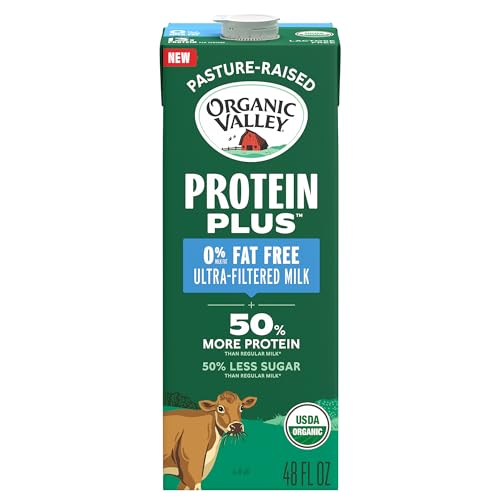
Fairlife Fat Free Ultra Filtered Milk

What We Like
- 50% more protein than regular milk
- 50% less sugar for cleaner macros
- Lactose free for sensitive stomachs
Trade-offs
- Fat free means less richness for shakes
- Fat free means thinner texture than whole milk
Fifty percent more protein and fifty percent less sugar than regular milk, that’s the straightforward math that makes this a practical choice for anyone looking to boost protein intake without extra sugar. Fairlife Fat Free Ultra Filtered Milk starts with high-quality dairy, then flows through soft filters to concentrate protein and calcium while filtering out natural sugars and lactose. For a clean, lactose-free base that adds protein without a sugar spike, this bottle delivers on its numbers.
The trade-off is that being fat free means the texture is thinner than whole milk versions. If you prefer a richer, thicker shake, you might want to look at a whole milk option. But for a daily base that delivers more protein and less sugar per serving, this fat-free version works well for straightforward mixing.
Fairlife Whole Ultra Filtered Milk

What We Like
- 13g protein per serving
- 50% less sugar than regular milk
- Lactose-free for easy digestion
- No artificial growth hormones used
Trade-offs
- Whole milk means more fat per serving
- Not suitable for dairy-free diets
This whole milk delivers 13 grams of protein per serving and half the sugar of regular milk, so it works well for anyone looking to add more protein to their diet without extra sugar. It’s also lactose-free, so people who typically have trouble digesting dairy can enjoy it without discomfort. The 52-ounce bottle provides enough for multiple uses, whether in cereal, coffee, or cooking.
Because this is whole milk, it contains more fat than reduced-fat or fat-free options, which may not suit those who are closely managing their fat intake. The same protein and sugar profile is available in Fairlife’s Fat Free Ultra Filtered Milk, which offers a lower-fat alternative for those who prefer it.
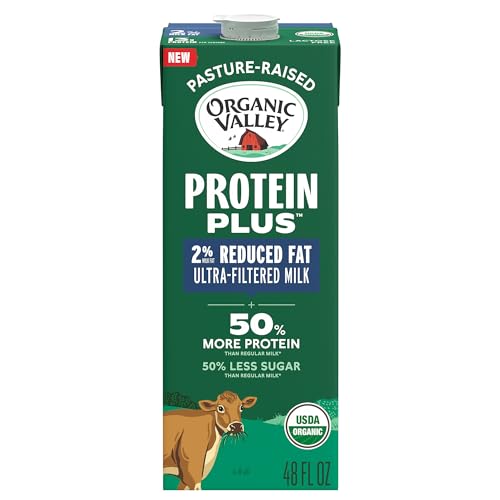
Organic Valley Protein Plus 2% Milk
What We Like
- 13g protein per serving
- 50% less sugar than regular milk
- Organic and pasture-raised
- Lactose free
Trade-offs
- 2% fat adds calories vs fat-free options
- Not suitable for those avoiding dairy entirely
Each serving of this milk delivers 13 grams of protein, so it pulls double duty as a shake base and a protein boost in its own right. Organic Valley Protein Plus 2% Milk comes from pasture-raised cows on small family farms, so if you care about where your dairy comes from, this hits that mark without sacrificing muscle support. It also has half the sugar of regular milk, which keeps your shake from turning into a dessert, that matters when you’re mixing with a flavored protein powder that already brings sweetness.
The 2% fat content means this milk has more fat than fat-free options like Fairlife’s fat-free dairy milk, which some buyers may want to avoid. If you prefer a fat-free dairy milk, that Fairlife version is an alternative. For anyone who wants organic dairy with extra protein and less sugar, this is the one to grab.
Silk Protein Complete Plant Milk Original

What We Like
- 13g complete plant protein per serving
- 3g dietary fiber per serving
- 50% less sugar than dairy milk
- Vegan, lactose-free, non-GMO verified
Trade-offs
- Soy-based, not for soy-free diets
- Contains soy, unsuitable for soy allergies
Thirteen grams of complete plant protein per serving means this Silk milk delivers all nine essential amino acids your body can’t make on its own. That’s useful for anyone looking to increase protein intake from a plant-based source. The 3g of dietary fiber per serving is an addition that many dairy milks don’t offer. For vegans, lactose-intolerant individuals, or those trying to eat more plants, this milk can serve as a base for shakes or smoothies.
Silk Protein Complete is a soy-based milk, so if you avoid soy or find that it doesn’t sit well with you, you’ll want to look elsewhere. Compared to Fairlife’s fat-free dairy milk, which packs similar protein, this Silk version has half the sugar of regular dairy milk, keeping your shake from getting overly sweet. For anyone wanting a protein-rich, fiber-friendly milk that works as a shake base, this is a smart pick.
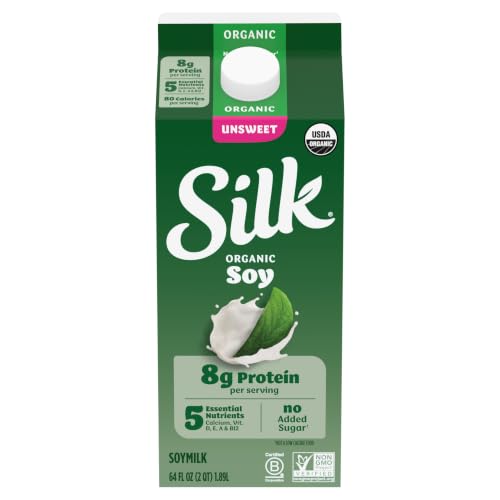
Silk Organic Unsweet Soy Milk
What We Like
- 8 g complete plant protein per serving
- No added sugar for clean macros
- Organic, Non-GMO, and vegan certified
- Fortified with calcium and vitamin D
Trade-offs
- Protein content is lower than ultra-filtered dairy milks
- Not suitable for those avoiding soy
Eight grams of complete plant protein per serving gives this soy milk a solid nutritional base for post-workout shakes, especially if you want to avoid added sugar. The unsweetened profile keeps your macros clean, and the organic Non-GMO certification fits a whole-foods approach. It’s fortified with calcium and vitamins D, E, A, and B12. That covers key nutrients often lacking in plant-based diets, making it a sensible option for anyone who prefers vegan or dairy-free options without sacrificing protein content.
The 8 g of protein per serving is a moderate amount compared to some dairy milks, but it still provides a solid base for a post-workout shake if you pair it with other protein sources. The unsweetened profile keeps your macros clean, and the organic Non-GMO certification fits a whole-foods approach. It’s fortified with calcium and vitamins D, E, A, and B12. That covers key nutrients often lacking in plant-based diets, making it a sensible option for anyone who prefers vegan or dairy-free options without sacrificing protein content.
Product photos
Orgain Vegan Protein Almond Milk

What We Like
- 10g plant-based protein per serving
- No added sugar or artificial ingredients
- Organic and Non-GMO certified
Trade-offs
- Only 10g protein per serving (less than dairy milks)
- Contains no soy ingredients, so not for soy-protein seekers
With 10 grams of plant-based protein per serving and zero added sugar, this almond milk pulls double duty as both a mixer and a protein contributor. That makes it a smart pick if you want to boost your shake’s protein count without extra sweetness or artificial ingredients. It’s organic, non-GMO, and free of dairy, soy, and gluten, so it fits a wide range of dietary needs. For anyone avoiding animal products or dealing with multiple food sensitivities, this is a straightforward, cleaner base for your post-workout drink.
For a vegan, allergen-friendly milk that skips soy, dairy, and added sugar, Orgain Vegan Protein Almond Milk delivers 10 grams of plant-based protein per serving with only 100 calories. That protein count is lower than what you’d get from filtered dairy options like Fairlife Fat Free Ultra Filtered Milk, which offers more protein per cup. If you need maximum protein from your liquid base, a dairy milk would be a better fit. But if you want a clean ingredient list without fuss, this almond milk gets the job done.
Product photos
Horizon Organic Whole UHT Milk

What We Like
- 50% more vitamin D than typical whole milk
- Certified organic with no GMOs or antibiotics
- Ultra-pasteurized for extended fridge life
Trade-offs
- Whole milk has higher fat content than reduced-fat options
- Higher fat content than reduced-fat or fat-free milks
Horizon Organic Whole UHT Milk delivers 50% more vitamin D than typical whole milk, which is relevant if you want extra support for bone health or immune function. It’s certified organic, meaning no GMOs, antibiotics, added hormones, or persistent pesticides, and the cows are pasture-raised on family farms. The ultra-pasteurization allows the carton to be stored without refrigeration until opened, which is convenient for pantry storage or taking on trips.
Compared to Fairlife Fat Free Ultra Filtered Milk, Horizon is whole milk, so it has a higher fat content. That richness appeals to people who prefer a fuller mouthfeel, but it’s not the leanest option if you’re watching fat intake. It’s a straightforward organic whole milk with clean ingredients and boosted vitamin D, without any added protein or lactose filtering.
Product photos
Organic Valley Organic Protein Plus Ultra Filtered Fat Free Milk
What We Like
- 13 grams of protein per serving
- 50% more protein than regular milk
- Organic, pasture-raised, lactose free
Trade-offs
- Fat free means less richness in shakes
- No whole-milk option for creamier recipes
Thirteen grams of protein per serving is the headline here, and it lands this milk right where you want it for mixing with protein powder. Being organic, pasture-raised, and lactose free also means it fits a clean-eating approach, especially if you’re careful about what goes into your body. This is the pick for anyone who wants a fat-free option that still pulls its weight in protein.
Fat free can leave your shake feeling thinner and less creamy than a whole milk version would. If you’re coming from something like Fairlife’s whole ultra-filtered milk, you’ll notice the difference in texture. But if your priority is keeping fat low while maximizing protein and keeping it organic, this is the strongest option in the fat-free category. It delivers exactly what the numbers promise, no more, no less.
Product photos
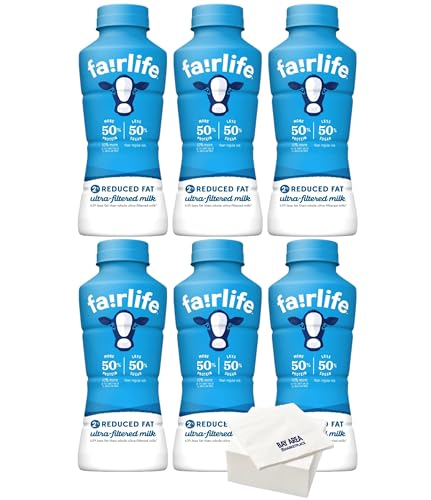
BAY AREA MARKETPLACE Fairlife Ultra Filtered Milk
What We Like
- Portable 14 oz single-serve bottles
- Ultra-filtered for higher protein content
- Lactose free for sensitive stomachs
Trade-offs
- Not suitable for those who need a fat-free or whole milk option
The 14-ounce single-serve bottles are compact enough to toss in a gym bag or keep in your car for post-workout shakes. Because the milk is ultra-filtered, it contains extra protein compared to standard milk, so your shake gets a protein boost without needing more liquid. If your routine is always on the move, heading from work to the gym or straight to a meeting, this convenience fits your lifestyle.
Each bottle is smaller than a standard carton, so if you’re mixing a double scoop or making a large shake, you might need two bottles or a backup. For anyone who values grab-and-go simplicity and hates washing shaker cups on the fly, these little bottles solve a real problem.
Product photos
How We Evaluated Milks To Mix With Protein Powder
Our evaluation focused on the factors that matter most when mixing milk with protein powder. We started by examining the nutritional profiles of each option, paying close attention to protein per serving, sugar content, and fat levels. We also considered dietary needs like lactose intolerance, vegan preferences, and organic certifications.
The four criteria that carried the most weight were protein density, sugar management, dietary compatibility, and texture impact on the final shake. Protein density is how much protein you get per serving. Sugar management keeps macros clean. Dietary compatibility includes lactose-free, dairy-free, and soy-free options. A milk with high protein and low sugar is ideal for most lifters, but texture can make or break the drinking experience.
This is a research-led evaluation based on product specifications, manufacturer documentation, and consistent patterns in owner feedback. We do not claim to have tested these products ourselves. Our goal is to present clear, factual information so you can make an informed decision.
What To Look For In Milks To Mix With Protein Powder
When shopping for the best milk to mix with your protein powder, the right choice depends on your specific goals. The key is to find a balance between protein content, sugar levels, fat content, and how well the milk fits your dietary needs.
Look for a milk with at least 8g of protein per serving for a meaningful macro boost. Prioritize options with under 10g of sugar to keep your shake clean, and check for lactose-free or plant-based certifications if you have sensitivities.
Protein Content
The primary reason to use milk over water is the extra protein. Regular dairy milk has about 8g per cup, but ultra-filtered options like Fairlife Fat Free Ultra Filtered Milk pack 13g per serving. Plant-based options vary; Silk Protein Complete Plant Milk delivers 13g of complete plant protein, while Orgain Vegan Protein Almond Milk offers 10g. For the biggest protein boost, aim for 13g or more per serving.
Sugar and Fat Management
Many regular milks contain a notable amount of sugar per cup, mostly from lactose. Ultra-filtered milks remove much of this sugar. Options like Fairlife Fat Free Ultra Filtered Milk offer 50% less sugar. For those on low-fat diets, fat-free versions like Organic Valley Organic Protein Plus Ultra Filtered Fat Free Milk keep calories lean. Whole milk options like Fairlife Whole Ultra Filtered Milk provide a creamier shake at the cost of more fat.
Dietary Compatibility
Lactose intolerance is common, and many of the best milks for protein powder are lactose-free. Ultra-filtered dairy milks naturally remove most lactose, while plant-based options like Silk Organic Unsweet Soy Milk and Orgain Vegan Protein Almond Milk are entirely dairy-free. For organic and pasture-raised preferences, Organic Valley Protein Plus 2% Milk and Horizon Organic Whole UHT Milk are excellent choices.
- Check the label for “lactose-free” if you have sensitivity.
- Look for “organic” or “pasture-raised” certifications if that matters to you.
- Verify the protein content per serving, 13g is the gold standard.
- Confirm the sugar content is 50% less than regular milk for cleaner macros.
- Consider the fat content based on whether you want a creamy or thin shake.
A good rule of thumb: the best milk for your protein shake adds at least 10g of protein without loading you up on sugar.
Milks To Mix With Protein Powder Compared
The table below compares the top nine milks for mixing with protein powder, highlighting their key strengths and trade-offs.
| Product | Protein per serving | Sugar vs regular milk | Size |
|---|---|---|---|
| Fairlife Fat Free Ultra Filtered Milk | 50% more protein | 50% less sugar | 52 fl oz |
| Fairlife Whole Ultra Filtered Milk | 13g | 50% less sugar | 52 fl oz |
| Organic Valley Protein Plus 2% Milk | 13 grams | 50% less sugar | 48 fl oz |
| Silk Protein Complete Plant Milk Original | 13g | 50% less sugar | 48 fl oz |
| Silk Organic Unsweet Soy Milk | 8 g complete plant protein | No added sugar | 64 fl oz |
| Orgain Vegan Protein Almond Milk | 10g | 0g added sugar | 32 oz |
| Horizon Organic Whole UHT Milk | N/A | N/A | 64 Fl Oz |
| Organic Valley Organic Protein Plus Ultra Filtered Fat Free Milk | 13 grams | 50% less sugar | 48 oz |
| BAY AREA MARKETPLACE Fairlife Ultra Filtered Milk | N/A | N/A | 14 oz bottles, pack of 6 |
Frequently Asked Questions
What is the best milk to mix with protein powder for muscle gain?
Fairlife Fat Free Ultra Filtered Milk is the top choice for muscle gain. It provides 50% more protein than regular milk and 50% less sugar, giving you clean macros to support recovery without extra calories from sugar.
Can I use plant-based milk with protein powder?
Yes, plant-based milks work well. Silk Protein Complete Plant Milk offers 13g of complete plant protein per serving, making it an excellent vegan option. Silk Organic Unsweet Soy Milk is a clean choice. It has 8g of protein and no added sugar.
Is lactose-free milk better for protein shakes?
Lactose-free milk is often better because it avoids digestive discomfort for those with sensitivity. Many ultra-filtered milks, like Fairlife Fat Free Ultra Filtered Milk, are naturally lactose-free while offering higher protein and lower sugar than regular milk.
What milk has the most protein for mixing with protein powder?
The milks with the most protein are ultra-filtered dairy options and complete plant protein blends. Fairlife Fat Free Ultra Filtered Milk provides 13g of protein per serving. Fairlife Whole Ultra Filtered Milk also provides 13g. Organic Valley Protein Plus 2% Milk and Silk Protein Complete Plant Milk each offer 13g as well.
Should I use whole milk or skim milk for protein shakes?
It depends on your goals. Whole milk creates a creamier shake but adds more fat and calories. Skim or fat-free options like Fairlife Fat Free Ultra Filtered Milk keep the shake lean and macros clean, making them better for cutting or weight management.
The Bottom Line
For most people, Fairlife Fat Free Ultra Filtered Milk is the best overall choice. It delivers high protein, low sugar, and is lactose-free, making it a versatile option for anyone looking to boost their shake without compromising on macros. If you prefer a creamier texture, the Fairlife Whole Ultra Filtered Milk trades some fat for a richer mouthfeel.
The best overall pick is the Fairlife Fat Free Ultra Filtered Milk, which balances high protein with low sugar and a clean ingredient list. For those who follow a vegan or dairy-free diet, the Silk Protein Complete Plant Milk is the best complete plant protein option, offering complete plant protein with added fiber. For people who prioritize organic, pasture-raised dairy, the Organic Valley Protein Plus 2% Milk is an excellent middle ground.
The single most important factor is protein content per serving. Whether you choose dairy or plant-based, aim for at least 10g of protein from your milk to make the swap from water worthwhile.
