
10 Best Protein Bars For Fat Loss And Muscle Gain in 2026
This post contains affiliate links. As an Amazon Associate, we earn from qualifying purchases.
The Musashi High Protein Bar 45g takes the Best Overall spot because it packs 45g of protein with under 1g of sugar, making it a rare dual-purpose bar for both fat loss and muscle gain. The Pure Protein Chocolate Peanut Butter Bar earns Best Balanced Macros for its 20g protein at only 190 calories, while the Barebells Peanut Butter Protein Bar is our Best No Added Sugar pick.
The real challenge with protein bars for fat loss and muscle gain is finding one that delivers enough protein for muscle repair without sneaking in sugar and calories that stall fat loss. Many bars lean too far one way, high protein but loaded with sugar, or low calorie but short on the amino acids your muscles actually need.
This guide is research-based, drawing on manufacturer specs, nutritional data, and patterns in owner feedback across ten bars. We break down the key criteria: protein content, sugar levels, calorie density, and ingredient quality. That way you can match a bar to your specific goal, whether it’s post-workout recovery, meal replacement, or a clean daily snack.
Top 10 Protein Bars For Fat Loss And Muscle Gain in the Market
Certain content that appears on this site comes from Amazon. This content is provided "as is" and is subject to change or removal at any time.
The Best Protein Bars For Fat Loss And Muscle Gain, Reviewed
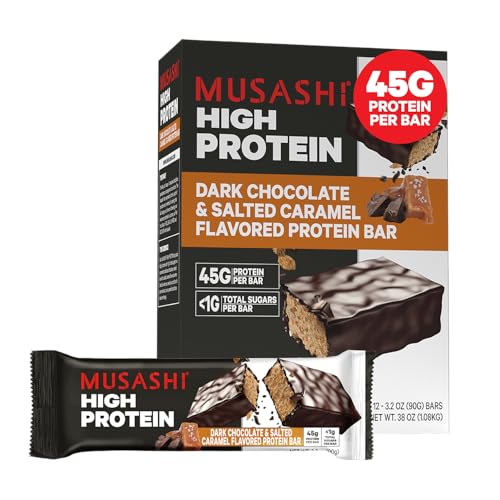
Musashi High Protein Bar 45g
What We Like
- 45g of protein per bar
- Under 1g total sugars
- Whey protein isolate for low lactose
- Naturally occurring BCAAs in 2:1:1 ratio
Trade-offs
- Bar weight (90g) is larger than many competitors
- Only one flavor available in this bar line
Forty-five grams of protein in a single bar is the headline here, and it changes what a protein bar can do for your day. That much protein, paired with under 1g of sugar and whey protein isolate as the base, means you are getting a serious post-workout recovery tool or a meal-sized snack that supports muscle repair without the sugar crash. The naturally occurring BCAAs in the 2:1:1 ratio are exactly what your muscles need after a tough session, and the low lactose content makes it easier on the stomach than many high-protein options. This is the bar for someone who wants maximum protein without the extras they did not ask for.
The trade-off comes down to size. At 90g per bar, this is noticeably bigger than many competitors that pack 20g of protein in a lighter bar, so it is not the most discreet pocket snack for a quick bite between meetings. If you prefer a smaller portion that still gets the job done, a bar like the Pure Protein Chocolate Peanut Butter Bar might fit your routine better. But if your goal is straightforward muscle gain and fat loss, and you want the highest protein count with minimal sugar in one convenient package, this bar delivers exactly what it promises without any fluff.
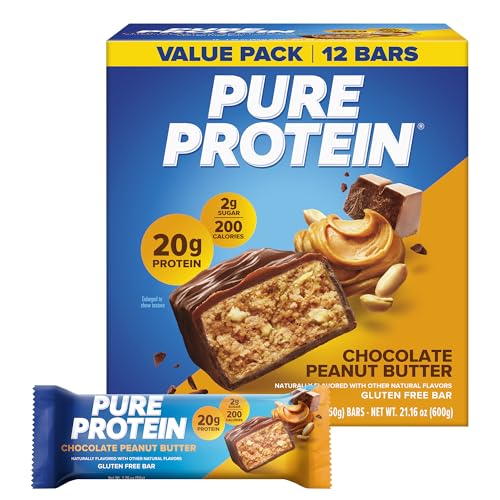
Pure Protein Chocolate Peanut Butter Bar
What We Like
- 20g protein at only 190 calories
- Just 3g sugar per bar
- Certified gluten free
Trade-offs
- Sugar content higher than some competitors
- Protein lower than 30g+ bars for muscle gain
Twenty grams of protein for 190 calories and only 3 grams of sugar gives you a satisfying protein boost without blowing your daily calorie budget, and the low sugar keeps your insulin steady. This bar works as a practical snack between meals, before a run, or as a quick post-workout option. It fits into a balanced diet without requiring you to rearrange your entire day’s eating.
The trade-off is that 20 grams of protein is modest compared to something like the Musashi High Protein Bar, which packs 45 grams. If your main goal is maximum muscle repair after a heavy session, you’ll need two of these or a different pick. But for everyday snacking, between meals, before a run, or as a quick post-workout boost, the Pure Protein Chocolate Peanut Butter Bar keeps your macros balanced without the sugar spike. It’s a practical, no-drama option that respects your calorie goals.
Barebells Peanut Butter Protein Bar

What We Like
- No added sugar with 20g protein
- Soft nougat, peanut butter, and crispy rice texture
- GMO Free and Palm Oil Free
- Satisfies chocolate cravings without added sugar
Trade-offs
- Not a low or reduced calorie food per label
- High calorie content for a protein bar
Twenty grams of protein and just one gram of total sugars with no added sugar makes this bar a smart pick if you want to keep your sweet tooth in check while feeding your muscles. The soft peanut butter nougat, crunchy peanut pieces, smooth peanut butter layer, and crispy rice bits all wrapped in milk chocolate mean it tastes more like a candy bar than a gym snack. That combination works well for anyone who craves something indulgent but doesn’t want the sugar spike that usually comes with it.
This bar packs 20 grams of protein with just 1 gram of total sugars, so it works well as a post-workout recovery snack or a sweet craving fix without the sugar spike. The soft peanut butter nougat, crunchy peanut pieces, and milk chocolate coating make it taste more like a candy bar than a typical protein bar. For anyone who wants a high-protein treat that doesn’t feel like a compromise on flavor, this hits the mark.
Quest Overload Chocolate Explosion Bar

What We Like
- Only 1g sugar per bar
- 3g net carbs supports low-carb goals
- 20g protein for muscle repair
- Gluten free formula
Trade-offs
- Not suitable for plant-based diets
- Contains milk and soy ingredients
With just 1g of sugar and 3g of net carbs per bar, this Quest Overload Chocolate Explosion Bar fits neatly into a low-carb or keto-friendly eating plan. It doesn’t sacrifice the protein you need to support muscle recovery. That 20g of protein helps keep you full between meals and gives your muscles the building blocks they need after a workout, all while keeping the sugar spike minimal. It is a smart grab-and-go option for anyone who wants to stay on track with fat loss goals but still craves something that tastes like a treat.
The bar delivers 20g of protein with just 1g of sugar and 3g of net carbs per serving. That makes it a strong option if you’re tracking carbs closely and want to keep sugar intake minimal. The chocolatey cookie chunks, dark chocolate chips, and milk chocolate chunks create a layered texture that some might find richer than a plain bar. Compared to the Pure Protein Chocolate Peanut Butter Bar, which has 3g of sugar per serving, this Quest bar cuts that sugar by two-thirds while still offering the same 20g of protein.
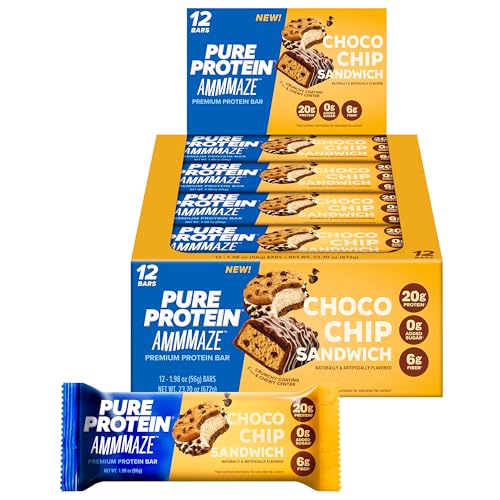
Pure Protein AMMMAZE Choco Chip Sandwich Bar
What We Like
- Zero added sugar for clean macros
- 20g protein supports muscle recovery
- 6g fiber helps keep you full
- Only 220 calories per bar
Trade-offs
- Higher net carbs than some low-carb competitors
- Not suitable for those avoiding whey protein
With zero added sugar and 20 grams of protein packed into 220 calories, this bar makes it easier to satisfy a sweet tooth without blowing your daily carb budget. The 6 grams of fiber help keep hunger at bay between meals, which is handy when you’re trying to drop body fat while holding onto muscle. It works as a quick pre-workout snack or a post-gym recovery option, and the chocolate chip cookie dough flavor feels more like dessert than diet food.
If you’re running a very tight carb limit, that difference matters. But for most people chasing fat loss and muscle gain without giving up flavor, this Pure Protein bar delivers a balanced, satisfying option that fits a flexible daily routine.
RAW Nutrition Peanut Butter Fudge Bar

What We Like
- Only 2g added sugar per bar
- 21g whey protein for muscle recovery
- No artificial flavors or gluten
- Candy-bar flavor without sugar spike
Trade-offs
- Whey protein not ideal for plant-based diets
- Not suitable for those avoiding dairy-based ingredients
With 21 grams of whey protein and just 2 grams of added sugar per bar, this protein bar delivers a candy-bar-inspired taste without the sugar spike. The peanut butter fudge flavor is designed to satisfy cravings while providing 21g of protein for muscle recovery and gym fuel. It’s gluten-free, made with no artificial flavors, and comes ready to eat, making it a convenient post-workout snack or midday option.
At 21g of protein, it’s a solid amount for a standard bar, but if you need a higher protein count per snack, the Musashi High Protein Bar offers 45g. The RAW bar keeps added sugar low at 2g and focuses on flavor without artificial ingredients, so it works well for anyone who wants a tasty protein bar without extra sweeteners.
Product photos
Clif Builders Chocolatey Peanut Butter Bar

What We Like
- 20 g plant-based protein per bar
- Non-GMO Project Verified
- No artificial sweeteners or high-fructose corn syrup
- Crunchy chocolatey peanut butter taste
Trade-offs
- 18 g sugar per bar is high for fat loss
- Contains 18g sugar, not ideal for low-sugar diets.
With 20 grams of plant-based protein from soy isolate, this bar delivers the protein you need for muscle recovery after a workout, plus carbohydrates to help refuel. It’s a choice that prioritizes plant-based ingredients and tastes like a peanut butter cup with a satisfying crunch. The Non-GMO Project Verification and lack of artificial sweeteners make it a cleaner option for those who avoid highly processed additives. However, the 18 grams of sugar per bar mean it’s better suited as a post-workout recovery snack than a daily low-sugar option.
The trade-off here is the sugar content. The Clif Builders bar has more sugar than the Pure Protein Chocolate Peanut Butter Bar, which packs 20 grams of protein with only 3 grams of sugar. If you’re watching your sugar intake closely, this bar might feel heavier than you want. It’s a fit for plant-based eaters who value ingredient transparency and don’t mind a little sweetness in their recovery routine.
Product photos
MET-Rx Big 100 Peanut Butter Pretzel Bar

What We Like
- Includes 18 vitamins and minerals
- Designed as a meal replacement bar
Trade-offs
- Higher calorie density for fat loss focus
- 9-count box offers fewer bars per purchase
Each bar packs 30 grams of protein, making it a substantial option for anyone who needs a meal replacement on a busy day. The Metamyosyn protein blend is joined by 18 vitamins and minerals, including Vitamins A, C, and Zinc, so the bar supports more than just muscle repair. Reviewers note it works well as a post-workout recovery bar or a quick meal stand-in when you’re pressed for time.
The MET-Rx bar delivers more protein per serving than the Pure Protein Chocolate Peanut Butter Bar with 20 grams, which suits someone looking for a bigger nutritional boost. The 9-count box is smaller than many 12-count competitor boxes, so you may need to reorder sooner if you eat them regularly. If you want a bar that functions as a meal, this one fits the bill.
Product photos
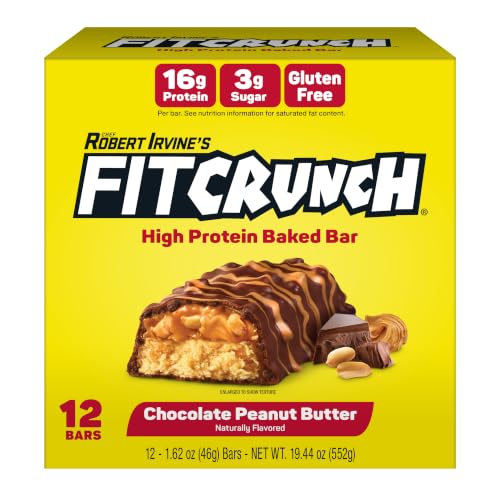
FitCrunch Baked Chocolate Peanut Butter Bar
What We Like
- Chef-crafted 6-layer baked texture
- Only 3g sugar per bar
- Gluten-free for dietary needs
- 16g protein for muscle support
Trade-offs
- 16g protein is lower than many competitors
- Not suitable for high-protein post-workout needs
At 16 grams of protein and just 3 grams of sugar, this bar lands squarely in the middle of the protein-bar spectrum. That’s enough to help repair muscle after a workout, but not so much that it crowds out your next meal. What sets it apart is that chef-created six-layer baked construction. Instead of the usual chewy or chalky slab, you get a bar that actually feels like a small pastry, which makes it a genuinely enjoyable snack for someone who struggles to choke down standard protein bars.
The trade-off is that 16g of protein is noticeably less than what you get from options like the Pure Protein Chocolate Peanut Butter Bar (20g). If your main goal is maximizing protein per bite for post-lift recovery, you might find yourself reaching for a second bar. But if texture and a lower sugar count matter more, and you want something that doubles as a guilt-free treat without the dry, cardboard-like mouthfeel, this baked bar delivers where others fall flat.
Product photos
Avama Protein Bar Variety Pack
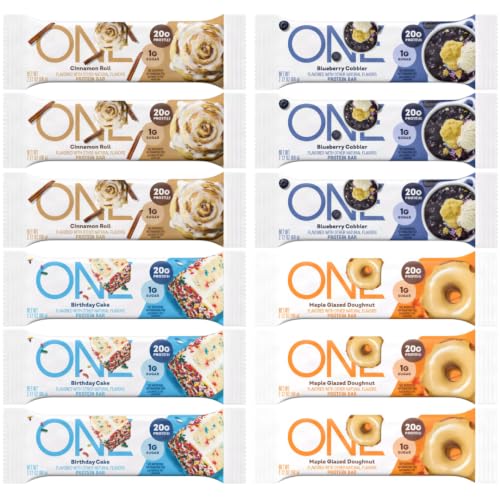
What We Like
- High protein supports muscle recovery
- Low sugar keeps cravings in check
- Gluten-free for sensitive diets
- Four flavors prevent taste fatigue
Trade-offs
- Not suitable for meal replacement due to smaller size
- Only 12 bars in the pack for frequent use
With 18 to 20 grams of protein and just 1 gram of sugar per bar, this variety pack hits the sweet spot for anyone trying to hold onto muscle while trimming down. That protein count helps support muscle recovery, and the minimal sugar keeps the bar low in sweetness without extra calories. Four different flavors keep things interesting, which matters when you are reaching for a bar day after day. This is the kind of option that fits neatly into a busy routine without demanding you sacrifice taste for macros.
Each Avama bar delivers 18 to 20 grams of protein and just 1 gram of sugar, so you get a high-protein, low-sugar snack that supports muscle recovery without a sugar spike. The 2.12-ounce size makes it easy to toss into a gym bag or keep in a desk drawer for a quick bite between meals. Reviewers note the gluten-free formula works well for anyone avoiding gluten, and the individually wrapped bars stay fresh on the go.
How We Evaluated Protein Bars For Fat Loss And Muscle Gain
We evaluated each bar by its nutritional label, ingredient list, and how well its macro profile supports the dual goal of fat loss and muscle gain. Manufacturer data provided the protein grams, sugar content, calorie count, and fiber numbers that matter most for body recomposition. We also looked at patterns in what owners consistently report about texture, satiety, and aftertaste.
Four criteria drove every ranking. Protein per bar was the first; a bar needs enough protein to meaningfully support muscle repair, and the top picks go higher. Sugar content came second because excess sugar works against fat loss goals. Calorie density helped separate snack bars from meal replacements. Finally, ingredient quality—whey isolate versus plant protein, artificial sweeteners, and allergen profiles—determined which bars fit different dietary needs.
A research-led evaluation has limits. The rankings reflect what the specs and the broader owner consensus say about each bar, which is the best starting point for most shoppers.
What To Look For In Protein Bars For Fat Loss And Muscle Gain
The right bar balances protein high enough to stimulate muscle synthesis with sugar and calories low enough to keep you in a fat loss deficit. Every gram counts.
Look for at least 20g protein, under 5g sugar, and a calorie count that fits your daily target. Prioritize whey isolate or clean plant protein. Check fiber content for satiety.
Protein Content
For muscle gain, aim for 20g of protein per bar as a baseline. The Musashi bar delivers 45g, which is enough to double as a meal replacement. For fat loss, the protein helps preserve lean mass while you cut calories. Whey protein isolate, found in the top picks, digests quickly post-workout and has naturally low lactose. Plant-based options like the Clif Builders bar offer 20g from soy and pea protein, which works well for muscle recovery but comes with higher sugar.
Sugar and Net Carbs
Sugar is the biggest hidden variable. The Musashi bar keeps total sugars under 1g, while the Quest Overload bar holds net carbs to 3g for low-carb dieters. The Pure Protein AMMMAZE bar has zero added sugar at 220 calories. Watch for sugar alcohols and fiber in the net carb calculation if you follow a keto or low-carb plan. Bars with 18g or more sugar, like the Clif Builders, are better suited for bulking phases or intense endurance sessions than daily fat loss.
Calorie Density and Satiety
A bar that fits your calorie target keeps you full without blowing your deficit. The Pure Protein Chocolate Peanut Butter bar hits 190 calories with 20g protein, a tight ratio for fat loss. The MET-Rx Big 100 is higher calorie because it functions as a meal replacement with added vitamins. If you snack between meals, a lower-calorie bar with fiber helps bridge the gap without spiking insulin.
- Check the protein-to-calorie ratio: aim for at least 1g protein per 10 calories.
- Look for fiber content above 3g to improve satiety.
- Avoid bars where sugar is listed among the first three ingredients.
- Confirm the bar is gluten-free if you have sensitivities.
- Consider whey isolate if dairy digestion is a concern.
The best bar for you is the one whose macros fit your daily plan without making you feel like you are eating cardboard.
Protein Bars For Fat Loss And Muscle Gain Compared
The table below compares all ten bars across protein, sugar, calories, and key features so you can see how they stack up at a glance.
| Product | Protein | Sugar | Weight per Bar |
|---|---|---|---|
| Musashi High Protein Bar 45g | 45g | Under 1g | 90g |
| Pure Protein Chocolate Peanut Butter Bar | 20g | 3g | N/A |
| Barebells Peanut Butter Protein Bar | 20g | 1g | N/A |
| Quest Overload Chocolate Explosion Bar | 20g | 1g | 2.15 oz |
| Pure Protein AMMMAZE Choco Chip Sandwich Bar | 20g | Zero Added Sugar | N/A |
| RAW Nutrition Peanut Butter Fudge Bar | 21g | 2g Added Sugar | N/A |
| Clif Builders Chocolatey Peanut Butter Bar | 20 g plant-based | 18 g per bar | 2.4 oz per bar |
| MET-Rx Big 100 Peanut Butter Pretzel Bar | 30g | N/A | N/A |
| FitCrunch Baked Chocolate Peanut Butter Bar | 16g | 3g | N/A |
| Avama Protein Bar Variety Pack | 18-20g per bar | 1g per bar | 2.12 oz bars |
Frequently Asked Questions
How many grams of protein should a protein bar have for muscle gain?
Aim for at least 20g of protein per bar. For serious muscle gain or post-workout recovery, 30-45g bars like the Musashi High Protein Bar provide a stronger anabolic stimulus. The exact number depends on your body weight and total daily protein intake.
Can protein bars help with fat loss?
Yes, when they replace a higher-calorie snack or meal and keep you in a calorie deficit. The key is choosing a bar with low sugar and enough protein to preserve lean muscle. Bars like the Pure Protein Chocolate Peanut Butter bar fit this profile well at 190 calories and 3g sugar.
What is the difference between whey isolate and plant protein in bars?
Whey isolate digests quickly and has a complete amino acid profile, making it ideal for post-workout recovery. Plant protein bars, like the Clif Builders, use soy or pea protein and work well for vegans but often contain more sugar or fiber to improve texture.
Are protein bars a good post-workout snack?
A bar with 20g or more protein and fast-digesting carbs can support recovery after a workout. The RAW Nutrition Peanut Butter Fudge bar and the Musashi bar are both strong options. For the best results, eat the bar within 30 minutes after training.
How do I choose between a meal replacement bar and a snack bar?
Meal replacement bars like the MET-Rx Big 100 include added vitamins and higher calories to stand in for a full meal. Snack bars are lower calorie and designed to tide you over between meals. Pick based on whether you need the bar to replace a meal or just supplement one.
The Bottom Line
The Musashi High Protein Bar 45g is the best overall choice for anyone serious about balancing fat loss and muscle gain. Its 45g of protein and under 1g of sugar set a standard that few competitors match, making it equally useful for post-workout recovery and meal replacement.
If your priority is tighter calorie control or you prefer a smaller bar, the Pure Protein Chocolate Peanut Butter Bar delivers excellent macros at 190 calories. The Barebells Peanut Butter Protein Bar satisfies a sweet tooth without added sugar. For plant-based eaters, the Clif Builders bar is the top option, though its sugar content is higher.
The single most important factor is matching the bar’s macros to your daily calorie and protein targets. A bar that fits your numbers will support your goals; one that does not will work against them, no matter how good it tastes.
