
10 Best For Muscle Recovery in 2026
This post contains affiliate links. As an Amazon Associate, we earn from qualifying purchases.
The Optimum Nutrition Gold Standard Whey Protein earns our Best Overall spot because it delivers 24 grams of protein, 5.5 grams of BCAAs, and 11 grams of EAAs per scoop. It comes in a mixable formula that works for almost any routine. For athletes who want a clean, certified BCAA option, the Xtend Original BCAA Powder takes the Best BCAA Brand For Recovery award. The JYM Supplement Science Post JYM Recovery Matrix wins Best Comprehensive Recovery Matrix for those who want BCAAs, creatine, and more in one scoop.
The challenge with muscle recovery supplements is that no single product fits every training style, diet preference, or budget. Some lifters need fast-absorbing protein after a session, while others want targeted amino acids or a complete recovery blend with creatine and carbs. Picking the wrong format, powder versus ready-to-drink, flavored versus unflavored, can make a good supplement feel like a chore.
We built this guide by looking at supplement facts, manufacturer quality standards, and patterns in what real athletes and gym-goers actually use. We considered protein content, amino acid profiles, ingredient transparency, and third-party testing. The result is a focused list of ten products that covers the most common recovery needs without overwhelming you with options.
Top 10 Supplements For Muscle Recovery in the Market
Certain content that appears on this site comes from Amazon. This content is provided "as is" and is subject to change or removal at any time.
The Best Supplements For Muscle Recovery, Reviewed
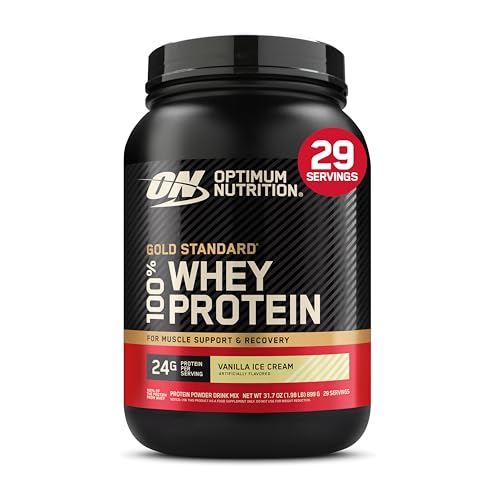
Optimum Nutrition Gold Standard Whey Protein
What We Like
- 24g protein from isolate and concentrate
- 5.5g BCAAs for recovery support
- 11g EAAs per scoop
- Instantized formula mixes easily
Trade-offs
- Contains dairy, not for lactose-sensitive individuals
- Not suitable for those avoiding dairy or lactose
Twenty-four grams of premium whey protein per scoop, sourced from both isolate and concentrate, gives you a fast-absorbing foundation for muscle repair after any workout. That protein base comes with 5.5 grams of naturally occurring BCAAs and 11 grams of essential amino acids, which directly support the recovery process your muscles need between sessions. It is an anytime formula, so you can take it post-run, between meals, or whenever extra protein fits your day.
The trade-off is that this is a whey-based product, so if dairy gives you trouble or you follow a plant-based diet, you will need to look elsewhere. For everyday muscle recovery with a trusted formula, this is a straightforward choice.
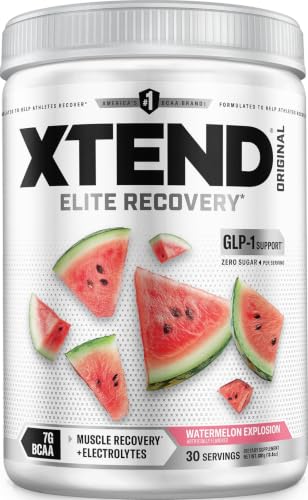
Xtend Original BCAA Powder
What We Like
- 7g BCAAs in 2:1:1 ratio
- Includes L-glutamine and electrolytes
- NSF & Informed-Choice certified
- Zero sugar formula
Trade-offs
- No protein or creatine included
- Contains only BCAAs, L-glutamine, and electrolytes
Seven grams of branched-chain amino acids in a 2:1:1 ratio is the standout number here, enough to support muscle repair and performance before, during, or after training. The formula also includes L-glutamine and essential electrolytes to support hydration and endurance, making it a sugar-free recovery tool. Third-party certifications from NSF and Informed-Choice verify purity and banned-substance testing, so athletes can trust what’s in the scoop. This is a targeted supplement for those who want amino support without extra calories.
This is a BCAA-and-electrolyte formula with L-glutamine, no protein, no creatine, no carb matrix. If you’re looking for an all-in-one post-workout shake like JYM Supplement Science Post JYM Recovery Matrix, which bundles creatine, glutamine, and beta-alanine, Xtend will feel minimal. For someone who already has protein and creatine covered and just wants a clean, certified recovery boost with hydration support, this fits neatly. It’s not trying to be everything, it’s trying to be the best at one thing.
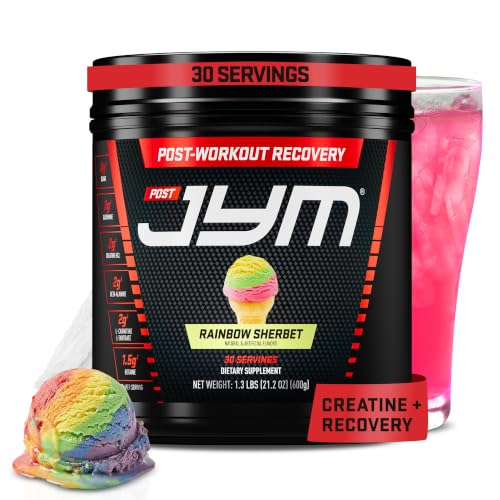
JYM Supplement Science Post JYM Recovery Matrix
What We Like
- 6g BCAAs in optimal 3:1:1 ratio
- 2g highly soluble Creatine HCl per scoop
- Includes glutamine, beta-alanine, betaine, taurine
Trade-offs
- Single flavor option limits variety
- Requires mixing into 16-24 oz water
Six grams of BCAAs in a 3:1:1 ratio, plus 2g of creatine HCl per scoop, give this post-workout mix a solid foundation for muscle support. JYM Supplement Science also adds glutamine, beta-alanine, betaine, taurine, and Carnipure L-carnitine, so you get a range of recovery ingredients in one drink. That means fewer separate tubs to buy and less guesswork about what to take after training.
The only flavor listed is Rainbow Sherbet, so if you like variety, you’re stuck with one option. Compared to a product like Legion Recharge, which packs 5g creatine monohydrate and 2.5g myHMB, Post JYM includes a broader ingredient list per scoop. That works well if you want everything in one mix, but you’ll need to be okay with that single taste and the suggested 30-minute post-workout window. For someone who prefers a straightforward recovery drink without juggling multiple supplements, this covers a lot of ground in one step.
Product photos
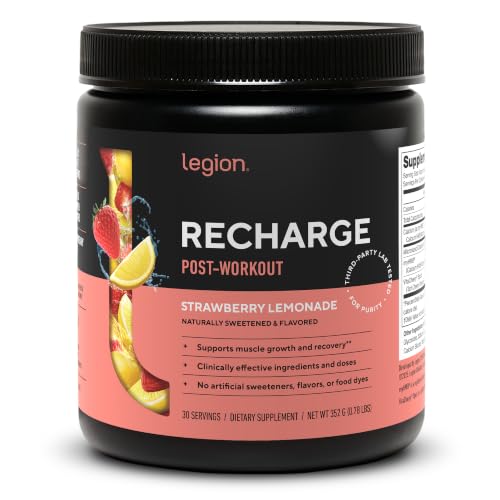
Legion Recharge Creatine Post Workout Powder
What We Like
- Three clinically dosed ingredients per scoop
- Third-party lab tested with published certificates
- Zero sugar, naturally sweetened
- No loading phase or timing needed
Trade-offs
- Only one scoop per day limits total creatine
- Replaces plain creatine, not stacks with it
- Single flavor option in this size
Five grams of creatine monohydrate, 2.5 grams of myHMB, and 500 milligrams of tart cherry per scoop means you get three ingredients at the doses used in the studies that support them. That is the whole point of this powder: it skips the pinch-of-this-pinch-of-that approach and gives you meaningful amounts of each. It suits anyone who wants a straightforward post-workout recovery drink without guessing whether the blend is strong enough. The fact that every lot goes to an ISO 17025 lab and the certificate is published adds a layer of trust that is rare in this category.
Recharge is designed to replace a plain creatine tub, not to stack on top of one. If you already take creatine separately, you would swap it out rather than double up. Compared to a protein-only product like Optimum Nutrition Gold Standard Whey Protein, Recharge targets a different part of recovery: reducing muscle damage and soreness with HMB and tart cherry while still supporting strength gains with creatine. It is a focused tool, not an all-in-one, and that clarity is exactly what makes it work for the right person.
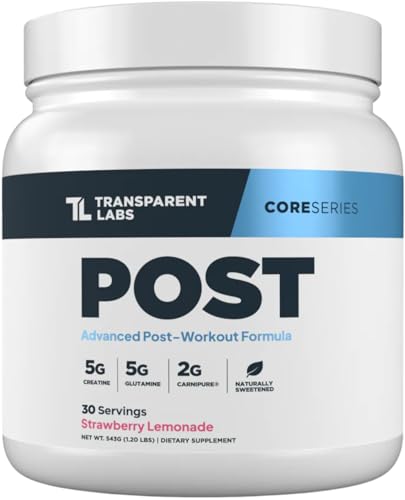
Transparent Labs Post Workout Recovery
What We Like
- Naturally flavored and sweetened with stevia
- Clinically dosed VitaCherry for muscle recovery
- Third-party tested for purity and potency
Trade-offs
- Only 30 servings per container
- No protein included for muscle repair
You get no protein in this formula, so if you are looking for a complete recovery shake that also rebuilds muscle tissue, a whey product like Optimum Nutrition Gold Standard would cover that base with 24 grams of protein per serving. At 30 servings per tub, it works well for someone who already has a protein powder and wants a separate recovery booster with clean ingredients and third-party testing for peace of mind.
Product photos
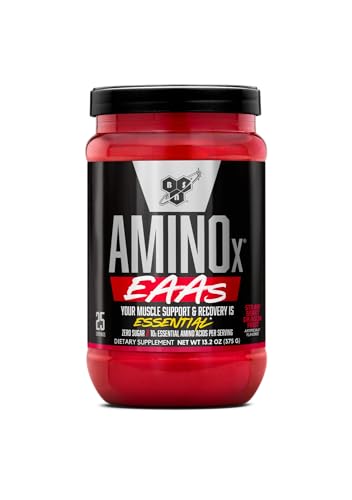
BSN Amino X EAA Powder
What We Like
- All nine essential amino acids included
- Zero sugar and caffeine free
- Balanced 1:1 BCAA-to-EAA ratio
- Supports muscle protein synthesis
Trade-offs
- No added electrolytes for hydration support
- No glutamine for additional recovery support
Ten grams of essential amino acids per serving means you get all nine EAAs your muscles need to support recovery after training, not just the BCAAs. That full EAA profile is what makes this a smart recovery partner for anyone who wants to support protein synthesis without added stimulants or sugar. It can be consumed before, during, or after your workout, so you can time it to fit your routine.
You don’t get the electrolyte or glutamine extras that some post-workout blends like Xtend Original BCAA Powder include. If you tend to sweat heavily or want more hydration support alongside your aminos, you might need to add that separately. But if your main goal is a clean, caffeine-free EAA boost with a balanced ratio, this keeps it simple and effective.
Product photos
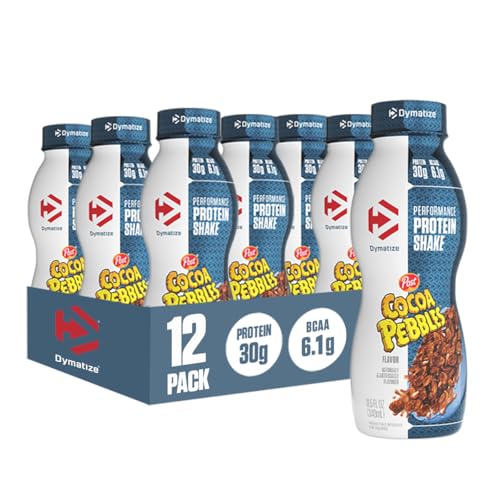
Dymatize Performance Protein Shake
What We Like
- 30g protein with fast and slow absorption
- 6.2g BCAAs for muscle recovery support
- No added sugar, only 160 calories
- Gluten-free and ready-to-drink convenience
Trade-offs
- Only two flavors available (both Pebbles)
- Contains a blend instead of single-source protein
Thirty grams of protein per bottle, split between fast- and slow-absorbing sources, means your muscles get a steady stream of building blocks after a workout without you having to mix a single scoop. That is the core reason this ready-to-drink shake suits anyone who finishes a session, throws a bag in the car, and needs something that works while they drive home. The 6.2 grams of BCAAs back up the recovery claim, and the 160-calorie count with no added sugar keeps it light enough for a post-workout window or a mid-day snack without derailing your nutrition goals.
The Dymatize Performance Protein Shake offers 30g of protein per bottle, making it a convenient option for post-workout recovery without any mixing. It contains 6.2g of BCAAs to support muscle repair, and with no added sugar and only 160 calories, it fits into a balanced diet. The 11.5-ounce bottles are ready to drink, so you can grab one and go, but the flavor choices are limited to Cocoa Pebbles and Fruity Pebbles, which may taste sweeter than plain or vanilla options. Compared to Optimum Nutrition Gold Standard Whey, a powder that requires preparation, this shake prioritizes ease over customization. If you prefer controlling your serving size or mixing into recipes, a powder might suit you better.
Product photos
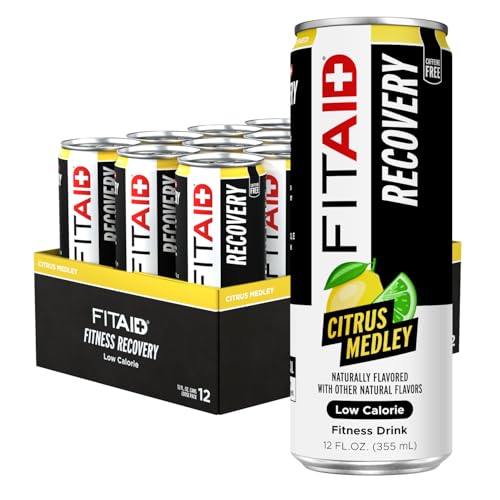
LIFEAID FITAID Post Workout Recovery
What We Like
- No artificial sweeteners, flavors, or dyes
- Includes turmeric, CoQ10, and quercetin
- Lightly carbonated citrus taste
- Ready-to-drink convenience
Trade-offs
- Carbonated feel isn't for everyone post-workout
- Contains glucosamine, which some avoid
A 40-calorie, ready-to-drink can packed with BCAAs, electrolytes, and a functional blend of turmeric, CoQ10, and quercetin makes this a clean, grab-and-go option for post-workout recovery. It’s sweetened with organic agave instead of sucralose, so you skip the artificial aftertaste while still getting a light, refreshing citrus fizz. This drink suits anyone who wants a simple, no-mix recovery aid that supports joints and natural energy without jitters or synthetic ingredients.
Compared to a whey product like Optimum Nutrition Gold Standard, which delivers 24g of protein per scoop, FITAID focuses more on a broad micronutrient and antioxidant approach than on protein or calorie density. It is a better fit for lighter sessions, midday hydration, or as a complement to a solid meal rather than a standalone post-workout rebuild.
LIFEAID FITAID Creatine Recovery Drink

What We Like
- Zero sugar with 5 calories
- Includes 1,000 mg creatine per can
- Contains BCAAs, glutamine, and electrolytes
- Sweetened with monk fruit and stevia
Trade-offs
- Only 1,000 mg creatine per can (lower than typical 5 g servings)
- Not suitable for those wanting a high-protein recovery drink
A 12-ounce can with just 5 calories and zero sugar makes this a rare ready-to-drink recovery option for anyone who watches their sugar intake closely. Each can delivers 1,000 mg of creatine alongside BCAAs, L-glutamine, and electrolytes, so you get a multi-ingredient recovery boost without having to mix powders or carry a shaker. The natural sweeteners, monk fruit and stevia, keep it clean for low-sugar routines, and the added turmeric, quercetin, CoQ10, and omega-3s aim to support active recovery between sessions. This works best for lifters or runners who want a convenient, low-calorie post-workout drink that fits into a strict diet.
The 1,000 mg of creatine per can is lower than the 5-gram serving found in some creatine powders like Legion Recharge Creatine Post Workout Powder. If your priority is maximizing creatine intake for strength gains, you would need to drink multiple cans or supplement separately, which adds cost and calories. But if you value convenience and a zero-sugar, ready-to-drink format over precise creatine dosing, this is a straightforward option. The variety pack means you get a mix of flavors, though that could be a downside if you find one you dislike and are stuck with the rest.
Maximum Human Performance For Muscle Recovery

What We Like
- All-in-one post-workout formula
- 5g creatine for strength and hydration
- 6g EAAs plus carb blend for recovery
Trade-offs
- Not for low-carb or keto dieters
- Contains 55g carbs per serving
A single scoop delivers 5 grams of creatine, 6 grams of EAAs, and a waxy maize carbohydrate matrix, so you get muscle-building, glycogen-replenishing, and hydration support all in one mix. That makes it a practical choice for anyone who wants to simplify their post-workout routine without juggling multiple tubs. The carbohydrate blend is designed for optimal glycogen replenishment and to restore energy reserves after exercise, while the creatine and glycerol are included to increase muscle hydration and volume for larger muscle size. For lifters who value convenience and a complete recovery package, this powder covers the bases without extra guesswork.
This formula packs 5 grams of creatine plus a carbohydrate matrix with waxy maize, so if you want glycogen replenishment and muscle hydration in one scoop, it delivers. The amino acid complex is clinically shown to increase muscle protein synthesis better than whey protein, which matters for post-workout recovery. But the carb load means it is not suited for anyone on a strict low-carb or keto diet.
Product photos
How We Evaluated Supplements For Muscle Recovery
Our research started with the basics. We looked at the protein, amino acid, and active ingredient amounts in each product, cross-referenced them against typical post-workout dosing recommendations, and checked for third-party certifications like NSF and Informed-Choice. We also read through expert round-ups and owner feedback patterns to understand what makes a supplement actually useful day-to-day, not just on paper.
The four criteria that mattered most were protein or amino acid content per serving, ingredient quality and transparency, ease of use (mixing, taste, ready-to-drink options), and value for the serving count. A supplement with great numbers means nothing if it clumps in the shaker or tastes like chalk, so we weighed user-reported experience alongside the label.
The goal is to give you a clear, informed starting point so you can match a product to your own diet, goals, and tolerance.
What To Look For In Supplements For Muscle Recovery
Choosing a recovery supplement starts with knowing what your body actually needs after a workout, protein for repair, amino acids for signaling, or a broader recovery matrix for convenience. The right choice depends on your training intensity, dietary restrictions, and whether you prefer mixing powder or grabbing a bottle.
Look for a supplement that matches your workout type and dietary needs: at least 20-30g protein for muscle repair, or 5-10g BCAAs/EAAs for amino support. Check for third-party testing, clean ingredient labels, and a format (powder, ready-to-drink) you will actually use consistently.
Protein Content and Amino Acid Profile
The most important number on a recovery supplement label is the protein or amino acid dose. For protein powders, aim for at least 20 grams per serving to stimulate muscle protein synthesis. Whey isolates and hydrolysates absorb faster than concentrates, which matters if you train fasted or want quick delivery. For BCAA and EAA products, the ratio matters, common ratios like 2:1:1 or 3:1:1 of leucine, isoleucine, and valine support signaling pathways for repair.
Complete EAA blends (all nine essential amino acids) offer broader support than BCAAs alone because they provide the building blocks your body cannot produce on its own. If you already eat a high-protein diet, an EAA or BCAA supplement may be plenty for recovery support between meals. If you struggle to hit your daily protein target, a whey or blend protein powder is a more practical choice.
Ingredient Quality and Third-Party Testing
Not all supplements are made to the same standard. Look for products that are third-party tested by organizations like NSF International or Informed-Choice, which verify that what is on the label matches what is in the container. This matters especially for athletes subject to drug testing, but it is also a general signal of quality control. Natural flavoring and sweeteners like stevia or monk fruit can make a difference if you are sensitive to artificial ingredients or follow a clean-eating approach.
Format and Convenience
The best supplement is the one you actually take. Powders offer the most flexibility for adjusting dose and mixing with other ingredients, but they require a shaker bottle and water. Ready-to-drink shakes and cans are convenient for throwing in a gym bag, though they limit flavor choices and serving customization. Carbonated recovery drinks can feel refreshing after a hot workout, but some people find carbonation uncomfortable immediately after intense exercise.
- Check the serving size and servings per container to see how long a tub or pack lasts.
- Look at the mixing instructions, some powders need more water or a blender to avoid clumps.
- Consider your tolerance for dairy, artificial sweeteners, or ingredients like glucosamine.
- Read the flavor options before buying; a flavor you dislike will collect dust in your pantry.
A recovery supplement you use consistently will always outperform a theoretically perfect one you skip.
Supplements For Muscle Recovery Compared
The table below compares the ten products across the key specs that matter for muscle recovery, protein, amino acids, creatine, and format, so you can see at a glance which one fits your routine.
| Product | BCAAs per Serving | Key Ingredients | Form |
|---|---|---|---|
| Optimum Nutrition Gold Standard Whey Protein | 5.5g | Whey isolate & concentrate | Powder |
| Xtend Original BCAA Powder | 7g | L-glutamine, electrolytes | Powder |
| JYM Supplement Science Post JYM Recovery Matrix | 6g | Creatine HCl, Glutamine, Beta-Alanine, Betaine, Taurine | Powder |
| Legion Recharge Creatine Post Workout Powder | N/A | Creatine monohydrate, myHMB, tart cherry | Powder |
| Transparent Labs Post Workout Recovery | N/A | L-Glutamine, Beta-Alanine, BetaPure Betaine, VitaCherry | Powder |
| BSN Amino X EAA Powder | 5g | 10g EAAs | Powder |
| Dymatize Performance Protein Shake | 6.2g | Protein blend | Ready-to-drink |
| LIFEAID FITAID Post Workout Recovery | N/A | BCAAs, glutamine, glucosamine, turmeric, CoQ10, quercetin | Ready-to-drink |
| LIFEAID FITAID Creatine Recovery Drink | N/A | Creatine, BCAAs, Glutamine, Electrolytes | Ready-to-drink |
| Maximum Human Performance For Muscle Recovery | N/A | Creatine, waxy maize, 6g EAAs | Powder |
Frequently Asked Questions
What is the best supplement for muscle recovery after a workout?
The best choice depends on your goals. For general muscle repair, a whey protein powder like Optimum Nutrition Gold Standard Whey Protein provides 24g of protein and BCAAs per scoop. If you want targeted amino support without protein, a BCAA or EAA powder like Xtend Original or BSN Amino X is a reasonable option. For a complete recovery blend with creatine and carbs, the Maximum Human Performance For Muscle Recovery covers multiple bases in one serving.
Should I take BCAAs or EAAs for recovery?
EAAs are generally more complete because they include all nine essential amino acids your body cannot produce on its own, supporting muscle protein synthesis more broadly than BCAAs alone. BCAAs (leucine, isoleucine, valine) are still effective for reducing soreness and signaling repair, especially if you already eat enough protein from whole foods. If you train fasted or follow a plant-based diet, an EAA blend offers more comprehensive support.
Is it better to drink a recovery shake or eat whole food after a workout?
Whole food provides fiber, micronutrients, and satiety that supplements cannot replicate. However, a recovery shake or drink offers faster absorption and convenience, especially immediately after a workout when appetite may be low. Many athletes use a supplement immediately post-workout and eat a whole-food meal one to two hours later. The best things for recovery after a workout combine both approaches.
Can I take creatine and protein together for recovery?
Yes, combining creatine with protein is a common and effective strategy. Creatine supports strength and hydration at the cellular level, while protein provides amino acids for repair. Products like the JYM Post JYM Recovery Matrix include both in one scoop, or you can add a separate creatine powder to your protein shake. The best post-workout supplements often include both for a reason.
How soon after a workout should I take a recovery supplement?
The “anabolic window” is wider than once thought, anywhere from 30 minutes to two hours post-workout is effective for most people. Taking a supplement sooner can help if you train fasted or had a very intense session, but the total daily protein and calorie intake matters more than precise timing. A post-workout drink you actually have on hand is better than a perfectly timed one you forgot to pack.
The Bottom Line
The Optimum Nutrition Gold Standard Whey Protein is our Best Overall pick because it delivers a proven protein and amino acid profile in a mixable, versatile powder that works for most athletes and gym-goers. It is a reliable foundation for recovery whether you take it right after a workout or as a between-meal protein boost.
If you want a more targeted approach, the Xtend Original BCAA Powder offers a clean, certified option for amino support with added electrolytes. The Legion Recharge Creatine Post Workout Powder provides a clinically dosed, no-guesswork recovery formula for those who prefer precise ingredients. Budget-conscious shoppers or those with specific dietary needs will find clear options in the ready-to-drink and natural-flavored categories.
The single most important factor is consistency. Pick a supplement that fits your diet, your schedule, and your taste preferences, then make it a habit. A good recovery routine, supplement plus whole food, rest, and smart training, will always beat a perfect supplement you only take sometimes.
