
9 Best Tennis Shoes For Gym Workouts in 2026
This post contains affiliate links. As an Amazon Associate, we earn from qualifying purchases.
For gym workouts that mix lifting and cardio, the Nike Metcon 10 Cross Trainer is the best overall choice because its Hyperlift plate delivers stable footing for heavy lifts while ReactX foam keeps landings responsive. Lifters who want a lower platform should consider the Under Armour TriBase Reign 6, and anyone after a barefoot feel will appreciate the Flux Footwear Adapt Graphene XT.
The line between a tennis shoe and a gym shoe blurs when you need lateral support, flat stability, and some give for dynamic movement. The wrong pair leaves you fighting your footing on deadlifts or feeling every rep in your arches. This guide examines nine models across stability, cushioning, and fit to help you match a shoe to your actual workout mix.
This guide draws from manufacturer specs, expert round-ups, and patterns in owner feedback.
Top 9 Tennis Shoes For Gym Workouts in the Market
Certain content that appears on this site comes from Amazon. This content is provided "as is" and is subject to change or removal at any time.
The Best Tennis Shoes For Gym Workouts, Reviewed
Nike Metcon 10 Cross Trainer

What We Like
- Hyperlift plate optimizes stability for heavy lifts
- ReactX foam gives flexible, responsive cushioning
- Sticky rubber grip on midfoot and toe
- Midfoot band secures foot when laced
Trade-offs
- Plastic heel clip can feel stiff during casual walking
A Hyperlift plate under the heel means you can squat, deadlift, or clean without your weight shifting around. That’s the kind of stability that lets you focus on the bar, not your footing. The Metcon 10 pairs that with ReactX foam in the midsole, so when you jump onto a box or sprint through a HIIT round, you get a lively, responsive bounce rather than a dead, flat feel. It’s built for the person who wants one shoe that handles both heavy strength work and high-intensity cardio without compromise. The wider toe box compared to the Metcon 9 also lets your toes splay naturally, which helps you root through your whole foot during lifts.
The wider toe box compared to the Metcon 9 lets your toes splay naturally, which helps you root through your whole foot during lifts. For gym-goers who want a single, do-everything trainer that stays stable under a heavy squat and still feels good on the plyo box, this is the one that balances both sides well.
Under Armour Charged Edge Training Shoe

What We Like
- Breathable mesh upper for airflow
- Dual-layer Ortholite sockliner for comfort
- Charged Cushioning midsole for responsiveness and durability
- Full rubber outsole with pivot traction pattern
Trade-offs
- Lacks stability for heavy deadlifts or squats
- Not ideal for wide-footed athletes due to narrow toe box
The Charged Cushioning midsole uses compression molded foam to give you a responsive, durable feel underfoot, so every jump, lunge, or quick lateral step bounces back without flattening out mid-session. That makes this shoe a strong match for gym-goers who want a lively ride that still holds up over months of hard use. The dual-layer Ortholite sockliner adds immediate step-in comfort, and the breathable mesh upper with leather and synthetic overlays keeps your foot stable during dynamic movements without turning into a sweaty mess.
The trade-off is that the leather and synthetic overlays, while great for durability and stability, may not suit those who prefer a minimalist, lightweight shoe for speed-focused drills. For the lifter who values responsive cushioning that stays springy set after set, and wants a shoe that can handle both heavy squats and cardio intervals, this Under Armour delivers where it counts.
Reebok Nano X5 Women's Cross Trainer

What We Like
- Dual-density midsole for stability and responsiveness
- Breathable Flex Weave upper
- Metasplit outsole aids short runs and walks
- Plush collar locks foot down
Trade-offs
- Heavier than men's Nano X5 at 1.8 pounds
- Not designed for speed work or racing
A dual-density midsole with firmer foam in the heel for stability and more responsive foam in the forefoot for jumping and fitness classes means this shoe supports both heavy lifting and quick movements. It does that without forcing you to choose. The breathable Flex Weave upper keeps your feet comfortable during workouts, while the plush collar locks the foot down and eliminates distractions. This shoe works for gym training, light running, and walking, all in one package.
Weight is a factor here: at 1.8 pounds, it’s heavier than the men’s Nano X5, which comes in at 1.0 pounds. That extra weight provides more durable cushioning for all-day wear, but if you’re chasing a lighter feel for speed work, you might prefer the men’s version. For women who want a stable, comfortable cross trainer that handles gym training and light running, this shoe fits the bill.
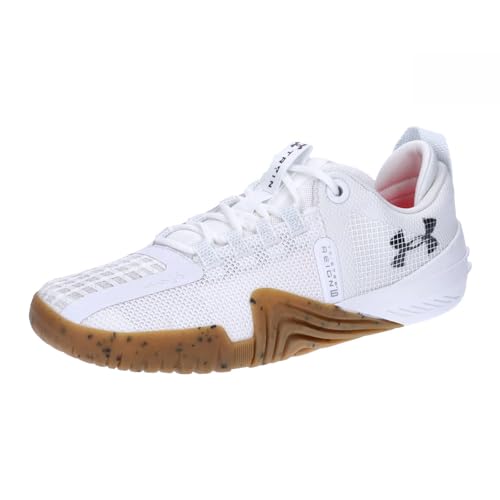
Under Armour TriBase Reign 6 Training Shoe
What We Like
- Dual-density midsole for heel support
- Low-to-ground build for power transfer
- Strategic rubber under toe box for grip
- UA WARP upper for secure fit
Trade-offs
- At 2.4 lb, heavier than some gym shoes
A low-to-the-ground build with three points of ground contact means your foot stays planted and connected during heavy lifts. The dual-density midsole puts a firmer heel under the bar for stability, while a softer forefoot keeps you comfortable during warm-ups or accessory work. This is the shoe that rewards controlled, deliberate movement, so if your gym session centers on squats, deadlifts, or presses, the TriBase Reign 6 gives you a solid foundation without squish.
The trade-off comes at 2.4 pounds, which is noticeably heavier than the Reebok Nano X5 (1.0 lb). That extra weight won’t bother you under a barbell, but it can feel less nimble during fast-paced circuits. The firmer heel also means less cushioning for walking around the gym floor. If your workouts mix lifting with high-intensity intervals, the lighter Nano X5 might be a better fit. But for dedicated strength work, this Under Armour delivers exactly what it promises: a stable, grounded platform that lets you focus on the lift.
Flux Footwear Adapt Graphene XT Cross Trainer

What We Like
- Graphene outsole for extreme grip
- Zero drop for natural stability
- Wide toe box for full toe splay
- Breathable ballistic mesh upper
Trade-offs
- Sizing runs small, need half size up
- Barefoot style not for cushioned-shoe fans
A zero-drop platform and wide anatomical toe box mean your foot stays level and your toes can spread naturally during deadlifts, squats, and lunges. That grounded stance helps you feel the floor and transfer force cleanly, which is exactly what you want when form matters more than padding. The graphene-infused outsole also provides superior traction on sled pushes, rope climbs, and plyo drills, so you get reliable grip during functional fitness workouts. This shoe suits anyone who prefers a barefoot feel for lifting and functional training, especially if you have wide feet or want to strengthen your feet over time.
One thing to keep in mind is that the Adapt Graphene XT runs small, so you’ll need to order half a size up for a comfortable fit. And because it’s a minimalist shoe with a zero-drop design, it lacks the plush cushioning you’d find in more traditional cross-trainers, which offer more impact absorption for high-box jumps or running drills. If you want a stable base for heavy lifts and a grounded feel, this is a good fit. If you prefer a softer ride for mixed cardio, you might choose a more cushioned trainer.
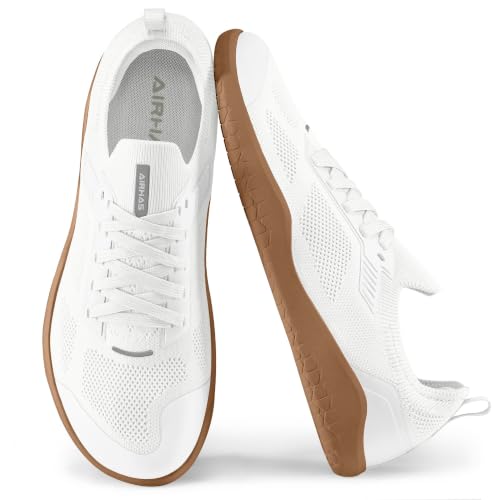
AIRHAS Barefoot Gym Sneakers
What We Like
- Zero-drop sole for natural foot posture
- Stretchy knit upper improves breathability
- Removable insole for barefoot feel
- Lightweight at 0.9 pounds
Trade-offs
- Not enough cushion for high-impact running.
Weighing 0.9 pounds, these shoes are lightweight for gym use. The zero-drop sole keeps your feet in a natural position, which can help strengthen muscles and improve balance and agility over time. The stretchy knit upper improves breathability and flexibility, and the padded heel helps reduce fatigue. You can wear them without socks, and the removable insole lets you choose between a standard feel or a barefoot sensation when you want more ground contact.
Product photos
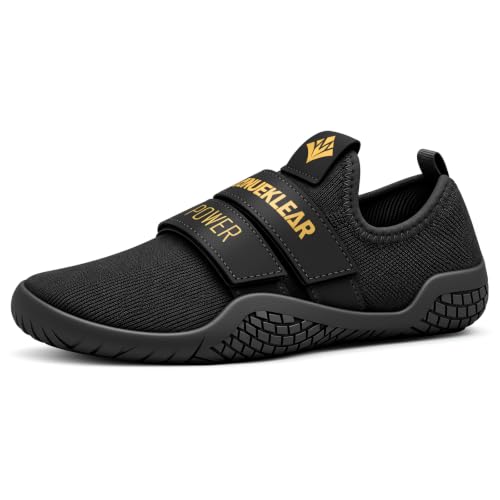
MANUEKLEAR Deadlift Shoe
What We Like
- Ultra-light 219g sock-like fit
- Double velcro straps for secure hold
- Breathable mesh keeps feet dry
- Bionic sole with strong grip
Trade-offs
- No heel-to-toe drop mentioned for varied gym moves
- Narrow focus on deadlifting limits all-around gym use
Weighing just 219 grams, this shoe is designed to fit like a sock, wrapping your foot for freedom of movement. The breathable mesh upper and double velcro straps keep the shoe secure, while the widened rubber outsole provides firmness and abrasion resistance. For lifters who want a lightweight, stable base that lets them feel connected to the floor, this model delivers a focused experience for deadlifts and other weight training.
The catch is that this design, with its sock-like fit and laterally widened sole, is not built for running or jumping moves you would do in a cross-training class. The Nike Metcon 10, at 1.0 pounds, offers a different construction with more cushioning for varied gym activities. If your sessions revolve around deadlifts and you want a lightweight, stable shoe, the MANUEKLEAR delivers exactly that, just know it is a specialist for weight training, not a generalist for all gym moves.
Product photos
Nike Air Monarch IV Training Shoe

What We Like
- Full-length Air unit for cushioning
- Durable leather and synthetic leather upper
- Solid rubber sole for traction
Trade-offs
- Leather upper limits breathability for intense sweat sessions
The full-length Nike Air unit is the story here, it gives you plush, consistent cushioning from heel to toe. That makes a big difference if you’re standing, walking, or doing light gym work for long stretches. That classic leather-and-synthetic upper also holds up well over time, so these shoes feel built to last through regular use. They’re a great match if you want a comfortable, supportive trainer for general gym sessions, circuit work, or even just walking around the weight room without your feet feeling beat up by the end.
A potential downside is that same leather upper can get warm and stuffy during high-sweat cardio or HIIT workouts, where a lighter mesh shoe like the Nike Metcon 10 would breathe better. And at 0.4 pounds, they’re noticeably lighter than the Metcon’s 1.0 pounds, but the Air Monarch’s classic design prioritizes cushioning over the stable, flat platform that lifters often want for heavy squats. If your gym routine leans toward steady-state lifting, walking, or casual training, this is a comfortable, durable choice.
Product photos
MIFAWA Barefoot Shoes Cross Trainer

What We Like
- Zero drop for neutral foot posture
- Wide toe box allows natural toe splay
- Removable insole for more ground feel
- Flexible rubber outsole with steady grip
Trade-offs
- No cushioning for high-impact gym moves
- Not suitable for runners who need arch support
A zero-drop sole that keeps your forefoot and heel flat on the ground means these shoes encourage a natural posture and reduce joint stress during lifts and walks. The wide toe box gives your toes room to splay and relax, which is a big plus if you’ve ever felt cramped in standard cross-trainers. This pair suits anyone who wants a grounded feel for gym workouts, light runs, or even hiking, as described in the product features.
A key point is that the minimalist design and removable insole leave you with very little cushioning, so high-impact moves like box jumps or sprints might feel harsh underfoot. Compared to the Nike Metcon 10, which is a different style of training shoe, this model prioritizes natural foot movement over shock absorption. It works for lifting, walking, or low-impact gym sessions, but not if you need plush padding for explosive work.
Product photos
How We Evaluated Tennis Shoes For Gym Workouts
We built this guide by studying manufacturer specifications, reviewing expert round-ups from coaching and strength-training communities, and identifying consistent patterns in owner feedback across hundreds of reviews. The goal was to match each shoe to a specific gym use case rather than declare one universal winner.
Three criteria carried the most weight. First, stability at the heel and midfoot for squats, deadlifts, and overhead presses, a shoe that compresses under load compromises power transfer. Second, outsole grip and tread pattern for lateral cuts, box jumps, and turf-style drills. Third, the balance between cushioning and ground feel, which varies wildly between a barefoot trainer and a maximalist cross-trainer. We also weighed breathability and weight because gym sessions generate heat and fatigue.
A research-led evaluation has honest limits. We cannot tell you how a shoe breaks in after three months of weekly squat sessions or how the upper holds up against aggressive rope climbs. What we can do is point you toward the models whose design philosophy aligns with your movement style, so your first pair is an informed gamble rather than a blind one.
What To Look For In Tennis Shoes For Gym Workouts
The right gym shoe depends on what you do most: heavy lifting demands a flat, stable base, while high-intensity circuits need responsive cushioning and lateral traction. Barefoot fans want zero drop and wide toe boxes; all-day trainers need comfort for walking and light jogging.
Stability and Heel Support
Look for a firm, non-compressible heel if you squat or deadlift heavy. Shoes with a raised heel or soft foam midsoles can tip you forward under load. Models like the Under Armour TriBase Reign 6 use a low-to-ground build and dual-density midsole to keep your foot planted. A midfoot strap or band also helps lock the foot in place during lateral movement.
Cushioning and Ground Feel
This is a trade-off. Max cushioning (like the Nike Air Monarch IV‘s full-length Air unit) protects joints during jumping and running but reduces stability for lifts. Minimal cushioning (like the AIRHAS Barefoot Gym Sneakers at 0.9 pounds) gives you direct ground feedback but punishes high-impact landings. Pick based on your primary activity.
Outsole Grip and Traction
Gym floors vary from rubberized turf to polished concrete. A full rubber outsole with a pivot or herringbone pattern (like the Under Armour Charged Edge) handles multi-directional movement. For deadlifting, a flat, non-marking sole with grip at the toe (like the MANUEKLEAR Deadlift Shoe) prevents sliding during setup. Avoid street-ready soles that track dirt or wear quickly on gym mats.
Fit and Toe Box Shape
Narrow toe boxes force your toes to scrunch during squats and lunges, compromising balance. Wide-footed athletes should prioritize models like the Flux Footwear Adapt Graphene XT or MIFAWA Barefoot Shoes. If you have narrow feet, the Nike Metcon 10’s midfoot band may feel too roomy. Always consider sizing: Flux runs small and needs a half-size up.
- Check if the insole is removable if you prefer a barefoot feel.
- Look for a breathable upper (mesh or knit) for sweaty sessions.
- Verify the heel-to-toe drop: zero-drop for natural posture, or a low drop for balanced training.
A gym shoe should disappear from your attention during the set, if you’re thinking about your feet, the shoe is wrong.
Tennis Shoes For Gym Workouts Compared
The table below compares the nine gym shoes across key specs: stability, cushioning, weight, and best use case. Use it to narrow your shortlist before reading the full reviews.
| Product | Weight | Upper Material | Midsole/Outsole |
|---|---|---|---|
| Nike Metcon 10 Cross Trainer | 1.0 pounds | Open-holed engineered mesh | ReactX foam |
| Under Armour Charged Edge Training Shoe | 0.5 pounds | Breathable mesh with leather & synthetic overlays | Charged Cushioning compression molded foam |
| Reebok Nano X5 Women's Cross Trainer | 1.8 pounds | Flex Weave | Dual-density midsole |
| Under Armour TriBase Reign 6 Training Shoe | 2.4 pounds | N/A | Dual-density |
| Flux Footwear Adapt Graphene XT Cross Trainer | N/A | Ballistic mesh | Graphene-infused rubber |
| AIRHAS Barefoot Gym Sneakers | 0.9 pounds | Stretchy knit | Flexible rubber outsole |
| MANUEKLEAR Deadlift Shoe | 219g | Breathable mesh fabric | Sturdy rubber |
| Nike Air Monarch IV Training Shoe | 0.4 pounds | Leather and synthetic leather | Full-length Nike Air unit |
| MIFAWA Barefoot Shoes Cross Trainer | N/A | N/A | Flexible non-slip rubber |
Frequently Asked Questions
Can I use tennis shoes for gym workouts?
Yes, but only if the shoe has a flat, stable sole and good lateral support. Traditional court tennis shoes often have thick cushioning and a raised heel that can make squatting unstable. Look for cross-training models designed for both court movement and gym work. Our guide on tennis shoes for the gym explains the key differences in more detail.
What is the difference between cross-trainers and weightlifting shoes?
Cross-trainers offer a balance of cushioning, flexibility, and grip for varied workouts, while weightlifting shoes have a raised heel and rigid sole for deep squats and Olympic lifts. If you only lift heavy, dedicated lifting shoes are better. For mixed sessions, a cross-trainer like the Nike Metcon 10 works well. Our comparison of cross-trainers vs weightlifting shoes breaks down when each makes sense.
How do I choose gym shoes for lifting and cardio?
Focus on a shoe with a stable heel for lifting but enough cushioning for jumping and running. The Under Armour TriBase Reign 6 leans toward lifting, while the Under Armour Charged Edge favors cardio. A mid-range option like the Reebok Nano X5 splits the difference. This guide to selecting gym footwear walks through each trade-off.
Are barefoot shoes good for gym workouts?
Barefoot shoes work well for lifting, yoga, and low-impact training because they allow natural foot movement and toe splay. They lack cushioning for high-impact plyometrics or running. Models like the Flux Footwear Adapt Graphene XT and AIRHAS Barefoot Gym Sneakers suit gym-goers who prioritize ground feel over impact protection.
What are the best gym shoes for wide feet?
Look for models with a wide toe box and zero-drop design. The Flux Footwear Adapt Graphene XT and MIFAWA Barefoot Shoes both offer room for toe splay. The Under Armour Charged Edge has a narrow toe box and is not ideal for wide-footed athletes. Trying on shoes later in the day when feet are slightly swollen helps gauge real fit.
The Bottom Line
The Nike Metcon 10 Cross Trainer earns the best overall spot because it marries a stable lifting platform with responsive cushioning for cardio, the most versatile balance for gym-goers who do both. If your priority is heavy squats and deadlifts, the Under Armour TriBase Reign 6 gives you a lower, more planted feel.
Barefoot enthusiasts should start with the Flux Footwear Adapt Graphene XT for its zero-drop and wide toe box. The single most important factor is honesty about your workout mix: a deadlift specialist and a HIIT fan need completely different shoes, and no single pair serves both perfectly.
