
10 Best Ankle Braces For Gymnastics in 2026
This post contains affiliate links. As an Amazon Associate, we earn from qualifying purchases.
The Med Spec ASO Ankle Stabilizer takes the best overall spot because its figure-8 straps lock down the ankle against rolling while the breathable CoolFlex padding keeps it comfortable through a full practice. For gymnasts who want the lightest possible feel, the McDavid Phantom Ankle Brace offers a fast rear-entry design, and the Z Athletics Lace Up Ankle Brace delivers solid support without breaking the budget.
Gymnastics demands explosive landings, quick pivots, and repetitive impact that puts unique stress on ankles. A brace that works in a gym shoe, stays breathable during sweat-heavy routines, and resists inversion without adding too much bulk is what separates a useful tool from a hindrance.
We built this guide by looking at manufacturer specs, expert round-ups of sports braces, and patterns in owner feedback from gymnasts and other high-impact athletes. The result is a clear breakdown of ten options matched to different needs, from maximum stabilization to quick on-and-off wear.
Top 10 Ankle Braces For Gymnastics in the Market
Certain content that appears on this site comes from Amazon. This content is provided "as is" and is subject to change or removal at any time.
The Best Ankle Braces For Gymnastics, Reviewed
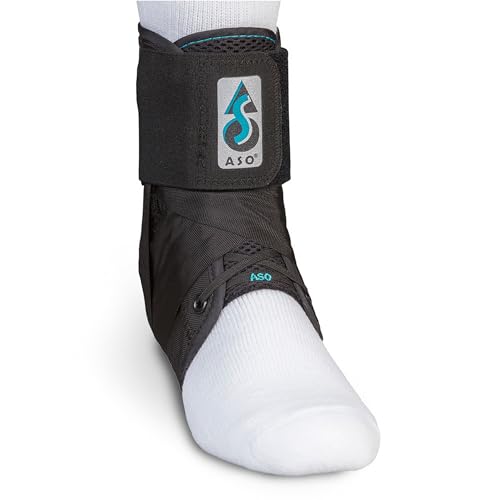
Med Spec ASO Ankle Stabilizer
What We Like
- Figure-8 straps limit painful twisting
- Breathable CoolFlex padding for all-day wear
- Fits inside most shoes
- Bilateral design works for either foot
Trade-offs
- Lace-up system takes time to adjust each use
- Not designed for severe post-surgery immobilization
The figure-8 straps on this stabilizer limit painful twisting, which is exactly the kind of control athletes need during dynamic movements. At just 0.3 pounds, it adds negligible weight inside your shoe, and the CoolFlex padding keeps irritation low during extended wear. This is a brace for anyone who wants reliable support without bulky hardware interfering with their footwear.
The trade-off is that the lace-up system takes time to adjust each use, so it is not as quick to put on as a simpler slip-on or wrap brace. But once you have it snugged up, the secure fit and shoe compatibility make the extra effort worthwhile. For those who prioritize a locked-in feel over speed, this is a practical choice.
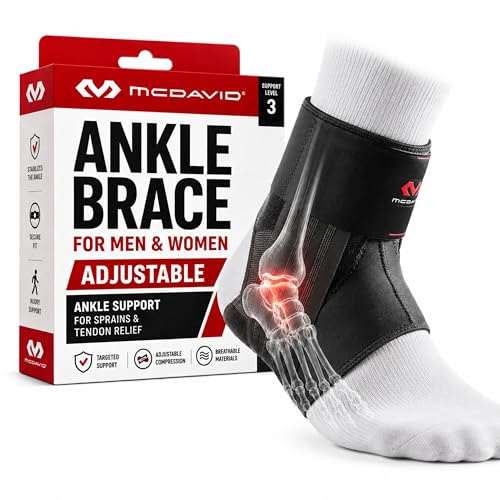
McDavid Phantom Ankle Brace
What We Like
- Fast on/off rear-entry system
- 30% lighter than traditional braces
- Non-slip straps for secure fit
- Anatomically contoured for stability
Trade-offs
- No lace adjustment for custom tightness
- Targets medial/lateral support only
At just 0.1 pounds, this brace is 30% lighter than traditional ankle braces and sleeves, a real advantage when every ounce matters during sports like volleyball, basketball, or running. The Speed-Step rear-entry system is described as the fastest on/off fit system available, so you can get it on and off quickly without dealing with laces. Its low-profile design fits inside even the lowest profile shoes, so you won’t feel bulky or restricted while moving. The anatomically contoured shape and non-slip straps deliver support where you need it, giving you stability without extra weight.
The trade-off for that featherlight feel is that you give up the fine-tuned adjustability of a lace-up system. While the exo-ligament stirrup and vertical straps provide medial/lateral stability, you can’t dial in tightness in specific zones the way you can with a lace brace like the Med Spec ASO Ankle Stabilizer. That makes the Phantom best for athletes who prioritize speed and minimal bulk over custom fit, especially those who don’t need heavy-duty compression or a fully customizable lockdown. If you’re okay with a simpler, faster fit that still delivers reliable support, this is a smart pick.
Product photos
Z Athletics Lace Up Ankle Brace

What We Like
- Figure-8 lacing locks compression in place
- Slim profile fits inside shoes without sizing up
- Breathable air-mesh panels for all-day wear
- FSA and HSA eligible
Trade-offs
- Lace-up system takes longer to put on than hook-and-loop
- No side stabilizer stays mentioned for extra rigidity
Over 11,000 athletes have trusted this brace since 2017, and it has more verified reviews than nearly any ankle brace on Amazon. So the design has been tested by a large community, not just a lab. The figure-8 lacing system lets you dial in exact compression and lock it down, unlike hook-and-loop braces that can loosen mid-round. Medical-grade materials with side straps limit dangerous ankle roll, making it a real stabilizer, not just a compression sleeve. For athletes returning from a sprain or managing Achilles tendonitis, this gives you the support to move confidently without bulk that fights your shoe.
More than 11,000 athletes have left verified reviews on this brace since 2017, so you’re not guessing whether it works. That figure-8 lacing system lets you dial in exactly the compression you want and locks it down, unlike hook-and-loop braces that can loosen during a game. The slim profile fits inside basketball shoes, volleyball shoes, work boots, and women’s sneakers without needing to size up, and the air-mesh panels wick heat and moisture to keep your ankle cool through practice.
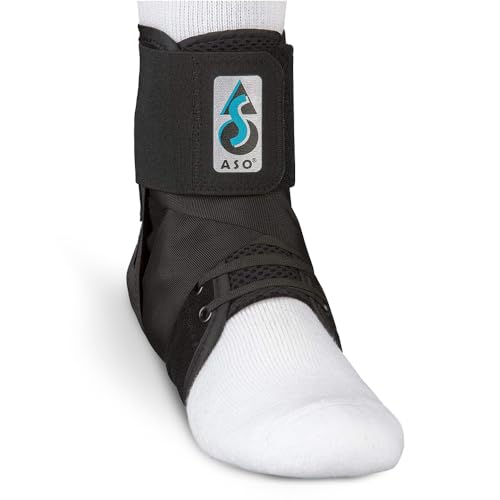
Med Spec ASO Speed Lacer Ankle Stabilizer
What We Like
- Speed Lacer tightens evenly in seconds
- Figure-8 straps resist inversion/eversion
- Low-profile shape fits in athletic shoes
- One-handed micro-adjustment with finger loops
Trade-offs
- At 0.3 lb, heavier than some lace-free braces
- Speed lacing adds bulk over minimalist sleeves
The Med Spec ASO Speed Lacer’s quick-pull hook and loop closure tightens evenly in seconds, so you can dial in compression between vault runs or beam sets without stopping to retie. That speed matters when practice is fast-paced and every minute counts. The figure-8 stabilizing straps lock the heel and resist rolling motions, giving gymnasts the inversion/eversion protection they need for landings and tumbling passes. Its low-profile shape slides into most athletic shoes, and the breathable tongue helps keep feet cool through long sessions. This brace suits anyone who wants repeatable, reliable support without fussing with laces mid-workout.
At 0.3 pounds, this brace is heavier than a minimalist sleeve like the McDavid Phantom, so you’ll feel it during high-repetition drills or on tired ankles. The bilateral build lets you use it on either foot, and the one-handed micro-adjustment means you can dial tension as swelling changes throughout a competition day. For gymnasts who want speed and stability over a featherlight feel, that trade-off is worth it.
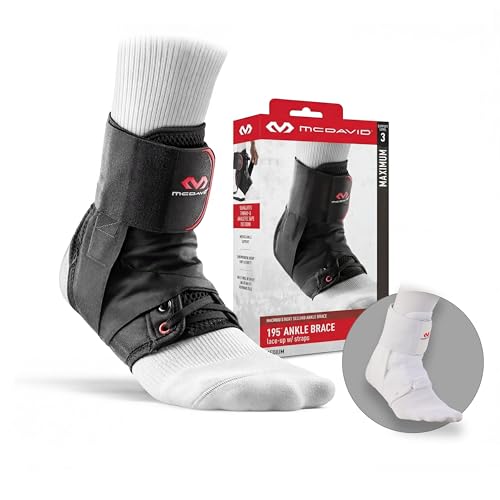
McDavid Lace-Up Ankle Brace
What We Like
- Figure-8 strapping resists rolling
- Rigid side stabilizers prevent ankle roll
- Adjustable lacing for custom compression
- Low-profile fits inside gym shoes
Trade-offs
- Heavier than lace-only braces at 0.5 lb
- Lace system takes longer to adjust
The figure-8 strap wraps around your foot and ankle in a way that locks everything down, and the rigid side stabilizers are the real reason this brace stops rolling. That combination makes it a strong choice for gymnasts who land on uneven bars or tumble off balance beams, where a rolled ankle can sideline you for weeks. At half a pound, it’s not the lightest option, but the trade-off is serious protection that stays put inside your shoe.
Where this brace asks you to compromise is in setup time. You will need a few extra minutes before practice or a game because the lace-up system takes longer to adjust than a simple pull-on brace. Compared to the McDavid Phantom, which weighs 0.1 pounds, this model is heavier, giving you more structure at the cost of some weight. If your priority is maximum stability after a sprain, the figure-8 support wins; if you need a lighter brace for less structured activity, a lighter option may serve you better.
Product photos
Shock Doctor Ultra Wrap Lace Ankle Support
What We Like
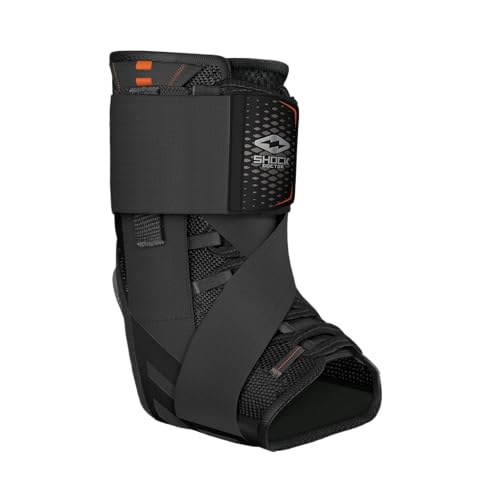
- Ventilated tongue for airflow
- Flexible steel side stays for stability
- Moisture- and odor-preventing design
Trade-offs
- Lace-up system takes more time to adjust
- Heavier than lighter knit braces at 0.5 lb
- Sizing up recommended at top of range
Putting on this brace takes a bit longer than a pull-on knit brace, and at half a pound it is heavier than some alternatives like the McDavid Phantom (0.1 lb). That weight comes from the steel stays and layered build, which provide structured support. If your priority is breathability and a snug, customizable fit that stays in place, this brace is a good option. Just allow extra time to lace it up properly.
Shock Doctor Ultra Knit Ankle Brace
What We Like
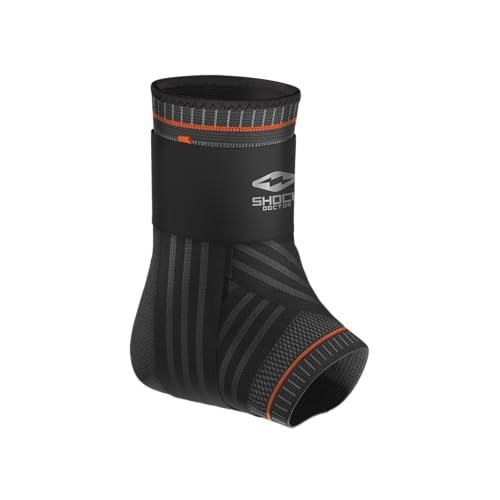
- Figure-6 strap stabilizes joints
- Flexible side stays with gel pads
- Ultra knit compression warms muscles
- Breathable moisture-wicking weave
Trade-offs
- Bulky for tumbling and floor routines
- Only one strap adjustment point
The Shock Doctor Ultra Knit Ankle Brace is designed to help prevent and heal Grade 2 and 3 sprains, strains, and ankle instability during active recovery. The figure-6 strap stabilizes the joint, and the flexible side stays integrated into comfort gel pads help maintain alignment without digging into your bones. The ultra-knit compression improves circulation and keeps muscles warm, which can reduce injury risk during rehab. For someone recovering from a moderate to severe ankle injury, this brace provides the kind of support that allows you to move with more confidence during drills that require quick directional changes or deep squatting positions.
A single figure-6 strap means you cannot adjust tension at the top and bottom independently the way you can with a lace-up design like the Med Spec ASO Ankle Stabilizer. If you need maximum stability during active recovery, this brace delivers. But if you need a slimmer profile that fits easily under tight footwear, you might find the Ultra Knit too bulky for your needs.
MUELLER AFT3 Ankle Brace

What We Like
- Adjustable lace-up for custom tightness
- Lightweight at 0.3 pounds
- Slim profile fits inside shoes
- Easy on/off with tie string
Trade-offs
- One-size range limits very small or large feet
- No side stabilizers for lateral support
At just 0.3 pounds with a slim profile that fits inside most shoes, the MUELLER AFT3 focuses on a secure, adjustable fit that doesn’t add bulk. The lace-up design with tie string lets you dial in exactly the right tension around the ankle. That is especially helpful if your swelling changes day to day or you prefer a snugger feel during activity. Mueller’s six decades in sports medicine back the construction, so you’re getting a brace built for repeated use, not a flimsy sleeve that shifts mid-motion.
The biggest downside is that the lace-up closure may require occasional retightening during extended activity, meaning you might need to pause and adjust between sets. Compared to the Med Spec ASO Speed Lacer, which uses a speed-lacing system, the AFT3 demands a bit more hands-on attention when the pace picks up. For everyday wear and mild-to-moderate support, though, the AFT3’s adjustable comfort and lightweight feel make it a practical choice.
Product photos
WHCOOL Slim-Fit Ankle Brace

What We Like
- One-second hook-and-loop fastening
- Two auto-shaped pads for snug support
- Breathable air fabric with laser-cut holes
- Non-stretch figure 8 anti-roll strapping
Trade-offs
- No lace adjustment for fine-tuning fit
- Targets light sprains, not severe injuries
- Requires measuring ankle before purchase
The two auto-shaped pads on both sides contour anatomically to deliver support without pressing on the ankle bone, which matters when you need stability during running, basketball, or hiking without sacrificing comfort. The hook-and-loop fastening tightens in two directions in about one second, so you can slip it on quickly without wrestling with laces. That quick, balanced wrap makes this a practical choice for athletes who value speed and a low-profile fit inside their shoes.
A one-second fastening lacks the incremental adjustability of a lace-up system, so if you prefer micro-tuning the tension around your arch or Achilles, you might miss that control. Compared to the Med Spec ASO Ankle Stabilizer, which uses traditional laces for a more customizable fit, the WHCOOL prioritizes convenience over precision. It works best for light sprains or daily practice where fast changes and breathable comfort matter more than heavy-duty lockdown.
Product photos
Tarpop Kid Ankle Brace Compression Sock

What We Like
- Two styles for varied support levels
- Adjustable straps stay put during activity
- Fits under shoes without bulk
Trade-offs
- Light compression only from sleeve style
- Not designed for severe or chronic instability
- Limited to youth sizes only
Two pairs in one package means your young gymnast can pick the right support for each practice or recovery phase. The compression sleeve offers light, everyday stability for warm-ups or low-impact drills, while the knitted sock with adjustable hook-and-loop straps locks in a more secure fit for tumbling runs or landings. Both are made from breathable spandex and polyester that absorb moisture, helping keep feet dry during activity. And at just 0.2 pounds for the set, they slide under gym shoes without adding noticeable bulk or throwing off balance.
Neither style delivers the rigid, lace-up or hinged support that a gymnast with a history of repeated ankle sprains might need. For that level of control, a lace-up brace like the Med Spec ASO Ankle Stabilizer is a different design approach. But for active kids who need dependable everyday protection, especially during growth spurts when coordination lags behind height, this set gives you two tools in one affordable bundle. It’s a smart, no-fuss starting point that lets your child stay moving while you keep an eye on how much support they really need.
Product photos
How We Evaluated Ankle Braces For Gymnastics
Our research focused on the specific demands of gymnastics: hard landings, narrow shoe fit, and long training sessions. We reviewed manufacturer specifications, studied expert recommendations for ankle braces in rotational sports, and analyzed patterns in owner feedback from gymnasts, dancers, and court-sport athletes who put their braces through similar movements.
Three criteria mattered most. First, inversion/eversion resistance, a brace that stops the ankle from rolling during landings and tumbles is non-negotiable. Second, fit inside a gymnastics shoe, bulky braces that force a shoe size up or shift during routines are useless. Third, breathability and moisture management, heavy sweating is part of the sport, and a brace that traps heat becomes uncomfortable fast.
This is a research-led evaluation, not a testing report. We did not put these braces through controlled trials in a gym. Our conclusions come from documented features, expert consensus on brace mechanics, and what real owners consistently report about fit, durability, and performance during active use.
What To Look For In Ankle Braces For Gymnastics
Choosing the right ankle brace for gymnastics means balancing support, fit, and comfort against the specific movements of the sport. Here is what to check before you buy.
Focus on a brace that resists inversion (ankle rolling inward), fits inside your gymnastics shoe without forcing a size change, and uses breathable materials to handle sweat. Lace-up systems offer the most adjustable compression but take longer to put on.
Inversion and Eversion Resistance
The most common gymnastics ankle injury is a lateral ankle sprain from landing on an inverted foot. Look for a brace with figure-8 strapping, rigid side stabilizers, or a combination of both. The Med Spec ASO Ankle Stabilizer uses figure-8 straps that specifically target the motion that causes rolling. The McDavid Lace-Up Ankle Brace adds rigid side stabilizers for extra roll protection. For gymnasts recovering from a sprain, this feature matters more than any other.
Fit Inside Gymnastics Shoes
Gymnastics shoes are narrow and close-fitting. A brace that adds noticeable bulk will either force you to size up your shoe or will bunch up and shift during tumbling passes. Look for low-profile designs and slim construction. The Med Spec ASO fits inside most shoes without sizing up, and the Z Athletics Lace Up Ankle Brace specifically mentions a slim profile for shoe compatibility. Avoid braces with thick padding that extends past the ankle bone unless you are willing to change your footwear.
Breathability and Moisture Management
Gymnastics training produces heavy sweat, especially during floor routines and vault landings. A brace that traps moisture can lead to skin irritation and odor buildup. Look for mesh panels, ventilated tongues, or moisture-wicking fabrics. The Shock Doctor Ultra Wrap Lace Ankle Support has a ventilated tongue and odor-preventing design. The WHCOOL Slim-Fit Ankle Brace uses air fabric with laser-cut holes. If you train in a warm gym or have multiple sessions a day, prioritize breathable materials.
- Check whether the brace uses a lace-up, hook-and-loop, or rear-entry closure, each affects how fast you can put it on and how fine-tuned the fit can be.
- Confirm the sizing range matches your foot measurement, especially for youth-specific or one-size options.
- Look for bilateral designs (works on either foot) if you need to brace both ankles or switch feet between practices.
- Consider weight: heavier braces with rigid stays offer more support but can fatigue the lower leg over a long session.
A good rule of thumb: if you can comfortably wear the brace for a full two-hour practice without wanting to take it off, the fit and breathability are right for you.
Ankle Braces For Gymnastics Compared
The table below compares all ten braces side by side so you can see at a glance how support type, weight, closure system, and shoe fit differ across the lineup.
| Product | Closure Type | Weight | Fit |
|---|---|---|---|
| Med Spec ASO Ankle Stabilizer | Lace-up with figure-8 straps | 0.3 pounds | Bilateral (left or right) |
| McDavid Phantom Ankle Brace | Speed-Step Rear-Entry | 0.1 pounds | Left or Right Foot |
| Z Athletics Lace Up Ankle Brace | Lace-up with figure-8 lacing | 0.3 pounds | Fits left or right ankle |
| Med Spec ASO Speed Lacer Ankle Stabilizer | Speed Lacer with quick-pull hook and loop | 0.3 pounds | Bilateral (left or right ankle) |
| McDavid Lace-Up Ankle Brace | Lace-up + Figure-8 strap | 0.5 pounds | Left and right foot compatible |
| Shock Doctor Ultra Wrap Lace Ankle Support | Lace + wrap | 0.5 pounds | N/A |
| Shock Doctor Ultra Knit Ankle Brace | Figure-6 configuration | 0.3 pounds | Fits left or right ankle |
| MUELLER AFT3 Ankle Brace | Lace-up with tie string | 0.3 pounds | Fits right or left |
| WHCOOL Slim-Fit Ankle Brace | Hook-and-loop, 1-second | N/A | N/A |
| Tarpop Kid Ankle Brace Compression Sock | Adjustable hook & loop straps | 0.2 pounds | N/A |
Frequently Asked Questions
What type of ankle brace is best for gymnastics?
A lace-up brace with figure-8 strapping or rigid side stabilizers offers the best balance of support and mobility for gymnastics. It resists inversion (the most common injury mechanism in the sport) while still allowing enough ankle flexion for landings and takeoffs. The Med Spec ASO Ankle Stabilizer is a strong example of this design.
How tight should a gymnastics ankle brace be?
Snug enough that the brace does not shift during tumbling or landings, but not so tight that it restricts blood flow or causes numbness. You should be able to slide one finger between the brace and your skin. Lace-up braces give you the most control over tightness, while hook-and-loop braces offer a set-and-forget fit.
Can I wear an ankle brace inside my gymnastics shoes?
Yes, but you need a low-profile brace. Many gymnastics shoes are narrow, so look for braces specifically described as slim or low-profile. The Med Spec ASO and Z Athletics Lace Up Ankle Brace are designed to fit inside shoes without requiring a size change. Bulky braces with thick padding may not fit.
How do I clean an ankle brace?
Most lace-up and wrap braces can be hand-washed with mild soap and air-dried. Check the manufacturer’s care label, some braces have removable pads or straps that need separate handling. Avoid machine washing unless the instructions say it is safe, as heat and agitation can damage the support structures.
When should I replace my ankle brace?
Replace a brace when the straps lose tension, the laces fray, or the side stabilizers bend out of shape. For gymnasts training four or more days a week, a brace may need replacement every six to twelve months depending on the intensity of use. If the brace no longer feels secure during landings, it is time for a new one.
The Bottom Line
The Med Spec ASO Ankle Stabilizer is the best overall choice for gymnasts who need reliable support that stays comfortable through long practices and fits inside their shoes. Its figure-8 straps directly target the rolling motion that causes the most common ankle injuries in the sport, and the breathable padding handles sweat without adding bulk.
If you want the lightest possible feel and the fastest on-and-off design, the McDavid Phantom Ankle Brace is worth the upgrade. For gymnasts on a budget, the Z Athletics Lace Up Ankle Brace delivers secure lace-up compression at a more accessible price point. Those recovering from a significant sprain should look at the Shock Doctor Ultra Knit Ankle Brace for maximum stabilization.
The single most important factor is finding a brace that resists inversion while still fitting comfortably inside your gymnastics shoe. Everything else, closure speed, weight, moisture control, comes second to that core requirement.
