
9 Best Wearable Fitness Trackers in 2026
This post contains affiliate links. As an Amazon Associate, we earn from qualifying purchases.
The Fitbit Air Screenless Activity Tracker earns our Best Overall award because it strips away screen distractions while delivering accurate health data and up to seven days of battery life. The Fitbit Inspire 3 Fitness Tracker is our pick for stress management. The WHOOP 5.0 Screenless Fitness Tracker is our pick for long battery life.
Most fitness trackers try to be mini smartwatches on your wrist, but that often means more charging, more notifications, and less focus on your actual movement. The real question is whether you need glanceable stats during a workout or prefer a band that stays out of your way.
This guide is built from manufacturer specifications, expert round-ups, and patterns in owner feedback across hundreds of user reports. We ranked nine trackers by accuracy, battery life, comfort, and the features that actually help you build a sustainable habit.
Top 9 Wearable Fitness Trackers in the Market
Certain content that appears on this site comes from Amazon. This content is provided "as is" and is subject to change or removal at any time.
The Best Wearable Fitness Trackers, Reviewed
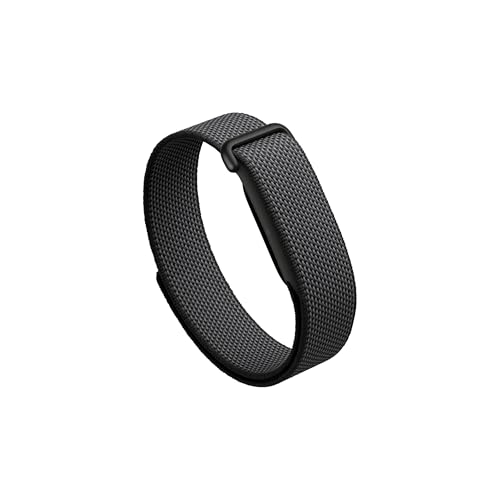
Fitbit Air Screenless Activity Tracker
What We Like
- Screenless design for zero distractions
- Lightweight, micro-adjustable fit for 24/7 wear
- Up to 7 days battery with fast charging
Trade-offs
- No screen means no glanceable stats during workouts
- Requires phone for real-time data display
- Subscription needed after 3-month trial for full coaching
The screenless design, just a lightweight pebble you press into a band, keeps your wrist free from glowing distractions. So you can wear it through sleep, work, and a sweaty gym session without thinking about it. It’s for the person who already stares at phones all day and just wants a quiet, accurate companion for heart rate, sleep, and activity tracking.
The obvious trade-off: no screen means no quick glance at your pace or reps mid-set. You’ll pull out your phone to see real-time stats, which is a small friction compared to something like the Xiaomi Smart Band 11 with its bright AMOLED display. But if that trade-off buys you a tracker that disappears on your wrist, so light you forget it’s there, and a battery that outlasts a work trip, it’s worth it for the right buyer. The Fitbit Air nails the fundamentals: accurate tracking, all-day wearability, and a battery that respects your schedule. Not everyone needs a screen; sometimes you just need the data to show up when you’re ready to look.
Product photos
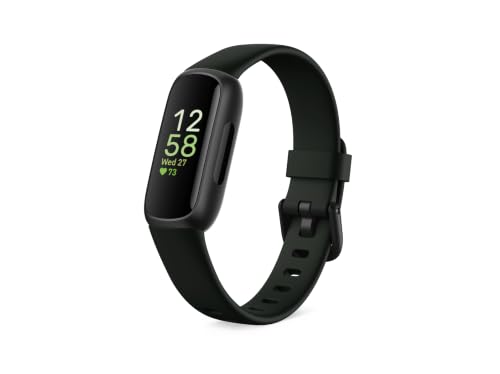
Fitbit Inspire 3 Fitness Tracker
What We Like
- Daily Stress Management Score tracks well-being trends
- Guided mindfulness and relax breathing sessions
- SpO2 and resting heart rate monitoring
- Includes 3-month Google Health Premium membership
Trade-offs
- No built-in GPS for outdoor run tracking
- Requires smartphone for full feature access
A daily Stress Management Score combined with guided mindfulness and relax breathing sessions makes this the tracker that actually helps you pause, not just pace. It keeps an eye on SpO2, resting heart rate, and even irregular heart rhythm notifications, so the stress tools sit inside a broader health picture. For anyone whose main fitness goal is feeling calmer and sleeping better rather than chasing PRs, this little band delivers where it counts.
The trade-off is that it lacks built-in GPS, so outdoor runners will need to carry their phone for route tracking. But if your priority is winding down after a workout instead of analyzing every split, the Inspire 3’s stress and sleep features are hard to beat. It’s a focused tool for a specific job, and it does that job well.
Product photos
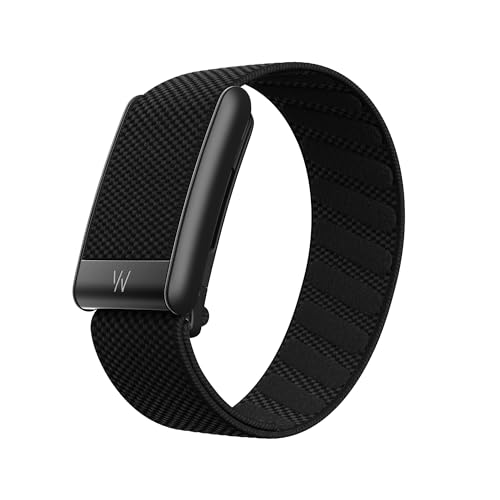
WHOOP 5.0 Screenless Fitness Tracker
What We Like
- 14+ day battery life with wrist charging
- 99%+ heart rate and HRV accuracy
- 24/7 health monitoring with heart rate, HRV, SpO₂, skin temp
Trade-offs
- Requires a 12-month membership to function
- No screen means no glanceable stats during workouts
The WHOOP 5.0 offers a 14+ day battery life, so you can wear it for two weeks or more between charges. The included Wireless PowerPack lets you recharge it on your wrist without removing the tracker, which means you never have to take it off to keep it powered. That design suits anyone who wants continuous sleep and recovery tracking without frequent charging interruptions, especially if you travel or prefer a low-maintenance routine.
The WHOOP 5.0 is screenless, so you’ll need to check your phone for real-time stats during workouts. It also requires a 12-month Peak membership, which adds an ongoing cost compared to trackers that don’t require a subscription, like the Garmin Vivosmart 5. If you’re comfortable with app-based check-ins and want a long battery life, the WHOOP delivers. If you prefer on-wrist stats and no membership fees, the Garmin might be a better fit.
Amazfit Helio Strap Activity Tracker

What We Like
- No subscription fee ever
- 10-day battery between charges
- Tracks reps, sets, and rest periods
Trade-offs
- Screenless design means no glanceable display
- Requires Zepp App for full analysis
Up to 10 days of battery life means you can wear this strap through a full training week plus a weekend without hunting for a charger. That alone makes it a refreshing pick for anyone tired of babysitting their tracker. It focuses on heart rate, fatigue and recovery tracking, and sleep quality, all synced through the free Zepp App. There is no subscription lock-in, so you get 27 sports modes, VO₂ max estimates, and training load insights without paying a monthly fee.
The trade-off is the lack of a screen, which means you cannot check stats at a glance during a workout. You will need to pull out your phone or wait until you finish to see your data in the app. Compared to the Fitbit Inspire 3, which offers a small touchscreen, the Helio Strap asks you to trust the process and review later. For lifters and Hyrox racers who care more about rep tracking and recovery metrics than screen time, that trade-off is easy to accept.
Product photos
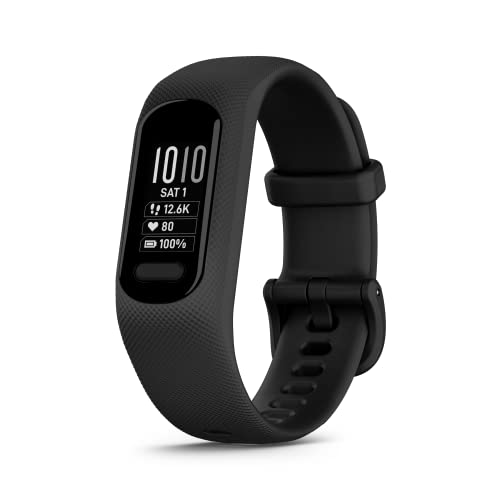
Garmin Vivosmart 5 Fitness Tracker
What We Like
- Brighter, bigger display for easier reading
- Up to 7 days of battery life
- Swim and shower safe
- Sleep quality score with improvement insights
Trade-offs
- Pulse Ox not available in all countries
- Requires smartphone GPS for outdoor route tracking
- Not a medical device for health metrics
A seven-day battery lets you go through the week without needing to find a charger every other night. That’s a genuine relief when you’re trying to build a consistent routine, fewer interruptions, more data. The bright touchscreen and button combo make it easy to check your stats mid-stride, and it’s built to handle a swim or a sweaty shower without fuss. This is the kind of tool that quietly fits into your day, tracking respiration, stress, and Body Battery levels so you can see how your habits affect your energy. It’s best for anyone who wants to understand their body’s daily rhythms rather than just count steps.
The GPS relies on your phone, so if you prefer leaving your phone behind on runs, you’ll miss out on accurate distance and pace. For most everyday health tracking, sleep, stress, heart rate trends, the Vivosmart 5 gives you a full picture without demanding constant attention. Just remember that Pulse Ox isn’t available everywhere, and none of these metrics replace a doctor’s advice.
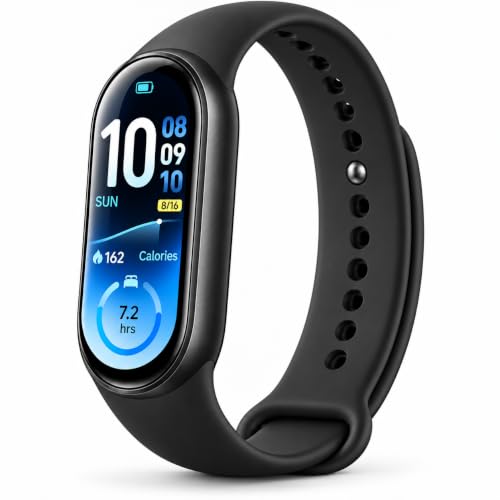
Xiaomi Smart Band 11 Fitness Tracker
What We Like
- Weighs just 15.6 grams without strap
- 9.99mm thin curved body
- 21-day battery life
Trade-offs
- No built-in GPS for phone-free tracking
- PPG protrusion adds thickness beyond 9.99mm
At 15.6 grams and just 9.99mm thin, this band is so light you genuinely forget it is there. That matters more than you might think. A tracker that feels heavy or bulky gets taken off after a week. This one slips under a sleeve, stays put during sleep, and never digs in. The 1.72-inch AMOLED screen is bright enough to check at a glance, and with 21 days of battery, you are not hunting for a charger every weekend. It is the kind of design that makes daily wear effortless, which is exactly what a lightweight fitness tracker should do.
The Xiaomi Smart Band 11 is the brand’s slimmest tracker yet, at just 9.99mm thin and 15.6g without the strap, so it sits flush against your skin and feels like nothing on your wrist. You can wear it to sleep, to the gym, or all day at work without irritation or needing to take it off. It still packs heart rate, SpO2, sleep HRV, and over 150 sport modes, but the trade-off is a compact display that’s not ideal for studying detailed workout graphs or maps mid-run. For anyone who values comfort above all and wants a tracker that disappears on the wrist while still delivering those health metrics, this fits the bill.
Product photos
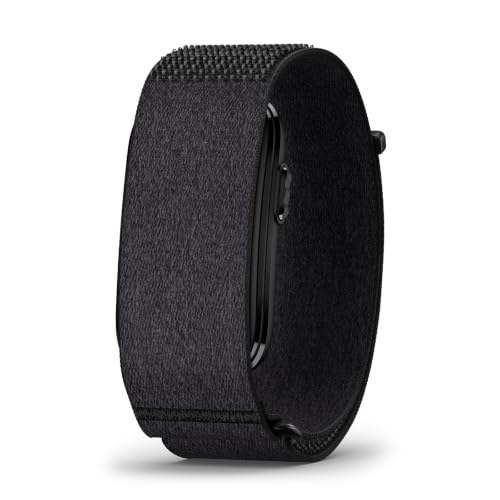
Garmin CIRQA Smart Band
What We Like
- No subscription required for full features
- Up to 10 days battery life
- Automatically detects and adapts to activities
- Sleep score with personalized coaching
Trade-offs
- Screenless design limits on-device data review
- Screenless design requires phone for data review
A 10-day battery lets you go all week without scrambling for a charger, which is a relief if you tend to forget until the low-battery warning buzzes. The screenless design keeps distractions minimal, and since there is no subscription lock, you get heart rate, stress, Body Battery, and sleep coaching straight from the Garmin Connect app without paying a monthly fee. This makes it a thoughtful pick for anyone who wants consistent health tracking without the noise of a display or recurring costs.
You cannot glance at your stats on the band itself, so you will rely on your phone to see your progress during a run or after a workout. If you prefer checking data on your wrist or running without a phone, that difference matters. For those who value battery life and subscription-free tracking over a screen, the CIRQA delivers exactly what it promises.
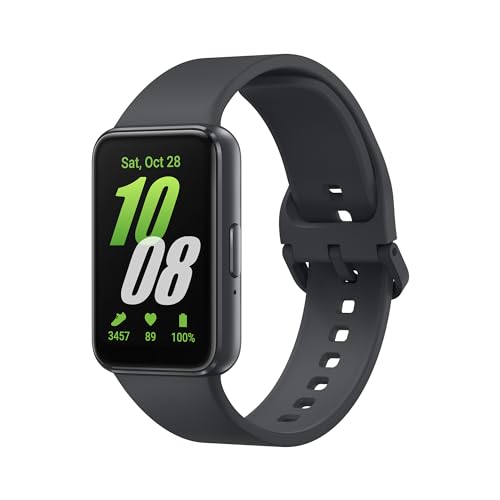
Samsung Galaxy Fit 3 Fitness Tracker
What We Like
- Vibrant 1.6" AMOLED display
- 5ATM & IP68 water resistance
- Up to 14 days battery life
- 101+ workout modes with auto detection
Trade-offs
- Only compatible with Android devices
- No Samsung Pay support
- International model has no US warranty
A 1.6-inch AMOLED display with smooth touch makes checking your stats quick during any activity. That screen, paired with up to 14 days of battery life, lets you leave the charger at home for nearly two weeks of sleep coaching, SpO2 checks, and heart rate tracking. The tracker automatically detects over 101 workout modes so you don’t have to tap through menus mid-exercise. It works with Android devices, so if you have a Samsung phone, it integrates easily.
The catch is that this tracker only works with Android, so iPhone users will need to look elsewhere. Compared to other trackers in this guide, the Galaxy Fit 3 offers a large AMOLED display and long battery life, but it lacks compatibility with iOS devices. For Android owners who want a bright screen and health tracking without frequent charging, this is a practical choice.
PJIVE Smart Bracelet Fitness Tracker

What We Like
- 170+ sport modes for variety
- 18.4g ultra-light dual-strap design
- IP68 water resistance for sweat, rain, and splashes
Trade-offs
- Screenless design limits on-wrist readability
- No built-in GPS for outdoor routes
With a battery that lasts up to 40 to 60 days on a single charge, you can go weeks without needing to plug it in. That kind of endurance means you can travel, forget your cable, or just not think about power for a month or more. It tracks heart rate, blood pressure, blood oxygen, and sleep stages around the clock, and its IP68 rating lets you wear it while swimming or washing hands. At only 18.4 grams and with two strap options, it stays comfortable all day and night.
Giving up a screen and built-in GPS is the main compromise. Unlike the Xiaomi Smart Band 11 with its 1.72-inch AMOLED display, the PJIVE relies on vibration alerts and the QWatch Pro app for all data. That works fine for glancing at notifications or checking step counts later, but it’s less convenient for real-time pace or distance during a run. For sheer battery endurance and a no-fuss health-tracking companion, the PJIVE is the one you grab and forget.
Product photos
How We Evaluated Wearable Fitness Trackers
Our research focused on what makes a tracker genuinely useful for daily wear, not just a data collector you charge every night. We cross-referenced manufacturer specs with expert round-ups and analyzed common praise and complaints from long-term owners to identify which features actually hold up over months of use.
The four criteria that mattered most were battery life, heart rate accuracy during rest and activity, comfort for 24/7 wear including sleep, and whether the data helps you make real decisions about recovery and effort. A tracker you have to charge daily is one you will stop wearing. We also weighed subscription costs, because a cheap tracker with a mandatory monthly fee is not a bargain.
A research-led evaluation has limits: we did not wear each band for weeks or run lab-grade accuracy tests. Instead, we looked for consistent patterns in owner feedback and expert consensus on sensor quality, battery longevity, and real-world reliability. For deeper comparisons, check our roundup of top fitness trackers for a broader view of the category.
What To Look For In Wearable Fitness Trackers
Choosing the right fitness tracker means matching features to your actual routine, not the one you wish you had. Here is what matters most.
Pick a tracker whose battery lasts at least five days, whose heart rate sensor works during your primary activity, and whose companion app makes you want to check your data, not ignore it.
Battery Life and Charging Convenience
A tracker with two to three days of battery life becomes one more device you have to charge, and that friction kills consistency. Look for at least five days of real-world use, ideally seven or more. The WHOOP 5.0 and Xiaomi Smart Band 11 both push past two weeks, which matters if you travel or want uninterrupted sleep tracking. Fast charging is a bonus, but a tracker that lasts your whole work week on one charge is the real win.
Heart Rate and Recovery Accuracy
Optical heart rate sensors vary widely between brands. Garmin and WHOOP consistently earn high marks from users for resting heart rate and HRV accuracy, which are the two numbers that actually inform recovery decisions. Cheaper trackers often struggle during interval training or weightlifting, where rapid heart rate changes require more sophisticated algorithms. If you train by heart rate zones, prioritize a brand with a strong reputation for sensor quality. Understanding tracker accuracy helps set realistic expectations for what your band can and cannot measure reliably.
Screen or No Screen
Screenless trackers like the Fitbit Air and WHOOP 5.0 offer longer battery life and fewer distractions, but you cannot glance at your pace or heart rate mid-rep. Trackers with displays, like the Garmin Vivosmart 5 or Samsung Galaxy Fit 3, let you check stats on the fly but require more frequent charging. Your choice depends on whether you need real-time data during workouts or prefer to review everything after. For gym use specifically, our guide on choosing a gym wearable breaks down the trade-offs.
- Check whether the tracker has built-in GPS or relies on your phone for route tracking.
- Confirm water resistance ratings match your activities (swimming, showering, or just sweat).
- Verify smartphone compatibility if you use an iPhone or a specific Android brand.
- Look at the companion app reviews before buying; a great tracker with a frustrating app is hard to love.
- Consider subscription costs: some trackers require a monthly fee for full features.
If you sleep with your tracker, prioritize a lightweight band and a battery that lasts through the night without needing a midday charge.
Wearable Fitness Trackers Compared
The table below compares all nine trackers across the specs that matter most for daily wear, so you can see at a glance which one fits your routine.
| Product | Battery Life | Display | Compatibility |
|---|---|---|---|
| Fitbit Air Screenless Activity Tracker | Up to 7 days | Screenless | iOS & Android |
| Fitbit Inspire 3 Fitness Tracker | N/A | N/A | iOS 16.4+ / Android 11.0+ |
| WHOOP 5.0 Screenless Fitness Tracker | 14+ days | Screenless | N/A |
| Amazfit Helio Strap Activity Tracker | Up to 10 days | N/A | iOS & Android |
| Garmin Vivosmart 5 Fitness Tracker | Up to 7 days | Touchscreen and button | N/A |
| Xiaomi Smart Band 11 Fitness Tracker | 21 days | 1.72" AMOLED | Android & iOS |
| Garmin CIRQA Smart Band | Up to 10 days | Screenless | N/A |
| Samsung Galaxy Fit 3 Fitness Tracker | Up to 14 days | 1.6" AMOLED | Android only |
| PJIVE Smart Bracelet Fitness Tracker | 40-60 days | N/A | Android IOS |
Frequently Asked Questions
What is the most accurate fitness tracker for heart rate?
Optical heart rate accuracy varies by brand and activity. WHOOP and Garmin consistently receive strong user feedback for resting heart rate and HRV readings. No wrist-based tracker matches a chest strap for precision during high-intensity intervals, but the best models come close enough for general training.
How long should a fitness tracker battery last?
A good fitness tracker should last at least five days on a single charge. Seven to fourteen days is ideal for uninterrupted sleep tracking and travel. Trackers with color displays and always-on screens typically need charging every two to three days.
Do I need a fitness tracker with GPS?
Only if you run or cycle without your phone. Most trackers use your phone’s GPS for route mapping, which saves battery and keeps the band smaller. Built-in GPS adds cost and bulk but lets you leave your phone at home during outdoor workouts.
Are screenless fitness trackers better than ones with screens?
Screenless trackers offer longer battery life, lighter weight, and fewer distractions during workouts. The trade-off is you cannot check stats at a glance. If you review your data after exercise rather than during, a screenless band like the Fitbit Air or WHOOP 5.0 works well.
Can I swim with a fitness tracker?
Only if the tracker has a water resistance rating of 5ATM or IP68. Many trackers handle splashes and sweat but are not rated for submersion. Check the manufacturer’s depth rating before taking your band into a pool or ocean.
The Bottom Line
The Fitbit Air Screenless Activity Tracker is our Best Overall pick for anyone who wants accurate health tracking without screen distractions and values long battery life over glanceable stats. It is light, comfortable for 24/7 wear, and lasts a full week between charges with fast top-ups when you need them.
If you want stress management guidance with mindfulness sessions and sleep tracking, the Fitbit Inspire 3 delivers that focus. For travelers and data-driven athletes who cannot stand frequent charging, the WHOOP 5.0 gives over two weeks of battery with excellent HRV accuracy, though the mandatory membership is a real cost to consider. For gym-goers who want strength tracking without a subscription, the Amazfit Helio Strap is worth a close look.
The single most important factor is battery life. A tracker you must charge every day is a tracker you will stop wearing. Pick one that lasts at least your work week, and you will actually build the habit of checking your data and acting on it.
