
10 Best Plant-based Protein Powders To Build Muscle in 2026
This post contains affiliate links. As an Amazon Associate, we earn from qualifying purchases.
For muscle gain on a plant-based diet, Owyn Pro Elite High Protein Powder is the best overall pick, delivering 30g of complete protein with zero sugar, plus greens and probiotics. The Vega Protein + Recovery earns the award for best gut health, while Naked Pea Protein Powder is our budget pick for clean, single-ingredient protein.
The challenge with plant-based protein is finding a powder that provides all essential amino acids without fillers, excessive sugar, or digestive discomfort. Many options fall short on protein density or taste, making consistency harder.
This guide is built on research: manufacturer specs, expert round-ups, and patterns in owner feedback. We ranked ten products across protein content, ingredient quality, third-party testing, and value to help you pick with confidence.
Top 10 Plant-Based Protein Powders To Build Muscle in the Market
Certain content that appears on this site comes from Amazon. This content is provided "as is" and is subject to change or removal at any time.
The Best Plant-Based Protein Powders To Build Muscle, Reviewed
Owyn Pro Elite High Protein Powder
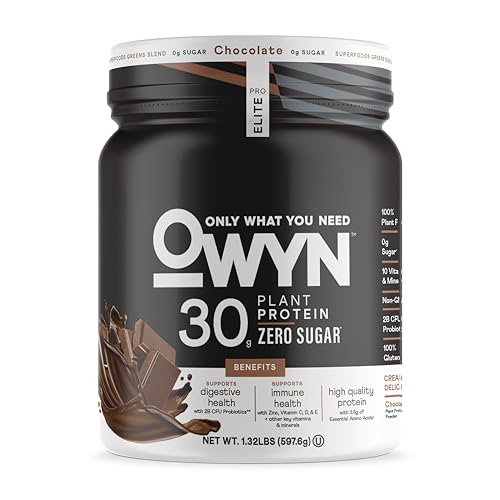
What We Like
- 30g complete plant protein with all essential amino acids
- Zero sugar and low net carbs for muscle recovery
- Includes greens blend and probiotics for added nutrition
- Free from top allergens and artificial ingredients
Trade-offs
- Only 12 servings per container
Thirty grams of plant protein from organic pumpkin seeds, chia, and Peato delivers all nine essential amino acids and naturally occurring BCAAs, so your muscles get what they need for recovery after a tough workout. The protein powder contains zero sugar and low net carbs, which is useful if you’re tracking those numbers. It also includes a superfood greens blend and 2B CFU probiotics, plus it’s free from gluten, dairy, soy, and nuts, so common allergens aren’t a concern.
The trade-off here is serving count: with 12 servings per tub, you will go through it faster than a larger container like the Vega Protein + Recovery, which offers 45 servings. That makes this a better fit if you want a clean, nutrient-dense option for shorter cycles or travel, rather than a bulk stock-up. The Amazon title describes the taste as ‘delicious smooth taste,’ so the brand is aiming for flavor that works with the greens and probiotics. If you prefer a protein without the added greens and probiotics, the Orgain Organic Vegan has 4g of prebiotic fiber and 1g of sugar, so it’s not necessarily simpler.
Product photos
Vega Protein + Recovery
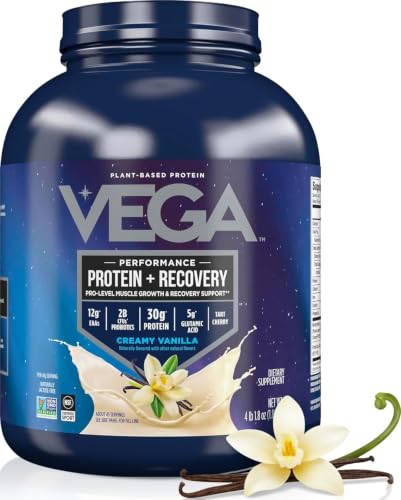
What We Like
- 30g plant protein per serving
- Contains probiotics for gut health
- NSF Certified for Sport
- Mixes smooth without clumps
Trade-offs
- Heavier container at 4.1 pounds
- Contains added fiber, which some find causes gas
Thirty grams of plant protein per serving is a solid foundation for muscle recovery. What sets this powder apart is the 2 billion CFUs of probiotics and added fiber, a rare combination that makes it a smart pick if your stomach tends to rebel against other protein shakes. It’s designed for anyone who wants to support both muscle repair and digestive ease, especially if you’re sensitive to dairy or gluten and need a clean, certified option you can trust for daily use.
The container weighs 4.1 pounds, which is heavier than some alternatives like the Owyn Pro Elite at 1.3 pounds, so it’s less convenient for travel. That extra weight comes from the larger tub size, which makes sense if you’re using it regularly at home. Compared to the Owyn, this one includes probiotics and fiber, which can support digestion.
Product photos
Orgain Organic Vegan Protein Powder

What We Like
- 30g plant protein per serving
- USDA Organic and Non-GMO certified
- Includes 4g prebiotic fiber for gut health
- Contains tart cherry, turmeric, and ginger
Trade-offs
- Vanilla flavor only in this size
- Only available in vanilla in this size
With 30 grams of protein per serving and a full set of essential amino acids, this organic blend from peas, brown rice, mung beans, and chia seeds gives your muscles the building blocks they need after a tough session. The added 4 grams of prebiotic fiber is a nice bonus for digestion. Ingredients like tart cherry and turmeric help support recovery in a more natural way. It’s a smart pick if you want clean, certified organic nutrition without sacrificing protein content.
With 30 grams of plant protein and 4 grams of prebiotic fiber per serving, this powder supports both muscle recovery and digestive health in one scoop. The 1 gram of sugar comes from natural sources, which keeps it low enough for most low-carb diets. It’s USDA Organic and free of soy, dairy, and artificial additives, making it a clean option for daily use.
Garden of Life Sport Organic Vegan Protein
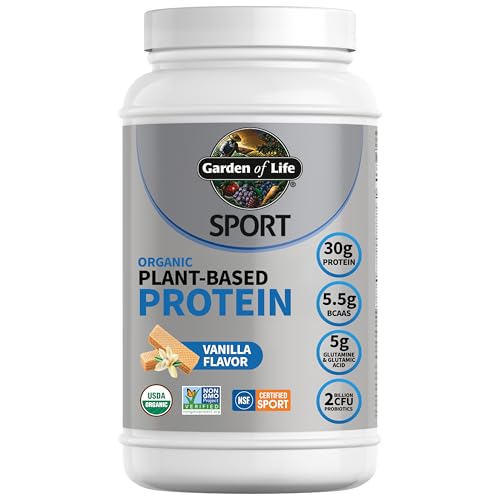
What We Like
- 30g organic plant protein per serving
- Includes probiotics for digestive and immune health
- NSF Certified for Sport and third-party tested
Trade-offs
- Not intended for use by anyone under 18
- Requires 12 fl oz of liquid to mix
Thirty grams of organic protein from peas, navy beans, lentils, and garbanzo beans make this a serious option for anyone looking to rebuild muscle after a workout. The added probiotics support digestion and immune health during intense training, while the organic fruit and spice blend adds antioxidants. This is a clean, certified choice for athletes who want a protein powder that meets strict third-party standards.
The trade-off is that this powder is designed for adults and isn’t suitable for younger athletes, so if you’re shopping for a teen, you’ll want to look elsewhere. Compared to the Orgain Organic Vegan Protein Powder, which offers similar protein and added prebiotic fiber, Garden of Life provides USDA Organic and NSF Certified for Sport certifications. For someone who values rigorous testing and a clean ingredient profile, this is a strong pick.
Optimum Nutrition Gold Standard Plant Protein
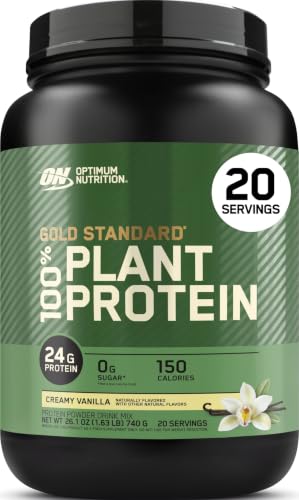
What We Like
- Zero sugar per serving
- Gluten free formula
- Smooth mixing with just water or milk
Trade-offs
- Only 24g protein versus 30g options
- Limited to two flavors
With 24 grams of protein from a blend of pea, rice, and fava bean, this powder provides 20 amino acids including all nine essential ones. That supports muscle repair after a workout without relying on dairy or soy. The zero sugar and gluten-free formula keeps things clean for everyday use. It mixes easily with a glass and spoon in cold water or almond milk, so you can get your post-gym nutrition without needing a blender.
If you’re chasing maximum protein density, 24 grams per serving might fall short compared to the 30 grams in Owyn Pro Elite. But the easy mixing and smooth texture make it a genuinely convenient option for days when you’re rushing out the door or don’t want to haul a blender to the office. It’s a practical, straightforward pick for anyone who values simplicity and a full amino profile over sheer gram count.
Thorne Plant Protein

What We Like
- NSF Certified for Sport purity
- All 9 essential amino acids
- Vegan, dairy-free, gluten-free, soy-free
- Trusted by 100+ pro sports teams
Trade-offs
- Only 22 g protein per serving
- Vanilla flavor only
Each scoop delivers 22 grams of plant protein from pea, brown rice, and chia. That’s not the highest count on the shelf, but it’s the one you can take to a competition without worry. Thorne’s formula is NSF Certified for Sport, meaning it’s been tested for nearly 300 banned substances, so if you’re an athlete who gets tested, or just someone who wants absolute label honesty, this is your protein. It delivers all nine essential amino acids to support muscle repair and recovery, and it keeps things clean at 130 calories and zero added sugars per serving. The vanilla flavor is gentle on the stomach, which matters when you’re chugging shakes day after day.
The trade-off for that certified purity is a lower protein count compared to picks like Owyn Pro Elite, which packs 30 grams per serving. Thorne is available in vanilla, so if you prefer other flavors you may want to check alternatives. That said, the brand is the #1 most recommended clinical brand by consumers and health-care practitioners (based on a 2026 independent survey) and trusted by over 100 professional sports teams. The reputation for quality is hard to beat. For the lifter who prioritizes third-party verification over raw protein numbers, this is the cleanest, most trustworthy plant-based powder in the guide.
Product photos
ProMix Nutrition Vegan Protein Powder

What We Like
- 5.2g BCAAs per serving
- Clean ingredients, no artificial additives
- Organic Canadian yellow peas
- Lightly sweetened with monk fruit
Trade-offs
- Only 25g protein per serving
The BCAAs are exactly what your muscles crave after a tough session, helping repair and rebuild. Made from organic Canadian yellow peas, it’s a clean, easily digestible option that skips the artificial junk, no gluten, soy, GMOs, or stevia. The French Vanilla flavor is light and smooth, and the monk fruit sweetness keeps it natural. If you’re after a high-BCAA vegan protein that supports lean muscle without the chemical aftertaste, this one delivers where it counts.
But for those who prioritize amino acid profile and ingredient purity, the ProMix Nutrition Vegan Protein Powder is a solid fit. It’s a straightforward, no-nonsense option for anyone serious about plant-based muscle support.
Product photos
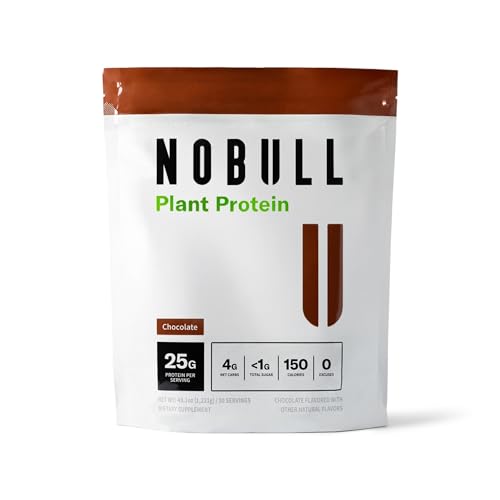
NOBULL Plant-Based Protein
What We Like
- 25g plant protein per serving
- Independently lab tested for accuracy
- No artificial fillers or additives
- Smooth, easy-mixing texture
Trade-offs
- Only chocolate flavor is listed on the label
- No digestive enzymes or probiotics are listed in the ingredients
Each serving gives you 25 grams of plant protein, a solid foundation for muscle recovery after a tough session. That’s enough to kickstart repair without leaving you feeling overly full, and the clean ingredient list means you’re not swallowing a bunch of stuff you can’t pronounce. This one is independently lab tested, so the numbers on the label actually match what’s in the scoop, rare enough in the supplement world to make a difference if you’re tracking macros or just want to know you’re getting what you paid for.
If you want a straightforward, verified protein source without extras you didn’t ask for, this fits the bill. It mixes smoothly and skips the chalky texture that turns some plant powders into a chore to drink.
Naked Pea Protein Powder

What We Like
- Single ingredient: 100% yellow pea protein
- 27g protein and 5.7g BCAAs per serving
- NSF Certified for purity and safety
- Unflavored, so you control the taste
Trade-offs
- No added sweeteners, so taste is plain on its own
- Requires blending with other ingredients for flavor
27 grams of protein per serving from just one ingredient, 100% yellow pea protein, makes this a straightforward, no-nonsense option for anyone focused on building muscle without extra additives. It’s NSF Certified, so you know what’s in the bag is what’s on the label, and with 76 servings in a 5-pound tub, it’s a way to stock up. If you like keeping your supplements simple and prefer to add your own flavors, this unflavored powder gives you that freedom, blending easily into smoothies, shakes, or even sauces.
There’s no built-in sweetness or flavor here. If you’re used to a vanilla or chocolate protein shake, you’ll need to mix in fruit or a sweetener to make it palatable on its own. Compared to something like Orgain Organic Vegan Protein Powder, which comes flavored and includes prebiotic fiber, Naked Pea is more of a blank canvas, great for purists, but less convenient if you just want to scoop and drink. It’s a smart pick for anyone who wants clean protein without paying for extras they don’t need.
Product photos
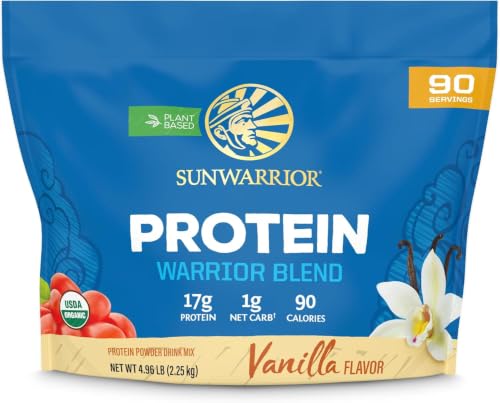
Sunwarrior Organic Plant Protein Powder
What We Like
- 90 servings per container
- Synergistic protein blend with BCAAs
- No synthetics, fillers, or animal products
- ISO-certified third-party lab tested
Trade-offs
- Only vanilla flavor available
- Not suitable for those avoiding pea protein
Ninety servings from a single tub means you can stock up and not think about reordering for months. That kind of volume makes this a practical choice if you drink protein shakes daily and want to minimize trips to the store. The blend of hemp, pea, and coconut provides a complete amino acid profile similar to whey, so it supports muscle recovery without the bloating some people get from dairy-based powders. Sunwarrior also puts their own name on the testing, using an ISO-certified third-party lab to check for heavy metals and contaminants. For anyone who values clean ingredients and a straightforward, no-fuss routine, this tub delivers a lot of protein per purchase.
The size is the main drawback. If you travel frequently or have limited storage, the bulk might be a hassle. But for a home gym or a kitchen with a dedicated shelf, the high serving count and clean ingredient list make it a reliable, low-maintenance choice that keeps your protein supply steady without constant repurchasing.
Product photos
How We Evaluated Plant-Based Protein Powders To Build Muscle
We started with the label. Protein content per serving, amino acid completeness, sugar levels, and added ingredients like probiotics or greens were all pulled directly from manufacturer documentation. Then we cross-referenced those specs with expert round-ups and patterns in long-term owner feedback to see which powders are most effective.
The four criteria that mattered most were protein dose (20-30g per serving is the muscle-building sweet spot), amino acid profile (complete proteins with all nine essentials), third-party certification (NSF, Informed Sport, or purity verification), and ingredient simplicity (minimal fillers, artificial additives, or unnecessary sugars). For a deeper look at how these stack up against dairy, read our plant vs whey comparison.
No guide can replace personal experience, and taste is subjective. Our evaluation is research-led, not lab-tested, so we focused on measurable specs and verified owner consensus. For more context on the category, our roundup of plant-based protein powders covers additional options and comparisons.
What To Look For In Plant-Based Protein Powders To Build Muscle
Choosing the right plant protein means looking past the marketing. Focus on protein dose, amino acid completeness, and what else is in the tub.
Look for 20-30g of protein per serving with a complete amino acid profile, ideally from a blend of pea, rice, or hemp. Third-party certification (NSF, Informed Sport) adds trust. Avoid powders with more than 5g of sugar unless your goals allow it.
Protein Content and Amino Acid Profile
Muscle building requires enough leucine and a full set of essential amino acids. Pea protein is rich in BCAAs but low in methionine, while rice protein complements it. That is why blended powders or those with added amino acids often outperform single-source options. Aim for at least 20g of protein per serving, with 25-30g being ideal for post-workout recovery.
Third-Party Certification and Purity
Certification from NSF International or Informed Sport means the powder has been tested for banned substances and label accuracy. This matters most for competitive athletes, but even casual lifters benefit from knowing the label matches the scoop. Some brands also publish independent lab results online. For a broader look at certified clean options, check our guide to best vegan protein powders.
Digestibility and Added Ingredients
Plant proteins can cause bloating or gas, especially if you are not used to fiber-rich powders. Look for products with added digestive enzymes or probiotics if your stomach is sensitive. Some powders include greens blends, turmeric, or tart cherry for recovery, but these are bonuses, not necessities. For practical tips on mixing and timing, see our guide on how to use protein powder.
- Check the serving size: some powders require two scoops for 25g, others deliver it in one.
- Look at the sugar content: zero to 5g is typical for muscle-building goals.
- Read the flavor reviews: unflavored powders give you control but need blending.
- Verify the protein source: a blend of pea and rice is more complete than pea alone.
- Confirm the container size: 12-30 servings is common; 90 servings means fewer reorders.
A good rule of thumb: if the protein per serving is under 20g or the powder relies on a single plant source without added amino acids, it is probably better for general wellness than serious muscle gain.
Plant-Based Protein Powders To Build Muscle Compared
The table below compares our ten picks across protein content, certifications, and key features so you can see how they stack up at a glance.
| Product | Protein per serving | Protein Source | Certifications |
|---|---|---|---|
| Owyn Pro Elite High Protein Powder | 30g | Organic Pumpkin, Chia, Peato | N/A |
| Vega Protein + Recovery | 30g | N/A | NSF Certified for Sport |
| Orgain Organic Vegan Protein Powder | 30g | N/A | USDA Organic |
| Garden of Life Sport Organic Vegan Protein Powder | 30g | Peas, navy beans, lentils, garbanzo beans | USDA Organic, NSF Certified for Sport |
| Optimum Nutrition Gold Standard Plant Protein | 24g | Pea, rice & fava bean | N/A |
| Thorne Plant Protein | 22 g | Pea, Rice & Chia | NSF Certified for Sport |
| ProMix Nutrition Vegan Protein Powder | 25g | N/A | N/A |
| NOBULL Plant-Based Protein | 25g | N/A | N/A |
| Naked Pea Protein Powder | 27g | 100% yellow pea protein | NSF Certified |
| Sunwarrior Organic Plant Protein Powder | N/A | Hemp Seed & Pea Blend | Non-GMO, Soy, Dairy, Filler & Gluten Free |
Frequently Asked Questions
How much plant protein do I need per day to build muscle?
Most active adults need a certain amount of protein per kilogram of body weight daily. A 30g serving of plant protein powder after a workout helps meet that target, but whole food sources like beans, lentils, tofu, and quinoa should make up the bulk of your intake.
Is plant-based protein as effective as whey for muscle growth?
Yes, when the plant protein is complete, meaning it contains all nine essential amino acids. Blended powders or those fortified with missing amino acids perform similarly to whey in supporting muscle repair and growth, especially when consumed after resistance training.
What is the best plant protein for sensitive stomachs?
Pea protein is generally well tolerated, but some people react to added fiber or gums. Powders with digestive enzymes or probiotics, like Vega Protein + Recovery, can help. Starting with a smaller serving and mixing with plenty of water also reduces bloating.
Do I need a protein powder with BCAAs already added?
Not necessarily. A complete plant protein already contains BCAAs, especially leucine. Powders that highlight extra BCAAs may offer a marginal benefit, but the total protein dose matters more. Focus on getting 25-30g of complete protein per serving first.
How do I make plant protein powder taste better without adding sugar?
Blend it with a banana, unsweetened almond milk, or a spoonful of nut butter. Unflavored powders like Naked Pea Protein work well in smoothies where you control the flavor. A pinch of cinnamon or a splash of vanilla extract also helps without adding sugar.
The Bottom Line
If you want a clean, complete plant protein that skips the sugar and adds greens and probiotics, Owyn Pro Elite High Protein Powder is the best overall pick. Its 30g of protein per serving and allergen-free formula make it a straightforward choice for anyone serious about muscle recovery without digestive compromise.
For budget-focused lifters, the Naked Pea Protein Powder delivers 27g of protein and 5.7g of BCAAs from a single ingredient, yellow peas, at a lower cost per serving. Just be ready to mix in your own flavor. If gut health is your priority, the Vega Protein + Recovery adds probiotics and NSF certification to a solid 30g protein base.
The most important factor is consistency. Pick a powder with a complete amino acid profile and a protein dose you can stick with daily, and the results will follow. For a broader look at options, explore our full list of best plant protein powders.
