
10 Best Hrm Fitness Trackers in 2026
This post contains affiliate links. As an Amazon Associate, we earn from qualifying purchases.
Looking for accurate heart rate tracking without the bulk? The Fitbit Air Special Edition Stephen Curry is the best overall HRM fitness tracker for most people. It is micro-adjustable and lightweight, delivering up to 7 days of battery life with fast charging. For stress-focused users, the Fitbit Inspire 3 stands out, while the Garmin Vívosmart 5 offers advanced health monitoring for those who want deeper metrics.
The challenge with HRM fitness trackers is balancing accuracy, comfort, and the features you actually use. Many trackers pack in screens, GPS, and smartwatch functions that drain battery and add bulk, but what you really need is reliable heart rate data you can wear 24/7 without noticing.
This guide is built on specifications, manufacturer documentation, expert round-ups, and patterns in owner feedback. We compared 10 top trackers across comfort, battery life, heart rate accuracy, and special features to help you pick the right one for your training style.
Top 10 HRM Fitness Trackers in the Market
Certain content that appears on this site comes from Amazon. This content is provided "as is" and is subject to change or removal at any time.
The Best HRM Fitness Trackers, Reviewed
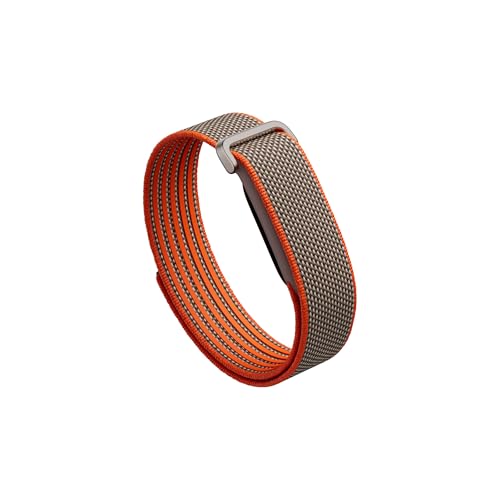
Fitbit Air Special Edition Stephen Curry
What We Like
- Micro-adjustable, lightweight, comfortable fit
- Up to 7 days battery life
- Fast charging gives 1 day in 5 minutes
Trade-offs
- No screen means no glanceable stats
- Requires phone for time and notifications
A 0.1-pound, screenless tracker that fits so lightly you forget it’s there, until the data reminds you why you put it on. The micro-adjustable band (130-210 mm) stays put through sweaty workouts, sleep, and everyday wear, while advanced sensors and new algorithms keep heart rate and sleep tracking accurate around the clock. With up to 7 days of battery and a five-minute charge that buys you a full day, it’s the kind of low-fuss companion that makes consistency feel easy. It strips away the screen clutter and delivers the core health metrics most people actually need, wrapped in a package that doesn’t nag at your wrist or your schedule.
The trade-off is real: no screen means you can’t glance down for your heart rate or step count mid-run. You’ll need your phone for time, notifications, and any quick data check. If you value total focus during workouts and a band that disappears into your day, this screenless approach is a deliberate strength, not a flaw.
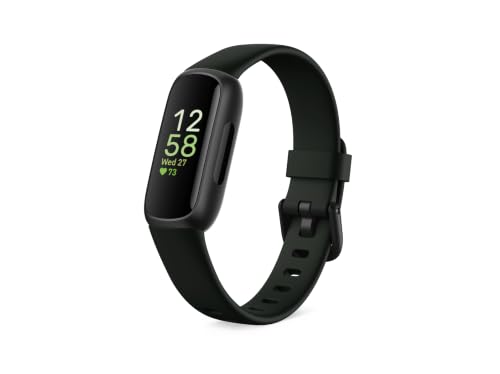
Fitbit Inspire 3
What We Like
- Daily Stress Management Score included
- Relax breathing sessions built in
- Automatic sleep tracking with Sleep Score
Trade-offs
- No built-in GPS for outdoor runs
- Screen smaller than some fitness watches
A daily Stress Management Score that pulls in heart rate, sleep, and activity data means you get a clear snapshot of how your body is handling the day, not just a vague step count. That makes the Inspire 3 a natural fit if you want to keep tabs on stress without obsessing over numbers. It also packs relax breathing sessions, all in a lightweight band that slips under a sleeve without fuss. For someone who wants a gentle nudge toward calmer habits rather than a hardcore training log, this tracker delivers the tools without overwhelming you.
You won’t get built-in GPS for mapping runs or bike rides, so if you leave your phone behind, you lose location tracking. The included small and large bands make it easy to get a comfortable fit, and the three-month Google Health Premium membership helps you explore the deeper metrics right away. It is a focused stress-management companion, not a do-everything sports watch, and that clarity is its strength.
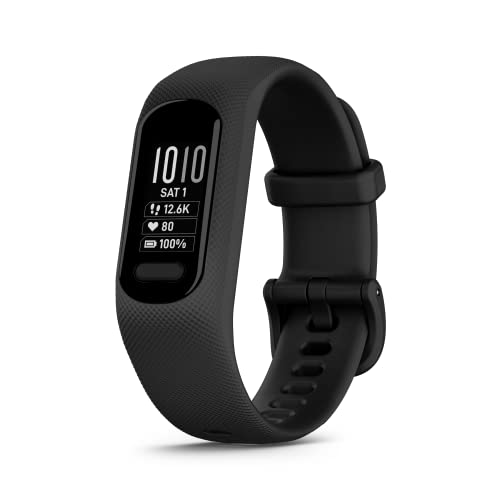
Garmin Vívosmart 5
What We Like
- Respiration, Pulse Ox, Body Battery, stress monitoring
- Sleep quality score with personalized improvement tips
- Up to 7-day battery life
- Swim-proof and shower-safe design
Trade-offs
- Pulse Ox not available in all countries
- Relies on smartphone GPS for outdoor tracking
- Not a medical device for health metrics
A full suite of advanced health sensors, respiration, Pulse Ox, Body Battery energy levels, stress, and heart rate with low/high alerts, gives you a surprisingly detailed picture of your body from a slim wristband. That depth makes it ideal for someone who wants more than step counts and sleep stages. You can see how your body responds to a tough workout or a stressful day, all without charging every other night thanks to the 7-day battery. It’s the kind of data that helps you adjust your routine, not just log it.
Pulse Ox monitoring is not available in all countries, and the Vívosmart 5 relies on your smartphone’s GPS to track outdoor walks, runs, or rides because it lacks built-in GPS. That means you get a bright touchscreen and button interface for checking stats, plus swim-ready build and up to 7 days of battery life, but you’ll need to carry your phone for location-based activities. For someone who wants continuous health tracking and doesn’t mind keeping a phone nearby, this band delivers the essentials without extra bulk.
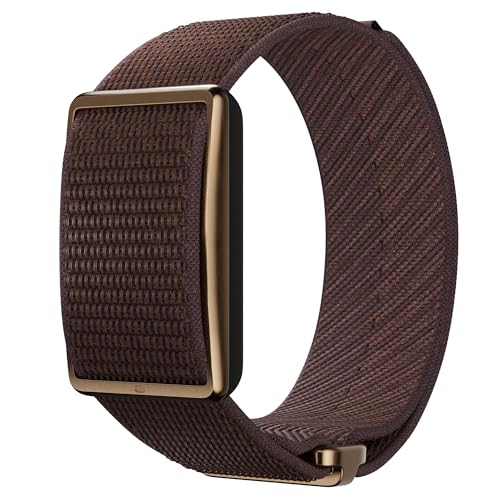
Polar Loop Screenless Wearable
What We Like
- No subscription fees ever
- Ultralight 29g screenless design
- 8-day battery life
- Science-backed sleep monitoring with Nightly Recharge
Trade-offs
- No screen for glanceable stats
- No smart notifications for calls or messages
The Polar Loop drops the screen entirely and packs 24/7 heart rate tracking into a 29-gram band you barely feel. That Precision Prime sensor runs continuously, even while you sleep, and the battery stretches a full eight days between charges. For anyone who wants genuine health data without another glowing rectangle demanding attention, this is the quietest way to get it. You get the full Polar Flow app with sleep insights like Nightly Recharge and SleepWise right out of the box, no monthly fee, no locked features. It is built for the person who wants to track, not tap.
No screen means you cannot glance at your heart rate mid-set or check the time. That is the whole point of a screenless band, but it does mean you will pull out your phone for anything beyond step counts and sleep data. If you want a distraction-free companion that still gives you serious sleep and heart rate science, the Loop delivers. If you need on-wrist feedback during a workout, a screened tracker makes more sense.
BOYACARE Fitness Tracker
What We Like
- Ultra-light 14g design
- 30-day battery life
- IP68 waterproof protection
- 3 included straps for variety
Trade-offs
- Screenless design limits at-a-glance info
- No onboard GPS for phone-free tracking
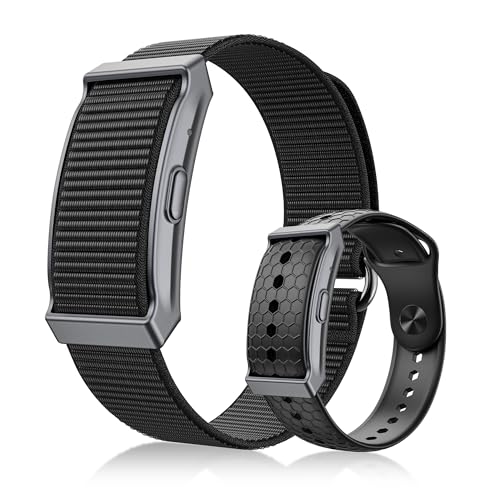
At just 14 grams, this tracker is so light you might forget you’re wearing it, perfect for sleep tracking or all-day comfort without that clunky wrist feel. The 30-day battery means you’re not hunting for a charger every week, and the three included straps let you swap from gym to office without skipping a beat. It’s built for anyone who wants reliable health data without the bulk of a traditional smartwatch.
The trade-off for that featherweight feel is a screenless design, so you’ll need to pull out your phone to see real-time stats mid-workout. If you value long battery life and barely-there wear over on-wrist readouts, this is your match.
Product photos
WHOOP 5.0 Screenless Wearable
What We Like
- 14+ day battery with wrist charging
- Tracks 9 health metrics for aging insights
Trade-offs
- Requires 12-month membership to use device
- No screen means no glanceable stats during workouts
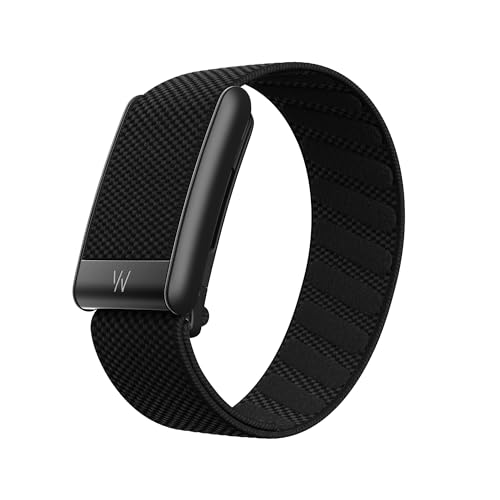
The WHOOP 5.0’s AI Coach analyzes over 140 health and fitness metrics to tell you exactly what to do next, not just how many steps you took. That depth of personalized coaching, paired with 99%+ heart rate and HRV accuracy, makes it the tracker for anyone who wants more than raw data. It’s built for the person who wants a coach, not just a dashboard.
The obvious trade-off is the subscription: the device is included with a 12-month Peak membership, so you’re committing to a service, not just a gadget. And because there’s no screen, you won’t see your heart rate mid-set unless you pull out your phone. Compared to the Polar Loop, which has no subscription and an 8-day battery, the WHOOP offers far deeper analytics and AI guidance but demands an ongoing cost and a phone check for live numbers. If you’re fine with that trade, the coaching depth here is unmatched among screenless trackers.
FITVII Slim Fitness Tracker

What We Like
- 24/7 blood pressure and heart rate tracking
- 89+ watch faces plus custom photo dials
- IP68 waterproof rating
Trade-offs
- Not compatible with PCs or tablets
- Blood pressure readings are wrist-based, not arm-cuff medical grade
Continuous blood pressure monitoring is rare at this price tier. Most fitness trackers skip BP entirely or only offer spot checks, but this one logs it around the clock alongside heart rate, blood oxygen, and sleep stages. That makes it a practical pick if you want to keep an eye on cardiovascular trends without juggling multiple devices. The 1.47-inch color touch screen provides clear visuals, and the IP68 rating means it can handle water exposure without damage.
Wrist-based blood pressure readings aren’t as precise as a medical arm cuff, so this is better for spotting patterns than for clinical diagnosis. The TFT display may not be as bright as some competitors, but the FITVII provides 24-hour heart rate and blood pressure monitoring alongside step count, sleep analysis, and smartphone notifications. Just remember it needs a phone nearby to sync, no standalone tablet or PC support.
Product photos
Domhong Screenless Fitness Tracker
What We Like
- 20-30 day battery life
- IP68 water resistance
- 170+ sports modes
- No subscription required
Trade-offs
- No screen for real-time stats
- Connected GPS requires smartphone
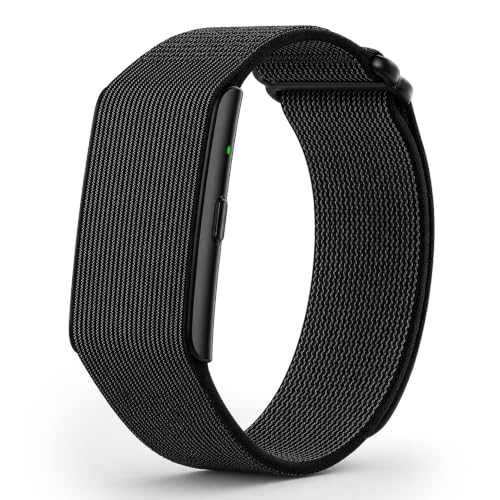
A 20-30 day battery means you can wear this tracker for weeks without hunting for a charger, perfect for anyone who forgets to plug in their gear or wants to focus on movement, not maintenance. It’s a screenless band that tracks heart rate, SpO2, HRV, sleep stages, and stress through the free QwatchPro app, giving you detailed wellness trends without another display vying for your attention. At just 25g with IP68 water resistance, it’s light enough to sleep in and tough enough for sweat, rain, and hand washing, so you can keep it on through your daily routine and overnight recovery.
Skipping the display means you won’t see stats on your wrist mid-run; you’ll need to pull out your phone to check your pace or distance, since the connected GPS works through your smartphone. Compared to the Fitbit Inspire 3, which has a small touchscreen and stress management tools, the Domhong goes screenless for a longer battery life and a higher water resistance rating. That makes it a better fit for swimmers, travelers, or anyone who values endurance over glanceability.
Product photos
AKUMAKA Fitness Tracker
What We Like
- 170+ workout modes for varied routines
- 24/7 heart rate, blood pressure, and stress monitoring
- Ultra-long 20-30 day battery life
- IP68 water resistance for workouts and rain
Trade-offs
- Screenless design means no visual feedback during exercise
- Screenless design requires app check for real-time stats
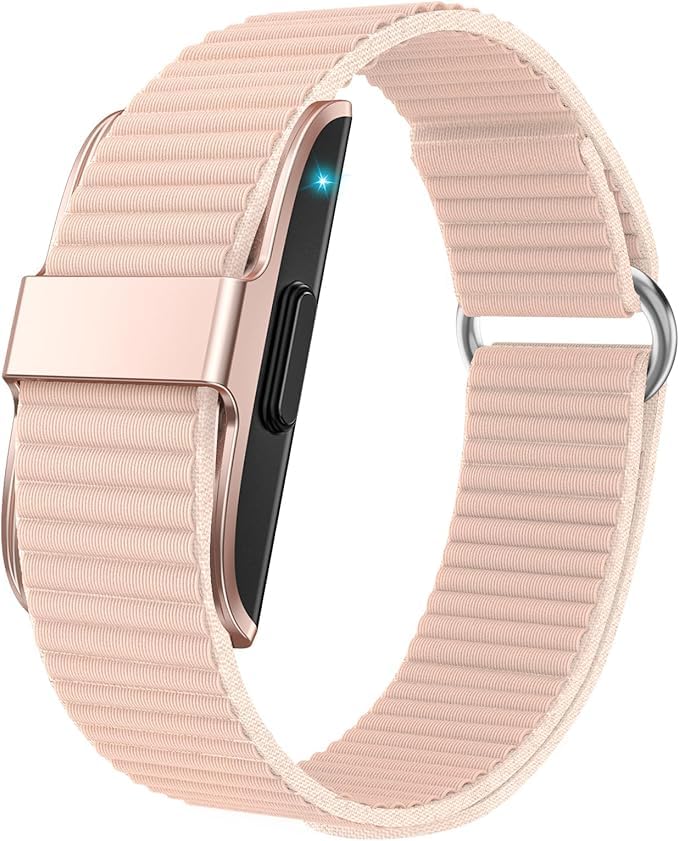
With over 170 workout modes covering everything from gym sessions to yoga and hiking, this tracker is built for people who never want to do the same routine twice. It records steps, distance, and calories burned, and the 24/7 health sensors keep an eye on heart rate, blood oxygen, blood pressure, and stress levels around the clock. That kind of variety and continuous monitoring makes it a natural fit for anyone who likes to mix up their training, whether you’re a beginner testing different classes or a seasoned runner cross-training on rest days. The IP68 water resistance means you don’t have to baby it through a sweaty HIIT session or a sudden rain shower, and the 20-30 day battery life is a genuine relief compared to trackers that need charging every week.
Because this is a screenless band, you won’t see real-time stats on your wrist during a set; you will need to check the app afterward to review your heart rate during intervals. The nylon straps are comfortable and come in two styles, but they may hold moisture longer than silicone bands after heavy sweating. Still, if your priority is a huge library of workout modes and long battery life over on-wrist feedback, this tracker gives you a lot of flexibility without frequent charging.
Product photos
TECH NEST Smart Bracelet
What We Like
- Ultra-light 18g screenless design
- 25-30 day battery life
- IP68 waterproof rating
- Two interchangeable bands included
Trade-offs
- No display for quick glance stats
- Connected GPS requires phone for routes
- Screenless design limits on-wrist feedback
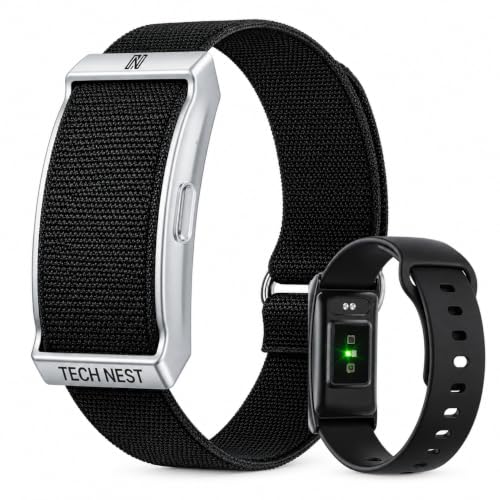
At just 18 grams with a 25-30 day battery, this is the kind of tracker you forget you’re wearing until it buzzes with a notification. The screenless design keeps things distraction-free and lets the band sit flush under a dress shirt or against your wrist during sleep, so it works as a 24/7 health companion without the usual bulk. That minimalist approach means you get continuous heart rate, HRV, stress, and sleep stage tracking without ever glancing at a screen, which suits anyone who wants the data but not another glowing rectangle demanding attention.
You lose the convenience of checking stats at a glance with this screenless band. Since the TECH NEST has no screen, any readout requires opening the companion app. That extra step can feel tedious mid-workout if you like quick feedback. But if your priority is a featherlight, long-lasting band that monitors quietly in the background and only interrupts for important alerts, this minimalist approach delivers exactly what it promises.
Product photos
How We Evaluated HRM Fitness Trackers
We started by looking at the technical specs of each tracker: sensor type, battery capacity, water resistance rating, and weight. Manufacturer documentation told us what each device was designed to do, and expert round-ups helped us understand real-world performance gaps between screenless bands and traditional fitness trackers.
Three criteria mattered most. Comfort and fit came first because a tracker you do not wear is useless. Battery life came second since nightly charging defeats the purpose of sleep tracking. Finally, we weighed the value of extra features like stress scores, blood pressure monitoring, and workout modes against the trade-offs they bring, such as subscription fees or screenless operation.
An honest evaluation has limits. The recommendations rely on what experts and owners consistently report.
What To Look For In HRM Fitness Trackers
Choosing the right HRM fitness tracker means matching your training habits to the device that supports them best.
Focus on comfort, battery life, and whether you need a screen or not. A tracker you wear every day beats one with flashy features you ignore.
Comfort And Fit
The best HRM trackers are the ones you forget you are wearing. Weight matters: screenless bands like the BOYACARE at 14g or the TECH NEST at 18g disappear on your wrist, while models with displays add grams that can feel bulky during sleep or strength training. Adjustable bands with multiple sizing points, like the micro-adjustable Fitbit Air Special Edition, help you get a snug fit for accurate optical heart rate readings.
Battery Life And Charging
Battery life determines how consistently you track. Screenless trackers often last 20 to 30 days, while models with displays like the Fitbit Inspire 3 last about a week. Fast charging is a practical bonus: the Fitbit Air Special Edition gives a full day of tracking from just five minutes of charging, which matters when you forget to plug in overnight.
- Check if the battery life listed is with or without continuous heart rate monitoring
- Look for fast charging if you travel or forget to charge regularly
- Consider whether you want to charge weekly or monthly
A tracker with 7-day battery life that charges in minutes is more usable than one with 30-day life that takes hours to fill.
Screen Vs. Screenless Design
This is the biggest fork in the road. Screenless trackers like the Polar Loop and WHOOP 5.0 are lighter, cheaper, and last longer on a charge, but you need your phone to see stats. Trackers with screens let you glance at heart rate, time, and notifications during workouts. For runners who want real-time pace or distance, a screenless design paired with connected GPS can feel limiting. For workout wearables that balance both, look for models that offer glanceable stats without sacrificing battery.
HRM Fitness Trackers Compared
The table below compares all 10 HRM fitness trackers across key specs so you can see the trade-offs at a glance.
| Product | Battery Life | Water Resistance | Weight |
|---|---|---|---|
| Fitbit Air Special Edition Stephen Curry | Up to 7 days | N/A | 0.1 pounds |
| Fitbit Inspire 3 | N/A | N/A | 0.2 pounds |
| Garmin Vívosmart 5 | Up to 7 days | Safe for swimming and showering | 0.1 pounds |
| Polar Loop Screenless Wearable | Up to 8 days | N/A | 0.1 pounds |
| BOYACARE Fitness Tracker | 30-Day | IP68 | 14g |
| WHOOP 5.0 Screenless Wearable | 14+ days | IP68 | 0.2 pounds |
| FITVII Slim Fitness Tracker | N/A | IP68 | N/A |
| Domhong Screenless Fitness Tracker | 20-30 days | IP68 | 25g |
| AKUMAKA Fitness Tracker | 20-30 days | IP68 | N/A |
| TECH NEST Smart Bracelet | 25-30 days | IP68 | 18g |
Frequently Asked Questions
What is the most accurate type of heart rate monitor for fitness tracking?
Chest strap monitors are generally more accurate than wrist-based optical sensors because they measure electrical signals directly from the heart. However, modern wrist trackers have improved significantly and are accurate enough for most daily training and zone-based workouts. The choice between a chest strap and wrist monitor depends on whether you need lab-grade precision for interval training or convenience for all-day wear.
Do I need a screen on my fitness tracker?
Only if you want to check stats, time, or notifications at a glance during your workout. Screenless trackers are lighter, last longer on battery, and cost less, but require pulling out your phone to see data. If you do not mind checking your phone between sets or runs, a screenless band like the Polar Loop works great.
How long should a fitness tracker battery last?
For daily wear with sleep tracking, aim for at least 7 days so you do not have to charge mid-week. Screenless models often last 20 to 30 days, which is ideal for travelers or minimalists. If you train with GPS or a bright display, expect shorter battery life and more frequent charging.
Can a fitness tracker measure blood pressure accurately?
Wrist-based blood pressure trackers like the FITVII Slim provide continuous trend data but are not medical-grade devices. They can help you spot changes over time, but you should not rely on them for clinical decisions. For accurate readings, use a standard arm-cuff monitor as recommended by your doctor.
What is the difference between connected GPS and built-in GPS?
Connected GPS uses your phone’s GPS to track routes and distance, while built-in GPS does this from your wrist without a phone. Trackers with connected GPS are lighter and cheaper but require carrying your phone during outdoor runs. Built-in GPS adds weight and cost but is more convenient for runners who want phone-free tracking.
The Bottom Line
For most people, the Fitbit Air Special Edition Stephen Curry is the best overall HRM fitness tracker. It nails the fundamentals: comfortable fit, reliable heart rate tracking, and battery life that lasts a full week with fast charging when you need it. It is ideal for anyone who wants accurate data without the distraction of a screen.
If you want deeper health insights, the Garmin Vívosmart 5 adds respiration, Pulse Ox, and Body Battery metrics in a swim-proof design. For budget-conscious minimalists, the Polar Loop gives you science-backed sleep and heart rate tracking with zero subscription fees and an 8-day battery.
The single most important factor in choosing an HRM fitness tracker is honesty about your habits. A screenless band with great battery is useless if you want to check your heart rate mid-set, and a feature-packed display is wasted if you forget to charge it. Pick the one you will actually wear every day.
