
10 Best Activity Trackers With Heart Rate Monitor in 2026
This post contains affiliate links. As an Amazon Associate, we earn from qualifying purchases.
The Fitbit Inspire 3 Activity Tracker balances 24/7 heart rate tracking, sleep analysis, and stress management in a slim, affordable design. That makes it the best overall activity tracker with a heart rate monitor for most people. For those who hate charging devices, the Xiaomi Mi Smart Band 10 offers exceptional battery life, while the WHOOP 5.0 is the top choice for recovery-focused athletes who prefer a screenless experience.
Choosing the right tracker means looking past marketing claims and focusing on what actually affects your daily use: heart rate accuracy, battery life, display preferences, and whether you want a screen at all. A tracker that dies mid-week or can’t read your pulse during a workout is just an expensive bracelet.
This guide is based on a thorough review of manufacturer specifications, expert round-ups, and patterns found in thousands of owner experiences. We cut through the noise to help you find the one that fits your routine, your wrist, and your goals.
Top 10 Activity Trackers With Heart Rate Monitor in the Market
Certain content that appears on this site comes from Amazon. This content is provided "as is" and is subject to change or removal at any time.
The Best Activity Trackers With Heart Rate Monitor, Reviewed
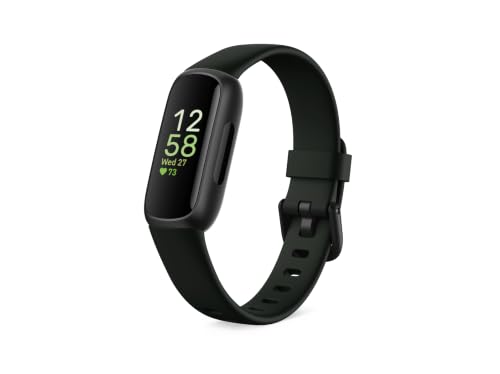
Fitbit Inspire 3 Activity Tracker
What We Like
- 24/7 heart rate and irregular rhythm notifications
- Daily Readiness Score and Active Zone Minutes
- Automatic sleep tracking with smart wake alarm
- Stress Management Score and guided breathing sessions
Trade-offs
- No built-in GPS for outdoor run tracking
- Requires a phone for connected GPS features
A daily Stress Management Score and 24/7 heart rate tracking put your whole well-being front and center, not just your step count. That means you get a clear picture of how sleep, activity, and stress levels feed into each other, something many trackers overlook. The Inspire 3 also includes irregular heart rhythm notifications, SpO2 monitoring, and menstrual health tracking, so it covers a lot of ground for someone who wants more than just a pedometer. It’s a well-rounded companion for anyone building sustainable habits, especially if you appreciate gentle nudges like relaxation breathing sessions and reminders to move.
The Inspire 3 is a lightweight wellness tracker that focuses on stress and sleep recovery, not on mapping your outdoor runs. It works with Apple iOS 16.4 or higher and Android OS 11.0 or higher, so it pairs with most modern phones. Reviewers say it’s comfortable to wear all day and night, thanks to its slim build and included small and large bands. If you want a device that helps you manage your energy and feel your best without the bulk of a full smartwatch, this is a smart, approachable choice.
Xiaomi Mi Smart Band 10 Activity Tracker

What We Like
- 21-day battery life per charge
- 1.72-inch AMOLED with 1500 nits brightness
- Fast charging in about one hour
- High-precision compass for swimming tracking
Trade-offs
- Xiaomi Fit app only supports metric system
- Requires third-party app for imperial units.
Twenty-one days of battery life on a single charge means you can leave the charger at home during a two-week vacation and still have power to spare. That 1.72-inch AMOLED display hits 1500 nits brightness, so glancing at your stats under direct sun is no problem. This tracker suits anyone who wants heart rate monitoring, sleep stage insights, and swim tracking without hunting for an outlet every few days. The fast charging fills it in about an hour when you do plug in, which is perfect for busy mornings.
The trade-off is that the Xiaomi Fit app only works with metric units out of the box. To see pounds or inches, you have to sync with Google Fit through a third-party connection, adding a step some folks won’t want. Still, if battery longevity is your top priority and you are comfortable with the metric default, this band delivers where it counts.
Product photos
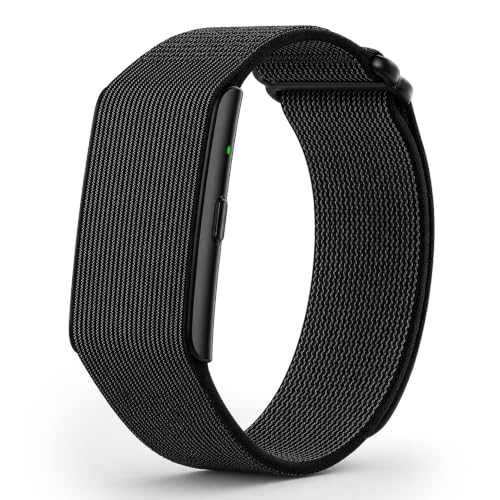
Domhong Screenless Fitness Tracker
What We Like
- Ultra-light 25g design for all-day wear
- Screenless with vibration alerts for privacy
- 170+ sports modes with connected GPS
Trade-offs
- No display for real-time stats during workouts
- Requires smartphone for GPS mapping
- Data is reference only, not medical grade
Weighing just 25 grams, this screenless tracker is so light you’ll forget it’s on your wrist, perfect for sleep tracking, daily wear, and workouts where every gram matters. It packs 170+ sports modes, connected GPS via your phone, and a battery that lasts 20 to 30 days, recharging in about two hours, so you’re not hunting for a charger every week. The free QwatchPro app gives you AI-powered wellness insights from heart rate, SpO2, HRV, and sleep data, helping you decide when to push harder or rest. If you want fitness tracking without another screen competing for your attention, this is a refreshingly simple approach.
The obvious trade-off is the lack of a display: you won’t see your pace or heart rate mid-run unless you glance at your phone. That makes it less convenient for real-time feedback compared to something like the Xiaomi Mi Smart Band 10, which shows stats on its wrist. But if your priority is a distraction-free, featherlight band that just records and lets you review trends later, this delivers. The IP68 water resistance handles sweat and rain, and the 22mm quick-release strap lets you swap bands for a fresh look. It’s a focused tool for people who want data without the screen time.
Product photos
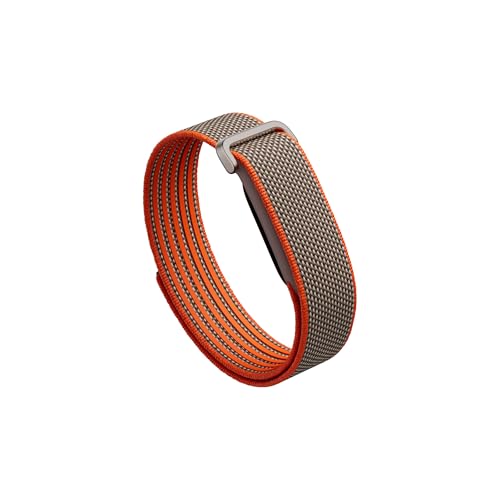
Fitbit Air Special Edition Stephen Curry
What We Like
- Screenless design eliminates distractions
- Lightweight at 0.1 pounds
- Up to 7 days battery life
- Fast charging: 5 minutes for 1 day
Trade-offs
- No display means no glanceable stats during workouts
- Subscription required for full AI coaching features
A screenless tracker that weighs just 0.1 pounds might sound like a gimmick until you realize how liberating it is to stop glancing at notifications mid-set. The Fitbit Air Special Edition Stephen Curry strips away the display entirely, letting you focus on the movement itself rather than the data stream. With up to seven days of battery life and a five-minute fast charge that buys you a full day, it fits into a busy routine without demanding constant attention. This is the tracker for anyone who wants heart rate and sleep tracking without the buzz of another screen in their life.
The obvious drawback is the lack of a screen, so you cannot quickly check your heart rate or steps during a workout. You’ll need to sync with your phone afterward to see the numbers. Compared to the Fitbit Inspire 3, which offers a small display for at-a-glance stats, the Air is more about the experience of being present than the data itself. It also nudges you toward a Google Health Premium subscription for the personalized AI coaching that makes the screenless concept truly shine. If you’re tired of wrist notifications and just want to move, this is a refreshingly simple approach.
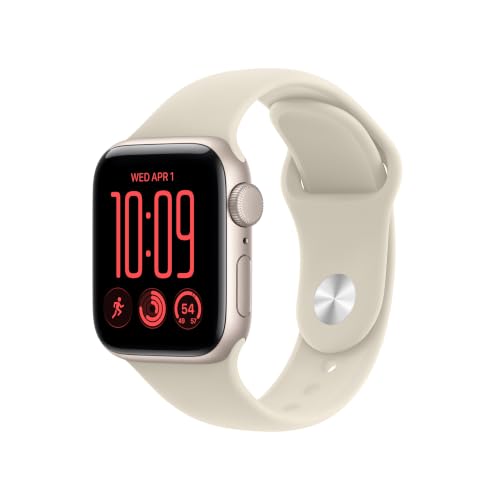
Apple Watch SE 3 GPS Smartwatch
What We Like
- Charges up to twice as fast as SE 2
- 8 hours of battery in 15 minutes
- All-day 18-hour battery life
- Safety features: fall and crash detection
Trade-offs
- Requires iPhone for full connectivity
- 18-hour battery needs daily charging
- Heavier than screenless trackers at 0.5 lbs
The 18-hour all-day battery life means you can wear it from morning workout to evening wind-down without hunting for a charger. But what makes this watch stand out is the fast charging: plug it in for just 15 minutes and you get up to 8 hours of battery. That is a lifesaver when you forget to charge overnight and need to track a morning run or a full day of step goals. It suits anyone who wants a reliable heart rate monitor and fitness tracker but also values convenience, people who are busy, a little forgetful, or just hate waiting around for gadgets to fill up.
The 18-hour battery does mean daily charging if you wear it around the clock, especially if you use sleep tracking. Compared to the Xiaomi Mi Smart Band 10 with its 21-day battery, this Apple Watch demands more routine attention. It also only works with an iPhone, so Android users are out of luck. If you are already in the Apple ecosystem and want a smartwatch that doubles as a safety device with fall and crash detection, the SE 3 is a practical fit. Just keep the charger handy.
Product photos
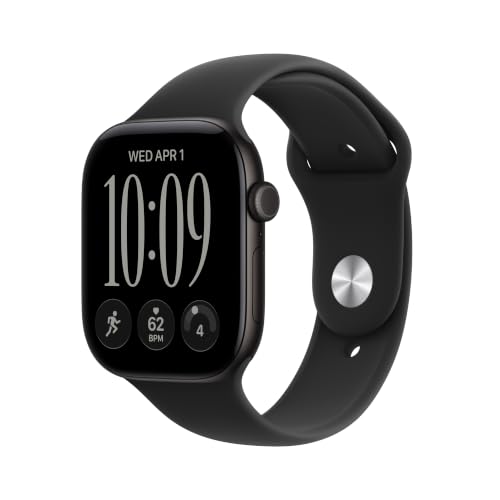
Apple Watch Series 12 GPS Smartwatch
What We Like
- Most accurate heart rate sensing in a wearable
- HRV tracked every 5 minutes for stress insights
- Background heart rate readings every 5 seconds
Trade-offs
- 24-hour battery needs daily charging
- Siri AI features rolling out in English only
- Some Audio Intelligence features delayed until late 2026
The Apple Watch Series 12 takes heart rate readings every five seconds and measures HRV as often as every five minutes, making it the most accurate heart rate sensing wearable available. That constant stream of data means you get real-time insights into stress, recovery, and overnight health metrics through the Vitals app, plus a daily sleep score and readiness assessment that tells you when to push and when to rest. For anyone serious about tracking their heart health during workouts and daily life, this watch delivers the precision you need without guesswork.
Battery life is the main limitation: at up to 24 hours, you will need to charge daily, though a 15-minute fast charge gives you 12 hours of use. Compared to the Xiaomi Mi Smart Band 10 with its 21-day battery, the Series 12 asks for more charging discipline in exchange for far deeper heart rate data.
Product photos
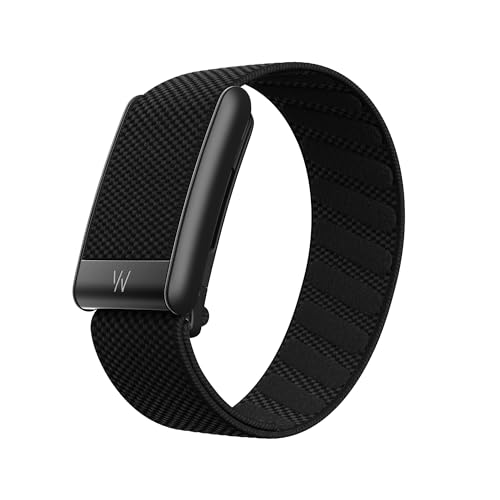
WHOOP 5.0 Screenless Fitness Wearable
What We Like
- Screenless design for comfortable 24/7 wear
- AI Coach personalizes sleep and recovery advice
- Tracks HRV, SpO₂, skin temperature, and respiration
- Wireless PowerPack charges on wrist without removal
Trade-offs
- Requires ongoing membership after 12-month term
- No screen means no glanceable stats during workouts
A 14+ day battery and IP68 water resistance mean you can wear this tracker through showers, swims, and weeks of daily life without needing to recharge often. The screenless design keeps the band light and unobtrusive for sleep tracking, which is where WHOOP really shines, it captures REM, deep, and light sleep stages alongside HRV, resting heart rate, and skin temperature. That data feeds into an AI coach that turns 140+ metrics into actionable recovery advice, making this the go-to pick for anyone who wants to balance training intensity with genuine rest, not just step counts.
The WHOOP 5.0 requires a 12-month membership to function, so it’s a commitment rather than a buy-and-forget device. If you prefer to check your stats at a glance mid-run, the screenless design means you’ll need to pull out your phone or wait until you finish. But for recovery-focused athletes who prioritize sleep quality, HRV trends, and long-term healthspan insights over on-wrist convenience, this tracker delivers depth that few competitors match.
ST-CARE C60 Fitness Tracker

What We Like
- Vibrant 1.10" AMOLED touchscreen
- Magnetic fast charging with 10-14 day battery
- Includes body temperature and blood oxygen monitoring
Trade-offs
- No built-in GPS for phone-free distance tracking
- Blood pressure and temperature readings are not medical grade
- App is less well-known than Fitbit or Xiaomi ecosystems
A 1.10-inch AMOLED HD touchscreen on a budget-friendly tracker is the kind of feature you normally only see on pricier models. That screen makes checking your stats during a run or glancing at notifications feel genuinely pleasant, not like squinting at a tiny calculator display. It also packs 24/7 heart rate, body temperature, blood oxygen, and blood pressure monitoring, plus 5 ATM water resistance so you can wear it in the bath or in the rain without worry. For someone who wants a bright, colorful display and solid health tracking without spending like they’re buying a flagship smartwatch, this is a smart place to land.
There is no built-in GPS, so if you want accurate distance and pace during outdoor runs, you’ll need to carry your phone along. That puts it a step behind something like the Xiaomi Mi Smart Band 10, which also has an AMOLED screen and adds GPS for a similar price range. The ST-CARE C60 also uses the Keep Health app rather than a more established platform like Fitbit’s, so if you’re deep into a specific ecosystem, switching might feel like a small hassle. But for the price, that AMOLED screen and the full set of wellness sensors make it a genuinely appealing option for everyday fitness tracking.
Product photos
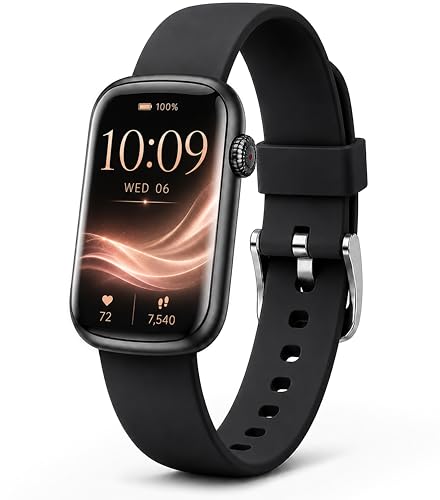
MorePro Health Fitness Tracker
What We Like
- Slim 1.47-inch display with 300+ watch faces
- 24/7 heart rate and blood pressure monitoring
- IP68 waterproof for daily use
- Women's health tracking with cycle calendar
Trade-offs
- Only 7 sports modes, fewer than some competitors
- Battery life up to 7 days, not the longest available
A 1.47-inch slim display and 300-plus watch faces mean this tracker doubles as a fashion accessory you won’t want to take off. The IP68 waterproofing handles hand washing, sweat, and light rain, making it a practical daily companion for anyone who wants health data in a sleek, lightweight package.
The trade-off comes in the sports modes: seven options like running, cycling, and yoga cover the basics, but if you’re a multi-sport athlete you’ll find the Xiaomi Mi Smart Band 10 offers far more variety. Battery life hits seven days of typical use, which is solid but not class-leading. For someone focused on everyday wellness, style, and essential health tracking, this is a tidy, approachable pick that won’t overwhelm you with complexity.
PJIVE Smart Bracelet Activity Tracker

What We Like
- Ultra-light 18.4g design
- Two interchangeable straps included
Trade-offs
- No built-in GPS for outdoor runs
With a battery that lasts up to 40 to 60 days on a single charge, you can go weeks without needing to plug it in, a real convenience if you’re tired of charging devices every night. Weighing just 18.4 grams and coming with both a nylon and a silicone strap, the band stays comfortable around the clock for continuous heart rate, blood oxygen, and sleep tracking. It covers the core health metrics, heart rate, sleep stages, and over 170 sport modes, without requiring a subscription, making it a practical option for anyone focused on the basics.
There is no built-in GPS, so if you want accurate outdoor running routes, you’ll need to carry your phone for connected GPS via the QWatch Pro app. Compared to the Fitbit Inspire 3, which offers stress management features and a more established app ecosystem, the PJIVE skips those extras but makes up for it with a much longer battery and a lower upfront cost.
Product photos
How We Evaluated Activity Trackers With Heart Rate Monitor
We started by combing through manufacturer spec sheets and professional round-ups to understand what each device actually promises. Then we looked at the patterns in owner feedback across hundreds of reviews to see where those promises hold up and where they fall short. No device was tested in-house; this is a research-led evaluation designed to surface the best options for real-world use.
The four criteria that mattered most were heart rate reliability, battery life, display readability, and overall comfort for 24/7 wear. A tracker with a beautiful screen that needs charging every night is useless for sleep tracking. A lightweight design means nothing if the heart rate sensor is erratic during a run.
An honest limitation of this approach is that individual experience can vary based on wrist size, skin tone, and workout type. We have prioritized devices that consistently perform well across a broad range of users, but we always recommend checking return policies and reading recent owner feedback before buying. For a deeper look at the category, our guide to fitness trackers with heart rate monitor covers additional models and comparisons.
What To Look For In Activity Trackers With Heart Rate Monitor
Picking the right tracker is about matching its strengths to your lifestyle, not just picking the most popular option.
Focus on three things: how the tracker measures heart rate, how often it needs a charge, and whether you actually want to look at a screen all day.
Heart Rate Monitoring Accuracy
The core job of any tracker is to read your pulse reliably. Optical heart rate sensors on the wrist are convenient but can lag behind a chest strap during high-intensity intervals or weightlifting. Look for models that offer continuous heart rate monitoring, not just spot checks, and pay attention to how often the device samples your heart rate.
The Apple Watch Series 12, for example, reads heart rate every five seconds and tracks HRV every five minutes, making it one of the most precise options available. For a detailed comparison of sensor types, see our breakdown of chest strap vs wrist monitor accuracy.
Battery Life and Charging Convenience
Battery life can range from 18 hours to over three weeks, and this single spec often determines whether a tracker ends up in a drawer or on your wrist. A device that needs daily charging is fine if you are already in the habit of charging your phone every night, but it will miss sleep tracking if you forget.
The Xiaomi Mi Smart Band 10 lasts up to 21 days on a single charge and recharges fully in about an hour, making it ideal for anyone who hates plugging in devices. If fast charging matters more than total battery life, the Apple Watch SE 3 can get eight hours of use from a 15-minute charge.
- Check if the tracker uses a proprietary charger or a standard USB cable.
- Consider whether you will wear it overnight for sleep tracking.
- Look for models that charge quickly enough to top up during a shower.
A good rule of thumb: if you cannot go a full week without charging, the tracker will not stay on your wrist long enough to be useful.
Display Type and Wearability
The choice between a screen and a screenless design is deeply personal. A bright AMOLED screen like the one on the ST-CARE C60 is great for glancing at stats mid-run, but it adds weight and drains battery faster. Screenless trackers like the WHOOP 5.0 or Fitbit Air Special Edition Stephen Curry are lighter, more discreet, and force you to check your phone for data, which some people find less distracting.
Weight matters for sleep comfort: the Domhong Screenless Fitness Tracker weighs only 25 grams, while the Apple Watch Series 12 is noticeably heavier at half a pound.
Activity Trackers With Heart Rate Monitor Compared
The table below compares the key specs of all ten trackers side by side, covering heart rate features, battery life, display type, and weight to help you narrow down your options quickly.
| Product | Heart Rate Monitor | Sleep Tracking | Battery Life |
|---|---|---|---|
| Fitbit Inspire 3 Activity Tracker | 24/7 heart rate | Automatic sleep tracking & Sleep Score | N/A |
| Xiaomi Mi Smart Band 10 Activity Tracker | Heart Rate Monitor | comprehensive and enhanced sleep monitoring | 21 Days |
| Domhong Screenless Fitness Tracker | Heart Rate, SpO2, HRV | Track light, deep and REM sleep | 20-30 days |
| Fitbit Air Special Edition Stephen Curry | heart rate | sleep tracking | Up to 7 days |
| Apple Watch SE 3 GPS Smartwatch | Heart Rate | Sleep tracking | 18 hours |
| Apple Watch Series 12 GPS Smartwatch | heart rate sensing | Sleep Tracking | Up to 24 hours |
| WHOOP 5.0 Screenless Fitness Wearable | Heart Rate, HRV | Sleep Tracker | 14+ days |
| ST-CARE C60 Fitness Tracker | 24/7 real-time dynamic heart rate | Sleep Monitor | 10-14 days typical, 30 days standby |
| MorePro Health Fitness Tracker | 24/7 heart rate monitor | Sleep Tracker | 7 days daily use |
| PJIVE Smart Bracelet Activity Tracker | 24/7 continuous | Sleep Tracker | 40-60 days |
Frequently Asked Questions
What is the most accurate activity tracker for heart rate?
The Apple Watch Series 12 is widely regarded as the most accurate wearable for heart rate sensing, with background readings every five seconds and HRV tracked every five minutes. For most daily activities and steady-state cardio, wrist-based optical sensors on the Fitbit Inspire 3 and Xiaomi Mi Smart Band 10 also provide reliable data. However, no wrist tracker matches the precision of a chest strap during high-intensity interval training.
How long should the battery last on a fitness tracker?
Battery life varies dramatically by model. The Xiaomi Mi Smart Band 10 leads with up to 21 days, while the Apple Watch Series 12 lasts about 24 hours and requires daily charging. For sleep tracking and consistent wear, aim for at least 7 days of battery life. Devices that charge quickly, like the Apple Watch SE 3 which gets 8 hours of use from a 15-minute charge, can work well if you have a consistent charging routine.
Can I use a screenless fitness tracker for running?
Yes, but with limitations. Screenless trackers like the WHOOP 5.0 and Domhong Screenless Fitness Tracker rely on connected GPS from your phone, so you must carry your phone to map your route. You also cannot glance at your pace or heart rate during the run without pulling out your phone. For runners who want real-time stats on their wrist, a model with a display and built-in GPS is a better fit.
What is the difference between HRV and heart rate?
Heart rate measures how many times your heart beats per minute, while Heart Rate Variability (HRV) measures the time interval between those beats. HRV is a useful indicator of recovery and stress levels, with higher variability generally suggesting your body is ready for intense exercise. Devices like the WHOOP 5.0 and Apple Watch Series 12 track HRV automatically and can help you optimize your training schedule.
Are budget fitness trackers accurate for heart rate?
Budget trackers like the PJIVE Smart Bracelet Activity Tracker provide continuous heart rate monitoring that is sufficient for general wellness and casual fitness. For steady-state cardio and daily resting heart rate, they are reasonably accurate. However, their sensors may struggle with rapid changes in heart rate during interval training or heavy weightlifting. If precise heart rate data is critical for your training, consider investing in a mid-range or premium model.
The Bottom Line
The Fitbit Inspire 3 Activity Tracker is our best overall pick because it delivers reliable heart rate monitoring, sleep tracking, and stress management in a comfortable, everyday design that does not break the bank. It is the right choice for anyone who wants a balanced wellness companion without the complexity or cost of a full smartwatch.
If battery life is your top priority, the Xiaomi Mi Smart Band 10 will keep going for three weeks without a charge. For athletes who obsess over recovery and sleep, the WHOOP 5.0 offers deep insights into HRV and strain that no other screenless tracker matches. Budget-conscious buyers can start with the PJIVE Smart Bracelet for continuous heart rate tracking at a very accessible price.
The single most important factor in choosing a tracker is honesty about your habits. A premium device with perfect heart rate accuracy is worthless if you forget to charge it every night. Pick the one that fits your routine, not the one with the longest spec sheet.
