
10 Best Workout Protein in 2026
This post contains affiliate links. As an Amazon Associate, we earn from qualifying purchases.
The best workout protein for most people is Optimum Nutrition Gold Standard Whey Protein, thanks to its 24 grams of whey isolate and concentrate blend, naturally occurring BCAAs, and instantized formula that mixes without clumps. For faster absorption, the Dymatize ISO100 Whey Isolate Protein delivers 25 grams of protein with just one gram of sugar. Those seeking a grass-fed, no-junk option will appreciate Transparent Labs Whey Protein Isolate.
Finding the right protein powder means sorting through dozens of choices while balancing protein content, ingredient quality, and how the powder fits your specific routine. Whether you need a fast-digesting shake after a session or a slow-release option for hunger control, the details matter.
We built this guide by reviewing specifications, manufacturer documentation, and patterns in owner feedback across the most popular categories. Our goal is to help you match the right protein to your goals without the hype.
Top 10 Workout Proteins in the Market
Certain content that appears on this site comes from Amazon. This content is provided "as is" and is subject to change or removal at any time.
The Best Workout Proteins, Reviewed
Optimum Nutrition Gold Standard Whey Protein
What We Like
- 24 g protein from whey isolate and concentrate
- 5.5 g naturally occurring BCAAs for recovery
- Instantized formula mixes without clumps
- Banned-substance tested for safety
Trade-offs
- 5 lb container is heavy for gym bags
- Contains whey concentrate, not suitable for strict lactose avoidance
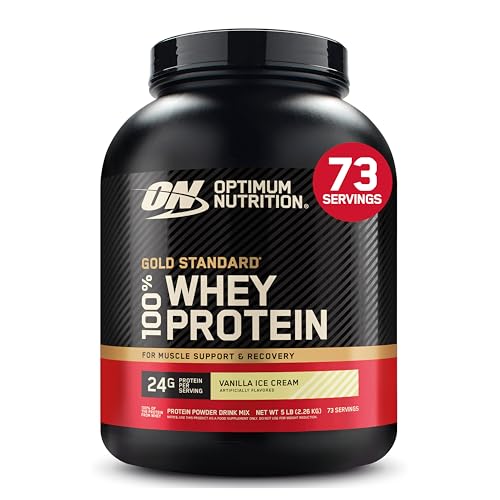
Twenty-four grams of protein per scoop from a blend of whey isolate and concentrate means you get a fast-digesting, muscle-supporting shake that works whether you are rushing out the door after a lift or just need a midday protein top-up. The 5.5 grams of naturally occurring BCAAs help recovery along. The instantized formula actually dissolves with a quick shake, no clumpy surprises. This is the protein for someone who wants a reliable, everyday option that balances performance and convenience without overcomplicating things.
This 5-pound tub is heavy for gym bags, so it’s not the most portable choice if you train on the go. The whey isolate-concentrate blend gives you a mix of fast and slow-release protein, which works well for everyday muscle support and recovery. For steady, no-fuss protein that fits into a regular training routine, this one earns its place as the go-to.
Dymatize ISO100 Whey Isolate Protein

What We Like
- 25g protein with only 1g sugar
- Gluten-free and low in lactose
- Fruity Pebbles flavor adds fun variety
Trade-offs
- Only 20 servings per container
- Not suitable for those avoiding artificial sweeteners
With 25 grams of protein per serving and less than 120 calories, this whey isolate is filtered to remove excess lactose, carbs, fat, and sugar, so you get protein without the extras. The protein is broken down into small peptides, which facilitates faster digestion and absorption compared to standard whey. That makes it a practical option for anyone who wants a clean protein source that digests quickly.
The trade-off is portion count: a 1.3-pound tub gives 20 servings, so it runs out faster than larger tubs like Optimum Nutrition Gold Standard’s 5-pound bag. If you want a protein powder that digests quickly and has minimal carbs and fat, this isolate delivers. But for everyday sipping or bulking on a budget, the bigger tubs stretch further.
Transparent Labs Whey Protein Isolate

What We Like
- 28g protein per serving, minimal sugar or fat
- Grass-fed, hormone-free, naturally flavored
- Contains all nine essential amino acids
- Designed for easy digestion with no bloating
Trade-offs
- Only 30 servings per container, smaller than some options
- No added digestive enzymes for sensitive stomachs
Each serving delivers 28 grams of protein from 100% grass-fed whey isolate, so you get a dense, clean dose of muscle-building fuel without the fillers or artificial junk. That high protein-by-weight ratio supports recovery and muscle growth while keeping sugar and fat to a minimum, which is exactly what you want when you are dialing in your nutrition. This is a great fit for anyone who prioritizes ingredient transparency and wants a protein that feels light on the stomach after a shake.
The trade-off here is portion size: with 30 servings per tub, you will go through it faster than bigger-value options like Optimum Nutrition Gold Standard Whey Protein, which packs 5 pounds. That makes this more of a premium pick for those who value grass-fed sourcing and natural flavoring over bulk quantity. If you are okay with a smaller container for a cleaner ingredient list, this delivers exactly what it promises.
Product photos
Premier Protein 30g Whey Protein Powder
What We Like
- 30g protein with only 1g sugar
- 100% whey protein source
- Soy and gluten free
- Versatile for baking and blending
Trade-offs
- Only 17 servings per tub
- Contains only 1 gram of sugar per serving
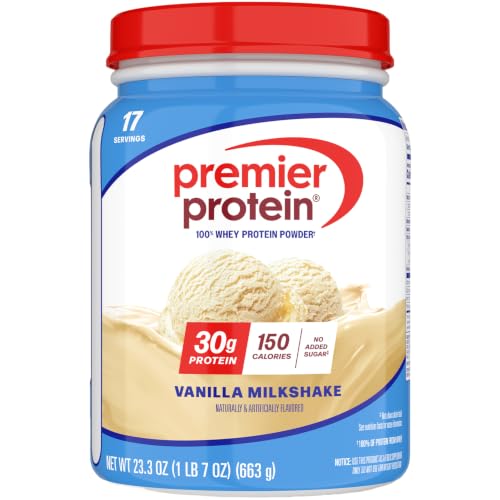
Thirty grams of protein per serving with just one gram of sugar and three grams of carbs, that is the kind of math that makes post-workout recovery feel guilt-free. Premier Protein keeps it simple: whey protein, no soy ingredients, no gluten, and a vanilla taste that mixes smooth with water or disappears into pancakes and muffins. If your goal is to pack in protein without loading up on extras you did not ask for, this tub delivers exactly that, serving after serving.
With only 17 servings per tub, this protein powder is better suited for sampling than for daily use. If you drink a shake every morning, you will be reordering in just over two weeks, whereas a five-pound container from another brand could last a month or more. The smaller size does let you test the flavor and mixability without a big commitment, but steady users will want a larger tub to cut down on reorder frequency.
Levels Nutrition Whey Protein Powder
What We Like
- No artificial flavors or sweeteners
- Grass-fed hormone-free dairy
- Made in the USA, undenatured
- No added sugar or fillers
Trade-offs
- Uses whey concentrate, not isolate (less protein per scoop)
- Not suitable for those needing whey isolate for faster absorption
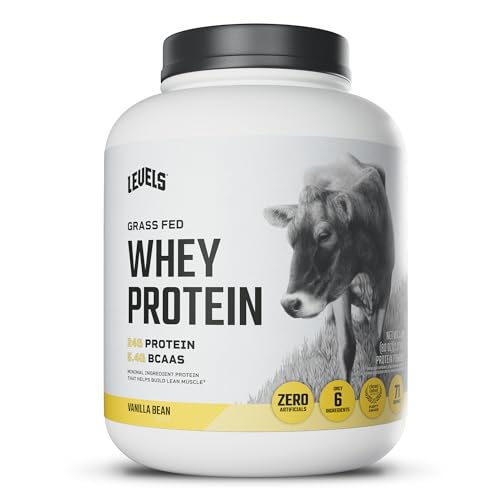
A 24g protein scoop with no added sugar, no artificial anything, and a sweetener list that stops at monk fruit extract, that is the whole point of Levels Whey. For anyone who has flipped over a tub and found a chemistry essay instead of ingredients, this is the clean-slate option. It uses grass-fed, hormone-free dairy, cold-process microfiltered to keep the whey’s natural structure intact, and skips the fillers and bleaches that sneak into many big-name powders. If your priority is knowing exactly what goes into your shake, this one makes that easy.
Levels uses whey concentrate rather than isolate, so you get slightly less protein per scoop than a pure isolate like Dymatize ISO100. That matters most if you are counting every gram for post-workout precision or trying to keep calories very low. But for everyday use, mixing into a shaker after a gym session or blending into a smoothie, the difference is minor, and the ingredient list stays refreshingly short. It is a straightforward, no-nonsense protein that lets the vanilla bean and monk fruit do the talking.
Product photos
Isopure Zero Carb Whey Isolate Protein

What We Like
- Zero carbs for strict keto diets
- Ultra-filtered removes fat and sugars
- Added vitamins for immune support
- Unflavored blends into anything
Trade-offs
- Only 1 lb size means fewer servings
- No BCAAs listed for muscle recovery support
Zero carbohydrates per serving is the headline here, and for anyone tracking every gram of carbs, that’s a rare find. Isopure uses ultra-filtered whey isolate to strip out fat, sugar, and carbs while still delivering 25g of protein. The unflavored version is an effortless addition to smoothies, iced coffees, and baked goods, as stated in the product features. Added vitamins for immune support are a bonus that most plain isolates skip.
The 1 lb container goes fast if you’re using it daily. If you don’t mind the smaller size and want the absolute lowest carb option, this is the one. Just be ready to mix in your own flavor if you’re not a fan of plain.
Muscle Milk Genuine Protein Powder
What We Like
- Only 2g sugar per serving
- NSF Certified for Sport purity
- Slow and fast releasing protein blend
Trade-offs
- Only 12 servings per container
- Requires a shaker bottle (sold separately)
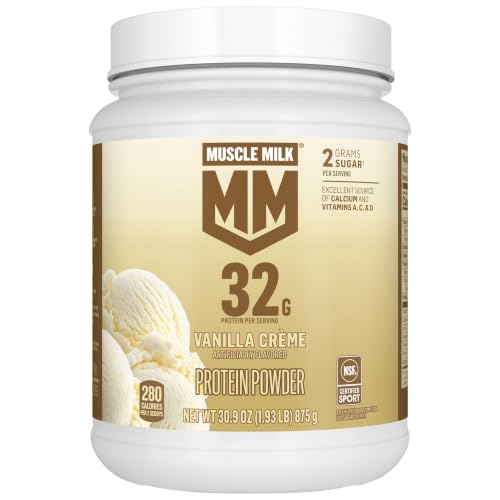
With 32 grams of protein per serving and just 2 grams of sugar, this powder is built to keep your stomach quiet between meals while supporting muscle repair after a workout. The blend of slow and fast releasing proteins means you get an initial amino acid spike followed by a steady release. That helps explain why it fits so well for anyone who wants to stay full and fueled without reaching for another snack an hour later.
The biggest drawback is the serving count: a 1.93-pound tub delivers only about 12 servings, so if you use it daily, you’ll be reordering frequently. Each serving packs 32g of protein and just 2g of sugar, plus an excellent source of calcium and vitamins A, C, and D. It’s also NSF Certified for Sport, meaning it’s screened for over 270 banned substances. For anyone who prioritizes high protein per scoop and clean certification over getting more servings per container, this makes sense.
BSN SYNTHA-6 Premium Protein Powder

What We Like
- Six-source protein blend for sustained release
- Only 2-3g sugar per serving
- Versatile any-time-of-day use
Trade-offs
- 22g protein is lower than some single-source blends
- Contains 2-3g sugar per serving
With 22 grams of protein from six different sources, including whey isolate, micellar casein, and egg albumin, this blend is designed to release amino acids at different rates. That means it can support recovery whether you drink it right after a workout, between meals, or as a bedtime snack. The 6 grams of fiber and only 2-3 grams of sugar per serving make it a more balanced option than many straight whey powders. That is especially true if you want something that doubles as a meal replacement or a treat without the sugar crash.
The 22 grams of protein per scoop is noticeably less than the 24-30 grams found in many single-source whey isolates like Optimum Nutrition Gold Standard, so if your main goal is packing in the most protein per serving, a single-source whey might serve you better. But if you prefer a versatile, great-tasting powder that works as a snack or a recovery drink without the sugar spike, this blend earns its place as a multi-source option worth considering.
This protein powder is ideal for anyone wanting a versatile, great-tasting option that works as a snack or recovery drink. It is not ideal for those seeking the highest protein per scoop or a single-source whey isolate.
Product photos
MuscleTech Nitro-Tech Whey Protein

What We Like
- 30g protein plus 3g creatine per scoop
- Enzyplex enzymes aid protein digestion
- Micro-filtered to remove unwanted fat and carbs
Trade-offs
- Contains creatine, not for those avoiding it
- Only 40 servings per 4lb tub
It’s a formula that leans hard into measurable strength and size gains, making it a strong fit if your goal is packing on mass with minimal supplement fuss.
This isn’t a plain protein powder, it’s a fixed blend with 3g of creatine per scoop, so you can’t adjust creatine dosing separately. With 40 servings per 4-pound tub, you’ll use it faster than a typical 5-pound whey container, which matters when planning your monthly supply. For someone who wants one scoop that covers both protein and creatine, this is a focused option.
Product photos
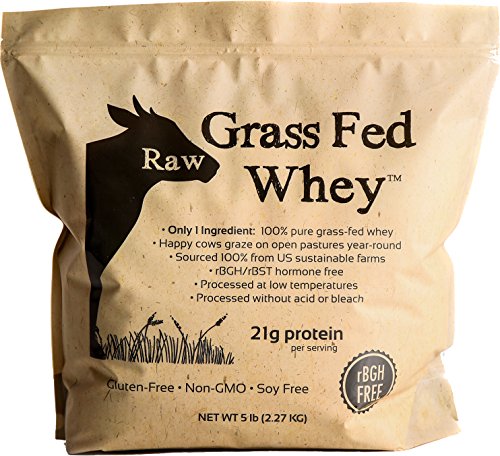
Raw Organic Whey Grass Fed Protein
What We Like
- Single ingredient: pure whey
- Grass-fed from small U.S. farms
- Third-party tested for heavy metals
- Cold-processed to preserve BCAAs
Trade-offs
- No added digestive enzymes or probiotics
- No flavoring options for those who dislike unflavored whey.
A single ingredient, 100% pure grass-fed whey, means you get exactly what the label says, nothing else. That makes this a rare find for anyone who wants to avoid sweeteners, gums, soy lecithin, or fillers common in most protein powders. Sourced from small American family farms, cold-filtered to keep amino acids and immunoglobulins intact, and third-party tested for heavy metals, it is built for clean eating without guesswork. The unflavored, mildly creamy taste blends into coffee, oatmeal, or smoothies without clashing, and the 5-pound bag gives you plenty of servings for daily use.
The unflavored whey has a mild, creamy taste, so it blends into smoothies or coffee without adding sweetness. That means you get total control over flavor, but if you’re used to sweetened blends, the lack of sugar or artificial aftertaste might take some adjustment. For anyone who wants a single-ingredient protein with no fillers, this is a straightforward choice.
Product photos
How We Evaluated Workout Proteins
Our evaluation started with the fundamentals: protein content per serving, the source of that protein (isolate, concentrate, or a blend), and the presence of added ingredients like BCAAs, digestive enzymes, or creatine. We compared these specs against the claims each brand makes about mixing ease, digestibility, and dietary compatibility.
We also looked at ingredient transparency, focusing on artificial sweeteners, fillers, and whether the dairy source is grass-fed or hormone-free. Patterns in owner feedback helped us understand real-world issues like clumping, aftertaste, and how well the powders mix with water versus milk. When you’re choosing between protein powders, these details separate a daily staple from a one-time purchase.
A research-led guide like this has limits: we don’t test powders in a lab, so we rely on verified specs and consistent user reports. For the most accurate fit, we recommend checking the manufacturer’s third-party testing certifications and reading recent reviews for your specific dietary needs.
What To Look For In Workout Proteins
Choosing a protein powder comes down to matching the formula to your schedule, digestion, and goals. Here’s what matters most.
Look for a protein source that fits your digestion (isolate for speed, concentrate for value), a protein count between 20 and 30 grams per serving, and a sugar content that matches your diet. Check the serving size and scoop weight to compare cost per gram of protein.
Protein Source and Absorption Speed
Whey isolate filters out most fat and lactose, making it the fastest-absorbing option and ideal right after a workout. Whey concentrate retains more of the milk’s natural nutrients but digests a bit slower. Blended formulas combine multiple sources for sustained release, which works well as a meal replacement or between meals. If you’re comparing whey versus plant protein, whey generally offers a more complete amino acid profile per scoop.
Protein Content Per Serving
Most effective workout proteins deliver 20 to 30 grams of protein per scoop. Higher numbers aren’t always better if the powder uses a larger scoop size or includes fillers. Compare the protein-to-calorie ratio: a 25-gram serving with 120 calories is more efficient than one with 150 calories for the same protein. This matters most when you’re using protein for muscle gain and want to hit your daily target without excess calories.
Sugar, Additives, and Dietary Fit
Sugar content varies widely, from zero-carb isolates to blends with 2-3 grams per serving. If you follow keto or a low-carb diet, a zero-carb isolate like Isopure fits best. For those avoiding artificial sweeteners, look for naturally flavored or unflavored options. Check for third-party certifications like NSF Certified for Sport if purity matters for your training. When you’re exploring protein for weight loss, a low-sugar, high-protein option helps control hunger without spiking insulin.
- Compare the protein grams per scoop, not just the label claim.
- Check if the powder uses artificial sweeteners or natural alternatives.
- Look for third-party testing seals (NSF, Informed Choice) if purity is a priority.
- Consider unflavored powders if you plan to blend into smoothies or oatmeal.
A good rule of thumb: the shorter the ingredient list, the fewer surprises.
Workout Proteins Compared
The table below compares the ten workout proteins side by side, highlighting protein content, source type, and key dietary features so you can see the differences at a glance.
| Product | Protein per Serving | Protein Source | Weight |
|---|---|---|---|
| Optimum Nutrition Gold Standard Whey Protein | 24 g | Whey isolate & concentrate | 5.0 pounds |
| Dymatize ISO100 Whey Isolate Protein | 25 g | 100% Whey Isolate | 1.3 pounds |
| Transparent Labs Whey Protein Isolate | 28 g | Grass-fed whey isolate | 2.4 pounds |
| Premier Protein 30g Whey Protein Powder | 30 g | 100% Whey | 1.5 pounds |
| Levels Nutrition Whey Protein Powder | 24 g | N/A | 5.0 pounds |
| Isopure Zero Carb Whey Isolate Protein | 25 g | 100% Whey Isolate | 1.0 pounds |
| Muscle Milk Genuine Protein Powder | 32 g | N/A | 2.0 pounds |
| BSN SYNTHA-6 Premium Protein Powder | 22 g | Multi-Source Protein Blend | 5.0 pounds |
| MuscleTech Nitro-Tech Whey Protein | 30 g | N/A | 4.0 pounds |
| Raw Organic Whey Grass Fed Protein | N/A | Grass-fed whey | 5.0 pounds |
Frequently Asked Questions
How much protein do I need after a workout?
Most research suggests 20 to 40 grams of protein within two hours of training supports muscle repair. The exact amount depends on your body weight and workout intensity. A single scoop from most of the powders on this list covers that range.
Is whey isolate better than whey concentrate?
Whey isolate has more protein per gram and less lactose, making it faster to digest and better for those with mild lactose sensitivity. Whey concentrate is less processed and often more affordable. For most people, either works well; the choice depends on your budget and digestion.
Can I use protein powder for weight loss?
Yes, protein powder can support weight loss by helping control appetite and preserving lean muscle while in a calorie deficit. A high-protein, low-sugar option like Premier Protein or Isopure Zero Carb works well for this goal. It should complement whole foods, not replace them entirely.
When is the best time to take protein powder?
The most important factor is total daily protein intake, not timing. That said, taking protein after a workout can speed recovery, while a slow-release blend like Muscle Milk works well between meals for hunger control. Pre-workout protein can provide amino acids for energy during training.
What is the difference between a protein blend and a single-source protein?
A protein blend combines multiple sources like whey concentrate, isolate, and casein for both fast and slow digestion. This provides a steady release of amino acids over several hours. Single-source proteins like pure whey isolate digest quickly and are best right after exercise.
The Bottom Line
The Optimum Nutrition Gold Standard Whey Protein is the best overall choice for most people because it balances quality, mixability, and value in a versatile daily protein. It works for blending post-workout, stirring into oatmeal, or using as a quick shake between meetings.
If you need a fast-digesting option with minimal sugar, the Dymatize ISO100 delivers 25 grams of isolate with fun flavors. For clean-eating athletes who want grass-fed, hormone-free protein with no artificial anything, Transparent Labs Whey Protein Isolate is the clear pick.
The single most important factor when buying workout protein is matching the source and protein count to your specific routine and digestion. A powder that fits your schedule and stomach is one you’ll actually use consistently.
