
10 Best Fitness Trackers For Heart Rate Monitoring in 2026
This post contains affiliate links. As an Amazon Associate, we earn from qualifying purchases.
The Fitbit Charge 6 Fitness Tracker is the best overall fitness tracker for heart rate monitoring. It broadcasts real-time heart rate data directly to compatible gym equipment, combining gym utility with outdoor GPS. For stress-focused buyers, the Fitbit Inspire 3 Fitness Tracker offers daily Stress Management Scores. The Polar Pacer Pro GPS Fitness Tracker is the top choice for runners who need a lightweight watch with accurate optical heart rate.
Heart rate monitoring is more than just a number on a screen. Whether you want to train in the right zone, track recovery from yesterday’s workout, or simply keep an eye on your overall cardiovascular health, the right device makes the difference. But with so many options, wrist-based, screenless, subscription-required, it is easy to feel overwhelmed by choices that don’t match your actual routine.
We built this guide by researching manufacturer specifications, expert round-ups, and patterns in owner feedback across ten top contenders. Every pick here was chosen for its heart rate capabilities first, with specific attention to accuracy, battery life, and the features that matter for real-world use. Below, you will find a clear breakdown of what to look for and which tracker suits your goals best.
Top 10 Fitness Trackers For Heart Rate Monitoring in the Market
Certain content that appears on this site comes from Amazon. This content is provided "as is" and is subject to change or removal at any time.
The Best Fitness Trackers For Heart Rate Monitoring, Reviewed
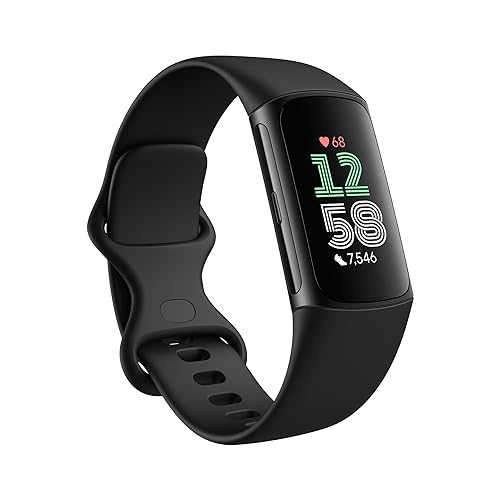
Fitbit Charge 6 Fitness Tracker
What We Like
- Real-time heart rate on gym equipment
- Built-in GPS for outdoor workouts
- Google Maps turn-by-turn directions
- Stress management and sleep tracking
Trade-offs
- Requires linking to compatible exercise machines for heart rate display
- Google Health Premium subscription needed for full coaching features
A 24/7 heart rate sensor that pairs directly with compatible treadmills and ellipticals means you can watch your pulse in real time without squinting at a tiny wrist screen mid-stride. That alone makes this tracker a natural pick for anyone who spends more time on gym machines than open road. It also packs built-in GPS for outdoor runs or rides, Google Maps directions so you don’t get lost exploring new routes, and a personalized Sleep Score that actually tells you why you woke up groggy instead of just how long you slept. If you want one device that bridges the gap between the gym floor and the sidewalk without juggling two gadgets, this is the one.
The smartest coaching features live behind the Google Health Premium subscription; you get a three-month trial, but after that you either pay or lose the personalized coaching built with Gemini. For heart rate monitoring during workouts, the ability to link with compatible exercise machines like treadmills and ellipticals is a feature that sets it apart from many other trackers. Reviewers note it’s a practical choice for gym-goers who also want a capable outdoor tracker.
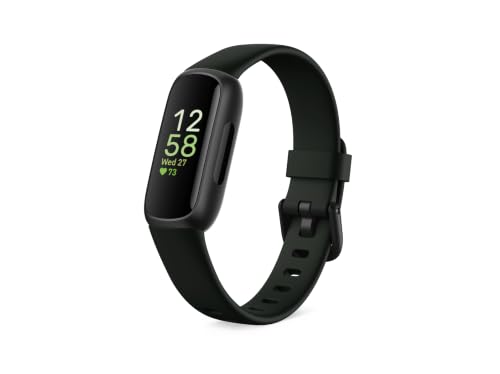
Fitbit Inspire 3 Fitness Tracker
What We Like
- Daily Stress Management Score included
- 24/7 heart rate monitoring
- Automatic sleep tracking with Sleep Score
- Relax breathing sessions built in
Trade-offs
- No built-in GPS for outdoor runs
- Requires iOS 16.4 or Android 11.0 or higher to work
A daily Stress Management Score and guided relax breathing sessions help you keep an eye on your well-being, while 24/7 heart rate monitoring and automatic sleep tracking cover the basics without extra fuss. It offers over 40 exercise modes, so you get solid fitness data without the noise. If you want a gentle nudge toward balance rather than a hardcore training dashboard, this one fits naturally into your day.
The trade-off is that it skips built-in GPS, so if you track outdoor runs or bike rides, you will need to bring your phone along for accurate distance and pace. Compared to the Garmin Forerunner 165, which includes GPS and more running-specific metrics, the Inspire 3 leans harder into stress and sleep recovery. It is a better pick for the gym-goer or desk worker who wants health awareness, not just workout stats.
Polar Pacer Pro GPS Fitness Tracker

What We Like
- Ultra-light 41g design for running
- Polar Precision Prime optical heart rate monitoring
- 35-hour battery in training mode
- Specialized tools for 150+ sports
Trade-offs
- No built-in music storage or streaming
- Lacks advanced smartwatch app ecosystem
At just 41 grams, this is one of the lightest GPS running watches you can strap on, and that weight matters when you’re logging mile after mile. The Polar Precision Prime optical heart rate sensor sits comfortably against your wrist, feeding data into recovery tools that tell you whether your body is ready for another hard workout or needs a rest day. With 35 hours of battery life in training mode, you can tackle a full week of runs, or even an ultramarathon, without hunting for a charger. It’s built for runners who want serious performance metrics without the bulk of a full smartwatch.
The trade-off for that featherlight build is that you won’t find music storage or contactless payments here. You’ll still need your phone for playlists and coffee runs. If your priority is a watch that disappears on your wrist while delivering accurate heart rate data and smart training guidance, this is the runner’s companion that gets out of your way and lets you focus on the road ahead.
Garmin Vivoactive 5 GPS Smartwatch

What We Like
- Personalized sleep score and coaching
- Body Battery energy monitoring with nap insights
- 30+ built-in sports apps including wheelchair mode
- Up to 11 days battery life
Trade-offs
- No built-in chest strap for highest HR accuracy
- Sleep coaching requires consistent nightly wear
A sleep score and personalized coaching that tells you exactly how much rest you need, and how to improve it, makes this the tracker for anyone who wants to wake up actually feeling ready. The Body Battery energy monitoring goes further by factoring in naps, stress, and workouts, so you see how your day affects your recovery. It suits people who value sleep as a training tool, not just a bedtime habit, and who want a bright AMOLED display that lasts up to 11 days between charges.
With up to 11 days of battery life in smartwatch mode, you can wear this watch for over a week without needing to find a charger. That means it’s ready for a long trip or a busy work week. The bright AMOLED display makes it easy to glance at your stats even in sunlight, and the 42mm case is light enough at 0.1 pounds that you barely notice it on your wrist. For daily health tracking, it covers sleep scores, stress levels, and Body Battery energy monitoring, giving you a rounded view of how your day-to-day choices affect your body.
Garmin Forerunner 165 Running Smartwatch

What We Like
- Personalized daily suggested workouts adapt to recovery
- Garmin Coach and race adaptive training plans
- Brilliant AMOLED touchscreen with button controls
- Morning report with HRV and recovery outlook
Trade-offs
- Wrist-based heart rate is an estimation, not medical-grade
- No built-in music storage or offline playlists
The Garmin Forerunner 165 uses personalized daily suggested workouts that adapt based on your performance and recovery, so if you had a hard run yesterday, it might recommend an easier recovery jog today. The built-in GPS tracks pace and distance, and the AMOLED touchscreen makes glancing at stats during intervals easy. It’s lightweight at 0.1 pounds, and the battery lasts up to 11 days in smartwatch mode, so you won’t need to charge every night.
The wrist-based heart rate sensor provides a close estimation of your heart rate, not a medical-grade reading, which is typical for this type of wearable. Compared to the Polar Pacer Pro, which also includes training programs and recovery tools, the Forerunner 165 focuses on adaptive daily suggestions that adjust to your actual performance. It’s a good fit for runners who want guided training without micromanaging their schedule, but less suited for those who need offline music during runs.
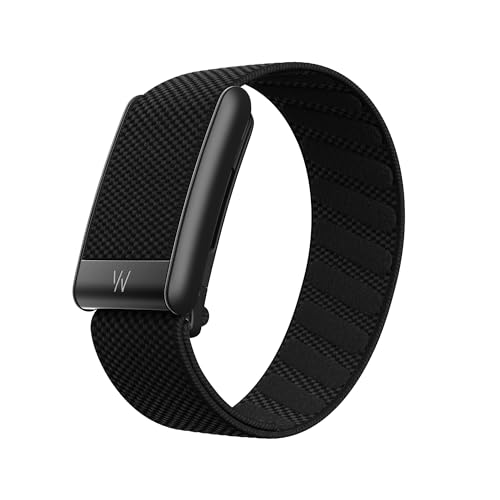
WHOOP 5.0 Screenless Fitness Wearable
What We Like
- 99%+ heart rate and HRV accuracy
- 14+ day battery with on-wrist charging
- 24/7 sleep, stress, and health monitoring
- AI Coach personalizes insights from 140+ metrics
Trade-offs
- Requires a 12-month membership to function
- No screen means no glanceable stats mid-workout
- Lacks built-in GPS for outdoor route tracking
For anyone who wants deep recovery data without the distraction of a glowing screen, this is a focused tool that respects your sleep and your battery. You get 14+ days between charges, and you can top it off without taking it off.
This band has no screen, so you can’t glance at your heart rate mid-set or check a map on a run. If you need live pace or distance during a workout, the Garmin Forerunner 165 shows that info at a glance. The WHOOP also locks you into a 12-month membership, so it’s a subscription relationship, not a one-time buy. But if your priority is accurate heart rate and recovery data you can wear 24/7, and you’re happy to let an AI coach handle the analysis, this band provides a level of insight that many smartwatches may not offer.
Product photos
Amazfit Helio Strap Activity Tracker

What We Like
- Tracks reps, sets, and rest periods
- Exclusive HYROX Race mode
- Free Zepp App with AI insights
Trade-offs
- Screenless design means no display during workouts
- No built-in GPS for outdoor route tracking
The Amazfit Helio Strap tracks reps, sets, and rest periods with precision, making it a focused tool for gym-goers who want to dial in their strength training. Its 27 sports modes and free Zepp App give you post-workout insights like VO₂ max and recovery time without any subscription fees. This is the tracker for someone who spends more time under the barbell than on the running path, and who values detailed performance data over a flashy screen.
This is a screenless band, so you won’t get real-time stats at a glance during your set. You’ll need to check the app afterward. Compared to the Fitbit Charge 6, which offers a display and Google app integration, the Helio Strap prioritizes gym-specific metrics over everyday convenience. If you prefer seeing your heart rate mid-rep without pulling out your phone, the Charge 6 might suit you better, but for structured strength work and HYROX prep, the Helio Strap delivers where it counts.
Product photos
Xiaomi Mi Smart Band 10 Activity Tracker

What We Like
- 21-day battery on single charge
- Fast charging in 1 hour
- 1500 nits bright sunlight display
- Large 1.72" AMOLED screen
Trade-offs
- Xiaomi Fit app uses metric system only
- No built-in GPS for outdoor runs
A 21-day battery life means you can go up to three weeks between charges, so you can wear this tracker through workouts, sleep tracking, and daily life without scrambling for a charger. That kind of freedom matters when you’re focused on building a routine, not managing another device. The 1.72-inch AMOLED display stays readable in direct sunlight at 1500 nits, so you can glance at your heart rate mid-run without squinting. It offers reliable heart rate monitoring with minimal fuss and maximum time between charges.
The Xiaomi Fit app only supports the metric system, so if you prefer pounds and feet, you’ll need to connect the Xiaomi Fit app with Google Fit, then use Google Fit to show imperial measurements. That extra step means it’s not as straightforward as some other trackers, but if battery life is your main concern, this band still delivers where it counts.
Product photos
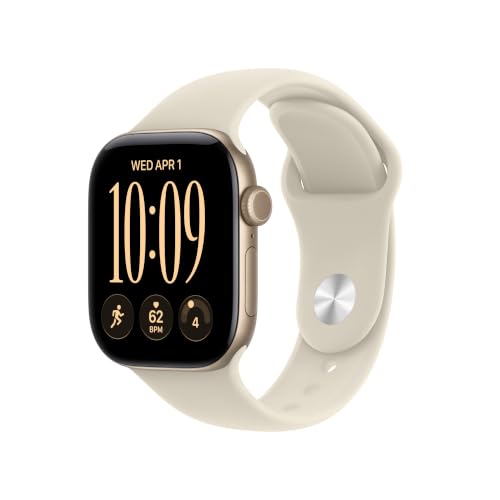
Apple Watch Series 12 Smartwatch
What We Like
- Most accurate heart rate sensing in a wearable
- HRV measured every five minutes for recovery insights
- Background heart rate readings every five seconds
- Fast charge gives 12 hours in 15 minutes
Trade-offs
- 24-hour battery needs daily charging for heavy users
- Aluminum case less scratch-resistant than titanium option
The Apple Watch Series 12 takes a heart rate reading every five seconds in the background and measures HRV as often as every five minutes, giving you a far more detailed picture of your cardiovascular load than most trackers. That constant stream of data powers the Vitals app’s overnight health metrics and daily sleep score, so you can see how your body is recovering without guessing. It’s the pick for anyone who wants the most trustworthy heart data a wrist-worn device can deliver, whether dialing in training zones or just keeping an eye on stress and readiness day to day.
The Apple Watch Series 12 needs a daily charge, with up to 24 hours of normal use, but a 15-minute fast charge gives you 12 hours back if you forget to plug it in overnight. That trade-off buys you the most accurate heart rate sensing in a wearable, with readings every five seconds and HRV measured as often as every five minutes for stress and recovery insights. If you prioritize precise health tracking over multi-day battery, this watch delivers.
Product photos
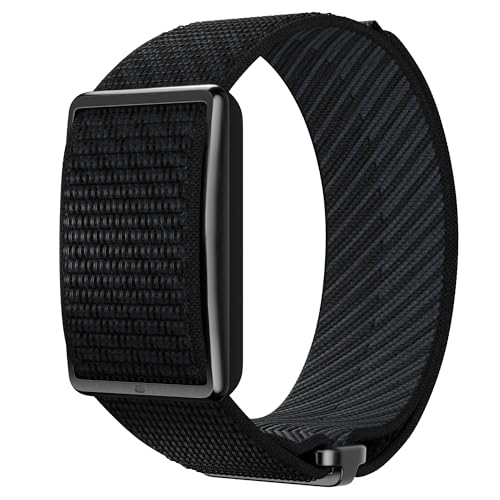
Polar Loop Screenless Wearable Band
What We Like
- No monthly subscription fees
- Ultra-light 29g screenless design
- 24/7 heart rate and sleep tracking
- 8-day battery life
Trade-offs
- No screen for glanceable stats
- No on-screen workout feedback during exercise
The Polar Loop ditches the screen entirely, keeping you focused on your workout or your day without notifications buzzing in your face. At just 29 grams, it’s light enough to forget you’re wearing it, and the 8-day battery means you’re not hunting for a charger every other night. For anyone who wants continuous heart rate and sleep data without a monthly fee, and without the distraction of a display, this band delivers exactly that, backed by Polar’s Precision Prime sensor technology.
This band has no screen, so you can’t quickly check your heart rate mid-set or glance at the time. If you need on-wrist feedback during runs, the Garmin Forerunner 165 gives you a display and GPS for pace and distance. But if your priority is uninterrupted, subscription-free tracking that fades into the background, the Polar Loop is a refreshingly simple tool that does one thing well.
Product photos
How We Evaluated Fitness Trackers For Heart Rate Monitoring
We focused on three core criteria: heart rate sensing technology, battery life, and the practical features that make a tracker useful during actual exercise. Each product was assessed against its stated optical sensor type, claimed battery duration in training mode, and the availability of GPS, sleep tracking, or stress management tools that complement heart rate data. We also looked at how each device presents its data, some offer glanceable screens, others rely on a connected app.
Accuracy was a primary concern. Instead, we compared manufacturer sensor specifications and cross-referenced them with patterns in owner feedback and expert commentary. For example, we noted that devices with multi-LED optical sensors, like those found on the Apple Watch Series 12 and the Polar Pacer Pro, tend to be rated higher for consistency during high-intensity intervals. We also considered the trade-off between chest strap and wrist monitor accuracy for those who need medical-grade precision.
Finally, we weighed the ecosystem each tracker lives in. A device with a great sensor is useless if its app buries your data or requires a subscription you are not willing to pay. We evaluated the companion apps for clarity, customization, and the availability of features like heart rate variability insights, which are critical for understanding recovery and training readiness. This research-led approach means we can point you to the right device with confidence, even if we did not strap each one to our own wrists.
What To Look For In Fitness Trackers For Heart Rate Monitoring
Choosing the right heart rate tracker starts with understanding how you actually move. A runner needs different sensor placement and battery life than a strength athlete or someone who just wants to monitor resting heart rate overnight. Here are the key criteria to consider.
Focus on optical sensor quality, battery life that matches your longest workout, and whether you need built-in GPS or are fine with phone-connected GPS. Also consider app ecosystem and subscription costs, some of the most accurate trackers require a monthly fee.
Optical Sensor Quality And Placement
The heart of any tracker is its optical sensor. Most modern devices use green and red LEDs to measure blood flow through the skin. More LEDs usually mean better accuracy, especially during movement. The Apple Watch Series 12 and Polar Pacer Pro are known for their multi-LED arrays that reduce motion artifacts. For the highest possible accuracy during interval training, some athletes prefer a chest strap, but modern wrist sensors are very close for steady-state exercise.
Battery Life And Charging Speed
Battery life varies wildly. A device like the Xiaomi Mi Smart Band 10 Activity Tracker lasts 21 days, while the Apple Watch Series 12 needs a daily charge. Consider your longest workout or trip. If you run ultras or go backpacking, a long battery is non-negotiable. Also check charging speed, the Apple Watch Series 12 gives 12 hours of use from a 15-minute charge, which is a lifesaver for forgetful users.
Screen, GPS, And Subscription Requirements
- Decide if you need a screen for glanceable stats during exercise. Screenless trackers like the WHOOP 5.0 and Polar Loop prioritize data depth over convenience.
- Check for built-in GPS if you run or cycle without your phone. The Fitbit Charge 6 and Polar Pacer Pro have it; the Fitbit Inspire 3 does not.
- Read the fine print on subscriptions. The WHOOP 5.0 requires a 12-month membership. The Polar Loop has no subscription fees.
- Consider app preference. Some apps (like Xiaomi Fit) default to metric units, which may require extra setup for some users.
A simple rule: match the tracker’s battery to your longest activity, its screen to your need for real-time data, and its subscription to your budget.
Fitness Trackers For Heart Rate Monitoring Compared
The table below compares our ten picks across heart rate accuracy, battery life, GPS, and key features so you can see at a glance which tracker fits your routine.
| Product | Heart Rate | Exercise Modes | Battery Life |
|---|---|---|---|
| Fitbit Charge 6 Fitness Tracker | 24/7 heart rate | 40+ | N/A |
| Fitbit Inspire 3 Fitness Tracker | 24/7 heart rate | 40+ exercise modes | N/A |
| Polar Pacer Pro GPS Fitness Tracker | Polar Precision Prime optical | 150+ | 35 hours (training mode) |
| Garmin Vivoactive 5 GPS Smartwatch | Wrist-based heart rate | 30+ built-in indoor & GPS apps | Up to 11 days smartwatch mode |
| Garmin Forerunner 165 Running Smartwatch | Wrist-based heart rate | 25+ built-in | 11 days smartwatch, 19h GPS |
| WHOOP 5.0 Screenless Fitness Wearable | 99%+ HR and HRV | N/A | 14+ days |
| Amazfit Helio Strap Activity Tracker | 24/7 with BioTracker tech | 27 sports modes | Up to 10 days |
| Xiaomi Mi Smart Band 10 Activity Tracker | Heart Rate Monitor | Multi-Sport Tracker | 21 days |
| Apple Watch Series 12 Smartwatch | Every 5 seconds background, HRV every 5 min | N/A | Up to 24 hours normal use |
| Polar Loop Screenless Wearable Band | 24/7 with Precision Prime sensor | N/A | Up to 8 days |
Frequently Asked Questions
Which fitness tracker has the most accurate heart rate monitoring?
The Apple Watch Series 12 is widely considered the most accurate wearable for heart rate sensing, with HRV measured every five minutes and background readings every five seconds. The WHOOP 5.0 also reports 99%+ heart rate and HRV accuracy, though it requires a subscription. For most users, a modern wrist-based optical sensor from a major brand like Garmin or Polar will be accurate enough for training zones.
Do I need a chest strap for accurate heart rate during exercise?
Modern wrist-based optical sensors are very accurate for steady-state cardio and daily wear. However, for high-intensity interval training or weightlifting where the wrist moves a lot, a chest strap can be more consistent. If you are a competitive athlete doing zone-based interval work, you might want to consider a chest strap. For most gym-goers and runners, a quality wrist tracker like the Polar Pacer Pro or Garmin Forerunner 165 is sufficient.
What is the difference between heart rate and heart rate variability (HRV)?
Heart rate is the number of times your heart beats per minute. Heart rate variability (HRV) measures the time variation between heartbeats and is a key indicator of your nervous system’s readiness for training. A higher HRV generally means you are recovered and ready for a hard workout. Trackers like the WHOOP 5.0 and Apple Watch Series 12 provide detailed HRV data that can help you plan your training load.
Can a fitness tracker monitor my heart health or detect conditions?
Consumer fitness trackers are designed for fitness and wellness monitoring, not medical diagnosis. They can track trends in your resting heart rate and alert you to unusually high or low readings, but they are not FDA-cleared for detecting conditions like atrial fibrillation. If you have concerns about your heart health, consult a healthcare professional. The fitness trackers for heart health we recommend are best used as wellness companions, not medical devices.
How long should a fitness tracker battery last for heart rate monitoring?
It depends on how you use it. For daily wear with continuous heart rate tracking, a battery life of several days is standard. For athletes who train multiple hours a day, look for devices with at least twenty hours in GPS mode. The Xiaomi Mi Smart Band 10 lasts twenty-one days on a single charge, while the Apple Watch Series 12 needs charging every day or two. Choose based on your longest workout or trip without access to a charger.
The Bottom Line
If you want a single tracker that does it all, real-time heart rate on gym equipment, outdoor GPS, and sleep tracking, the Fitbit Charge 6 Fitness Tracker is your best bet. It bridges the gap between gym sessions and outdoor runs better than any other device in this lineup. For those who prioritize stress management and want a lightweight, screen-focused companion, the Fitbit Inspire 3 delivers excellent value without the bulk.
Runners and athletes who need adaptive training plans should look at the Garmin Forerunner 165. Anyone who wants deep recovery insights without a screen should consider the subscription-based WHOOP 5.0 or the subscription-free Polar Loop. Strength athletes and HYROX racers have a dedicated option in the Amazfit Helio Strap, which tracks reps and sets alongside heart rate.
The single most important factor is matching the tracker to your lifestyle. A device with great accuracy is useless if its battery dies before your long run or its app does not give you the data you need. Start with your primary activity, then choose the tracker that supports it best.
