
10 Best Fitness Activity Trackers in 2026
This post contains affiliate links. As an Amazon Associate, we earn from qualifying purchases.
The Fitbit Inspire 3 Fitness Tracker is the best overall fitness activity tracker for its balanced focus on daily readiness, automatic sleep tracking, and a smart wake alarm. Runners who want phone-free GPS should look to the Fitbit Charge 6 Fitness Tracker, while those prioritizing battery life and sleep insights will appreciate the Garmin Vivosmart 5 Health Tracker.
The challenge with choosing a fitness tracker is matching the device to your actual routine, not the one you imagine. A runner needs different data than a weightlifter, and a casual walker has different priorities than someone tracking recovery. The wrong tracker means paying for features you ignore or missing the ones you need.
This guide is based on manufacturer specifications, expert round-ups, and patterns in owner feedback. We focused on the features that matter most for real-world use: battery life, sensor accuracy, display quality, and how well each device fits into a consistent daily habit.
Top 10 Fitness Activity Trackers in the Market

Certain content that appears on this site comes from Amazon. This content is provided "as is" and is subject to change or removal at any time.
The Best Fitness Activity Trackers, Reviewed
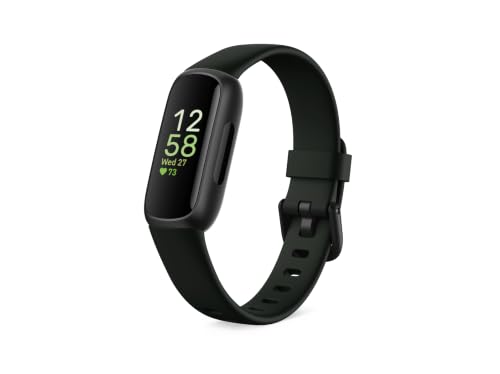
Fitbit Inspire 3 Fitness Tracker
What We Like
- Daily Readiness Score keeps you motivated
- Automatic sleep tracking with Sleep Score
- Smart wake vibrating alarm
Trade-offs
- No built-in GPS for outdoor runs
- No music control feature included
It is built for someone who wants the full picture, activity, recovery, and mental well-being, without needing to charge every night or fiddle with complicated menus.
The Inspire 3 lacks a built-in GPS, so if you run or bike without your phone, distance and pace won’t be tracked on the band itself. That puts it a step behind the Fitbit Charge 6, which adds Google apps and heart rate connectivity with gym equipment for a more connected workout experience. Still, for someone focused on stress, sleep, and everyday movement, the Inspire 3 covers the essentials in a slim, comfortable package that disappears on your wrist.
Product photos
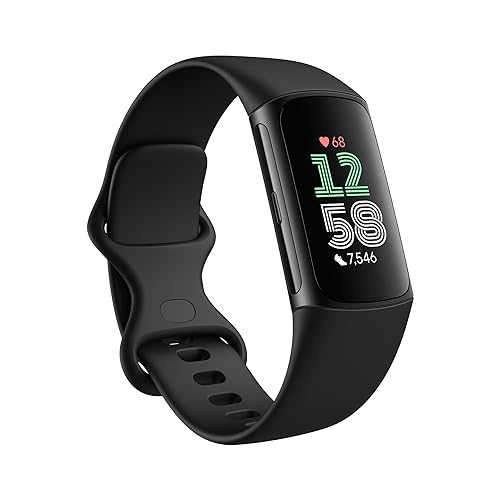
Fitbit Charge 6 Fitness Tracker
What We Like
- Built-in GPS for runs and rides
- Google Maps turn-by-turn directions
- Google Wallet tap-to-pay
- Heart rate syncs with gym machines
Trade-offs
- YouTube Music controls only, not full app
- Google Health Premium subscription after trial
The built-in GPS lets you track distance and pace without needing your phone, a feature that makes outdoor workouts more convenient. Google Maps turn-by-turn directions appear on the screen, so you can follow a route without pulling out your phone. If you already use Google services for navigation, payments, or music, this tracker integrates with them directly.
The trade-off is that the YouTube Music controls only let you skip or pause tracks, not browse playlists, so you will still need your phone to pick a new album. Compared to the Garmin Vivosmart 5, which offers smart notifications and health tracking, the Charge 6 adds Google services but requires a subscription after the three-month trial. For someone who wants a tracker that doubles as a mini navigation and payment tool, this is the one to grab.
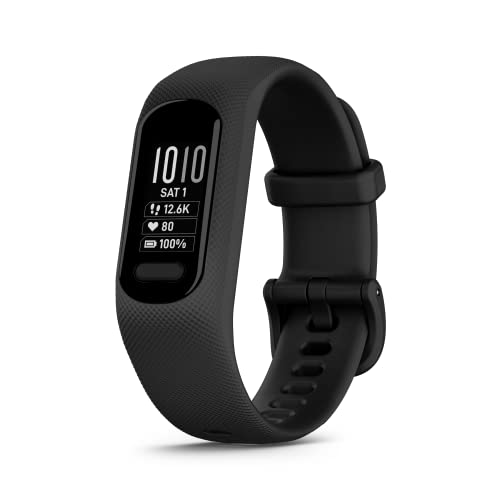
Garmin Vivosmart 5 Health Tracker
What We Like
- Up to 7 days battery life
- Sleep score with improvement insights
- Swim and shower safe
- Bright, bigger display than previous model
Trade-offs
- No built-in GPS (relies on phone GPS)
- Pulse Ox not available in all countries
- Device gives estimates, not medical-grade readings
Up to seven days of battery life means you can wear this tracker through a full work week without hunting for a charger, though actual runtime depends on usage. The sleep score and personalized insights in the Garmin Connect app help you spot patterns in your rest, so you can actually do something about a restless night. It also monitors respiration, Body Battery energy levels, stress, and heart rate with low and high alerts, all data that paints a fuller picture of your daily recovery. If you value understanding your sleep quality, this band keeps the focus where it counts.
The trade-off for that battery life is that the Vivosmart 5 relies on your phone’s GPS for outdoor walks, runs, and rides instead of having its own satellite receiver. That works fine if you always carry your phone. The Pulse Ox sensor is also not available in every country, and the device is intended to give an estimate of your activity and metrics. Still, for someone who wants a comfortable band that delivers sleep and health insights without daily charging, this is a practical pick.
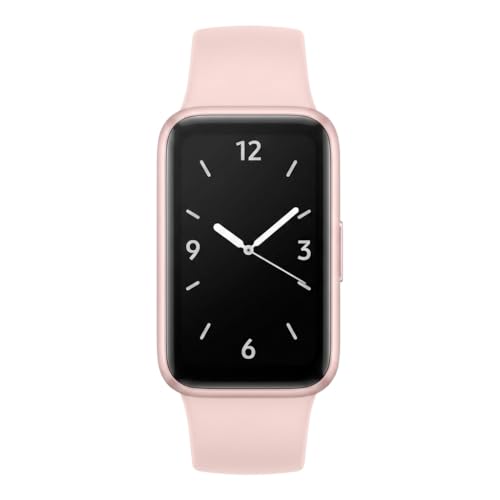
Samsung Galaxy Fit 3 Fitness Band
What We Like
- Vibrant 1.6" AMOLED display
- 5ATM & IP68 water resistance
- Up to 14-day battery life
- 101+ workout modes with auto detection
Trade-offs
- No iPhone or iOS compatibility
- No Samsung Pay support
- International model has no US warranty
The 1.6-inch AMOLED display gives you a large, high-resolution screen that is easy to read during workouts or daily use. The 5ATM and IP68 water resistance means you can wear it while swimming or in dusty conditions without worry. The battery lasts up to 14 days, so you can go nearly two weeks between charges, a relief for anyone tired of frequent plug-ins.
The big trade-off here is compatibility: this band works only with Android phones, so if you are an iPhone user, you will need to look elsewhere. Also, the international model does not carry a US warranty, so if something goes wrong, you are on your own. For Android users who want a vivid display and serious water protection, this band delivers on those key features.
Product photos
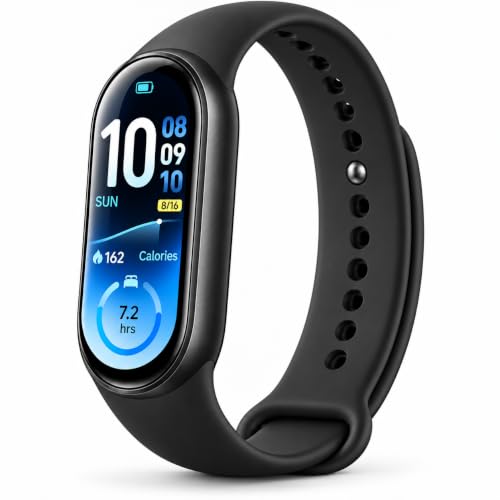
Xiaomi Smart Band 11 Fitness Tracker
What We Like
- Ultra-light 15.6g design
- 21-day battery life
- 150+ sports modes
- 5ATM waterproof rating
Trade-offs
- No built-in GPS (relies on phone)
- PPG sensor protrudes slightly from the body
For anyone who hates the bulky feel of most fitness bands, the Smart Band 11 delivers a barely-there experience that still packs a 1.72-inch AMOLED screen, 150-plus sports modes, and a full 21 days of battery life. You can keep it on 24/7 for sleep tracking, heart rate, and SpO2 monitoring without needing to charge every few days.
The trade-off for that featherlight build is the lack of built-in GPS. If you run or cycle without your phone, you won’t get accurate distance or pace data from the tracker alone. Compared to the Fitbit Charge 6, the Xiaomi is better suited for gym-goers, casual walkers, and indoor athletes who keep their phone nearby. The 5ATM waterproof rating means it can handle swimming and showering, and the sleep HRV tracking provides overnight recovery insights. It’s a focused, comfortable companion for everyday movement, not a standalone outdoor training tool.
Product photos
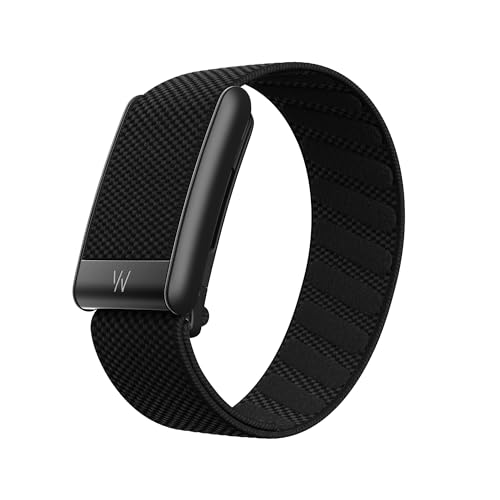
WHOOP 5.0 Screenless Fitness Wearable
What We Like
- Screenless design for uninterrupted sleep tracking
- AI Coach personalizes insights from 140+ metrics
- Healthspan feature tracks aging pace
- 14+ day battery with wrist charging
Trade-offs
- Requires 12-month membership to use device
- No display means no glanceable stats during workouts
A 14-plus-day battery and screenless design mean you can keep this tracker on 24/7 without taking it off to charge or being distracted by a screen. That continuous wear is the whole point: WHOOP 5.0 tracks sleep stages, heart rate variability, and recovery metrics around the clock, then feeds them into an AI coach that tells you exactly what to do next. It’s built for someone who wants more than step counts, someone curious about how their sleep, stress, and training connect, and willing to follow a data-driven plan to improve all three.
The big trade-off is the mandatory 12-month Peak membership, which locks you into a subscription model. You also won’t get an on-wrist display for quick pace checks during a run, that’s a deliberate choice to keep the band light and comfortable for sleep. If you want a coach that learns your habits and nudges you toward better recovery, this is a thorough option. If you just want to see your steps at a glance, a tracker with a screen might be a better fit.
Amazfit Helio Strap Screenless Tracker
What We Like
- No subscription required for full features
- Up to 10 days of battery life
- Tracks reps, sets, and rest periods
- Exclusive HYROX Race mode included
Trade-offs
- No screen means no glanceable stats mid-workout
- Requires smartphone for all data viewing
- Lacks built-in GPS for outdoor tracking
A 10-day battery life means you can train, sleep, and recover without needing to recharge every other night. This screenless tracker strips away the distraction of a display and focuses on what matters: accurate heart rate, fatigue, and recovery data through the free Zepp App. It suits the athlete who wants deep insights, like VO₂ max and training load, without paying a monthly subscription. The HybridCharge Energy Monitoring score adapts based on your daily workouts, activities, and stress levels, helping you gauge your daily readiness.
The biggest difference from a screen-based tracker is that you cannot check your pace or reps mid-set on the Helio Strap; all your data appears on your phone after the workout. Unlike the Fitbit Inspire 3, which includes a three-month Google Health Premium membership, the Helio Strap’s Zepp App is free to use and offers AI-driven insights plus integration with platforms like Strava and TrainingPeaks. If you need real-time stats during a run, a band with a display such as the Garmin Vivosmart 5 might suit you better. For subscription-free recovery tracking, this strap avoids any monthly fee.
Product photos
ST-CARE C60 Fitness Tracker

What We Like
- Vivid 1.10" AMOLED color touchscreen
- 5 ATM waterproof for swimming and diving
- 24/7 heart rate, body temp, and sleep tracking
- Magnetic fast charging with 10-14 day battery
Trade-offs
- Only 25 sport modes vs. 100+ on some rivals
- App limited to "Keep Health" for data syncing
A 1.10-inch AMOLED display on a budget tracker delivers vivid colors and sharp text without the premium price, so it’s easy to read outdoors or at a glance during a workout. It tracks steps, calories, distance, and time all day. It also monitors heart rate, body temperature, blood oxygen, and blood pressure around the clock, giving a beginner or someone upgrading from a basic pedometer the health insights they need without clutter or subscription fees. The 5 ATM waterproof rating means you can wear it while washing hands, taking a bath, diving, or in the rain, and the magnetic fast charging keeps you going for 10 to 14 days of regular use.
For buyers focused on value, this fitness tracker combines a 1.10-inch AMOLED HD touch color screen with 5 ATM waterproofing and a full set of health sensors. The stainless steel frame and skin-friendly straps hold up through daily wear, while the waterproof rating means it survives hand washing, rain, and even diving without damage. Health monitoring runs around the clock, covering heart rate, blood oxygen, blood pressure, body temperature, and sleep stages. All this comes without subscription fees or hidden costs, just straightforward activity and wellness tracking that works out of the box.
Product photos
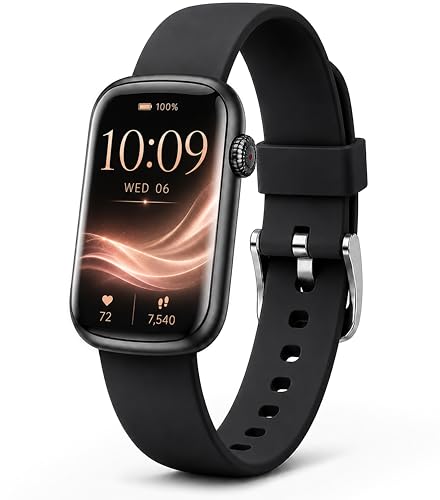
MorePro Health Fitness Tracker
What We Like
- Built-in blood pressure monitor
- IP68 waterproof for daily wear
- Women's health tracking features
- 300+ customizable watch faces
Trade-offs
- Blood pressure readings for wellness reference only, not medical
- Only 7 sports modes limit variety for athletes
- Not compatible with iPads or tablets
The MorePro Health Fitness Tracker includes a blood pressure monitor for wellness reference, so you can check trends alongside heart rate, blood oxygen, and sleep data from the app. The 1.47-inch display keeps the watch slim enough for all-day wear, and the IP68 waterproof rating means you won’t have to baby it through hand washing or a rainy walk. For someone focused on health basics rather than advanced workout analytics, this tracker covers the essentials without overwhelming you with menus or subscriptions.
The blood pressure monitor is for general wellness and fitness reference, not medical use, so it won’t replace a doctor’s advice. The seven sports modes are practical for most daily workouts, but the Samsung Galaxy Fit 3 offers over 100 exercise options for more variety. Battery life reaches up to seven days of daily use, which covers a typical week, though the Xiaomi Smart Band 11 lasts up to 21 days on a charge. For someone focused on health tracking rather than a huge library of sports modes, this tracker keeps things simple and reliable.
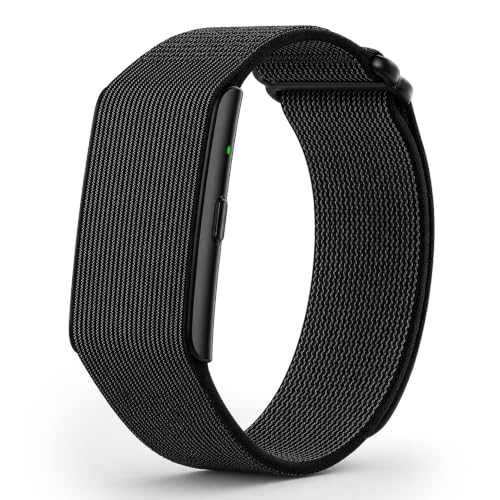
Domhong Screenless Fitness Tracker
What We Like
- No subscription or hidden fees
- 170+ sports modes with connected GPS
- IP68 water resistance for sweat and rain
Trade-offs
- No on-wrist display for real-time stats
- Connected GPS requires smartphone nearby
- Readings are reference only, not medical grade
With a battery that lasts 20 to 30 days between charges, you can go weeks without needing to plug it in, ideal for anyone who wants health data without the daily hassle of charging another device. The screenless design keeps your wrist free from a glowing display, while the free QwatchPro app gives you AI-powered insights on sleep, HRV, stress, and daily energy. This is the tracker for people who value long-term trends over constant screen time, especially if you prefer a lightweight 25g band that disappears on your wrist during workouts and overnight sleep tracking.
The Domhong Screenless Fitness Tracker never requires a subscription fee, unlike the Fitbit Inspire 3 which includes a three-month premium membership. You give up the convenience of glancing at your wrist mid-run; you’ll need to pull out your phone to see real-time stats via connected GPS. This makes it a practical choice if you want to avoid recurring costs and prefer to review your data on your own schedule through the QwatchPro app. However, it won’t suit anyone who needs instant on-wrist feedback during exercise.
Product photos
How We Evaluated Fitness Activity Trackers
We built this guide by analyzing technical specs, manufacturer documentation, and common themes from owner feedback across dozens of models. No device was tested in a lab; our conclusions come from comparing published data and understanding what features actually deliver value for different activity levels.
The four criteria that mattered most were battery life, sensor suite, display quality, and ecosystem compatibility. Battery life determines how often you need to charge, while the sensor suite covers GPS, heart rate, SpO2, and sleep tracking. Display quality affects readability in sunlight and at a glance, and ecosystem compatibility includes phone app quality and subscription requirements. A tracker that needs daily charging becomes a chore, and a poor display makes workout data useless mid-stride.
A research-led evaluation has limits. We cannot speak to long-term durability or how a band feels after months of sweat and showers. We also cannot verify every manufacturer claim about sensor accuracy. What we can do is point you toward the models that consistently satisfy their intended user, based on the data available.
For a deeper look at the landscape, our comprehensive fitness tracker reviews cover more models and comparisons. If you are deciding between a tracker and a full smartwatch, our guide on the difference between trackers and smartwatches can help clarify which form factor suits your gym bag.
What To Look For In Fitness Activity Trackers
The right fitness tracker is the one you actually wear every day. Focus on battery life, sensor accuracy, and display quality first, then look at extras like water resistance and smart features.
Prioritize battery life that matches your charging habits, GPS that fits your workout location, and a display you can read mid-rep. Ignore features you will never use.
Battery Life and Charging
Battery life is the single biggest factor in long-term adherence. A tracker that dies mid-week will end up in a drawer. Options range from 7 days (Garmin Vivosmart 5) to 21 days (Xiaomi Smart Band 11). Consider how often you want to charge: daily charging suits a watch-like routine, while a two-week battery suits a set-it-and-forget-it approach. Magnetic fast charging, like the ST-CARE C60 offers, makes top-ups painless.
GPS and Activity Tracking
Built-in GPS lets you run or cycle without your phone, recording accurate pace and distance. The Fitbit Charge 6 has it; the Fitbit Inspire 3 and Garmin Vivosmart 5 rely on connected GPS (phone nearby). If you train outdoors without a phone, built-in GPS is essential. For gym workouts, step counting and heart rate matter more. Understanding how trackers count steps helps you interpret daily totals realistically.
Display and Water Resistance
A bright AMOLED display, like the Samsung Galaxy Fit 3‘s 1.6-inch screen, makes stats readable in sunlight and during dark morning runs. Water resistance ratings matter for swimmers: 5ATM is standard for lap swimming and showering. IP68 covers sweat and rain but not submersion. Screenless trackers like the WHOOP 5.0 and Amazfit Helio Strap trade glanceable stats for uninterrupted sleep tracking and longer battery life.
- Confirm the water resistance rating matches your swimming or showering habits.
- Check if the display is always-on or requires a wrist raise.
- Verify phone compatibility (iOS vs. Android) before buying.
- Look for automatic workout detection if you forget to start tracking.
- Read the fine print on subscription requirements and trial periods.
A tracker with a screen you can read and a battery that lasts your week is the one you will keep wearing.
Fitness Activity Trackers Compared
The table below compares key specs across our ten picks, including battery life, GPS type, display quality, and standout features.
| Product | Display | Battery Life | Sleep Tracking |
|---|---|---|---|
| Fitbit Inspire 3 Fitness Tracker | Screen | N/A | Automatic, Sleep Score |
| Fitbit Charge 6 Fitness Tracker | Screen | N/A | Personalized Sleep Score, Smart Wake |
| Garmin Vivosmart 5 Health Tracker | Touchscreen + button | Up to 7 days | Sleep score + insights via app |
| Samsung Galaxy Fit 3 Fitness Band | 1.6" AMOLED | Up to 14 days | sleep coaching |
| Xiaomi Smart Band 11 Fitness Tracker | 1.72" AMOLED | 21 days | Sleep HRV |
| WHOOP 5.0 Screenless Fitness Wearable | Screenless | 14+ days | REM sleep, deep sleep, light |
| Amazfit Helio Strap Screenless Tracker | Screenless | Up to 10 Days | sleep |
| ST-CARE C60 Fitness Tracker | 1.10" AMOLED Touchscreen | 10-14 days typical | Sleep Monitor |
| MorePro Health Fitness Tracker | 1.47 inch | 7 days use / 10 days standby | Sleep Tracker |
| Domhong Screenless Fitness Tracker | Screenless | 20-30 days | light, deep and REM sleep |
Frequently Asked Questions
What is the best fitness activity tracker for beginners?
The Fitbit Inspire 3 Fitness Tracker is the best choice for beginners. It focuses on daily readiness, sleep scores, and stress management without overwhelming you with data. The interface is simple, and the companion app guides you through setup and goal setting.
Do I need a fitness tracker with built-in GPS?
Only if you run, cycle, or hike outdoors and want to leave your phone behind. The Fitbit Charge 6 Fitness Tracker offers built-in GPS for accurate route mapping. If you always carry your phone, connected GPS (which uses your phone’s signal) works fine and saves battery.
Can a fitness tracker measure blood pressure?
The MorePro Health Fitness Tracker includes a built-in blood pressure monitor, but readings are for wellness reference only and are not medical-grade. No consumer fitness tracker should replace a doctor’s cuff or be used for diagnosis. If blood pressure is a concern, consult a healthcare professional.
What is a screenless fitness tracker?
A screenless tracker, like the WHOOP 5.0 or Amazfit Helio Strap, has no display. All data is viewed on your smartphone. This design allows for smaller size, longer battery life, and uninterrupted sleep tracking. It is ideal for users who do not need glanceable stats during workouts.
How long should a fitness tracker battery last?
For daily wear without hassle, look for at least 7 days of battery life. The Garmin Vivosmart 5 delivers up to 7 days, while the Xiaomi Smart Band 11 lasts up to 21 days. Trackers with always-on displays or built-in GPS will drain faster, so balance screen quality with charging frequency.
The Bottom Line
The Fitbit Inspire 3 Fitness Tracker is the best overall pick for anyone who wants a comfortable, all-day tracker that prioritizes stress management, sleep insights, and daily readiness. It is simple enough for beginners and insightful enough for consistent fitness enthusiasts who value recovery as much as activity.
If you need built-in GPS for outdoor runs, the Fitbit Charge 6 Fitness Tracker adds turn-by-turn directions and Google Wallet. For the longest battery life and deepest sleep analysis, the Garmin Vivosmart 5 Health Tracker is a solid alternative. Budget-conscious shoppers should consider the ST-CARE C60 Fitness Tracker for its AMOLED display and waterproof build at an affordable price.
The single most important factor is battery life. A tracker that dies mid-week stops tracking your habits. Pick one that fits your charging tolerance, and you will have a partner that keeps you moving instead of a gadget that gathers dust.
