
10 Best Ellipticals For Injuries in 2026
This post contains affiliate links. As an Amazon Associate, we earn from qualifying purchases.
For safe, low-impact cardio that protects healing joints, the SOLE E35 Elliptical Machine earns our Best Overall spot. Its smooth 25 lb flywheel, 20-level power incline, and 350 lb steel frame make it a standout. The Niceday Elliptical Exercise Machine is a strong Budget Pick for early recovery, while the AUDAXFIT Elliptical Trainer with Seat offers a smart seated option for those who need to take weight off their feet entirely.
Recovering from an injury often means giving up high-impact running or gym machines, but total rest is rarely the answer. The right elliptical lets you rebuild strength and endurance without punishing your knees, hips, or lower back, keeping you active through rehab.
This guide ranks 10 ellipticals based on manufacturer specs, expert round-ups, and patterns in owner feedback. We focused on stride smoothness, resistance range, weight capacity, and features that support safe movement for anyone managing an injury.
Top 10 Ellipticals For Injuries in the Market
Certain content that appears on this site comes from Amazon. This content is provided "as is" and is subject to change or removal at any time.
The Best Ellipticals For Injuries, Reviewed
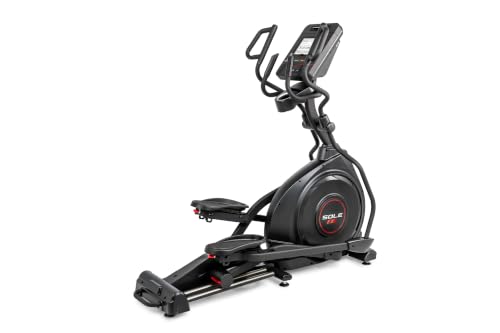
SOLE E35 Elliptical Machine
What We Like
- 25 lb flywheel for smooth motion
- 20-level power incline targets different muscles
- 350 lb weight capacity with steel frame
- Adjustable cushioned pedals for comfort
Trade-offs
- Front-drive design requires more floor space
- At 70 inches long, needs a dedicated spot
- Curbside delivery only, no room-of-choice
A heavy 25-pound flywheel and a natural 20-inch stride create a smooth, controlled motion that feels fluid from warm-up to your hardest interval, so you never get that jerky or wobbly sensation some ellipticals have. The motorized power incline shifts emphasis between glutes, quads, and calves without stopping, letting you target different muscle groups in one session. With 20 levels of magnetic resistance and a 350-pound capacity backed by a lifetime frame warranty, this machine is built for steady, low-impact training over the long haul.
The trade-off is size: at 70 inches long and 70 inches tall, this front-drive elliptical needs a dedicated corner of the room, not a quick tuck-away.
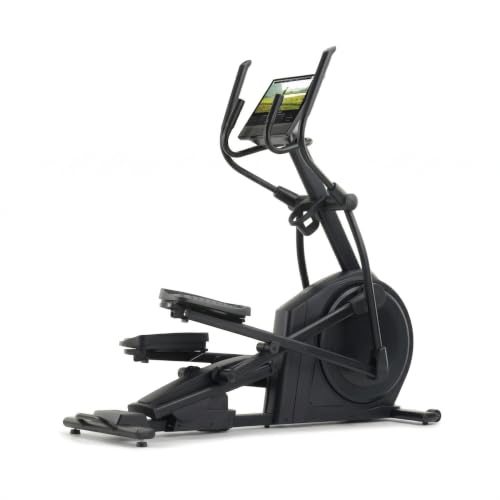
NordicTrack AirGlide 16 Elliptical
What We Like
- -5% decline to 15% incline ramp
- 26 digital resistance levels
- SmartAdjust auto-adjusts resistance
- 16" tilting HD touchscreen
Trade-offs
- 246 lb makes it hard to move
- iFIT Pro membership required for most features
- 70.2" length needs decent floor space
A -5% decline to 15% incline ramp is the standout feature here, letting you shift muscle focus from quads and glutes on the way up to hamstrings and calves on the way down, all without any jarring impact. The 26 digital resistance levels give fine-grained control. SmartAdjust tweaks resistance in real time based on your past workouts, so you don’t have to guess what’s too much or too little. This machine suits people who want low-impact movement but want the variety to keep training interesting.
At 246 pounds and over 70 inches long, this isn’t something you’ll tuck into a closet after each session. It’s a permanent fixture, and moving it to another room takes serious effort. The iFIT Pro membership is also required to unlock the screen’s streaming and auto-adjust features, which adds an ongoing cost. Best for someone with a dedicated home gym and a willingness to pay for guided, adaptive programming.
Product photos
Niceday Elliptical Exercise Machine

What We Like
- 400 lb weight capacity
- 16-inch stride for users up to 6'1"
- 90% pre-assembled
Trade-offs
- No incline or decline adjustment
- Compact footprint limits natural motion range
A 400-pound weight capacity on a machine this compact is rare, and it means the Niceday CT11 can handle heavy use without wobbling. The 16-level magnetic resistance gives you plenty of room to start gently and build up. For someone recovering from an injury or just starting out, the low-impact motion protects your joints. The ultra-quiet magnetic system keeps noise as low as 20 dB under ideal conditions, so you can exercise without disturbing others. This is a machine that prioritizes stability and ease of entry over flashy features.
There is no incline or decline to vary muscle engagement, which some rehab-focused buyers might want. But if your main goal is a stable, quiet, budget-friendly elliptical that lets you move without pain, the Niceday delivers exactly that. It is a straightforward, well-built machine for steady progress, not for chasing every bell and whistle.
Niceday Elliptical with 18IN Stride

What We Like
- 18-inch stride fits users up to 6'3"
- Below 20 dB quiet operation
- 400-lb capacity with stable carbon steel base
Trade-offs
- 18-inch stride shorter than some full-size models
- No incline or decline adjustment for varied rehab angles
An 18-inch stride that accommodates users up to 6’3″ is the standout feature here, especially when you’re recovering from an injury and need a natural, low-impact motion that won’t aggravate tender joints. With 16 resistance levels that start gentle enough for post-rehab sessions and ramp up for harder cardio days, it gives you room to progress without changing machines.
The stride here is 18 inches, while a model like the SOLE E35 offers a 20-inch stride and power incline for more varied movement patterns. If your rehab requires a longer range of motion or the ability to adjust the ramp angle to target specific muscle groups, this Niceday won’t offer that flexibility. But for someone who needs a quiet, space-conscious machine that still gives a smooth, ergonomic stride for everyday recovery workouts, it’s a practical fit. The below-20-decibel operation is a bonus if you’re working out early or late without disturbing others.
Product photos
AUDAXFIT Elliptical Trainer with Seat

What We Like
- 16-inch stride mimics natural gait
- Ultra-quiet magnetic drive system
- 400 lb weight capacity
Trade-offs
- Only 8 resistance levels limit progression
- Heavier than many compact ellipticals at 82.7 pounds
A 16-inch stride length that mimics your body’s natural gait means this machine delivers low-impact movement that’s gentle on sore knees and hips, which is exactly what someone recovering from an injury needs. With a 400-pound weight capacity and quiet magnetic drive, it’s built to handle consistent home use without rattling the household. This is a thoughtful option for anyone who wants to rebuild stamina or stay active while protecting vulnerable joints.
You get only 8 resistance levels, which is less than what some competitors like the SOLE E35 offer (20 levels). That means your ability to progressively overload over time is more limited, so if you’re aiming to build significant leg strength down the road, you might outgrow it sooner. The compact 23-inch length saves floor space but also means a shorter frame. Still, for its primary purpose, safe, low-impact cardio during recovery, this trainer fills a specific niche that few others address.
Product photos
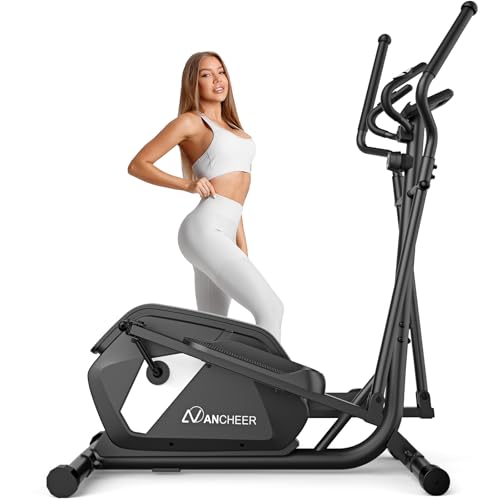
ANCHEER Elliptical Machine for Home
What We Like
- 15-inch stride reduces joint stress
- 400 lb capacity with heavy-duty steel
- Built-in pulse sensors track heart rate
Trade-offs
- 68.3 lb machine is light, less stable at high resistance
- No incline or decline adjustment for varied motion
This elliptical operates at under 20 decibels, which is quieter than normal breathing, so you can work out late at night without disturbing anyone in your home. The magnetic drive system provides 14 resistance levels, from light rehab to intense intervals, and the 15-inch stride moves naturally to reduce knee or joint stress. For anyone recovering from an injury who shares walls with roommates or family, the low noise and low-impact motion make this a considerate machine for home use.
If space and silence are your top priorities for injury recovery, this machine delivers; if you need a longer stride or more heft for intense sessions, the SOLE E35 is worth a look.
Product photos
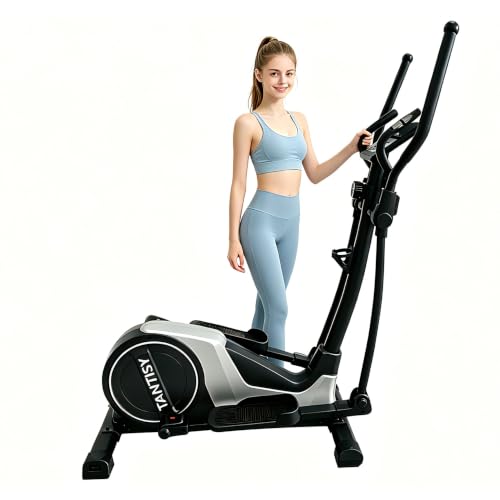
TANTISY Elliptical Machine
What We Like
- 42 cm step length for natural motion
- 8 kg flywheel for smooth low-impact ride
- Below 20 dB noise for quiet home use
- Reinforced steel frame holds 150 kg
Trade-offs
- At 90.4 lb, not easy to move alone
- 45.7 in length limits stride for taller users
- No incline or decline adjustment
A 42 cm step length gives you a longer, more natural stride than many compact ellipticals. For anyone nursing a knee or back issue, that extra reach means your hips and legs move through a fuller range without you having to shorten your gait or hunch forward. The 8 kg flywheel keeps the motion smooth and glitch-free, so every step feels consistent, not jerky. This machine is built for gentle daily movement: quiet enough to use while the household sleeps, stable enough for heavier users, and simple enough that you won’t spend more time fiddling with settings than actually moving.
Footprint and adjustability are the main compromises here. At 45.7 inches long, this elliptical fits in tighter spaces than a full-size trainer like the SOLE E35, but that shorter frame also means taller users may feel the stride is capped. There’s no incline or decline to vary muscle engagement, so your routine stays horizontal. And at 90.4 pounds, it’s not something you’ll casually shift between rooms; set it up where you plan to keep it. If your priority is a quiet, joint-friendly machine with a genuinely useful stride length for a home with limited square footage, this is a focused and honest pick.
Schwinn Fitness 411 Compact Elliptical

What We Like
- 18" stride matches larger ellipticals
- 16 resistance levels for easy adjustments
- 18-inch stride length
Trade-offs
- Heart rate monitoring only via contact grip sensors
The trade-off for that small footprint is weight: at 100 pounds, it’s not something you’ll want to shift between rooms often. And unlike the SOLE E35, which offers power incline, the Schwinn doesn’t have that feature, so you won’t get that uphill variation. Still, if your priority is a space-saving machine that gives you a full stride length and simple resistance control, this is a practical option that avoids unnecessary complexity.
NordicTrack X16 Elliptical

What We Like
- 3-in-1 motion mimics stepper, elliptical, treadmill
- 26 digital resistance levels for precise intensity
- -10% to 10% incline targets varied muscle groups
- Tilting 16" HD touchscreen for custom viewing
Trade-offs
- At 248.2 lb, moving it is a two-person job
- Requires iFIT Pro Membership for full features
- Large footprint needs dedicated floor space
The 3-in-1 design mimics a stepper, elliptical, and treadmill, so you can switch between three movement patterns on one machine without swapping equipment. The -10% decline to 10% incline range adds further variety, letting you target different muscle groups and reduce repetitive strain. That makes the X16 a smart pick for someone who wants one machine that adapts to different training goals.
If floor space is tight, the Niceday Elliptical with 18IN Stride is much lighter and more compact, though it lacks the 3-in-1 motion and incline range. The X16 also requires an iFIT Pro Membership to unlock its interactive workouts and auto-adjust features, so factor that ongoing cost into your decision.
THERUN Recumbent Elliptical Exercise Machine

What We Like
- Dual-mode elliptical and recumbent bike
- Ultra-quiet magnetic flywheel ≤20 dB
- 330-lb reinforced steel frame
- Adjustable seat and swing armrests
Trade-offs
- 8 resistance levels limit progression for strong users
- 15.8-inch stride shorter than some ellipticals
A 330-pound weight capacity on a reinforced steel frame means this machine is built to support users who need stability during recovery. The recumbent seating and 15.8-inch stride let you pedal through a full range of motion while keeping your back supported. With both a fixed-handle mode for stable upper-body support and a moving-handle mode for synchronizing upper-body movement with lower-body pedaling, you can target different muscle groups.
Eight resistance levels are fewer than what you will find on most full-size ellipticals, so once your strength starts coming back you may outgrow the challenge. A machine like the SOLE E35 offers twenty resistance levels and a longer stride for more advanced training. For someone focused on seated workouts who values a quiet design and a supportive seat, this THERUN model fits that need.
Product photos
How We Evaluated Ellipticals For Injuries
We built this guide by analyzing manufacturer specifications, studying patterns in owner feedback, and consulting expert round-ups on low-impact recovery equipment. Every machine here was chosen because it supports safe movement for someone managing joint pain or rehabbing an injury.
Four criteria mattered most. Stride length and flywheel weight determine how smooth and natural the motion feels, a jerky stride can aggravate injuries. Weight capacity and frame stability tell us how safely the machine supports different body types. Resistance and incline range let users progress gradually without overloading tender joints. Finally, noise level and footprint matter for anyone recovering at home who needs a machine that fits their space without disturbing others.
A research-led evaluation has real limits. We haven’t tested these machines ourselves, and what works for one person’s knee injury might not suit someone with a hip or back issue. Use this guide as a starting point, then check the return policy and warranty before committing.
What To Look For In Ellipticals For Injuries
Choosing an elliptical when you are hurt or healing means prioritizing joint safety over fancy features. The smoothest ride with the most adjustability wins.
Focus on a smooth, natural stride, adjustable resistance and incline for gradual progression, a stable frame that supports your body weight without wobbling, and quiet operation for home rehab. Seated or compact options matter if standing is painful or space is tight.
Stride Length and Flywheel Smoothness
A longer stride (16 to 18 inches) allows a more natural gait, reducing hip and knee strain. The flywheel’s weight determines how smoothly the motion feels, heavier flywheels, like the SOLE E35’s 25 lb unit, eliminate the jerky stop-start that can jolt an injured joint. Look for magnetic resistance systems, which provide friction-free, whisper-quiet movement.
Resistance and Incline Range
Gradual progression is critical during injury recovery. More resistance levels (16 to 26) let you increase intensity in tiny increments rather than big jumps. Incline adjustment changes which muscles work hardest, a power incline like the SOLE E35’s 20 levels or the NordicTrack AirGlide 16‘s -5% to 15% range shifts load away from sore spots. For seated rehab, fewer levels (8) may be acceptable if you are early in recovery.
Frame Stability and Weight Capacity
A wobbly machine is dangerous when you are already compromised. Look for reinforced steel frames and capacities of 330 lb or higher. Heavier machines generally stay planted during use but are hard to move, factor that into your setup plan. The Niceday budget models offer 400 lb capacities in lighter packages, which is excellent for safety without a permanent floor anchor.
Noise and Footprint
Quiet operation matters for home rehab. Several models here operate below 20 dB, meaning they won’t wake others or distract from focused movement. Measure your space carefully, front-drive machines like the SOLE E35 need 70 inches of length. If you are training with an injury in a shared room, a compact model like the Schwinn Fitness 411 (18-inch stride in a smaller frame) keeps therapy accessible.
- Check that your ceiling height accommodates your full stride and arm reach.
- Verify the machine’s assembled weight and whether delivery includes room-of-choice placement.
- Confirm the warranty covers parts and labor for at least one year.
- Test the pedal comfort and adjustability, cushioned, adjustable pedals reduce foot and ankle stress.
- Ensure the console displays clear, easy-to-read metrics without complex menus.
A safe elliptical for injury recovery is one you can use consistently without pain, so prioritize comfort over gadgetry.
Ellipticals For Injuries Compared
The table below compares all 10 ellipticals side by side on the specs that matter most for injury-safe training: stride length, resistance levels, incline range, weight capacity, and key features.
| Product | Stride Length | Resistance Levels | Dimensions |
|---|---|---|---|
| SOLE E35 Elliptical Machine | 20 inches | 20 levels | 70.0 x 31.0 x 70.0 in |
| NordicTrack AirGlide 16 Elliptical | N/A | 26 digital | 70.2 x 24.6 x 67.4 in |
| Niceday Elliptical Exercise Machine | 16 inches | 16 | 25.0 x 48.0 x 62.0 in |
| Niceday Elliptical with 18IN Stride | 18 inches | 16 | 39.6 x 24.4 x 61.0 in |
| AUDAXFIT Elliptical Trainer with Seat | 16.0 inches | 8 levels | 23.0 x 20.0 x 26.0 in |
| ANCHEER Elliptical Machine for Home | 15 inches | 14 magnetic | 43.0 x 25.0 x 61.0 in |
| TANTISY Elliptical Machine | 18.5 Inch | 16 | 45.7 x 24.8 x 59.8 in |
| Schwinn Fitness 411 Compact Elliptical | 18" | 16 | 53.8 x 24.0 x 62.5 in |
| NordicTrack X16 Elliptical | N/A | 26 digital levels | 58.5 x 29.5 x 74.0 in |
| THERUN Recumbent Elliptical Exercise Machine | 15.8 inches | 8 | 51.2 x 20.5 x 53.5 in |
Frequently Asked Questions
Can I use an elliptical with a knee injury?
Yes, ellipticals are among the safest low-impact machines for knee injuries because they eliminate the pounding of running or jogging. The gliding motion strengthens supporting muscles without stressing the joint. Start with low resistance and no incline, and stop if you feel sharp pain rather than muscle fatigue.
What stride length is best for injury recovery?
A 16- to 18-inch stride works well for most people recovering from lower-body injuries, as it allows a natural walking motion. Shorter strides (15 inches) can feel cramped and may alter your gait. Taller users over 6 feet should aim for 18 inches or more to avoid hip strain.
Are seated ellipticals better for back injuries?
Seated ellipticals like the AUDAXFIT and the THERUN Recumbent model take weight off the spine and hips, making them a strong choice for back, hip, or balance issues. They also reduce the risk of falling. However, they offer fewer resistance levels, so progression for stronger users may be limited.
How quiet should an elliptical be for home use?
Machines rated below 20 dB are essentially silent, fine for apartments or shared walls. Most magnetic-drive ellipticals in this guide meet that threshold. If noise is a concern, avoid belt-drive or older chain-drive machines, which tend to squeak over time.
Do I need incline adjustment on an elliptical for rehab?
Incline adjustment is helpful but not essential. Varying the incline shifts muscle activation from glutes and hamstrings to quads and calves, which lets you use workout machines for bad knees in different positions to avoid overuse. If your injury is very specific, a flat-only machine with good resistance range may be sufficient.
The Bottom Line
The SOLE E35 Elliptical Machine is the best overall pick for anyone recovering from an injury who wants a smooth, stable, and adjustable machine. Its 25 lb flywheel, 20-level power incline, and 350 lb capacity create a forgiving platform for rebuilding strength without joint pain. This is the machine to buy if you have the floor space and want the widest range of safe motion.
If your budget is tighter or you are in early rehab, the Niceday Elliptical Exercise Machine offers a 400 lb capacity and quiet operation at a more accessible price. For those who need to stay seated during recovery, the AUDAXFIT Elliptical Trainer with Seat or the THERUN Recumbent Elliptical are smart alternatives that protect the spine and hips.
The single most important factor when choosing an elliptical for an injury is how the machine feels during your actual movement. No spec sheet replaces a careful, pain-free test stride. Start slow, listen to your body, and use this guide to find a machine that supports your recovery rather than working against it.
