
8 Best Fitness Trackers For Teens in 2026
This post contains affiliate links. As an Amazon Associate, we earn from qualifying purchases.
The BIGGERFIVE Kids Smart Watch Fitness Tracker is our best overall pick for teens because it balances 80 sports modes with parent-controlled game limits and custom watch faces. For teens focused on stress and sleep, the Fitbit Inspire 3 offers a daily Stress Management Score and mindfulness sessions. Active teens who run or bike will prefer the built-in GPS on the Fitbit Charge 6.
Helping a teen build consistent fitness habits means finding a tracker that feels fun, not like homework. Too many features overwhelm, too few bore, and a device that looks like a toy gets left in the drawer. The right tracker fits their activity level, their style, and your family’s screen-time preferences.
This guide is research-based: we looked at manufacturer specs, expert round-ups, and patterns in owner feedback to find eight trackers that serve different teen needs. Whether your teen swims, runs, games, or just wants to move more, one of these picks will fit.
Top 8 Fitness Trackers For Teens in the Market
Certain content that appears on this site comes from Amazon. This content is provided "as is" and is subject to change or removal at any time.
The Best Fitness Trackers For Teens, Reviewed
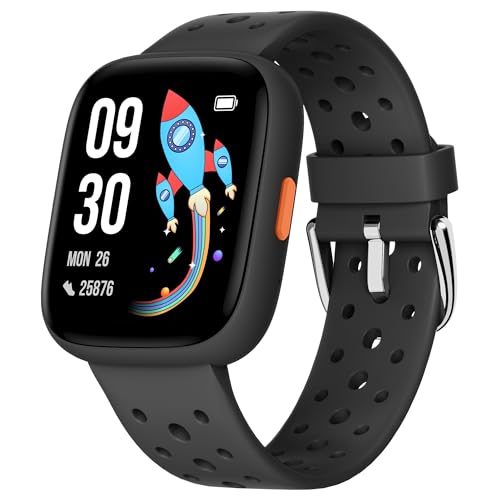
BIGGERFIVE Kids Smart Watch Fitness Tracker
What We Like
- 80 sports modes for active teens
- Puzzle games with parent-controlled limits
- Custom watch faces from own photos
Trade-offs
- Requires phone app for full features
- Games can be locked but not removed
With 80 sports modes, your teen can track basketball, bike rides, and more without needing a different device. The watch works without a phone for basic activity tracking, so kids who leave their phone behind still get credit for moving. Parents who want a watch that encourages activity without constant phone pairing will find this fits the bill.
The trade-off is that unlocking the custom watch faces, puzzle games, and detailed health insights requires the BIGGERFIVE app on a parent’s phone. Those built-in games are fun for downtime, but you can lock them during school hours through the app, a nice middle ground. Compared to the Fitbit Inspire 3, which includes stress management and sleep tracking, this model leans into playful engagement with puzzle games and parental controls. Best for families who want a durable, feature-packed first tracker that grows with a child’s interests.
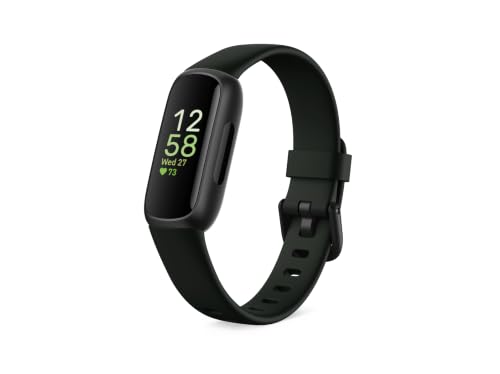
Fitbit Inspire 3 Fitness Tracker
What We Like
- Daily Stress Management Score included
- Mindfulness and relax breathing sessions
- 24/7 heart rate and SpO2 monitoring
- Automatic sleep tracking with smart wake alarm
Trade-offs
- Requires iOS 16.4 or Android 11.0 or higher
A daily Stress Management Score that pulls from heart rate, sleep, and activity data means this tracker actually helps you notice when life is piling on before you crash. That is the core reason the Inspire 3 fits so well for a teen juggling school, social life, and maybe a part-time job. It offers mindfulness sessions and guided breathing exercises right on the wrist, so you do not need to pull out your phone to reset. For someone who wants to build healthier habits without feeling like another chore, this is a gentle nudge rather than a drill sergeant.
At just 0.2 pounds, the Inspire 3 is light enough to wear all day and night without noticing it, which is key for getting accurate stress and sleep data. Owners say the daily Stress Management Score and guided breathing sessions help them actually pause and reset during a hectic day. For someone focused on feeling calmer and sleeping better rather than chasing lap times, this tracker delivers exactly that experience.
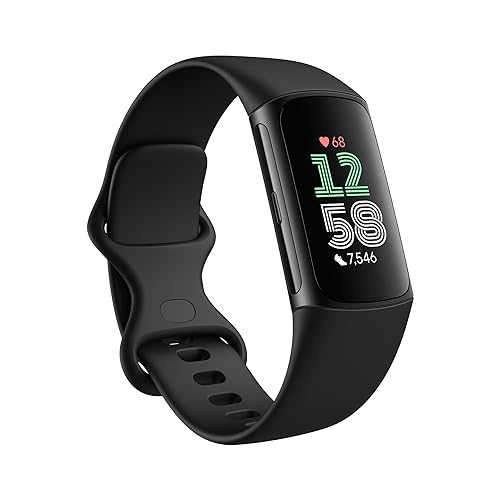
Fitbit Charge 6 Fitness Tracker
What We Like
- Built-in GPS for accurate route tracking
- 40+ exercise modes cover most teen activities
- Real-time heart rate on gym equipment
Trade-offs
- Google Health Premium subscription needed for full coaching
- Full coaching features locked behind a subscription
Linking the tracker to compatible exercise machines like treadmills and ellipticals shows your heart rate in real time on the equipment’s display. That turns a simple fitness band into a proper training tool, letting you pace your effort without glancing at your wrist. Owners say this integration makes interval work feel more purposeful than relying on a basic step counter. The connection is straightforward to set up, so you can focus on the workout rather than fiddling with settings. It bridges the gap between wearable data and gym gear effectively.
The deeper coaching features require a Google Health Premium subscription, so the free experience focuses on tracking rather than guiding. Compared to the Fitbit Inspire 3, the Charge 6 adds GPS and more exercise modes, making it a better fit for people who run, bike, or hit the gym regularly rather than just logging steps. For anyone serious about staying active, this tracker earns its place.
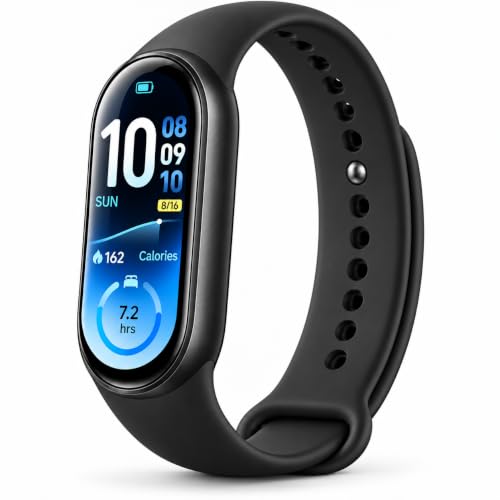
Xiaomi Smart Band 11 Fitness Tracker
What We Like
- 21-day battery life
- Ultralight 15.6g design
- 150+ sports modes
Trade-offs
- No built-in GPS for outdoor runs
- No altimeter for tracking floor climbs
With up to 21 days of battery life, this tracker can go weeks between charges, making it a low-maintenance companion for daily use. At just 15.6 grams and 9.99mm thin, it’s light enough for all-day wear, including sleep tracking. That combination of long battery and light weight makes it a practical choice for anyone who wants a reliable fitness tracker without frequent charging.
At just 9.99mm thin and 15.6 grams without the strap, this band is light enough to wear all day without noticing it. The curved body and breathable textured strap sit flush against the skin, so it won’t irritate during sleep or a long workday. For everyday step counting, continuous heart rate and SpO2 monitoring, sleep tracking with HRV analysis, and access to over 150 sports modes, the Smart Band 11 delivers strong functionality in a barely-there form. Reviewers frequently note that it feels like nothing on the wrist, making it easy to keep on around the clock.
Product photos
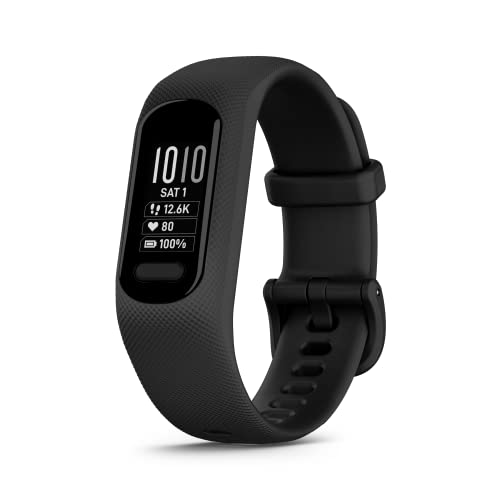
Garmin vívosmart 5 Fitness Tracker
What We Like
- Swim-proof and shower-safe design
- Up to 7 days of battery life
- Pool swim activity profile built-in
- Tracks sleep quality with improvement insights
Trade-offs
- Pulse Ox not available in all countries
- Relies on phone GPS for outdoor routes
- No built-in GPS for standalone tracking
A swim-proof build and dedicated pool swim activity profile make this the tracker that actually works in the water without asking you to take it off. The touchscreen and button interface plus a brighter, bigger display than the vívosmart 4 mean you can see larger text even after a swim. Battery life reaches up to 7 days in smartwatch mode, so it can last through a typical week of use without frequent charging.
The vívosmart 5 connects to your smartphone’s GPS to track outdoor walks, runs, and rides, so you’ll need your phone nearby for location data on those activities. It’s safe for swimming and showering, and built-in sports apps include a pool swim profile, which gives swimmers a dedicated mode for lap tracking. For someone who spends a lot of time in the water, this tracker offers a purpose-built feature that many general fitness bands skip.
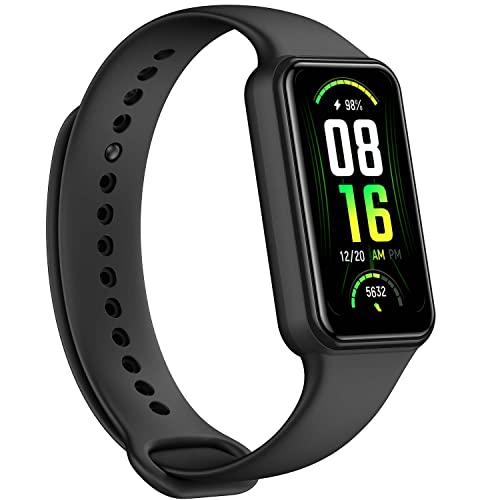
Amazfit Band 7 Fitness Tracker
What We Like
- Alexa built-in for voice control
- 120 sports modes cover varied activities
- 18-day battery life reduces charging hassles
- 1.47" AMOLED display is large and bright
Trade-offs
- No GPS built-in for outdoor route tracking
- 5 ATM water resistance limits deep-water use
A 1.47-inch AMOLED display makes it easy to read your stats at a glance, with 120 sports modes to log activities from swimming to casual workouts. Alexa built-in lets you set timers or check the weather hands-free, and the 18-day battery life means you won’t need to charge it constantly. Holistic health monitoring covers heart rate, sleep, blood oxygen, and stress, so you get a full picture of your wellness without extra gadgets.
This band lacks built-in GPS, so if you run or bike outdoors without your phone, you won’t get accurate distance or pace tracking. Also, the 5 ATM water resistance is fine for splashes and shallow swims but not for deep diving. For users who want smart features like voice control and a big, vibrant screen over raw athletic tracking, this band delivers a lot of value.
Product photos
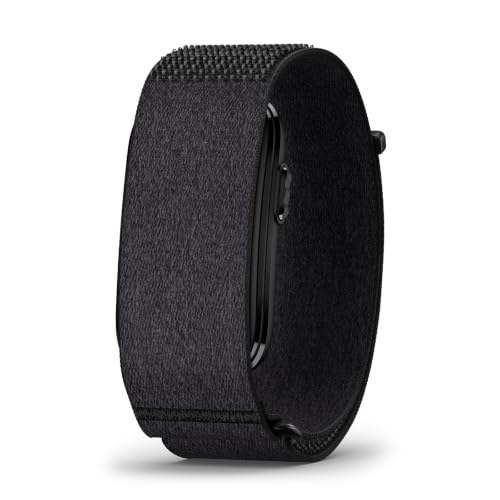
Garmin CIRQA Smart Band
What We Like
- Screenless design minimizes distraction
- Up to 10 days of battery life
- No subscription required for use
- Automatically detects a variety of activities
Trade-offs
- No screen means no quick glance at stats
- Requires smartphone GPS for outdoor tracking accuracy
- Pulse Ox not available in all countries
A screenless design that runs up to 10 days on a charge means this tracker stays out of your way and stays on your wrist longer. For someone who needs health and fitness data without the pull of a screen, that freedom from distraction is the whole point. It automatically detects 80+ activities, uses the Garmin Connect app for sleep coaching and Body Battery energy monitoring, and never asks for a subscription. You get the essentials, heart rate, stress, activity tracking, without a glowing screen begging for your attention.
You cannot glance at your stats mid-run without pulling out your phone, which is the trade-off for a screenless design that minimizes distraction. For outdoor tracking, you pair to your smartphone’s GPS, so you need your phone along. But if the goal is to build healthy habits without turning fitness into another screen habit, this band delivers exactly that, it is for the person who wants the data but not the distraction.
Product photos
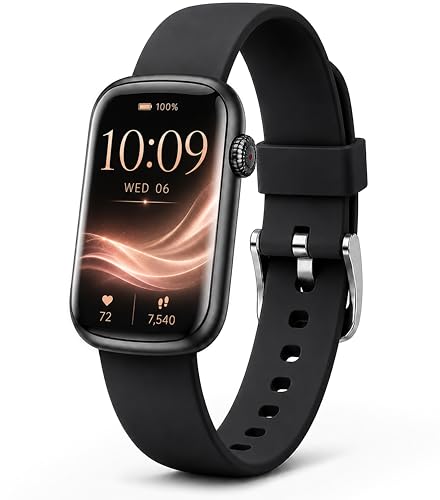
MorePro Health Fitness Tracker
What We Like
- IP68 waterproof for daily use and rain
- 7 sports modes including basketball and yoga
- Women's health tracking with period calendar
- 300+ customizable watch faces
Trade-offs
- Blood oxygen is on-demand only, not continuous
- No built-in GPS for outdoor runs
- Health data is for general wellness, not medical
The slim 1.47-inch display with over 300 watch faces means this tracker doubles as a fashion accessory you would actually want to wear every day, not just during workouts. With IP68 waterproofing, it handles hand-washing, sweat, and rain without a second thought. It covers the essentials: step counting, sleep tracking, heart rate and blood pressure monitoring, plus seven sport modes like basketball and yoga. It also includes women’s health tracking with period and ovulation calendars, which adds practical value for someone starting to monitor their cycles.
The blood oxygen monitor is on-demand only, not continuous, so you won’t get automatic SpO2 readings throughout the night or during exercise. There is no built-in GPS, so outdoor runs will need your phone along for accurate distance tracking. Still, the 7-day battery life and call and text notifications keep it useful for everyday routines. For someone who wants a slim, stylish tracker that does the basics well, this is a smart starting point.
Product photos
How We Evaluated Fitness Trackers For Teens
We started with the specs that matter most to teens: activity modes, battery life, connectivity, and water resistance. Manufacturer data told us what each device claims to do. Expert round-ups from fitness and parenting outlets helped us understand which features actually keep teens engaged. Owner feedback, the real-world pattern of what teens love and what frustrates them, shaped our final picks.
Three criteria drove every decision. First, engagement: a tracker a teen won’t wear is useless, so we prioritized features like custom watch faces, games, and colorful displays. Second, parental fit: some families want screen-free tracking, while others want games with time limits, we covered both. Third, activity match: a swimmer needs water resistance and a pool mode; a runner needs GPS. We didn’t rank a tracker for what it doesn’t do.
The honest limit of a research-led evaluation is that we haven’t put each tracker on a teen’s wrist for a month. What we can offer is a clear picture of how each device works on paper, what real owners say, and who each pick is best for. For deeper comparisons, our fitness tracker reviews cover more models in detail.
What To Look For In Fitness Trackers For Teens
The right fitness tracker for a teen balances fun features with the data that actually builds healthy habits without becoming a distraction.
Look for a tracker that matches your teen’s main activity, whether that is running, swimming, or gym. It should have a battery that lasts all week. Also consider the right level of parental control, from full app access to screen-free tracking.
Activity Modes And GPS
The number of sports modes matters less than whether the tracker covers what your teen actually does. A swimmer needs a pool activity profile and at least 5 ATM water resistance. A runner benefits from built-in GPS so they can leave their phone at home.
Gym-goers want heart rate monitoring that pairs with equipment. The Fitbit Charge 6 offers 40+ exercise modes with built-in GPS, while the Garmin vívosmart 5 includes a dedicated pool swim profile. For teens who just want to track daily steps and casual sports, a tracker without GPS, like the Xiaomi Smart Band 11 with 150+ modes, still works well.
Battery Life And Charging
A tracker that dies before dinner is a tracker a teen will forget to charge. Look for at least five days of battery life under normal use. The Xiaomi Smart Band 11 leads with 21 days, while the Amazfit Band 7 offers 18 days. The Garmin CIRQA Smart Band runs up to 10 days without needing a charge. Shorter battery life, around seven days for the Garmin vívosmart 5, is acceptable if the tracker offers features your teen specifically needs, like swim tracking or stress monitoring.
Screen, Distractions, And Parental Controls
This is where personal preference and family values really matter. Some teens thrive with a bright AMOLED display and Alexa voice control (Amazfit Band 7). Others do better with a screenless band that auto-detects activity without notifications (Garmin CIRQA). For younger teens, the BIGGERFIVE Kids Smart Watch includes puzzle games with parent-controlled time limits, the games can be locked but not removed. The Fitbit Inspire 3 offers a middle ground: a small color screen with mindfulness tools and no games.
- Check whether the tracker requires a subscription for full coaching features (Fitbit Charge 6 does).
- Confirm smartphone compatibility, some trackers require specific iOS or Android versions.
- Look for water resistance ratings that match your teen’s activities (IP68 for rain, 5 ATM for swimming). Consider the band size; teens with smaller wrists may need trackers designed for small wrists.
The best tracker is the one your teen actually wants to wear every day.
Fitness Trackers For Teens Compared
The table below compares the eight trackers side by side, showing key specs and which teen each one suits best.
| Product | Display | Sports Modes | Heart Rate |
|---|---|---|---|
| BIGGERFIVE Kids Smart Watch Fitness Tracker | 1.8" HD touch | 80 | real-time heart rate |
| Fitbit Inspire 3 Fitness Tracker | N/A | 40+ | 24/7 |
| Fitbit Charge 6 Fitness Tracker | N/A | 40+ | 24/7 + real-time on equipment |
| Xiaomi Smart Band 11 Fitness Tracker | 1.72" AMOLED | 150+ | Heart Rate & SpO2Monitor |
| Garmin vívosmart 5 Fitness Tracker | Touchscreen + button | Pool swim, walking, running, yoga, cardio | N/A |
| Amazfit Band 7 Fitness Tracker | 1.47"AMOLED | 120 modes | 24H Heart Rate |
| Garmin CIRQA Smart Band | Screenless | 80+ activities | N/A |
| MorePro Health Fitness Tracker | 1.47-inch | 7 modes | 24/7 heart rate monitor |
Frequently Asked Questions
What is the best fitness tracker for a teenage runner?
The Fitbit Charge 6 is the best pick for a teen who runs regularly. Its built-in GPS tracks routes accurately without needing a phone, and it offers 40+ exercise modes that cover running, cycling, and gym workouts. The real-time heart rate data also pairs with gym equipment for a complete workout picture.
Can a fitness tracker help a teen manage stress?
Yes. The Fitbit Inspire 3 includes a daily Stress Management Score and guided breathing sessions that help teens recognize and respond to stress patterns. It also tracks sleep automatically and uses a smart wake alarm, which supports the rest that stress management depends on.
What fitness tracker is best for a teen who swims?
The Garmin vívosmart 5 Fitness Tracker is a strong choice for swimmers. It has a dedicated pool swim activity profile that tracks laps and stroke types, and it is swim-proof and shower-safe. Battery life lasts up to seven days, and the sleep tracking includes improvement insights.
Do teen fitness trackers require a subscription?
Some do. The Fitbit Charge 6 requires a Google Health Premium subscription for full coaching features like personalized workouts and advanced sleep insights. The Garmin CIRQA Smart Band and the BIGGERFIVE Kids Smart Watch do not require any subscription for their core features.
What is the most affordable fitness tracker for a teen?
The MorePro Health Fitness Tracker is our budget pick. It offers IP68 waterproofing, seven sports modes, women’s health tracking, and over 300 customizable watch faces at a budget-friendly price. It lacks built-in GPS and continuous blood oxygen tracking, but it covers the basics well.
The Bottom Line
The BIGGERFIVE Kids Smart Watch Fitness Tracker is the best overall choice for most teens because it combines 80 sports modes with parent-controlled game limits and custom photo watch faces. It fits active kids and teens aged 5 to 16 who want a durable, feature-rich tracker that still gives parents some control. For teens who need built-in GPS or prefer a more adult-styled band, the Fitbit Charge 6 is the better fit.
If your teen is more focused on stress management and sleep than on sports, the Fitbit Inspire 3 offers a daily Stress Management Score and mindfulness sessions without the distraction of games. For swimmers, the Garmin vívosmart 5 provides a dedicated pool swim mode and solid water resistance. Budget-conscious families will find the MorePro Health Fitness Tracker covers the basics at an affordable price.
The single most important factor is whether your teen will wear it. Let them help choose the color, the watch face, or the style, a tracker they feel good about is a tracker that will actually help them build healthy habits. For more guidance on building a complete fitness routine, check our workout routines for teens and safe exercises for teens.
