
10 Best Adidas Gym Shoes in 2026
This post contains affiliate links. As an Amazon Associate, we earn from qualifying purchases.
The adidas Dropset Vario Training Shoe earns our top spot because its TPU midfoot torsion system and Repetitor Foam deliver the stability you need for heavy squats and deadlifts without feeling like a brick. For lifters who want one shoe for everything, the Dropset 4 Power Trainer is our Best Versatile Training Shoe, while the budget-friendly Total 2.0 covers the basics without breaking the bank.
Finding the right adidas gym shoe comes down to matching the shoe to your main activity. A shoe built for heavy deadlifts feels terrible for burpee box jumps, and a lightweight HIIT shoe won’t keep you stable under a barbell. The wrong choice can throw off your form or wear out fast.
We built this guide by digging into adidas’s specs, studying expert round-ups, and looking at patterns in owner feedback across dozens of models. We narrowed the field to ten standouts and ranked them by their specific strengths so you can match the shoe to your training style.
Top 10 Adidas Gym Shoes in the Market
Certain content that appears on this site comes from Amazon. This content is provided "as is" and is subject to change or removal at any time.
The Best Adidas Gym Shoes, Reviewed
adidas Dropset Vario Training Shoe

What We Like
- TPU midfoot torsion system for heavy lifts
- Repetitor Foam for stable, responsive cushioning
- Breathable mesh upper keeps feet cool
- Wide-fit construction enhances ground stability
Trade-offs
- 2.4 pounds is heavier than some lifting shoes
A TPU midfoot torsion system locks down your arch during heavy squats and deadlifts, helping you maintain form without fighting your shoes. That targeted support, paired with Repetitor Foam that stays responsive under load, makes this trainer a reliable partner for anyone who mixes barbell work with dynamic warmups or functional circuits. The breathable mesh upper vents heat during intense sets, and the wide-fit base keeps you connected to the floor for better lifting mechanics. It is a shoe built for the lifter who wants stability without sacrificing the ability to move through lunges, box steps, or agility drills.
The trade-off is weight: at 2.4 pounds per shoe, it is noticeably heavier than the Adipower Weightlifting 3, which comes in at 1 pound. That extra heft gives you a planted feel under the bar. But it also means these are less suited for fast-paced metcons or plyometric work where every ounce matters. If your training leans toward pure weightlifting, the lighter Adizero Dropset Pro might edge ahead. For the lifter who wants one shoe that handles heavy compound lifts and still lets you move through a full circuit, the Dropset Vario earns its spot as the best overall pick.
Product photos
adidas Dropset 4 Power Trainer

What We Like
- Continental rubber outsole for wet/dry grip
- Full-length Repetitor foam balances cushion and stability
- Geofit heel pods lock in foot for heavy lifts
- Haptic print upper resists abrasion and breathes
Trade-offs
- At 2.1 lb, heavier than dedicated weightlifting shoes
- Heavier than the 1.0-lb Adizero Dropset Pro for speed work
A full-length Repetitor foam midsole that balances cushioning with stability means you can go from a heavy deadlift set straight into box jumps without swapping shoes. This is the pair for anyone who wants one trainer that handles strength work, explosive moves, rope climbs, and short runs without feeling like a compromise. The Continental rubber outsole keeps you planted on slick gym floors, and the Geofit heel pods wrap your heel securely so you don’t slide during squats or lunges. It suits the athlete who values versatility over specialization, and who wants consistent support across a varied workout routine.
At 2.1 pounds, these are heavier than the 1.0-pound Adizero Dropset Pro, which is built for speed and agility work. If your training is mostly fast-paced plyometrics or you prioritize a featherlight feel, the Dropset Pro may serve you better. For the lifter who also does conditioning, the Dropset 4’s added weight comes from the Continental rubber outsole and full-length Repetitor foam that provide grip and support for heavier loads. It is a balanced choice for the gym-goer who refuses to own a shoe for every exercise.
Product photos
adidas Women's Dropset Vario Training Shoe

What We Like
- Wide fit for natural foot splay
- Repetitor foam midsole for energy return
- TPU torsion system stabilizes heavy lifts
- Breathable mesh upper manages heat
Trade-offs
- 2.4 pounds is heavier than lighter lifting shoes
- Not designed for speed work or agility drills
A broader platform that lets your toes spread naturally is exactly what you want when you’re bracing under a heavy barbell, and that’s the core idea here. The wide fit works with a Repetitor foam midsole that gives consistent energy return while keeping your foot grounded. A TPU midfoot torsion system locks things down so you don’t wobble during squats or deadlifts. This makes it a smart pick if you prioritize stability and comfort over bare-minimum weight, especially during high-volume lifting sessions where your feet need to breathe and stay planted.
At 2.4 pounds, these shoes are heavier than the adidas Adipower Weightlifting 3 (1.0 pounds), so they won’t feel as quick during fast transitions between sets. That weight pays off in stability: a TPU midfoot torsion system locks your foot down for heavy lifts, and the wide fit lets your toes splay naturally for a grounded stance under the bar. The breathable mesh upper keeps air moving during long sessions, so you stay focused on form instead of sweaty feet.
Product photos
adidas Powerlift 5 Weightlifting Shoe

What We Like
- 15 mm heel lift for stable squat depth
- Wide hook-and-loop strap for secure lockdown
- Rubber outsole delivers high traction
- Light and breathable textile upper
Trade-offs
- 15 mm heel lift limits versatility for flat-ground lifts
- Not designed for running or dynamic cardio
A 15 mm raised heel is the key reason to reach for this shoe when the barbell gets heavy. That lift shifts your center of gravity forward, letting you hit proper depth in squats without rolling onto your toes. The wide hook-and-loop strap locks your foot in place, so you don’t wobble under a loaded bar. It’s built for the lifter who wants a stable, no-nonsense platform for squats, presses, and pulls, and the textile-and-synthetic upper keeps it breathable enough for longer sessions.
A 15 mm heel lift is built into the Powerlift 5, which helps you stay upright during squats and overhead lifts. That same raised heel makes it less useful for deadlifts or any exercise where you want your foot flat to the floor. The rubber outsole delivers high traction, so your feet won’t slide on the platform during heavy sets. Adjustable laces and a wide hook-and-loop top strap provide a snug fit for secure lockdown.
Product photos
adidas Women's Dropset 4 Power Trainer

What We Like
- Full-length responsive cushioning for lifting
- Targeted heel padding reduces pressure points
- Ventilated upper supports lateral moves
- Multi-surface outsole grips gym, turf, outdoors
Trade-offs
- Heavier than some dedicated lifting shoes at 2.1 lb
- Not built for Olympic weightlifting with a raised heel
The full-length responsive cushioning delivers energy return and firmness exactly where you need it during heavy squats or deadlifts, so you don’t sink or wobble under load. These shoes are built for functional strength training, everything from barbell work to circuit-style endurance, without forcing you to swap footwear mid-session. The targeted heel padding wraps your foot with extra comfort, reducing those annoying pressure points that show up halfway through a long workout, while the lightweight ventilated upper keeps air moving during intense sets.
At 2.1 pounds, these are noticeably heavier than minimalist lifting shoes like the adidas Adipower Weightlifting 3, which weighs only 1.0 pound. That extra weight comes from the supportive structure and multi-surface outsole, which gives you reliable traction on gym floors, turf, or even outdoor terrain. If you prioritize featherlight feel for rapid footwork, you might prefer the Adipower. For most people focused on steady strength gains and versatility, the Dropset 4’s stability and comfort make it a practical everyday gym companion.
Product photos
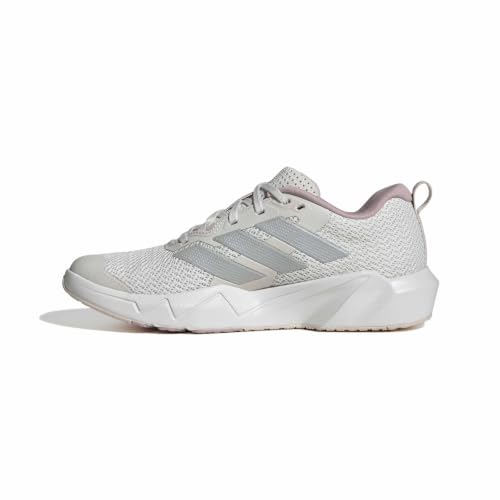
adidas Women's Rapidmove Go Training Shoe
What We Like
- Climacool mesh keeps feet dry
- Lightmotion cushioning for nimble feel
- Adiwear outsole for durable grip
- Versatile for HIIT and strength work
Trade-offs
- Mesh upper offers less lateral support for heavy lifting
- Heavier than some dedicated training shoes at 2.4 pounds
At 2.4 pounds, this shoe is lightweight and uses Lightmotion cushioning for responsive support, helping you stay nimble during workouts. The Climacool mesh upper promotes airflow to keep feet dry, so you can focus on your training. Designed for HIIT classes, virtual training, and gym sessions, it supports dynamic stability for diverse exercises.
The mesh upper prioritizes breathability over the structure found in heavier trainers, which may not suit those focused on maximal strength work. For lifters, the adidas Women’s Dropset Vario Training Shoe is another option in the same weight class. For HIIT classes and gym sessions that mix strength and cardio, the Rapidmove Go offers the lightweight feel and airflow you need.
Product photos
adidas Adipower Weightlifting 3 Shoe

What We Like
- Structured textile and synthetic upper
- Hook-and-loop plus lace closure for secure fit
- High-density midsole supports heavy loads
- Rubber outsole gives outstanding grip
Trade-offs
- Not ideal for agility or multi-move workouts
- Too stiff for cross-training or agility drills
A high-density midsole and rubber outsole mean this shoe is built to keep you stable under heavy loads, so you can focus on your squat or deadlift without worrying about wobbling. The hook-and-loop strap over the laces locks your foot in place, which makes a real difference when you’re pushing near your max. This is the shoe for anyone who wants a firm, supportive platform for structured lifting sessions, where every rep benefits from a solid base and minimal give.
That same structure can feel stiff if you’re planning to mix in agility drills or dynamic warm-ups between sets. It’s a specialist tool for lifters who prioritize stability over versatility, and that focus is exactly what earns it a spot in this guide for structured weightlifting.
Product photos
adidas The Total 2.0 Weightlifting Shoe

What We Like
- Unisex sizing fits many foot shapes
- Compact design for gym bag storage
- Unisex sizing Men 9 / Women 10
Trade-offs
- No heel height or strap details listed
- No raised heel for Olympic lifts
For anyone starting out with weightlifting or wanting a simple, no-fuss shoe for deadlifts and squats, this budget-friendly option gets you a stable platform without the bulk or cost of heavier models.
The trade-off for that lightness is fewer features. Unlike some other weightlifting shoes that include a raised heel and strap system, the Total 2.0 keeps things minimal. That makes it a better match for general gym work or deadlifting, where a flat base is preferred, but less ideal if you need a dedicated heel for deep squats or clean pulls. It is a straightforward, no-frills option.
Product photos
adidas The Total Core Deadlifting Shoe

What We Like
- Zero-drop keeps you grounded for deadlifts
- Hook-and-loop strap locks the foot in
- Rubber outsole gives reliable grip
- Made with at least 50% recycled content
Trade-offs
- No heel lift limits use for Olympic lifts
- Not suitable for running or cardio workouts
A zero-drop platform means your foot sits flat against the floor, which is exactly what you want when pulling a heavy deadlift. The rubber outsole grabs the platform so you don’t slide, and the hook-and-loop strap across the instep locks your midfoot in place. This design keeps you grounded without any heel elevation, making it a focused tool for lifters who prioritize stability for deadlifts. If deadlifts are your main event, this shoe respects that priority without extra bulk.
That same zero-drop design won’t help you in Olympic lifts or squats where a raised heel improves ankle range of motion. Compared to other weightlifting shoes in the adidas lineup, such as the Powerlift 5, the Total Core is more specialized for deadlift work. It also uses a textile upper, which may differ in feel from leather or synthetic overlays found on some other models. For dedicated deadlift sessions, though, this is a lightweight, grounded option that keeps you connected to the floor.
Product photos
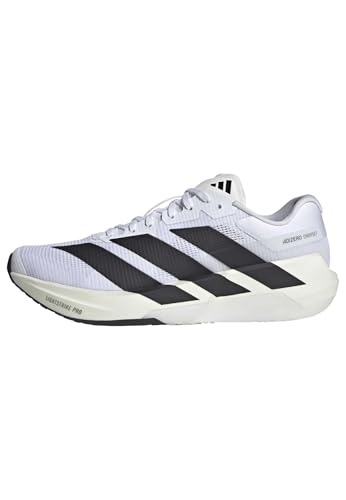
adidas Adizero Dropset Pro Training Shoe
What We Like
- Ultralight 1.0-pound build for speed
- Streamlined design for quick transitions
- Targeted for fast-paced training sessions
Trade-offs
- At 1.0 pounds, less stable for heavy lifting
Weighing just one pound, this shoe is lighter than several other training models from the same brand. That low weight reduces drag during fast movements, so you can transition quickly between exercises. It is not designed for heavy lifting sessions where a stable platform matters more than speed.
The trade-off comes when you need a solid base for heavy squats or deadlifts. Compared to the Dropset 4 Power Trainer, which weighs over twice as much at 2.1 pounds, this shoe won’t give you the same grounded feel under a barbell. It’s a deliberate choice: go with the Adizero Dropset Pro if your training leans toward speed and agility, and save the heavier lifting for a shoe built to handle it. Not the best pick if your main goal is maxing out your squat.
Product photos
How We Evaluated Adidas Gym Shoes
We started by reviewing the technical specs and construction details for every current adidas training and lifting shoe. Manufacturer descriptions for features like Repetitor foam density, heel lift height, outsole rubber compounds, and upper materials formed the baseline for comparison. We then cross-referenced those specs against patterns in owner feedback to see which claims held up in real gym floors.
Four criteria mattered most for this category. Stability was first because a shoe that wobbles under a loaded barbell is dangerous. We looked for features like TPU torsion systems, wide bases, and secure strap closures. Versatility ranked second since most gym-goers do more than one movement type in a session. Weight became critical for HIIT and speed work, where every ounce slows you down. Durability came last because gym shoes take constant abrasion from rubber floors, knurled bars, and lateral cuts.
An evaluation like this has limits. It relies on what the manufacturer publishes and what consistent owner reports tell us about real-world performance. A shoe that looks perfect on paper may fit differently on your foot, which is why we emphasize trying on or buying from a store with a good return policy.
What To Look For In Adidas Gym Shoes
Choosing the right adidas gym shoe depends on your main training style. Here is what the specs actually mean for your workouts.
Focus on heel height for lifting, weight for cardio, and outsole grip for versatility. A 15mm heel lift helps squat depth but kills deadlift form. A 1.0-pound shoe lets you move fast but won’t support a heavy barbell.
Heel Height and Platform Stability
The heel-to-toe drop in a gym shoe dictates which lifts it supports. A 15 mm heel lift, like the one on the Powerlift 5, creates an elevated position that helps you reach depth in squats and overhead presses. This same lift makes flat-ground deadlifts harder because it shifts your center of gravity forward. Zero-drop shoes like the Total Core keep you flat and grounded, which is ideal for deadlifts but offers no help for squat depth.
Weight and Breathability
Shoe weight affects how your foot feels during dynamic movement. The Adizero Dropset Pro weighs just 1.0 pounds, making it one of the lightest training shoes adidas makes. That weight saving comes from a streamlined build that trades stability for speed. Heavier shoes like the Dropset Vario at 2.4 pounds use denser foams and structural TPU plates that lock your foot in place under load. Breathable mesh uppers help manage heat during long sessions, but they offer less lateral support than structured textile and synthetic uppers.
Outsole Grip and Versatility
The outsole rubber compound determines where a shoe performs best. Continental rubber, found on the Dropset 4 Power Trainer, delivers reliable grip on wet surfaces and gym floors alike. Standard Adiwear rubber handles indoor gym surfaces well but can feel slippery on wet turf or outdoor concrete. If you train across multiple surfaces, look for a multi-surface outsole pattern that channels debris and grabs on both rubber and concrete.
A good rule of thumb: if you squat and deadlift in the same session, skip the raised heel shoe and choose a flat, stable trainer like the Dropset 4.
Adidas Gym Shoes Compared
The table below puts the top adidas gym shoes side by side so you can compare stability, weight, and best use at a glance.
| Product | Weight | Upper Material | Outsole |
|---|---|---|---|
| adidas Dropset Vario Training Shoe | 2.4 pounds | Breathable mesh | N/A |
| adidas Dropset 4 Power Trainer | 2.1 pounds | Haptic print mesh | Continental rubber |
| adidas Women's Dropset Vario Training Shoe | 2.4 pounds | Breathable mesh | Durable rubber |
| adidas Powerlift 5 Weightlifting Shoe | N/A | Textile and synthetic | Rubber |
| adidas Women's Dropset 4 Power Trainer | 2.1 pounds | Lightweight ventilated | Multi-surface rubber |
| adidas Women's Rapidmove Go Training Shoe | 2.4 pounds | Breathable mesh with Climacool | Adiwear rubber |
| adidas Adipower Weightlifting 3 Shoe | 1.0 pounds | Textile and synthetic | Rubber |
| adidas The Total 2.0 Weightlifting Shoe | 1.0 pounds | N/A | N/A |
| adidas The Total Core Deadlifting Shoe | 1.0 pounds | Textile with hook-and-loop strap | Rubber |
| adidas Adizero Dropset Pro Training Shoe | 1.0 pounds | N/A | N/A |
Frequently Asked Questions
Are adidas gym shoes good for lifting?
Yes, adidas makes some of the best gym shoes for lifting. Models like the Dropset Vario and Powerlift 5 use features like TPU torsion plates and raised heel lifts to support heavy squats and deadlifts. For a broader look at options, our best gym shoes guide covers top picks from multiple brands.
What is the difference between the adidas Dropset and Powerlift?
The Dropset line is built for versatile training that includes lifting, jumping, and functional movements. The Powerlift line is a dedicated weightlifting shoe with a raised heel and strap for maximum squat stability. If you do more than just lift, choose the Dropset. If you primarily squat and overhead press, choose the Powerlift.
Can I use adidas gym shoes for running?
Most adidas gym shoes are not designed for running. The flat, stable platforms that make them great for lifting and cross-training lack the heel cushioning and forward roll that running shoes need. For short sprints or warmup jogs, the Dropset 4 or Rapidmove Go work fine, but for dedicated running miles, look at adidas running shoes instead.
Which adidas gym shoe is best for wide feet?
The adidas Dropset Vario Training Shoe comes in a wide-fit version that gives your toes room to splay naturally under load. For more options, our best gym shoes for wide feet guide highlights other roomy trainers that work well for lifters with wider feet.
How should adidas gym shoes fit?
Adidas gym shoes should fit snug in the heel and midfoot with about a thumb’s width of space at the toe. A secure fit prevents your foot from sliding inside the shoe during lateral moves or heavy lifts. If you are between sizes, go up half a size for training shoes since your feet swell during workouts.
The Bottom Line
For most lifters, the adidas Dropset Vario Training Shoe is the best all-around choice. Its TPU torsion system and Repetitor Foam give you the stability to squat heavy while still feeling comfortable for warmups and accessory work. If you need one shoe for lifting, jumping, and running, the Dropset 4 Power Trainer handles all of it without compromise.
Budget-minded lifters should look at the Total 2.0 for a lightweight, no-frills option that works for general gym use and deadlifting. Those who prioritize deep squat stability over everything else will appreciate the Powerlift 5’s 15 mm heel lift and secure strap.
The single most important factor in choosing an adidas gym shoe is matching the heel height and platform stability to your primary movement. A shoe that supports your squat will fight your deadlift, and a flat shoe that helps your deadlift will not help your squat depth. Know your main lift, and the right shoe becomes obvious.
