
10 Best Fitness Trackers For Beginners in 2026
This post contains affiliate links. As an Amazon Associate, we earn from qualifying purchases.
For a beginner, the best fitness tracker is one that actually gets worn every day without feeling like a chore. The Google Fitbit Air Screenless Activity Tracker wins because its no-screen design is lightweight, comfortable, and distraction-free. It offers up to seven days of battery life and fast charging. If you want a simple device that doesn’t need a phone, the LIVIKEY No App Fitness Tracker Watch is a strong alternative. The Garmin vívosmart 5 offers the best battery life for beginners who want week-long wear.
The real problem for a beginner is not finding the most advanced tracker, it is finding one that fits your lifestyle and habits. A screen that is too small, an app that is confusing, or a battery that dies halfway through the week can kill your motivation before you build a routine. What actually matters is comfort, ease of use, and the right set of features for your goals, not a long spec sheet.
This guide is research-based. We analyzed specifications, manufacturer documentation, and patterns in owner feedback to find the best fitness trackers for beginners across different needs. You will get clear recommendations, a comparison table, and practical buying advice to help you choose with confidence.
Top 10 Fitness Trackers For Beginners in the Market
Certain content that appears on this site comes from Amazon. This content is provided "as is" and is subject to change or removal at any time.
The Best Fitness Trackers For Beginners, Reviewed
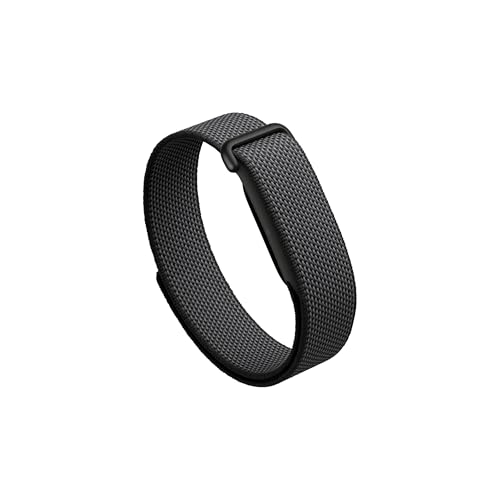
Google Fitbit Air Screenless Activity Tracker
What We Like
- No screen to disrupt your style
- Lightweight, micro-adjustable fit for comfort
- Up to 7 days battery life
- Fast charging gives 1 day in 5 minutes
Trade-offs
- No screen means no visible time or notifications
- Google Health Premium subscription sold separately for full coaching
A battery that lasts up to seven days and charges to a full day in just five minutes means you can wear this tracker without constantly hunting for a charger. That kind of freedom is perfect for beginners who want to build a habit, not a charging routine. The lightweight, micro-adjustable band fits quietly through work, workouts, and sleep, and the screenless design keeps you focused on moving rather than staring at stats. It’s a tracker that stays out of your way while still delivering heart rate, sleep, and activity tracking 24/7, with personalized coaching available through a paid Google Health Premium subscription. For someone starting out, that simplicity is a huge win.
The lack of a screen means you won’t see the time, your steps, or incoming notifications at a glance. That’s a deliberate choice for distraction-free wear, but it means you’ll rely on your phone for quick checks. Compared to the Xiaomi Smart Band 11 with its 1.72-inch AMOLED display, the Fitbit Air offers no screen to glance at, just data logged in the app. If you prefer a visual readout or want to leave your phone in your pocket, the Xiaomi provides that feedback on your wrist. For someone new to tracking who wants to ease into it without a glowing screen vying for attention, this is a refreshing alternative.
Product photos
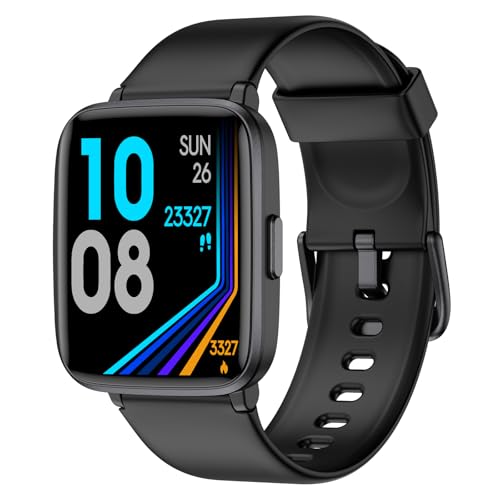
LIVIKEY No App Fitness Tracker Watch
What We Like
- No app or phone needed to use
- IP68 waterproof for sweat and rain
- 5-7 day battery on 2-hour charge
- Automatic heart rate and sleep tracking
Trade-offs
- Cannot make calls or send texts
- Only 9 sport modes, fewer than many
The LIVIKEY No App Fitness Tracker Watch stands out because it works completely without a phone or app, no pairing, no downloads, no Bluetooth fuss. That means you can put it on your wrist, start walking or running, and see your steps, heart rate, and sleep data right on the watch face. For a beginner who just wants to track movement without learning another app or carrying a phone everywhere, this is about as simple as it gets. The IP68 waterproof rating handles sweat, hand washing, and rainy runs, and the 5-7 day battery means you aren’t hunting for a charger every night.
The trade-off is that simplicity comes with limits. You only get 9 sport modes, so if you’re into a wide variety of activities, you’ll find fewer options than on the Xiaomi Smart Band 11, which offers over 150 modes. You also cannot reply to messages or make calls from the watch, notifications show up, but that’s it. For someone who wants a no-hassle step counter and sleep tracker that works straight out of the box, this is a refreshingly direct choice.
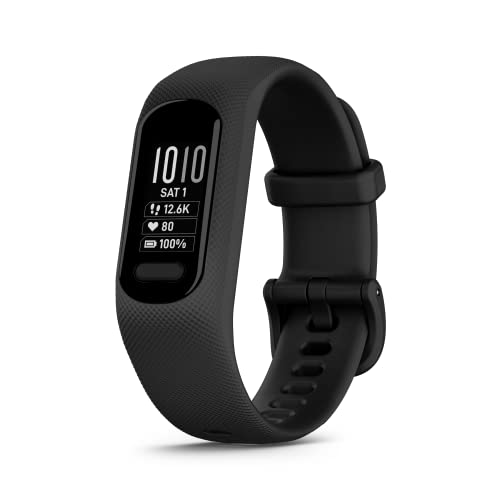
Garmin vívosmart 5 Health Fitness Tracker
What We Like
- Up to 7 days of battery life
- Swim and shower safe
- Bright, larger touchscreen with button
- Tracks sleep quality with improvement insights
Trade-offs
- Pulse Ox not available in all countries
- Requires smartphone for GPS tracking
- No built-in GPS, relies on phone connection
A full week of battery life lets you wear this tracker from Monday through Sunday without hunting for a charger, a rare luxury for anyone new to fitness tracking who just wants to move more and charge less. The vívosmart 5 keeps tabs on your heart rate, stress, sleep quality, and even respiration, all through a display that’s noticeably brighter and bigger than its predecessor, so you don’t have to squint mid-workout. It’s also safe for swimming and showering, which removes the hassle of taking it off every time you get wet. That combination of endurance, readability, and water resistance makes it a low-maintenance companion for someone who wants health insights without daily charging rituals.
That’s a common compromise at this level, and it keeps the vívosmart 5 slim and light, but it does mean one more thing to remember on a morning jog. For a beginner who values battery peace of mind and a full health picture over standalone GPS, this Garmin is the steadier starting point.
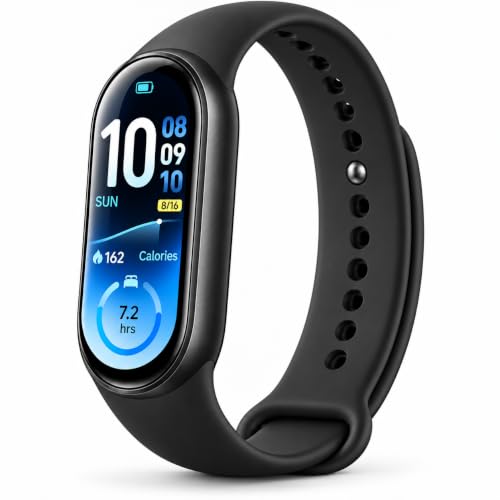
Xiaomi Smart Band 11 Fitness Tracker
What We Like
- 15.6g weight and 9.99mm thinness
- 1.72" AMOLED display
- 21-day battery life
Trade-offs
- No built-in GPS for phone-free run tracking
For someone new to fitness tracking, the main challenge is simply remembering to wear the device every day. A band that is 9.99mm thin and weighs just 15.6 grams without the strap makes that much easier, since it sits flush against the skin with no noticeable bulk. Owners report they can wear it to sleep, during workouts, or throughout a workday without irritation or the urge to take it off. That kind of all-day comfort removes the biggest barrier to building a consistent routine, whether the goal is tracking daily steps, monitoring sleep, or hitting the gym a few times a week.
A band that stays out of sight and out of mind is exactly what helps a beginner stick with a new habit. The band’s curved body and breathable textured strap are designed to feel like nothing on the wrist, so there is no reason to remove it for comfort. Users find they can wear it continuously through sleep, exercise, and daily activities without any bulk or skin irritation. That consistent wear is what makes the data useful, from step counts to sleep stages, because the tracker is always there to capture a full picture of the day.
Product photos
Cloudpoem No Bluetooth Fitness Watch
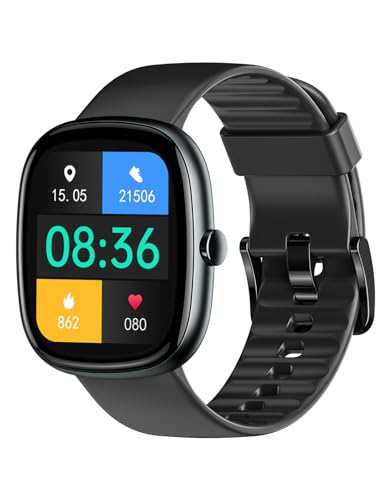
What We Like
- No smartphone or app needed
- 100+ sport modes for variety
- 7-day on-wrist health history
- Waterproof for swimming and rain
Trade-offs
- No Bluetooth for data syncing
- No notifications or smart features
A 1.8-inch color screen shows your heart rate, blood oxygen, sleep, and steps without ever pairing to a phone. That makes this the simplest way to start tracking daily activity if you want nothing to do with apps, Bluetooth, or notifications. Just turn it on, set it up on the watch itself, and go for a walk or a swim. The 7-day memory lets you scroll back through your recent health data right on your wrist, which is perfect for someone new to tracking who wants to see progress without learning a new device.
You lose all the connected features other trackers offer. No smart notifications, no syncing to a phone for deeper analysis, and no way to share or back up your data. That simplicity is its strength, but it also means the watch works entirely on its own. Best for anyone who wants a straightforward, private fitness watch without the digital clutter.
Product photos
Amazfit Band 7 Activity Fitness Tracker
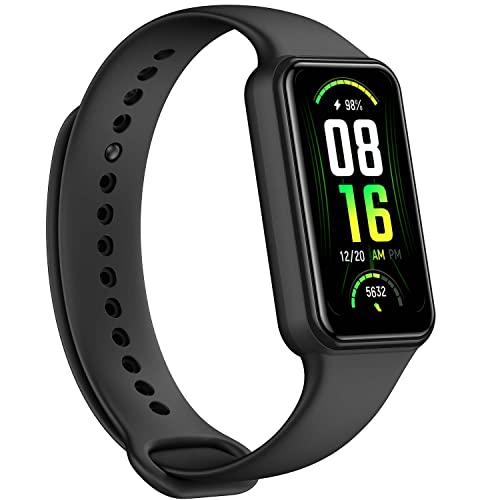
What We Like
- Large 1.47" AMOLED always-on display
- Alexa built-in for voice control
- 120 sports modes for varied activities
Trade-offs
- No built-in GPS for outdoor tracking
- Zepp OS app ecosystem is limited
A 1.47-inch AMOLED display that’s 112 percent larger than the Band 5 means you can actually read your stats without squinting or scrolling endlessly. That alone makes this a fantastic starting point for anyone new to fitness trackers who wants a clear, colorful screen that shows heart rate, steps, and notifications at a glance. The battery lasts up to 18 days on a single charge, giving you breathing room to forget charging for two weeks, and the built-in Alexa lets you set timers or check the weather hands-free. It suits beginners who value visibility and simplicity over complex features.
The trade-off? No built-in GPS, so if you run or bike without your phone, you won’t get accurate distance or pace. That’s where the Garmin vívosmart 5 offers an edge with its connected GPS, though its screen is much smaller and battery life is only seven days. For most beginners just starting walks or gym sessions, the Amazfit Band 7’s bright display and long battery make it the easier, more forgiving companion. You trade a little outdoor precision for a lot of everyday convenience.
Product photos
Garmin CIRQA Smart Band
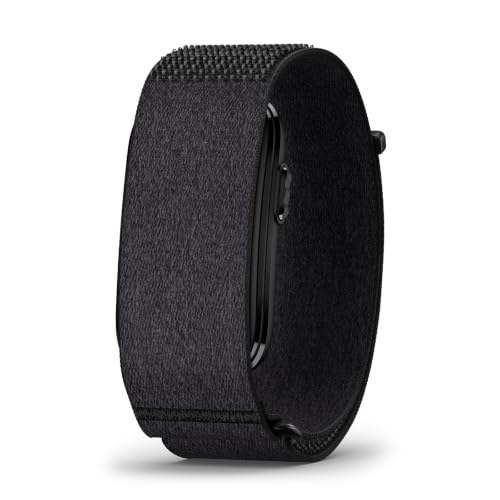
What We Like
- 10-day battery for less charging
- Screenless design reduces distraction
- No subscription needed for full features
- Auto-detects activities and learns from edits
Trade-offs
- No screen means no real-time stats on wrist
- Requires smartphone for GPS and detailed data
With up to 7 days of battery life, you can wear this band through the workweek and weekend without hunting for the charger, perfect for someone who forgets to plug things in. The screenless design is the whole point here: no glowing notifications, no temptation to check your wrist mid-conversation, just a soft fabric band that collects heart rate, stress, sleep score, and Body Battery data quietly in the background. You get all the insights through the Garmin Connect app when you want them. That makes this ideal for someone new to tracking who wants to build awareness without the constant buzz of a smartwatch.
You cannot glance down during a run to see your pace or heart rate; you will need to pair with your phone for GPS and check the app afterward. If you prefer a device that stays out of your way and lets you review data on your own schedule, this minimalist approach is a refreshing change.
FITVII Slim Fitness Tracker

What We Like
- 24/7 heart rate and blood pressure monitoring
- 89+ watch faces plus custom photo uploads
- Sedentary and water reminders included
Trade-offs
- TFT screen lacks the contrast of AMOLED displays
- No built-in GPS for outdoor route tracking
Keeping blood pressure and heart rate data on your wrist around the clock is the main draw here, no phone needed to see those numbers. The watch tracks heart rate, blood pressure, blood oxygen, and sleep stages, so you get a broad health overview. It also records steps, calories, distance, and speed in multiple sport modes, making it easy to monitor your daily activity. For someone new to health tracking who wants to understand their body’s signals, this is a budget-friendly way to start.
The TFT screen is clear and responsive, but it won’t have the same contrast as some other displays on the market. If you plan to run or bike without carrying your phone, you’ll need your phone along for distance mapping since this watch does not include built-in GPS. But for indoor workouts, daily wear, and health monitoring that goes beyond basic step counting, the FITVII Slim packs a lot of useful data into a slim, waterproof package. That won’t overwhelm a beginner with complexity.
Fitbit Inspire 3 Fitness Tracker
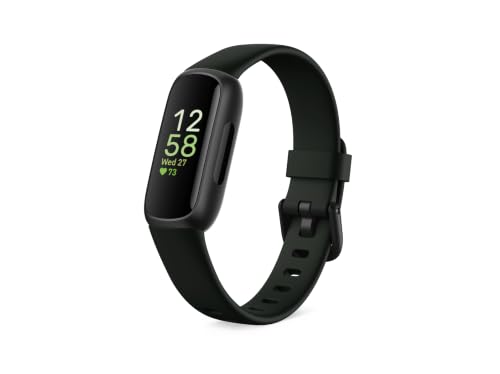
What We Like
- Daily Stress Management Score included
- Mindfulness and relax breathing sessions
- Automatic sleep tracking with Sleep Score
- 24/7 heart rate and SpO2 monitoring
Trade-offs
- No built-in GPS for outdoor runs
- Requires smartphone for full setup and features
A daily Stress Management Score means this tracker doesn’t just count steps, it helps you notice when your body is running on empty and guides you back to balance with mindfulness and relax breathing sessions. For a beginner who feels overwhelmed by fitness gadgets that only shout “move more,” the Inspire 3 quietly adds a layer of self-awareness. It tracks stress, sleep, and heart rate around the clock, giving you a clearer picture of how you’re actually doing, not just how many calories you burned. It’s the kind of gentle nudge that makes starting a habit feel less like a chore and more like checking in with a friend who actually listens.
The three-month Google Health Premium membership included in the box adds guided programs and deeper insights, making this a strong value for someone focused on stress and sleep. You get a daily Stress Management Score, mindfulness sessions, and relax breathing sessions, plus automatic sleep tracking with a daily Sleep Score and a smart wake vibrating alarm. Compared to the screenless Google Fitbit Air, the Inspire 3 offers a display and that rich stress-management toolkit, while the Air is a simpler, screenless option for those who just want the basics. For a beginner who wants to feel better, not just move more, this is the one that puts well-being first.
Xiaomi Mi Smart Band 10 Fitness Tracker

What We Like
- 21-day battery with 1-hour fast charge
- 1500 nits AMOLED bright in sunlight
- Enhanced sleep stage monitoring
Trade-offs
- Xiaomi Fit app uses metric system only
- Requires third-party app for imperial units
Twenty-one days of battery life and a full recharge in just one hour, that combination alone makes this band the go-to for anyone who hates hunting for a charger midweek. The 1.72-inch AMOLED display hits 1500 nits, so you can read your pace or a message even under direct sun. It also includes a high-precision electronic compass, which can help with orientation during outdoor activities. If your goal is to build a simple, low-fuss habit of daily steps, sleep, and heart rate monitoring, this tracker keeps up without nagging you to plug it in every other night.
The Xiaomi Fit app only supports metric measurements. To see pounds and inches, you need to connect it through Google Fit via a third-party link, an extra step that might trip up someone who just wants to open the box and go. Compare that to the Garmin vívosmart 5, which offers up to seven days of battery. You trade a bit of app simplicity for nearly triple the battery life and a much brighter screen. For a beginner who is comfortable with a short setup tweak, the payoff in freedom from the charging cable is real.
Product photos
How We Evaluated Fitness Trackers For Beginners
We started with the basics: every tracker on our list had to be designed for someone new to fitness tracking. That meant looking at setup complexity, app usability, and how much hand-holding the device offers. We read owner feedback to see which trackers people actually stuck with after the first month, and which ones ended up in a drawer.
The three criteria that mattered most were ease of use, battery life, and comfort. For a beginner, a tracker that needs constant charging or feels bulky on the wrist is a non-starter. We also prioritized trackers with clear, actionable data rather than raw numbers that require a degree in sports science to interpret. Features like automatic sleep tracking and stress management scores made the cut because they provide insight without extra effort.
This guide is based on studying specifications, manufacturer claims, and patterns reported by owners over weeks and months of use. For more options, check out our curated list of simple fitness trackers for beginners who want the easiest possible start.
What To Look For In Fitness Trackers For Beginners
Choosing your first fitness tracker is about matching the device to your lifestyle, not buying the most expensive model. Here is what we recommend you focus on.
Pick a tracker with at least five days of battery life, a comfortable band you will wear all day, and a companion app that is easy to navigate. Avoid trackers with features you will not use, they just add complexity and cost.
Ease of Setup and App Experience
Your first tracker should not require a manual to set up. Look for a device that pairs quickly with your phone and has a companion app that is intuitive. The best apps for beginners show your daily steps, sleep, and heart rate in a single glance, without burying data in menus. If you want to avoid apps entirely, the LIVIKEY and Cloudpoem trackers work without a smartphone.
Battery Life and Charging
Nothing kills a new habit faster than a dead tracker. Aim for at least five to seven days of battery life so you are not tethered to a charger every other night. Fast charging is a bonus, the Xiaomi Mi Smart Band 10 can get a full day’s charge in just five minutes. If you often forget to charge devices, look for trackers with two weeks or more of battery, like the Xiaomi Smart Band 11.
Comfort and Display
You will wear this tracker all day and all night, so comfort is critical. Lightweight bands like the Xiaomi Smart Band 11 at 15.6g are barely noticeable. If you want a screen, look for an AMOLED display for bright, always-on readability. If you want zero distractions, a screenless design like the Google Fitbit Air or Garmin CIRQA may be a better fit. For a deeper look at devices that prioritize simplicity, see our guide on minimalist fitness trackers.
- Check the band material: silicone is comfortable and washable, while metal or leather bands can irritate skin during workouts.
- Make sure the display is bright enough to read outdoors if you run or walk outside.
- Press the button or tap the screen in-store, if possible, to see if the interface feels responsive.
- Consider the strap width: a micro-adjustable band, like on the Google Fitbit Air, gives a more secure fit for small wrists.
A good rule of thumb: if the tracker feels annoying in the first five minutes, it will feel worse on day five.
Fitness Trackers For Beginners Compared
The table below compares all ten fitness trackers for beginners side by side, highlighting their best use cases and key limitations.
| Product | Display | Battery Life | Sports Modes |
|---|---|---|---|
| Google Fitbit Air Screenless Activity Tracker | Screenless | Up to 7 days | N/A |
| LIVIKEY No App Fitness Tracker Watch | N/A | 5-7 days | 9 |
| Garmin vívosmart 5 Health Fitness Tracker | Touchscreen + button | Up to 7 days | Walking, running, yoga, cardio, pool swim |
| Xiaomi Smart Band 11 Fitness Tracker | 1.72" AMOLED | 21-Day | 150+ |
| Cloudpoem No Bluetooth Fitness Watch | 1.8-inch color screen | 7-10 days | 100+ |
| Amazfit Band 7 Activity Fitness Tracker | 1.47" AMOLED | Up to 18 days | 120 modes |
| Garmin CIRQA Smart Band | Screenless (no screen) | Up to 10 days | 80+ activities, auto-detect |
| FITVII Slim Fitness Tracker | 1.47" TFT color touchscreen | N/A | Multiple sports modes |
| Fitbit Inspire 3 Fitness Tracker | N/A | N/A | 40+ exercise modes |
| Xiaomi Mi Smart Band 10 Fitness Tracker | 1.72" AMOLED | 21 days | Multi-Sport Tracker |
Frequently Asked Questions
What is the best fitness tracker for a beginner who does not want to use a phone?
The LIVIKEY No App Fitness Tracker Watch is the best choice for a phone-free experience. It does not require a smartphone or app to set up or use, and it offers automatic heart rate and sleep tracking. The Cloudpoem No Bluetooth Fitness Watch is another option with over 100 sport modes and no smartphone needed.
How long should the battery last on a beginner fitness tracker?
We recommend at least five to seven days of battery life for a beginner. This allows you to wear the tracker continuously without worrying about charging every night. Trackers like the Xiaomi Smart Band 11 offer up to 21 days, while the Garmin vívosmart 5 lasts up to seven days and is swim-proof.
Do I need a subscription to use a fitness tracker?
Not necessarily. Many of the best trackers for beginners work without a subscription. The Garmin CIRQA Smart Band and the Xiaomi Smart Band 11 offer full features with no monthly fee. The Google Fitbit Air requires a Google Health Premium subscription for full coaching features, but basic tracking works without it. For a full list, see our guide on fitness trackers without subscription.
What features should I look for as a complete beginner?
Focus on step counting, automatic sleep tracking, and heart rate monitoring. These three metrics give you a solid foundation for understanding your daily activity and rest. Avoid trackers with complex training metrics or GPS if you are just starting out, they add cost and confusion. For more on how step counting works, read about how fitness trackers count steps.
Can a fitness tracker help me train better as a beginner?
Yes, but in a simple way. A fitness tracker can show you patterns in your activity, sleep, and stress that you might otherwise miss. The key is to use the data as a gentle nudge, not a strict rule.
The Bottom Line
The Google Fitbit Air Screenless Activity Tracker is our best overall pick for beginners who want a discreet, comfortable tracker that encourages movement without screen distractions. Its long battery life and fast charging mean you will spend more time moving and less time plugged in. If you prefer a simple device that works without a phone, the LIVIKEY No App Fitness Tracker Watch is an excellent alternative.
For beginners on a budget, the Cloudpoem No Bluetooth Fitness Watch offers over 100 sport modes and works without a smartphone, making it a versatile choice for students or seniors. If battery life is your top priority, the Xiaomi Smart Band 11 delivers up to 21 days on a single charge in an ultra-lightweight design.
The single most important factor for a beginner is consistency. Pick the tracker that is most comfortable to wear and easiest to use, because the best fitness tracker is the one you will actually keep on your wrist every day.
