
10 Best Yoga Blocks in 2026
This post contains affiliate links. As an Amazon Associate, we earn from qualifying purchases.
The best yoga block for most people is the Gaiam Essentials Yoga Block, thanks to its dense foam that provides stable support without adding weight to your bag. If you want a budget-friendly set for travel, the Amazon Basics Non-Slip Yoga Block offers great value. For those who prefer a rock-solid, eco-friendly surface, the Manduka Fine-Grain Cork Yoga Block is the premium choice.
Finding the right yoga block often comes down to a trade-off between firmness, weight, and texture. A block that is too soft won’t support your weight in standing balances, while one that is too heavy can be a pain to carry to the studio.
We dug into the specs, material science, and owner feedback for dozens of blocks to create this guide. You’ll find clear recommendations for every need, from wrist-friendly designs to complete starter sets, all based on real-world use patterns and expert consensus.
Top 10 Yoga Blocks in the Market
Certain content that appears on this site comes from Amazon. This content is provided "as is" and is subject to change or removal at any time.
The Best Yoga Blocks, Reviewed
Gaiam Essentials Yoga Block

What We Like
- Denser foam for stable support
- Non-slip surface with beveled edges
- Lightweight at 4.6 ounces per block
Trade-offs
- Not as firm as cork alternatives
- Softer than cork blocks for firm support
A block that’s denser than standard EVA foam means you get a stable, supportive platform without the weight of a cork block. That density helps you hold deeper stretches and maintain alignment in standing poses, while the beveled edges make it easy to grip even when your hands are sweaty. It’s a smart pick for anyone who wants a reliable foam block that balances cushion with structure, especially if you’re working on flexibility or need a little extra height in seated postures.
The trade-off is that foam, even dense foam, won’t match the rock-solid feel of a cork block like the Manduka Fine-Grain Cork option. If you’re pressing your full weight into the block for long holds or restorative poses, you’ll notice a bit of give. But for most everyday practice, modifying poses, supporting your seat, or deepening stretches, this block hits the sweet spot between comfort and stability. It’s the kind of tool that disappears into your practice, letting you focus on the pose, not the prop.
Amazon Basics Non-Slip Yoga Block

What We Like
- Slip-resistant surface for secure grip
- Lightweight at 0.4 pounds per block
- Set of two for versatile stacking
- Round edges for comfortable handling
Trade-offs
- Lightweight foam shifts during some standing poses.
- Less durable than cork or denser foam blocks.
A set of two blocks at 0.4 pounds each means you can toss them in a gym bag without a second thought. That lightweight design, combined with a slip-resistant surface and rounded edges, makes them easy to grip and reposition during flow. They work well for beginners or anyone who wants affordable support for alignment and deeper stretches without lugging heavy gear to class.
Weight is the main difference here: at 0.4 pounds each, these blocks are lighter than some alternatives, such as the Manduka Fine-Grain Cork Yoga Block at 2.2 pounds. That makes them easy to carry but means they may feel less substantial under heavy pressure. For everyday practice on the go, though, they get the job done without weighing you down.
Product photos
Manduka Fine-Grain Cork Yoga Block
What We Like
- Sustainably sourced cork with zero toxic chemicals
- Extra-firm support for sustained poses
- Textured surface for a sturdy grip
Trade-offs
- At 2.2 lb, heavier than foam blocks for carrying
- Heavier than foam blocks, less portable for travel
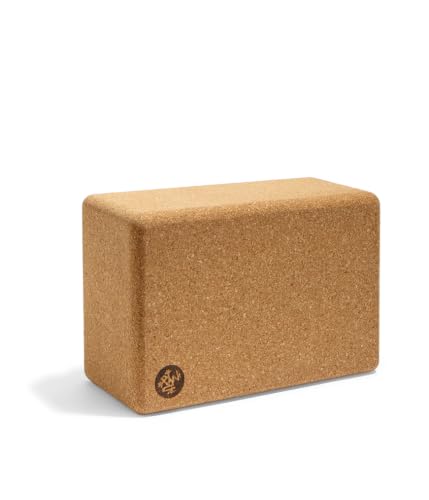
The Manduka Fine-Grain Cork Yoga Block weighs 2.2 pounds, which is nearly four times heavier than a standard foam block. That heft translates directly into rock-solid stability during long holds and restorative poses, so you can lean into a supported bridge or a seated forward fold without the block shifting or compressing under you. It’s built with 100% sustainably sourced cork and no toxic chemicals, making it a great fit for anyone who wants a firm, eco-conscious prop that doesn’t compromise on grip or durability. If your practice relies on steady, unwavering support, this is the block that delivers it.
The trade-off for that extra firmness is weight. At 2.2 pounds, it’s noticeably heavier than the Gaiam Essentials foam block (0.6 pounds), so if you’re carrying your gear to the studio or packing light, you’ll feel the difference. For home practice or studio sessions where you want a premium, long-lasting block that stays put, the Manduka is worth the extra heft.
Manduka Recycled Foam Yoga Block

What We Like
- Made from 50%–75% recycled EVA foam
- Slip-resistant contoured edges for comfort
- High-density foam provides firm support
Trade-offs
- Smaller height (3.9 in) limits some restorative poses
- Heavier than some foam blocks at 0.9 lb
A block that keeps about half to three-quarters of its weight in recycled material means you get an eco-conscious prop without sacrificing performance. Manduka’s Recycled Foam Block is firm and dense, so it provides stable support during balancing poses and deeper stretches. The contoured edges offer a comfortable, slip-resistant grip. If you want a block that supports your practice with a smaller environmental footprint, this one fits the bill.
Manduka’s Recycled Foam Yoga Block is made from high-density foam that is more firm and less squishy than other yoga blocks, so it provides stable support for poses without collapsing under pressure. The slip-resistant contoured edges help keep your hands or feet steady, which is useful for maintaining balance in standing postures. Because it contains 50%–75% recycled EVA foam, you get a durable block that reduces environmental impact, and cleaning it is as simple as wiping with a damp cloth or a vinegar-water solution.
Rocalt Natural Cork Yoga Block Set
What We Like
- Firm cork for stable support
- Textured grip with rounded edges
- Includes strap and storage bag
- 10-loop strap for adjustable stretch depth
Trade-offs
- Heavier than foam blocks at 2.2 lb each
- Too heavy for travelers wanting ultralight gear
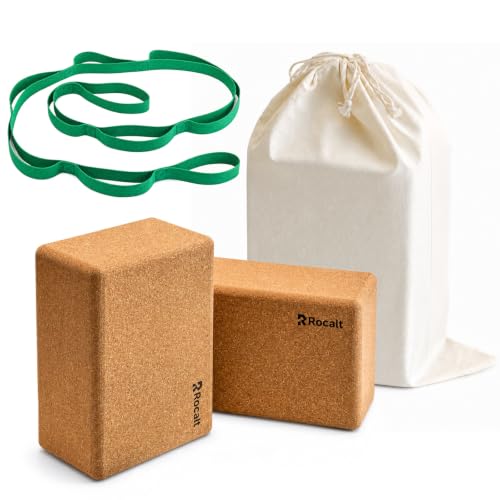
At 2.2 pounds per block, these cork bricks give you a grounded, solid feel under your palms and feet that lighter foam blocks just can’t match. That weight helps you stay planted in balancing poses and provides a stable surface for deeper stretches. The set is a complete package: two blocks, a 79-inch strap with ten adjustment loops, and a drawstring bag to keep everything together. It suits anyone who prefers a firm, natural surface and wants one kit that covers support, flexibility work, and easy transport to class or the gym.
Cork blocks are heavier than foam ones. If you’re carrying gear across a parking lot or packing light for travel, the 2.2-pound blocks add noticeable heft compared to something like the Amazon Basics Non-Slip Yoga Block at 0.4 pounds each. Cork also has a bit more give than foam over time and can develop surface marks from repeated use, though that doesn’t affect its function. For a yogi who values stability and a complete set over ultralight portability, this is a thoughtful, ready-to-go option.
Product photos
WRISTBuddy Ergonomic Yoga Block
What We Like
- 45° angle reduces wrist pressure 60%
Trade-offs
- 4-inch height is shorter than standard 6-inch blocks
- Left/right-specific design limits one-handed swapping
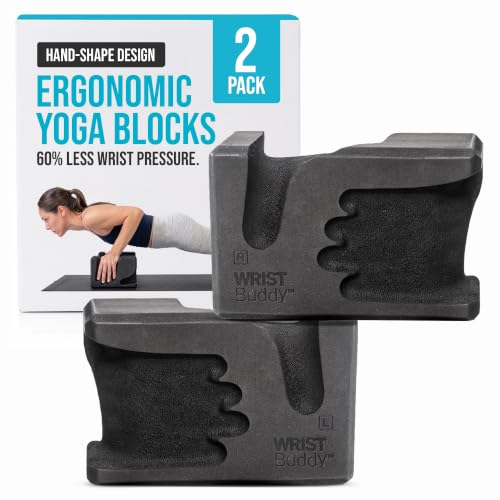
The WRISTBuddy’s 45-degree angled surface cuts wrist pressure by 60% compared to flat blocks that force a 90-degree bend. That shift from wrist to palm makes planks, push-ups, and downward dog feel noticeably kinder on sore joints. If wrist pain has been the reason you skip weight-bearing poses, this block is built to change that equation.
Height is the main compromise here. At 4 inches, these are shorter than the standard 6-inch blocks like the Gaiam Essentials, so you lose some lift for seated stretches or restorative poses where you want more elevation. The left- and right-hand specific design also means you can’t just grab either block without checking orientation. But for anyone whose wrists complain during floor work, the ergonomic angle and grip improvements make this a targeted fix that standard foam blocks simply don’t offer.
Product photos
Deep-Zen Wrist-Friendly Yoga Block Set

What We Like
- Wrist-support cutouts with two hand positions
- 5-piece set includes knee pads and strap
- Non-slip DenseFlex foam with rounded edges
- Firm support with soft-touch feel
Trade-offs
- 4-inch height is shorter than standard 6-inch blocks
- Set extras add bulk for minimalist practitioners
The wrist-support cutouts on these blocks let you press through poses like Chaturanga or Half Moon without dumping all your weight into your palms. Two hand positions mean you can shift the angle until it clicks for your wrists. That single design choice makes this set a natural fit for anyone who loves yoga but feels that familiar ache after a few Downward Dogs. The DenseFlex foam gives firm, reliable support with a soft-touch surface that won’t slide around, and the rounded edges keep the block comfortable for seated support or balance work.
The 4-inch height is the main trade-off, which is shorter than the standard 6-inch blocks from Gaiam Essentials or Amazon Basics. If you need a taller lift for poses like Triangle or for bringing the floor closer in seated folds, you will notice the difference. The extra knee pads and strap are nice additions for restorative work or travel, but they add a bit of clutter if you just want two simple blocks. For wrist-sensitive yogis who value comfort over maximum height, this set delivers a thoughtful solution that standard blocks simply don’t offer.
Product photos
Hatha Yoga Portuguese Cork Block

What We Like
- Solid cork resists compression under body weight
- Easily cleaned with a damp cloth
- Offers three times the hardness of foam
Trade-offs
- Heavier than foam blocks at 1.6 lbs
- 3-inch height offers less lift than 4-inch blocks
A 100% solid Portuguese cork block that weighs 1.6 pounds gives you a stable, grounded feel during standing poses and balances. Unlike foam, which can squish or wobble under pressure, this block maintains its shape and keeps you aligned. It’s a great fit if you want a firm, natural surface that stays put and doesn’t slide around on the floor. The breathable cork also resists odors and cleans up with a quick wipe, so it works well for sweaty sessions or restorative holds.
At 1.6 pounds, this cork block is heavier than foam options like the Gaiam Essentials at 0.6 pounds, so it’s less convenient for carrying to class or stashing in a small bag. The 3-inch height provides less lift than the 4-inch Rocalt Natural Cork set, meaning you might want the taller version for deep hip openers or seated poses. For home practice where stability outweighs portability, the extra heft keeps the block planted under your weight.
Product photos
Hugger Mugger Foam Yoga Block

What We Like
- Dense, strong foam for reliable support
- Beveled edges for comfort in poses
- Lightweight at 0.8 pounds for portability
- Latex-free and recyclable EVA foam
Trade-offs
- Foam compresses more than cork under heavy weight
- 4-inch width is narrower than some other blocks in the guide
At 0.8 pounds, this block is lightweight enough to toss in a gym bag without thinking twice. The dense EVA foam still feels firm under your hands or hips, so you get reliable support for alignment without the bulk of heavier blocks. It is perfect for anyone who moves between home practice and studio sessions, or just wants a block that does not weigh down their backpack. The beveled edges also make it comfortable to press into during supported poses, so you can focus on your stretch rather than an uncomfortable corner digging in.
The Hugger Mugger Foam Yoga Block weighs 0.8 pounds, making it light enough to toss in a gym bag without adding noticeable bulk. Its 4-inch width is the same as many standard blocks, and the dense EVA foam provides reliable support for alignment and balance in poses. Reviewers note the beveled edges add comfort during supported poses, and the block is latex-free, which is helpful for anyone with sensitivities.
Product photos
Trideer Supportive Foam Yoga Block

What We Like
- Lightweight at 0.3 pounds each
- Non-slip surface for secure grip
- Soft foam cushions joints comfortably
- Compact 3-inch height for close support
Trade-offs
- 3-inch height offers less lift than 4 or 6 inch blocks
- Too soft for those who need firm cork or high-density support
At just 0.3 pounds per block, the Trideer Supportive Foam Yoga Block is the lightest option in this guide. That makes it easy to toss into a gym bag or carry between rooms without a second thought. The soft, non-slip foam provides a gentle cushion that takes pressure off wrists and knees during floor poses, which is especially helpful if you’re easing into yoga or dealing with sensitive joints. Its 3-inch height keeps support close to the ground, so beginners can work on alignment without feeling like they’re reaching for the sky.
That same 3-inch height can be a limitation: if you need a taller lift for deeper stretches or restorative poses, blocks like the Hugger Mugger Foam Yoga Block offer a 6-inch option. For someone who wants a budget-friendly, portable block that prioritizes joint comfort and easy handling, this one delivers exactly what it promises.
Product photos
How We Evaluated Yoga Blocks
Our evaluation of yoga blocks is research-based, relying on manufacturer specifications, material density data, and patterns in owner feedback from experienced practitioners. We looked at how each block’s foam or cork composition affects its stability, grip, and longevity across different poses and practice styles.
The three criteria that mattered most were support, grip, and portability. Support depends on the material’s density and resistance to compression; cork blocks are nearly unyielding, while EVA foam blocks vary widely. Grip is influenced by surface texture, and portability is driven by weight, a key factor for anyone who carries their gear to and from the studio.
We also weighed the honesty of each product’s description against user reports. A block that claims to be “extra firm” but compresses noticeably under body weight in standing poses gets flagged. This is a research-led evaluation, not a hands-on test, so we rely on the consensus of expert round-ups and verified owner experiences.
What To Look For In Yoga Blocks
Choosing a yoga block means balancing how firm you need it to be with how much weight you want to carry. Start with your primary use: alignment support in standing poses, cushioning for restorative work, or portability for travel.
Pick a block that matches your practice style: firm cork for stability in standing poses, dense foam for all-purpose use, or soft foam for gentle support and sensitive joints.
Material and Firmness
The material determines how much the block compresses under your weight. Cork blocks, like the Manduka Fine-Grain Cork Yoga Block, offer the firmest support and resist compression almost completely, making them ideal for sustained poses where you need a solid foundation. EVA foam blocks range from soft and cushioned, like the Trideer Supportive Foam Yoga Block, to dense and supportive, like the Gaiam Essentials. Denser foam blocks strike a balance between comfort and stability for most yogis.
Size and Height
Standard yoga blocks are 4 inches tall, but 3-inch and 6-inch options exist. A 3-inch block, such as the Hatha Yoga Portuguese Cork Block or the Trideer Supportive Foam Yoga Block, sits closer to the floor and is useful for slight lifts or for those with less flexibility. The 4-inch height is the most versatile, working for most standing and seated poses. Some blocks, like the Manduka Recycled Foam Yoga Block, come in a 3.9-inch height, which is a minor but noticeable difference for certain restorative poses.
Weight and Portability
If you carry your gear to the studio, weight is critical. Foam blocks are the lightest option, with some weighing as little as 0.3 pounds per block. Cork blocks are significantly heavier, often exceeding 2 pounds each, which adds up when you’re already carrying a mat and other gear. For travel and daily commutes, lightweight foam blocks like the Hugger Mugger Foam Yoga Block are the smart choice.
- Press your thumb into the block’s surface to gauge firmness, cork barely yields, while soft foam compresses easily.
- Check the height against your current flexibility; if you can already touch the floor in standing forward folds, a 3-inch block may be too short.
- Consider whether you need a set of two for stacking or a single block for basic support.
- Look for beveled or rounded edges, which make the block more comfortable to grip and position.
- Evaluate the surface texture: smooth cork can be slippery when wet, while textured foam provides a more secure grip.
A good rule of thumb: if you are buying your first block, start with a 4-inch dense foam option, it is the most forgiving and versatile choice.
Yoga Blocks Compared
The table below compares the key specs of our top picks side-by-side, so you can see how material, weight, and height differ across the 10 blocks.
| Product | Material | Dimensions | Weight |
|---|---|---|---|
| Gaiam Essentials Yoga Block | Durable supportive foam (denser than standard EVA) | 9 x 6 x 4 inches | 0.6 pounds |
| Amazon Basics Non-Slip Yoga Block | High-density foam | 9 x 4 x 6 inches | 0.4 pounds |
| Manduka Fine-Grain Cork Yoga Block | 100% fine-grain cork | 4" x 6" x 9" | 2.2 pounds |
| Manduka Recycled Foam Yoga Block | Recycled EVA foam | 9.1 x 5.9 x 3.9 in | 0.6 pounds |
| Rocalt Natural Cork Yoga Block Set | Natural cork | 9 x 6 x 4 in | 2.2 lb |
| WRISTBuddy Ergonomic Yoga Block | High-density EVA foam | 9.0 x 6.0 x 4.0 in | 0.9 pounds |
| Deep-Zen Wrist-Friendly Yoga Block Set | DenseFlex EVA foam | 9.0 × 6.0 × 4.0 in | N/A |
| Hatha Yoga Portuguese Cork Block | 100% solid Portuguese cork | 9" x 6" x 3" | 1.6 lbs |
| Hugger Mugger Foam Yoga Block | EVA foam (environmentally friendly) | 9 x 4 x 6 inches | 0.8 pounds |
| Trideer Supportive Foam Yoga Block | Premium foam | 9 x 6 x 3 inches | 0.3 pounds |
Frequently Asked Questions
What size yoga block should I buy?
Most yogis should start with a 4-inch block, as it offers the best balance of lift and stability for both standing and seated poses. Taller blocks are useful for deep restorative support, while shorter 3-inch blocks work well for those who already have good flexibility.
Are cork yoga blocks better than foam?
Cork blocks are better for firm, uncompromising support in weight-bearing poses and are more eco-friendly. Foam blocks are lighter, more portable, and offer a range of firmness levels from soft to dense, making them more versatile for different practice styles.
How do I clean a yoga block?
Foam blocks can be wiped down with a mild soap and water solution and air dried. Cork blocks should be cleaned with a damp cloth only, as soaking them can damage the natural material. Always allow blocks to dry fully before storing them to prevent mold.
Can yoga blocks help with wrist pain?
Yes, specially designed blocks like the WRISTBuddy Ergonomic Yoga Block feature a 45-degree angle that reduces wrist pressure during weight-bearing poses. Standard blocks can also be used under the hands to reduce the angle of the wrist, but dedicated wrist-friendly blocks offer more targeted relief.
Should I buy one block or a set of two?
A set of two blocks allows you to stack them for deeper support in restorative poses or use one under each hand for symmetrical alignment. A single block is sufficient for most standing and seated poses. Beginners often find a set of two more versatile as they explore different postures.
The Bottom Line
The Gaiam Essentials Yoga Block is the best pick for most yogis because its dense foam offers reliable support without the weight of cork. It works for everything from standing balances to seated twists, and its non-slip surface keeps it planted where you need it.
If you are on a budget or want a set for travel, the Amazon Basics Non-Slip Yoga Block provides a solid, lightweight option at an entry-level price. For those who want the firmest possible support and prefer natural materials, the Manduka Fine-Grain Cork Yoga Block is worth paying more for.
The single most important factor is matching the block’s firmness to your practice. A block that is too soft will compromise your stability, while one that is too firm can feel uncomfortable in gentle poses. Pick the material that matches how you use it.
