
9 Best Barefoot Shoes For Gym in 2026
This post contains affiliate links. As an Amazon Associate, we earn from qualifying purchases.
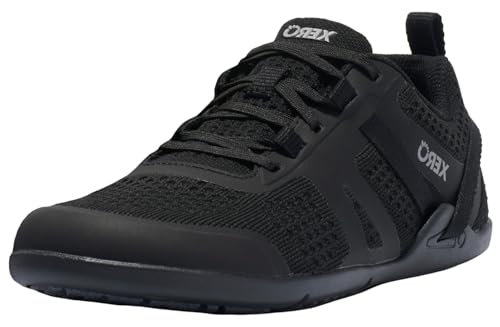
The Xero Shoes Men’s Prio Barefoot Sneaker is the best overall barefoot shoe for the gym. It has a wide toe box, zero-drop design, and versatile traction that handles everything from heavy squats to light outdoor runs. For a breathable option, the Vivobarefoot Primus Lite IV excels during high-intensity sessions, while the INOV8 Bare-XF V2 offers unbeatable grip for functional training.
Most gym-goers switching to barefoot shoes face the same challenge: finding a shoe that allows natural foot movement without sacrificing stability during lifts. The wrong pair can mean slipping on a platform or feeling every hard landing during box jumps.
This guide is based on specifications, manufacturer data, expert round-ups, and patterns in owner feedback. We focused on what matters most for gym performance: zero-drop platforms, wide toe boxes, ground feel, and reliable traction.
Top 9 Barefoot Shoes For Gym in the Market
Certain content that appears on this site comes from Amazon. This content is provided "as is" and is subject to change or removal at any time.
The Best Barefoot Shoes For Gym, Reviewed
Xero Shoes Men's Prio Barefoot Sneaker
What We Like
- Wide toe box for natural splay
- Zero-drop design for proper posture
- Dual chevron lugs for traction
- Removable 3mm insole for customization
Trade-offs
- Not ideal for runners needing thick cushioning.
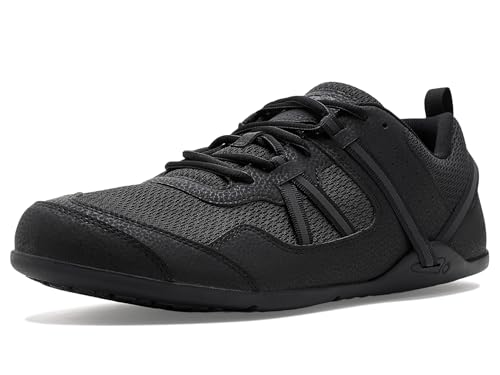
A zero-drop sole and wide toe box let your feet spread and move naturally during squats, deadlifts, and dynamic gym work, while the 3mm removable insole lets you dial in ground feel. This is the shoe for someone who wants a genuinely barefoot experience without sacrificing the structure and grip that make gym sessions feel stable. The breathable mesh upper keeps things from getting swampy mid-workout, and the dual chevron lugs give you reliable traction on both rubber gym floors and the occasional outdoor trail loop.
The trade-off is weight: at 1.7 pounds, it’s noticeably heavier than the relxfeet Men’s Barefoot Shoes (0.4 pounds), which means you’ll feel the extra mass during fast lateral moves or high-rep circuits.
Product photos
Xero Shoes Women's Prio Neo Barefoot Training Shoe
What We Like
- Wide toe box allows natural toe splay
- Breathable mesh with moisture-wicking lining
- Dual chevron lugs for trail traction
Trade-offs
- Trail lugs add slight bulk on smooth gym floors
- No puncture-resistant sole for sharp debris
The zero-drop platform keeps your posture honest, while the wide toe box lets your toes spread naturally for better balance on single-leg work. The breathable mesh upper with moisture-wicking lining helps when things get sweaty, so you can focus on your set instead of your feet. The dual chevron lugs provide traction on the trail and beyond, adding versatility for outdoor workouts.
The tensioning strap system locks your foot in place for lateral moves during circuit training, so you can cut hard without slipping inside the shoe. Reviewers note that the dual chevron lugs on the outsole provide grip on light trails, meaning this trainer transitions from gym floor to packed dirt without feeling clunky. If you want a barefoot shoe that stays secure during multidirectional work, this one earns its keep.
Vivobarefoot Women's Primus Lite IV Training Shoe
What We Like
- Breathable mesh reduces sweat buildup
- Wide toe box allows natural toe spread
- Durable build for high-intensity workouts
Trade-offs
- Ultra-thin sole offers less cushioning for high-impact moves
- No arch support for those with high arches.
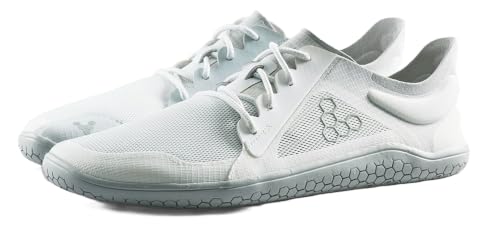
A breathable mesh upper that actively reduces sweat buildup makes this shoe a smart pick for long gym sessions or high-intensity circuits. The wide toe box gives your toes room to splay, which can help with balance and alignment during lifts or lunges. It’s especially suited to anyone who prioritizes airflow and a close-to-the-ground feel over plush cushioning.
The same thin sole that gives you stability also means less shock absorption for things like box jumps or sprints on hard surfaces. If your routine leans heavily on plyometrics or outdoor running, you may want a shoe with more cushioning. But for indoor gym work where you want to feel every rep and stay cool, the Primus Lite IV delivers exactly what its name promises: lightweight, breathable training that doesn’t get in the way of your form.
AIRHAS Men's Barefoot Training Shoes
What We Like
- Zero drop encourages natural stance
- Anatomical toe box lets toes spread
- Flexible rubber sole bends with foot
- Breathable woven upper resists tearing
Trade-offs
- Stiff upper needs break-in period
- No removable insole for custom orthotics
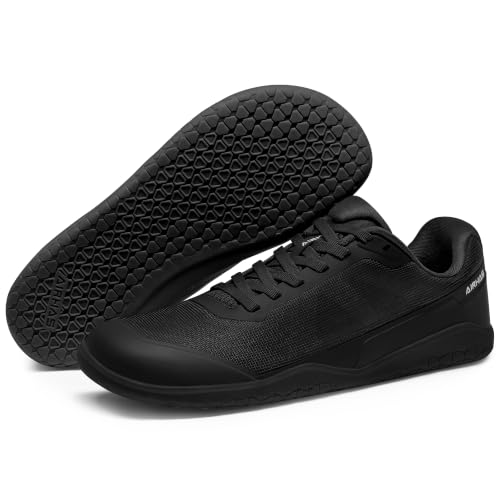
The anatomical toe box is the reason to pick these shoes. It follows the natural shape of your foot, giving your toes room to spread out and create a wider, more stable base for lifting. That extra stability matters when you’re squatting or deadlifting, because a solid foundation helps you stay balanced and drive through the floor. The zero-drop profile keeps your heel and forefoot level, which nudges you toward a more natural posture during exercises. If you have wider feet or just want your toes to feel less cramped during training, this design is a thoughtful match.
The upper is quite sturdy at first, so you’ll feel some stiffness where the shoe bends until you wear it a few times. That break-in period is real, but once it passes the fabric molds to your foot. For gym sessions focused on weightlifting and cross-training where you value toe room over instant out-of-box comfort, this shoe works well once you get past that short adjustment window.
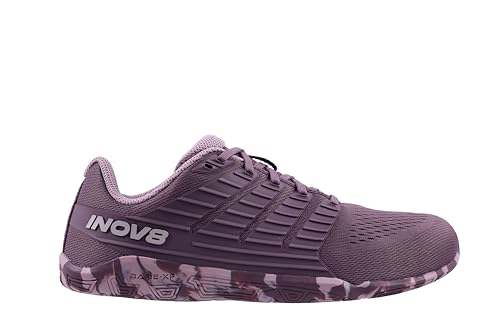
INOV8 Women's Bare-XF V2 Barefoot Training Shoe
What We Like
- 2.5mm grippy rubber outsole for secure footing
- Zero midsole for natural ground feel
- KPU overlays boost durability and protection
- ROPE-TEC MET-CRADLE shields midfoot during climbs
Trade-offs
- No midsole means less cushion for high-impact cardio
- No midsole cushioning for high-impact running or jumping
The 2.5mm grippy rubber outsole is the star here, it keeps you planted during heavy lifts, dynamic jumps, and rope climbs without slipping. Combined with the zero-midsole design, you get a direct connection to the floor that enhances stability and spatial awareness, exactly what you want for controlled strength work. The upgraded KPU overlays and ROPE-TEC MET-CRADLE add extra toughness along the midfoot, so you can lean into rope climbs without worrying about wear or friction. This is a shoe built for gym-goers who prioritize grip and ground feel over plush comfort.
Bare-minimum cushioning means your feet will feel every landing during plyometrics or running, which can be jarring if you’re used to thicker soles. If your sessions lean heavily on weightlifting and functional strength, and you’re okay with less padding for cardio bursts, this grippy, durable trainer will serve you well.
MIFAWA Barefoot Shoes Men Women

What We Like
- Wide toe box for natural toe splay
- Zero-drop sole encourages midfoot strike
- Removable insoles for arch support
- Anti-slip lug sole for traction
Trade-offs
- Not as lightweight as some knit competitors
- No listed weight for comparison shopping
A wide toe box that gives your toes room to spread is the standout feature here, and it makes a real difference during squats or deadlifts when you need a stable base. The zero-drop sole encourages a more natural foot strike, which can help with balance and muscle engagement over time. With removable insoles that offer arch support and an anti-slip lug sole that handles dirt, gravel, and gym floors alike, these shoes are built to pull double duty between indoor training and outdoor hikes. If you want room for your toes without spending a premium, this is a smart pick.
The shoe’s construction includes greater torsional rigidity, which means it resists twisting more than a fully flexible minimalist shoe. That stiffness can feel less forgiving during agile movements like lateral drills or dynamic warm-ups, where a softer sole might feel more natural. For lifters and cross-trainers who prioritize toe room over maximum flexibility, this design offers a stable platform.
Product photos
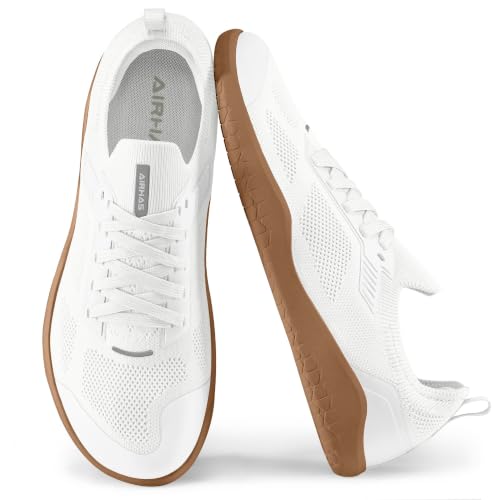
AIRHAS Women's Gym Barefoot Shoes
What We Like
- Zero-drop sole for natural posture
- Breathable stretchy knit upper
- Two wearing modes with removable insole
- Lightweight at 0.9 pounds
Trade-offs
- Thin sole offers less cushion for heavy impact
- No wide toe box option for foot splay
A flexible rubber sole that lets you feel the floor is the standout feature here, making it a smart pick for gym-goers who want to strengthen foot muscles during lifting or cross-training. The zero-drop design keeps your feet in a natural position to help improve balance and agility, and the stretchy knit upper breathes well so you can skip socks without regret. At just 0.9 pounds, these shoes disappear on your feet, ideal for movements where you need to sense the ground beneath you.
That thin sole works best for controlled gym moves, not for high-impact jumping or running on hard pavement. Compared to the Xero Shoes Women’s Prio Neo, which weighs 1.0 pounds, the AIRHAS is lighter at 0.9 pounds. If your gym sessions focus on lifting, yoga, or low-impact cross-training, this pair gives you that barefoot connection. Just don’t expect plush cushioning for heavy landings.
Product photos
relxfeet Men's Barefoot Shoes

What We Like
- Roomy toe box for toe spread
- Zero drop for ground feel
- Breathable knit upper
- Flexible rubber outsole
Trade-offs
- Narrow midfoot hold for wider feet
- Flexible sole limits use on rough or uneven outdoor surfaces
A size range that goes up to Men’s US 15 means this is one of the few barefoot gym shoes that actually fits bigger feet without squeezing your toes. The wide toe box allows your forefoot to splay naturally during squats and deadlifts, while the zero-drop platform keeps your heel and forefoot level for stable lifting. If you’ve struggled to find minimalist shoes that don’t pinch your toes or feel like boats, this pair is built around that exact problem.
The knit upper and flexible sole are designed more for controlled gym movements than for high-impact plyometrics or trail running. Compared to the Xero Shoes Men’s Prio, which has a removable insole and a slightly stiffer sole for more versatile training, the relxfeet leans into a softer, more sock-like feel that works best for weightlifting, walking, and casual cross-training. It is a focused tool for lifters who prioritize toe freedom and ground connection over all-around durability.
Product photos
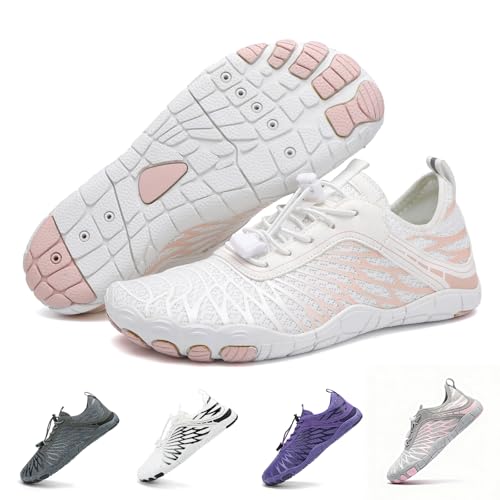
RUFONE Hiking Barefoot Shoes
What We Like
- Non-slip grip on wet and dry surfaces
- Quick-drain mesh dries fast after water use
- Slip-on elastic collar for easy entry
- Wide toe box relieves pressure on toes
Trade-offs
- No arch support for those who need it.
A non-slip rubber sole that grips wet pavement, slick tile, and dock planks means these shoes handle the transition from a sweaty gym floor to a post-workout river wade without turning into a slipping hazard. The wide toe box allows your forefoot to splay during deadlifts or yoga, while the elastic drawstring collar lets you step in and go, no laces, no delay. This makes them a smart pick for anyone who wants one pair that works for lifting, swimming, and everyday errands without forcing you to choose between water-readiness and gym stability.
The RUFONE Hiking Barefoot Shoes use a zero-drop, minimalist sole with just enough protection, so you feel grounded and connected to the surface like walking barefoot while still being protected on gravel, pavement, and trail. The toe box is wide enough for toes to spread instead of being squeezed, which takes pressure off toes and bunions. The elastic drawstring collar makes them easy to slip on: step in, pull the toggle once and go, no laces to tie, no break-in period. The non-slip rubber sole grips wet pavement, slick tile, dock planks, and wet rock, so one pair covers water shoes, swim shoes, and everyday wet-weather wear. The drainage mesh drains fast and dries quickly after a rainy walk, camping trip, river wade, or swim, staying light instead of soaking heavy.
Product photos
How We Evaluated Barefoot Shoes For Gym
Our evaluation started with a close look at the technical specs that define a true barefoot gym shoe. We examined sole thickness, drop height, toe-box width, and outsole tread patterns from every manufacturer’s documentation. Owner feedback helped us understand how those specs translate to real gym use, whether a shoe’s traction holds up on a dusty platform or its upper breathes well during a circuit.
Four criteria mattered most for this category. First, a zero-drop platform ensures your heel and forefoot sit level, which supports natural lifting posture. Second, a wide toe box lets your toes splay for better balance during squats and deadlifts. Third, ground feel, how much you sense the floor, affects stability and feedback. Fourth, outsole grip must handle gym floors, turf, and sometimes outdoor paths.
An honest evaluation has limits. We synthesized what experts and experienced owners consistently report, then matched those patterns to the specs that produce them.
What To Look For In Barefoot Shoes For Gym
Choosing the right barefoot gym shoe means balancing ground feel with protection, and toe room with a secure fit. Here are the key criteria to consider.
Look for a zero-drop, wide-toe-box shoe with a thin, flexible sole for natural foot movement and solid traction for your gym’s surfaces.
Zero Drop and Ground Feel
A zero-drop shoe means your heel and forefoot sit at the same height, which encourages a more natural stance and better weight distribution during lifts. This flat platform is what sets barefoot shoes apart from traditional gym sneakers with elevated heels. The thin sole lets you feel the floor, improving proprioception for exercises like deadlifts and single-leg work.
Toe Box Width
A wide toe box allows your toes to spread naturally, giving you a wider base of support for stability. This is critical for squats, lunges, and balancing moves. Look for shoes that mention anatomical or foot-shaped toe boxes. Some models, like the AIRHAS Men’s Barefoot Training Shoes, prioritize this feature even if the upper needs a short break-in period.
Traction and Outsole Design
Gym floors vary from rubber mats to polished concrete. A grippy outsole prevents slipping during lateral movements, rope climbs, and explosive exercises. The INOV8 Bare-XF V2 uses a 2.5mm rubber outsole with specialized tread for secure footing. Consider your typical gym surfaces when choosing:
- Smooth floors: Look for flat, dense rubber with small tread patterns.
- Turf or mats: Chevron or lug patterns offer better multidirectional grip.
- Outdoor crossover: Dual chevron lugs, like those on the Xero Shoes Prio, handle trails and pavement.
- Rope climbs: Check for protective overlays or metatarsal shields.
- Wet conditions: Quick-drain mesh and non-slip rubber, as on the RUFONE, help.
A shoe that fits your gym’s surface will feel more secure and last longer.
Barefoot Shoes For Gym Compared
The table below compares all nine barefoot gym shoes across key specs, zero drop, toe box shape, sole flexibility, and traction type, so you can see how they stack up side by side.
| Product | Sole Type | Drop | Upper Material |
|---|---|---|---|
| Xero Shoes Men's Prio Barefoot Sneaker | FeelTrue Rubber | Zero-Drop | Breathable Mesh |
| Xero Shoes Women's Prio Neo Barefoot Training Shoe | Zero-drop, flexible, low-to-ground | Zero-drop | Breathable mesh |
| Vivobarefoot Women's Primus Lite IV Training Shoe | Ultra-Thin Flexible Sole | N/A | Breathable Mesh |
| AIRHAS Men's Barefoot Training Shoes | Flexible Rubber | Zero Drop | Synthetic Woven Fabric |
| INOV8 Women's Bare-XF V2 Barefoot Training Shoe | 2.5mm grippy rubber | zero-drop | Engineered air mesh |
| MIFAWA Barefoot Shoes Men Women | Anti-slip lug sole | Zero-drop | N/A |
| AIRHAS Women's Gym Barefoot Shoes | Zero-drop, flexible rubber | Zero-drop | Stretchy knit |
| relxfeet Men's Barefoot Shoes | Zero drop, flexible rubber | Zero drop | Breathable knit |
| RUFONE Hiking Barefoot Shoes | Zero drop, non-slip rubber | Zero drop | Breathable knit mesh |
Frequently Asked Questions
Are barefoot shoes good for weightlifting?
Yes, barefoot shoes are excellent for weightlifting because their zero-drop platform and thin sole improve ground feel and stability. This helps you maintain proper form during squats, deadlifts, and presses. Many lifters prefer flat shoes for lifting over padded sneakers for this reason.
Can I run in barefoot gym shoes?
You can run short distances or do light cardio in barefoot gym shoes, but they lack the cushioning needed for long runs or high-impact pavement. Most barefoot gym shoes are designed for lifting, cross-training, and short sprints. For dedicated running, look for a model with more sole thickness.
How do I know if a barefoot shoe fits properly?
A proper fit means your toes can splay fully without hitting the front of the shoe, and your heel stays snug without slipping. You should have about a thumb’s width of space beyond your longest toe. The shoe should feel secure but not tight, especially across the midfoot.
Do barefoot shoes help with balance?
Yes, the thin sole and zero-drop design of barefoot shoes increase sensory feedback from the ground, which can improve your balance over time. This is especially useful for single-leg exercises, yoga, and dynamic movements. Many users notice better stability within a few weeks of regular use.
What is the difference between barefoot shoes and minimalist shoes?
The terms are often used interchangeably, but barefoot shoes typically have a thinner sole and zero drop, while minimalist shoes may have slightly more cushioning and a small heel-to-toe drop. Both promote natural foot movement, but barefoot shoes offer the most ground feel.
The Bottom Line
For most gym-goers, the Xero Shoes Men’s Prio Barefoot Sneaker delivers the best balance of traction, toe room, and ground feel for lifting, cross-training, and light outdoor use. If breathability is your top priority, the Vivobarefoot Primus Lite IV keeps feet cool during intense circuits. For those who need maximum grip on gym mats and rope climbs, the INOV8 Bare-XF V2 is a standout choice.
Budget-conscious shoppers should consider the MIFAWA Barefoot Shoes, which offer a wide toe box and zero-drop platform at a more accessible price point. Meanwhile, athletes who want one shoe for gym and water activities will appreciate the RUFONE Hiking Barefoot Shoes with its quick-drain mesh and non-slip outsole.
The single most important factor when choosing gym shoes for lifting is fit: a shoe that matches your foot shape and workout style will serve you far better than one with flashy features. Start with the toe box, if your toes can spread, everything else follows.
