
9 Best Casual Gym Shoes in 2026
This post contains affiliate links. As an Amazon Associate, we earn from qualifying purchases.
The New Balance 608 V5 Cross Trainer earns our Best Overall spot because it balances supportive cushioning with a durable build that handles lifting, walking, and everyday wear. For all-day comfort, the women’s version of the same model delivers the same plush feel, while the Nike Bella 7 Training Shoe offers the best flexibility for dynamic movement.
Finding a casual gym shoe means looking for one that transitions from the weight rack to the sidewalk without sacrificing support or style. Many options lean too far into one direction, either too stiff for daily wear or too soft for stable lifts.
This guide is research-based: we examined specifications, manufacturer details, expert round-ups, and patterns in owner feedback to find the nine best options. We focused on what actually matters for casual training, cushioning, support, versatility, and fit.
Top 9 Casual Gym Shoes in the Market
Certain content that appears on this site comes from Amazon. This content is provided "as is" and is subject to change or removal at any time.
The Best Casual Gym Shoes, Reviewed
New Balance 608 V5 Cross Trainer

What We Like
- ABZORB heel crash pad absorbs impact
- Suede upper breaks in for personalized fit
- Dual density collar supports ankle stability
- Phantom Liner reduces irritation from seams
Trade-offs
- Suede upper less breathable than mesh
- Dual density collar adds noticeable bulk around ankle.
An ABZORB heel crash pad paired with a molded PU insert means every step lands softer, which matters for lifting, walking, or running errands. The suede leather upper gives these cross trainers a sturdy structure that breaks in nicely over time, so they feel less like a stiff new shoe and more like an old favorite. They suit anyone who wants one pair of gym shoes that pull double duty for casual wear without looking like you just walked off a competition floor.
Suede, while durable and classic-looking, doesn’t breathe as freely as mesh, so your feet may feel warmer during longer cardio sessions. Compared to the adidas Daily 4.0 sneaker, which is lighter and more skate-inspired, the 608 V5 offers noticeably more ankle support from its dual density collar and a wider fit that accommodates orthotics or naturally broader feet. That stability makes it the better choice for strength training and all-day wear, even if it sacrifices a bit of airflow.
New Balance Women's 608 V5 Cross Trainer

What We Like
- ABZORB heel pad absorbs impact
- Suede leather upper molds to foot
- Cushioned footbed for soft comfort
- Durable outsole for gym and sidewalks
Trade-offs
- Suede upper needs care in wet conditions
The ABZORB heel pad absorbs impact, which helps reduce shock during training and everyday wear. The suede leather upper delivers a classic, durable look and molds comfortably to your foot over time. A lightly cushioned footbed adds an extra layer of soft comfort underfoot, keeping you supported through long days on your feet.
Suede leather needs a little more care than synthetic mesh; it’s not the shoe to grab for a rainy-day jog or a muddy trail. Compared to the adidas VL Court 3.0, which is listed at 1.0 pounds, the 608 V5 at 0.7 pounds is lighter, but the suede upper may not breathe as well as mesh. If your gym days are mostly indoor and dry, the all-day comfort here is a strong option.
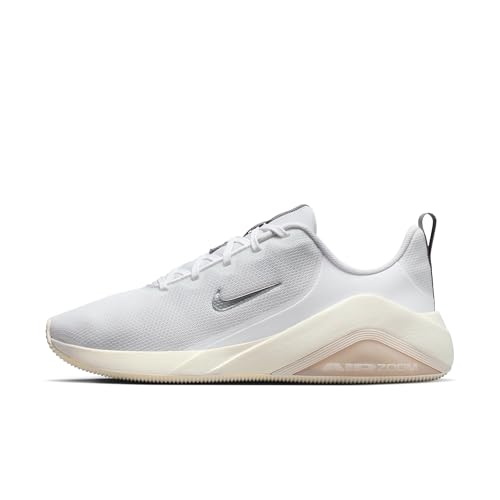
Nike Bella 7 Training Shoe
What We Like
- Flexible midsole and outsole for natural movement
- Updated mesh upper stretches with lunges
- Heel Air Zoom unit softens impact
- Breathable mesh adds comfort
Trade-offs
- At 1.3 lb, heavier than adidas Daily 4.0 (0.6 lb)
- Stability features are concentrated in the heel, not the forefoot
A heel Air Zoom unit paired with a soft foam midsole means each landing feels cushioned rather than jarring, so you can move through lunges and step-ups without that hard slam under your foot. The updated mesh upper stretches with you, and the flexible midsole and outsole let your foot roll naturally through a squat or a quick lateral shuffle. That combo makes this shoe a smart pick if your gym routine mixes dynamic moves like burpees or agility drills with lighter lifting and you want something that bends rather than fights your stride.
At 1.3 pounds, this shoe is noticeably heavier than the adidas Daily 4.0 (0.6 lb), which matters if you prefer a featherlight feel for fast-paced cardio or long walks between sets. The stability features also concentrate on the heel with a plastic plate and rubber cage. So if you do heavy back squats or overhead lifts and need full-foot lockdown, you might want a shoe with more even support across the sole. For everyday gym sessions where flexibility and impact protection come first, this one earns its place.
adidas VL Court 3.0 Sneaker

What We Like
- Cupsole provides steady footing
- Retro T-toe adds heritage style
- Lightweight at 1.0 pounds
Trade-offs
- Cupsole offers less flex than athletic trainers
- Not suitable for high-impact workouts or running.
The adidas VL Court 3.0 weighs 1.0 pounds, which keeps it light enough for all-day wear without feeling heavy. The leather construction gives them a clean, polished look that holds up to regular use, while the cupsole foundation provides steady footing on gym floors or pavement. This is the pair you grab when you want a shoe that transitions from a quick workout to coffee with friends without screaming ‘athletic shoe.’
The cupsole, while supportive, is stiffer than flexible soles found on some athletic trainers, so it’s less ideal for dynamic moves like lunges or agility drills. But for casual lifting, treadmill walking, and everyday errands, the VL Court 3.0 delivers skate-inspired style that actually works.
Product photos
adidas Daily 4.0 Sneaker

What We Like
- Reinforced toe adds durability
- Low-profile, classic skate look
Trade-offs
- No midsole cushioning for heavy impact
- Not supportive for high-impact activities
If your routine is more about walking, stretching, and low-impact activity than heavy lifting or running, this sneaker keeps things simple and stylish without extra bulk.
Product photos
PUMA Voltaic Evo Cross Trainer

What We Like
- Extra-thick SoftFoam+ heel for plush comfort
- 10CELL midsole absorbs impact during pivots
- TPU shank keeps stride steady for strength training
- Full-length rubber outsole grips varied surfaces
Trade-offs
- At 2.4 lb, heavier than many casual sneakers
- Too heavy for speed-focused gym workouts
The SoftFoam+ insole with its extra-thick heel delivers plush cushioning that makes each step feel supported, whether you are walking into the gym or heading home. That comfort, paired with the 10CELL midsole that absorbs impact during quick pivots, makes this a good choice for anyone who wants a casual gym shoe that also works for all-day wear. The wide-fit design and padded collar help prevent that pinched feeling, so you can wear them for hours through a workout and errands.
At 2.4 pounds, these are heavier than the Reebok Energen Lux Gym Shoe (1.8 lb). That extra heft comes from the supportive cage overlay and TPU shank, which add stability for strength training but make them feel less breezy for long walks. If you prioritize cushion and support over lightness, this is your pick. If you want something lighter, the Energen Lux is an option.
Reebok Energen Lux Gym Shoe

What We Like
- Ultra breathable engineered mesh upper
- Springy cushioned responsiveness from sculpted midsole
- Lightweight at 1.8 pounds
- Versatile for walking, gym, or workouts
Trade-offs
- At 1.8 pounds, heavier than some casual sneakers
- Designed for light runners, not heavy training
At 1.8 pounds, the Energen Lux offers a sculpted midsole for springy cushioning and an engineered mesh upper for breathability, making it a comfortable choice for gym sessions or casual walks. The durable outsole provides solid traction on gym floors or pavement. This shoe handles light running, walking, and general workouts, covering a range of activities without extra fuss.
If your gym routine mixes cardio with light strength work and you value breathability over ground feel, this is a smart way to cover all your bases. The Energen Lux weighs 1.8 pounds, which is heavier than the 608 V5 at 0.9 pounds, but it offers more cushioning and a sportier look. Reviewers note the shoe’s lightweight build and focus on all-day comfort make it a good match for walking, gym, or general workouts.
Product photos
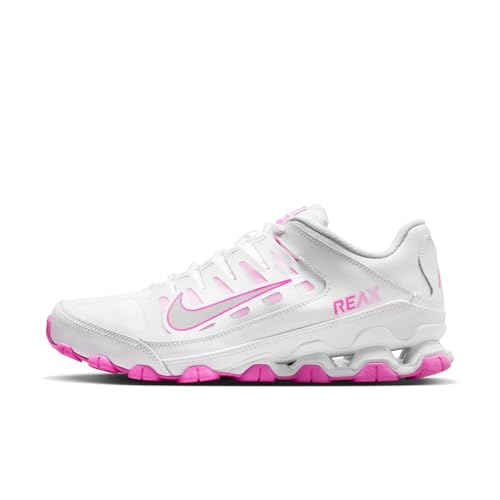
Nike Women's Reax 8 Trainer
What We Like
- Flexible forefoot for dynamic exercises
- Bulky midsole supports heavy lifts
- Lightweight at 0.6 pounds
Trade-offs
- Narrow focus on gym movements
- Not designed for outdoor running
A flexible forefoot that bends and dips during planks and lunges makes this shoe feel like it moves with you, not against you. That dynamic flexibility is perfect if your gym sessions mix bodyweight moves, agility drills, and lighter lifting where you need your foot to articulate naturally. The bulky midsole adds support when you shift to heavier lifts, so you don’t have to switch shoes between sets. It’s a lightweight trainer at 0.6 pounds that prioritizes motion over padding, which suits someone who values range of motion in their workout.
The midsole is designed for support during heavy lifts, which makes it less suited for casual all-day wear. Compared to the 608 V5 Cross Trainer, which weighs 0.9 pounds and has a wider fit, the Reax 8 Trainer is lighter at 0.6 pounds and focuses on gym performance. If your routine is more about walking or light cardio, the New Balance might offer a different feel, but for dynamic flexibility and support during active training, this Nike delivers where it counts.
Product photos
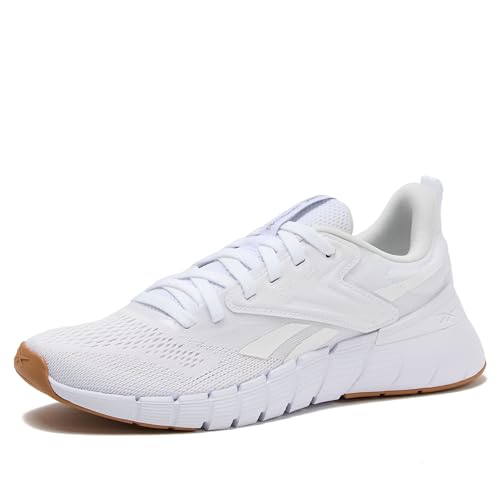
Reebok Nano Gym 1.0 Athletic Sneakers
What We Like
- TPU heel clip for lateral lifting support
- Removable insole with built-in arch support
- Breathable mesh upper keeps feet cool
- EVA midsole for cushioned comfort
Trade-offs
- At 1.0 lb, heavier than some casual sneakers
- Focused on gym versatility, not casual style
The removable insole with arch support lets you customize fit or replace it with your own orthotics, which adds adaptability for gym-goers who need underfoot structure. This shoe is designed to handle short runs, weight training, and walking around the gym floor, according to the manufacturer, so it suits someone who wants one pair for varied workouts. The TPU heel clip provides lateral support during lifting, and the breathable mesh upper helps keep feet cool during longer sessions. If you want a multi-purpose trainer that prioritizes gym function, this model delivers.
At one pound per shoe, it’s heavier than some casual sneakers like the adidas Daily 4.0 (0.6 lb), so it’s not the lightest choice if you only need a shoe for errands or pure walking. The Nano Gym 1.0 has a training-shoe look, so if you prefer a style that blends with jeans and a hoodie, the 608 V5 offers a simpler silhouette. But for someone who actually uses their gym shoes for gym work, the support features here justify the extra weight.
Product photos
How We Evaluated Casual Gym Shoes
We started by looking at the technical specs and manufacturer claims for each shoe, things like midsole materials, outsole patterns, weight, and heel-to-toe drop. Then we cross-referenced those details against patterns in owner feedback to understand how each shoe actually performs in real gym settings. We also reviewed expert round-ups from trainers and fitness writers who regularly recommend footwear for mixed-use training.
The four criteria that mattered most were cushioning, stability, versatility, and weight. Cushioning helps absorb impact during walks and lighter cardio, while stability matters for controlled lifts and lateral movements. Versatility measures how well the shoe moves between gym and daily wear, and heavier shoes offer more support but can slow you down during dynamic drills. A shoe that scores high on all four is rare, so we prioritized trade-offs that match different training styles.
This is a research-led evaluation, not a hands-on test. The result is a curated set of options that reflect real-world priorities for casual gym-goers.
What To Look For In Casual Gym Shoes
A casual gym shoe needs to feel good on a walk to the gym and hold up during a workout. The key is finding the right balance between everyday comfort and training support.
Look for a shoe that offers enough cushioning for light impact, a stable base for lifts, and a versatile design that works with jeans and gym shorts alike.
Cushioning and Impact Protection
Cushioning is what makes a shoe comfortable for walking and light cardio, but too much can make it unstable for lifting. Look for shoes with targeted cushioning in the heel (like ABZORB or Air Zoom units) that absorb impact during heel strikes without turning the forefoot into a marshmallow. Shoes like the PUMA Voltaic Evo use extra-thick foam for plush comfort, while others like the Reebok Energen Lux use sculpted midsoles for a springy feel.
Stability and Support
For any gym work involving weights, even light dumbbells, you need a stable platform. Features like TPU shanks, reinforced heel clips, and dual-density collars help keep your foot from rolling during lateral moves or heavy lifts. The New Balance 608 V5’s dual-density collar and the Reebok Nano’s TPU heel clip are good examples of stability features that don’t make the shoe feel stiff for daily wear.
Weight and Breathability
Heavier shoes (around 2 pounds or more) offer more support but can feel clunky during dynamic exercises like lunges or agility drills. Lighter shoes (under 1 pound) let you move faster but often sacrifice cushioning and durability. Breathable mesh uppers keep feet cool during workouts, while suede or leather uppers offer more durability and a classic look at the cost of airflow.
- Check the shoe’s weight on the manufacturer’s site; a lighter pair is ideal for mixed training.
- Look for mesh panels if you sweat heavily or do cardio.
- Consider suede if you want a shoe that molds to your foot over time.
- Try on with the socks you’ll actually wear to the gym.
A good rule of thumb: if the shoe feels comfortable for a short walk and stable during a bodyweight squat, it will work for most casual gym sessions.
Casual Gym Shoes Compared
The table below compares each shoe’s weight, key features, and best-use scenarios to help you see the differences at a glance.
| Product | Upper Material | Cushioning | Weight |
|---|---|---|---|
| New Balance 608 V5 Cross Trainer | Suede leather | ABZORB heel + PU insert | 0.9 pounds |
| New Balance Women's 608 V5 Cross Trainer | Suede leather | IMEVA with ABZORB heel pad | 0.7 pounds |
| Nike Bella 7 Training Shoe | Updated mesh | Heel Air Zoom + soft foam midsole | 1.3 pounds |
| adidas VL Court 3.0 Sneaker | N/A | Lightweight Cushioning | 1.0 pounds |
| adidas Daily 4.0 Sneaker | Textile (stretchy) | N/A | 0.6 pounds |
| PUMA Voltaic Evo Cross Trainer | N/A | SoftFoam+ insole, extra-thick heel | 2.4 pounds |
| Reebok Energen Lux Gym Shoe | Engineered mesh | N/A | 1.8 pounds |
| Nike Women's Reax 8 Trainer | N/A | N/A | 0.6 pounds |
| Reebok Nano Gym 1.0 Athletic Sneakers | Breathable mesh | N/A | 1.0 pounds |
Frequently Asked Questions
Are casual gym shoes good for running?
Casual gym shoes are designed for short bursts of running, like a warm-up jog or a quick treadmill interval. They lack the dedicated cushioning and motion control of running shoes, so they are not ideal for long-distance or daily running. For casual gym use, they handle light running just fine.
Can I wear casual gym shoes for weightlifting?
Yes, most casual gym shoes with a stable, flat base work well for moderate weightlifting. Look for features like a TPU shank, reinforced heel, or firm midsole that prevents your foot from sinking during squats or deadlifts. For very heavy lifting, dedicated weightlifting shoes with a raised heel offer more stability.
How long do casual gym shoes typically last?
With regular gym use (3-5 times per week), most casual gym shoes last between six months and a year. The outsole rubber and midsole foam are the first parts to wear down. Rotating between two pairs can extend the life of each shoe significantly.
What is the difference between cross-trainers and casual gym shoes?
Cross-trainers are built specifically for varied gym activities, lifting, cardio, agility drills, with features like lateral support and flat soles. Casual gym shoes prioritize everyday comfort and style while still offering enough support for light training. Understanding the cross-trainers vs lifting shoes difference helps you decide which type fits your routine.
Should I buy gym shoes a half size larger?
Many people prefer a half size larger for gym shoes to accommodate foot swelling during workouts and thicker training socks. A thumb’s width of space between your longest toe and the shoe’s end is a good benchmark. Always try on gym shoes with the socks you plan to wear for your workout.
The Bottom Line
The New Balance 608 V5 Cross Trainer is our Best Overall pick because it delivers the support and cushioning most casual gym-goers need without feeling like a specialty shoe. It works for lifting, walking, and daily wear, especially if you need a wide fit. For those who prioritize all-day comfort, the women’s version of the same shoe offers the same plush experience.
If your training involves more dynamic movement like lunges and agility drills, the Nike Bella 7 Training Shoe gives you the flexibility you need. Budget-conscious shoppers should look at the Reebok Energen Lux, which balances breathability and responsiveness at an accessible price point. For maximum cushioned support that transitions smoothly from the gym to casual wear, the PUMA Voltaic Evo is worth the extra weight.
The single most important factor when choosing casual gym shoes is fit, a shoe that fits well in the heel and toe box will serve you better than any specific feature. Take the time to try on options with your training socks, and you will find a pair that makes every workout feel a little easier. For a deeper look at how to narrow your options, our guide to selecting gym shoes covers all the key considerations.
