
10 Best Creatine To Get in 2026
This post contains affiliate links. As an Amazon Associate, we earn from qualifying purchases.
The THORNE Creatine Monohydrate Powder is the best creatine to get for most athletes, thanks to its NSF Certified for Sport purity and micronized texture that mixes clear. For high-value servings, the Optimum Nutrition Creatine Monohydrate Powder earns our Best Micronized award, while the Nutricost Micronized Creatine Monohydrate Powder takes the Best Budget Pick.
Shopping for creatine means sorting through tubs that claim purity, particle size, and third-party testing, details that matter when you are serious about what goes in your body. The wrong choice can mean clumpy shakes, ingredients of unknown quality, or a container that runs out too fast.
We built this guide by comparing manufacturer specs, purity certifications like NSF Sport and Informed Sport, serving counts, and patterns in owner feedback across ten leading products. Our goal is to match you with the creatine that fits your training style, budget, and testing standards.
Top 10 Creatine Supplements in the Market
Certain content that appears on this site comes from Amazon. This content is provided "as is" and is subject to change or removal at any time.
The Best Creatine Supplements, Reviewed
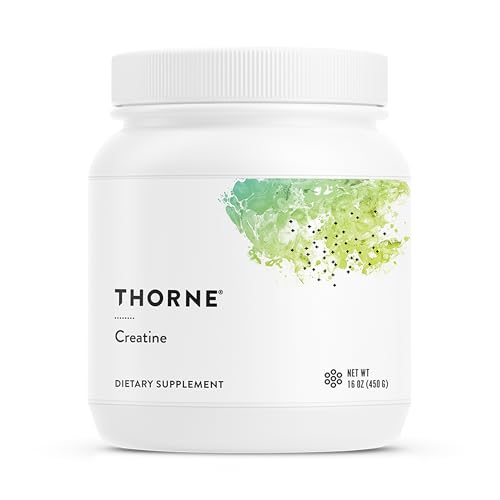
THORNE Creatine Monohydrate Powder
What We Like
- NSF Certified for Sport purity
- Micronized for easy mixing
- Trusted by 100+ pro teams
- Supports muscle, endurance, and cognition
Trade-offs
- 90 servings fewer than some competitors
- No third-party purity test beyond NSF Sport listed
NSF Certified for Sport means the product is tested for compliance with label claims and to ensure the absence of nearly 300 substances banned by many major athletic organizations. So if you compete or want third-party verification, this certification gives you that assurance. Thorne is also the number one most recommended clinical brand by consumers and healthcare practitioners in a 2026 survey, and it’s trusted by over 100 professional sports teams, so you’re getting a supplement that serious athletes rely on. The micronized powder delivers five grams per serving to support lean muscle, endurance, and cognitive function as indicated on the label.
The trade-off is that you get 90 servings instead of the 100 or 120 you’d find in something like Optimum Nutrition’s tub, and the brand’s reputation and certification come with a higher cost. If your budget is tight or you burn through creatine fast, a bigger container from Nutricost might stretch further. But for anyone who wants a certified pure option from a brand that pro teams actually use, Thorne is a reliable choice.
Product photos
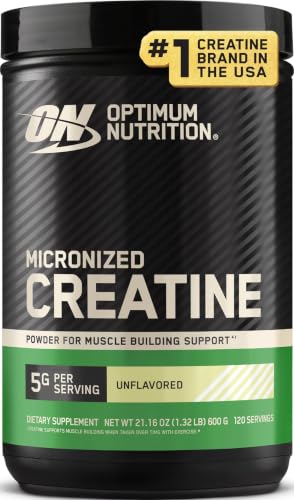
Optimum Nutrition Creatine Monohydrate Powder
What We Like
- 120 servings per container
- Micronized for easier mixing
Trade-offs
- No added flavor for taste preference
- Only one size option available
With 120 servings packed into a compact 1.3-pound tub, this creatine monohydrate powder gives you months of consistent 5-gram doses without constant reordering. For anyone building a steady strength routine, that kind of convenience removes one more excuse to skip a serving.
The trade-off here is simplicity: no flavorings or extras, just straight creatine monohydrate. That works great if you plan to mix it into a flavored drink or smoothie, but if you prefer a pre-flavored powder straight from the scoop, you will want to look elsewhere. Compared to THORNE Creatine, which offers NSF certification and a similar micronized formula, Optimum Nutrition delivers more servings per container at a comparable weight, making it a practical choice for long-term use. It is a straightforward, no-nonsense option for anyone focused on performance and recovery without fuss.
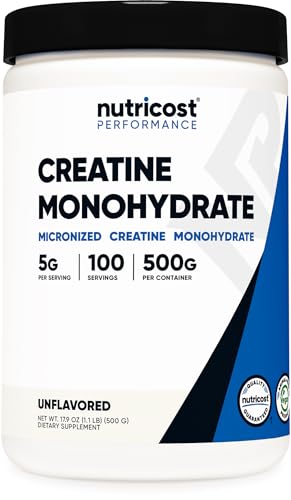
Nutricost Micronized Creatine Monohydrate Powder
What We Like
- 100 servings per bottle
- Micronized for easy mixing
- Non-GMO and gluten free
- Scoop included for dosing
Trade-offs
- No third-party certification listed
- Not suitable for athletes under strict testing
A full 500 grams of micronized creatine monohydrate gives you 100 servings at 5 grams each, which means you can stick with your daily routine for over three months without reordering. The powder is unflavored, so it mixes into water, juice, or a post-workout shake without adding taste. It suits anyone who wants a straightforward creatine supplement to support their training routine.
This creatine powder lacks a third-party certification like NSF or Informed Sport, which some athletes require for competition. For everyday gym-goers focused on strength and endurance training, this tub delivers a large supply of pure creatine monohydrate.
Product photos
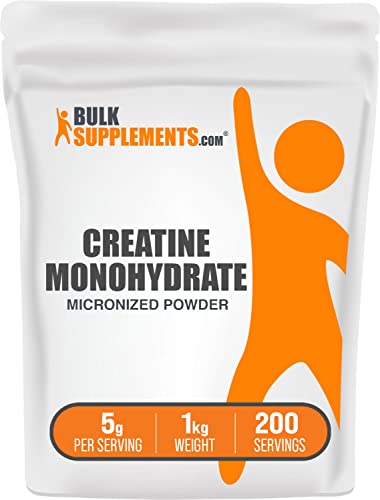
BulkSupplements Creatine Monohydrate Powder
What We Like
- Micronized for easy mixing
- Pure single-ingredient formula
- Made in cGMP-compliant facility
Trade-offs
- No flavoring for taste preference
- Unflavored, so it adds no taste to your drink
This container holds a full kilogram of pure micronized creatine monohydrate, giving you more total product than many other options in this guide. The unflavored, single-ingredient formula keeps things simple, just creatine, no fillers or flavors to worry about, and the fine micronized texture mixes easily into water, shakes, or pre-workout drinks. It is a straightforward, no-nonsense choice for anyone who knows they will use creatine consistently and wants a large supply.
The unflavored powder means there are no artificial sweeteners or extras to clash with other supplements, though some people find it bland. If you are just starting out and want to try creatine for the first time, a smaller container might feel less committing. But if you know creatine works for you and you want to minimize packaging waste, this bulk option delivers exactly what it promises.
Product photos
Momentous Creatine Monohydrate Powder

What We Like
- NSF Certified for Sport purity
- 5g per serving for standard dosing
- Unflavored and dissolves easily
Trade-offs
- 90 servings fewer than some larger tubs
The catch is that this tub gives you 90 servings, which is fewer than a budget-friendly option like Optimum Nutrition’s 120-serving container. If you go through creatine fast and don’t need the extra certification, you might prefer the longer supply. But for anyone who values third-party verification and wants zero guesswork about what’s in their powder, Momentous is the straightforward pick. No frills, no flavor, just clean creatine that passes the strictest sport standards.
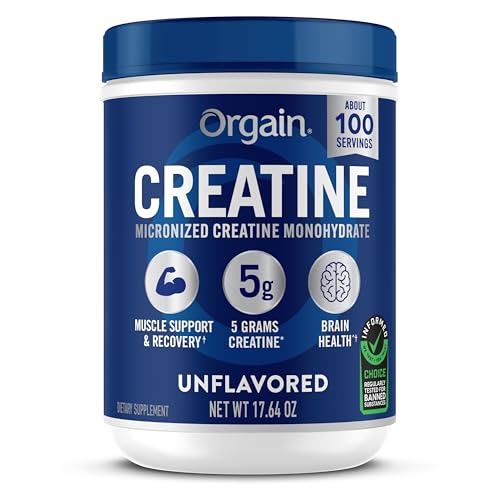
Orgain Creatine Monohydrate Micronized Powder
What We Like
- No additives, fillers, or preservatives
- Non-GMO, gluten, soy, and dairy free
- Micronized for easy mixing
- Unflavored, blends into any drink
Trade-offs
- Only one size option (100 servings)
- No third-party sport certification listed
A single-ingredient creatine with zero additives, fillers, or preservatives means you’re getting exactly 5 grams of micronized monohydrate per scoop and nothing else. That straightforward formula makes it a great pick if you want to avoid extra chemicals, artificial flavors, or hidden sugars in your supplement routine. It’s also free of dairy, soy, gluten, and GMOs, so it fits easily into most dietary preferences without needing to second-guess the label.
The downside is that unlike some competitors such as Thorne or Momentous, this tub doesn’t carry a third-party sport certification like NSF Certified for Sport. That won’t matter if you’re training for general fitness rather than drug-tested competition, but it’s worth knowing if you need that extra layer of verification. The unflavored micronized powder mixes smoothly into water, juice, or a shake, so you can add it to your post-workout routine without changing the taste.
Sports Research Creatine Monohydrate Powder

What We Like
- Informed Sport Tested for banned substances
- Micronized for smooth mixing in liquids
- Non-GMO, gluten-free, no artificial ingredients
- Unflavored, no added sugars
Trade-offs
- Requires daily use with regular exercise for results
Informed Sport certification means every batch is screened for banned substances, a level of purity that matters most if you compete or just want zero guesswork in your supplement. Each scoop gives you the standard 5g of micronized creatine monohydrate, which dissolves cleanly in cold water or a shake without clumping or any taste. This is a straightforward, no-frills creatine built for people who value verified quality over flashy labels.
Each scoop delivers 5g of pure creatine monohydrate, which fuels ATP production to support greater power during workouts and faster recovery afterward. This micronized powder dissolves smoothly in cold liquids without clumping, and it is unflavored so it won’t alter the taste of your shake. The Informed Sport certification means it has been tested for banned substances, giving athletes a concrete purity check that many competitors skip.
Product photos
Venture Pal Micronized Creatine Monohydrate Powder

What We Like
- Micronized to 200 mesh for smooth mixing
- Free of additives, fillers, and artificial sweeteners
- Vegan, gluten-free, and keto-friendly
- Scientifically backed and clinician-trusted ingredients
Trade-offs
- Not suitable for those wanting a flavored creatine
At 5 grams of pure micronized creatine per serving, this powder delivers the clinically studied dose without any fillers or artificial sweeteners. The 200-mesh micronization means it dissolves cleanly in water or your post-workout shake, leaving no gritty residue behind. That makes it an easy addition for anyone who wants a straightforward supplement that fits a vegan, keto, or gluten-free lifestyle without extra ingredients they didn’t ask for.
The container weighs 0.8 pounds, so it’s a smaller tub than something like the Nutricost 500-gram option, and you’ll reorder sooner if you take it daily. The unflavored powder blends into whatever you’re already drinking, which keeps your routine simple and avoids the chalky taste some flavored creatines leave behind. The brand states its creatine is trusted by hundreds of clinicians and verified by frontrowMD, which gives some buyers extra confidence in purity.
Product photos
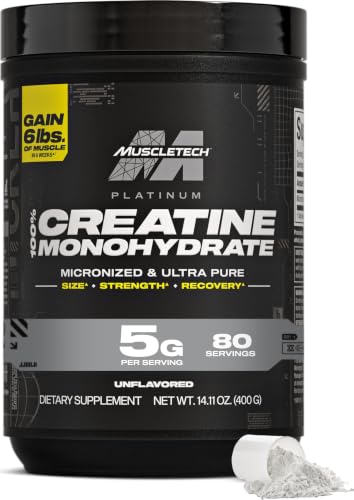
MuscleTech Platinum Creatine Monohydrate Powder
What We Like
- Backed by decades of MuscleTech innovation
- Micronized for easy mixing without clumps
- Unflavored formula works in any drink
Trade-offs
A 5g dose of micronized creatine monohydrate per scoop is the standard for a reason, it’s the amount that decades of research have shown helps with strength and recovery. If you like a supplement that comes from a brand with a long history of funding university trials and holding patents, this tub fits that bill. It’s unflavored and mixes without clumps, so you can stir it into your post-workout shake or morning coffee without tasting a thing.
The trade-off here is serving count: 80 scoops is on the lower end compared to some other options, like Optimum Nutrition’s 120-serving tub, so you’ll be reordering sooner if you train daily. The six-week muscle-gain claim is a nice target, but it depends on your training and diet, not just the powder. For someone who values a brand with a strong research background and wants a clean, no-fuss creatine that mixes easily, this is a straightforward pick. Just keep an eye on how fast you go through it.
Product photos
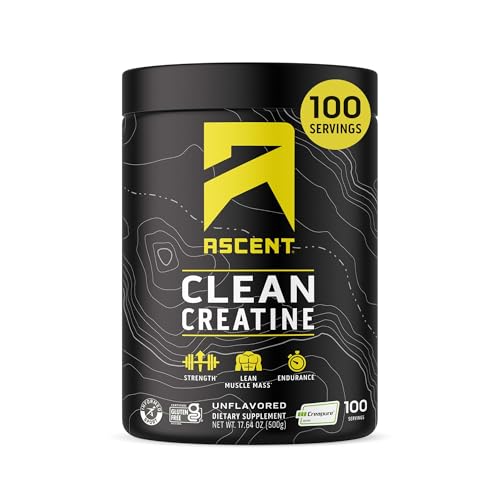
Ascent Clean Creatine Monohydrate Creapure
What We Like
- Creapure for lower impurities
- Informed Sport certified purity
- Gluten Free Certified
- Vegan and soy free
Trade-offs
- Only unflavored option available
- Not micronized for faster dissolving
Creapure creatine is widely respected for its low levels of creatinine, DHT, and DCD, impurities that can sneak into generic creatine powders. Ascent backs every batch with banned-substance testing and Informed Sport certification, so you know exactly what you’re putting in your body. That kind of third-party verification matters if you compete or just want peace of mind that your supplement is clean. It’s also gluten-free, vegan, and non-GMO, which makes it a straightforward pick for anyone with dietary preferences or sensitivities.
The most decisive fact about this creatine is its Creapure sourcing, which means lower levels of impurities like creatinine, DHT, and DCD compared to many generic products. For athletes who prioritize purity and certification over mixing speed, that trade-off makes sense. Reviewers note it mixes adequately with a bit of extra stirring, but the real value is in the rigorous testing and Informed Sport certification every batch undergoes.
How We Evaluated Creatine Supplements
We started by reviewing manufacturer data on particle size (micronized versus standard), serving counts, and ingredient lists to confirm each product contained pure creatine monohydrate without proprietary blends. Third-party certifications. NSF Certified for Sport, Informed Sport, and Creapure, carried significant weight because they verify what the label promises.
Our criteria centered on three factors: purity verification, ease of mixing and dosing, and value per serving. A creatine that clumps in liquid or lacks a scoop adds friction to daily use, while a tub with fewer than 90 servings can mean frequent reordering. We also noted whether a brand is trusted by professional teams or has a long research history, as those signals often indicate manufacturing consistency.
Research-led evaluation has limits: we did not lab-test samples or measure absorption rates ourselves. Instead, we cross-referenced certification databases, manufacturer documentation, and the collective experience of strength-focused communities to identify patterns that separate reliable products from marketing claims.
What To Look For In Creatine Supplements
Choosing the right creatine comes down to three decisions: purity certification, particle size, and serving count. Each affects how clean the supplement is, how easily it mixes, and how long a tub lasts.
Look for third-party testing (NSF Sport, Informed Sport, or Creapure) to confirm purity. Choose micronized powder for faster mixing. Match serving count to your daily dose and training frequency.
Purity and Third-Party Certification
The most important factor is knowing exactly what is in the container. Creatine monohydrate is a simple molecule, but manufacturing quality varies. Certifications like NSF Certified for Sport and Informed Sport test for banned substances and verify that the label matches the contents.
Creapure is a German-manufactured creatine known for low impurity levels. If you compete in a tested sport or simply want the cleanest option, these certifications are worth paying for. Products without a listed certification can still be safe, but you are relying on the brand’s internal quality control.
Particle Size and Mixability
Standard creatine monohydrate powder can settle at the bottom of a shaker or leave a gritty texture. Micronized creatine is ground into finer particles, typically 200 mesh or smaller, so it dissolves faster and stays suspended longer in water or juice. This does not change how the creatine works in your body, but it makes daily use more pleasant. If you plan to mix your creatine into a post-workout shake or sip it throughout the day, micronized is the easier choice.
Serving Count and Container Size
Creatine monohydrate is typically dosed at 5 grams per day, so a 500-gram tub provides 100 servings, about three months of daily use. Larger containers offer more servings and reduce how often you need to reorder. Consider your training frequency and whether you prefer a smaller tub for portability or a bulk size for value. Some products come in containers with fewer servings, which may work for shorter cycles but require more frequent purchases.
- Confirm the serving size matches the standard 5-gram dose, some products use a smaller scoop.
- Check if a scoop is included; missing scoops force you to estimate or use a kitchen scale.
- Look for unflavored options if you plan to mix creatine with flavored drinks or protein shakes.
- Verify whether the creatine source is synthetic or fermented; both work, but fermented is common in premium brands.
A 500-gram tub of micronized, third-party-tested creatine is the sweet spot for most lifters, enough for three months without taking up too much shelf space.
Creatine Supplements Compared
The table below compares ten creatine supplements side-by-side, highlighting certification, particle size, and serving count so you can see which option fits your training needs.
| Product | Servings | Dose | Form |
|---|---|---|---|
| THORNE Creatine Monohydrate Powder | 90 | 5 g | Micronized powder |
| Optimum Nutrition Creatine Monohydrate Powder | 120 | 5g | Micronized Powder |
| Nutricost Micronized Creatine Monohydrate Powder | 100 | 5g | Micronized Powder |
| BulkSupplements Creatine Monohydrate Powder | N/A | 5 g | Micronized powder |
| Momentous Creatine Monohydrate Powder | 90 | 5g | N/A |
| Orgain Creatine Monohydrate Micronized Powder | 100 | 5 g | Micronized Powder |
| Sports Research Creatine Monohydrate Powder | 100 | 5g | Micronized powder |
| Venture Pal Micronized Creatine Monohydrate Powder | N/A | 5 g | Micronized Powder |
| MuscleTech Platinum Creatine Monohydrate Powder | 80 | 5g | Micronized powder |
| Ascent Clean Creatine Monohydrate Creapure | 100 | N/A | N/A |
Frequently Asked Questions
What is the best type of creatine to take?
Creatine monohydrate is the most researched and widely recommended form. It is effective for muscle gain, strength, and recovery, and it costs less per serving than other types like hydrochloride or ethyl ester. For most people, a micronized monohydrate powder offers the best balance of purity, mixability, and value.
How much creatine should I take per day?
The standard maintenance dose is 5 grams per day. Some people start with a loading phase of 20 grams per day for five to seven days to saturate muscles faster, though this is optional. A single 5-gram serving daily, taken consistently, will raise muscle creatine levels over a few weeks.
Is creatine safe to take every day?
Yes, creatine monohydrate is considered safe for daily use at standard doses in healthy individuals. Decades of research support its safety profile. If you have pre-existing kidney concerns, consult a healthcare professional before starting any supplement routine.
Does creatine cause water retention?
Creatine pulls water into muscle cells, which can cause a small increase in total body water weight. This is intracellular water, not subcutaneous bloating, and it contributes to the fuller look of muscles during training. The effect is temporary and subsides after you stop supplementing.
What is the difference between micronized and regular creatine?
Micronized creatine is ground into finer particles than standard creatine monohydrate. This allows it to dissolve more quickly in liquid and reduces the gritty texture some people dislike. The two forms are chemically identical and equally effective; the difference is solely in mixability and mouthfeel.
The Bottom Line
The THORNE Creatine Monohydrate Powder is the best creatine to get if you want NSF Certified for Sport purity and a brand trusted by over 100 professional teams. Its micronized texture mixes smoothly, and the 90-serving container fits neatly into a consistent daily routine. This is the pick for athletes who prioritize verified quality over raw serving count.
If budget matters most, the Nutricost Micronized Creatine Monohydrate Powder delivers 100 servings of unflavored, easy-mixing creatine at a competitive price. For those who want the highest serving count in a single tub, the BulkSupplements Creatine Monohydrate Powder offers a pure, unflavored formula in a bulk size that minimizes reordering.
The single most important buying factor is third-party certification. Whether you choose NSF Sport, Informed Sport, or Creapure, a verified purity label removes guesswork and ensures your creatine is exactly what the label says. Start there, then match particle size and container size to your daily habits.
