
4 Best Deadlift Barbells in 2026
This post contains affiliate links. As an Amazon Associate, we earn from qualifying purchases.
The LOEFT Professional Deadlift Bar wins as best overall because its 190K PSI steel and 27mm shaft deliver the whip and aggressive knurl that heavy pullers need. The Titan Fitness TITAN Series Deadlift Bar offers USA-made construction, while the XMark Zydeco Deadlift Bar provides exceptional whip for serious powerlifters.
Deadlifting demands a bar that flexes under load, locks into your hands, and spins freely on the sleeves. A general-purpose Olympic bar often feels too stiff or too thick for maximal pulls off the floor, which is why a dedicated deadlift bar changes the game for lifters chasing PRs.
We built this guide by examining manufacturer specs, tensile-strength ratings, shaft diameters, knurl patterns, and sleeve spin mechanisms. We also looked at what experienced deadlifters consistently value in a bar, whip, grip security, and durability, so you can match the right bar to your training style.
Top 4 Deadlift Barbells in the Market
Certain content that appears on this site comes from Amazon. This content is provided "as is" and is subject to change or removal at any time.
The Best Deadlift Barbells, Reviewed
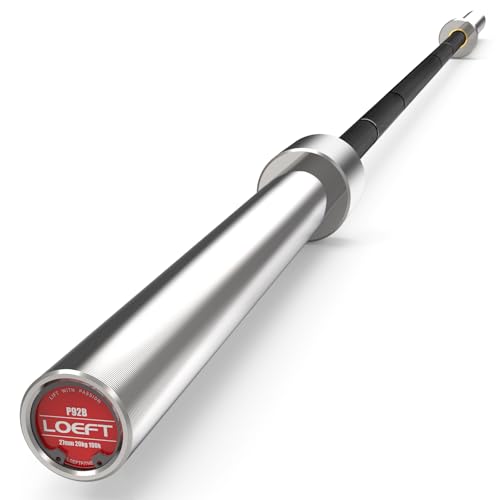
LOEFT Professional Deadlift Bar
What We Like
- 190K PSI steel for heavy loads
- 27mm shaft with enhanced whip
- 1.5mm aggressive knurl for grip
- Precision bushings for smooth spin
Trade-offs
- Strictly for deadlifts, not general use
- 44.1 lb bar, lighter than some deadlift bars
A 1,500-pound load capacity and 190,000 PSI tensile strength mean this bar is built to handle serious weight without flinching. So you can focus on pulling instead of worrying about durability. The 27mm shaft is thinner than many general-purpose bars, which gives it that signature whip that helps you break the floor on heavy deadlifts. That aggressive 1.5mm knurl also digs in just enough to keep the bar locked in your hands without tearing up your skin, making it a great fit for lifters who want a dedicated deadlift bar that feels purpose-built.
The trade-off is that this bar is designed strictly for deadlifts, so you won’t want to use it for squats or bench press, the thinner shaft and extra flex don’t suit those movements. Compared to the Titan Fitness TITAN Series bar, which has a 28.5mm shaft and weighs 45 pounds, the LOEFT is more specialized for deadlift-specific training, especially if you prioritize whip and grip over versatility.
Product photos
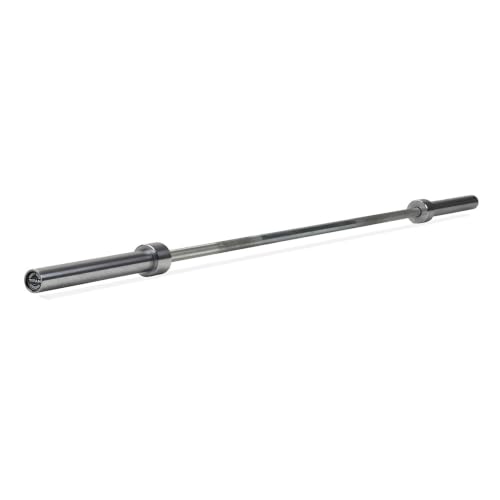
Titan Fitness TITAN Series Deadlift Bar
What We Like
- Hand-selected virgin American steel shaft
- Aggressive diamond knurling for secure grip
- 200,000 PSI tensile strength for heavy loads
- Bronze bushings for smooth sleeve rotation
Trade-offs
- 28.5 mm shaft is thicker than 27 mm competitors
- 45 lb bar is too light for lifters needing a heavier implement
A 200,000 PSI tensile strength shaft means this bar is built to handle the heaviest pulls without bending or losing its snap. Made in the USA from hand-selected virgin American steel, it gives you the confidence to load up plates and focus on your form, not on whether the bar will hold. The aggressive diamond knurling digs in even when your grip starts to fatigue, and the single powerlifting knurl marks keep your hands placed exactly where they need to be for conventional or sumo deadlifts. This is a bar for lifters who want American craftsmanship and raw durability over flashy extras.
The trade-off comes in the details. At 45 pounds and a 28.5 mm shaft, it is lighter and thicker than the LOEFT Professional Deadlift Bar, which runs 44.1 pounds and a slimmer 27 mm diameter. That thicker shaft gives you more surface area to hold onto, but if you have smaller hands or prefer a thinner bar for easier grip, the LOEFT might feel more natural. The bright zinc finish resists rust well, but it will show wear faster than a phosphate coating on a bar like the Synergee Regional. For lifters who prioritize made-in-USA steel and a bar that can take a beating, this is your pick.
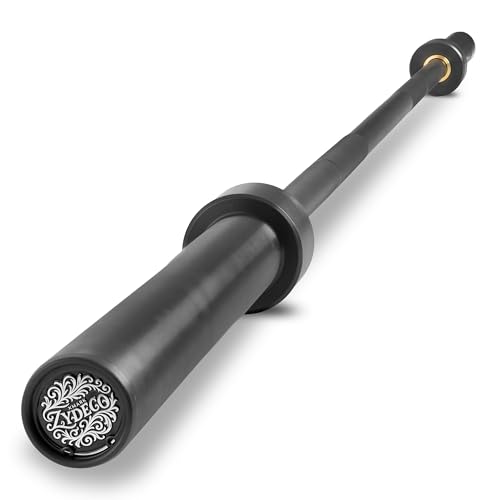
XMark Zydeco Deadlift Bar
What We Like
- 27mm shaft increases flex for heavy pulls
- 92.5-inch length adds controlled whip
- 57-inch shaft suits conventional and sumo stances
- 20kg competition weight for meet-style training
Trade-offs
- 58 lb weight is heavier than most deadlift bars
- 58 lb weight is heavier than the Titan Fitness bar at 45 lb
The 27mm shaft on this bar is designed to increase flex during heavy pulls. And the 92.5-inch length adds controlled whip and bend, which can help create a mechanical advantage as the bar leaves the floor. The 57-inch working shaft gives you room to set up wide for sumo or narrow for conventional while maintaining balanced flex and stability under load. This bar is built for deadlift-focused training and competition-style lifting, with a 20kg competition weight for a true meet-style experience.
At 58 pounds, this bar is noticeably heavier than the Titan Fitness TITAN Series Deadlift Bar at 45 pounds, so moving it between sets takes more effort. The 27mm shaft is designed for a secure, confident grip during heavy pulls, though lifters with larger hands might prefer a thicker bar. It’s built for deadlift-focused training and competition-style lifting, with a 20kg regulation weight for a meet-style experience.
Product photos
Synergee Regional Olympic Barbell

What We Like
- 190K PSI steel handles heavy loads
- 1500 lb capacity suits most gyms
- 5 needle bearings per sleeve for smooth spin
- Black phosphate coating resists rust
Trade-offs
- At 86.4 inches, shorter than deadlift-specific bars
- 28mm shaft thicker than 27mm deadlift bars
A 1500-pound load capacity and 190,000 PSI tensile strength let this bar take on heavy deadlifts and repeated overhead drops without bending. The 1.2mm diamond knurl gives you a firm grip without shredding your hands, and the dual knurl markings help you find the right hand placement for both powerlifting and Olympic snatches. That versatility makes it a practical one-bar solution for lifters who want durability across different training styles.
The trade-off is length. At 86.4 inches, it’s shorter than dedicated deadlift bars like the Loeft Professional Deadlift Bar, which stretches 91.7 inches and gives you more room for wide grip pulls. The 28mm shaft also feels thicker than the 27mm shafts found on deadlift-specific bars, so if you have smaller hands or prefer a thinner bar for deadlifts only, you might notice the difference. But for someone who wants one barbell that works for squats, presses, cleans, and deadlifts without swapping bars, this Synergee delivers real value.
Product photos
How We Evaluated Deadlift Barbells
We focused on four criteria that separate a true deadlift bar from a general-purpose barbell: steel tensile strength, shaft diameter and whip, knurl aggressiveness, and sleeve rotation quality. These specs determine how a bar behaves under heavy loads and how it feels in your hands during a pull.
Tensile strength (measured in PSI) tells us how much load the steel can handle before deforming. Bars rated at 190K PSI or higher, like the LOEFT and Synergee, handle the heaviest pulls without bending. Shaft diameter matters because a thinner 27mm shaft creates more whip, the flex that helps break a heavy bar off the floor, while thicker shafts sacrifice flex for stiffness.
Knurl aggressiveness directly affects grip security. Deadlift-specific bars use deeper, sharper knurling than general-purpose bars, and we prioritized models with aggressive diamond or mountain patterns. Sleeve rotation, via bushings or needle bearings, ensures the plates settle smoothly without fighting your hands during setup. For more detail on how knurl patterns affect your pull, see our guide to barbell knurling and grip.
A research-led evaluation has limits. We haven’t pulled thousands of pounds on each bar in a lab. Instead, we rely on manufacturer engineering specs, expert round-ups, and patterns in owner feedback to identify what works best for serious deadlifters.
What To Look For In Deadlift Barbells
Choosing a deadlift bar means balancing whip, grip, and durability against your training goals. Here are the key specs to consider.
A true deadlift bar has a 27mm shaft for controlled flex, aggressive knurling for grip, and 190K PSI or higher steel for durability. Match the bar’s weight and length to your stance and competition preferences.
Tensile Strength and Steel Quality
Tensile strength determines how much weight the bar can hold without taking a permanent bend. Bars rated at 190K PSI, like the LOEFT and Synergee, handle elite-level loads. The Titan Fitness bar uses steel with a tensile strength of 200,000 PSI for an extra margin of safety. Lower-rated bars may flex too much or deform under heavy pulls, so look for at least 190K PSI if you plan to deadlift heavy weights regularly. For more on how different steel grades compare across bar styles, check our guide to barbell types.
Shaft Diameter and Whip
Shaft diameter is the single biggest factor in how a deadlift bar feels. A 27mm shaft, found on the LOEFT and XMark, creates noticeable whip that helps momentum carry the bar past your knees. Thicker shafts, like the Titan Fitness bar at 28.5mm, feel stiffer and may suit lifters who prefer a more rigid pull. Bar length also matters: the XMark’s 92.5-inch length adds whip, while shorter bars reduce flex. If you pull sumo, a longer shaft gives you more room to set your grip wide.
Knurl Aggressiveness
Deadlift bars use deeper knurling than squat or bench bars because grip is critical when pulling near-maximal loads. The LOEFT’s 1.5mm aggressive knurl and the Titan’s diamond knurling both provide the bite needed to hold heavy weight without relying on chalk alone. If you have sensitive hands or train without straps, look for a bar with a single knurl ring rather than dual rings, as the center knurl on some bars can tear up your shins.
When grip becomes the limiting factor, deadlift straps can help you keep pulling past your raw grip strength.
- Check that the knurl pattern matches your grip preference, mountain knurl for bite, diamond for texture.
- Verify the bar has no center knurl if you pull conventional to avoid shin abrasion.
- Measure the shaft length against your stance width to ensure the knurl marks align with your grip.
- Consider the bar’s total weight, a 44-45 lb bar is standard, but 58 lb bars like the XMark change the feel of lighter warm-up sets.
A 27mm shaft with aggressive knurling and 190K PSI steel is the sweet spot for most dedicated deadlifters.
Deadlift Barbells Compared
The table below compares the four deadlift bars across the specs that matter most for heavy pulls: tensile strength, shaft diameter, knurl type, and sleeve rotation.
| Product | Length | Weight | Shaft Diameter | Tensile Strength | Load Capacity |
|---|---|---|---|---|---|
| LOEFT Professional Deadlift Bar | 91.7 inches | 44.1 pounds | 27 mm | 190,000 PSI | 1,500 pounds |
| Titan Fitness TITAN Series Deadlift Bar | 91.0 inches | 45 lb | 28.5 mm | 200,000 PSI | 2,000 lb |
| XMark Zydeco Deadlift Bar | 92.5 inches | 58.0 pounds | 27mm | N/A | N/A |
| Synergee Regional Olympic Barbell | 86.4 inches | 44.0 pounds | 28mm | 190,000 PSI | 1500 lbs |
Frequently Asked Questions
What makes a barbell a “deadlift bar” instead of a regular barbell?
A deadlift bar has a thinner 27mm shaft for more whip, deeper knurling for grip, and often a longer overall length to accommodate wider stances. General-purpose bars use 28mm shafts with milder knurling, making them stiffer and less specialized for pulling off the floor.
Is a 28mm or 27mm shaft better for deadlifting?
A 27mm shaft is better for deadlifting because the thinner diameter creates more flex under load, helping the bar break the floor and accelerate through the pull. A 28mm shaft feels stiffer and is better suited for squatting or bench pressing.
Do I need a deadlift-specific bar or can I use a power bar?
You can deadlift with a power barbell, but a deadlift-specific bar gives you more whip and sharper knurling for grip. If you compete in powerlifting, a deadlift bar matches competition specs. If you train general strength, a quality power bar works fine for pulls.
How much whip should a deadlift bar have?
Whip depends on the steel’s tensile strength and the shaft diameter. A bar around 190K PSI with a 27mm shaft provides noticeable flex without feeling springy. Too much whip makes the bar unpredictable; too little makes it feel like a stiff power bar.
Should I use straps with a deadlift bar?
Straps can help you train past grip fatigue, but aggressive knurling on a deadlift bar often provides enough bite to pull heavy without them. Many lifters save lifting straps for back-off sets or when grip becomes the limiting factor.
The Bottom Line
The LOEFT Professional Deadlift Bar is the best overall choice for lifters who want a dedicated bar with high whip capacity and aggressive knurling for heavy pulls. Its 190K PSI steel and 27mm shaft handle serious loads while the 1.5mm knurl locks into your hands.
If you prefer USA-made steel and don’t mind a slightly thicker 28.5mm shaft, the Titan Fitness TITAN Series Deadlift Bar delivers high tensile strength and diamond knurling. For powerlifters who want maximum whip in a competition-weight bar, the XMark Zydeco Deadlift Bar‘s 92.5-inch length and 27mm shaft provide controlled flex for heavy pulls.
The most important factor in choosing a deadlift bar is matching the shaft diameter and whip to your pulling style. A 27mm bar with aggressive knurling gives you the best combination of flex and grip for dedicated deadlift training.
