
9 Best Exercise Shoes For Men in 2026
This post contains affiliate links. As an Amazon Associate, we earn from qualifying purchases.
For most guys, one pair of shoes has to handle lifting, cardio, and the occasional treadmill session. The Puma Voltaic Evo Cross Trainer earns the Best Overall spot because its wide-fit design and thick heel cushioning make it a rare shoe that works for heavy gym days and everyday wear. For lifters who want a flat, stable base, the Under Armour TriBase Reign 6 is our Best For Stability pick, while the New Balance 608 V5 Cross Trainer delivers reliable support without breaking the bank.
The problem with buying exercise shoes is that “training” covers everything from deadlifts to jump squats to a five-mile jog. A running shoe that feels great on the road can make you wobble under a barbell, and a dedicated lifting shoe is terrible for cardio. You need a shoe that matches your actual routine, not just what looks good in the aisle.
This guide is built from manufacturer specs, expert round-ups, and patterns we found in owner feedback across hundreds of reviews. We focused on fit, support, and versatility for real gym use. No testing claims here, just honest research to help you pick with confidence.
Top 9 Exercise Shoes For Men in the Market
Certain content that appears on this site comes from Amazon. This content is provided "as is" and is subject to change or removal at any time.
The Best Exercise Shoes For Men, Reviewed
Puma Voltaic Evo Cross Trainer

What We Like
- SoftFoam+ insole with extra-thick heel
- 10CELL midsole absorbs impact
- Full-length rubber outsole for traction
- Wide-fit design with padded collar
Trade-offs
- At 2.4 pounds, heavier than many cross trainers
- Bulky 2.4-pound build feels heavy for speed workouts
The SoftFoam+ insole with an extra-thick heel delivers plush cushioning that reviewers say makes long walks or gym sessions more comfortable. The wide-fit design and padded collar provide a secure fit for men with wider feet, so the shoe stays put during lateral moves or heavy lifts. It’s built for durability and everyday wear, blending support with street-ready style.
The trade-off is weight: at 2.4 pounds, the Puma Voltaic Evo is noticeably heavier than something like the Under Armour TriBase Reign 6, which weighs under a pound. That heft gives you stability for heavy squats and pressing, but if you’re doing quick agility drills or box jumps, you’ll feel the extra mass. Think of it as a sturdy workhorse for strength and casual wear, not a sprinter’s shoe.
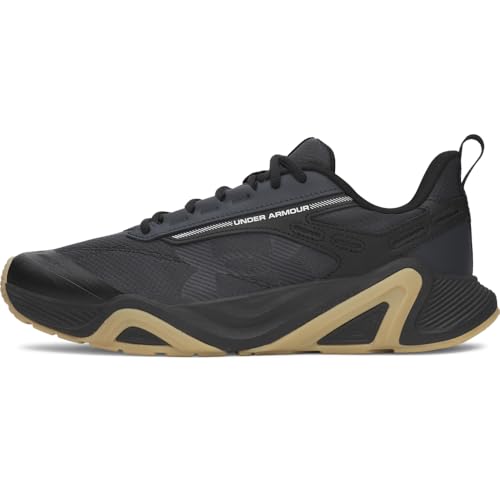
Under Armour Charged Commit Trainer 5
What We Like
- Full-length Charged Cushioning balances responsiveness and comfort
- Breathable mesh upper with durable leather overlays
- Full rubber outsole with side wrap-up for durability
- 6mm offset suits versatile training
Trade-offs
- 6mm offset suits neutral gait, not runners needing high heel drop
- Leather overlays reduce breathability for high-intensity training.
A full-length Charged Cushioning midsole gives this trainer an even blend of softness and bounce. So you can move from a heavy squat set to a few minutes on the treadmill without feeling like you’re swapping shoes. The 6mm offset keeps your foot in a natural position for most gym work, while the breathable mesh upper with leather overlays adds structure where you need it, think lateral moves or quick direction changes. It’s a shoe that doesn’t lean too far into any one specialty, which makes it a smart pick if your workouts mix strength, cardio, and agility drills and you want one pair that handles it all without complaint.
The trade-off is weight: at 2.2 pounds, these feel more substantial than lighter trainers like the UA TriBase Reign 6 (0.9 pounds). So if you’re chasing speed for box jumps or sprint intervals, you might notice the extra heft. That said, the full rubber outsole wrapping up the sides adds durability for dragging or sliding movements, and the cushioning keeps impact comfortable during longer sessions. This is a balanced workhorse for the lifter who values versatility over featherlight feel.
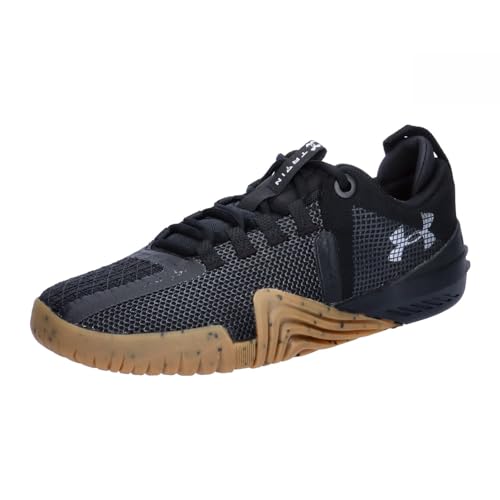
Under Armour TriBase Reign 6
What We Like
- Dual-density midsole for targeted support
- UA WARP upper for secure fit
- Low-to-ground build improves power transfer
- Strategic rubber under toe box for grip
Trade-offs
- Heavier than Brooks Adrenaline GTS 25 at 0.7 lb
- Lacks the wide sizing of New Balance 608 V5
A three-point ground contact design means your foot stays planted and connected during heavy lifts, giving you a stable base for squats and deadlifts. The dual-density midsole, softer in the forefoot and firmer in the heel, supports natural movement while keeping your heel locked in under load. This shoe suits anyone who prioritizes form and wants a low-to-the-ground feel for better power transfer, especially during strength-focused workouts where stability matters more than cushioning.
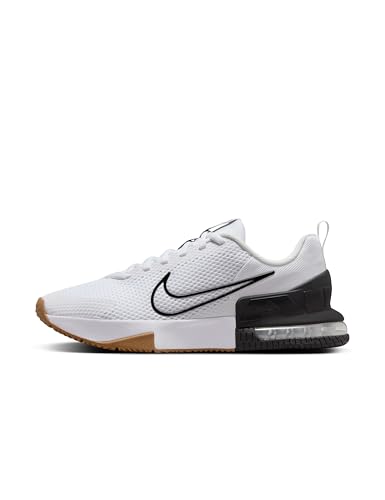
Nike Air Max Alpha Trainer 6
What We Like
- Heel Max Air unit for stable cushioning
- Flat wide sole for traction
- Foam collar pads ankle during movement
- Flex grooves in forefoot for lunges
Trade-offs
- At 1.0 lb, heavier than some training shoes
- Rubber side wrap adds lateral stability but stiffens flex
The heel Max Air unit has been fine-tuned for stability, and combined with tuned support and intentionally placed cushioning, it helps you feel secure with every step. The flat, wide sole with an optimal rubber tread pattern provides stability and traction. A foam midsole with a Max Air unit at the heel cushions your foot for comfort that lasts, and a foam collar pads your ankle from one move to the next. Flex grooves in the forefoot are designed for lunges, allowing natural movement.
Weighing 1.0 pound, this shoe is heavier than the UA TriBase Reign 6 (0.9 pounds), which can feel clunky during fast lateral drills. But if cushioned support is your priority over speed, the Nike delivers where it matters most.
New Balance 608 V5 Cross Trainer

What We Like
- ABZORB heel pad absorbs impact
- Suede leather upper for durable support
- Dual density collar stabilizes ankle
- Phantom Liner reduces interior seams
Trade-offs
- Suede upper reduces breathability compared to mesh trainers
- Dual density collar can feel stiff for narrow ankles
A suede leather upper and ABZORB heel crash pad make this cross trainer feel sturdy and forgiving from the first step. That heel cushioning absorbs shock during walks, light jogs, or standing workouts, while the dual density collar wraps the ankle for steady support. It’s a shoe built for comfort over long hours, not for sprinting or heavy lifting. Ideal if your routine mixes casual gym time with all-day wear and you want something that breaks in like an old friend.
At 0.9 pounds, the New Balance 608 V5 Cross Trainer matches the weight of the UA TriBase Reign 6, but the suede upper is a closed material that may feel warmer than mesh options. The trade-off is plush cushioning and ankle stability for daily wear, not speed.
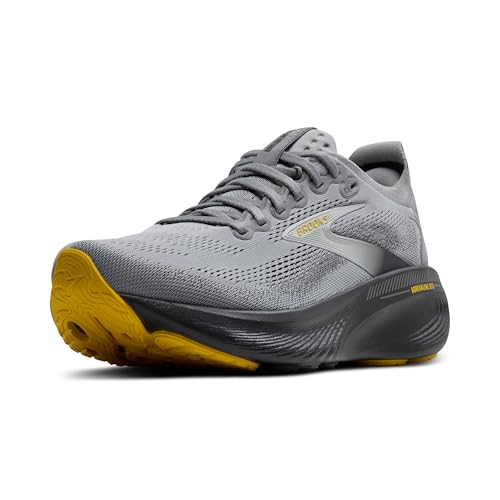
Brooks Adrenaline GTS 25
What We Like
- GuideRails support for natural motion
- Nitrogen-infused DNA Loft v3 cushioning
- Breathable engineered mesh upper
- Certified diabetic shoe with APMA Seal
Trade-offs
- Not designed for fast intervals or gym circuits.
- Not ideal for high-intensity gym workouts or sprints.
The GuideRails holistic support system keeps your body moving along its natural path while reining in excess motion. That is exactly what you want if you tend to overpronate or just crave a stable, distraction-free step. Paired with the nitrogen-infused DNA Loft v3 cushioning, this shoe delivers a soft yet responsive ride that feels good from the first mile to the last, for road runs or neighborhood walks. It’s built for runners and walkers who prioritize support and comfort over speed or flexibility, and the breathable engineered mesh upper helps your feet stay cool even on longer outings.
At 0.7 pounds, the Adrenaline GTS 25 matches the weight of the Nike Air Max Alpha Trainer 6, but the extra cushioning and support structure give it a more substantial feel underfoot. If you want a shoe that disappears on your foot for fast intervals or gym circuits, this isn’t that. But if your goal is steady, supported miles with a wide fit that accommodates orthotics or just roomier toes, this is a smart, comfortable pick that also carries the APMA Seal of Acceptance for diabetic needs.
Product photos
Nike Air Monarch IV

What We Like
- Durable leather and synthetic leather upper
- Full-length Nike Air unit for cushioning
- Solid rubber sole for traction
Trade-offs
- Leather upper does not breathe as freely as mesh
- Heavy at 2.4 pounds for a cross-trainer
A full-length Nike Air unit runs the length of the sole, so every step lands on consistent cushioning rather than a hard slab of rubber. That makes this trainer a smart choice if you want classic support for steady gym sessions, lifting, machine work, or light cardio, without chasing the latest lightweight mesh designs. The leather and synthetic leather upper holds its shape over time, which is why many buyers stick with it for years of regular use.
If your workouts lean toward hot, high-intensity circuits or you run outdoors in warm weather, that extra weight and reduced airflow might feel stuffy. For straightforward strength training in a climate-controlled gym, though, the Monarch IV’s no-nonsense build and plush ride are hard to beat.
Product photos
New Balance Fresh Foam Arishi V4
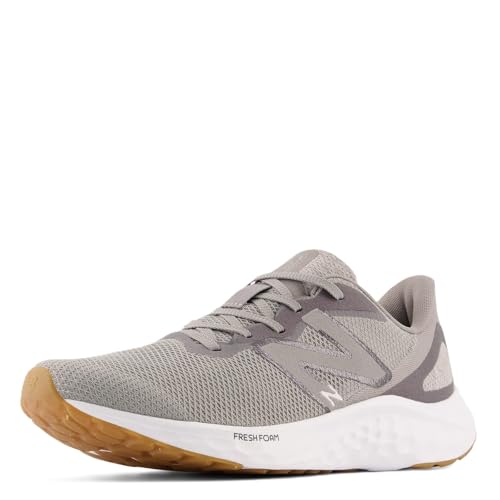
What We Like
- Breathable mesh upper for airflow
- Fresh Foam midsole for soft cushioning
- No-sew construction reduces irritation
- Lightweight at 9.5 oz
Trade-offs
- No stability features for overpronation
A breathable mesh upper with suede and knit accents promotes airflow, and the Fresh Foam midsole delivers soft cushioning for a comfortable ride. The no-sew construction reduces irritation and keeps weight down, while the rubber outsole provides steady traction on roads and sidewalks. This shoe is designed for runners who want a lightweight, well-ventilated option for daily wear.
The 6mm heel-to-toe drop encourages a natural running gait, and the shoe weighs 9.5 oz per shoe. For those who need more support or a higher drop, other models like the Brooks Adrenaline GTS 25 may be worth considering, though specific features of that shoe are not detailed here. Overall, the Fresh Foam Arishi V4 offers a balanced combination of cushioning, breathability, and lightweight construction for neutral runners.
Product photos
adidas Run Falcon 5 Wide

What We Like
- Cloudfoam midsole for step-in cushioning
- Adiwear outsole for high durability
- Wide last for comfortable wide feet
- Made with at least 20% recycled materials
Trade-offs
- Runs small, so you need to size up
- At 1.5 lb, heavier than some runners
The Cloudfoam midsole delivers step-in comfort and superior cushioning, so your feet feel cradled from the first stride, ideal for everyday miles or long walks. The wide last is cut specifically for wider feet, meaning no pinching or tight spots along the sides, which is rare in a running shoe at this price point. With an Adiwear outsole built for high-wear durability, these should hold up well on pavement and gym floors alike, making them a reliable choice for guys who want a forgiving ride without sacrificing longevity.
At 1.5 pounds, these are heavier than a lightweight trainer like the Brooks Adrenaline GTS 25 (0.7 lb), which may affect feel during faster runs. For steady jogs or recovery days, the extra weight is less noticeable, and the cushioning provides a comfortable experience. If you want a roomy fit for relaxed running, this shoe fits the bill.
Product photos
How We Evaluated Exercise Shoes For Men
We started by combing through technical specs from every major athletic brand, looking at midsole materials, outsole rubber compounds, heel-to-toe drops, and weight. Then we cross-referenced those numbers with what experienced trainers and podiatrists say about shoe suitability for different activities. Finally, we identified common praise and complaints from owner feedback, things like “runs narrow,” “heel slip,” or “wears out fast”, to separate marketing from reality.
The three criteria that mattered most were versatility, fit range, and durability. A true exercise shoe needs to handle lateral cuts, vertical impact, and static lifts without forcing a compromise. We prioritized models available in multiple widths or with documented wide-fit construction because men’s feet vary more than most guides acknowledge. We also favored shoes with full-length rubber outsoles and reinforced stitching, since gym shoes take abuse that road runners don’t.
A research-led evaluation has limits. We can tell you what the specs mean and what owners generally report, but we cannot tell you how a shoe feels on your specific foot. That is why every pick here comes with a clear “best for” note and an honest trade-off. If you have a history of foot pain or a very narrow or wide foot, we recommend trying any of these shoes on before committing.
What To Look For In Exercise Shoes For Men
The right exercise shoe matches your primary workout style, not your favorite brand. Start with what you actually do in the gym, then check the heel drop, midsole firmness, and outsole grip.
Look for a heel-to-toe drop that matches your activity: low for lifting, medium for general training, high for running. Choose a flat, stable sole for strength work and a responsive, cushioned one for cardio. Make sure the toe box allows natural splay and the heel locks down without slipping.
Heel-to-Toe Drop and Midsole Feel
The drop is the height difference between the heel and forefoot. Low-drop shoes put you closer to the ground for better stability during squats and deadlifts. Medium-drop shoes offer a balanced feel for hybrid training. High-drop shoes reduce calf strain during running but can feel unstable under a barbell. The midsole material matters too: dense foam like the 10CELL in the Puma Voltaic Evo absorbs heavy impact, while softer foams like Cloudfoam or Fresh Foam prioritize step-in comfort for walking and light jogging.
Outsole Grip and Durability
A gym floor is unforgiving on rubber. Look for a full-length rubber outsole, preferably with a tread pattern that wraps up the sidewall for lateral support. Shoes with exposed foam midsoles (common on lightweight runners) wear down fast when you do lunges, burpees, or agility drills. The Nike Air Monarch IV and the New Balance 608 V5 both use thick, solid rubber that holds up to years of machine work and walking.
Upper Construction and Breathability
Mesh uppers breathe well but lack structure for side-to-side movements. Leather and synthetic leather uppers (like on the Nike Air Monarch IV and New Balance 608 V5) offer durable support and a broken-in feel but trap heat. The Under Armour Charged Commit Trainer 5 splits the difference with a breathable mesh base reinforced by leather overlays. If you run hot or do high-intensity circuits, prioritize mesh. If you lift heavy and want a shoe that lasts, leather is worth the warmth.
- Check whether the shoe is available in wide or extra-wide sizes if you have a broader foot.
- Look for a padded heel collar and a gusseted tongue to prevent slip during dynamic movement.
- Test the flex point: a training shoe should bend at the forefoot, not the midfoot.
- Remove the insole to see if the interior shape matches your foot’s natural outline.
- Bring the socks you actually wear to the gym when trying shoes on.
A good rule of thumb: if the shoe feels perfect standing still but pinches when you squat or lunge, keep looking.
Exercise Shoes For Men Compared
The table below compares all nine picks across the specs that matter most for exercise, weight, heel drop, primary use, and fit options. Use it to narrow your list before reading the detailed reviews.
| Product | Weight | Cushioning | Upper Material |
|---|---|---|---|
| Puma Voltaic Evo Cross Trainer | 2.4 pounds | SoftFoam+ insole | N/A |
| Under Armour Charged Commit Trainer 5 | 2.2 pounds | Full-length Charged Cushioning | Breathable mesh with leather overlays |
| Under Armour TriBase Reign 6 | 0.9 pounds | Dual-density | UA WARP |
| Nike Air Max Alpha Trainer 6 | 1.0 pounds | Max Air unit at heel | N/A |
| New Balance 608 V5 Cross Trainer | 0.9 pounds | ABZORB heel + EVA foam midsole | Suede leather |
| Brooks Adrenaline GTS 25 | 0.7 pounds | DNA Loft v3 nitrogen-infused | Engineered mesh upper, flat-knit collar |
| Nike Air Monarch IV | 0.7 pounds | Full-length Nike Air unit | Leather and synthetic leather |
| New Balance Fresh Foam Arishi V4 | 1.0 pounds | Fresh Foam | Breathable mesh |
| adidas Run Falcon 5 Wide | 1.5 pounds | Cloudfoam | N/A |
Frequently Asked Questions
What is the difference between a cross trainer and a running shoe?
A cross trainer has a flat, stable platform with a low to medium heel drop (0-8mm) and a wider outsole for lateral support. A running shoe has a higher drop (8-12mm) and more forefoot cushioning for forward motion. Wearing running shoes for lifting can make you unstable under load, while wearing cross trainers for long runs can lead to shin splints from insufficient heel cushioning.
Can I wear exercise shoes for walking every day?
Yes, provided the shoe has enough midsole cushioning and a comfortable heel-to-toe transition. The New Balance 608 V5 Cross Trainer and the Brooks Adrenaline GTS 25 are both popular choices for all-day wear because their foam midsoles and padded collars reduce fatigue. Avoid minimalist lifting shoes for walking, they lack the shock absorption needed for repetitive heel strikes.
How do I know if I need a wide-width exercise shoe?
If your toes feel cramped or your little toe presses against the side of standard-width shoes, you likely need a wide size. Another sign is visible bulging on the upper’s side mesh when you stand. The Puma Voltaic Evo Cross Trainer and the adidas Run Falcon 5 Wide both offer dedicated wide-fit construction, and the New Balance 608 V5 comes in multiple width options.
What heel drop is best for weightlifting?
For squats, deadlifts, and overhead press, a low drop keeps your foot closer to the ground for better stability and power transfer. The Under Armour TriBase Reign 6 has a low-profile build that excels for this. A higher drop shifts weight forward and can make you lean onto your toes during heavy lifts, which reduces force output and increases injury risk.
Should I buy one pair of shoes for everything or separate shoes for lifting and cardio?
If your gym routine is balanced between strength and cardio, a versatile cross trainer like the Under Armour Charged Commit Trainer 5 handles both well. If you lift heavy three or more days a week and run separately, dedicated lifting shoes versus running shoes make sense. The trade-off is cost and closet space, two specialized pairs cost more than one do-it-all shoe.
The Bottom Line
The Puma Voltaic Evo Cross Trainer is the best overall exercise shoe for men because it combines a wide, comfortable fit with serious heel cushioning and a grippy outsole that handles most gym activities. It is heavier than some competitors, but that weight translates to durability and impact protection that cheaper shoes lack. If you have wide feet or want one pair for both the gym and daily wear, start here.
For lifters who prioritize a stable platform over plush cushioning, the Under Armour TriBase Reign 6 delivers a low-to-ground feel that helps with power transfer during squats and deadlifts. Budget-minded shoppers should look at the New Balance 608 V5 Cross Trainer, which offers ABZORB heel cushioning and a durable suede upper at a more accessible price point. Runners who need support can rely on the Brooks Adrenaline GTS 25 with its GuideRails system.
The single most important factor in choosing exercise shoes is matching the shoe’s design to what you actually do most often. A great running shoe is a terrible lifting shoe, and a stiff lifting shoe will punish you on cardio day. Read the “best for” notes on each pick, learn how to choose based on your routine, and do not be afraid to try a few pairs on before deciding. Your feet will thank you.
