
10 Best Fitness And Sleep Trackers in 2026
This post contains affiliate links. As an Amazon Associate, we earn from qualifying purchases.
The Garmin vívoactive 5 Smartwatch is the best overall fitness and sleep tracker because it balances a bright AMOLED display with an 11-day battery and personalized sleep coaching. For stress-focused users, the Google Fitbit Inspire 3 Tracker delivers daily Stress Management Scores, while the WHOOP 5.0 Screenless Wearable offers AI-driven recovery insights for data-driven athletes.
Most trackers can log steps, but few help you understand why you slept poorly or how your recovery affects your next workout. The real challenge is finding a device that gives you actionable sleep data without sacrificing battery life or workout features.
This guide is research-based, drawing on manufacturer specifications, expert round-ups, and patterns in owner feedback. We focused on sleep accuracy, battery life, fitness modes, and ease of use to help you choose with confidence.
Top 10 Fitness And Sleep Trackers in the Market
Certain content that appears on this site comes from Amazon. This content is provided "as is" and is subject to change or removal at any time.
The Best Fitness And Sleep Trackers, Reviewed
Garmin vívoactive 5 Smartwatch

What We Like
- Bright AMOLED display
- 11-day battery in smartwatch mode
- 30+ built-in sports apps
- Sleep score with personalized coaching
Trade-offs
- Health data is an estimation, not medical grade
- Bright AMOLED display reduces battery life.
An 11-day battery life in smartwatch mode means you can wear this thing day and night without obsessing over chargers, which is exactly what you want from a fitness and sleep tracker. The AMOLED display is bright and colorful, so glancing at your stats is easy on the eyes. It handles daily activity tracking and deeper recovery insights like HRV status and personalized sleep coaching, all in one device.
The trade-off is that some health metrics, like Body Battery energy monitoring, sleep score, and nap tracking, are estimates, not clinical measurements. That is fine for spotting trends and building better habits, but if you need medical-grade data, you will want a dedicated device. Compared to the Garmin vívosmart 5, which gets up to seven days of battery, the vívoactive 5 offers longer battery life for extended use between charges.
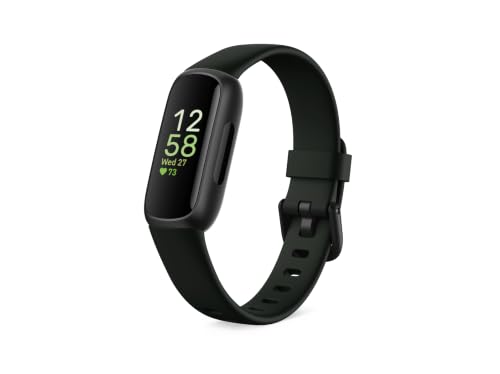
Google Fitbit Inspire 3 Tracker
What We Like
- Daily Stress Management Score tracks well-being
- Mindfulness and relax breathing sessions included
- Automatic sleep tracking with Sleep Score
Trade-offs
- No built-in GPS for outdoor runs without phone
- Heavier than the Garmin vívoactive 5 at 0.2 pounds
A daily Stress Management Score helps you keep an eye on your well-being, and the tracker includes mindfulness sessions and relax breathing exercises to support stress awareness. Automatic sleep tracking with a detailed Sleep Score tells you how well you recovered each night, so you can improve your sleep quality without manual logging. This tracker is for anyone who wants to understand their stress and sleep patterns without needing a full smartwatch, and who values simple, everyday insights over complex data.
The Inspire 3 weighs 0.2 pounds, which is twice as heavy as the Garmin vívoactive 5 at 0.1 pounds, so it feels more substantial on the wrist during all-day wear. Reviewers note it stays put during activity because of that weight, but it’s not the lightest tracker available. If you want stress management and sleep insights without the bulk or the price tag of a full smartwatch, this is the one that makes self-care feel like a habit, not a chore.
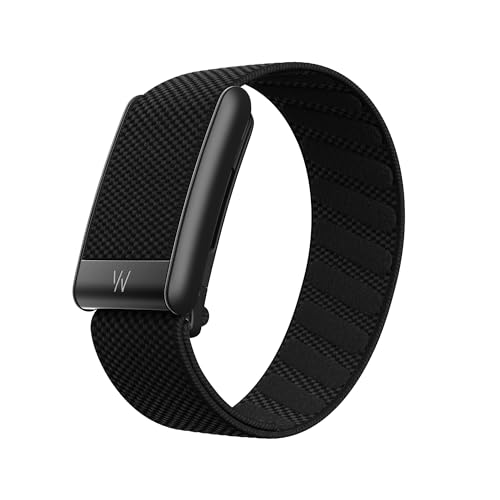
WHOOP 5.0 Screenless Wearable
What We Like
- AI Coach turns 140+ metrics into personalized guidance
- 14+ day battery charges on wrist without removal
Trade-offs
- Screenless design means no at-a-glance display during workouts
- Requires 12-month membership for full functionality
A 14+ day battery that charges on your wrist without removing the band means you never lose sleep tracking data just because the battery died. That alone makes this screenless wearable a serious tool for anyone who wants continuous recovery, sleep, and stress monitoring without the distraction of a display. It suits the person who wants deep, data-driven coaching rather than quick glances at a screen.
Because the WHOOP 5.0 has no screen, you cannot check stats mid-workout or during a run, so you rely entirely on the app for feedback. The 12-month membership is a requirement, not an option, so this is a commitment to the full coaching ecosystem rather than a casual fitness tracker. For someone ready to invest in detailed habit tracking and AI-driven recommendations, the WHOOP 5.0 delivers insights you will not get from a standard smartwatch.
Amazfit Helio Strap Tracker

What We Like
- Exclusive HYROX Race mode
- 27 sports modes with post-workout insights
Trade-offs
- Requires Zepp App for full analysis and insights
- Screenless design limits mid-workout feedback
Most trackers treat strength training like any other activity, but this one understands that counting your bench press reps matters just as much as your step count. For someone who spends more time under the barbell than on the pavement, this is the kind of focused tool that fits naturally into a gym routine without extra fuss.
Unlike a screen-based fitness tracker, the Helio Strap has no display, so you won’t see your rep count or heart rate while you’re mid-set. You’ll need to check the Zepp App afterward to review your workout data. That’s a different experience from the Garmin vívoactive 5, which shows your stats in real time. But if you prefer to stay in the zone without a glowing wrist distracting you, and you’re happy to review your numbers after you finish, the Helio Strap delivers exactly what strength training demands without the extra visual noise.
Product photos
Samsung Galaxy Watch 7 Smartwatch

What We Like
- Energy Score predicts daily readiness
- Sleep apnea detection with Galaxy AI
- Personalized Wellness Tips for goals
- Improved heart rate tracking filters movement
Trade-offs
- Wellness Tips analyzed on phone, not watch
- Sleep insights require phone analysis
- At 0.4 lb, heavier than some trackers
The Energy Score with Galaxy AI calculates your physical readiness based on yesterday’s activity, so you know whether to push hard or take it easy before you even lace up. That personalized start to the day makes this feel less like a gadget and more like a coach who actually remembers what you did. It suits anyone who wants smart guidance woven into their routine, not just raw numbers, someone who appreciates a nudge toward better habits rather than a spreadsheet of data.
The catch is that the Wellness Tips and sleep insights are analyzed on your phone, not the watch itself, so you need to keep your phone nearby to get the full picture. At 0.4 pounds it’s heavier than many wrist-worn trackers, which typically weigh around 0.1 or 0.2 pounds, so if you prefer barely-there wear at night, that weight might feel noticeable.
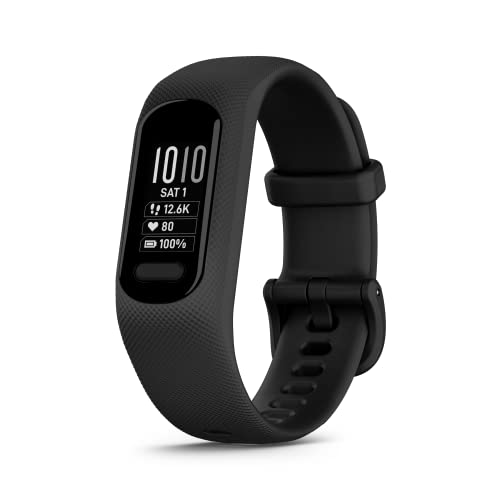
Garmin vívosmart 5 Tracker
What We Like
- Up to 7 days of battery life
- Touchscreen with physical button for easy navigation
- Sleep quality score with improvement insights
- Swim and shower safe
Trade-offs
- Pulse Ox not available in all countries
- Relies on phone GPS for outdoor route tracking
With seven days of battery life, you can wear this tracker through the workweek and weekend without scrambling for a charger, just strap it on and forget about it. That long runtime, paired with a touchscreen that’s bigger and brighter than the previous model, makes the vívosmart 5 a comfortable daily companion for anyone who wants heart rate, stress, and sleep data without the fuss of frequent charging. It’s especially suited for folks who want Garmin’s reliable health monitoring (Body Battery, respiration, sleep scoring) in a slim, swim-friendly band that doesn’t scream “smartwatch.”
The vívosmart 5 relies on your phone’s GPS for outdoor walks and runs, so if you leave your phone behind, you won’t get distance or pace maps. For the price-conscious buyer who wants Garmin’s sleep insights and 24/7 health metrics in a low-profile band, this is the most affordable way into that ecosystem without giving up the essentials.
Withings Scanwatch Light Hybrid

What We Like
- 30-day battery life reduces charging hassle
- 24/7 heart rate with high/low alerts
- Sleep tracking with Sleep Quality Score
Trade-offs
- No built-in GPS for phone-free run tracking
- Requires phone nearby for GPS tracking during runs
A 30-day battery lets you wear this tracker for a full month between charges, which is a rare convenience in a category where most devices need a weekly top-up. That long endurance makes the Scanwatch Light Hybrid ideal for anyone who wants sleep and heart rate data without the nagging reminder to find a charger every few nights. It suits people who prefer a classic watch look with subtle health smarts, especially those focused on overnight recovery and daily activity trends rather than flashy screens or on-wrist maps.
The 30-day battery lets you wear it for weeks without charging, so it’s perfect for people who hate another device to plug in every night. Reviewers note that the trade-off for that longevity is the lack of built-in GPS, outdoor runs require your phone along for route mapping. If your priority is a low-maintenance companion that tracks sleep, heart rate, and cycles without demanding constant attention, this hybrid delivers exactly that simplicity.
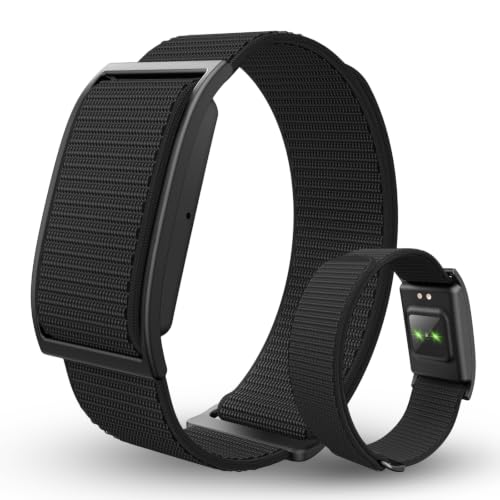
LOOKCARE Screenless Fitness Tracker
What We Like
- 100+ sports modes with phone GPS tracking
- 24/7 heart rate, HRV, blood oxygen, stress tracking
- No subscription needed for sleep or health insights
Trade-offs
- No on-wrist display means checking stats requires the app
- 1 ATM water resistance limits to rain and sweat only
- Phone GPS required for outdoor route tracking
At just 14.5 grams, this screenless tracker is so light you might forget you’re wearing it, and that’s the whole point. It tracks sleep stages, overnight heart rate, HRV, blood oxygen, and stress around the clock, then shows you the results in the app each morning. No subscription fees, no glowing screen to distract you at night, just the data you need to understand your recovery and daily trends. For anyone who wants health insights without the weight or cost of a full smartwatch, this is a refreshingly simple approach that respects your focus and your budget.
The LOOKCARE Fitness Tracker is screenless, so you check your stats in the app instead of on your wrist. Unlike the Garmin vívoactive 5, which has built-in sports apps and sleep coaching on the device, the LOOKCARE relies on your phone’s GPS for outdoor workouts and keeps everything app-based. If you prefer to review your results after exercise rather than during, that simplicity becomes a strength. It is a focused tool for tracking sleep, heart rate, and daily activity without extra features.
Product photos
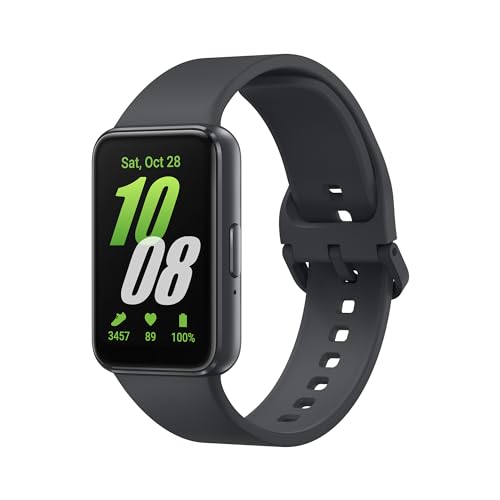
Samsung Galaxy FIT 3 Fitness Tracker
What We Like
- Vibrant 1.6" AMOLED display
- Up to 14 days battery life
- 101+ workout modes with auto detection
- 5ATM & IP68 water resistance
Trade-offs
- No iPhone or iOS compatibility
- International model: no US warranty
- Samsung Pay not supported
A 1.6-inch AMOLED screen this bright and responsive makes glancing at your stats feel effortless, whether you are mid-run or checking sleep trends at night. Pair that with up to 14 days of battery life, and you are not hunting for a charger every other day, just wearing it and moving on. It suits anyone who wants a vivid display that does not quit, plus enough workout modes (101+) to track everything from swimming to strength sessions without needing to tap through menus constantly.
The real trade-off is compatibility: this tracker only works with Android devices, so iPhone users are out of luck entirely. If you are on Android and prioritize a gorgeous screen over cross-platform flexibility, this is a straightforward win, just know you are getting an international model without US warranty support.
Product photos
Withings Scanwatch 2 Hybrid Smartwatch

What We Like
- 35-day battery for uninterrupted tracking
- Medical-grade ECG with AFib detection
- Analog design with durable sapphire glass
- Tracks sleep stages, breathing, and 40+ sports
Trade-offs
- No touchscreen or digital display for quick glances
- Proprietary OS limits third-party app integrations
- GPS is connected (requires phone) not built-in
A 35-day battery lets you wear this hybrid smartwatch for over a month without hunting for a charger, which is rare among health trackers. The analog hands and sapphire glass give it a classic watch look that blends into daily life, while the medical-grade ECG and continuous heart rate monitoring with AFib detection offer serious health insights. This design suits anyone who wants advanced sleep and fitness tracking without the constant charging or screen glare of a full smartwatch.
You give up a digital display and the features of the Garmin vívoactive 5, which includes built-in GPS and a touchscreen for on-the-wrist navigation. If you prefer using third-party apps or need built-in GPS for outdoor workouts, the Scanwatch 2’s connected GPS (requires phone) might feel limiting. But for someone who values a long-lasting wearable with health metrics, this hybrid offers a practical option.
Product photos
How We Evaluated Fitness And Sleep Trackers
We started by reviewing the technical specs of each device, including sensor types, battery life claims, and water resistance ratings. Then we examined manufacturer documentation for sleep stage detection methods, heart rate monitoring accuracy, and workout mode variety. Finally, we analyzed patterns in owner feedback to understand real-world performance and common trade-offs.
Our evaluation centered on four criteria that matter most for this category. Sleep tracking depth came first, we looked for devices that measure sleep stages, provide a sleep score, and offer coaching or insights. Battery life was next, since a tracker you have to charge every day won’t capture full sleep cycles. Fitness versatility covered the number of sport modes, built-in GPS availability, and strength training features. Ease of use considered display readability, app interface quality, and whether the tracker works without constant phone dependency.
A research-led evaluation has limits. Our conclusions come from what manufacturers publish and what owners consistently report online. For the most accurate picture of how a tracker performs with your specific sleep patterns, we recommend reading recent owner reviews and checking the return policy before committing.
What To Look For In Fitness And Sleep Trackers
Choosing the right tracker means balancing sleep features, battery life, and workout support. Here are the key criteria to consider.
Focus on sleep stage tracking, battery life that lasts through the week, and workout modes that match your routine. Avoid devices that require daily charging if sleep tracking is your priority.
Sleep Tracking Depth
Not all sleep trackers are equal. Basic models log total sleep time, while advanced ones detect light, deep, and REM stages. Some provide a daily sleep score with personalized coaching. Understanding sleep tracking accuracy helps you know what the numbers really mean. If you want detailed insights, look for trackers that measure heart rate variability (HRV) and breathing rate during sleep. Devices like the Garmin vívoactive 5 and Withings Scanwatch 2 offer sleep quality scores and stage breakdowns.
Battery Life
A tracker that dies mid-week will miss sleep data. Look for at least 5-7 days of battery life in smartwatch mode. The Withings Scanwatch Light lasts 30 days, and the Samsung Galaxy FIT 3 offers up to 14 days. Screenless trackers like the WHOOP 5.0 can go 14+ days between charges. Longer battery life means fewer charging interruptions and more complete sleep records.
Fitness Modes and GPS
Match the tracker’s sport modes to your routine. Runners need built-in GPS, while strength athletes benefit from rep counting and rest timers. The Amazfit Helio Strap specializes in strength training with HYROX race mode, while the Garmin vívoactive 5 covers 30+ sports. If you run outdoors without your phone, prioritize trackers with built-in GPS like the Garmin vívoactive 5 or Samsung Galaxy Watch 7.
- Check if the tracker has built-in GPS or relies on phone GPS.
- Confirm water resistance rating: 5ATM or IP68 for swimming.
- Look for automatic activity detection to log workouts without manual input.
- Verify smartphone compatibility, especially for Android-only models.
- Review the companion app for data visualization and insight quality.
A tracker that fits your lifestyle, not just your workout, will deliver the most consistent data.
Fitness And Sleep Trackers Compared
The table below compares the top fitness and sleep trackers across key specs like battery life, display type, and sleep features.
| Product | Display | Battery Life | Sleep Features |
|---|---|---|---|
| Garmin vívoactive 5 Smartwatch | AMOLED | Up to 11 days | Sleep score & coach |
| Google Fitbit Inspire 3 Tracker | N/A | N/A | Automatic with Sleep Score |
| WHOOP 5.0 Screenless Wearable | Screenless | 14+ days | REM, deep, light sleep |
| Amazfit Helio Strap Tracker | Screenless | Up to 10 days | Sleep tracker |
| Samsung Galaxy Watch 7 Smartwatch | N/A | N/A | Sleep apnea detection |
| Garmin vívosmart 5 Tracker | Touchscreen + button | Up to 7 days | Sleep quality score + insights |
| Withings Scanwatch Light Hybrid | N/A | 30 days | Sleep Quality Score |
| LOOKCARE Screenless Fitness Tracker | None | Up to 10 days | Sleep stages, quality, HRV |
| Samsung Galaxy FIT 3 Fitness Tracker | 1.6" AMOLED | Up to 14 days | Sleep coaching |
| Withings Scanwatch 2 Hybrid Smartwatch | Analog hands with sapphire glass | 35 days | Sleep stages, breathing |
Frequently Asked Questions
What is the difference between sleep tracking and sleep coaching?
Sleep tracking records your sleep stages, duration, and disturbances. Sleep coaching goes further by offering personalized recommendations based on your data. For example, the Garmin vívoactive 5 provides a sleep score with coaching tips, while basic trackers only show how long you slept.
Can a fitness tracker detect sleep apnea?
Some advanced trackers can screen for sleep apnea indicators. The Samsung Galaxy Watch 7 includes sleep apnea detection with Galaxy AI, but this feature is not a medical diagnosis. If you suspect sleep apnea, consult a healthcare professional for proper testing.
Do I need built-in GPS for sleep tracking?
No, built-in GPS is for outdoor workout tracking and does not affect sleep monitoring. Sleep tracking relies on motion sensors and heart rate monitoring, which work independently of GPS. Runners who want phone-free route tracking should prioritize built-in GPS, but sleepers do not need it.
How long should battery life be for reliable sleep tracking?
At least 5-7 days is ideal for consistent sleep monitoring. Trackers with shorter battery life may need mid-week charging, which disrupts sleep records. The Withings Scanwatch Light offers 30 days, and the Garmin vívosmart 5 provides up to 7 days, both sufficient for uninterrupted sleep tracking.
Are screenless trackers better for sleep?
Screenless trackers like the WHOOP 5.0 can be better for sleep because they have no bright display to disturb rest, and their longer battery life means fewer charging interruptions. However, they require checking stats on your phone, which may be less convenient for some users.
The Bottom Line
The Garmin vívoactive 5 Smartwatch is our Best Overall pick for anyone who wants a single wearable that excels at both fitness tracking and sleep coaching. Its 11-day battery, bright display, and 30+ sport modes make it versatile enough for daily workouts and overnight wear.
If your priority is stress management, the Google Fitbit Inspire 3 Tracker offers daily Stress Management Scores in a lightweight band. Data-driven athletes will appreciate the WHOOP 5.0’s AI coaching and recovery insights, while budget-conscious buyers can turn to the LOOKCARE Screenless Fitness Tracker for solid health monitoring without monthly fees.
The single most important factor is battery life, choose a tracker that lasts long enough to capture your full sleep cycle without daily charging. Everything else depends on your workout preferences and how much insight you want from your data.
