
9 Best Fitness Tracker And Watches in 2026
This post contains affiliate links. As an Amazon Associate, we earn from qualifying purchases.
For most people, the best fitness tracker and watch is the Apple Watch Series 12 GPS Smartwatch, which wins on the most accurate heart rate sensing in a wearable and a full health dashboard. But not everyone needs that level of premium integration. The Garmin vívoactive 5 GPS Smartwatch is our pick for best battery life smartwatch, and the Fitbit Inspire 3 Fitness Tracker is the best budget fitness tracker for someone just starting out.
The challenge with choosing a fitness tracker or watch today is that every model promises better health, but they differ wildly in battery life, GPS capability, and the ecosystem they lock into. A runner needs different features than a yoga enthusiast or someone focused on sleep recovery.
We built this guide by studying manufacturer specifications, expert round-ups, and patterns in owner feedback across nine top models. Our goal is to help you match the right device to your actual workout habits and daily routine.
Top 9 Fitness Trackers And Watches in the Market
Certain content that appears on this site comes from Amazon. This content is provided "as is" and is subject to change or removal at any time.
The Best Fitness Trackers And Watches, Reviewed
Apple Watch Series 12 GPS Smartwatch
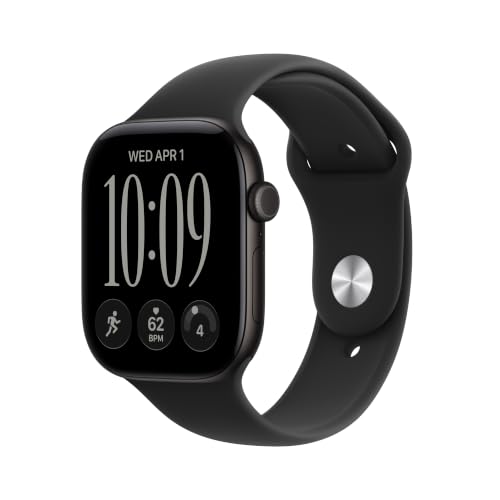
What We Like
- Most accurate heart rate sensing in a wearable
Trade-offs
- 24-hour battery needs daily charging for heavy users
Overnight health metrics from the Vitals app and a daily sleep score help you understand your body’s readiness for the day. The readiness experience analyzes recent activity, vitals, and sleep to determine whether you should rest or push yourself. For anyone who wants fitness tracking that doubles as a genuine health monitor, the depth of overnight metrics and the automatic safety features like fall and crash detection make this a complete daily companion rather than just a step counter.
Product photos
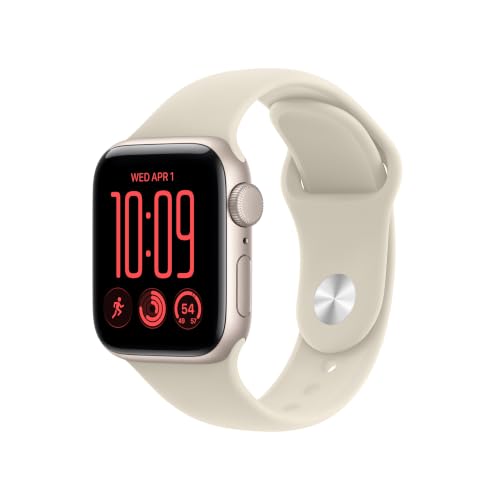
Apple Watch SE 3 GPS Smartwatch
What We Like
- Fall and car crash detection
- Customizable watch faces and bands
Trade-offs
- Requires iPhone for full connectivity
- 18-hour battery needs daily charging
- No always-on display option listed
An 18-hour battery that gains eight hours of charge in just 15 minutes means this watch spends less time on the charger and more time on your wrist. It suits the fitness-minded person who values convenience and health basics without needing every premium bell.
The trade-off is that this SE relies on an iPhone or Wi-Fi to stay connected, so Android users are out of luck. The advertised 18-hour battery life is fine for a full day but falls short of the multiday endurance you get from a Garmin vívoactive 5. If you already carry an iPhone and want a companion that covers sleep, workouts, and safety alerts, the SE delivers. Just plan to set it on the charger during your morning routine.
Product photos
Garmin vívoactive 5 GPS Smartwatch

What We Like
- 11-day battery life with AMOLED display
- 30+ built-in sports apps including wheelchair mode
- Body Battery energy monitoring with nap tracking
- Sleep score and personalized coaching
Trade-offs
- Always-on display reduces battery to 5 days
- No built-in music storage for offline playback
Up to 11 days of battery life in smartwatch mode means you can wear this Garmin through a full work week and a weekend trip without hunting for a charger. That’s rare for a bright AMOLED screen, and it makes the vívoactive 5 a reliable partner for anyone who wants health tracking without daily charging. The Body Battery feature goes further by factoring in naps, stress, and workouts to show when you’re truly rested or running on empty. The sleep coach and HRV status give you concrete tips to improve recovery. It suits people who value long-term data over flashy extras, especially if you’re training consistently and need to know when to push and when to ease off.
If you want the display always on, battery life drops to five days, still solid, but not the full eleven. Compared to the Apple Watch Series 12, which needs a nightly charge, the Garmin wins on endurance but lacks the app ecosystem and cellular option that some users rely on for calls and messages without their phone. For the fitness-focused crowd who want a week-plus of battery and deep recovery insights, this is the smarter pick. Just know you’re trading some smartwatch polish for staying power.
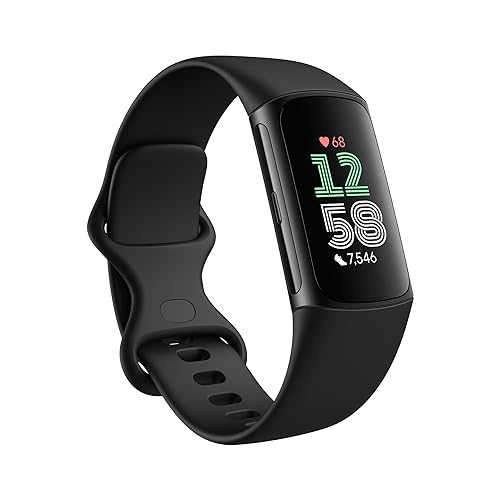
Fitbit Charge 6 Fitness Tracker
What We Like
- Built-in GPS for runs and rides
- Links heart rate to compatible exercise machines
- Google Maps turn-by-turn directions
- Google Wallet tap-to-pay on the go
Trade-offs
- Google Health Premium subscription needed for coaching
- Requires Google Health Premium for advanced coaching
Built-in GPS lets you track distance and pace during outdoor workouts without needing your phone nearby. The heart rate feature can link to compatible exercise machines like treadmills and ellipticals, so your pulse shows up on the equipment display. For anyone who runs outdoors and also uses gym machines, that crossover is practical. It also works for walkers who want stress management scores and sleep tracking without the size of a full smartwatch.
The three-month Google Health Premium trial lets you test personalized coaching before committing to a subscription. Compared to the Garmin vívoactive 5, this Fitbit adds Google Maps turn-by-turn directions and Google Wallet tap-to-pay, which are handy if you already use those services. Deeper coaching requires a paid subscription after the trial ends.
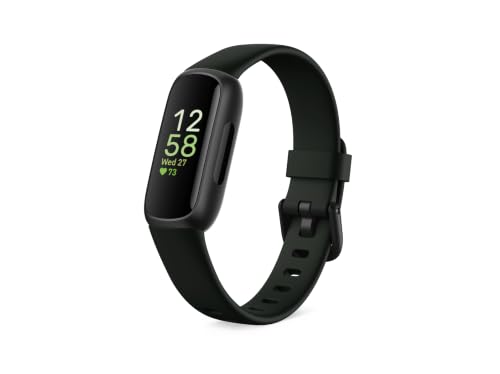
Fitbit Inspire 3 Fitness Tracker
What We Like
- Daily Readiness Score and Active Zone Minutes
- Stress Management Score with mindfulness sessions
- Automatic sleep tracking with Sleep Score
- 40+ exercise modes and automatic tracking
Trade-offs
- No built-in GPS for outdoor runs
- Requires phone nearby for GPS tracking
A Daily Readiness Score that tells you whether to push or rest is the kind of smart nudge that keeps beginners from burning out or skipping days. The Inspire 3 focuses on the core habits that actually move the needle, activity, stress, and sleep, without burying you in data you don’t need yet. It’s the tracker for someone who wants to build a sustainable routine, not chase leaderboards, and the included three-month Health Premium membership adds extra value right away.
The Inspire 3 is lighter and less intrusive than a full smartwatch, so it’s comfortable for all-day wear. Its automatic sleep and stress tracking work without any tapping, making it a friendly first step into fitness tracking that respects your time and budget. If you need GPS for phone-free runs, the Garmin Vivoactive 5 tracks your route independently.
Amazfit Bip 6 Smart Watch

What We Like
- 14-day battery life
- 1.97" AMOLED display
- Free downloadable maps with GPS
- 140+ workout modes
Trade-offs
- No cellular connectivity for standalone calls
- No onboard music storage for phone-free workouts
A 14-day battery life means you can leave the charger at home for two full weeks of training, recovery, and daily wear. That kind of endurance suits anyone who hates nightly charging or spends long stretches away from a power outlet. The 1.97-inch AMOLED display stays readable under bright sunlight, and the free downloadable maps with turn-by-turn directions keep you on track during runs or hikes. With 140-plus workout modes and 50-meter water resistance, this watch handles everything from pool laps to strength sessions without needing a break.
You will still want your phone nearby for streaming or calls, as the Amazfit Bip 6 focuses on maximizing battery life and core fitness tracking rather than acting as a full smartphone extension. Compared to the Apple Watch Series 12, which offers a larger display and heavier build, the Amazfit Bip 6 is lighter and more compact, making it easier to wear during workouts. If your priority is a watch that stays alive through a long camping trip or a heavy training block without hunting for an outlet, this one delivers exactly that.
Product photos
Samsung Galaxy Watch 8 Smartwatch
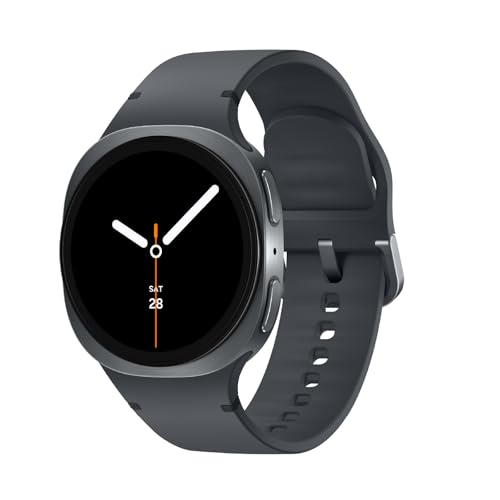
What We Like
- Real-time running coach with event training programs
- Advanced sleep coaching with bedtime guidance
- Blood pressure monitoring via Samsung Health Monitor app
- Lightweight, snug, thinner design for comfort
Trade-offs
- Blood pressure cuff sold separately for calibration
- No GPS for phone-free outdoor tracking
A dedicated Running Coach that analyzes your performance and offers specific programs for 5Ks and marathons makes this watch feel like a personal trainer strapped to your wrist. It gives real-time feedback during your run, so you can adjust your pace or form on the fly without pulling out your phone. That focus on structured training, combined with advanced sleep coaching and bedtime guidance, makes it a strong fit for anyone serious about improving their running while also prioritizing recovery and daily energy.
The blood pressure monitoring feature requires a separate cuff for initial calibration, which adds an extra step if you want to use that health tool. Compared to the Garmin vívoactive 5, which also offers sleep coaching and workout apps, the Galaxy Watch 8 leans harder into structured running programs but skips the Body Battery energy monitoring that Garmin includes. If your main goal is a coach-guided running routine with solid sleep support, this watch delivers without extra fluff.
Product photos
Garmin vívosmart 5 Fitness Tracker
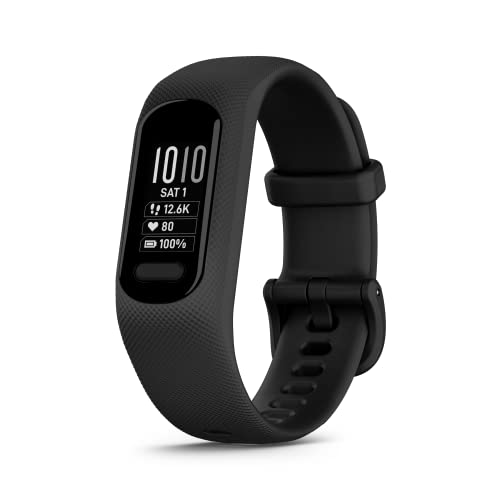
What We Like
- 7-day battery for uninterrupted health tracking
- Swim and shower safe
- Bright, larger display with touch and button
- Sleep score and personalized improvement insights
Trade-offs
- Pulse Ox not available in all countries
- No built-in GPS, relies on phone connection
- Health metrics are estimates, not medical devices
Up to seven days of battery life means you can wear this tracker through the workweek and weekend without hunting for a charger. It keeps an eye on your heart rate, stress, respiration, and even Body Battery energy levels, then gives you a sleep score each morning with tips to improve. For someone who wants consistent health data without the hassle of plugging in every night, this is a quiet win.
The vívosmart 5 connects to your smartphone’s GPS to map outdoor walks, runs, or rides, so you’ll need your phone with you for route tracking. If you prefer leaving your phone behind, the Garmin vívoactive 5 has built-in GPS and still offers strong health monitoring. The vívosmart 5 provides smart notifications for calls, texts, and calendar alerts but does not include an app store. It’s a straightforward fitness tracker for anyone who prioritizes battery life and simplicity.
Samsung Galaxy FIT 3 Fitness Band
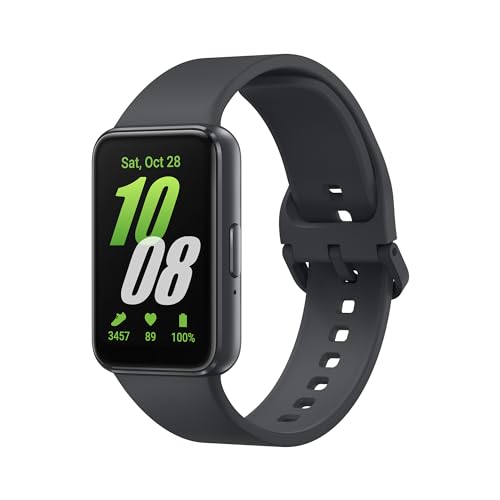
What We Like
- Vibrant 1.6" AMOLED display
- 5ATM and IP68 water resistance
- Up to 14 days battery life
- 101+ workout modes with auto detection
Trade-offs
- Not compatible with iPhone or iOS
- No Samsung Pay support
- International model has no US warranty
A bright 1.6-inch AMOLED display on a band this slim means you get crisp visuals without the weight of a full smartwatch. That screen makes checking stats during a run or reviewing sleep scores before bed genuinely easy. It suits anyone who wants a vivid readout while keeping a lightweight band on their wrist. The 101+ workout modes with auto detection can automatically track common workouts, so you spend less time setting up and more time moving.
This is an Android-only device, so iPhone users are out of luck entirely. And unlike the Samsung Galaxy Watch 8, this band skips Samsung Pay, which limits its usefulness if you like leaving your wallet at home. Battery life stretches up to 14 days, though, so you charge it less often than a typical smartwatch. For Android users who prioritize a vivid screen and long battery over full smartwatch features, this band delivers where it counts.
Product photos
How We Evaluated Fitness Trackers And Watches
These nine fitness trackers and watches were evaluated by cross-referencing manufacturer data sheets, expert round-ups from the fitness-tech space, and common patterns in long-term owner feedback. The conclusions are based on research into what features matter most for real-world use.
The three criteria that mattered most were accuracy of heart rate sensing, battery life, and GPS functionality. Heart rate accuracy is the foundation of any fitness tracker, if the sensor is off, your calorie burn, zone minutes, and recovery data are all unreliable. Battery life determines whether a device is a set-it-and-forget-it companion or another gadget you have to charge nightly. GPS determines whether you can leave your phone at home during runs and rides.
We also weighed ecosystem compatibility heavily because a device that does not work with your phone is useless. The comparison of the best fitness tracker watches helped us understand how each model fits into the broader market. A research-led evaluation has limits. We cannot speak to long-term durability or how a strap feels after six months of daily sweat, but we can tell you which specs and owner-reported patterns point to a reliable choice.
What To Look For In Fitness Trackers And Watches
Before you buy, understand the three trade-offs that define every fitness wearable: battery life versus display quality, GPS integration versus phone dependency, and ecosystem lock-in versus platform flexibility.
Focus on heart rate sensor type, native GPS, battery life in days, and whether the device works with your phone’s operating system. Ignore marketing gimmicks like “stress scores” unless the tracker also nails the basics of step counting and sleep tracking.
Heart Rate Sensor Accuracy
The single most important sensor in any fitness tracker is the optical heart rate monitor. Wrist-based sensors have improved dramatically, but they still struggle during high-intensity interval training, weightlifting, and cold-weather runs where blood flow to the wrist is reduced. The Apple Watch Series 12 uses a newer sensor array that owners and reviewers consistently rate as the most accurate in a wearable.
For anyone who needs clinical-grade precision during structured workouts, a comparison of chest straps and wrist monitors is worth reading because a chest strap remains the gold standard for beat-by-beat accuracy.
Battery Life and Charging Cadence
Battery life is the single biggest quality-of-life factor in a fitness tracker. A device that needs daily charging, like the Apple Watch Series 12 at 24 hours, works fine if you have a routine. But it will fail you on a multi-day camping trip or during a marathon training block when you forget to plug it in.
The Garmin vívoactive 5 offers 11 days with the AMOLED display in always-off mode, and the Amazfit Bip 6 pushes that to 14 days. If you hate charging gadgets, prioritize a model with at least a week of battery life.
GPS and Phone Independence
Built-in GPS lets you track runs, hikes, and bike rides without carrying your phone. The Fitbit Charge 6 and Garmin vívoactive 5 both have native GPS, while the Fitbit Inspire 3 requires your phone nearby to map your route. For runners and cyclists, native GPS is non-negotiable. For gym-goers who never exercise outdoors, it is a luxury you can skip to save money.
Ecosystem and Phone Compatibility
The biggest trap in fitness trackers is buying one that does not work with your phone. The Apple Watch Series 12 and Apple Watch SE 3 require an iPhone. The Samsung Galaxy Watch 8 works best with Samsung phones but pairs with any Android. The Garmin and Fitbit models work with both iOS and Android. If you own an iPhone, explore the best fitness trackers for iPhone to see which non-Apple models still give you full functionality. Android users should check the guide for the best Android fitness trackers for compatible alternatives.
- Check your phone’s operating system before buying, some trackers are locked to one platform.
- Decide whether you want always-on display or maximum battery life; you often cannot have both.
- Look for swim-proof or water-resistant ratings if you plan to track pool laps or wear it in the shower.
- Confirm whether the device stores music offline if you want to run without your phone.
- Consider whether you need contactless payments on your wrist or if that is a nice-to-have.
A fitness tracker you have to charge every night is a fitness tracker you will stop wearing after two weeks. Prioritize battery life unless you are already in the habit of daily charging.
Fitness Trackers And Watches Compared
The table below compares the nine models side by side, highlighting battery life, GPS capability, and the best use case for each so you can see at a glance which one fits your routine.
| Product | Display | Battery Life | Heart Rate |
|---|---|---|---|
| Apple Watch Series 12 GPS Smartwatch | 46mm | 24 hours normal use | Every 5 seconds |
| Apple Watch SE 3 GPS Smartwatch | 40mm | 18 hours all-day | Temperature sensing, heart rate |
| Garmin vívoactive 5 GPS Smartwatch | 42mm | Up to 11 days (smartwatch mode) | Heart rate, sleep, stress, HRV |
| Fitbit Charge 6 Fitness Tracker | N/A | N/A | 24/7, links to exercise machines |
| Fitbit Inspire 3 Fitness Tracker | 1.5 inches tall | N/A | 24/7 |
| Amazfit Bip 6 Smart Watch | 1.97" AMOLED | 14 days | Heart rate, sleep, blood-oxygen, stress |
| Samsung Galaxy Watch 8 Smartwatch | 40mm | Long-lasting charge | Blood pressure, heart rate, sleep coaching |
| Garmin vívosmart 5 Fitness Tracker | Touchscreen + button | Up to 7 days | Heart rate, Pulse Ox, respiration, stress, Body Battery |
| Samsung Galaxy FIT 3 Fitness Band | 1.6" AMOLED | Up to 14 days | N/A |
Frequently Asked Questions
Which fitness tracker has the most accurate heart rate monitoring?
The Apple Watch Series 12 GPS Smartwatch has the most accurate heart rate sensing in a wearable according to expert round-ups and owner feedback. Its optical sensor array handles high-intensity intervals and cold-weather runs better than most competitors. For absolute precision during structured workouts, a chest strap is still more accurate than any wrist-based monitor.
How long should a fitness tracker battery last?
That depends on your tolerance for charging. A device with 5 to 7 days of battery life is the sweet spot for most people, long enough to forget about charging, short enough that the battery technology stays lightweight. The Garmin vívosmart 5 offers 7 days, while the Amazfit Bip 6 stretches to 14 days. Daily charging works fine if you are already in the habit of plugging in your phone every night.
Do I need built-in GPS on a fitness tracker?
You need built-in GPS if you run, hike, or cycle outdoors and want to leave your phone at home. The Fitbit Charge 6 and Garmin vívoactive 5 include native GPS. If you only exercise indoors at the gym or follow workout videos at home, you can save money by choosing a tracker that uses your phone’s GPS, like the Fitbit Inspire 3.
Can I use a fitness tracker without a smartphone?
Most modern fitness trackers require a smartphone for setup, syncing, and full feature access. The Garmin and Fitbit models can display basic time and activity data without a phone, but you will lose notifications, GPS mapping, and detailed analytics. The Apple Watch Series 12 requires an iPhone for activation and full connectivity.
What is the difference between a fitness tracker and a smartwatch?
A fitness tracker prioritizes health metrics, battery life, and lightweight design, think the Fitbit Inspire 3 or Garmin vívosmart 5. A smartwatch adds app support, notifications, cellular connectivity, and a larger touchscreen, think the Apple Watch Series 12 or Samsung Galaxy Watch 8. Fitness trackers generally last longer on a charge and cost less, while smartwatches offer more versatility for everyday life outside of workouts.
The Bottom Line
For fitness enthusiasts who want the most accurate heart rate tracking and a full health dashboard in a premium smartwatch, the Apple Watch Series 12 GPS Smartwatch is the best overall choice. Its sensor accuracy and ecosystem of health features make it the gold standard for anyone who already uses an iPhone and does not mind daily charging.
If you are on a budget or just starting your fitness journey, the Fitbit Inspire 3 Fitness Tracker gives you stress management, sleep tracking, and activity monitoring at an affordable price. For runners and outdoor athletes who need multi-day battery life with native GPS, the Garmin vívoactive 5 GPS Smartwatch or the Amazfit Bip 6 Smart Watch are both excellent alternatives.
The single most important factor in choosing a fitness tracker is honesty about your charging habits. A tracker that needs daily charging will only work if you already have a nightly charging routine. If you know you will forget, pick a model with at least a week of battery life and never worry about a dead wrist again.
