
9 Best Fitness Trackers For Biking in 2026
This post contains affiliate links. As an Amazon Associate, we earn from qualifying purchases.
The Garmin vívoactive 5 GPS Smartwatch earns our Best Overall spot for its bright AMOLED display, Body Battery recovery tracking, and built-in cycling sports apps. For riders who want multi-day battery life without sacrificing navigation, the Amazfit Active Max Smart Watch stands out. The Fitbit Versa 4 is the best choice for balancing training with recovery through its Daily Readiness Score.
Finding the right fitness tracker for biking means choosing between a general smartwatch with GPS and a device built for cycling-specific metrics like power and cadence. Many trackers excel at heart rate and distance but skip the advanced data a serious cyclist needs. Battery life also varies wildly, from daily charging to multi-week endurance.
This guide is based on manufacturer specifications, expert round-ups, and patterns in owner feedback. We evaluated each tracker on GPS accuracy, battery life, cycling features, and display readability. The result is a focused list of nine trackers that serve different riding styles, from daily commutes to multi-day bikepacking trips.
Top 9 Fitness Trackers For Biking in the Market
Certain content that appears on this site comes from Amazon. This content is provided "as is" and is subject to change or removal at any time.
The Best Fitness Trackers For Biking, Reviewed
Garmin vívoactive 5 GPS Smartwatch

What We Like
- Bright AMOLED display for outdoor visibility
- Body Battery energy and recovery tracking
- Built-in cycling and GPS sports apps
- Sleep coach and HRV status insights
Trade-offs
- No dedicated cycling power meter support listed
- Health data is estimated, not medical grade
An 11-day battery life in smartwatch mode means you can ride all week without hunting for a charger, and the bright AMOLED display stays readable under direct sun on the handlebars. With over 30 built-in sports apps including dedicated cycling and GPS tracking, this watch gives you distance, pace, and route data right from your wrist. The Body Battery energy monitoring and recovery time features help you understand when to push harder and when to rest, which is exactly what a cyclist needs for consistent training without burning out.
The 42mm case is compact and lightweight at 0.1 pounds, making it comfortable for all-day wear and sleep tracking. Health metrics like HRV status and sleep coaching are based on close estimations, so they work best as trend indicators rather than precise measurements. For someone who wants a versatile fitness watch with GPS cycling features and recovery insights, this model covers daily health and training without needing extra devices.
With up to 11 days of battery life in smartwatch mode, this watch keeps going through a full week of workouts and sleep tracking without needing a charge. The bright AMOLED display makes it easy to glance at your stats during a run or while checking your morning report. Built-in GPS sports apps cover walking, cycling, swimming, and more, so you can leave your phone behind and still get accurate distance and pace. Recovery time and workout benefit features help you understand how each session affects your body, which is useful for planning rest days.
Garmin Forerunner 165 Running Smartwatch

What We Like
- Personalized daily suggested workouts adapt to recovery
- Built-in GPS tracks pace, distance, and speed
- AMOLED display with button controls
- Up to 11 days battery in smartwatch mode
Trade-offs
- GPS battery life drops to 19 hours for long rides
- No built-in cycling-specific power meter support
With up to 19 hours of GPS battery life, this watch can handle a full day of riding without needing a charge. That’s the kind of endurance you want when you’re logging long weekend miles. If your training mixes running and biking, this is the watch that keeps both honest without making you juggle two devices.
The 19-hour GPS battery is fine for a century ride, but it won’t last a multi-day bikepacking trip without a recharge. The Amazfit Active Max, with its 25-day battery, handles that better if you’re away from outlets for days. You also won’t get cycling-specific power meter data here, so if your training revolves around wattage numbers, you’d be better served by a dedicated bike computer. For the rider who wants a smartwatch that transitions from the trail to the track to the office, the Forerunner 165 delivers GPS tracking, recovery insights, and safety features like incident detection that can message your location to emergency contacts. All that without overcomplicating your morning routine.
Amazfit Active Max Smart Watch
What We Like
- 3000-nit AMOLED readable in direct sun
- Offline maps with turn-by-turn navigation
- 4GB storage for music and maps
Trade-offs
- Bluetooth call reply requires Android phone
- No dedicated cycling-specific training metrics mentioned
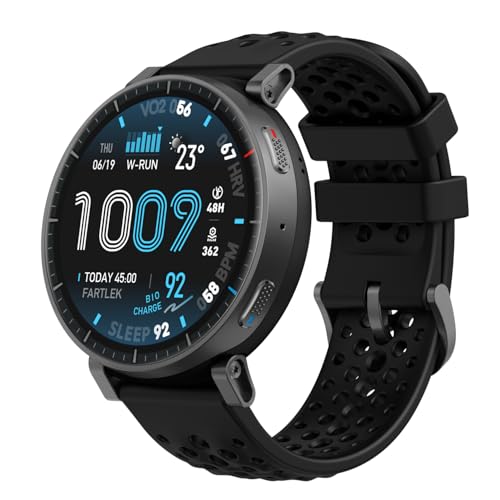
An up-to-25-day battery means you can ride for weeks without needing to recharge often. That alone makes the Amazfit Active Max a standout for cyclists who treat their watch like a tool, not a tether. The 3000-nit AMOLED display stays crisp in full sun, so you can glance at your route or pace without squinting, and offline maps with turn-by-turn directions keep you from getting lost when cell service drops. If you want a fitness tracker that fades into the background of your routine rather than demanding daily attention, this is the one.
Hands-free message reply relies on Zepp Flow, a feature that requires connection to an Android phone. That means iOS users won’t be able to respond to texts or app messages without pulling out their phone. The built-in speaker and mic still let you take Bluetooth calls from the trail, so you’re not completely tethered. But the convenience of replying on the go is reserved for Android owners, which is worth factoring in if your household or personal device runs Apple’s operating system.
Product photos
Polar Pacer Pro GPS Fitness Tracker

What We Like
- 35-hour battery in training mode
- Optical heart rate with recovery tools
- Tracks pace, distance, and laps
Trade-offs
- No built-in cycling-specific power meter
- Screen smaller than some competitors for mid-run glances
At just 41 grams, this is one of the lightest GPS trackers you can strap on your wrist. That matters a lot when you’re spending hours running and every gram of extra weight starts to feel heavy. The Polar Pacer Pro pairs that featherlight build with a 35-hour battery in training mode, so you can tackle multi-day runs without needing to plug in every night. It’s built for runners by design, with 150-plus sport modes and a crisp color display that make it a natural fit for athletes who want reliable pace, distance, and lap tracking without the bulk of a full-sized smartwatch.
The Polar Pacer Pro weighs just 41 grams, so it feels nearly invisible on your wrist during a long run. That lightness does come with a smaller display than what you’d get on a watch like the Amazfit Active Max, which can make checking your pace mid-stride a bit harder if your vision isn’t perfect. You also won’t find built-in running power metrics here; if you train with a power meter, you’ll need to pair one separately or choose another watch. For runners who prioritize a barely-there feel and long battery life over extra features, this is a focused, capable tool for the road.
Apple Watch SE 3 GPS Smartwatch
What We Like
- Fall and crash detection with emergency SOS
- Tracks runs, strength, and steps
- Temperature sensing for cycle tracking and vitals
Trade-offs
- 18-hour battery needs daily charging
- GPS connectivity requires iPhone or Wi-Fi
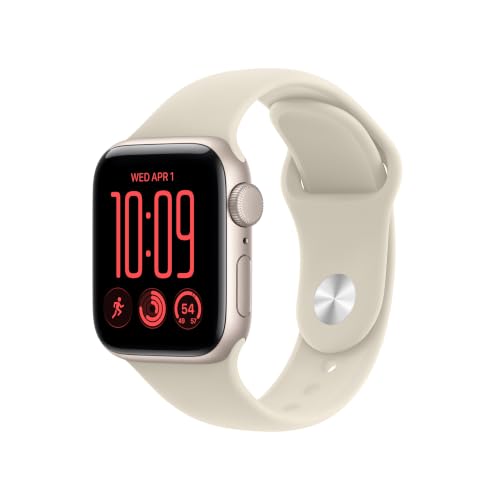
The catch is that all-day battery still means daily charging. So if you prefer a tracker that lasts a week or more between plugs, the Amazfit Active Max with its 25-day battery might better fit your touring or bikepacking style. The Apple Watch SE 3 weighs half a pound, which is heavier than the Garmin vívoactive 5 at 0.1 pounds, and its GPS functionality relies on your iPhone or Wi-Fi rather than standalone satellite tracking. That said, for the rider who values quick top-ups, safety features, and direct iPhone integration over multiweek battery life, this smartwatch delivers a practical, connected experience without the premium price of the flagship Apple models.
Product photos
Soudorv Military Smart Watch

What We Like
- 110+ sports modes including cycling
- IP68 waterproof for rain and hand washing
- 1000mAh battery with 2-hour charge
Trade-offs
- No built-in GPS for route tracking
- Message reply not supported on notifications
For cyclists who prioritize endurance over constant charging, the Soudorv S50 offers 110+ sports modes including cycling, along with heart rate and sleep tracking to keep tabs on recovery. It’s a practical companion for long-haul trips where charging access is limited.
This watch lacks built-in GPS, so you won’t get accurate distance or pace data without your phone along for the ride. That puts it behind the Garmin Forerunner 165 for cyclists who want standalone route tracking. Still, if your main concern is battery life that outlasts your adventure, the Soudorv S50 delivers where others tap out.
SOUYIE GPS Smart Watch

What We Like
- Triple satellite positioning without phone
- Built-in compass, barometer, altimeter
- Dual LED outdoor flashlight
Trade-offs
- No offline maps for navigation
- Not suitable for diving or hot showers
Triple satellite positioning from GPS, BeiDou, and GLONASS means this watch tracks your bike route directly from your wrist, no phone needed. That freedom is a big deal when you want to leave your phone in a saddle bag or just ride lighter. The built-in compass, barometer, and altimeter also give you real-time environmental data, so you can keep an eye on elevation gain or shifting weather without pulling out your phone. It suits riders who prioritize solid route logging and want a rugged companion that can handle dust, rain, and the occasional splash.
Fitbit Versa 4 Fitness Smartwatch
What We Like
- Daily Readiness Score guides workout vs. recovery
- Built-in GPS with workout intensity map
- 40+ exercise modes including biking
- 6+ days battery between charges
Trade-offs
- No cycling-specific power or cadence data
- Water resistant only to 50 meters, not for deep diving
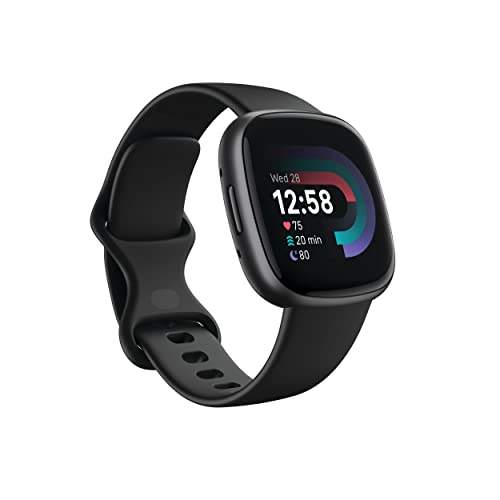
A Daily Readiness Score helps you decide whether to work out or recover, based on your sleep, activity, and heart rate data. Built-in GPS tracks your route and shows a workout intensity map, while 40+ exercise modes cover a wide range of activities. 24/7 heart rate and Active Zone Minutes keep effort visible without needing your phone. With 6+ days of battery life, you can wear it through a long weekend without scrambling for a charger.
The Versa 4 pairs daily readiness insights with GPS and over 40 exercise modes, so it works well for runners, hikers, and gym-goers who want a balanced fitness companion. The Garmin Forerunner 165 includes daily suggested workouts and built-in GPS for pace and distance, but neither watch targets cyclists chasing structured power data. If your routine mixes cardio, strength, and recovery tracking, the Versa 4 fits naturally, just know it prioritizes overall wellness over deep cycling analytics.
Product photos
SUUNTO Run GPS Sport Watch

What We Like
- Ultralight 36g textile strap design
- 34+ sports modes including cycling
- Dual-frequency GPS for precise location
Trade-offs
- No built-in bike mount or cadence sensor
- 20-hour GPS battery trails dedicated bike computers
- Cycling features are general, not cycling-specific
Weighing just 36 grams with the textile velcro strap, this watch is light enough that you barely notice it during a long ride. The 1.32-inch AMOLED touchscreen remains clear and easy to read even when you’re glancing down mid-pedal. For cyclists who want a watch that supports daily training and also functions as an everyday fitness tracker, this model delivers exactly that balance without adding bulk.
This is a running watch first, and the cycling features reflect that. You get a sports mode for biking and solid GPS tracking, but there’s no dedicated bike mount or cadence sensor support like you’d find on a Garmin Edge. Compared to the Garmin Forerunner 165, the Suunto Run is lighter and has a larger AMOLED display, but the Forerunner offers more running-specific training metrics. If your rides are mostly recreational and you want one watch for everything, this is a smart pick. If you’re a serious cyclist chasing power data and bike-specific analytics, you’d be better served by a dedicated bike computer.
Product photos
How We Evaluated Fitness Trackers For Biking
Our evaluation combines manufacturer specifications, expert round-up analysis, and patterns in owner feedback. Since we don’t test devices in a lab, we rely on documented specs and the collective experience of the cycling community to identify what works.
We prioritized four criteria for this category. First, GPS accuracy matters most for route tracking and distance measurement, we looked for multi-band or satellite-connected options. Second, battery life determines whether a tracker lasts a century ride or a week-long tour. Third, cycling-specific features like power meter support, cadence tracking, and auto-pause separate a bike tracker from a general fitness band. Fourth, display brightness and readability in direct sun are critical for outdoor rides.
A research-led evaluation has limits: real-world battery life varies with GPS usage, and comfort depends on wrist size and strap material. We flag these trade-offs honestly so you can match a tracker to your actual rides. For a wider look, our guide to fitness trackers for biking covers more options.
What To Look For In Fitness Trackers For Biking
Before choosing, understand how you ride, short daily commutes, long weekend centuries, or multi-day bikepacking trips. Each riding style demands different priorities from a tracker.
Choose a tracker with built-in GPS for accurate distance and route tracking. Prioritize battery life that matches your longest ride. For training, look for cycling-specific metrics like power, cadence, and heart rate zones. For navigation, offline maps and turn-by-turn directions are essential.
GPS Accuracy and Connectivity
A fitness tracker without built-in GPS relies on your phone, which drains the phone battery and can drop signal in remote areas. Look for trackers with multi-band or triple-satellite positioning (GPS, GLONASS, Galileo) for the most accurate route tracking. The SUUNTO Run GPS Sport Watch uses dual-frequency GPS for precise location, while the SOUYIE GPS Smart Watch uses triple satellite positioning without needing a phone.
Battery Life and Charging Speed
Battery life is the biggest differentiator among trackers. A typical smartwatch lasts 1-2 days, while dedicated fitness trackers can stretch to 2 weeks. For long rides, the Amazfit Active Max Smart Watch and the Soudorv Military Smart Watch offer multi-day battery life. The Apple Watch SE 3 charges fast but needs daily charging, fine for commuters, not for bikepackers.
Cycling-Specific Features
General fitness trackers track heart rate and steps, but cycling-specific features make a difference. Power meter support, cadence tracking, and auto-pause at stops are valuable for training. The Garmin Forerunner 165 offers adaptive training plans that adjust to recovery. The Fitbit Versa 4 provides a Daily Readiness Score to guide workout intensity. If you want dedicated cycling metrics, look for trackers for cyclists that include power and cadence.
Display Readability and Size
A bright display is essential for outdoor rides. The Amazfit Active Max Smart Watch has a 3000-nit AMOLED screen readable in direct sun. The Garmin vívoactive 5 also uses a bright AMOLED display. For mid-ride glances, a larger watch face helps, but lighter trackers like the Polar Pacer Pro have smaller screens that some riders find harder to read at speed.
- Check whether the tracker supports external sensors (power meter, cadence, heart rate strap).
- Confirm the water resistance rating: IP68 is fine for rain, but 5 ATM is better for wet rides.
- Verify if offline maps are available for navigation in areas without cell service.
- Test the strap material and weight for comfort during long rides.
- Ensure the tracker pairs with your phone’s operating system (iOS or Android).
A good rule: the tracker should feel invisible on your wrist during a ride but give you the data you need at a glance.
Fitness Trackers For Biking Compared
The table below compares the nine trackers side by side on battery life, GPS type, cycling features, and display brightness. Use it to narrow your choices before reading the full reviews.
| Product | Battery Life | Sports Modes | GPS |
|---|---|---|---|
| Garmin vívoactive 5 GPS Smartwatch | Up to 11 days smartwatch mode | 30+ built-in | Built-in GPS |
| Garmin Forerunner 165 Running Smartwatch | Up to 11 days smartwatch mode | 25+ built-in | Built-in GPS |
| Amazfit Active Max Smart Watch | 25 days | 170+ | 5 satellite systems |
| Polar Pacer Pro GPS Fitness Tracker | 35 hours training mode | 150+ | GPS |
| Apple Watch SE 3 GPS Smartwatch | 18 hours | N/A | GPS |
| Soudorv Military Smart Watch | 50-day standby | 110+ | N/A |
| SOUYIE GPS Smart Watch | 670mAh | 100+ | GPS, BeiDou & GLONASS |
| Fitbit Versa 4 Fitness Smartwatch | 6+ days | 40+ | Built-in GPS |
| SUUNTO Run GPS Sport Watch | 12 days daily | 34+ | Dual-band GNSS |
Frequently Asked Questions
Can I use a fitness tracker for cycling without a phone?
Yes, if the tracker has built-in GPS. The Garmin vívoactive 5, Garmin Forerunner 165, Amazfit Active Max, and SOUYIE GPS Smart Watch all have standalone GPS that tracks routes without a phone. The Apple Watch SE 3 needs an iPhone for GPS connectivity.
What is the difference between a fitness tracker and a cycling computer?
A fitness tracker is a wrist-worn device that tracks general activity, heart rate, and sleep. A cycling computer mounts on the handlebars and focuses on cycling-specific data like power, cadence, speed, and navigation. Some GPS workout watches bridge the gap by offering cycling modes and sensor support.
How long should a fitness tracker battery last for biking?
For daily commutes under two hours, a tracker with 5-7 days of battery life is fine. For century rides or multi-day bikepacking, look for 14+ days or 35+ hours of GPS mode. The Amazfit Active Max and Soudorv Military Smart Watch offer the longest battery life for extended trips.
Do I need a tracker with cycling-specific power meter support?
Only if you train with power zones or follow structured workouts. Power meter support is rare in wrist-worn trackers; dedicated cycling computers are better for this. The Garmin vívoactive 5 and Forerunner 165 do not list power meter support, so riders who need power data should consider a bike computer instead.
What does the Daily Readiness Score on the Fitbit Versa 4 do?
The Daily Readiness Score combines heart rate variability, sleep quality, and recent activity to tell you whether to train hard or rest. It helps cyclists avoid overtraining and plan recovery days. This feature is unique to Fitbit among the trackers in this guide.
The Bottom Line
The Garmin vívoactive 5 GPS Smartwatch is the best overall fitness tracker for biking because it balances health tracking, GPS accuracy, and a bright display in one package. It works well for riders who want a daily smartwatch that handles weekend rides without extra gear.
If battery life is your priority, the Amazfit Active Max Smart Watch delivers offline maps and a 3000-nit display for multi-day tours. For training-focused cyclists who also run, the Garmin Forerunner 165 adapts its plans to your recovery. The Fitbit Versa 4 is the best choice for riders who want a clear signal on when to push and when to rest.
The single most important buying factor is matching the tracker’s battery life to your longest ride. A dead tracker halfway through a century is useless, no matter how many features it has. Choose the one that stays on for the whole trip.
