
10 Best Flooring For Gym Room in 2026
This post contains affiliate links. As an Amazon Associate, we earn from qualifying purchases.
The AIRHOP Rubber Top EVA Foam Gym Mats earn our Best Overall award for their dual-layer design that balances equipment stability with shock absorption, making them a versatile pick for most home gyms. For those who drop heavy weights, the SUPERJARE 1-Inch Extra-Thick Gym Flooring delivers maximum cushioning, while the BalanceFrom 1-Inch EVA Foam Tiles offer a budget-friendly option for bodyweight training.
Building a home gym means facing a concrete floor, a basement slab, or a garage surface that just does not cut it for workouts. The wrong flooring lets equipment slide, noise travel through the house, and impact travel straight into your joints. You need something that protects both your gear and your body.
This guide ranks 10 top flooring options based on manufacturer specifications, expert round-ups, and patterns in owner feedback. We break down thickness, material, coverage, and installation so you can match the right floor to your workout style and space.
Top 10 Gym Flooring For Home Gym in the Market
Certain content that appears on this site comes from Amazon. This content is provided "as is" and is subject to change or removal at any time.
The Best Gym Flooring For Home Gym, Reviewed
AIRHOP Rubber Top EVA Foam Gym Mats

What We Like
- Dual-layer rubber-and-foam design
- Interlocking locks prevent shifting
- Waterproof and easy to clean
- Quiets noise and absorbs shock
Trade-offs
- At 0.56 in, less cushion than thicker mats
- 29 lb total weight makes reconfiguring the layout a two-person job
These AIRHOP tiles offer a 0.56-inch thickness that provides floor protection from dropped weights and heavy machines. The dual-layer build, rubber top over high-density EVA foam, gives a non-slip surface and helps reduce noise and vibration. That makes them a practical choice for a 48-square-foot workout area in a garage or spare room, without worrying about scratches or disturbing others nearby. It’s a straightforward foundation for lifting, cardio, or bodyweight work.
The 0.56-inch thickness means these tiles provide less cushion than thicker options like the SUPERJARE 1-inch mats, so if you plan to kneel or do floor stretches for extended periods, you might want extra padding. The upgraded interlocking locks keep the surface from shifting during use, and assembly is simple with the 12 tiles fitting together easily. For most home gym setups, this is a balanced choice that gets the job done without overcomplicating things.
Product photos
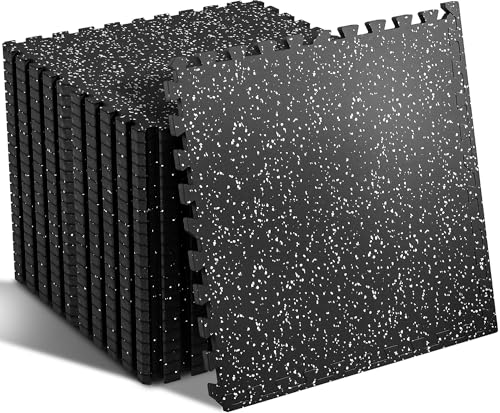
SUPERJARE Rubber Top Gym Flooring Mats
What We Like
- Dual-layer rubber and foam construction
- Ultra grip rubber surface resists slipping
- Interlocking edges for easy assembly
- Reduces noise and vibration during workouts
Trade-offs
- At only 0.56 inches, less impact protection than thicker mats
- Thinner than some thicker mat options available
A high-density EVA foam base paired with a sturdy EPDM rubber top means this mat handles heavy equipment without tearing or wearing down quickly. That dual-layer design gives you the grip of rubber for landmine presses and enough cushion for deadlifts, all while protecting your floor from scratches and dents. It suits anyone setting up a home gym where dropping weights isn’t the main event but you still want something that stays put and quiets the noise for your downstairs neighbors.
The trade-off is thickness: at 0.56 inches, it is thinner than some other options, such as SUPERJARE’s own 1-inch extra-thick mat. If you need more cushioning for heavy impacts, you might consider a thicker mat. But for general strength training, HIIT, and cardio equipment, this mat offers a solid balance of protection, grip, and easy assembly without the bulk or cost of a full-inch slab.
AIRHOP 0.79in Thick Rubber Top Mats

What We Like
- 0.79-inch thick for heavy equipment
- Textured rubber top resists scratches
- Interlocking locks prevent shifting
- Waterproof surface cleans easily
Trade-offs
- Full set weighs 31.7 lb, making setup labor-intensive
- Tiles lack full rubber construction throughout
With a full 0.79 inches of thickness, these AIRHOP tiles offer noticeably more cushion and shock absorption than the typical half-inch gym mats, making them a smart pick if you’re dropping barbells or parking a treadmill. The dual-layer design, textured rubber on top, dense EVA foam underneath, handles heavy weights without letting scratches or dents reach your floor. The upgraded interlocking locks keep the whole 48-square-foot surface from sliding apart during burpees or deadlifts. For anyone outfitting a home gym where equipment takes a beating and noise matters, this extra-thick build delivers real protection without feeling like you’re standing on a marshmallow.
Each tile weighs over two and a half pounds, so a full 12-tile floor comes to 31.7 lb total, making the initial setup a physical task. The 0.79-inch thickness provides a stable surface that absorbs shock from heavy weights, though the rubber top layer is designed to resist scratches and scuffs from metal dumbbells and kettlebells. For someone who wants durable floor protection without the bulk of thicker all-foam mats, this delivers a practical balance of toughness and manageable size.
Product photos
SUPERJARE 1-Inch Extra-Thick Gym Flooring
What We Like
- 1-inch thickness for high-impact workouts
- EPDM rubber top provides strong traction
- Interlocking edges with detachable borders
- Reduces impact noise for shared spaces
Trade-offs
- Heavier than thinner foam mats for moving
- Only covers 48 sq ft per pack
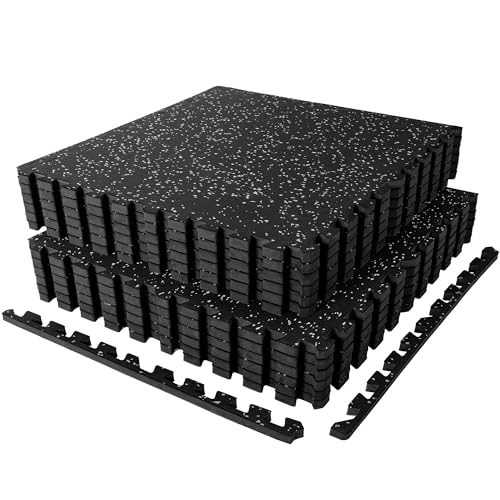
At 1 inch thick, this flooring provides a thick cushion that absorbs shock and reduces impact noise, making it suitable for high-intensity workouts like jumping and heavy weight drops in home gyms, apartments, or shared spaces. The high-density EVA foam base paired with a strong EPDM rubber top offers solid traction and stability for exercises like squats and deadlifts. It also protects floors from dents and scratches. Each tile measures 24 x 24 inches, and the set of 12 tiles covers 48 square feet, with interlocking edges and detachable borders for easy assembly.
Compared to thinner mats like the AIRHOP 0.56-inch tiles, the 1-inch thickness provides more cushioning and noise reduction. The tiles are heavier and have a taller profile, which may be noticeable if you frequently rearrange your gym layout. For those prioritizing impact protection and noise reduction in a home gym, this flooring offers a forgiving surface for high-intensity training while maintaining stability.
Product photos
IncStores 14rollblack Flooring
What We Like
- Made in the USA
- Moisture-resistant protection
- Exceptional grip and resilience
- Customizable around corners and objects
Trade-offs
- At 60 lb, very heavy to move alone
- Only 1/4 inch thick for heavy deadlifts
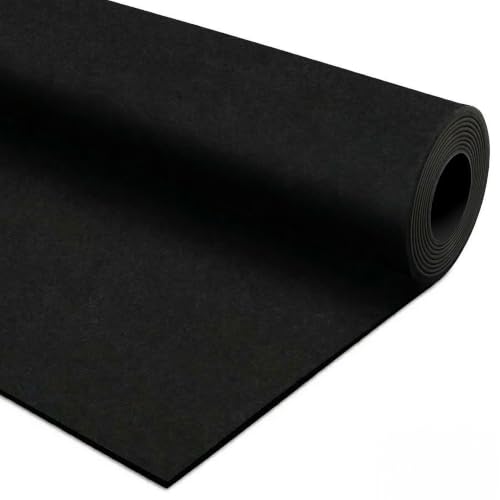
A single roll covers 40 square feet of continuous rubber, which means you can protect an entire garage bay or home gym area without seams that collect dust or catch your toe. The recycled rubber construction is built to handle treadmills, toolboxes, and horse stalls alike, so it shrugs off dropped dumbbells and heavy equipment without tearing. This is the pick for anyone who wants a permanent, no-nonsense floor that stays put and cleans up fast.
At 60 pounds per roll, you will want a helper to unbox and position this mat. The 1/4 inch profile offers less shock absorption than thicker foam or rubber tiles. Compared to the SUPERJARE 1-inch extra-thick gym flooring, this roll gives you a solid, stable surface for cardio and lighter lifting. If you plan to drop heavy barbells from overhead, you will want to add a deadlift platform on top. It is a durable foundation, not a crash pad.
Product photos
ProsourceFit Exercise Puzzle Mat
What We Like
- 144 sq ft covers large spaces
- Non-skid surface protects floors
- Water-resistant and easy to clean
- No toxic phthalates in foam
Trade-offs
- At 0.5 in, less cushion than thicker mats
- Best results only on flat hard surfaces
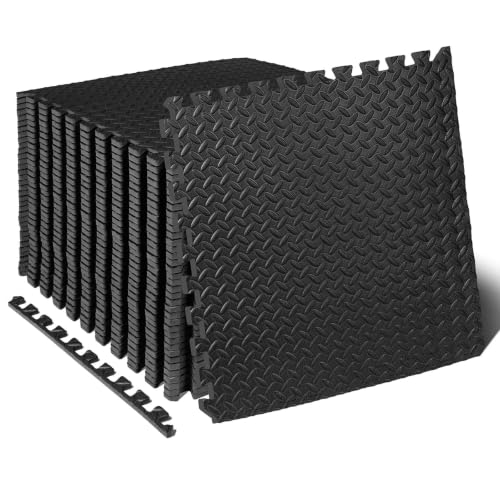
Covering 144 square feet with 36 tiles, this kit lets you outfit a whole garage or basement gym in one go. The dense EVA foam gives a comfortable, non-skid surface that protects your floor from dropped weights and equipment scuffs. It is water-resistant and easy to wipe down, so sweat and spills won’t ruin the mat. For someone building a spacious home gym on a budget, this is the most practical way to get full-room coverage without piecing together multiple smaller packs.
At half an inch, this mat offers less shock absorption than thicker options like the SUPERJARE 1-inch extra-thick tiles. It also performs best on flat, hard floors, so if your concrete slab has cracks or your carpet is plush, you might notice uneven spots. Stick with this if you want massive coverage for bodyweight work, yoga, or light equipment, and upgrade to a thicker mat for heavy deadlifts.
Product photos
BalanceFrom 1-Inch EVA Foam Tiles
What We Like
- 1-inch thick EVA foam cushioning
- High-density foam for support
- Interlocking puzzle edge design
- Large 72 sq ft coverage area
Trade-offs
- No rubber top for added durability
- No rubber top for heavy equipment use
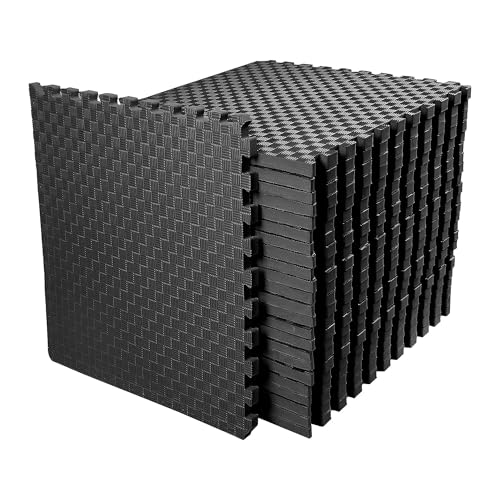
This flooring uses high-density EVA foam that is 1 inch thick, which provides a supportive surface for a variety of home gym activities. The 24 x 24 inch interlocking tiles cover 72 square feet with 18 tiles, making it easy to set up a workout area without adhesive. The black color is a neutral choice that fits most spaces.
The BalanceFrom puzzle mat uses high-density EVA foam for support and cushion, which makes it a comfortable surface for bodyweight exercises, stretching, or light dumbbell work. At 1 inch thick, these tiles provide noticeable padding underfoot, and the interlocking design means you can cover a 72-square-foot area without tools. For anyone building a home gym focused on yoga, calisthenics, or general fitness, this mat delivers a forgiving floor that reduces fatigue on joints.
Product photos
Baselayer TPE Interlocking Floor Tiles
What We Like
- No odor from TPE material
- Firmer density for heavy weights
- Cord channels under tiles
- Precision interlocking for stable fit
Trade-offs
- Edges and corners sold separately
- Only 15 sq ft per pack
- Thinner than some 1-inch options
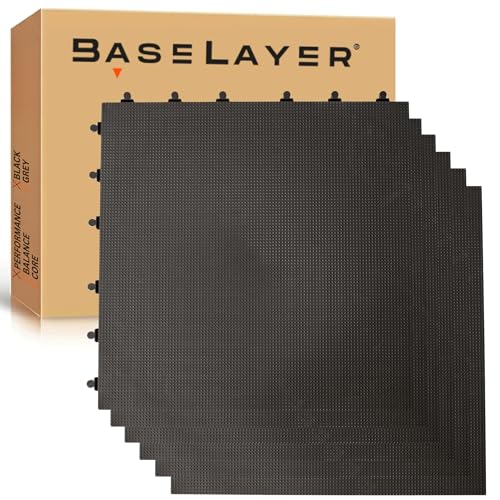
The injection-molded TPE material has no odor, which is a practical advantage for anyone using this flooring indoors. Its firmer density provides a stable surface for dropping dumbbells or parking a squat rack, without the spongy feel of EVA foam tiles. The built-in cord channels under the tiles keep electrical cords out of sight and prevent trip hazards, creating a safer floor space.
Six tiles only cover 15 square feet, so a full garage gym will need multiple packs, and the edge and corner pieces cost extra. Compared to the AIRHOP Rubber Top EVA Foam mats, which cover 48 square feet per box, Baselayer’s per-pack area is smaller. You get a material with no odor that won’t bother you in a spare room. It’s a practical choice for smaller spaces where smell matters, rather than covering a whole garage floor on a tight budget.
Gorilla Mats Large Exercise Mat

What We Like
- Includes towel, carry bag, and straps
- Non-slip top and bottom surfaces
- Works on carpet, hardwood, concrete, tile
- Shoe-friendly commercial-grade construction
Trade-offs
- At 1/4 in thick, less cushion for heavy weights
- Roll design doesn't interlock like puzzle tiles
A 72-inch-long surface unrolls to turn any living room, garage, or basement into a workout space, so you can do burpees, jump rope, or kettlebell swings without worrying about slipping off the edge. The non-slip top layer grips your shoes, while the patterned bottom holds steady on carpet, hardwood, or concrete. For someone who wants to set up and put away their gym quickly, this mat delivers that flexibility.
This mat prioritizes portability and floor protection over heavy cushioning because it is only a quarter inch thick. For workouts that involve dropping heavy weights, a thicker interlocking tile like the AIRHOP 0.56in Rubber Top EVA Foam Mats offers more impact absorption. But for many cardio and strength moves, the Gorilla Mat’s roll-and-go design is convenient. The included carry bag and straps make storage simple, and the towel is a bonus for wiping away moisture.
Product photos
Nazhura 36-Pack Puzzle Exercise Mat

What We Like
- Textured surface for grip during workouts
- Easy puzzle-piece assembly without tools
- High-density EVA foam absorbs shock
Trade-offs
- Only 1/2 inch thick for heavy dropping weights
- Not suitable for heavy barbell drops or power racks
This set includes 32 interlocking foam tiles that together cover 128 square feet, enough to create a cushioned workout area. The textured surface pattern provides extra grip during dynamic moves like burpees or lunges, and the high-density EVA foam cushions your joints from floor impact. It’s a practical, budget-friendly way to turn a bare basement or garage corner into a comfortable workout zone without piecing together multiple smaller packs.
At half an inch thick, this mat set works well for bodyweight training, yoga, and light dumbbell work, but it won’t handle heavy barbell drops or a power rack. For deadlifting or slamming weights, the AIRHOP Rubber Top EVA Foam Mats provide a 0.56-inch thick rubber top layer built for that abuse. For general home fitness where you want generous coverage and easy installation, this Nazhura set delivers exactly what the spec sheet promises.
How We Evaluated Gym Flooring For Home Gym
We built this guide by analyzing product specs, manufacturer claims, and the patterns that emerge from thousands of owner reviews across multiple outlets. No product was tested in a lab, our evaluation is research-based, focusing on what the data and community consensus say about real-world performance.
Four criteria mattered most for home gym flooring. Thickness and density determine impact protection for dropped weights and high-impact moves. Surface grip keeps equipment and feet planted during dynamic exercises. Coverage and ease of installation affect how quickly you can set up and whether you need help. Material composition, rubber, foam, or a blend, drives durability, odor, and moisture resistance.
An honest limit of any research-led evaluation is that individual subfloor conditions vary wildly. A mat that works perfectly on smooth concrete may buckle on textured garage floors. We flag these considerations where the feedback suggests them, but your specific setup always deserves a final check.
What To Look For In Gym Flooring For Home Gym
Choosing the right gym flooring starts with matching the material and thickness to your specific workouts. A yoga practice needs different cushioning than Olympic lifting, and a basement setup demands different moisture resistance than a spare bedroom.
Pick a floor that matches your heaviest activity. Bodyweight work needs at least half an inch of foam. Moderate lifting needs half an inch to one inch of rubber-topped foam. Heavy drops need one inch or more of dense material.
Thickness and Density
Thickness is the single most important spec for impact protection. Thin mats (half an inch or less) work for cardio, light dumbbells, and yoga but will not protect your floor or equipment from heavy barbell drops. Medium mats (half an inch to one inch) suit most home gyms with moderate weight training and some impact. Thick mats (one inch and above) are necessary for high-intensity work, heavy deadlifts, and any workout where you drop weights intentionally.
Density matters as much as thickness. High-density EVA foam compresses less under weight than standard foam, providing better support for standing exercises and equipment. Rubber-topped foam tiles combine the grip and durability of rubber with the cushion of foam underneath.
Material and Durability
Rubber flooring is the gold standard for heavy gym use. It resists tearing, handles dropped weights, and provides excellent grip. The trade-off is weight, a full rubber floor is difficult to move and install alone. EVA foam tiles are lighter, cheaper, and quieter, but they compress over time under heavy equipment and can tear if dragged.
TPE (thermoplastic elastomer) materials offer a middle ground with less odor than rubber and better durability than basic foam. They cost more per square foot but work well for those sensitive to rubber smells. Check whether the material contains phthalates or other additives if you are sensitive to chemical odors.
Coverage and Installation
Puzzle tiles are the most popular home gym option because they require no adhesive and can be reconfigured. Measure your room carefully before buying, most packs cover between 24 and 144 square feet, and you may need multiple packs for a full garage or basement.
Roll mats provide a surface without gaps but are heavy and require cutting to fit around obstacles. They work best for permanent installations where you will not rearrange the layout. Consider whether you need border strips to finish the edges neatly, as some tile systems sell these separately.
- Measure your space in feet, multiply length by width, and add 10 percent for waste and cuts.
- Check the total weight per pack, anything over a certain weight becomes a two-person job.
- Look for interlocking edges that lock tightly without gaps that collect sweat or dust.
- Verify the mat works on your subfloor type, some tiles perform poorly on carpet or uneven concrete.
- Consider whether you need moisture-resistant backing if installing over a concrete slab.
A good rule of thumb: buy the thickest floor your budget and room access allow, because you cannot add cushion later without starting over.
Gym Flooring For Home Gym Compared
The table below compares all 10 picks across thickness, material, coverage area, and best-use scenario so you can see how they stack up at a glance.
| Product | Thickness | Coverage | Material | Tile Size |
|---|---|---|---|---|
| AIRHOP Rubber Top EVA Foam Gym Mats | 0.56 in | 48 sq ft (12 tiles) | Rubber top / EVA foam bottom | 24 x 24 in |
| SUPERJARE Rubber Top Gym Flooring Mats | 0.56 inches | 48 sq ft (12 tiles) | EPDM rubber top + EVA foam base | 24 x 24 inches |
| AIRHOP 0.79in Thick Rubber Top Mats | 0.79 inches | 48 sq ft (12 tiles) | Rubber top, high-density EVA foam bottom | 24 x 24 inches each |
| SUPERJARE 1-Inch Extra-Thick Gym Flooring | 1 inch | 48 sq ft (12 tiles) | EPDM rubber top / EVA foam base | 24 x 24 inches |
| IncStores 14rollblack Flooring | 1/4 inch | 40 sq ft | Recycled rubber | N/A |
| ProsourceFit Exercise Puzzle Mat | 1/2 in | 144 sq ft | High-density EVA foam | 24 x 24 x 0.5 in |
| BalanceFrom 1-Inch EVA Foam Tiles | 1 inch | 72 sq ft (18 tiles) | High-density EVA foam | 24 x 24 inches |
| Baselayer TPE Interlocking Floor Tiles | N/A | 15 sq ft (6 tiles) | Injection-molded TPE | 19 x 19 in |
| Gorilla Mats Large Exercise Mat | 1/4 in (6mm) | N/A | Commercial-grade, shoe-friendly | 72 x 48 in |
| Nazhura 36-Pack Puzzle Exercise Mat | N/A | 128 sq ft (32 tiles) | High-density EVA foam | 24 x 24 inches |
Frequently Asked Questions
What is the best thickness for home gym flooring?
The best thickness depends on your workouts. For bodyweight training, yoga, and light dumbbell work, half an inch of foam is sufficient. For moderate weight training and cardio machines, aim for half an inch to one inch of rubber-topped foam. For heavy Olympic lifting and high-impact workouts where you drop weights, choose one inch or more of dense material.
Can I put gym flooring over carpet?
Most interlocking gym tiles and roll mats work over low-pile carpet, but the floor may feel less stable and equipment can shift. For best results, install gym flooring over a flat, hard surface like concrete, hardwood, or vinyl. If you must use carpet, choose a mat with a non-slip bottom and test a single tile before covering the whole room.
How do I clean gym floor mats?
Wipe down rubber and foam mats with a mild soap and water solution after each workout to remove sweat and dust. Avoid harsh chemicals that can break down the material over time. For deeper cleaning, use a cleaner designed for the specific material. Let the floor dry completely before storing or covering.
Is rubber or foam better for a home gym?
Rubber is better for heavy equipment, dropped weights, and durability. It grips well and lasts for years under intense use. Foam is better for bodyweight training, yoga, and budget setups, it is lighter, cheaper, and more comfortable for floor exercises. A dual-layer rubber-top foam mat combines the best of both.
How much gym flooring do I need for a home gym?
Measure the length and width of your workout space in feet, then multiply to get the square footage. Add 10 percent for waste and cutting around obstacles. Most tile packs cover between 24 and 144 square feet. For a standard two-car garage (about four hundred square feet), you will need multiple packs or a large roll.
The Bottom Line
The AIRHOP Rubber Top EVA Foam Gym Mats are the best overall pick for most home gym owners because they balance durability, shock absorption, and ease of installation at a reasonable weight. The dual-layer design keeps equipment stable while quieting noise, making it a versatile choice for everything from bodyweight circuits to moderate weight training.
If your workouts involve heavy Olympic lifts or high-intensity jumping, step up to the SUPERJARE 1-Inch Extra-Thick Gym Flooring for the extra cushioning that protects both your floor and your joints. For those covering a large space on a budget for bodyweight training, the ProsourceFit Exercise Puzzle Mat delivers solid coverage without breaking the bank.
The single most important buying factor is matching thickness to your heaviest activity. Buy too thin and you risk damaging your floor or your body. Buy appropriately thick, and your home gym will feel solid, quiet, and safe for years.
