
10 Best Foam Rollers For Exercise in 2026
This post contains affiliate links. As an Amazon Associate, we earn from qualifying purchases.
For most people, the best foam roller for exercise is the TriggerPoint Grid 1.0 Foam Roller. Its multi-density GRID surface mimics a therapist’s hands, and the firm EVA foam delivers deep compression without the bulk of longer models. For a budget-friendly option, the ProsourceFit High Density Foam Roller offers a firm, portable design, while the RumbleRoller Original Foam Roller provides aggressive deep tissue relief for athletes.
The real challenge with foam rollers isn’t finding one, it’s finding the right density, length, and texture for your specific recovery needs. A roller that feels great for your quads might be too aggressive for your lower back, and a 12-inch model won’t let you roll out your entire spine in one motion.
This guide is based on manufacturer specifications, expert round-ups, and patterns in owner feedback. We’ve organized ten top rollers by their best use case so you can match the right tool to your body and routine.
Top 10 Foam Rollers For Exercise in the Market
Certain content that appears on this site comes from Amazon. This content is provided "as is" and is subject to change or removal at any time.
The Best Foam Rollers For Exercise, Reviewed
TriggerPoint Grid 1.0 Foam Roller
What We Like
- Multi-density GRID surface mimics therapist hands
- Firmer than traditional foam for deep compression
- Durable EVA foam holds shape over time
- Hollow core keeps it lightweight at 1.1 lb
Trade-offs
- 13-inch length limits full-back rolling in one pass
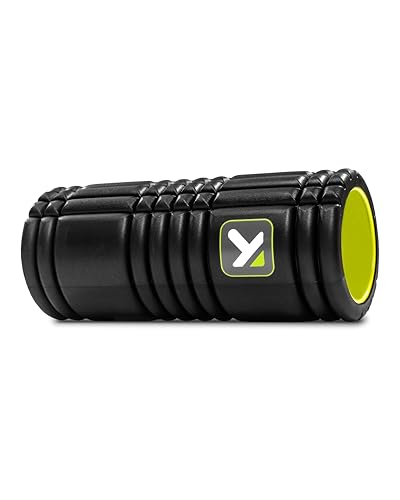
A multi-density GRID surface with varying ridges and nodules means this roller tries to feel more like a massage therapist’s hands than a plain cylinder of foam. The firmer-than-average EVA construction delivers a deep compression that targets tight spots and knots. The hollow core keeps the whole thing light enough to toss in a gym bag. It’s a great match if you want a portable tool that focuses on specific muscle groups like calves, quads, or upper back, and the durable build suggests it won’t flatten out after a few months of regular use.
The 3.9-inch length makes this roller far shorter than most others on the market, so you won’t be able to lie down and roll your entire spine in one pass the way you could with the 26-inch TriggerPoint Grid 2.0. That means it’s less convenient for broad back work but more targeted for isolating stubborn spots. If you mainly need something to dig into knots and you value portability over coverage, this design makes sense. Beginners might find the firmness a bit much at first, but the textured surface lets you adjust pressure by shifting to a softer zone.
ProsourceFit High Density Foam Roller

What We Like
- Firm high-density foam for deeper massage
- 300 lb weight capacity suits most users
- Water-resistant and easy to clean
Trade-offs
- 12-inch length limits full back coverage
- Too short for full back massage coverage
A 300-pound weight capacity and firm high-density EPP foam make this roller a practical choice for anyone wanting deeper pressure without spending much. The 12-inch length is compact, so it stores easily in small spaces or a gym bag. It works well for releasing tension in legs, glutes, and smaller back areas, and the water-resistant surface means you can wipe it down after sweaty sessions without worrying about damage. For beginners or budget-conscious exercisers, this roller delivers solid value by focusing on what matters most: consistent firmness that holds up under pressure.
The trade-off comes down to size. You’ll need to reposition more often during full-body work. Also, the firm density, while great for experienced users, can feel unforgiving if you’re new to foam rolling or have sensitive muscles. Start with lighter pressure and shorter sessions to let your body adapt. If you prioritize portability and firm massage over full-span coverage, this budget-friendly roller is a smart fit.
Product photos
TriggerPoint Grid 2.0 Foam Roller

What We Like
- Multi-density zones mimic therapist's hands
- 26-inch length for full back coverage
- Rigid hollow core maintains firmness over time
- Supports up to 500 pounds
Trade-offs
- 26-inch length less portable than shorter rollers
- Firmer than traditional rollers, not ideal for beginners or sensitive muscles
The 26-inch length lets you roll your entire back without stopping to reposition, which is the main reason this roller is suited for full back coverage. The patented multi-density surface, with zones that feel like a palm, fingers, and fingertips, targets tight spots and knots more precisely than a uniform foam cylinder. That rigid hollow core keeps the pressure consistent session after session, so you aren’t fighting a roller that softens over time. It’s a thoughtful design for anyone who wants deep, targeted myofascial release without guessing where to apply pressure.
The trade-off is that this roller is firmer than traditional solid foam rollers, which may not suit everyone. Beginners or those with very sensitive muscles might find the intensity too much too soon. It’s a tool built for consistency and depth, not for gentle stretching. If you’re ready to work through soreness with purpose, this one delivers.
Product photos
RumbleRoller Original Foam Roller
What We Like
- Textured bumps target tight muscles and knots
- Midsize offers versatile full-body use
- Designed for effective deep tissue relief
- Lightweight at 1.8 pounds
Trade-offs
- At 22 inches, less stable for large muscle groups
- Weighs 1.8 pounds, heavier than many foam rollers
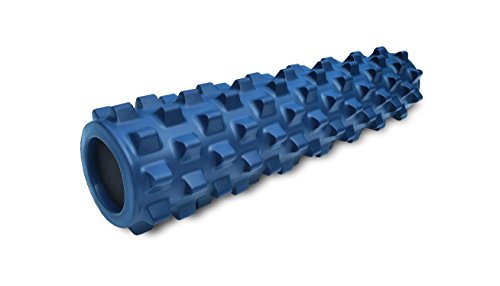
The textured bumps on this roller are designed to target tight muscles and release knots more effectively than traditional smooth foam rollers, according to the manufacturer. That makes it a good fit if you regularly deal with soreness from workouts and want something more aggressive than a standard cylinder. The midsize 22-inch length keeps it portable and easy to maneuver on your back, quads, or calves without taking up half the living room floor.
The RumbleRoller Original’s textured bumps are designed to target tight muscles and release knots more effectively than traditional smooth foam rollers. But that same texture can feel punishing if you are just starting out or have a low pain tolerance. A smoother option like the TriggerPoint Grid 1.0 uses a different surface design, while the RumbleRoller goes straight for the knots. For someone just starting mobility work, it might sit in the closet after the first try.
Product photos
Tone Fitness High Density EPP Foam Roller

What We Like
- Extra-long 35.2-inch surface for full-body work
- High-density EPP foam resists flattening over time
- Lightweight at 0.9 pounds for easy portability
- Firm pressure targets deep tissue and knots
Trade-offs
- Length makes it awkward for small storage spaces
- Firmness can be too intense for beginners or those with sensitive muscles
At 35.2 inches long, this roller gives you enough surface to work your entire back, hamstrings, and IT bands without constantly repositioning. The high-density EPP foam stays firm and holds its shape even after repeated use, so you can lean into deep tissue work on your legs, shoulders, and glutes. It’s a practical choice if you want one tool that covers large muscle groups and weighs just 0.9 pounds.
The Tone Fitness High Density EPP Foam Roller is built for experienced users who want firm, consistent pressure for deep tissue work. Beginners might find that same firmness uncomfortable. At 36 inches long, it gives you enough surface to work your entire back or legs in one pass, yet at 0.9 pounds it’s light enough to toss in a duffel bag without adding noticeable weight. If you prefer a gentler feel, the OPTP PRO-Roller Soft Density Foam Roller is also 36 inches long, but this Tone Fitness roller delivers the unyielding support that advanced users expect for muscle recovery.
Product photos
OPTP PRO-Roller Soft Density Foam Roller

What We Like
- Soft EVA closed-cell foam
- Easy to wipe clean
- 36-inch length for full-body positioning
- Heat-molded for durability
Trade-offs
- No listed weight limit for heavy users
- Soft density won't release deep knots
A 36-inch length and soft EVA closed-cell foam make this roller ideal if your muscles flinch at the thought of a firm cylinder. That soft density lets you position it under your entire spine or legs for gentle self-massage and back exercises, while the closed-cell surface wipes clean easily after a sweaty session. It’s a forgiving tool for anyone new to foam rolling or dealing with tenderness after a tough workout, letting you release tension without wincing.
The trade-off is that same softness won’t dig into stubborn knots the way a firmer roller can. At just 0.9 pounds, it’s light to carry. If you need a patient, approachable roller that won’t punish sore spots, this one fits the bill, just know it’s a comfort-first choice, not a deep-tissue tool.
Product photos
RumbleRoller Extra Firm Foam Roller

What We Like
- Extra firm density for deep tissue work
- Textured bumps mimic massage therapist hands
- Full 31-inch length covers large muscle groups
- Durable high-density foam holds shape over time
Trade-offs
- Extra firmness limits use on very sensitive areas
- 31-inch length is less portable than compact options
The RumbleRoller Extra Firm packs a 31-inch length and a surface covered in raised bumps that mimic a massage therapist’s hands, so you can work out knots in your quads, hamstrings, and back without needing someone else to lean on. That extra firm high-density foam digs deeper than standard rollers, making this the right pick if you regularly push heavy weights or run long distances and need to release serious tightness. It suits anyone who wants aggressive self-myofascial release and doesn’t flinch at a bit of discomfort during recovery.
The RumbleRoller Extra Firm’s textured bumps mimic the hands of a massage therapist, so you get deep tissue work that standard rollers can’t match. That aggressive texture can be too much for someone just starting out or with a low pain tolerance. The TriggerPoint Grid 1.0 is a gentler alternative at 13 inches long and 1.1 pounds. At 31 inches long and under a pound, the RumbleRoller is easy to store but not the most travel-friendly. Stick with this one when your muscles demand more than a light roll and you’re ready to lean into the pressure.
Amazon Basics High-Density Foam Roller
What We Like
- Lightweight at 0.6 pounds
- Firm, durable polypropylene maintains shape
- Molded edges for added comfort
- Wipes clean easily
Trade-offs
- At 18 inches, shorter than full-body rollers
- Not long enough for full leg or back work
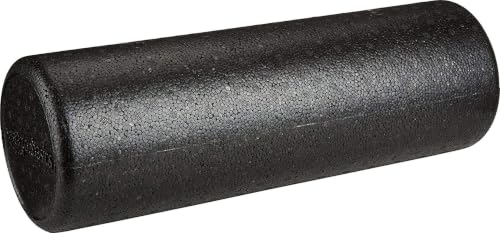
At just 0.6 pounds, this foam roller is barely there in your gym bag, so you can toss it in without a second thought and actually remember to bring it along. That lightweight build makes it a natural fit for anyone who wants a compact tool for balance, strengthening, and flexibility work without hauling a heavy log around. The high-density polypropylene keeps its shape even after repeated use, and the molded edges add a bit of comfort when you’re rolling out tight spots. It wipes clean easily, which is a small but real win after a sweaty session.
The trade-off with that compact size is reach: at 18 inches, it’s shorter than some full-body rollers like the TriggerPoint Grid 2.0 (26 inches), so you’ll need to reposition more often for larger muscle groups. If you value portability and a firm, consistent pressure, this is a practical choice that won’t weigh you down.
Product photos
321 STRONG 3-Zone Massage Roller
What We Like
- Patented 3-zone design mimics therapist fingers, thumbs, palms
- Lightweight 0.5 lb core won't crack or deform
- Medium density soft enough for spine, firm for muscles
- 7 US patents on projection shape and pattern
Trade-offs
- 12.5-inch length limits full back or leg rolling
- Medium density won't suit users who prefer a very firm roller
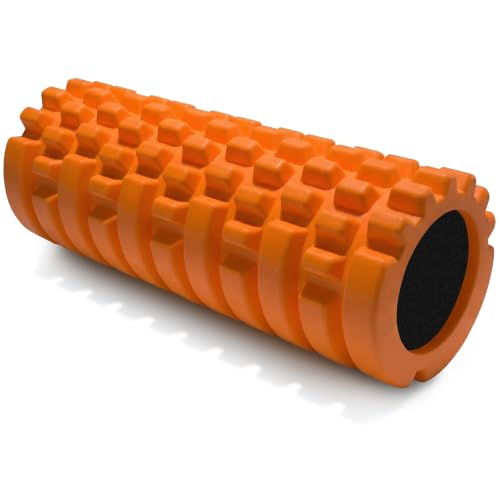
A patented three-zone surface with small, medium, and large projections lets you dial in pressure from fingertip to palm-of-hand intensity without swapping tools. At just half a pound and 12.5 inches long, this roller is lightweight and compact. The medium-density EVA foam is firm enough to offer therapy to the muscle groups on either side of the spine, yet soft enough to not hurt the spine when rolled directly. That makes it a smart pick for targeted relief without the intimidation of a super-firm cylinder.
At 12.5 inches, this roller is too short to cover your entire back or both legs at once. You’ll work one side at a time or press it vertically against a wall for longer muscles. That compact size makes it easy to toss in a gym bag or keep under a desk. But if you want to roll your whole spine in one pass, a 26-inch TriggerPoint Grid 2.0 covers more ground without repositioning.
Yes4All Half Foam Roller
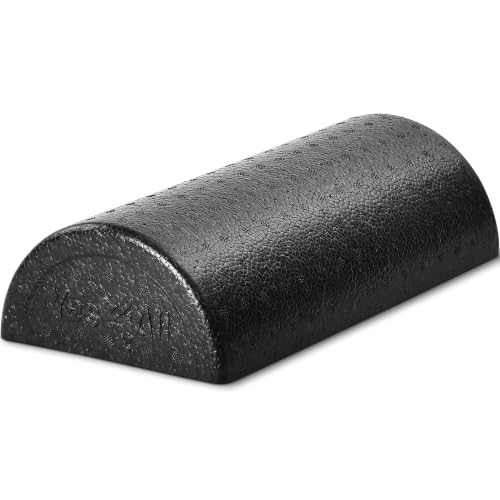
What We Like
- Flat side for stable balance work
- Supports up to 250 lb
- High-density EPP resists deformation
- Easy-clean surface with damp cloth
Trade-offs
- 12-inch length limits full-body rolling
- Half-round shape not for traditional rolling
A flat side and a 250-pound weight capacity make this half-round roller a natural fit for stability exercises where you need a firm, unmoving base. The high-density EPP foam holds its shape under repeated use, so you can focus on balance work, Pilates moves, or targeted back stretching without the roller squishing or wobbling. It suits anyone who wants a controlled surface for core and stability drills rather than a full-body massage tool.
At 12 inches long, this roller is too short for rolling out your entire back or legs in one go, and the half-round shape won’t replace a standard cylindrical roller for deep tissue work. If you need a longer, traditional roller for full-body recovery, the TriggerPoint Grid 2.0 offers a 26-inch multi-density design that covers more ground. But for stability-focused training where a flat, firm platform matters most, this Yes4All model delivers exactly what its shape promises.
How We Evaluated Foam Rollers For Exercise
Our evaluation started with the fundamentals: density, surface texture, length, and durability. We reviewed manufacturer data on materials like EVA foam, polypropylene, and EPP to understand how each roller holds up over time and how much pressure it applies to muscle tissue. Owner feedback patterns helped us identify which rollers maintain their shape and which soften or crack after repeated use.
The four criteria that mattered most were density (soft vs. Extra firm), length (compact vs. Full-back coverage), surface design (smooth, grid, or textured bumps), and portability. A roller that scores well on all four for one person may fail on two for another, there is no universal best, only the best fit for your body and goals.
This is a research-led evaluation, not a hands-on test. We rely on published specifications, expert consensus, and what owners consistently report. The right choice depends on how you plan to use a foam roller and what kind of pressure your muscles can handle.
What To Look For In Foam Rollers For Exercise
Before you buy, match the roller’s density, length, and texture to your experience level and the muscle groups you target most. A beginner with sensitive muscles needs a different tool than a powerlifter chasing deep trigger point release.
Choose a density that matches your pain tolerance: soft for beginners and sensitive areas, medium for general recovery, extra firm for deep tissue work. Length determines whether you can roll your full back or need to reposition. Surface texture ranges from smooth to knobby, each targeting different tissue depths.
Density
Density is the most important factor. Soft rollers (like the OPTP PRO-Roller Soft Density) are gentle on sensitive muscles and ideal for beginners or post-injury recovery. Medium-density rollers (like the TriggerPoint Grid 1.0) offer deep compression without being punishing. Extra firm rollers (like the RumbleRoller Extra Firm) are for experienced users who want to release stubborn knots and trigger points.
If you are new to foam rolling, start with a soft or medium density. You can always progress to a firmer roller as your muscles adapt.
Length
Length determines how much of your body you can roll in one pass. Compact rollers (12-13 inches) are highly portable and good for targeting specific muscles like calves or IT bands, but you will need to reposition to roll your full back. Full-length rollers (26-36 inches) let you lie down and roll from your shoulders to your glutes without stopping.
For most people, a 26-inch roller offers the best balance of full-back coverage and reasonable portability. If you travel frequently, a compact model like the TriggerPoint Grid 1.0 or ProsourceFit High Density may be a better fit.
Surface Texture
Smooth rollers provide uniform pressure and are best for general recovery and beginners. Gridded or textured surfaces (like the TriggerPoint Grid 2.0 and RumbleRoller Original) mimic the hands of a massage therapist and can better target knots and trigger points. The 321 STRONG 3-Zone Massage Roller uses a patented design with three distinct projection zones to simulate fingers, thumbs, and palms.
- Roll the textured side on your quads and glutes; use the smooth side for your spine or hamstrings if your roller offers both surfaces.
- If you have a low pain threshold, start with a smooth or lightly textured roller before trying aggressive bumps.
- For deep tissue work, choose a roller with raised nodes or a multi-density grid pattern.
- If you plan to use the roller for stability exercises, look for a half-round design like the Yes4All Half Foam Roller.
A good rule of thumb: if the roller hurts on your forearm, it will hurt more on your IT band. Test pressure on a less sensitive area first.
Foam Rollers For Exercise Compared
The table below compares all ten foam rollers by density, length, weight, and best use case so you can see the differences at a glance.
| Product | Length | Diameter | Weight |
|---|---|---|---|
| TriggerPoint Grid 1.0 Foam Roller | 3.9 inches | 5.1 inches | 1.1 lb |
| ProsourceFit High Density Foam Roller | 12 inches | 6 inches | N/A |
| TriggerPoint Grid 2.0 Foam Roller | 26 inches | 5.5 inches | 1.0 pounds |
| RumbleRoller Original Foam Roller | N/A | N/A | 1.8 pounds |
| Tone Fitness High Density EPP Foam Roller | 35.2 inches | 5.7 inches | 0.9 pounds |
| OPTP PRO-Roller Soft Density Foam Roller | 36 inches | 6 inches | 0.9 pounds |
| RumbleRoller Extra Firm Foam Roller | 31 inches | 6 inches | 0.8 pounds |
| Amazon Basics High-Density Foam Roller | 18 inches | 6 inches | 0.6 pounds |
| 321 STRONG 3-Zone Massage Roller | 12.5 inches | 5.5 inches | 0.5 pounds |
| Yes4All Half Foam Roller | 12 inches | 6 inches | N/A |
Frequently Asked Questions
What size foam roller should I get for exercise?
A 26-inch roller offers the best balance of full-back coverage and portability for most people. Compact 12- to 13-inch rollers are fine for targeting specific muscles but require repositioning for full-body work. Long 36-inch rollers work well for full-body rolling but are harder to store and transport.
How firm should a foam roller be for a beginner?
Beginners should start with a soft or medium-density roller. The OPTP PRO-Roller Soft Density is a good soft option, while the TriggerPoint Grid 1.0 offers a medium firmness that is still forgiving enough for most new users. Avoid extra firm rollers until you have built some tolerance.
Can a foam roller help with muscle recovery after exercise?
Yes, foam rolling can aid post-workout recovery by applying pressure to tight muscles and improving blood flow. Many owners report less soreness and better mobility after consistent use. For a deeper look at recovery options, explore our guide on workout recovery tools.
What is the difference between a smooth and a textured foam roller?
Smooth rollers provide even, gentle pressure suitable for general recovery and beginners. Textured rollers have raised bumps, grids, or nodes that target deeper tissue and trigger points. Textured rollers are more effective for releasing knots but can be uncomfortable for those with sensitive muscles.
How do I clean a foam roller?
Most foam rollers can be wiped clean with a damp cloth and mild soap. Avoid submerging them in water, as moisture can damage the foam core. Rollers with a closed-cell EVA surface, like the OPTP PRO-Roller, are especially easy to wipe down and resist absorbing sweat and odors.
The Bottom Line
The TriggerPoint Grid 1.0 Foam Roller is the best overall choice for most exercisers. It is firm enough for deep compression, lightweight at 1.1 pounds, and the GRID surface provides effective pressure without being as aggressive as a knobby roller. If you need full back coverage, the TriggerPoint Grid 2.0 offers the same surface in a 26-inch length.
For budget-conscious shoppers, the ProsourceFit High Density Foam Roller delivers a firm, portable tool at an affordable price. If you have sensitive muscles or are new to rolling, the OPTP PRO-Roller Soft Density is the gentlest option that still allows for effective full-body recovery. The single most important factor in choosing a foam roller is matching its density to your pain tolerance and experience level.
