
10 Best Gym Floors in 2026
This post contains affiliate links. As an Amazon Associate, we earn from qualifying purchases.
The best gym floor for most home setups is the SUPERJARE Extra-Thick Rubber Top Gym Floor Tiles. Its 0.79-inch construction handles heavy equipment and high-impact training without wearing down. For maximum cushioning under Olympic lifts, the SUPERJARE 1-Inch Extra-Thick Rubber Top Gym Mat is a top choice. The AIRHOP 0.79in Thick Rubber Top Interlocking Gym Flooring delivers heavy-duty protection at a more accessible price point.
Choosing the right gym flooring comes down to balancing thickness, durability, and coverage. A floor that is too thin won’t protect your subfloor or your joints during deadlifts, while one that is too heavy or awkward to install can make setting up a temporary space a hassle.
This guide is based on manufacturer specifications, expert recommendations, and patterns found in owner feedback across dozens of products. We narrowed the field to options that cover the most common home gym needs, from thick rubber tiles for heavy drops to budget-friendly mats for cardio and light weights.
Top 10 Gym Floors in the Market
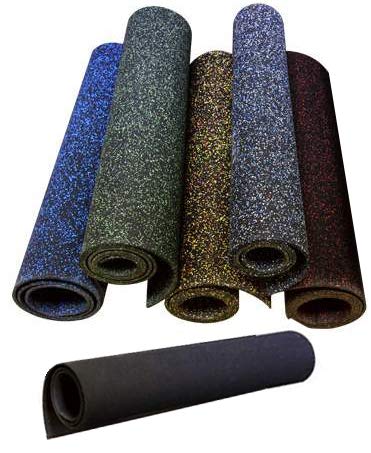
Certain content that appears on this site comes from Amazon. This content is provided "as is" and is subject to change or removal at any time.
The Best Gym Floors, Reviewed
SUPERJARE Extra-Thick Rubber Top Gym Floor Tiles

What We Like
- Extra-thick 0.79-inch construction for durability
- Interlocking edges with detachable borders
- Reduces noise and vibration during workouts
Trade-offs
- At 36 lb total, moving the set takes effort
- Interlocking edges can separate under heavy lateral movement.
At 0.79 inches thick with a dense EVA foam core and a tough EPDM rubber top, this flooring handles heavy gear like treadmills, kettlebells, and barbells without tearing or flattening out over time. The interlocking tiles click together with detachable borders, so you can shape the 72-square-foot set to fit a garage corner, spare room, or dedicated home gym. That rubber surface gives you solid grip during landmine presses or deadlifts, while the foam layer underneath soaks up shock and keeps noise from traveling to the floor below. It is a straightforward, well-built foundation for anyone who wants a stable workout zone that protects both their equipment and their subfloor.
The 36-pound weight of the 18-tile pack means moving the full set is a two-person job, so plan your layout before you start snapping tiles together. SUPERJARE states the rubber odor is reduced compared to older versions, but some smell may linger for the first few days. For someone building a permanent or semi-permanent gym floor that needs generous coverage and real shock absorption, this kit delivers a strong balance of thickness, grip, and floor protection.
Product photos
SUPERJARE 1-Inch Extra-Thick Rubber Top Gym Mat
What We Like
- 1-inch thickness for high-impact workouts
- Non-slip rubber surface for stable lifting
- Interlocking edges with detachable borders
- Quiets impact noise in shared spaces
Trade-offs
- EVA foam base less durable than solid rubber
- Heavier than thinner mats for rearrangement
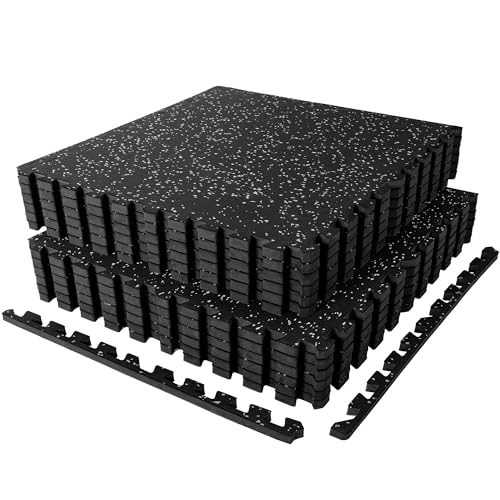
A full inch of cushioning means you can drop a loaded barbell or jump through HIIT circuits without worrying about your floor or your downstairs neighbors. The dual-layer build. EPDM rubber on top for grip and EVA foam underneath for shock absorption, gives you the confidence to train heavy in an apartment or garage without cringing every time the weights come down. That extra thickness also protects your joints during high-impact moves, making this a smart pick if your home gym sees regular deadlifts, kettlebell swings, or plyometrics.
The 48-square-foot coverage from 12 tiles works well for a small lifting zone or a treadmill station. If you need to cover a larger area, you will need additional sets. Compared to the SUPERJARE 0.79-inch version, this 1-inch mat offers more cushion for impact absorption. The EVA foam base is less dense than solid rubber, so it may not be as durable under heavy rolling equipment over many years. For dynamic training where maximum cushion is a priority, this mat provides a good balance of thickness and cost.
Product photos
AIRHOP 0.79in Thick Rubber Top Interlocking Gym Flooring

What We Like
- Dual-layer rubber-and-foam design for shock absorption
- Upgraded interlocking locks prevent shifting during use
- Waterproof surface easy to clean with a damp cloth
- Supports heavy machinery without scratching floors
Trade-offs
- At 0.79 inches, less cushion than 1-inch alternatives
- 12-tile coverage (48 sq ft) limits larger room layouts
The 0.79-inch thickness strikes a smart balance between heavy-duty protection and manageable weight. That dual-layer build, textured rubber on top, high-density EVA foam underneath, absorbs shock from dropped dumbbells and supports treadmills or squat racks without transferring dents to your subfloor. For someone setting up a home gym on a concrete basement floor or garage slab, this is the kind of reliable armor that keeps both your gear and your floor safe. The upgraded interlocking locks provide a secure fit, preventing separation during use, so you can work out without concerns of shifting.
The trade-off is coverage: twelve tiles give you a 48-square-foot area, which fits a single station like a rack and bench. It leaves you short if you want room for a separate deadlift platform or cardio machine. Compare that to the SUPERJARE 1-Inch Extra-Thick option, which offers a full inch of foam for heavier impact absorption. The AIRHOP is a practical choice for a focused home gym where you need tough floor protection without extra coverage you won’t use.
Product photos
American Floor Mats Fit-Lock 3/8 Inch Rubber Tiles
What We Like
- Solid rubber construction absorbs heavy impact
- Interlocking design needs no adhesive
- Includes corner and border tiles for finished edges
Trade-offs
- At 3/8 inch, less cushion than thicker options
- Set covers only 24 sq ft, small for larger rooms
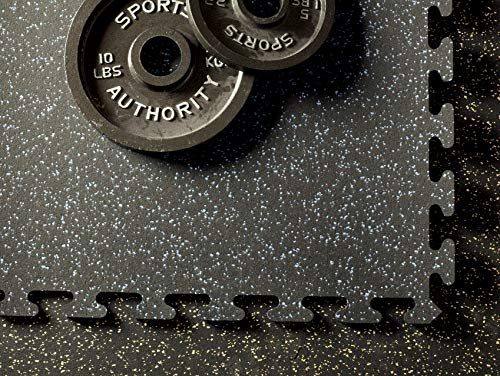
These tiles are 3/8 inch thick and made of rubber, as stated by the manufacturer. The interlocking system allows installation without adhesive, and the set includes corner and border tiles for a finished edge. This makes them suitable for covering a specific area within a room or laying wall-to-wall, according to the product details.
The 3/8 inch thickness is less than some alternatives, such as the SUPERJARE 0.79-inch Extra-Thick tiles, which offer nearly double the thickness. However, the Fit-Lock tiles are solid rubber throughout, whereas the SUPERJARE tiles have a rubber top with a foam core. For buyers who prioritize a thinner, all-rubber surface, these tiles provide a stable option.
American Floor Mats 3/8in Heavy Duty Rubber Roll
What We Like
- 100% vulcanized rubber for durability
- Non-slip textured surface
- Easy installation, no curling
- Commercial-grade with 5-year warranty
Trade-offs
- 3/8 inch thickness less cushioning than thicker tiles
- Rolls lack interlocking edges of tile alternatives
A 3/8-inch thick, 100% vulcanized rubber roll means you get commercial-grade toughness that can handle heavy treadmills, stationary bikes, and weight stacks without wearing down. That non-porous textured surface keeps mats from sliding underfoot, even when you’re pushing through a set of deadlifts. The rolls fit together and lie flat without curling, so you can cover a workout area without gaps or edges lifting.
At 3/8 inch thick, this roll offers less thickness than some alternatives, such as SUPERJARE’s 0.79-inch Extra-Thick Rubber Top Gym Floor Tiles. If you prefer more padding underfoot, those thicker tiles may be worth considering. But for protecting your floor from equipment and providing a stable, non-slip surface for most gym work, this roll delivers exactly what it promises without the fuss of snapping together dozens of small tiles.
Rubber-Cal Elephant Bark Rubber Flooring

What We Like
- Made from recycled tires
- Suitable for indoor and outdoor use
- Wear-resistant and durable
- Easy DIY installation
Trade-offs
- At 88 lbs, the roll is heavy to move alone
- Thinner than 0.79-inch interlocking tile options
A single 4-foot by 11-foot roll covers a continuous area of flooring, so you can protect a garage or home gym without the gaps that can occur with individual tiles. This recycled rubber surface is rated for harsh conditions and heavy wear, making it a practical choice for a workout space that needs to hold up over time. It is a durable, eco-conscious option that focuses on longevity and straightforward installation.
At 3/8 inch thick, it is thinner than some interlocking tile options like the SUPERJARE Extra-Thick Rubber Top Gym Floor Tiles, which are 0.79 inches thick. You also have to manage a heavy 88-pound roll during setup, which can be a two-person job. If you need more cushioning for dropping heavy weights, a thicker tile might suit you better. For general gym use, garage floors, or basement setups, this rubber roll provides reliable protection with an eco-friendly material.
Rubber-Cal Eco-Sport Interlocking Tiles

What We Like
- 3/4-inch thick for impact absorption
- Interlocking design for easy installation
- Wear-resistant and durable rubber
- Suitable for wet or high-traffic areas
Trade-offs
- Smaller tile size means more seams to lock
- Coverage per pack is modest for larger rooms
These Rubber-Cal tiles are 3/4-inch thick and designed to absorb impact and shock from industrial machinery, as well as provide underfoot comfort for running, exercising, and walking. That thickness helps protect hard floors and reduces noise in high-traffic areas like gyms or basements that may flood. The solid rubber construction resists wear, so it holds up in wet conditions and under heavy use. The interlocking design allows you to assemble the tiles without adhesive, and with four color options, you can match the look of your space. They work well for a garage man cave, a patio, or a gym floor where durability and moisture resistance matter.
The Rubber-Cal Eco-Sport Interlocking Tiles are 19.5 inches square, which means each tile covers less area than the 24-inch SUPERJARE Extra-Thick Rubber Top Gym Floor Tiles. You will need to lock more pieces together during installation. That extra work can be worth it if you need to fit a space with many corners or obstacles. For a large open room the SUPERJARE tiles will get the job done with fewer pieces.
Product photos
AIRHOP 0.56in Thick Rubber Top Gym Flooring

What We Like
- Dual-layer rubber and EVA foam
- Non-slip textured rubber surface
- Interlocking locks prevent shifting
- Waterproof and easy to clean
Trade-offs
- At 0.56 in, less cushioning than thicker tiles
- Heavier than some competitors at 29 pounds per pack
A 0.56-inch thickness strikes a smart balance between floor protection and budget, enough rubber top to shrug off dropped dumbbells and treadmill vibrations, without the cost of a full-inch slab. The dual-layer design pairs a textured, non-slip rubber surface with high-density EVA foam underneath, so you get decent shock absorption for bodyweight moves and light machine work. For someone setting up a home gym on a tighter budget, this 48-square-foot set covers a 6×8-foot area right out of the box, and the interlocking locks stay put during burpees or deadlifts.
Thinner means less forgiveness for heavy Olympic lifts or prolonged standing on hard concrete. If your routine leans toward kettlebells, cardio, or yoga, the AIRHOP handles it fine. If you’re regularly dropping heavy barbells, the SUPERJARE Extra-Thick 0.79-inch tiles offer more padding for a step up in cost. Assembly is straightforward, and the waterproof top wipes clean with a damp cloth, which keeps the space low-maintenance. A practical, affordable entry point for the home gym starter who wants real rubber without overspending.
Product photos
HAPBEAR 0.56in Rubber Top Interlocking Mats

What We Like
- Dual-layer rubber and EVA foam
- Non-slip textured rubber surface
- Waterproof and easy to clean
- Interlocking design for flexible layouts
Trade-offs
- At 0.56 in, less cushioning than thicker mats
- 1.5 lb per tile feels light under heavy gear
At 0.56 inches thick, these HAPBEAR mats strike a smart balance between floor protection and portability. The dual-layer build pairs a textured rubber top for grip with a high-density EVA foam base that absorbs shock and eases joint strain during cardio or strength work. That combination makes them a practical fit for home gyms where you want a stable, non-slip surface under a treadmill or spin bike without turning your space into a permanent wrestling mat. The 24-inch tiles click together easily, so you can snake them around existing furniture or reconfigure your layout whenever the mood strikes.
The trade-off comes down to thickness. At 0.56 inches, these mats are thinner than some alternatives like the SUPERJARE 0.79-inch extra-thick tiles, which may offer more cushioning for certain activities. At 1.5 pounds per tile, they are lightweight and easy to rearrange, which is convenient for home gym setups. For most home gym uses focused on steady cardio, bodyweight circuits, and moderate dumbbell work, they provide a durable, easy-to-clean surface. If you plan to drop heavy weights from overhead, you may want to consider a thicker mat.
Product photos
COMEYLY 0.6in Rubber Top Puzzle Flooring
What We Like
- Odor-free material for indoor use
- Non-slip textured rubber surface
- Interlocking tiles for easy setup
- Dual-layer absorbs impact and noise
Trade-offs
- At 0.6 inches, less impact protection than thicker options
- Less impact protection than thicker options like SUPERJARE 1-inch
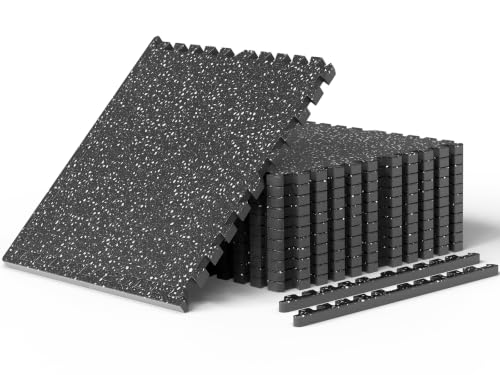
The 0.6-inch thickness provides cushioning and stability for moderate workouts, with a dual-layer construction that absorbs impact and muffles noise from weight drops and jumping moves. The textured rubber surface offers non-slip traction, and the odor-free material means no strong chemical smell during setup. The interlocking tiles snap together easily, allowing you to customize the layout for your space.
At 0.6 inches, this mat offers less impact protection than thicker options like the SUPERJARE 1-inch Extra-Thick Rubber Top Gym Mat, which is better suited for heavy barbell drops. For general strength training and moderate lifting, this mat protects your floor from scratches and dents while providing comfortable cushioning. It is low-maintenance and simple to clean, fitting home gyms, garages, basements, and other indoor activity areas.
Product photos
How We Evaluated Gym Floors
We researched gym flooring by looking at manufacturer data, expert round-ups, and the patterns that emerged from hundreds of owner reviews. Since this is a research-based guide, we focused on what the specifications and real-world user experiences consistently tell us about durability, cushioning, and ease of installation.
The three criteria that mattered most were thickness and material density, coverage area per pack, and the quality of the interlocking or rolling design. Thickness directly affects impact absorption and joint protection, while material determines whether the floor will hold up under a squat rack or compress permanently under heavy weights. Coverage matters because a 24-square-foot pack might work for a single deadlift platform but frustrate anyone trying to cover a full garage bay.
A research-led evaluation has honest limits. We cannot tell you exactly how a tile feels after a year of daily use, but we can tell you what owners consistently report about edge separation, curling, and odor. Our picks represent the best balance of specs and feedback for each specific use case.
What To Look For In Gym Floors
The right gym floor depends on your workout style, the weight you drop, and the space you are covering. Start with the material and thickness that match your heaviest lifts, then work outward to the coverage and installation method that fits your room.
Choose a gym floor that is thick enough to absorb your heaviest drops, dense enough to resist compression under racks and machines, and easy enough to install that you will actually finish the job.
Thickness and Material Density
Thickness is the single most important spec for impact protection. For heavy deadlifts and Olympic lifts, look for at least 0.6 inches of rubber or rubber-topped foam. The SUPERJARE 1-Inch Extra-Thick Rubber Top Gym Mat offers the most cushioning for high-impact training, while 0.79-inch options like the SUPERJARE Extra-Thick Tiles provide a strong balance of protection and stability.
Material density matters just as much as thickness. Solid vulcanized rubber, like what you find in the American Floor Mats 3/8in Heavy Duty Rubber Roll, resists compression under heavy racks and machines better than EVA foam cores. Dual-layer designs with a rubber top and foam base, like the AIRHOP and HAPBEAR mats, offer good shock absorption at a lower cost but may show wear faster under rolling equipment.
Coverage and Installation
Measure your space before you buy. A 24-square-foot pack of tiles might cover a single deadlift station, but a full garage gym needs 100 square feet or more. Rolls like the American Floor Mats 3/8in Heavy Duty Rubber Roll are ideal for large areas because they create a continuous surface with fewer seams to manage.
Interlocking tiles are easier to install and replace individually, but they can separate under heavy lateral movement. The AIRHOP 0.79in Thick tiles use upgraded locks that reduce shifting, while the SUPERJARE tiles include detachable borders for a finished edge. For a permanent setup, consider how easy it is to expand or reconfigure your layout later.
- Measure the total square footage of your workout area, including space for equipment and movement.
- Check the tile or roll dimensions to calculate how many packs you need.
- Look for interlocking edges with a tight lock system to prevent separation during dynamic exercises.
- Consider the weight of the flooring: a 36-pound pack of tiles is manageable, but an 88-pound roll requires help to position.
A good rule of thumb: buy one extra pack of tiles for replacements or future expansion, especially if you use the same brand across multiple rooms.
Gym Floors Compared
The table below compares all the gym floors side by side, highlighting thickness, material, and best use case so you can match the right product to your workout space.
| Product | Thickness | Material | Coverage | Tile Size |
|---|---|---|---|---|
| SUPERJARE Extra-Thick Rubber Top Gym Floor Tiles | 0.79 inches | EPDM rubber top / EVA foam base | 72 sq ft (18 tiles) | 24 x 24 inches |
| SUPERJARE 1-Inch Extra-Thick Rubber Top Gym Mat | 1 inch | EPDM rubber top / EVA foam base | 48 sq ft | 24 x 24 inches |
| AIRHOP 0.79in Thick Rubber Top Interlocking Gym Flooring | 0.79 inches | Rubber top / High-density EVA foam bottom | 48 sq ft (12 tiles) | 24 x 24 inches |
| American Floor Mats Fit-Lock 3/8 Inch Rubber Tiles | 3/8 inch | N/A | 4' x 6' set (6 tiles) | 24 x 24 inches |
| American Floor Mats 3/8in Heavy Duty Rubber Roll | 3/8 inch (9mm) | 100% vulcanized rubber | N/A | N/A |
| Rubber-Cal Elephant Bark Rubber Flooring | 3/8 inch | Recycled rubber from used tires | N/A | N/A |
| Rubber-Cal Eco-Sport Interlocking Tiles | 3/4 inch | Rubber | 39.6 sq ft | 19.5 x 19.5 inches |
| AIRHOP 0.56in Thick Rubber Top Gym Flooring | 0.56 in | Rubber top / EVA foam bottom | 48 sq ft (12 tiles) | 24 x 24 in |
| HAPBEAR 0.56in Rubber Top Interlocking Mats | 0.56 in | Rubber top / EVA foam base | 48 sq ft (12 tiles) | 24 x 24 in |
| COMEYLY 0.6in Rubber Top Puzzle Flooring | 0.6 inches | Rubber top + EVA foam base | 48 sq ft (12 tiles) | 24 x 24 inches |
Frequently Asked Questions
What is the best thickness for a home gym floor?
For heavy weightlifting and dropping barbells, look for at least 0.6 inches of rubber or rubber-topped foam. Thinner floors around 3/8 inch work well for cardio, yoga, and light dumbbell work but will not protect your subfloor from heavy deadlifts.
How do I clean rubber gym flooring?
Most rubber gym floors clean easily with a damp cloth or mop and mild soap. Avoid harsh chemicals or oil-based cleaners that can break down the rubber surface over time. The waterproof surface on most dual-layer mats resists sweat and spills well.
Can I install gym flooring over carpet?
It is not recommended. Gym flooring needs a firm, flat surface to lie flat and interlock properly. Carpet creates an uneven base that causes tiles to separate and rolls to curl at the edges. Install over concrete, plywood, or existing hard flooring instead.
How much gym flooring do I need for a home gym?
Measure your workout area in square feet. A single deadlift platform needs about 24 to 48 square feet, while a full garage gym typically requires 100 square feet or more. Always round up and buy an extra pack for future adjustments.
Is rubber gym flooring safe for hardwood floors?
Yes, most rubber gym floors are safe for hardwood as long as you choose a non-staining, non-marking rubber compound. Some lower-quality rubber can discolor wood over time. Place a thin protective layer like plywood between the gym floor and the hardwood for extra peace of mind.
The Bottom Line
The SUPERJARE Extra-Thick Rubber Top Gym Floor Tiles earn the best overall spot because they deliver the thickness and durability most home gym owners need without going overboard on cost or complexity. If you drop heavy weights in an apartment or share a wall with neighbors, the SUPERJARE 1-Inch Extra-Thick Rubber Top Gym Mat provides the maximum cushioning to keep the noise down and your joints happy.
Budget-conscious buyers should look at the AIRHOP 0.56in Thick Rubber Top Gym Flooring for moderate workouts. Anyone covering a large garage or basement will appreciate the straightforward installation of the American Floor Mats 3/8in Heavy Duty Rubber Roll. For eco-friendly setups, the Rubber-Cal Elephant Bark Rubber Flooring turns recycled tires into a durable, long-lasting surface.
The single most important factor is matching the floor thickness to your heaviest workout. Buy thick enough to protect your floor and your body, and everything else falls into place.
