
10 Best Gym Running Shoes in 2026
This post contains affiliate links. As an Amazon Associate, we earn from qualifying purchases.
For most gym-goers, the Brooks Adrenaline GTS 25 Running Shoe wins as the best overall thanks to its GuideRails system that keeps excess movement in check while delivering plush, certified diabetic-friendly cushioning. Runners who prefer a lighter, distraction-free ride should look at the Brooks Revel 8. Those who split time between the treadmill and the weight room will appreciate the PUMA Tazon 6 FM Cross Training Shoe.
The challenge with gym running shoes is that one pair often has to serve two masters: cushioning for impact and stability for lateral moves or lifting. A pure running shoe might feel unstable under a barbell, while a dedicated training shoe can feel harsh on a long treadmill session.
This guide is based on a close look at specifications, manufacturer materials, expert round-ups, and patterns in owner feedback across ten top contenders. We break down what each shoe does best so you can match a pair to your actual gym routine.
Top 10 Gym Running Shoes in the Market
Certain content that appears on this site comes from Amazon. This content is provided "as is" and is subject to change or removal at any time.
The Best Gym Running Shoes, Reviewed
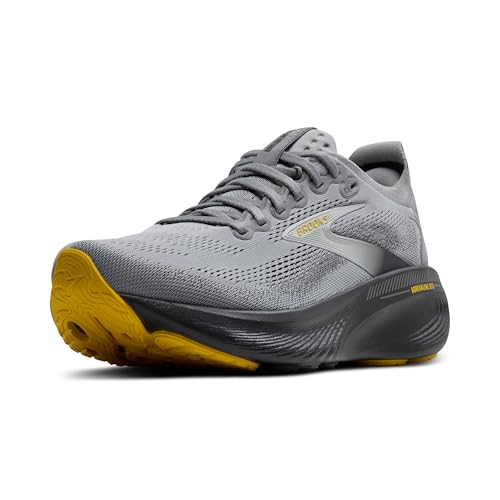
Brooks Adrenaline GTS 25 Running Shoe
What We Like
- GuideRails keep excess movement in check
- Premium nitrogen-infused DNA LOFT v3 cushioning
- Certified PDAC A5500 diabetic shoe
- APMA Seal of Acceptance granted
Trade-offs
- Heavier than some neutral running shoes at 0.7 pounds
- GuideRails system limits ankle freedom for neutral runners.
The GuideRails holistic support system actively guides your foot along its natural motion path while reining in excess movement. This makes the shoe a standout for anyone who needs reliable stability during gym runs or treadmill miles. At just 0.7 pounds, it’s light enough for daily wear yet packed with premium nitrogen-infused DNA LOFT v3 cushioning that stays soft and responsive lap after lap. This is the shoe for runners and walkers who want distraction-free comfort and certified diabetic-friendly design (PDAC A5500) without sacrificing structure or flexibility.
The same support system has a trade-off: if you have a neutral gait and prefer a completely unrestricted feel, the GuideRails might feel like overkill compared to something like the Brooks Revel 8. That shoe skips the guidance tech for a more freewheeling ride. But for anyone who has dealt with overpronation or just wants a shoe that keeps everything lined up without forcing your foot into a rigid cage, the Adrenaline GTS 25 delivers exactly that steady, cushioned experience mile after mile.
Brooks Revel 8 Running Shoe

What We Like
- Smooth distraction-free ride
- Breathable engineered mesh upper
- Lightweight at 0.5 pounds
- APMA Seal of Acceptance
Trade-offs
- Neutral support only, no stability guidance
- No stability features for overpronators
Weighing 0.5 pounds, the Brooks Revel 8 is a lightweight neutral running and walking shoe. Its DNA Loft v2 cushioning adapts to your stride, weight, and speed, helping to deflect impact away from your body. The engineered mesh upper provides enhanced breathability and a sleek design, making it suitable for fitness-focused runners and walkers who want a smooth, distraction-free ride. The RoadTack rubber outsole is lightweight and durable for road use.
The Revel 8 is built for neutral runners and walkers, so it does not offer the medial support that overpronators need. If you have flat feet or tend to roll inward, the Brooks Adrenaline GTS 25 in this guide is a better match with its supportive frame. For anyone who wants a lightweight, cushioned neutral shoe for smooth roads and gym workouts, the Revel 8 delivers a smooth ride.
PUMA Tazon 6 FM Cross Training Shoe

What We Like
- Locked-in fit from midfoot saddle
- SoftFoam+ sockliner for step-in comfort
- EVA heel pod absorbs impact
- TPU shank adds stability during lifts
Trade-offs
- Heavier than dedicated running shoes at 0.8 lb
At 0.8 pounds per shoe, the Tazon 6 is heavier than the Brooks Revel 8 at 0.5 pounds. So if your main goal is logging long miles on a treadmill, you’ll notice the extra weight on each stride.
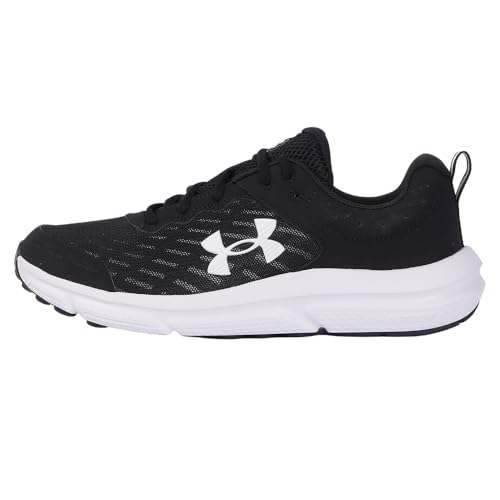
Under Armour Charged Assert 10 Running Shoe
What We Like
- Lightweight breathable mesh upper
- Charged Cushioning for responsiveness and durability
- Solid rubber outsole in high-impact zones
- EVA sockliner for step-in comfort
Trade-offs
- Heavier than Brooks Revel 8 at 1.7 pounds
- Contains chromium hexavalent compounds, a California-listed carcinogen
A 10mm offset and Charged Cushioning midsole give this shoe a responsive, supportive feel that works well for steady gym runs and treadmill sessions without breaking your budget. The lightweight mesh upper breathes easily during longer efforts, while synthetic overlays add durability where you need it most. If you are looking for a reliable daily trainer that keeps comfort front and center without demanding a premium price, this Under Armour delivers exactly that straightforward value.
The trade-off comes in weight: at 1.7 pounds per shoe, it is noticeably heavier than lighter options like the Brooks Revel 8. That may feel clunky if you prefer a snappier, more nimble stride for speed work or shorter intervals. For most gym-goers focused on steady-state cardio and general fitness, however, the durable build and plush cushioning make this a smart, practical choice.
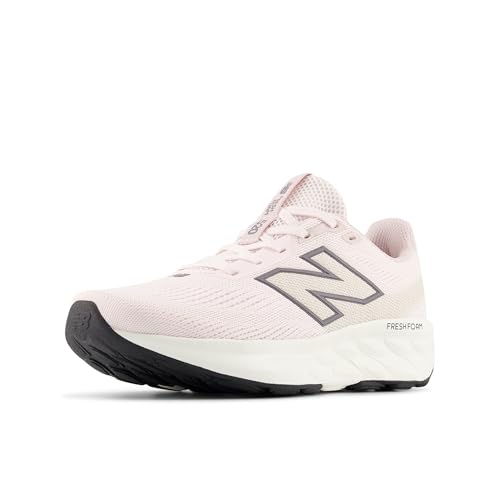
New Balance Fresh Foam 520 v9 Running Shoe
What We Like
- Ultra-cushioned Fresh Foam midsole
- Lightweight at 208.2 grams
- Breathable engineered mesh upper
- Neutral support for everyday runs
Trade-offs
- Neutral support, not for overpronation needs
- Only available in women's sizing
At just 208.2 grams, this shoe keeps your feet feeling light even during longer sessions, while the Fresh Foam midsole delivers plush cushioning that softens every step. The breathable engineered mesh helps air circulate, so your feet stay cooler when the workout heats up. It is designed for everyday running and all-day wear, with neutral support that suits most runners who don’t need motion control.
Neutral support means this shoe won’t correct overpronation, so if you need stability features, you might consider a shoe designed for that purpose. But for runners who don’t require motion control and prioritize a soft, lightweight feel, this New Balance model offers a comfortable ride that keeps the focus on your workout, not your footwear.
adidas Run Falcon 6 Running Shoe

What We Like
- Cloudfoam cushioning for consistent comfort
- Lightweight at 1.5 pounds
- Breathable textile and synthetic upper
- Simple lace closure for secure fit
Trade-offs
- Heavier than Brooks Revel 8 at 0.5 pounds
- No stability or motion-control features listed
The adidas Run Falcon 6 weighs 1.5 pounds, which is light enough for daily gym runs without feeling clunky on your feet. Its Cloudfoam cushioning technology is designed for consistent comfort, so each step lands with a reliable feel that works for treadmill intervals or a quick outdoor jog. The textile and synthetic upper wraps your foot in a breathable, flexible shell, making it a shoe that suits anyone looking for a straightforward, cushioned ride.
At 1.5 pounds, this shoe is heavier than the Brooks Revel 8 (0.5 pounds), so it’s not the lightest option for speed work. But that weight comes with Cloudfoam cushioning, which provides consistent comfort for runs on roads or gym floors. The trade-off is a more substantial feel that many runners appreciate for daily training.
Product photos
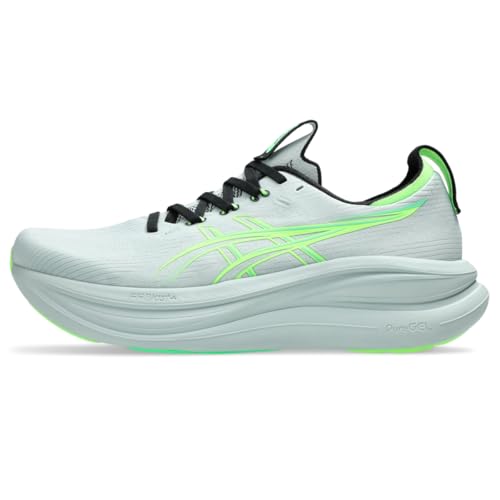
ASICS Gel-Nimbus 28 Running Shoe
What We Like
- PureGEL is 65% softer than standard GEL
- FF BLAST PLUS foam for cloud-like cushioning
- Engineered knit upper is lightweight and breathable
- Reflective details improve low-light visibility
Trade-offs
- At 0.7 lb, heavier than some gym trainers
- Soft foam compresses under heavy loads, reducing stability for lifting
The PureGEL technology in this shoe is roughly 65% softer than standard GEL, which means you get a noticeably plush landing on a treadmill or pavement. That softness pairs with FF BLAST PLUS foam to create a cloud-like ride underfoot, while the engineered knit upper wraps your foot in breathable comfort. If your gym sessions start with running and you want every step to feel forgiving on your joints, this shoe delivers that pillowy sensation without sacrificing responsiveness.
Product photos
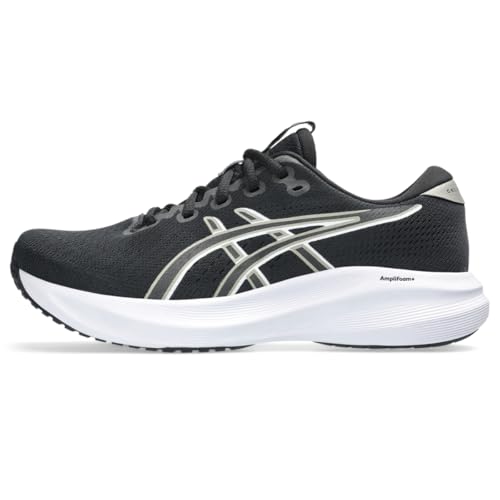
ASICS Gel-Excite 11 Running Shoe
What We Like
- PureGEL technology 65% softer than standard GEL
- AMPLIFOAM PLUS for soft, comfortable ride
- Lightweight, breathable engineered mesh upper
- Reflective details improve low-light visibility
Trade-offs
- At 1.7 lb, heavier than Brooks Revel 8
- No stability features for overpronation
A 65% softer PureGEL update over standard GEL technology means every step lands with noticeably less shock, making this shoe a natural match for anyone whose joints complain after a treadmill session or leg day. The AMPLIFOAM PLUS midsole doubles down on that plush feel, so you can log recovery miles or cool-down jogs without feeling every crack in the gym parking lot. It is built for comfort-first runners who want a forgiving ride straight out of the box, especially if you are newer to running or just need a shoe that does not add to your soreness.
That softness comes at a weight cost: at 1.7 pounds, this shoe is noticeably heavier than the Brooks Revel 8, so it will not feel snappy for speed intervals or tempo work. The shoe also runs small, so check sizing carefully. If you prioritize a pillowy ride over weight or pace, the Gel-Excite 11 delivers that cloud-like feel without the premium price tag of the ASICS Gel-Nimbus 28.
Product photos
Under Armour Charged Edge Cross Training Shoe

What We Like
- Breathable mesh upper for airflow
- Dual-layer Ortholite sockliner for comfort
- Charged Cushioning midsole for responsiveness
- Strategic outsole pattern for pivot traction
Trade-offs
- Leather overlays add weight for pure running
- Cross-training focus limits long-run cushioning
The full rubber outsole with its strategic pivot pattern gives this shoe a clear edge when you’re changing direction fast, think agility drills, lateral lunges, or quick cuts during a circuit. That traction is paired with a Charged Cushioning midsole made from compression molded foam, which delivers a responsive feel underfoot without sacrificing durability. The breathable mesh upper, reinforced with leather and synthetic overlays, keeps your foot stable during dynamic movements while the dual-layer Ortholite sockliner makes stepping in feel plush from the first wear. This is a shoe built for gym floors where you pivot, plant, and push, not for logging mile after mile on pavement.
The breathable mesh upper with leather and synthetic overlays provides durability and stability during dynamic movements, making it suited for cross-training activities. Both this shoe and the Brooks Revel 8 weigh 0.5 pounds, but the Charged Edge is categorized as a cross-training shoe while the Revel 8 is a neutral running shoe. If you need stability for lateral moves and pivots, this shoe fits that role; for pure running, a dedicated running shoe may be a better match.
Product photos
PUMA Voltaic Evo Cross Training Shoe

What We Like
- Plush SOFTFOAM+ step-in comfort
- 10CELL heel cushioning for stability
- Full-length rubber outsole traction
- TPU toe cap for durability
Trade-offs
- Heel cushioning focused, not minimalist
- Cross-training design, not pure running shoe
SOFTFOAM+ cushioning delivers a plush feel from the first lace-up to the last stride, built for long-lasting comfort on the run and beyond. 10CELL in the heel adds comfort and stability, helping you stay steady when the pace picks up. The full-length rubber outsole grips the ground for confident takeoffs, quick turns, and everyday road runs. A TPU toe cap helps toughen up high-wear zones, while the cage overlay creates a secure lacing structure. This is a shoe for anyone who wants a comfortable, stable ride for daily miles and cross-training.
The Voltaic Evo is built for step-in comfort and stability, not for sprint intervals. SOFTFOAM+ cushioning delivers a plush feel from the first lace-up to the last stride, and 10CELL in the heel adds comfort and stability. For daily gym-goers who value softness and a secure fit, this cross-training shoe provides traction with full-length rubber coverage and a locked-in feel from the TPU toe cap and cage overlay.
Product photos
How We Evaluated Gym Running Shoes
We started by combing through manufacturer specifications and design notes for each shoe, paying close attention to cushioning type, weight, outsole patterns, and support features. From there we reviewed expert round-ups from fitness and footwear publications to understand which technologies deliver real-world performance. Finally, we looked for consistent patterns in owner feedback, what people actually say after weeks of treadmill miles, cross-training sessions, and daily wear.
Three criteria mattered most. Cushioning and ride feel came first because a shoe that feels great on a five-mile treadmill run might feel mushy during squat warm-ups. Support and stability separated the neutral shoes from the motion-control options. That distinction is critical for runners who overpronate or lift heavy. Versatility across gym activities helped us identify shoes that can handle a run, a HIIT circuit, and a strength session without forcing a compromise.
The honest limit of a research-led evaluation is that we cannot replicate the break-in period or the specific feel of a shoe on your foot. What we can do is give you the technical facts and the patterns that matter, your best bet is to try on a shortlist based on these criteria.
What To Look For In Gym Running Shoes
Finding the right gym running shoe means balancing cushioning, stability, weight, and versatility. Here is what to look for before you buy.
Look for a shoe that matches your foot strike and gym routine: plush cushioning for long treadmill miles, stable platform for lifting, and a secure fit that does not slip during lateral drills.
Cushioning Type and Density
Cushioning is not one-size-fits-all. Shoes like the ASICS Gel-Nimbus 28 use PureGEL and FF BLAST PLUS foam for a cloud-like feel that protects joints on recovery days. The New Balance Fresh Foam 520 v9 uses an ultra-cushioned Fresh Foam midsole that keeps weight down to 208.2 grams. For lifters, denser foam found in the PUMA Tazon 6 FM or the Under Armour Charged Edge resists compression under heavy loads, keeping your foot stable during squats and deadlifts.
Support and Stability Features
If your arches roll inward when you run (overpronation), look for guidance systems like Brooks’ GuideRails, which keep excess movement in check without forcing your foot into a rigid position. Neutral runners have more freedom but should avoid stability shoes that restrict natural ankle motion. For gym work that involves lateral drills, a wider base and a TPU shank, like the one in the PUMA Tazon 6 FM, adds torsional stability that a pure running shoe lacks.
Weight and Outsole Traction
Heavier shoes (around 0.7 to 0.8 pounds) offer more cushioning and durability but can feel sluggish during speed work. Lighter options like the Brooks Revel 8 at 0.5 pounds are ideal for treadmill intervals. Outsole patterns matter too: the Under Armour Charged Edge uses a strategic pattern for pivot traction, making it a strong choice for HIIT and agility drills. A full-length rubber outsole, like the one on the PUMA Voltaic Evo, extends durability on concrete and asphalt.
- Check the shoe’s weight on the manufacturer spec sheet, every half-pound matters on long runs.
- Press the heel counter to see if it feels rigid enough to lock your heel in place.
- Twist the shoe gently to test torsional stiffness; a shoe that twists too easily lacks lateral support.
- Look for reflective details if you run outdoors in low light, as the ASICS Gel-Nimbus 28 and Gel-Excite 11 offer.
- Read the intended use description: “cross training” usually means better lateral support; “running” means more forward-motion cushioning.
A good gym running shoe should feel planted during a squat and cushioned during a mile, if it only does one well, it is not the right pair for a mixed routine.
Gym Running Shoes Compared
The table below compares the ten gym running shoes side by side, highlighting their strengths, key specs, and best-use scenarios so you can see at a glance which pair fits your routine.
| Product | Cushioning | Closure | Weight |
|---|---|---|---|
| Brooks Adrenaline GTS 25 Running Shoe | DNA LOFT v3 nitrogen-infused | Lace-up | 0.7 pounds |
| Brooks Revel 8 Running Shoe | DNA Loft v2 | N/A | 0.5 pounds |
| PUMA Tazon 6 FM Cross Training Shoe | SoftFoam+ sockliner | Lace-up | 0.8 pounds |
| Under Armour Charged Assert 10 Running Shoe | Charged Cushioning midsole | N/A | 1.7 pounds |
| New Balance Fresh Foam 520 v9 Running Shoe | Fresh Foam midsole | Lace-up | 208.2 grams |
| adidas Run Falcon 6 Running Shoe | Cloudfoam | Laces | 1.5 pounds |
| ASICS Gel-Nimbus 28 Running Shoe | FF BLAST PLUS | N/A | 0.7 pounds |
| ASICS Gel-Excite 11 Running Shoe | AMPLIFOAM PLUS | N/A | 1.7 pounds |
| Under Armour Charged Edge Cross Training Shoe | Charged Cushioning | N/A | 0.5 pounds |
| PUMA Voltaic Evo Cross Training Shoe | SOFTFOAM+ and 10CELL | N/A | N/A |
Frequently Asked Questions
Can I use running shoes for weightlifting?
Not ideally. Most running shoes have soft, compressible foam that can make you feel unstable under a heavy barbell. If you lift regularly, look for a cross-training shoe or a model with a firmer midsole and a wider base. Our comparison of lifting shoes vs running shoes explains the key differences in platform stability and heel drop.
What is the difference between neutral and stability running shoes?
Neutral shoes offer cushioning without correcting your foot’s natural motion. Stability shoes use firmer foam posts or guidance systems, like Brooks’ GuideRails, to reduce excessive inward rolling (overpronation). If you are unsure of your gait, a running store can do a quick analysis, but many gym-goers with flat feet or a history of ankle issues prefer stability models.
How often should I replace gym running shoes?
Most manufacturers recommend replacing running shoes after several hundred miles. For gym use, where mileage is lower but lateral stress is higher, watch for signs like flattened cushioning, uneven outsole wear, or new aches in your knees or shins. A good rule is to replace them when the midsole no longer bounces back after compression.
Are cross-training shoes good for running?
Cross-training shoes work for shorter runs (up to three to five miles) but lack the forward-motion cushioning and heel-toe transition of dedicated running shoes. For treadmill work and HIIT circuits, a model like the PUMA Tazon 6 FM or Under Armour Charged Edge is fine. For longer outdoor miles, you will want a proper running shoe like the Brooks Adrenaline GTS 25.
What should I look for in a treadmill running shoe?
Treadmill running does not require aggressive tread, so a smooth outsole with good flex works best. Focus on cushioning and breathability since the belt is more forgiving than pavement. Our guide to treadmill running shoes covers the specific features that make a shoe excel on the mill, including lightweight mesh uppers and responsive midsoles.
The Bottom Line
The Brooks Adrenaline GTS 25 Running Shoe is the best overall pick for gym-goers who want reliable motion control, plush cushioning, and certified diabetic-friendly design in a single pair. It handles treadmill miles, walk breaks, and everyday wear without compromising support. If you have flat feet or overpronate, this is the shoe to start with.
Budget-conscious shoppers should look at the Under Armour Charged Assert 10 for durable cushioning at a lower entry point. Those who split time between running and lifting will get the most versatility from the PUMA Tazon 6 FM Cross Training Shoe. Runners who prioritize a light, distraction-free ride will prefer the Brooks Revel 8.
The single most important factor is matching the shoe to your foot’s support needs and your gym’s actual mix of activities. A stability shoe for a neutral runner wastes cushioning; a neutral shoe for an overpronator risks injury. Know your gait, know your routine, and choose accordingly.
