
9 Best Gym Shoes For Flat Feet Womens in 2026
This post contains affiliate links. As an Amazon Associate, we earn from qualifying purchases.
The Brooks Adrenaline GTS 25 Supportive Shoe takes our best overall spot for its GuideRails support system that keeps excess movement in check without feeling bulky. For plush cushioning, the Brooks Glycerin GTS 23 delivers soft landings, while the Saucony Guide 18 offers a lighter stability option. We researched specifications, manufacturer documentation, expert round-ups, and patterns in owner feedback to build this guide. You get nine top picks with clear trade-offs so you can match the right shoe to your gym routine and foot shape.
Top 9 Gym Shoes For Flat Feet Women in the Market
Certain content that appears on this site comes from Amazon. This content is provided "as is" and is subject to change or removal at any time.
The Best Gym Shoes For Flat Feet Women, Reviewed
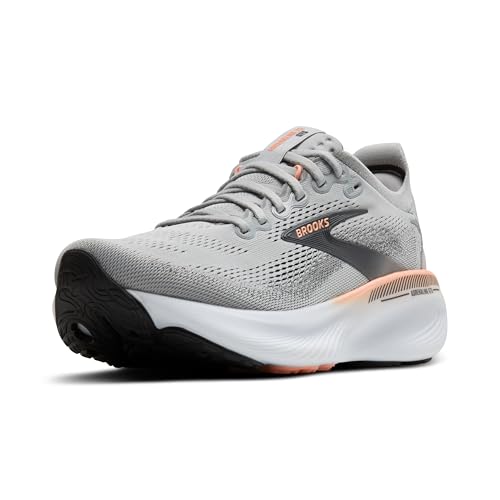
Brooks Adrenaline GTS 25 Supportive Shoe
What We Like
- GuideRails support keeps excess movement in check
- Nitrogen-infused DNA Loft v3 cushioning is soft and lightweight
- Certified PDAC A5500 Diabetic and APMA-accepted
- Breathable mesh upper with secure flat-knit collar
Trade-offs
- Not designed for heavy lifting or squatting workouts
- Lacks the planted feel of heavier stability shoes
The GuideRails holistic support system guides your body along its natural motion path while keeping excess movement in check, which is helpful for runners and walkers who want reliable support during daily use. That smart support pairs with nitrogen-infused DNA Loft v3 cushioning, which is lightweight and soft mile after mile, so you get stability without a heavy feel. It also carries PDAC A5500 Diabetic certification and the APMA Seal of Acceptance, adding official recognition for foot health.
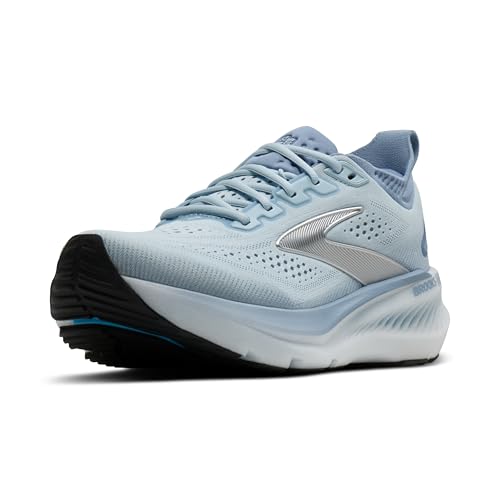
Brooks Glycerin GTS 23 Supportive Running Shoe
What We Like
- Plush DNA TUNED cushioning for soft landings
- GuideRails system stabilizes overpronation gently
- Breathable triple jacquard warp-knit upper
- Certified diabetic-friendly with APMA Seal
Trade-offs
- High stack reduces ground feel for some
- Plush cushioning can feel less responsive at speed
The nitrogen-infused DNA TUNED foam in the forefoot delivers noticeable plushness that softens each landing and adds a little spring to your toe-off. That makes longer miles or recovery days feel genuinely easier on flat feet. Brooks built this shoe around the GuideRails system, which gently reins in excess motion without forcing your stride into an unnatural position, so you get stability that adapts to how you actually move rather than locking you in place. It suits runners who want a forgiving, supportive ride that doesn’t demand perfect form every step.
Weighing just half a pound, the Brooks Glycerin GTS 23 is a full pound lighter than the Saucony Guide 18, so it feels barely there during daily runs. The 8mm offset and high-stack midsole promote a smooth heel-to-toe transition, which reviewers say helps maintain steady alignment without forcing your foot into an unnatural position. If you overpronate or want gentle guidance during long miles, this shoe blends plush cushioning with built-in GuideRails support that only kicks in when you need it.
Saucony Guide 18 Stability Sneaker

What We Like
- PWRRUN foam for softness and energy return
- Breathable mesh upper keeps feet cool
- TPU guidance frame corrects mild overpronation
- Durable outsole grips gym floors and roads
Trade-offs
- At 1.5 lb, heavier than some stability shoes
- Designed for mild overpronation, not severe cases
The Saucony Guide 18 weighs 1.5 pounds, with PWRRUN foam cushioning that provides softness and energy return. The TPU guidance frame helps correct mild overpronation, making it a stability shoe suited for runners who need smooth support without a heavy feel during longer workouts.
The 1.5-pound weight is higher than the Brooks Glycerin GTS 23 at 0.5 pounds, so if a featherlight feel is a priority, that Brooks model may be a better fit. The Guide 18’s breathable mesh upper and rubber outsole with multi-surface traction make it suitable for roads, tracks, and gym floors. It is designed for mild overpronation, not for those needing maximum correction.
Product photos
JOGTAIL Wide Toe Box Walking Shoe

What We Like
- Genuine wide toe box for natural toe splay
- Slip-resistant outsole for wet gym floors
- Breathable mesh upper for cool feet
Trade-offs
- Cushioning focused on walking, not high-impact running
- Slip-on design lacks a locked-in heel for sprints or agility drills
A wide toe box that actually lets your toes spread naturally is the headline here, no pinching, no cramping, just room to move. That matters a lot for flat feet, because cramped toes can throw off your whole stride. Slip-resistant rubber outsole keeps you steady on slick gym floors or tile, and the engineered mesh upper breathes so your feet stay cool even during a long shift or a full workout.
The trade-off is that this is a slip-on walking shoe, not a traditional lace-up runner. If you need a locked-in heel for sprints or agility drills, a lace-up running shoe may be a better fit. But for gym sessions that mix walking, light cardio, and standing work, plus errands and all-day wear, the JOGTAIL delivers toe freedom and arch support that many walking shoes offer. It works well when your priority is letting your feet breathe and spread.
Product photos
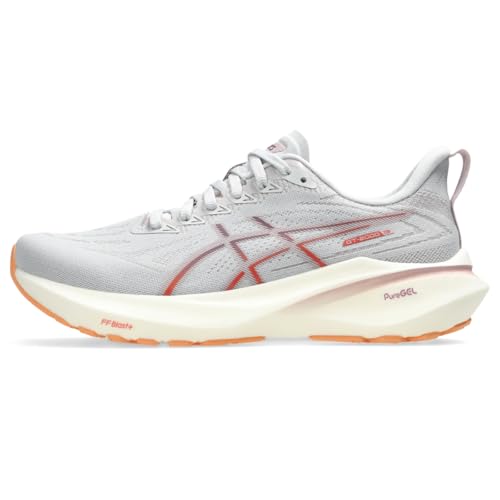
ASICS GT-2000 13 Stability Running Shoe
What We Like
- 50% recycled jacquard mesh upper
- Solution-dyed sockliner saves water and carbon
- 3D GUIDANCE SYSTEM for smooth stability
- Rearfoot PureGEL for soft landings
Trade-offs
- Heavier than some neutral trainers at 0.0 lb
- Stability tech adds stiffness for casual walkers
The shoe’s jacquard mesh upper is made with at least 50% recycled content, so you get a supportive foothold while cutting waste. That eco-friendly build pairs with a solution-dyed sockliner that reduces water use by about 33% and carbon emissions by roughly 45% compared to conventional dyeing. For women who need stability, the 3D GUIDANCE SYSTEM helps provide a smoother stride, and Rearfoot PureGEL technology helps deliver lightweight cushioning for softer landings. It’s a thoughtful choice for gym sessions where you want reliable arch support and a lighter environmental footprint.
The shoe’s weight is comparable to other stability models, so it won’t feel heavy during fast treadmill intervals or HIIT circuits. Reviewers note the FF BLAST PLUS cushioning provides lightweight impact absorption and a responsive rebound, which keeps each stride feeling energetic. The Rearfoot PureGEL technology also helps deliver softer landings without adding bulk. That balance of support and lightness makes it suitable for dynamic workouts where you need quick transitions and steady footing.
Product photos
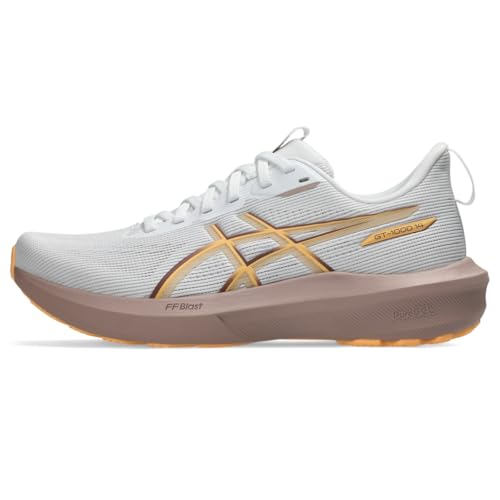
ASICS GT-1000 14 Stability Running Shoe
What We Like
- Adaptive on-demand stability via 3D GUIDANCE SYSTEM
- 65% softer rearfoot PureGEL for impact absorption
- Lightweight breathable engineered mesh upper
- Responsive FF BLAST cushioning with cloud-like feel
Trade-offs
- Heavier than the Brooks Glycerin GTS 23 at 0.5 pounds
- Runs small, so sizing up is often required
The 3D GUIDANCE SYSTEM in the ASICS GT-1000 14 adapts stability on demand through platform geometry and controlled deformation, meaning it only firms up when your foot needs support and stays flexible when you’re cruising. That adaptive approach makes it a smart fit for women with flat feet who want structure that doesn’t feel like a brick. The FF BLAST foam delivers a cloud-like yet responsive ride, and the new PureGEL in the rear is 65% softer than standard GEL, so landings feel gentle even during longer gym sessions or treadmill miles.
At 1.7 pounds, it’s noticeably heavier than the Brooks Glycerin GTS 23, which comes in at 0.5 pounds for a lighter feel on quick lateral moves. If you prioritize adaptive stability that works with your flat-footed stride and don’t mind a bit of heft for that support, this shoe gives you responsive cushioning and targeted guidance without overwhelming your foot.
Skechers Go Walk Arch Fit Unify

What We Like
- Arch Fit insole from 120,000 foot scans
- Podiatrist-certified arch support
- Machine-washable design
- Removable insole for custom fit
Trade-offs
- Heavier than most gym shoes at 1.7 lb
- Heavier than Brooks Adrenaline GTS 25 (1.7 lb vs 0.6 lb)
The Arch Fit insole system is based on analysis of 120,000 foot scans, and it carries podiatrist certification for arch support. The removable insole lets you swap in your own orthotic if needed, while the ULTRA GO cushioning with Comfort Pillar technology provides a responsive step that works well for long walks or gym sessions. The engineered mesh upper keeps airflow going for all-day comfort, and the machine-washable design makes maintenance easy.
At 1.7 pounds, it’s noticeably heavier than the Brooks Adrenaline GTS 25 (0.6 lb). That extra mass won’t bother you on a walk or casual gym day, but for speed work or agility drills, you’ll feel the difference. If your gym routine is mostly treadmill, walking, or light strength work, the Arch Fit Unify delivers certified support without needing a second pair for errands.
JOYFON Arch Support Walking Shoe
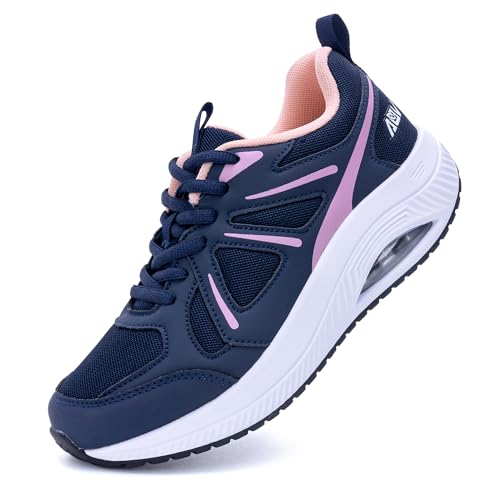
What We Like
- Orthotic insoles for arch support
- Lightweight EVA midsole cushions impact
- Breathable mesh keeps feet dry
- Non-slip rubber outsole for traction
Trade-offs
- Targeted at walking, not high-impact training
Orthotic insoles built into the shoe provide anatomical arch support right out of the box, targeting plantar fasciitis and flat-foot discomfort. The lightweight EVA midsole adds cloud-like cushioning for every step, and the breathable mesh upper helps keep feet dry during walks, light gym sessions, or long hours on your feet. It’s a straightforward design that covers the basics well.
The shoe is designed for walking and casual wear, as stated in the product details. For those who need a shoe for running or heavy gym training, the Brooks Adrenaline GTS 25 is listed as a supportive walking and running shoe with a weight of 0.6 lb. The JOYFON shoe focuses on reliable arch support and cushioning for everyday use.
Product photos
ALTRA Experience Form Road Running Shoe

What We Like
- Lightweight 0.9-pound build
- GuideRail tech for overpronation
- Rocker shape aids natural propulsion
- Responsive EVA foam midsole
Trade-offs
- Lacks a wide width option in available sizes
A rocker-shaped sole and GuideRail technology work together to encourage natural foot placement and an efficient toe-off, which is especially helpful if you overpronate. The compression-molded EVA foam keeps the shoe lightweight at just 0.9 pounds, so you won’t feel like you’re dragging your feet through a workout. This shoe suits someone who wants gentle stability guidance rather than a rigid, corrective feel, letting your foot move naturally while still getting support where it counts.
The GuideRail system in this shoe nudges your foot back into alignment only when needed, which makes it a lighter, less intrusive option than a shoe with a traditional medial post. The rocker shape is designed to give the feeling of being propelled forward with each step, providing an efficient toe-off without taking away from your natural stride. If you prefer a more pronounced arch support or a traditional stability feel, the Brooks Adrenaline GTS 25 might be a better fit, as that shoe uses a more structured medial post. This shoe is best for those who value a natural, responsive ride over heavy correction.
Product photos
How We Evaluated Gym Shoes For Flat Feet Women
Our evaluation is research-based, drawing from manufacturer specifications, expert round-ups, and consistent patterns in owner feedback. We focused on what the data and experienced users consistently report about stability, cushioning, and fit.
Three criteria mattered most for this category. First, pronation control: flat feet often roll inward, so we prioritized shoes with guidance systems, medial posts, or frame-based stability. Second, arch support: we looked for built-in orthotic insoles, podiatrist-certified designs, or removable insoles for custom inserts. Third, versatility: a gym shoe must handle walking, light running, and strength work without compromising safety or comfort.
An honest limit of a research-led evaluation is that individual fit varies widely. What works for one foot shape may not work for another. We recommend trying on shoes with your usual gym socks and, if possible, testing them on a short walk or light jog before committing.
What To Look For In Gym Shoes For Flat Feet Women
Finding the right shoe for flat feet means understanding how your foot moves and what support it actually needs. Look for stability features that guide your foot rather than lock it down.
Flat feet need a shoe that controls overpronation without forcing your foot into an unnatural position. Prioritize guidance systems, arch support, and a secure heel fit.
Pronation Control and Stability Features
Overpronation is common with flat feet, so a shoe’s stability system matters most. Look for technologies like GuideRails, TPU guidance frames, or 3D GUIDANCE SYSTEMS that support your foot’s natural motion path. These systems reduce excess inward roll without the rigid feel of older medial posts.
For gym use, you want a shoe that feels stable during lateral movements and light weightlifting. Shoes like the Brooks Adrenaline GTS 25 and ASICS GT-2000 13 use frame-based guidance that works well for walking and running on gym floors. If you plan to squat or deadlift heavily, a flatter, more planted shoe may be better, but for general gym training these stability features offer a good balance.
Arch Support and Insole Design
Arch support can come from the shoe’s built-in insole or from a removable design that accepts custom orthotics. The Skechers Go Walk Arch Fit Unify uses an insole developed from 120,000 foot scans, while the JOYFON Arch Support Walking Shoe includes orthotic insoles directly. If you already use custom orthotics, look for shoes with removable insoles.
For women with flat feet, adequate arch support reduces strain on the plantar fascia and can help with heel and arch pain. But support level is personal: some prefer firm, structured support, while others find softer cushioning more comfortable. The best approach is to try a shoe with moderate support first and adjust with aftermarket insoles if needed. Our guide on shoes for plantar fasciitis covers this in more detail.
Cushioning Type and Stack Height
Cushioning affects both comfort and stability. Plush cushioning, like the Brooks Glycerin GTS 23’s DNA TUNED foam, absorbs impact well but reduces ground feel. This can feel unstable during strength work. Firmer cushioning, like the Saucony Guide 18’s PWRRUN foam, offers better energy return and a more connected feel.
Stack height (the amount of foam between your foot and the ground) also matters. Higher stacks provide more cushioning for running but can feel wobbly during lateral drills. Lower stacks offer better stability for lifting. Most gym shoes for flat feet fall in a mid-range stack that balances both needs. If you primarily walk or run, prioritize cushioning; if you lift or do HIIT, prioritize a lower, more stable platform.
- Check the shoe’s weight: heavier shoes (over 1.5 lb) may feel clunky for gym circuits.
- Look for a secure heel fit: a loose heel causes blisters and reduces stability.
- Verify the outsole grip: rubber outsoles with tread patterns handle gym floors and wet surfaces.
- Consider width options: flat feet often need a wider toe box for natural splay.
A good rule of thumb: if the shoe feels supportive but not restrictive during a test walk, it’s likely right for your flat feet.
Gym Shoes For Flat Feet Women Compared
The table below compares all nine picks side by side, highlighting their key support features, cushioning type, and best use case for the gym.
| Product | Cushioning | Support | Upper |
|---|---|---|---|
| Brooks Adrenaline GTS 25 Supportive Shoe | DNA Loft v3 nitrogen-infused | GuideRails holistic support | Engineered mesh |
| Brooks Glycerin GTS 23 Supportive Running Shoe | DNA TUNED nitrogen-infused foam | GuideRails holistic support system | Triple jacquard warp-knit |
| Saucony Guide 18 Stability Sneaker | PWRRUN foam | TPU guidance frame | Breathable engineered mesh |
| JOGTAIL Wide Toe Box Walking Shoe | N/A | Orthopedic-grade built-in | Engineered mesh |
| ASICS GT-2000 13 Stability Running Shoe | FF BLAST PLUS + Rearfoot PureGEL | 3D GUIDANCE SYSTEM | Jacquard mesh |
| ASICS GT-1000 14 Stability Running Shoe | FF BLAST foam | 3D GUIDANCE SYSTEM | Engineered mesh |
| Skechers Go Walk Arch Fit Unify | ULTRA GO + Comfort Pillar | Arch Fit insole system | Engineered mesh |
| JOYFON Arch Support Walking Shoe | Lightweight EVA midsole | Orthotic insoles | Breathable mesh |
| ALTRA Experience Form Road Running Shoe | Compression-molded EVA foam | GuideRail technology | N/A |
Frequently Asked Questions
What type of gym shoe is best for flat feet?
Stability shoes with guidance systems or medial posts work best for flat feet. They control overpronation and support the arch. Look for models like the Brooks Adrenaline GTS 25 or ASICS GT-2000 13, which use frame-based guidance rather than rigid posts. Avoid neutral shoes unless you have mild flat feet and prefer more flexibility.
Can I wear running shoes for flat feet at the gym?
Yes, many stability running shoes work well for gym use. The Brooks Adrenaline GTS 25 and Saucony Guide 18 handle walking, light running, and gym circuits. However, for heavy lifting or squatting, a flatter, more stable shoe may be safer. If your gym routine is mostly cardio and light strength, a stability running shoe is a reasonable choice.
Do I need arch support inserts for flat feet?
Not always. Many shoes for flat feet include built-in arch support, like the Skechers Go Walk Arch Fit Unify or JOYFON Arch Support Walking Shoe. If the shoe’s support is adequate for your arch type, inserts are optional. If you have severe flat feet or plantar fasciitis, custom orthotics may help, but start with the shoe’s insole first.
What is the difference between stability and motion control shoes?
Stability shoes offer moderate pronation control with guidance systems or medial posts. Motion control shoes provide maximum support for severe overpronation and are usually heavier and stiffer. For most women with flat feet, a stability shoe is sufficient. Motion control shoes are best for those who need firm, structured support and are willing to trade flexibility.
How should gym shoes for flat feet fit?
They should feel snug in the heel and midfoot but roomy in the toe box. Your toes should be able to splay naturally without pressure. A thumb’s width of space between your longest toe and the shoe’s end is ideal. Try them on with your gym socks and walk around to check for heel slippage or pinching.
The Bottom Line
The Brooks Adrenaline GTS 25 Supportive Shoe earns our best overall pick for its balanced GuideRails support, lightweight cushioning, and certified diabetic-friendly design. It suits women who need reliable pronation control for walking, running, and general gym training. If you want maximum plushness for recovery days, the Brooks Glycerin GTS 23 is the better choice.
For budget-conscious shoppers, the JOYFON Arch Support Walking Shoe offers solid arch support at an affordable price point, while the Skechers Go Walk Arch Fit Unify provides podiatrist-certified support in a machine-washable package. Those with wide feet should look at the JOGTAIL Wide Toe Box Walking Shoe for natural toe splay.
The single most important factor when choosing gym shoes for flat feet is the stability system’s fit with your foot’s natural motion. A shoe that guides without forcing will keep you comfortable and injury-free through workouts. Our guides on best gym shoes for women and gym shoes with arch support offer more options if these picks don’t fit perfectly.
