
10 Best Nike Workout Shoes in 2026
This post contains affiliate links. As an Amazon Associate, we earn from qualifying purchases.
The Nike Free Metcon 5 Training Shoes earn our best overall spot by pairing a wide, stable heel for lifting with a soft foam core that cushions dynamic movement. For heavy lifters, the Nike Metcon 10 Training Shoes deliver a hyperlift plate and sticky outsole. Anyone focused on lateral drills should consider the Nike MC Trainer 4 Workout Shoes.
Finding a single shoe that handles both a heavy squat and a box-jump circuit is the real challenge. Too much heel lift hurts stability under a barbell, and too little cushioning punishes every landing. You need a shoe that balances rigidity where it counts with flexibility where you move.
We built this guide by analyzing manufacturer specs, expert round-ups, and patterns in owner feedback across ten models. Our goal is to help you match the right shoe to your training style without guesswork.
Top 10 Nike Workout Shoes in the Market
Certain content that appears on this site comes from Amazon. This content is provided "as is" and is subject to change or removal at any time.
The Best Nike Workout Shoes, Reviewed
Nike Free Metcon 5 Training Shoes

What We Like
- Wide heel for stable weight lifting
- Soft foam core cushions impact
- Internal weave supports quick direction changes
Trade-offs
- Heavier than many training shoes at 1.8 pounds
The wide heel gives you a planted base for squats and deadlifts, so you can focus on pushing through your legs instead of wobbling around. That stability, paired with a softer foam core that cushions every landing, makes this shoe a natural fit for anyone mixing heavy lifts with high-intensity intervals or agility drills. It’s the kind of balanced design that keeps you comfortable grinding through a strength block or sprinting between stations.
The trade-off is weight: at 1.8 pounds, these are noticeably heavier than the Nike Metcon 10 (1.0 pounds), so if you’re doing a lot of explosive plyometrics or long cardio sessions, that extra heft might feel a bit clunky. But for the lifter who wants one shoe that can handle both barbell work and quick lateral moves without swapping out, the Free Metcon 5 delivers where it counts. Not ideal for pure runners or those who prioritize light weight over stability.
Product photos
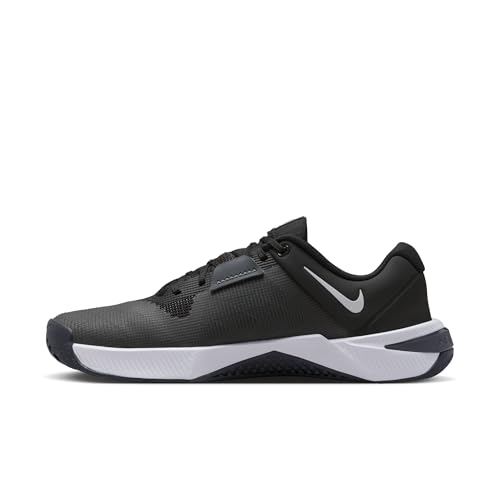
Nike Metcon 10 Training Shoes
What We Like
- Hyperlift plate for heavy lift stability
- Wider toe box for toe splay
- ReactX foam for energy return
- Sticky outsole for sweaty surfaces
Trade-offs
- 1.0 pounds is heavier than MC Trainer 4
- Stiff heel plate limits walking comfort
A Hyperlift plate under the heel gives you a rock-solid platform for squats, deadlifts, and cleans, exactly where you need stability most. The wider toe box compared to the Metcon 9 lets your toes spread naturally, helping you drive power through your whole foot. If heavy lifting is your priority, this shoe is built to keep you planted and focused on form, not on wobbling or slipping.
At 1.0 pounds, the Metcon 10 is heavier than the MC Trainer 4, but the Hyperlift plate under the heel is built for stability during heavy lifts like squats and deadlifts, not for casual walking. That trade-off makes sense if your workout centers on barbell work. For dedicated lifters who want maximum stability under load, this shoe delivers.
This shoe is built for heavy lifters who need a stable platform for squats, deadlifts, and cleans. The Hyperlift plate and wider toe box support power transfer and toe splay during heavy lifts. It is not designed for runners or those who prioritize a lightweight feel for mixed cardio, as the 1.0-pound weight and stiff heel plate prioritize stability over flexibility.
Nike Metcon 10 Training Shoes

What We Like
- Hyperlift plate for heavy lifts
- ReactX foam for responsive cushioning
- Wider toe box than Metcon 9
Trade-offs
- Heel clip adds bulk for handstand push-ups
- Heavier than some cross-training shoes at 1.0 pounds
This is the shoe for anyone who spends half their gym session under a barbell and the other half jumping onto boxes or sprinting through circuits.
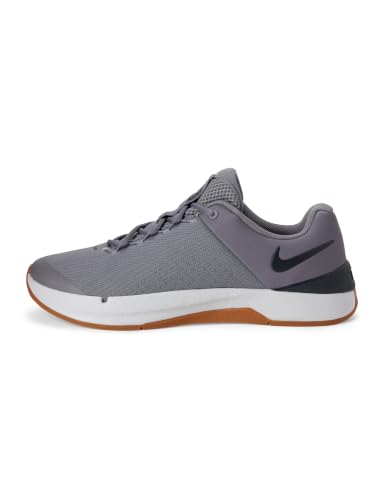
Nike MC Trainer 4 Workout Shoes
What We Like
- Flat base for lateral stability
- Forefoot flex grooves for flexibility
- Foam midsole for soft cushioning
- Rubber traction for multi-directional movement
Trade-offs
- Foam midsole less responsive for explosive moves
- Lacks dedicated support for heavy deadlifts or squats
A flat, stable base keeps you grounded during lateral movements like shuffles or agility drills, which is the key reason to consider the Nike MC Trainer 4 for gym sessions that involve quick side-to-side work. Forefoot flex grooves let your foot bend naturally where it needs to, while the foam midsole adds soft cushioning to help you feel secure during rigorous activity. The rubber outsole gives versatile traction for moving in multiple directions.
Product photos
Nike Air Monarch IV Workout Shoes

What We Like
- Leather and synthetic leather upper
- Full-length Nike Air cushioning
- Solid rubber outsole for traction
Trade-offs
- Heavier than the Nike Flex Train at 0.7 pounds.
- Not designed for women's sizing or fit.
A full-length Nike Air unit runs under the entire foot, providing consistent cushioning with every step. The leather and synthetic leather upper offers a traditional, durable look that holds up to repeated use, and the solid rubber outsole delivers reliable traction on various surfaces. This shoe suits anyone who values straightforward durability over flashy updates and wants a dependable partner for steady gym sessions.
At just 0.6 pounds, these shoes are lighter than the Nike MC Trainer 4 (0.7 pounds), so they won’t weigh you down during most gym sessions. That weight keeps them comfortable for steady lifting or walking, though if you need an ultra-light feel for fast lateral drills, you might prefer a different model. What you get in exchange is a leather and synthetic leather upper that holds up well over time, giving the shoe a classic look that lasts.
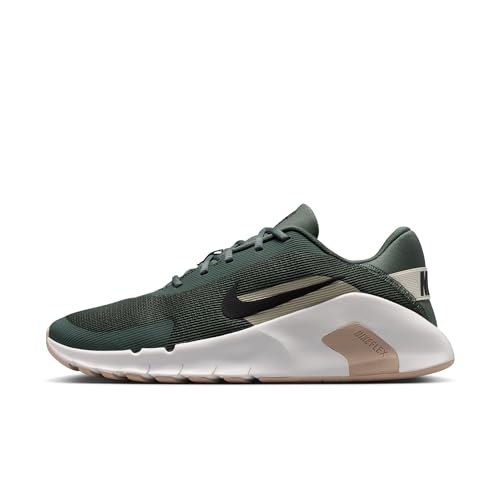
Nike Flex Train Workout Shoes
What We Like
- Rubber outsole cutouts boost flexibility
- Forefoot slits add extra bend
- Full-length foam midsole cushions each step
- Mesh upper is lightweight and breathable
Trade-offs
- Mesh upper offers less lateral lockdown than leather
- Not ideal for heavy lateral movements or side-to-side drills
A rubber outsole with built-in cutouts and thin forefoot slits means this shoe bends and twists with your foot through lunges, burpees, and agility drills. That flexibility is the whole point here, it lets you move naturally during dynamic workouts without feeling like you are fighting stiff rubber. The full-length foam midsole keeps landings comfortable, and the mesh upper breathes well enough for high-rep circuits. If your training leans toward mobility work, HIIT classes, or anything that demands quick direction changes, this design supports that freedom of motion right out of the box.
The same flexible construction and lightweight mesh that make it great for movement also mean less structure for heavy barbell work. The elastic heel band helps with snugness, but it won’t lock you in the way a stiffer trainer like the Metcon 10 does for squats or deadlifts. At 0.7 pounds, it is noticeably lighter than the Metcon 10. This is a shoe for the gym-goer who values flexibility and lightweight feel over rigid stability.
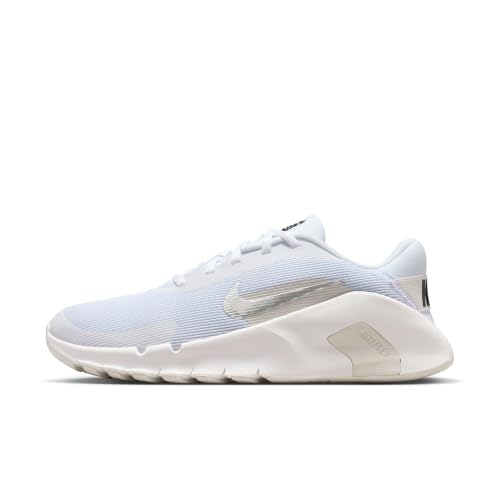
Nike Flex Train Training Shoes
What We Like
- Rubber outsole cutouts boost forefoot flexibility
- Full-length foam midsole adds cushioning
- Mesh upper is lightweight and breathable
- Elastic heel band enhances support
Trade-offs
- Flexibility focus limits support for lateral moves
- Not designed for heavy lifting or stability work
A rubber outsole with built-in cutouts and thin slits in the forefoot means this shoe bends naturally with your foot, so you won’t fight stiffness during lunges, step-ups, or dynamic warm-ups. That flexibility, paired with a full-length foam midsole for cushioning and a mesh upper that keeps things breathable, makes it a great match for women who mix strength circuits with cardio drills or mobility work. The elastic band around the heel adds a touch of support without turning the shoe into a rigid cage, which helps if you’re transitioning between exercises quickly.
The trade-off here is that same flexibility and lightweight feel, at just 0.7 pounds, this trainer prioritizes movement freedom over the sturdy platform you’d want for heavy barbell work or Olympic lifts. Compared to the Nike Free Metcon 5, which weighs over twice as much and offers a more stable base, the Flex Train is better suited for dynamic, varied sessions rather than max-effort squats. If your workouts lean toward HIIT, agility drills, or general gym versatility, this shoe delivers; if you’re primarily squatting heavy, you might want something with more structure.
Product photos
Nike Reax 8 Tr Mesh Shoes

What We Like
- Responsive Nike Reax heel cushioning
- Secure dynamic lacing system
- Natural movement with flex grooves
- Durable traction from rubber pods
Trade-offs
- Heavier than the Nike Air Monarch IV at 0.6 pounds
- No stability features for heavy lifting like the Metcon 10
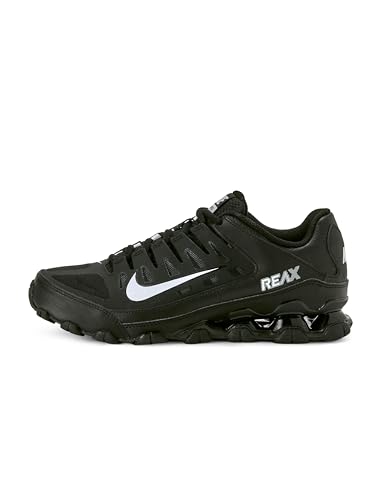
The Nike Reax cushioning in the heel gives you a responsive ride, which can be helpful during dynamic movements. Flex grooves allow your foot to move naturally, so you won’t feel restricted when changing direction. This shoe suits anyone who wants a responsive feel during training rather than a flat platform.
Weighing 0.7 pounds, the Nike Reax 8 Tr Mesh is lighter than the Metcon 10 listed at 1.0 pounds, which could matter if you prioritize speed over heft during dynamic moves. The heel uses Nike Reax cushioning for a responsive ride, and flex grooves let your foot move naturally. A dynamic lacing system wraps the midfoot for a secure feel, while solid rubber pods underfoot deliver durable traction.
Nike Reax 8 Trainer Shoes
What We Like
- Flexible forefoot for lunges and planks
- Bulky midsole supports heavy lifts
- Lightweight at 0.6 pounds
Trade-offs
- At 0.6 lb, lighter than some training shoes
- Less planted feel under maximal loads than heavier training shoes
A flexible forefoot that bends and dips during planks and lunges means these shoes move with you through dynamic floor work. A bulky midsole provides the support you need when loading up the barbell for heavy squats or deadlifts. That combination makes the Nike Reax 8 Trainer a smart pick for anyone who focuses on strength training and wants a shoe that won’t fight their foot during accessory moves. It’s a straightforward, no-fuss design built around stability and ground connection, which suits lifters who prioritize form and safety over flash.
At just 0.6 pounds, the Nike Air Monarch IV is noticeably lighter than the Metcon 10 training shoes (1.0 pound). That means you sacrifice some of the solid, planted feel that heavier shoes provide under maximal loads. If you’re moving serious weight on the platform, the Metcon 10’s extra heft might feel more reassuring.
Product photos
Nike Air Max Alpha Trainer 6 Shoes
What We Like
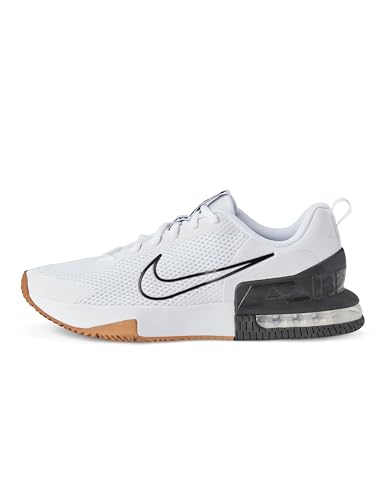
- Heel Max Air unit for stable cushioning
- Flat wide sole for traction
- Forefoot flex grooves aid lunges
- Rubber side wrap secures foot
Trade-offs
- Not designed for running or cardio workouts
- Limited flexibility for agility drills
A heel Max Air unit tuned for stability means you get plush cushioning without feeling like you’re sinking into your stance. That flat wide sole with rubber tread grips the floor during heavy squats or deadlifts, and the foam collar pads your ankle through repeated movements. It’s a supportive, comfortable base for strength work or circuit training where you’re on your feet for longer sets.
The shoe weighs 1.0 pound per shoe, which is a standard weight for a supportive training shoe. If you prefer a lighter feel for fast lateral drills or box jumps, the Nike Free Metcon 5 is listed at 1.8 pounds (likely per pair), so that shoe may feel lighter on each foot. For lifters who want a stable, cushioned base, this weight helps keep you grounded.
Product photos
How We Evaluated Nike Workout Shoes
We started with the technical specs that separate a lifting shoe from a cross-trainer: heel-toe drop, platform width, outsole rubber density, and midsole foam composition. Models like the Metcon line feature a hyperlift plate and ReactX foam, while the Free Metcon uses a softer foam core, each serves a different purpose. We cross-referenced these details with expert commentary from strength coaches and fitness editors who break down how each shoe behaves under load.
Three criteria mattered most. First, stability for lifting: a wide heel and non-compressible platform prevent energy loss during squats and deadlifts. Second, cushioning and responsiveness for plyometrics and cardio bursts, this is where foam density and air units come into play. Third, flexibility and lateral support for agility drills, lunges, and direction changes, which depends on outsole cutouts, forefoot grooves, and upper construction.
No research-led evaluation can replace weeks of personal testing, and we don’t claim otherwise. We rely on what the specs tell us about a shoe’s intended use and what the broader fitness community consistently reports about real-world performance. If you want to explore more options, check our guide on the best workout sneakers for a wider view.
What To Look For In Nike Workout Shoes
The right Nike workout shoe matches your primary movement pattern, lifting, cross-training, or agility, with the right platform, cushioning, and flexibility.
Look for a flat, wide heel for lifting stability, responsive foam for dynamic work, and outsole flexibility that matches your foot’s natural bend.
Stability and Platform Width
A stable base matters most if you squat, deadlift, or clean. The Metcon 10 uses a hyperlift plate and wide heel to keep your foot planted under heavy loads. The Free Metcon 5 also has a wide heel but adds a softer foam core that compresses slightly under maximal weight. For pure lifting, prioritize a non-compressible platform and a heel-toe drop under 4mm. You can also read about Nike gym shoes for more lifting-focused options.
Cushioning and Responsiveness
Cushioning absorbs landing impact from box jumps and sprints, but too much foam can feel unstable under a barbell. The Nike Reax 8 Tr Mesh Shoes feature responsive Reax heel cushioning for natural movement, while the Air Max Alpha Trainer 6 uses a Max Air unit for stable cushioning during longer sessions. If your training mixes heavy lifts with cardio, look for a shoe that places firmer foam under the heel and softer foam under the forefoot.
Flexibility and Lateral Support
Agility drills and lateral movements demand forefoot flexibility and side-to-side lockdown. The Nike Flex Train uses rubber outsole cutouts and forefoot slits to boost bend, while the MC Trainer 4 has a flat base with flex grooves for multi-directional traction. The trade-off is that flexible shoes offer less lateral support than leather-upper models like the Air Monarch IV. For a deeper look at versatile options, see our picks for versatile Nike shoes that handle both cardio and strength work.
- Check the outsole pattern: rubber pods or full-length traction for multi-directional grip
- Flex the shoe in your hands: it should bend at the forefoot, not the midfoot
- Look for a heel counter that locks your foot without pinching
- Consider upper material: mesh breathes better, leather offers more lateral support
A shoe that bends where your foot bends and stays stiff where you push is the one that will serve you longest.
Nike Workout Shoes Compared
The table below compares the key specs and best-use cases for each of the ten Nike workout shoes, so you can see at a glance which model fits your training style.
| Product | Weight | Cushioning | Outsole |
|---|---|---|---|
| Nike Free Metcon 5 Training Shoes | 1.8 pounds | Softer foam core | N/A |
| Nike Metcon 10 Training Shoes | 1.0 pounds | ReactX foam | N/A |
| Nike Metcon 10 Training Shoes | 1.0 pounds | ReactX foam | N/A |
| Nike MC Trainer 4 Workout Shoes | 0.7 pounds | Foam cushioning | Rubber multi-directional traction |
| Nike Air Monarch IV Workout Shoes | 0.6 pounds | Full-length Nike Air unit | Solid rubber |
| Nike Flex Train Workout Shoes | 0.7 pounds | Full-length foam | Rubber with cutouts |
| Nike Flex Train Training Shoes | 0.7 pounds | Full-length foam | Rubber with cutouts and slits |
| Nike Reax 8 Tr Mesh Shoes | 0.7 pounds | Nike Reax in heel | Solid rubber pods |
| Nike Reax 8 Trainer Shoes | 0.6 pounds | Bulky support | Robust pattern |
| Nike Air Max Alpha Trainer 6 Shoes | 1.0 pounds | Max Air unit | Flat, wide with rubber tread |
Frequently Asked Questions
What is the difference between Nike Metcon and Free Metcon shoes?
The Metcon line is built for heavy lifting with a rigid hyperlift plate and a wide, stable heel. The Free Metcon adds a softer foam core and more forefoot flexibility, making it better for dynamic training like box jumps and agility drills, but it sacrifices some stability under maximal loads.
Are Nike workout shoes good for running?
Most Nike workout shoes are not ideal for running. The Free Metcon 5 and Metcon 10 have a low heel-toe drop and stiff platforms that don’t provide the forward-rolling motion runners need. If you want a shoe for both, look at Nike shoes for cardio and strength that balance cushioning with a stable base.
Which Nike shoe is best for heavy squats and deadlifts?
The Nike Metcon 10 is the best choice for heavy squats and deadlifts. Its hyperlift plate keeps your foot from sinking into the foam, and the wider toe box allows your toes to splay for better balance. The heel clip adds some bulk but does not affect lifting performance.
Are Nike Flex Train shoes good for lifting?
The Nike Flex Train is not ideal for heavy lifting. Its flexible outsole and foam midsole compress under heavy loads, reducing stability. These shoes work well for circuit training, cardio, and light-to-moderate strength work, but for heavy squats or deadlifts, choose the Metcon 10 instead.
How should Nike workout shoes fit?
Nike workout shoes should fit snugly in the heel and midfoot with about a thumb’s width of space at the toes. A secure heel lock prevents slipping during lateral moves, and enough toe room allows splaying during squats. If you are between sizes, go up half a size for training shoes.
The Bottom Line
The Nike Free Metcon 5 Training Shoes are the best overall pick for anyone who needs one shoe that can handle lifting, box jumps, and agility work without compromise. Its wide heel and soft foam core strike the balance most gym-goers need, though it is heavier than some competitors at 1.8 pounds.
If your training revolves around heavy squats, deadlifts, and Olympic lifts, the Nike Metcon 10 Training Shoes deliver the stability you need. Budget-conscious shoppers or those focused on lateral drills should look at the Nike MC Trainer 4 Workout Shoes, which prioritize flexibility and multi-directional traction over lifting rigidity.
The single most important factor is matching the shoe’s platform to your primary movement. A stable, non-compressible base serves the lifter, while forefoot flexibility and cushioning serve the athlete who moves in all directions. Pick the shoe that fits your training, not the one that looks best on the shelf.
