
10 Best Non Dairy Protein Powders in 2026
This post contains affiliate links. As an Amazon Associate, we earn from qualifying purchases.
The best overall non dairy protein powder is Orgain Organic Vegan Protein Powder, which wins for its clean organic ingredients, complete amino acid profile, and gut-friendly prebiotic fiber. For maximum protein per serving, the Owyn Pro Elite High Protein Powder delivers 30 grams, while the NAKED Pea Protein Powder offers a pure, single-ingredient option for those who want total control over their shake.
Dairy-free protein powders have moved well beyond chalky, bland shakes. Today’s best options match or exceed whey in protein content, amino acid completeness, and mixability, but with zero lactose, casein, or animal products. The real challenge is choosing among the dozens of blends, sweeteners, and additive profiles to find one that fits your digestion, taste preferences, and fitness goals.
This guide is built from manufacturer specifications, ingredient labels, expert consensus on plant protein quality, and patterns in thousands of owner experiences. We evaluated ten top contenders across protein content, amino acid completeness, ingredient purity, digestive support, and third-party certifications to help you choose with confidence.
Top 10 Non Dairy Protein Powders in the Market
Certain content that appears on this site comes from Amazon. This content is provided "as is" and is subject to change or removal at any time.
The Best Non Dairy Protein Powders, Reviewed
Orgain Organic Vegan Protein Powder
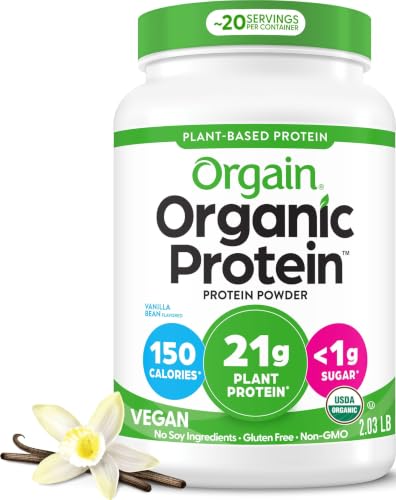
What We Like
- 21g organic plant protein with all 9 amino acids
- 6g prebiotic fiber supports gut health
- No added sugar, erythritol, or artificial ingredients
- USDA Organic and certified plant-based
Trade-offs
- Only 21g protein per serving
- Contains chia seeds, which some avoid
Twenty-one grams of organic plant protein from peas, brown rice, and chia seeds delivers all nine essential amino acids without dairy or soy. That 6g of prebiotic fiber supports digestion while you build muscle, a feature many powders skip. It mixes easily with water, almond milk, or oat milk, and the lack of added sugar or artificial sweeteners lets you control the flavor. For anyone easing into plant-based protein or wanting a clean everyday option, this one checks a lot of boxes without requiring a chemistry degree.
The trade-off is straightforward: you get 21g of protein per serving, while Owyn Pro Elite packs 30g for those chasing higher numbers post-workout. But Orgain makes up for it with organic certification, no erythritol, and that extra fiber that keeps your gut happy. If your priority is a clean, versatile powder that works in smoothies, oats, or baked goods without weird aftertastes, this is the one I’d grab first.
NAKED Pea Protein Powder

What We Like
- Single-ingredient pea protein isolate
- NSF Certified for purity and safety
- GMO-free, soy-free, gluten-free
- 27g protein with only 120 calories
Trade-offs
- Unflavored means you add your own taste
- No digestive enzymes or probiotics included
- Pea protein texture can be gritty in water
Twenty-seven grams of protein from a single ingredient, yellow pea protein isolate, with no artificial sweeteners, flavors, or colors. That simplicity means you get total control over what goes into your shake, add banana, berries, or cocoa to create your own flavor. The NSF certification backs up the purity claim, so you know the label matches what is inside the tub.
The biggest selling point here is a single ingredient: 100% yellow pea protein with zero additives, so you control exactly what goes into your shake. That means no artificial sweeteners, flavors, or colors, just protein from peas grown on farms in the US and Canada. If you prefer a pre-mixed vanilla taste, something like Orgain Organic Vegan Protein Powder offers a vanilla bean flavor, but Naked Pea leaves the flavoring entirely up to you.
Product photos
Owyn Pro Elite High Protein Powder
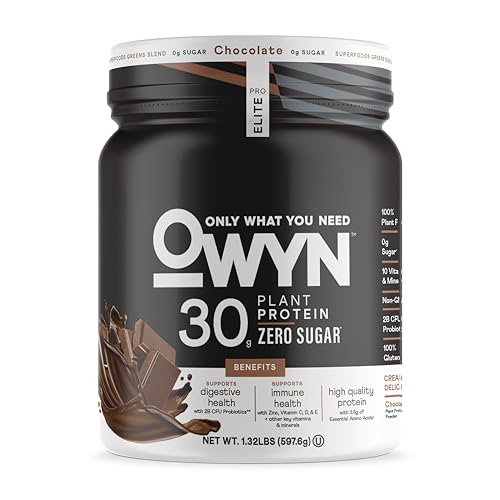
What We Like
- 30g vegan protein per serving
- Zero sugar and low net carbs
- Includes superfood greens and probiotics
- Free of common allergens and artificial ingredients
Trade-offs
- Only 12 servings per container
- Chocolate flavor only in this size
Thirty grams of plant protein per serving puts this powder among the highest in the category, which matters when your goal is muscle recovery without loading up on carbs or sugar. The blend of organic pumpkin seeds, chia, and Peato delivers every essential amino acid and naturally occurring BCAAs, so you get the building blocks your muscles need after a tough session. It also packs a greens blend of kale, spinach, and broccoli plus probiotics, making it a complete recovery drink for anyone who wants more than just protein from their shake.
The 12-serving container holds only 1.32 pounds, so you will finish it faster than a 20-serving tub like the Garden of Life Raw Organic. That smaller size works well if you want to sample a new powder or switch flavors often, but for daily use you may need to reorder sooner. The chocolate flavor is smooth, and the brand promises no compromise on taste, so it fits if high protein and clean ingredients are your priority and you don’t mind a smaller container.
Product photos
Orgain Organic Protein Superfoods Powder
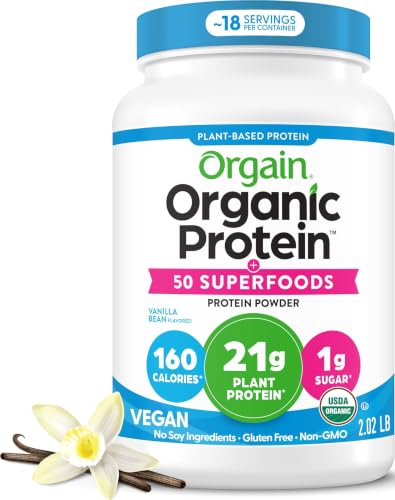
What We Like
- 21g plant protein with all nine essential amino acids
- 8g prebiotic fiber for gut support
- 50 organic superfoods including kale, turmeric, acai
- USDA Organic and no added sugar
Trade-offs
- Only 20 servings per tub
- Contains chia seeds, which some avoid for texture or allergies
Twenty-one grams of plant protein from organic pea, brown rice, and chia seeds means you get a complete amino acid profile without animal products. The 8 grams of prebiotic fiber gives your digestive system a solid boost alongside it. This powder is for someone who wants more than just protein, the 50 organic superfoods like kale, turmeric, and acai add vitamins B6 and C plus iron for immune support, making it a convenient way to pack extra nutrition into a shake or baked goods. It fits a lifestyle where every meal counts toward overall wellness, not just muscle repair.
Each serving contains 1 gram of sugar from the superfood blend, which is minimal but worth noting if you’re aiming for zero-carb or strict keto macros. Compared to the simpler Orgain Organic Vegan Protein Powder, this version adds the superfood mix and extra fiber, so you pay for that broader nutritional range rather than a bare-bones protein source. If your priority is a clean, organic protein with gut-friendly fiber and a pile of plant nutrients, this is the one to grab, just be ready to restock more often with 20 servings per tub.
Garden of Life Raw Organic Protein Powder
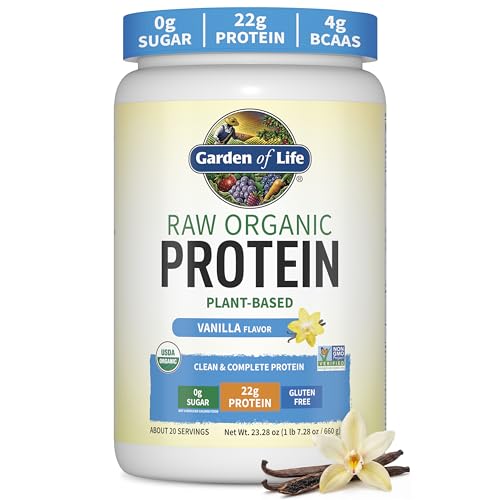
What We Like
- Includes live probiotics and digestive enzymes
- Low-temperature processing preserves nutrients
- Third-party certified organic and non-GMO
Trade-offs
- 22g protein per serving is lower than some competitors like Owyn Pro Elite with 30g
- Not suitable for those avoiding probiotics and live cultures.
22 grams of complete plant protein plus 5 grams of fiber and 4 grams of BCAAs in just 130 calories is a smart starting point for anyone wanting muscle support without heavy calories. What sets this powder apart, though, is the digestive support built right in, live probiotics and enzymes like lipase, lactase, and papain are added to help your body break down and absorb everything smoothly. That makes it a great fit if your stomach tends to protest after protein shakes, or if you want something gentle enough for daily use without bloat or heaviness.
You get fewer grams of protein per scoop than some competitors. But Garden of Life balances that with real food ingredients, organic certification, and the digestive extras that many plant-based drinkers find make the difference between sticking with a routine and giving up. If your gut needs a little extra care alongside your gains, this is the smarter play.
Vega Protein Recovery Powder
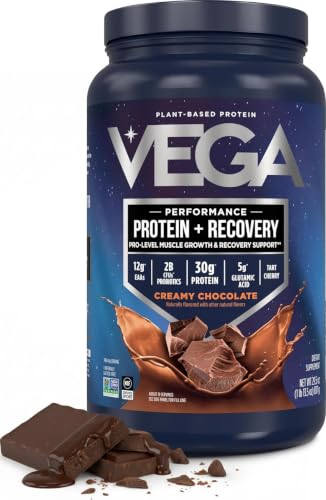
What We Like
- 30g plant protein per serving
- 2 billion CFUs for gut health
- NSF Certified for Sport
- Mixes smooth without clumps
Trade-offs
- 19 servings per tub is fewer than some
- Only one flavor option listed
Thirty grams of plant protein per serving is a serious recovery dose, and pairing it with two billion probiotic CFUs means you get digestion support that most protein powders skip entirely. That gut-friendly edge makes this a smart pick if you find other blends leave you feeling heavy or bloated after a shake. The NSF Certified for Sport label adds peace of mind for anyone who wants to know exactly what they are putting in their body. Whether you are training for a competition or just trying to stay consistent, that certification matters.
The trade-off shows up in the serving count: nineteen servings per tub is noticeably lower than what you get from something like Orgain Organic Vegan Protein Powder, which packs more shakes per container. If you drink a protein shake daily, you will be reordering sooner here. That said, the probiotic and recovery focus fills a specific need that simpler powders do not address, so for anyone prioritizing gut comfort alongside muscle repair, the shorter supply is a reasonable compromise.
Product photos
Vega Essential Protein Powder

What We Like
- Zero sugar per serving
- Gluten free and non-GMO
- Bloat-free protein powder
Trade-offs
- Only 20 servings per tub
Twenty-five grams of pea protein and zero sugar per serving make this a clean, no-fuss option for anyone who wants muscle support without the sweet stuff. The brand calls out a bloat-free formula, which matters if you’ve ever felt heavy after a dairy-based shake. It’s an easy-to-blend protein powder for smoothies or no-clump baking, and the rich chocolate flavor is described as a creamy blend without the chalk. For someone who wants a straightforward, no-nonsense protein that won’t spike their blood sugar, this tub delivers exactly what it promises.
Portion size is the catch: you get 20 servings per tub, which means you’ll be restocking sooner than with a larger container like NAKED Pea’s 76-serving bag. If you go through protein powder quickly, that smaller count might feel like a hassle. The pea-only protein source is what it is, though Vega’s chocolate blend aims for a rich taste. Compared to Orgain Organic Vegan Protein Powder, which offers 21g of protein and 4g of prebiotic fiber, Vega leans harder into the zero-sugar, high-protein angle. It’s a focused pick for the sugar-conscious athlete, but if you want more servings per purchase or a broader amino profile, you might look elsewhere.
Product photos
Optimum Nutrition Gold Standard Plant Protein

What We Like
- 20 amino acids including all 9 EAAs
- Triple-source vegan protein blend
- 0g sugar and gluten free
- Mixes with a glass and spoon
Trade-offs
- Only 24g protein per serving
- Requires 10-12 fl oz liquid to mix
Twenty amino acids, including all nine essential ones, mean this powder covers the full spectrum your body needs for muscle repair and everyday recovery, no gaps, no guesswork. The blend of pea, rice, and fava bean proteins works together to deliver that complete profile, which is especially handy if you’re vegan or just cutting out dairy and want to make sure your shake isn’t missing anything. It’s a straightforward, no-fuss option for anyone who values amino coverage over sheer protein volume.
The 24 grams of protein per scoop is a straightforward amount that fits well into a balanced daily routine. The complete amino acid profile and smooth, quick-mixing texture (just a glass and spoon, no blender needed) make this a reliable everyday choice for balanced nutrition. It’s not the highest protein count among plant powders, but it’s one of the most thoughtfully rounded.
THORNE Plant Protein Powder

What We Like
- NSF Certified for Sport purity
- All 9 essential amino acids included
- Only 130 calories per serving
- Vegan, dairy-free, gluten-free, soy-free
Trade-offs
- Vanilla flavor only limits variety
NSF Certified for Sport means the product is tested for compliance with label claims and to ensure the absence of nearly 300 substances banned by many major athletic organizations, so you know exactly what you are putting in your body. With 22 grams of protein from pea, rice, and chia, plus every essential amino acid your body can’t make on its own, this powder supports lean muscle mass and exercise recovery without the dairy. It is a smart pick for athletes who want third-party verification of quality, especially if you compete or just like knowing your supplements are clean.
You get 20 servings per container, which is fewer than some larger options on the shelf. If you drink a shake daily, you will be reordering more often than with a bulk-size bag. But the vanilla flavor is pleasant and mixes easily, and the 130-calorie count keeps it light enough for a post-workout shake or a meal addition without weighing you down. For someone who prioritizes certified purity and a complete amino profile over bulk value, this is a strong fit.
Product photos
GHOST Vegan Protein Powder
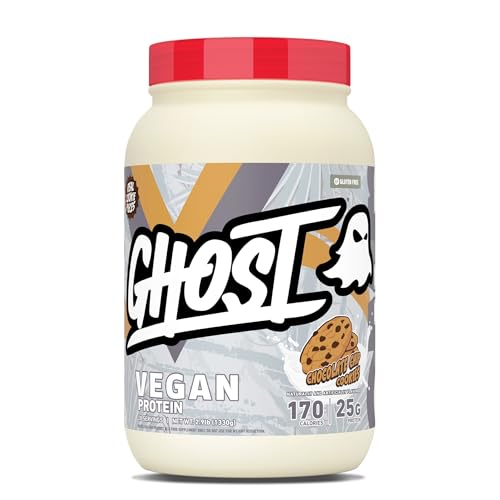
What We Like
- Fully disclosed protein blend
- No soy or gluten
- 25g plant protein per scoop
Trade-offs
- Only 28 servings per tub
- Contains no digestive enzymes for easier breakdown.
Twenty-five grams of vegan protein per scoop means you get a solid post-workout dose without needing to double up. GHOST Vegan uses a fully disclosed blend of pea protein concentrate and organic pumpkin seed protein, so you know exactly what you’re putting in your shaker. The Chocolate Chip Cookies flavor is the real draw here, it’s designed to taste like a treat, which makes it a great fit if you struggle with bland or chalky plant powders. Plus, it skips soy and gluten, two common triggers for sensitive stomachs.
Twenty-eight servings per tub means you’ll go through it faster than some competitors, especially if you’re drinking a shake daily. Compare that to NAKED Pea’s 76 servings in a 5-pound bag, and GHOST offers fewer servings per container. If you want a protein that doubles as a dessert-like reward and you don’t mind reordering more often, this fits the bill. But if you’re looking for a larger unflavored option that lasts longer, the NAKED product provides more servings per purchase.
Product photos
How We Evaluated Non Dairy Protein Powders
We started with the specs that matter most to active people: grams of protein per serving, total calories, sugar content, and the presence of all nine essential amino acids. Manufacturer documentation and third-party certification databases (NSF, USDA Organic) gave us the hard data on purity claims. Expert round-ups from registered dietitians and sports nutrition specialists helped us understand which plant protein sources, pea, brown rice, hemp, chia, deliver the best amino acid profiles and digestibility.
The four criteria that carried the most weight were protein density (how much protein you get per scoop and per calorie), ingredient transparency (no proprietary blends hiding fillers), digestive support (probiotics, enzymes, or prebiotic fiber that help plant proteins break down), and third-party testing for purity. For anyone exploring the broader landscape, our guide to plant-based protein powders covers the full range of options. Our comparison of plant protein vs whey explains the key differences in amino acid profiles and digestion. We also looked closely at non-whey protein powders to understand how pea, soy, and rice blends stack up against each other.
The honest limit of a research-led evaluation is that we didn’t mix, taste, or drink these powders ourselves. What we can offer is a clear, fact-based breakdown of what each product delivers on paper and what owners consistently report, so you can narrow your shortlist and buy with confidence.
What To Look For In Non Dairy Protein Powders
The best non dairy protein powder for you balances protein content, ingredient purity, digestibility, and taste in a way that fits your daily routine. Here’s what to check before you buy.
Look for at least 20g protein per serving from a blend of plant sources that covers all nine essential amino acids. Avoid added sugars and artificial sweeteners if you want a clean option. Check for third-party certifications like NSF or USDA Organic if purity matters to you.
Protein Content and Amino Acid Completeness
Plant proteins vary widely in their amino acid profiles. Pea protein is rich in lysine but low in methionine; rice protein is the opposite. That’s why the best blends combine two or more sources, pea, brown rice, hemp, chia, or pumpkin, to deliver a complete essential amino acid profile similar to whey.
Look for at least 20 grams of protein per serving for a meaningful post-workout dose, and check that the label lists all nine essential amino acids. For those who want the purest single-source option, our guide to pea protein powder covers how isolates compare to concentrates.
If you’re avoiding soy as well as dairy, our list of protein without whey or soy highlights the best alternatives.
Ingredient Purity and Additives
Many non dairy protein powders pack in gums, artificial flavors, sugar alcohols, and cheap fillers that can cause bloating or digestive upset. A clean label means recognizable ingredients, no added sugar (or minimal from natural sources like stevia or monk fruit), and no proprietary blends that hide exact amounts.
Third-party certifications like NSF Certified for Sport, USDA Organic, or Non-GMO Project Verified add a layer of accountability. If you want a truly bare-bones option, single-ingredient pea protein isolates are the gold standard, our guide to soy protein powder also covers another clean, single-source option for those who tolerate soy.
Digestive Support and Mixability
Plant proteins can be harder on the stomach than whey because of fiber content and anti-nutrients like phytates. The best powders address this with added digestive enzymes (protease, lipase, amylase), live probiotics (measured in CFUs), or prebiotic fiber that feeds good gut bacteria. Mixability matters too, a powder that clumps or turns gritty in water will collect dust in your cabinet.
Look for products described as “smooth mixing” or “blender-friendly” if you plan to drink them in water rather than a thick smoothie. For a deeper look at the best-tasting options, our reviews of the best tasting non-dairy protein powders can help you find one you’ll actually enjoy drinking daily.
- Check the serving size and protein-to-calorie ratio: aim for at least 1g protein per 10 calories.
- Look for a complete amino acid profile or a blend of two or more plant sources.
- Avoid artificial sweeteners, sugar alcohols (erythritol, xylitol), and proprietary blends.
- Choose a third-party certification that matches your priorities (NSF for sport, USDA Organic for clean farming).
- Read owner feedback on mixability and taste, especially for unflavored options.
A non dairy protein powder with 25g protein, zero sugar, and a digestive enzyme blend is the sweet spot for most active people.
Non Dairy Protein Powders Compared
The table below compares all ten non dairy protein powders side by side across protein content, calories, certifications, and key features so you can see how they stack up at a glance.
| Product | Protein per serving | Allergen info | Servings per container |
|---|---|---|---|
| Orgain Organic Vegan Protein Powder | 21g | No soy, dairy, or erythritol | N/A |
| NAKED Pea Protein Powder | 27g | N/A | 76 |
| Owyn Pro Elite High Protein Powder | 30g | Gluten-free, dairy-free, soy-free, nut-free | 12 |
| Orgain Organic Protein Superfoods Powder | 21g | N/A | 20 |
| Garden of Life Raw Organic Protein Powder | 22g | Gluten & Lactose Free | 20 |
| Vega Protein Recovery Powder | 30g | Dairy-free, gluten-free | 19 |
| Vega Essential Protein Powder | 25g | N/A | 20 |
| Optimum Nutrition Gold Standard Plant Protein | 24g | Gluten Free | N/A |
| THORNE Plant Protein Powder | 22g | dairy-free, gluten-free, soy-free | 20 |
| GHOST Vegan Protein Powder | 25g | Soy-free, gluten-free, vegan | 28 |
Frequently Asked Questions
How is non dairy protein powder different from regular protein powder?
Non dairy protein powders use plant-based sources like pea, brown rice, hemp, or soy instead of whey or casein from milk. They are naturally lactose-free and suitable for vegans, but they often have different amino acid profiles and may need blending to match whey’s completeness.
Which non dairy protein powder has the most protein per serving?
The Owyn Pro Elite High Protein Powder leads this list with 30 grams of vegan protein per serving. It also includes superfood greens and probiotics, though it comes in a smaller tub with only 12 servings.
Do non dairy protein powders cause bloating?
Some do, especially if they contain high-fiber ingredients like chia seeds, added gums, or sugar alcohols. Powders with digestive enzymes and probiotics, like the Garden of Life Raw Organic Protein Powder, are designed to reduce bloating. Starting with a smaller serving can also help your gut adjust.
Can I use non dairy protein powder for weight loss?
Yes, but check the calorie and sugar content. A powder with 20-25 grams of protein, 100-130 calories, and zero added sugar, like the Vega Essential Protein Powder, can help with satiety without packing in extra calories. Use it as a meal replacement shake or post-workout recovery.
What is the best tasting non dairy protein powder?
Taste is subjective, but the GHOST Vegan Protein Powder earns its spot for having a well-liked cookie flavor that masks the plant taste. For a broader look at flavor profiles, our reviews of the best tasting non-dairy protein powders breaks down which brands owners actually enjoy drinking daily.
The Bottom Line
The Orgain Organic Vegan Protein Powder is the best overall pick for anyone who wants a clean, certified organic plant protein with complete amino acids and gut-friendly prebiotic fiber. It works for daily shakes, post-workout recovery, or adding to smoothies without artificial anything. If your top priority is maximum protein per scoop, the Owyn Pro Elite High Protein Powder delivers 30 grams with zero sugar and added greens.
Budget-conscious shoppers or those who want total control over flavor should look at the NAKED Pea Protein Powder, a single-ingredient, NSF-certified option with 27 grams of protein at 120 calories. For digestive support, the Garden of Life Raw Organic Protein Powder includes probiotics and enzymes that help break down plant proteins more gently. And if taste is your biggest concern, the GHOST Vegan Protein Powder offers a popular cookie flavor that makes daily shakes feel like a treat.
The single most important factor is finding a powder you’ll actually drink consistently. Protein content and amino acid completeness matter, but if the texture or taste makes you skip your shake, none of the specs help. Start with your non-negotiables, protein per scoop, clean ingredients, or digestive comfort, and pick the one that fits your daily habits.
