
10 Best Non Slip Hot Yoga Mats in 2026
This post contains affiliate links. As an Amazon Associate, we earn from qualifying purchases.
For hot yoga, the Gaiam Dry-Grip Yoga Mat stands out as the best overall because its moisture-wicking topcoat keeps you stable when sweat starts to pour. The Ellylife Natural Rubber Yoga Mat earns our Eco-Friendly Pick for its spacious design and natural materials, while the Heathyoga TPE Yoga Mat is a solid budget choice that doesn’t compromise on grip.
The real challenge with hot yoga is finding a mat that actually grips when wet. Standard mats turn slippery fast, turning a flow into a battle for balance. You need a surface that works with moisture, not against it.
We built this guide by analyzing specifications, manufacturer claims, and patterns in owner feedback across dozens of models. The result is a focused list of mats that handle heat and humidity, each chosen for a specific use case.
Top 10 Non Slip Hot Yoga Mats in the Market
Certain content that appears on this site comes from Amazon. This content is provided "as is" and is subject to change or removal at any time.
The Best Non Slip Hot Yoga Mats, Reviewed
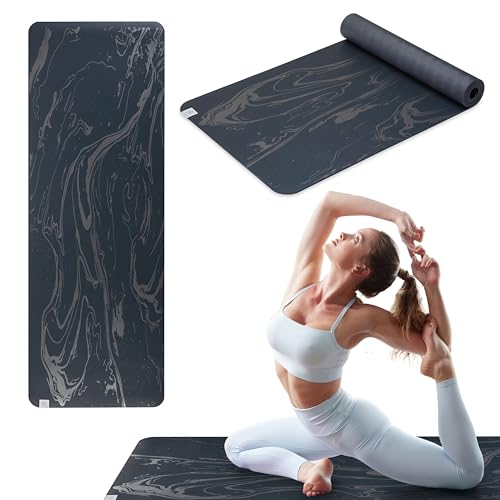
Gaiam Dry-Grip Yoga Mat
What We Like
- Moisture-wicking topcoat for sweaty sessions
- Cushioned support for joints and stability
- Lightweight and easy to carry
- Built for all yoga styles and fitness goals
Trade-offs
- 4.8 lb is heavier than some travel mats
- Narrow 24-inch width limits side-to-side space during wide poses
A moisture-wicking topcoat that actively pulls sweat away from the surface is the key reason this mat stays non-slip even during a drenched hot yoga session. That means you can hold a downward dog or warrior pose without your hands sliding out from under you, and you likely won’t need a separate towel draped over the mat. It suits anyone who practices sweaty styles like Bikram or Vinyasa and wants a lightweight, portable option that still provides enough cushion for knees and wrists during floor work.
The Gaiam Dry-Grip Yoga Mat weighs 4.8 pounds, which is heavier than some travel mats but still manageable for carrying to the studio. Its rolled dimensions are 24.1 inches long and 4.5 inches wide, so it fits easily in a standard gym bag or car trunk. The moisture-wicking topcoat helps maintain grip during sweaty sessions, reducing the need for a separate towel in hot yoga classes.
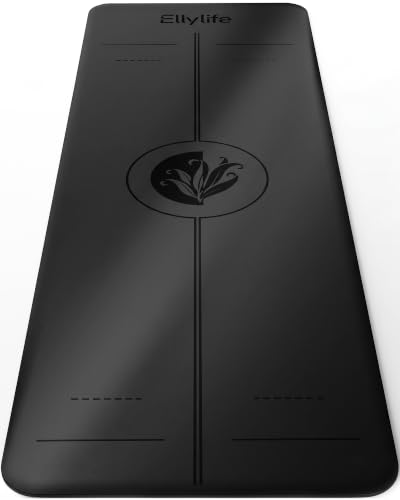
Ellylife Natural Rubber Yoga Mat
What We Like
- Extra-long and wide for room to move
- Comes with carry strap and dust-proof bag
- PU top maintains grip when sweating
Trade-offs
- At 7.3 lb, heavier than many hot yoga mats
A 74.8-inch length and 26.8-inch width give you noticeably more space than standard mats, so taller practitioners or anyone who likes a wide stance won’t feel cramped mid-flow. That combination of eco-friendly materials and sweat-ready traction makes this a thoughtful choice for anyone who wants a mat that works hard without leaving a heavy footprint.
The trade-off is weight: at 7.3 pounds, this mat is heavier than the Manduka GRP Adapt Lite (3.7 lb), so if you walk or bike to class, you’ll feel the difference on your shoulder. The 5 mm padding offers good ground feel while cushioning your wrists, knees, and spine. For home practice or studio sessions where you don’t carry it far, the extra heft buys you a stable, grippy surface that stays put.
Product photos
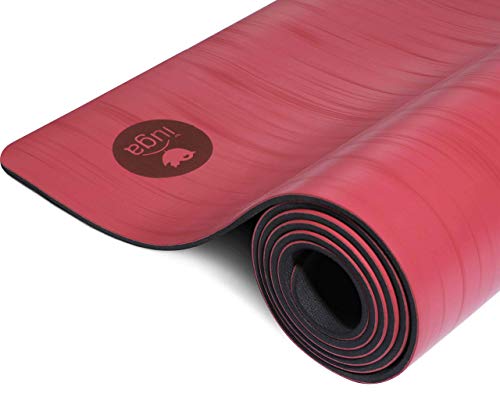
IUGA Pro Non Slip Yoga Mat
What We Like
- PU surface absorbs sweat for grip
- Eco-friendly natural rubber construction
- Lightweight 2.5 lbs with carry strap
Trade-offs
- At 26" wide, narrower than some mats
- 5mm thickness less cushion than thicker mats
The reinforced mesh core in this mat resists tearing and warping, which means it holds its shape during high-intensity workouts and daily use without breaking down. The PU top layer absorbs sweat to provide grip where you need it, helping you stay stable in poses during hot yoga or Pilates. The natural rubber base is designed for non-slip performance on hard floors. At 2.5 pounds with a carry strap, it’s lightweight and portable, while the 5mm thickness cushions joints, knees, and spine on tile, carpet, wood, or gym floors.
At just 2.5 pounds, this mat is half the weight of many travel mats, so you can toss it in a bag without thinking twice. The 5mm thickness cushions knees and elbows on hard floors, though it won’t feel as plush as thicker options. If tear resistance and portability are your priorities, the odor-free surface holds its shape through daily practice.
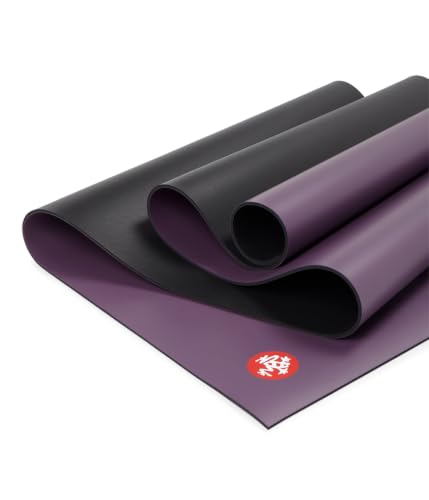
Manduka GRP Adapt Lite Yoga Mat
What We Like
- Satin Grip top layer stays non-slip when sweaty
- Moisture-wicking scrim keeps surface dry
- Versa-Grip bottom anchors on hardwood or carpet
- Lightweight 3.7 lb for easy carrying
Trade-offs
- 4 mm cushion is thinner than typical hot yoga mats
- Not recommended for those with latex sensitivities
A 4 mm thickness keeps this mat light enough to toss in a gym bag without the shoulder strain that comes with thicker rubber mats. Yet the PU and natural rubber construction still gives you enough padding to protect knees and elbows in kneeling poses. The Satin Grip top layer is the real story here: it grabs your hands and feet even when sweat starts pouring, and the Moisture Flow scrim pulls that moisture away so you are not slipping through your downward dog. For yogis who carry their mat to the studio or bounce between home practice and class, this is a smart middle ground between a paper-thin travel mat and a heavy 5 mm workhorse.
The trade-off for that 3.7 lb portability is a narrower 24-inch width and less cushion than the Ellylife Natural Rubber Mat, which gives you 5 mm of padding and a wider 26.8-inch surface. If you have broad shoulders or tend to spread your feet wide in warrior poses, the Manduka can feel a little snug. But for hot yoga flows where grip matters more than sprawl, the lightweight build and moisture-wicking top make it a practical companion that does not fight you when the room heats up.
Wimwum Professional PU Rubber Yoga Mat

What We Like
- 6.8 lb natural rubber base stays floor-anchored
- 5 mm thickness balances cushion with stability
Trade-offs
- Heavy for travel at 6.8 pounds
- Heavy 6.8-pound weight makes travel difficult.
A 27-inch wide surface gives you room to spread out without worrying about your hands or feet slipping off the edge during wide stances or broad-shouldered poses. That extra width is the main reason to consider this mat if you often feel cramped on standard 24-inch mats. At 6.8 pounds, the dense natural rubber base locks into the floor and refuses to slide or curl, which makes it a steady platform for dynamic flows or HIIT moves.
This mat is built for the studio or home gym, not for tossing in a backpack and walking across town. It comes with a carrying strap, but at this weight you will feel it. Compared to something like the Manduka GRP Adapt Lite at 3.7 pounds, the Wimwum is noticeably heavier and bulkier to transport. If you value a wide, stable, grip-forward mat and do not need to haul it far, this is a practical pick.
Product photos
Liforme Special Yoga Mat

What We Like
- GripForMe material stays grippy when sweaty
- Eco-friendly, PVC-free, non-toxic construction
- Comes with a free yoga bag
Trade-offs
- At 5.5 lb, heavier than some travel mats
- 4.2 mm thickness is thinner than 5 mm options
The Liforme Special Yoga Mat uses a patented alignment design printed into the surface, which helps you check your hand and foot placement during practice without needing to look away from your pose. The GripForMe material is designed to stay grippy even when wet from sweat, so it keeps you stable during hot yoga sessions. For anyone who wants to maintain proper form and avoid slipping, this mat offers practical support that directly addresses those needs.
The Liforme mat weighs 5.5 pounds and is 4.2 mm thick, making it heavier than the Manduka GRP Adapt Lite and thinner than the Ellylife Natural Rubber mat. So it’s not the easiest to tote to class or the plushest for tender knees. But if you want a surface that stays grippy when wet, the Liforme’s “GripForMe” material is designed to deliver that even during sweaty hot yoga.
Plyopic Ultra Grip PRO Yoga Mat
What We Like
- Extreme dry and wet grip
- PoseMap alignment reference points
- Dense natural rubber cushions knees
Trade-offs
- At 5.3 lb, heavier than some travel mats
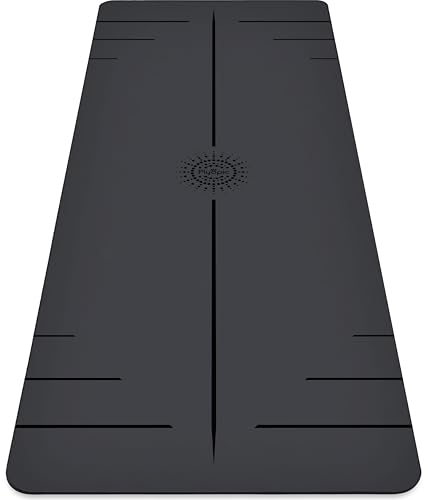
The Plyopic Ultra Grip PRO uses a natural rubber base with an integrated fiber layer, which keeps the mat stable during fast transitions while the UltraGrip material maintains contact even as sweat builds. That wet-grip reliability is the key reason this mat works for hot yoga, you can hold a pose without your hands sliding, and the PoseMap alignment lines help you check your symmetry without staring at your feet. It suits anyone who practices sweaty flows and wants clear visual cues for hand and foot placement.
At 0.2 inches, this mat is slim, so if you have sensitive knees or wrists on hard floors, you might want more padding underneath. Compared to the Ellylife Natural Rubber Yoga Mat, which is also 0.2 inches thick but weighs 7.3 pounds, the Plyopic is lighter, though both offer natural rubber grip. For yogis who prioritize non-slip performance over plush cushioning and don’t mind a firmer surface, this is a well-designed option that delivers on its core promise.
Product photos
Gaiam Cork Yoga Mat

What We Like
- Cork resists sweat and odor
- Grip improves when slightly damp
- Lightweight at 2 pounds
- Sustainable natural cork top
Trade-offs
- Thin 0.2-inch cushion offers less joint padding
- Narrower 24-inch width limits side-to-side space
The natural cork surface is the key feature here: it resists sweat and odor, and actually gets softer and easier to grip when slightly damp from hot yoga. That means you won’t slide around as the class heats up, and the mat stays fresher longer without trapping smells. At just 2 pounds, it’s easy to carry to and from the studio, making it a practical choice for anyone who prioritizes a clean, grippy surface over thick cushioning.
At 0.2 inches of padding, this mat is minimal. Your knees and elbows will feel the floor more than on thicker mats like the Ellylife Natural Rubber Yoga Mat. It’s also a bit shorter and narrower than many competitors, so taller or broader practitioners might find themselves stepping off the edges. If you value odor resistance and a lightweight carry above all else, this cork mat fits the bill; if joint comfort is your top concern, you’ll want something with more plushness.
Heathyoga TPE Yoga Mat
What We Like
- Eco-friendly TPE, free of latex and PVC
- Body alignment lines for proper positioning
- Lightweight 2.8 lbs with carrying strap included
Trade-offs
- At 6mm, less cushioning than thicker mats for knees
- Narrower than many premium yoga mats at 26 inches
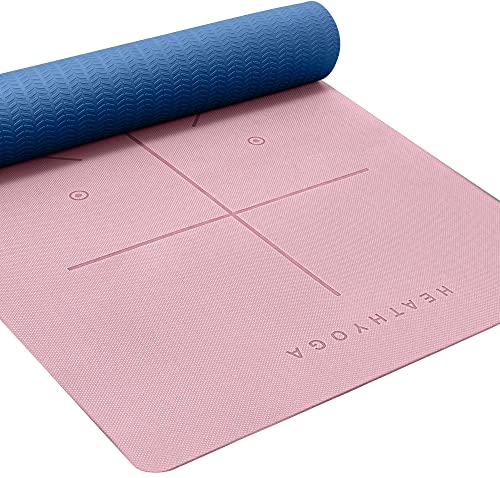
A 2.8-pound weight and included carrying strap mean this mat travels easily to class or tucks away at home without a struggle. Body alignment lines printed on the mat help you check your stance without breaking focus, so you can adjust your hips or feet mid-pose. That combination of portability, grip, and guidance makes it a smart choice for anyone starting hot yoga or wanting a reliable backup mat that won’t eat up the budget.
At 6mm it offers decent cushioning, but if you spend a lot of time on your knees or in tabletop poses, you may feel the floor more than on a thicker mat. For the price-conscious yogi who values light weight and solid non-slip performance, though, this mat delivers exactly what it promises.
Product photos
Plyopic All In One Yoga Mat

What We Like
- Sweat-grip mat/towel combo design
- Eco-friendly natural rubber base
- Limited edition designs available
- Dense 3.5mm rubber grips floor
Trade-offs
- Thin 3.5mm cushion for hard floors
- Only 71 inches long limits tall users
- Flip side for footwear only
The Plyopic All In One Yoga Mat uses a 3.5mm natural rubber base that grips the floor, paired with a sweat-grip surface designed for hot yoga and other sweaty practices. The feature list says it works for Bikram, Vinyasa, and gym exercises when flipped over for footwear use. For anyone who wants a mat that stays put during intense sessions, this combo approach aims to keep you stable without relying on a traditional sticky surface.
Its thin profile is the main trade-off: at 3.5mm, it offers less cushion than thicker mats like the Ellylife Natural Rubber Yoga Mat. That firm feedback helps balance in standing poses, but it’s less forgiving for sensitive joints during restorative holds. Plyopic also runs 71 inches long, which may leave taller practitioners’ hands or feet hanging off the edge. If you prioritize cushion over grip, the Ellylife offers more padding; if sweat resistance is your main concern, this mat’s design targets that need.
Product photos
How We Evaluated Non Slip Hot Yoga Mats
Our research started with the materials that matter most for hot yoga. We looked at the top-layer composition. PU, natural rubber, cork, or proprietary coatings, because that surface determines grip when wet. We also weighed portability, since hot yogis often carry mats to studios, and cushioning, because hard floors feel harder when you’re dripping sweat.
The three criteria that separated the best from the rest were wet-grip performance, durability under repeated sweat exposure, and weight for daily carry. A mat that slides on a studio floor or loses grip mid-downward dog fails at its primary job. We also prioritized eco-friendly construction and alignment features where they added real value.
No guide can replace a personal test on your own mat, but this research-led evaluation gives you a clear starting point. We cross-referenced expert round-ups and thousands of owner comments to identify which mats consistently perform as described and which trade-offs are worth accepting.
What To Look For In Non Slip Hot Yoga Mats
The right mat for hot yoga balances grip, cushion, weight, and durability. Here is what to check before you buy.
A non-slip hot yoga mat must maintain traction when wet, support your joints through a full practice, and weigh little enough to carry to class. Prioritize the top-layer material and your preferred thickness.
Wet-Grip Surface Material
The top layer determines everything. Polyurethane (PU) surfaces absorb sweat and get grippier when damp, making them ideal for hot yoga. Natural rubber offers excellent floor traction but can feel slick when wet without a PU coating. Cork grips better with moisture but needs thicker padding for joint comfort. Avoid standard PVC mats for hot yoga, they turn slippery fast.
Thickness and Cushioning
Most hot yoga mats range from 3mm to 6mm thick. Thinner mats (3-4mm) offer better stability for balancing poses and are lighter to carry, but they offer less knee and elbow padding on hard floors. Thicker mats (5-6mm) cushion joints better but can feel unstable in standing balances. Consider your primary practice surface and joint sensitivity.
Weight and Portability
A studio mat needs to travel. The lightest hot yoga mats weigh around 2 pounds, while natural rubber options can exceed 7 pounds. If you walk to class or carry multiple items, aim for under 4 pounds. If you practice at home, weight matters less and stability becomes more important.
- Check the mat’s dimensions: longer and wider mats accommodate taller and broader stances.
- Look for a carrying strap or bag included with heavier mats.
- Consider natural rubber for eco-friendly construction and durability.
- Verify the mat’s bottom layer grips the floor, not just your hands.
- Read care instructions, some mats require special cleaning to maintain grip.
A mat that feels right in the store might feel different mid-practice. Prioritize grip and cushion over aesthetics.
Non Slip Hot Yoga Mats Compared
The table below compares the non-slip hot yoga mats across key specs to help you narrow your choice quickly.
| Product | Material | Thickness | Weight | Dimensions |
|---|---|---|---|---|
| Gaiam Dry-Grip Yoga Mat | Dry-Grip moisture-wicking topcoat | N/A | 4.8 lb | L 24.1 inches, W 4.5 inches, H 4.0 inches |
| Ellylife Natural Rubber Yoga Mat | Natural rubber + PU top | 5 mm | 7.3 lb | 74.8 × 26.8 in |
| IUGA Pro Non Slip Yoga Mat | PU top / natural rubber base | 5mm | 2.5 lbs | 72" x 26" |
| Manduka GRP Adapt Lite Yoga Mat | PU + natural rubber | 4 mm | 3.7 lb | 71 x 24 in |
| Wimwum Professional PU Rubber Yoga Mat | PU (polyurethane) / Natural rubber | 5 mm | 6.8 pounds | 72 x 27 inches |
| Liforme Special Yoga Mat | Eco-polyurethane and rubber | 4.2 mm | 5.5 pounds | 72.8 x 26.8 x 0.2 inches |
| Plyopic Ultra Grip PRO Yoga Mat | Natural rubber + fiber layer | N/A | 5.3 lb | 72 x 26 x 0.2 in |
| Gaiam Cork Yoga Mat | Natural cork top / Eco-friendly TPE | 0.2 inches | 2.0 pounds | 68 x 24 inches |
| Heathyoga TPE Yoga Mat | TPE | 6mm (1/4") | 2.2 pounds | 72" x 26" |
| Plyopic All In One Yoga Mat | Eco-friendly natural rubber | 3.5 mm | 5.1 lb | 71 x 25.5 x 0.1 in |
Frequently Asked Questions
What makes a yoga mat non-slip for hot yoga?
A non-slip mat for hot yoga uses a top-layer material that maintains or improves grip when wet. Polyurethane, natural rubber with a PU coating, and cork all perform well. Standard PVC mats lose traction with moisture and are not recommended for heated practice.
How thick should a hot yoga mat be?
Most hot yoga mats are 3mm to 6mm thick. Thinner mats (3-4mm) provide better stability and are lighter, while thicker mats (5-6mm) offer more cushion for knees and elbows. Your preference depends on joint sensitivity and whether you practice on hard floors.
Can I use a yoga towel instead of a non-slip mat?
A hot yoga towel can add grip to a standard mat, but a dedicated non-slip mat performs better. Towels can shift during practice and require constant adjustment. For serious hot yoga, a mat designed for sweat is more reliable.
How do I clean a non-slip hot yoga mat?
Most non-slip mats can be wiped down with a diluted vinegar solution or a gentle mat cleaner after each use. Avoid harsh chemicals that can degrade the top layer. Natural rubber mats may require specific cleaners to maintain their surface texture.
What is the difference between a hot yoga mat and a regular yoga mat?
Hot yoga mats use materials like polyurethane, natural rubber, or cork that grip better when wet. Regular yoga mats are typically PVC or TPE and become slippery with moisture. Hot yoga mats also tend to be more absorbent and may have antimicrobial properties to resist odor.
The Bottom Line
The Gaiam Dry-Grip Yoga Mat is the best overall choice for most hot yoga practitioners. It combines reliable wet grip, cushioned support, and a lightweight build that makes studio travel easy. If you prioritize eco-friendly materials and extra space, the Ellylife Natural Rubber Yoga Mat delivers with its spacious dimensions and sweat-resistant PU top.
Budget-conscious readers should look at the Heathyoga TPE Yoga Mat, which offers alignment lines and a lightweight design at an affordable price point. For those who need maximum width, the Wimwum Professional PU Rubber Yoga Mat provides a stable, wide platform for broad-stance poses.
The single most important factor in choosing a hot yoga mat is wet-grip performance. Everything else, cushion, weight, width, comes second to a surface that keeps you stable when the sweat starts flowing.
