
10 Best Pilates Foam Rollers in 2026
This post contains affiliate links. As an Amazon Associate, we earn from qualifying purchases.
For Pilates, the right foam roller makes balance work, spinal mobilization, and muscle release feel controlled and comfortable. We recommend the OPTP PRO-Roller Soft Density Foam Roller as the Best Overall for its forgiving closed-cell EVA foam that resists sweat and its full 36-inch length that supports entire-body exercises. The ProsourceFit Flex Foam Roller wins Best For Beginners with its half-round stability design, while the SENSORY4U Soft Density Foam Roller is our Best Soft Density pick for sensitive muscles.
The challenge with Pilates foam rollers is matching density to your experience level and body sensitivity. A roller that is too firm can make spinal exercises painful for a beginner, while one that is too soft will not provide enough feedback for balance work. Surface texture, length, and portability also matter depending on whether you practice at home or in a studio.
This guide is built from manufacturer specifications, expert round-ups, and common patterns in owner feedback across dozens of models. We focused on density, length, surface texture, and durability to help you find the roller that fits your Pilates practice and your body.
Top 10 Pilates Foam Rollers in the Market
Certain content that appears on this site comes from Amazon. This content is provided "as is" and is subject to change or removal at any time.
The Best Pilates Foam Rollers, Reviewed
OPTP PRO-Roller Soft Density Foam Roller

What We Like
- Closed-cell EVA foam resists sweat and grime
- Soft density suits beginners and sensitive areas
- Full 36-inch length supports full-body exercises
- Wipe-clean surface is easy to maintain
Trade-offs
- Soft foam won't provide deep-tissue pressure for firm massage
- Too soft for those needing firm deep-tissue massage
A 36-inch length means you can lie fully on this roller for Pilates moves, back stretches, and balance work without your head or feet hanging off the ends. The closed-cell EVA foam is easy to wipe clean, which keeps it practical for regular use. Soft density makes it approachable if you are new to foam rolling or have tender spots that need gentle pressure rather than aggressive digging. That forgiving feel is why it works so well for Pilates and yoga, where positioning and comfort matter more than brute-force muscle release.
The OPTP PRO-Roller Soft Density Foam Roller is built with durable EVA closed-cell soft foam, making it easy to wipe clean and ideal for gentle self-massage, Pilates, yoga, and rehabilitation. Its 36-inch length and 6-inch diameter provide full-body support for balance and mobility exercises. However, if you need firmer compression for deep muscle work, the TriggerPoint CORE roller has a softer compression profile and a shorter 18-inch length. So it won’t deliver the intense pressure some users want for tight hamstrings or glutes.
Product photos
ProsourceFit Flex Foam Roller

What We Like
- Dense foam for moderate pressure
- Half-round shape aids balance exercises
- 36-inch length for full-body use
- Non-toxic EPE foam construction
Trade-offs
- Half-round shape limits full rolling on curved surfaces
The 36-inch length covers your back, hamstrings, and IT bands without needing to reposition, which suits beginners who want to work large muscle groups. The dense EPE foam provides moderate pressure, firm enough for trigger point release but gentle enough for those new to foam rolling. The half-round shape also supports balance and core exercises, so you get a tool for both recovery and stability work.
The half-round design is great for stability exercises and using two halves for standing or kneeling work, but it does not allow the full rolling motion of a round roller. For a traditional round shape, the OPTP PRO-Roller Soft Density weighs 0.9 pounds. If you want a single tool that combines foam rolling with balance training, the ProsourceFit Flex is a practical option.
Product photos
SENSORY4U Soft Density Foam Roller
What We Like
- Gentle compression for sensitive muscles
- Full 36-inch length for back and legs
- Lightweight and portable at 1.4 lb
- Moisture-resistant, easy to wipe clean
Trade-offs
- Soft density provides less pressure on tight knots
- Weighs more than some 36-inch soft foam rollers
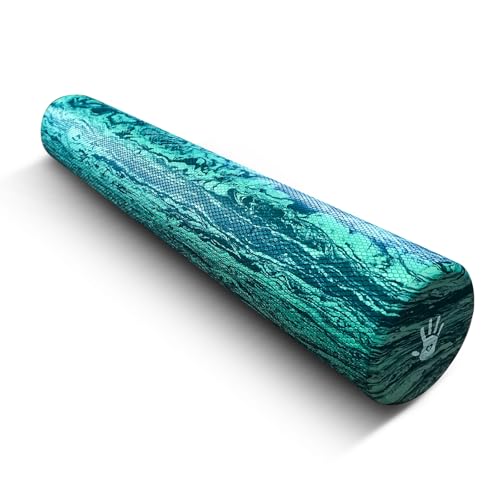
With a 36-inch length, you can roll out your entire back, hamstrings, and calves without repositioning, which is a real time-saver during a Pilates or recovery session. Its soft density delivers low-intensity compression that feels forgiving on sore muscles or fresh injuries, making it a smart starting point if standard rollers leave you wincing.
The downside is that soft foam won’t dig into tight knots the way a firmer roller will. If you regularly need deep tissue pressure, a high-density pick like the ProsourceFit Flex Foam Roller might serve you better. But for anyone easing into foam rolling after an injury or just wanting a comfortable way to improve mobility and circulation, the SENSORY4U offers a genuinely approachable feel that won’t discourage you from sticking with it.
Product photos
TriggerPoint CORE Foam Massage Roller
What We Like
- Solid-core EVA foam for even compression
- 3D surface pattern boosts blood flow
- Moderate pressure suits beginners well
- Lightweight at 0.7 pounds
Trade-offs
- 18-inch length limits full-body rolling
- Softer compression insufficient for deep tissue therapy
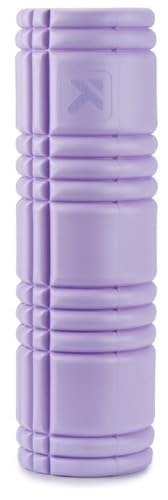
A solid-core EVA foam roller with moderate compression means you get consistent, even pressure without the discomfort that can put off new foam roller users. At just 0.7 pounds and 18 inches long, this TriggerPoint CORE is light enough to throw in a gym bag and small enough to stash under the couch. But the real win is that 3D surface pattern. That texture is designed to promote blood and oxygen flow to tired muscles, key nutrients needed for repair. For anyone who found a firm roller too intense, this is the beginner-friendly option that still provides real massage benefits.
The catch is that 18-inch length. While it’s perfect for targeting your back, glutes, and legs, you won’t get the same coverage as a 36-inch roller like the OPTP PRO-Roller Soft Density. And because the compression is moderate, people who need very firm pressure on tight spots might find it too gentle. But if you’re starting out, recovering from a class, or just want a forgiving tool that won’t make you dread foam rolling, this lavender-colored roller is a lightweight companion that fits your needs.
Yes4All EVA Firm Foam Roller

What We Like
- Four length options from 12 to 36 inches
- Firm EVA foam for controlled pressure
- Closed-cell foam resists sweat and cleans easily
- Available in multiple colors
Trade-offs
- At 1.9 lb, heavier than many 36-inch rollers
- Too firm for users seeking a soft, cushioning roller.
Four length choices mean you pick the roller for the move, not the other way around. A 12-inch size tucks into a gym bag for travel or targets just the upper back, while the 36-inch version gives full-body support for Pilates mat work, leg stretches, and rolling out tight quads. The firm EVA foam holds its shape under pressure, so you get consistent feedback when balancing on it during a core drill or leaning into a knot in your shoulder blade.
The trade-off comes down to firmness and weight. The 36-inch model weighs 1.9 pounds, which is heavier than the OPTP PRO-Roller Soft Density (0.9 pounds), making it less convenient to carry to class. The firm surface is best for those who already prefer a harder roller and want the flexibility of multiple sizes.
Gaiam Restore Foam Roller

What We Like
- Textured tread for pinpoint massage
- Medium-density suits most body types
- Portable 18-inch length for travel
- Works over clothes or bare skin
Trade-offs
- 18-inch length limits full-body rolling
- Textured surface can be intense on bare skin
The textured tread pattern on this 18-inch roller gives you targeted massage that smooth rollers can’t match, providing extra grip and control during use. At medium-density, it balances enough pressure for muscle recovery without being overly firm, suitable for use over clothes or bare skin. The 18-inch length is portable for taking to the gym or packing for physical therapy sessions, and it effectively targets smaller muscle groups in the back, arms, and legs.
The drawback is that 18 inches is short enough that you’ll need to reposition more often for full-back or hamstring work compared to a 36-inch roller. The textured surface can feel intense on bare skin, but it can be used over clothes for a gentler experience. For someone who wants focused massage on smaller muscle groups and values portability, this roller’s texture provides control and stability.
Amazon Basics High-Density Foam Roller
What We Like
- Lightweight at 0.6 pounds
- Firm high-density polypropylene holds shape
- Molded edges for added comfort
- Wipes clean easily
Trade-offs
- 18-inch length limits full-body rolling
- Firm density uncomfortable for users seeking soft pressure.
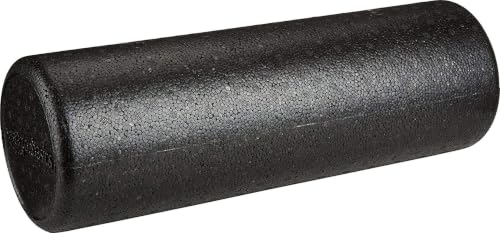
Weighing just 0.6 pounds, this foam roller is light enough to throw in a gym bag without thinking twice, perfect for someone who wants to add mobility work to their routine without hauling a heavy log around. The high-density polypropylene keeps its shape firm and supportive, so you get consistent pressure for balance, strengthening, and flexibility exercises. It’s a no-fuss tool that does the job without taking over your space or your budget, making it an easy entry point for anyone new to foam rolling or Pilates-style core work.
The trade-off is length: at 18 inches, you won’t be able to lie fully supported from head to tailbone the way you can with a 36-inch roller like the OPTP PRO-Roller Soft Density. That means longer stretches or full-spine releases require repositioning. The firm surface also won’t suit everyone, if you prefer a softer feel, the OPTP’s soft density is a better match. But if you want a portable, durable roller that gets the basics right without overcomplicating things, this one earns its spot as a smart budget-friendly choice.
Product photos
Tone Fitness High Density EPP Foam Roller

What We Like
- Lightweight at 0.9 pounds
- Designed for deep tissue massage
Trade-offs
- Too firm for beginners or sensitive areas
- Very lightweight at 0.9 pounds, feels less sturdy.
A 36-inch length lets you target your entire back, legs, and IT band without repositioning constantly, which is exactly what you want when you are working out knots after a tough Pilates session. It is built for advanced users who know how much body weight to lean in, and the lightweight 0.9-pound design makes it easy to throw in a gym bag or carry from room to room.
The downside is that same firmness can be a lot if you are new to foam rolling or nursing a sensitive area. You will need to support yourself with your arms or legs to dial back the pressure, which takes some practice. Compared to the OPTP PRO-Roller Soft Density, which is a softer foam roller, the Tone Fitness roller asks you to bring your own control. That makes it ideal for experienced movers who want precise, intense myofascial release, but less forgiving for someone just starting out or looking for a softer warm-up tool.
Product photos
ProsourceFit High Density Foam Roller

What We Like
- Compact 12-inch length for travel
- Firm high-density EPP foam
- 300 lb weight capacity
- Water-resistant and hygienic
Trade-offs
- Short length limits full-back coverage
- No surface texture for targeted trigger point work
A 12-inch length means this roller fits in a carry-on bag or tucks into a closet corner without taking over your space. For Pilates practitioners who want a compact tool that still delivers serious pressure, the ProsourceFit High Density Foam Roller brings firm EPP foam that holds its shape under 300 pounds of weight. That firmness gives you deeper massage than a soft roller, which helps release tight spots in your calves, IT bands, and glutes after a workout. It also doubles as a stability aid during core exercises, adding body awareness without needing a full-length mat hog.
The compromise is that 12 inches won’t cover your entire spine in one go like a 36-inch roller would. If you want full back support for lying down and rolling from neck to tailbone, the OPTP PRO-Roller Soft Density is longer and softer. But for travelers, small-space dwellers, or anyone who wants a firm, portable companion for targeted muscle work, this compact roller earns its spot. Just know that new users might find the firmness a bit much at first, so start slow and let your muscles adapt.
Product photos
The Original Body Roller High Density Foam Roller

What We Like
- Triple massage zones mimic fingers, thumbs, palms
- Dual grid design with ridges and spiked bumps
Trade-offs
- Short 12.5-inch length limits full-body coverage
- Lightweight 8-ounce roller lacks stability for heavy pressure.
The short 12.5-inch length means you will not get the full back or leg coverage that longer rollers provide, so this is better suited for spot work on areas like hips, calves, and shoulders rather than sweeping full-body stretches. If your main goal is portable trigger point relief rather than long-axis rolling, this compact design delivers focused pressure where you need it most.
Product photos
How We Evaluated Pilates Foam Rollers
We researched over thirty foam rollers commonly used in Pilates, comparing their material density, dimensions, surface patterns, and weight capacities using manufacturer data and expert recommendations. We also analyzed patterns in owner feedback to understand what works in real home and studio settings.
The four criteria that mattered most were density (soft, medium, or firm), length (full-body 36-inch versus shorter travel sizes), surface texture (smooth versus textured for trigger point work), and material durability (closed-cell foam that resists sweat versus open-cell foam that absorbs moisture). For Pilates specifically, a roller needs to support spinal articulation exercises without collapsing. It also must remain comfortable enough for sustained use on sensitive areas.
A research-led evaluation has limits: we have not personally tested every roller in a studio setting. However, by cross-referencing specifications with consistent owner reports and expert guidance, we identified clear patterns that separate a capable roller from a frustrating one.
What To Look For In Pilates Foam Rollers
Choosing a Pilates foam roller comes down to density, length, and surface texture. Beginners should start with soft or medium density, while experienced practitioners may prefer firm pressure for deep tissue work. A 36-inch roller supports full-body exercises, while shorter 12- to 18-inch rollers work for travel or targeted release.
Density and Firmness
Density determines how much pressure the roller applies to your muscles and bones. Soft density rollers (like the OPTP PRO-Roller Soft Density and SENSORY4U) are ideal for beginners, injury recovery, and anyone with sensitive areas because they compress more under body weight. Medium density rollers (like the Gaiam Restore and TriggerPoint CORE) offer a balance of comfort and pressure for most body types.
Firm density rollers (like the Yes4All EVA Firm, Tone Fitness High Density, and ProsourceFit High Density) provide deeper pressure for experienced users who want myofascial release. If you are unsure, start with a soft or medium roller and progress to firmer options as your tolerance builds.
Length and Portability
Full-length rollers (36 inches) support the entire spine and both legs during exercises like spinal articulation and hamstring stretches. Shorter rollers (12 to 18 inches) are more portable and fit in a gym bag, but they limit full-body rolling and require repositioning for exercises that span the back.
The Yes4All EVA Firm Foam Roller offers four length options (12, 18, 24, and 36 inches) so you can match the size to your storage space and practice style. For home use where space is not a concern, a 36-inch roller is the most versatile choice.
Surface Texture
Smooth rollers provide even, gentle pressure suitable for stretching and balance exercises. Textured rollers (like the Gaiam Restore with its tread pattern and The Original Body Roller with ridges and spiked bumps) offer targeted massage for trigger points but can feel intense on bare skin.
For Pilates, a smooth or lightly textured surface is generally preferred for exercises that require the roller to roll freely under the body.
A good rule of thumb: buy the softest density you think you need, then go one step softer. You can always press harder, but you cannot make a firm roller softer.
Material and Durability
Closed-cell EVA foam resists sweat, moisture, and grime, making it easy to wipe clean after sweaty sessions. Open-cell EPE foam is lighter and more affordable but can absorb moisture over time. The OPTP PRO-Roller and Yes4All EVA Firm rollers use closed-cell foam for easy maintenance. Weight capacity is also worth checking: the ProsourceFit High Density Foam Roller supports up to 300 pounds, while lighter rollers may feel unstable under heavier users.
Other Considerations
- Check the roller’s weight if you plan to carry it to a studio or class.
- Look for molded edges rather than sharp cut edges for added comfort during spinal exercises.
- Consider color options if you want your roller to match your home gym setup.
Pilates Foam Rollers Compared
The table below compares the ten Pilates foam rollers side by side, highlighting density, length, surface texture, and best use case for each model.
| Product | Length | Diameter | Material |
|---|---|---|---|
| OPTP PRO-Roller Soft Density Foam Roller | 36 inches | 6 inches | Closed-cell EVA foam |
| ProsourceFit Flex Foam Roller | 36 inches | 6 inches | Non-toxic EPE foam |
| SENSORY4U Soft Density Foam Roller | 36 inches | 6 inches | Closed-cell non-porous foam |
| TriggerPoint CORE Foam Massage Roller | 18 inches | 5.5 inches | Solid-core EVA foam |
| Yes4All EVA Firm Foam Roller | N/A | N/A | EVA foam |
| Gaiam Restore Foam Roller | 18 inches | N/A | High-density EVA foam |
| Amazon Basics High-Density Foam Roller | 18 inches | 6 inches | N/A |
| Tone Fitness High Density EPP Foam Roller | 35.2 inches | 5.7 inches | High-density EPP foam |
| ProsourceFit High Density Foam Roller | 12 inches | 6 inches | High-density EPP foam |
| The Original Body Roller High Density Foam Roller | 12.5 inches | 5.2 inches | Heavy Duty EPP |
Frequently Asked Questions
What density foam roller should a Pilates beginner buy?
A beginner should choose a soft or medium density foam roller. Soft rollers like the OPTP PRO-Roller Soft Density or SENSORY4U provide gentle compression that is comfortable for spinal articulation exercises and sensitive areas. Medium rollers like the TriggerPoint CORE offer a bit more feedback without being painful. Avoid firm rollers until you build tolerance.
How long should a Pilates foam roller be?
A 36-inch roller is best for full-body Pilates exercises because it supports the entire spine and both legs at once. Shorter 12- to 18-inch rollers work for travel, targeted muscle release, or small spaces, but you will need to reposition them frequently for exercises that span the back. The Yes4All EVA Firm Foam Roller offers multiple length options to fit different needs.
Can I use a foam roller for both Pilates and muscle recovery?
Yes, many foam rollers work well for both Pilates exercises and post-workout muscle recovery. Smooth, medium-density rollers are the most versatile for both purposes. For targeted trigger point relief, textured rollers like the Gaiam Restore or The Original Body Roller are better suited to recovery work.
What is the difference between EVA and EPP foam rollers?
EVA (ethylene-vinyl acetate) foam is denser, more durable, and resists moisture, making it ideal for long-term use in sweaty conditions. EPP (expanded polypropylene) foam is lighter and more affordable but can be firmer and less durable over time. Closed-cell EVA foam is easier to clean and maintains its shape better than open-cell EPE foam.
Do I need a special mat to use a foam roller for Pilates?
A mat provides cushioning and grip during floor exercises, especially when using a foam roller for spinal work. A standard yoga mat works, but a thicker Pilates mat offers more comfort for exercises that involve lying on the floor. A dedicated mat for Pilates also provides better traction during rolling exercises.
The Bottom Line
The OPTP PRO-Roller Soft Density Foam Roller is the best overall choice for most Pilates practitioners. Its closed-cell EVA foam resists sweat and cleans easily, the soft density suits beginners and sensitive areas, and the full 36-inch length supports complete-body exercises without needing to reposition. If you want a forgiving roller for balance work and gentle stretching, this is the one to buy.
For budget-conscious shoppers, the Amazon Basics High-Density Foam Roller offers a lightweight, firm option for core work and short sessions. Beginners should start with the ProsourceFit Flex Foam Roller for its half-round stability design, while those needing targeted trigger point relief will appreciate the The Original Body Roller‘s triple massage zones.
The single most important factor in choosing a Pilates foam roller is density: match it to your experience level and body sensitivity. Start soft, progress slowly, and your roller will support you through years of practice.
