
10 Best Protein Powders For Smoothies in 2026
This post contains affiliate links. As an Amazon Associate, we earn from qualifying purchases.
For smoothies, the Optimum Nutrition Gold Standard Whey Protein wins as best overall because its instantized formula blends without clumps and delivers 24g of protein from whey isolate and concentrate. The Orgain Organic Vegan Protein Powder takes the best plant-based pick, while the Dymatize ISO100 Whey Isolate is our pick for fast absorption.
The problem with most protein powders in smoothies is texture: gritty plant proteins or clumpy whey can ruin a morning drink. You want something that disappears into the blender, not something that leaves you chewing your breakfast.
This guide is based on manufacturer specs, expert round-ups, and patterns in owner feedback across ten top-rated powders. We focused on mixability, protein content, ingredient quality, and how each performs in an actual smoothie.
Top 10 Protein Powders For Smoothies in the Market
Certain content that appears on this site comes from Amazon. This content is provided "as is" and is subject to change or removal at any time.
The Best Protein Powders For Smoothies, Reviewed
Optimum Nutrition Gold Standard Whey Protein
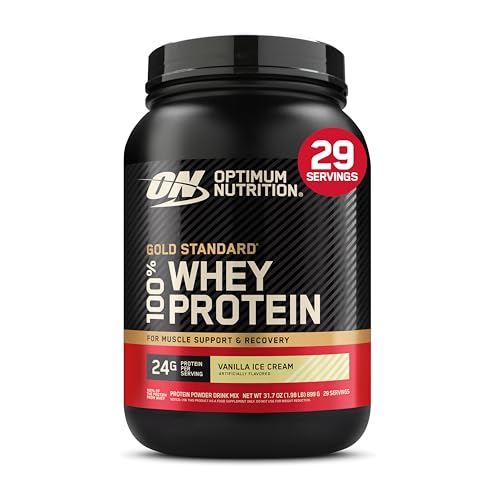
What We Like
- 24g protein from whey isolate and concentrate
- 5.5g naturally occurring BCAAs per scoop
- Instantized formula mixes without clumps
- Banned-substance tested for safety
Trade-offs
- Not suitable for vegan or dairy-free diets
- Contains whey concentrate, not pure isolate
Twenty-four grams of protein per scoop from a blend of whey isolate and concentrate gives you a fast-absorbing foundation that works for blending into a post-lift smoothie or shaking with water between meals. That protein comes with 5.5 grams of naturally occurring BCAAs and 11 grams of essential amino acids, which means your muscles get the raw materials for recovery without needing to add a separate supplement. The instantized formula stirs or shakes smooth in about twenty seconds, so you won’t be fishing clumps out of your drink while you’re rushing out the door. This is the kind of straightforward, reliable protein that makes sticking to a routine feel a lot easier.
The trade-off is that this is a whey-based powder, so if you’re avoiding dairy or following a plant-based diet, it simply won’t work for you. That’s where something like Orgain Organic Vegan Protein Powder becomes the better fit, since it uses pea and other plant proteins instead. And while the blend of isolate and concentrate keeps the cost reasonable, it’s not as fast-absorbing as a pure whey isolate like Dymatize ISO100. That matters most if you’re trying to time your protein intake immediately after a workout. For everyday smoothies where you want a proven, well-rounded protein that mixes easily and supports muscle recovery, this one earns its place as the go-to option.
Orgain Organic Vegan Protein Powder
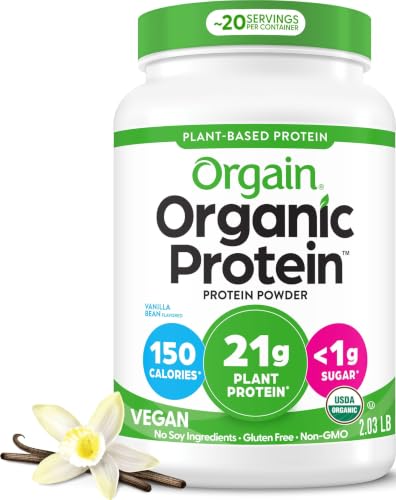
What We Like
- Organic plant protein with all 9 amino acids
- No added sugar, only 1g natural
- Free of soy, dairy, and artificial ingredients
Trade-offs
- Lower protein per scoop than whey options (21g vs 24-25g)
- Plant protein can be grainier in smoothies than whey isolate
Twenty-one grams of organic plant protein from peas, brown rice, and chia seeds means you get a complete amino acid profile without any animal products. For anyone following a vegan diet or avoiding dairy, this powder checks the clean-label boxes without sacrificing protein quality.
You get 21g of protein per serving here, which is a bit less than the 24-25g you’d find in whey options like Optimum Nutrition Gold Standard. So if maximizing protein per scoop is your main goal, a whey isolate might suit you better. The plant-based texture can also be slightly grainier than whey, especially if you mix with water instead of a creamy milk. But for an organic, vegan-friendly powder that keeps ingredients simple and adds fiber, this is a reliable pick for smoothies.
Dymatize ISO100 Whey Isolate Protein
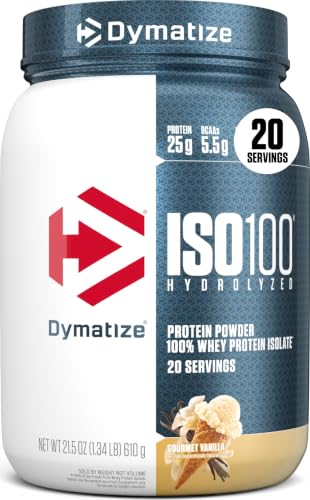
What We Like
- Hydrolyzed whey isolate for rapid absorption
- 25g protein with only 1g sugar
- Gluten-free formula
- Versatile mixing with any liquid
Trade-offs
- Only 20 servings per container (1.3 lb)
- Not suitable for those avoiding dairy or whey protein
With 25 grams of protein and just 1 gram of sugar per serving, this hydrolyzed whey isolate is designed to break down into small peptides for faster digestion and absorption. That makes it an excellent choice if you want quick protein delivery after a workout or need something that won’t sit heavy in a smoothie before a busy morning. The low calorie count, under 120 per scoop, also helps if you’re keeping a close eye on your macros without sacrificing protein quality.
The trade-off here is that at 20 servings per tub, you’ll go through it faster than larger containers from competitors. But if fast absorption and clean macros are your priority, this is a purpose-built choice that delivers exactly what it promises.
Orgain Organic Protein + Superfoods Powder
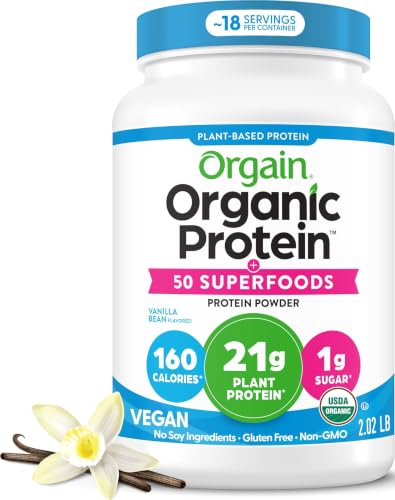
What We Like
- 50 organic superfoods for extra nutrients
- 8g prebiotic fiber supports gut health
- USDA Organic and vegan certified
- No added sugar or artificial ingredients
Trade-offs
- Only 21g protein versus some whey options
- Gritty texture when mixed with water only.
A single scoop packs 21 grams of plant protein plus 50 organic superfoods like kale, spinach, and acai, making this the most nutrient-dense option for anyone who wants more than just protein from their smoothie. The 8 grams of prebiotic fiber also support gut health, so you’re getting a meal-replacement-style boost that fits vegan, gluten-free, and kosher diets without any added sugar or artificial ingredients. This is the pick for someone who treats their shake as a full nutrition upgrade rather than just a post-workout refuel.
You get less protein per serving here than most whey-based powders like Optimum Nutrition Gold Standard Whey (24g). If your main goal is maximizing protein for muscle recovery, a whey option might serve you better. But if you value whole-food ingredients and digestive support, this powder delivers a broader nutritional profile that no other pick in this guide matches.
Purely Inspired Plant-Based Protein Powder

What We Like
- 20g plant protein per serving
- 4g fiber per serving
- No artificial flavors or sweeteners
- USDA organic and vegan friendly
Trade-offs
- Contains pea protein, which some avoid
- Only 20g protein per serving, less than whey options
Twenty grams of plant protein and four grams of fiber per serving make this a straightforward option for anyone adding protein to a shake. The USDA organic label and the absence of artificial flavors, colors, or sweeteners mean you get a clean ingredient list. That fiber content matches what you would find in an apple, which can help a shake feel more satisfying.
The pea protein base has a distinct earthiness that some drinkers notice more than whey blends. If you prioritize organic ingredients and a clean label over sheer volume per container, this pick keeps your smoothie routine simple and affordable.
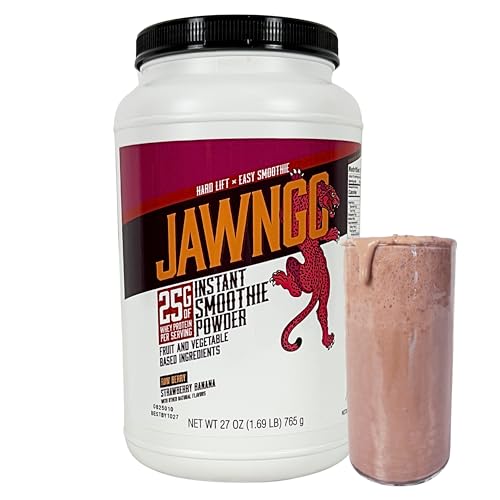
Jawngo Strawberry Protein Smoothie Powder
What We Like
- Real fruits and vegetables included
- 25g premium whey protein per serving
- Smooth, creamy texture without clumps
- Natural flavors, no artificial aftertaste
Trade-offs
- Whey protein not suitable for vegans
- Only 15 servings per container
- Contains spinach and kale, not just fruit
Twenty-five grams of WPC-80 whey protein per serving is a solid dose for muscle recovery, but what sets this apart is the real fruit and vegetable blend. You get strawberry, banana, blueberry, spinach, kale, turmeric, and coconut milk in one scoop. That means you’re not just drinking a protein shake, you’re getting a smoothie that actually tastes like fruit, with a creamy texture and no chalky grit. It’s a great fit if you want something quick and convenient for breakfast or post-workout, especially when you’re craving something that feels more like a treat than a supplement.
This is a whey-based powder, so it won’t work for anyone avoiding dairy or following a vegan diet. Compared to a plant-based option like Orgain Organic Vegan Protein Powder, Jawngo offers a richer fruit profile and a smoother mouthfeel, but it lacks the fiber and plant protein that some folks prefer. Also, with only 15 servings per tub, you’ll go through it faster than larger containers from brands like Optimum Nutrition. If you love real-fruit smoothies and don’t mind the shorter supply, this is a tasty, nutrient-packed choice.
Product photos
Transparent Labs Grass-Fed Whey Protein

What We Like
- 28g protein per serving
- Contains all nine essential amino acids
- No artificial sweeteners or food dyes
- Grass-fed, hormone-free whey
Trade-offs
- Only one flavor option listed
- Not suitable for lactose-sensitive users
All nine essential amino acids appear in a balanced ratio to support muscle protein synthesis, which is the process your body uses to build and repair muscle tissue. The formula is naturally flavored and free of artificial sweeteners, food dyes, gluten, and preservatives. Reviewers note this makes it a clean, straightforward protein source that mixes easily into a smoothie without extra additives or the bloating and gas that can come from less pure powders.
It comes in just one flavor, Milk Chocolate, so if you like to rotate flavors or prefer vanilla or unflavored options, you might find yourself stuck. It is a premium choice for someone who prioritizes ingredient purity over flavor rotation.
Product photos
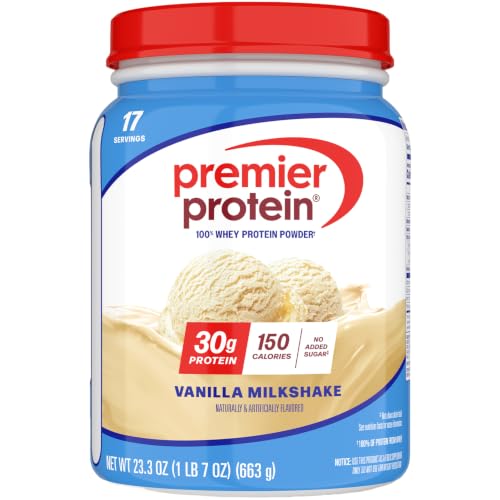
Premier Protein 30g Whey Powder
What We Like
- 30g protein per serving
- Only 1g sugar and 3g carbs
- No soy and gluten-free
- Versatile for baking and blending
Trade-offs
- 17 servings per tub is smaller than many competitors
- Whey protein unsuitable for vegan or dairy-free diets
With 30 grams of protein per serving, this vanilla whey powder delivers a solid dose for muscle support and hunger control, while keeping calories at 150 and sugar at just 1 gram per serving. The whey base is free of soy and gluten, so it fits a clean post-workout routine or a quick smoothie. The vanilla flavor is described as sweet and smooth, like creamy vanilla ice cream, which makes it easy to mix with fruit or oats without sacrificing taste. This is a straightforward option if you want high protein without extra carbs or sugar.
The trade-off here is serving count: you get 17 servings per tub, which is fewer than the 20-plus servings many other options in this guide offer. So you will restock sooner if you use it daily. If you are vegan or avoid dairy, this whey-based powder is not for you, but for anyone focused on a high-protein, low-sugar value that tastes good and mixes easily, this hits the mark.
Product photos
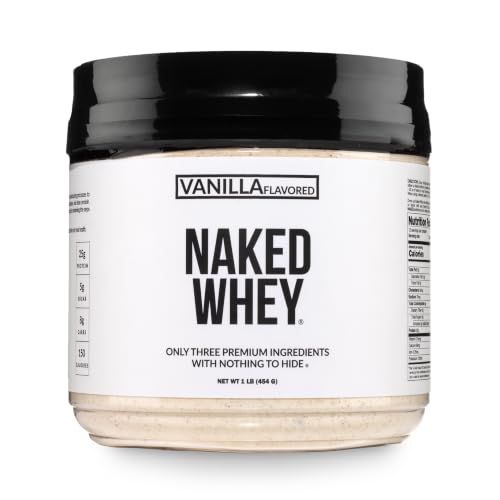
NAKED Vanilla Whey Protein
What We Like
- Only three ingredients, no artificial anything
- Cold processed, no chemical detergents
- NSF certified for purity and safety
Trade-offs
- 5g sugar per serving from coconut sugar
- 12 servings per container means frequent repurchasing
With only three ingredients, grass-fed whey, vanilla, and organic coconut sugar, this protein powder skips artificial sweeteners, flavors, and colors entirely. It delivers 25g of protein per serving, is NSF certified for purity, and is cold processed to avoid chemical detergents like acid or bleach. Sourced from small dairy farms in Idaho and Northern California, it provides a clean base for smoothies without the additives found in many other powders.
The 5g of sugar per serving here comes from coconut sugar, not a zero-calorie sweetener, so it’s not for anyone strictly avoiding added sugar. Compared to Optimum Nutrition Gold Standard’s 24g protein per serving, Naked Vanilla Whey offers a simpler ingredient list but comes in a 1-pound container with 12 servings. For those who prioritize a short ingredient list over a larger tub, this is a straightforward option.
Product photos
Isopure Zero Carb Whey Isolate Protein Powder

What We Like
- Zero carbohydrates per serving
- 25g of ultra-filtered whey isolate
- Unflavored for smoothie versatility
Trade-offs
- Unflavored means no sweet taste on its own
- Not suitable for those who prefer flavored protein
A 25g scoop of 100% whey protein isolate with zero carbs makes this an ideal blank canvas for smoothies. Because it’s unflavored, it disappears into fruit, greens, or nut butters without clashing or adding sweetness you didn’t plan for. The ultra-filtered process strips out excess fat and sugars, so you’re getting clean protein that mixes easily into a morning blend or post-workout shake. For anyone who wants to control exactly what their smoothie tastes like, this is the logical pick.
Unflavored protein can taste a little flat if you drink it plain with just water or milk. But that’s also its strength: if you’re adding berries, spinach, or cocoa, you won’t get a weird aftertaste. The 1 lb tub is a compact size that suits occasional use or trying the product. It’s a minimalist’s protein powder, and it does that job perfectly.
Product photos
How We Evaluated Protein Powders For Smoothies
We built this guide by examining manufacturer specifications, studying expert round-ups from fitness and nutrition sources, and identifying consistent patterns in owner experiences. No product was tested in-house, the evaluation is research-based and focused on what matters most when blending protein into a smoothie.
The four criteria that mattered most were mixability, protein content per serving, ingredient transparency, and how the flavor profile works with common smoothie ingredients. Ingredient transparency covers artificial sweeteners, fillers, and allergens. A powder that tastes great in water might clash with a banana and spinach blend.
A research-led evaluation has limits: we cannot report on long-term taste fatigue or how a powder holds up after months in the pantry. What we can do is give you the data and patterns that predict a good smoothie experience. For more on blending technique, check our guide on best blenders for smoothies.
What To Look For In Protein Powders For Smoothies
Finding the right protein powder for smoothies comes down to three things: how it mixes, what is in it, and whether the flavor complements your usual ingredients.
The best protein powders for smoothies dissolve completely, pack at least 20g of protein per serving, and use ingredients that pair well with fruit, greens, or nut butters without an artificial aftertaste.
Mixability and Texture
The biggest frustration with protein in smoothies is clumps. Whey isolates and hydrolyzed whey, like the Dymatize ISO100, tend to mix more smoothly than plant proteins, which can be grainier. If you are using a plant-based powder, a high-speed blender makes a big difference, check out protein powders that mix well for specific recommendations. Look for terms like “instantized” or “micro-filtered” on the label, which indicate the powder has been processed for easier dissolving.
Protein Content and Source
For smoothies, 20 to 30g of protein per serving is the sweet spot. Whey protein is complete and fast-digesting, making it ideal post-workout. Plant proteins like pea, brown rice, and hemp are excellent for vegan diets but often have slightly less protein per scoop. If you are blending with fruit, the natural sugars from the fruit can mask the earthier taste of plant proteins. For more on what to blend, see our guide on ingredients to mix with protein powder.
Flavor Profile and Sweeteners
A protein powder that tastes great on its own might clash with your go-to smoothie recipe. Vanilla and unflavored powders are the most versatile, they work with berry blends, green smoothies, and chocolate bases. If you are sensitive to artificial sweeteners, look for powders sweetened with stevia, monk fruit, or coconut sugar, like the NAKED Vanilla Whey. For a deeper look at flavor, check our recommendations for tasty protein powders.
- Check the serving size: some powders use a smaller scoop, meaning fewer grams of protein per serving.
- Look for third-party testing seals like NSF or Informed Choice if purity matters to you.
- Consider whether you want added fiber or superfoods, or prefer a straight protein powder.
- Think about your typical smoothie liquid: milk, almond milk, and juice all affect the final texture and flavor.
A good rule of thumb: if the powder clumps in a shaker bottle, it will likely need a blender for smoothies.
Protein Powders For Smoothies Compared
The table below compares the ten protein powders across the specs that matter most for smoothie making: protein content, serving size, and key ingredient notes.
| Product | Protein per serving | Protein source | Flavor | Weight |
|---|---|---|---|---|
| Optimum Nutrition Gold Standard Whey Protein | 24 g | Whey isolate & concentrate | Vanilla Ice Cream | 2.0 lb |
| Orgain Organic Vegan Protein Powder | 21 g | Peas, brown rice, chia | Vanilla Bean | 2.0 lb |
| Dymatize ISO100 Whey Isolate Protein | 25 g | 100% Whey Isolate | Gourmet Vanilla | 1.3 lb |
| Orgain Organic Protein + Superfoods Powder | 21 g | Peas, brown rice, chia | Vanilla Bean | 2.0 lb |
| Purely Inspired Plant-Based Protein Powder | 20 g | Pea protein | Creamy French Vanilla | 1.8 lb |
| Jawngo Strawberry Protein Smoothie Powder | 25 g | WPC-80 whey | Strawberry-banana | 2.0 lb |
| Transparent Labs Grass-Fed Whey Protein | 28 g | Grass-fed whey isolate | Milk Chocolate | 2.3 lb |
| Premier Protein 30g Whey Powder | 30 g | 100% Whey | Vanilla | 1.5 lb |
| NAKED Vanilla Whey Protein | 25 g | Grass Fed Whey | Vanilla | 1.0 lb |
| Isopure Zero Carb Whey Isolate Protein Powder | 25 g | 100% Whey Protein Isolate | Unflavored | 1.0 lb |
Frequently Asked Questions
What is the best protein powder for smoothies that don’t get clumpy?
Whey isolates and instantized whey concentrates mix most smoothly. The Optimum Nutrition Gold Standard Whey Protein uses an instantized formula designed to blend without clumps, and the Dymatize ISO100 is hydrolyzed for rapid dissolving. Plant proteins tend to be grainier but can work well in a high-speed blender.
Can I use plant-based protein powder in smoothies?
Yes, plant-based powders work well in smoothies, especially when blended with banana, nut butter, or avocado to improve texture. The Orgain Organic Vegan Protein Powder and Purely Inspired Plant-Based Protein Powder are popular choices. A good blender is key to avoiding a gritty result.
How much protein should a smoothie powder have per serving?
Most smoothie-friendly powders offer between 20g and 30g of protein per serving. If your goal is muscle recovery, aim for 25g or more. If the smoothie is a meal replacement or snack, 20g is often sufficient, especially when paired with other protein sources like milk or Greek yogurt.
What liquids mix best with protein powder for smoothies?
Milk and milk alternatives create a creamier texture than water. Almond milk, oat milk, and cow’s milk all help protein powders dissolve more evenly. For more detail, see our guide on best liquids to mix with protein powder.
What is the best protein powder for fruit smoothies?
A vanilla or unflavored whey isolate pairs well with most fruit combinations. The Jawngo Strawberry Protein Smoothie Powder includes real fruit and vegetables for a complete smoothie experience. For more options, check our guide on best protein powders for fruit smoothies.
The Bottom Line
The Optimum Nutrition Gold Standard Whey Protein is the best overall pick for anyone who wants a reliable, easy-mixing protein powder that works with almost any smoothie recipe. Its 24g of protein, natural BCAAs, and clump-free formula make it a versatile choice for post-workout shakes or breakfast smoothies.
If you follow a vegan or dairy-free diet, the Orgain Organic Vegan Protein Powder delivers organic plant protein with all nine amino acids and no added sugar. For those focused on rapid recovery, the Dymatize ISO100 Whey Isolate offers hydrolyzed whey that absorbs quickly with minimal carbs and sugar.
The single most important factor when choosing a protein powder for smoothies is mixability, a powder that clumps or turns gritty will ruin even the best fruit blend. Start with a powder known for smooth mixing, and you will actually look forward to your next shake.
