
10 Best Protein Powders in 2026
This post contains affiliate links. As an Amazon Associate, we earn from qualifying purchases.
The Optimum Nutrition Gold Standard Whey Protein earns our Best Overall spot. It balances 24g of protein from a whey isolate and concentrate blend with naturally occurring BCAAs and a mixable texture that works for any routine. For rapid post-workout absorption, the Dymatize ISO100 Whey Isolate delivers hydrolyzed protein with minimal sugar. Lifters who prioritize clean ingredients will appreciate the Transparent Labs Grass-Fed Whey, which packs 28g of protein from grass-fed isolate with no artificial additives.
Finding the right protein powder means cutting through marketing claims about absorption rates, ingredient sourcing, and protein counts. What actually matters is how a powder fits your diet, whether you need fast-digesting whey after a session, a plant-based option that supports gut health, or a zero-carb isolate for keto macros.
This guide is built from manufacturer specifications, ingredient profiles, and patterns in owner feedback across ten top contenders. We break down what each powder does best and who it truly serves, so you can match a product to your specific training and dietary needs.
Top 10 Protein Powders in the Market
Certain content that appears on this site comes from Amazon. This content is provided "as is" and is subject to change or removal at any time.
The Best Protein Powders, Reviewed
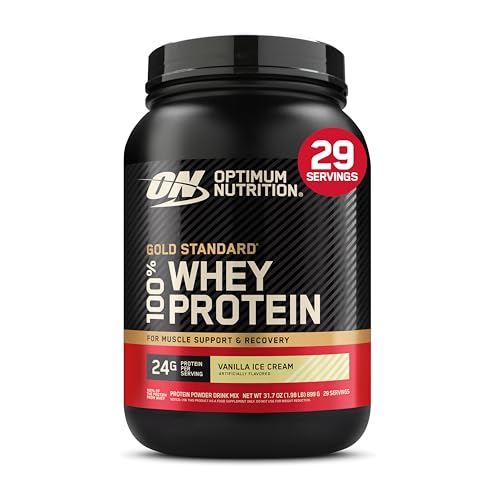
Optimum Nutrition Gold Standard Whey Protein
What We Like
- 24g protein from whey isolate and concentrate
- 5.5g naturally occurring BCAAs per serving
- Instantized formula mixes without clumps
- Banned-substance tested for safety
Trade-offs
- Uses whey concentrate alongside isolate, less pure than isolate-only
- 2 lb tub is heavier than some lighter travel options
A blend of whey isolate and concentrate delivers 24g of protein per scoop, so you get a fast-digesting, muscle-supporting shake that works whether you just finished a run, need a midday snack, or want something to sip with breakfast. The naturally occurring 5.5g of BCAAs help with recovery without requiring extra supplements, and the instantized formula dissolves in about 20 seconds with just a shake, no clumps, no blender necessary. This is the kind of straightforward, reliable protein that fits into a busy week without fuss.
The Gold Standard uses a blend of whey protein isolate and concentrate, so if you want a pure isolate-only formula, Dymatize ISO100 with 100% whey isolate might fit that need. For most people, though, this powder delivers 24g of protein per scoop with 5.5g of naturally occurring BCAAs for recovery, and it’s banned-substance tested for peace of mind. It mixes easily with a quick shake, making it a straightforward choice for daily use.
Dymatize ISO100 Whey Isolate Protein

What We Like
- Hydrolyzed for rapid absorption
- 25g protein with only 1g sugar
- Gluten-free and low lactose
- 5.5g BCAAs per serving
Trade-offs
- Only 20 servings per container
With hydrolyzed whey isolate broken into small peptides, this protein is designed to hit your system fast, ideal right after a workout when your muscles are hungry for repair. Each scoop delivers 25 grams of protein with just 1 gram of sugar and under 120 calories, so you get the building blocks without the extras. That makes it a go-to for anyone focused on lean muscle support without unwanted carbs or fats slowing them down.
The trade-off comes in the serving count: a 1.3-pound tub gives you only 20 servings, which means more frequent reordering compared to larger tubs like Optimum Nutrition Gold Standard’s 2-pound option. For someone who values speed and purity over volume, this is a smart pick.
Transparent Labs Grass-Fed Whey Protein

What We Like
- 28g protein per serving
- 100% grass-fed whey isolate
- All nine essential amino acids
- No artificial sweeteners or dyes
Trade-offs
- Only one flavor listed
- No digestive enzyme blend mentioned
With 28 grams of protein per serving from 100% grass-fed whey isolate, this powder provides a high protein-by-weight ratio, meaning you get a concentrated source of muscle-building fuel. It is naturally flavored and free of artificial sweeteners, food dyes, and gluten, so it fits a clean-eating approach. The formula is designed to be light on the stomach and support recovery, with all nine essential amino acids to aid muscle protein synthesis.
The trade-off here is that you only get one flavor option (Milk Chocolate), which limits variety compared to some other protein powders that offer multiple flavor choices. If you enjoy switching up your shakes, that might feel restrictive. But if your goal is a simple, high-quality grass-fed isolate that is light on the stomach and packs a solid protein punch, this delivers exactly what it promises without the guesswork.
Product photos
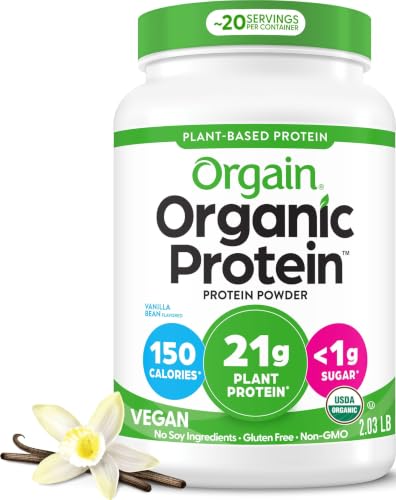
Orgain Organic Vegan Protein Powder
What We Like
- Organic plant-based protein with all 9 essential amino acids
- No added sugar, artificial sweeteners, or preservatives
- Vegan, gluten-free, and made without soy or dairy
Trade-offs
- Only 21g protein per serving vs whey competitors' 24-30g
- Not suitable for those wanting whey's faster absorption.
Twenty-one grams of organic plant protein from peas, brown rice, and chia seeds gives you a complete amino acid profile without any dairy, soy, or artificial junk. This is the pick for anyone who wants a clean, certified-organic option that fits vegan, kosher, or lactose-sensitive diets. The vanilla bean flavor mixes easily into water, almond milk, or even overnight oats, so you’re not stuck drinking chalky shakes.
The trade-off is protein density. Compared to Optimum Nutrition Gold Standard’s 24g per scoop, you get 21g here, and plant proteins often feel heavier or grainier than whey isolates. If your main goal is maximizing protein per gram with the smoothest texture, a whey option might serve you better. But if you prioritize organic ingredients, fiber support, and avoiding animal products, this delivers where others don’t. It’s a thoughtful, everyday protein for the plant-based lifter who values whole-food ingredients over sheer numbers.
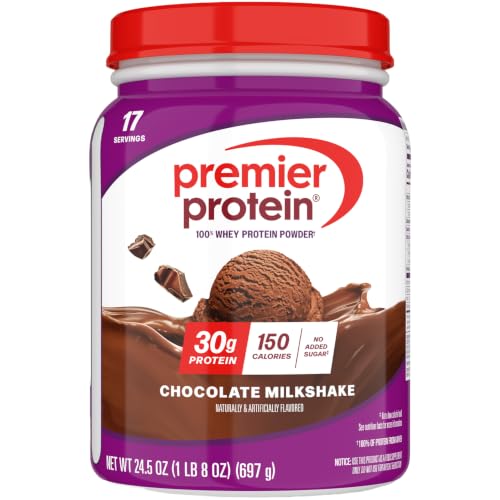
Premier Protein 30g Whey Protein Powder
What We Like
- 30g protein with only 1g sugar
- 100% whey protein source
- Soy and gluten free
- Versatile for baking and blending
Trade-offs
- Only 17 servings per tub
- Not suitable for weight reduction use
Each serving packs 30g of protein with only 1g of sugar, so you can hit your protein goals without loading up on sweet stuff. The whey provides all essential amino acids to support muscle recovery, and at 150 calories per scoop it fits neatly into a lean diet. This is the kind of option that works well if you are watching your carb intake or trying to keep things simple after a workout, because you can just add water and get a smooth chocolate shake without any extra fuss.
The trade-off here is serving count: each tub gives you 17 servings, which is fewer than some other powders on the market. If you prioritize clean macros over total servings per tub, this is a smart pick. Just keep in mind that the label advises using it as a food supplement only, not for weight reduction.
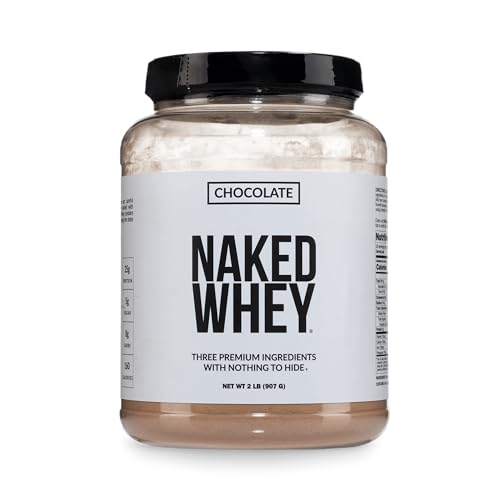
NAKED Whey Chocolate Protein Powder
What We Like
- Only three recognizable ingredients
- Grass-fed whey from small dairy farms
- NSF Certified for purity and safety
Trade-offs
- 5g sugar per serving from coconut sugar
Twenty-five grams of protein per scoop from just three ingredients, grass-fed whey, organic chocolate, and organic coconut sugar, makes this about as straightforward as a protein powder gets. If you’ve ever flipped over a tub and felt lost reading a paragraph of lab-sounding names, this one lets you breathe. For anyone who wants to know exactly what they’re drinking after a workout, that kind of simplicity is hard to beat.
With 5g of sugar per serving coming from organic coconut sugar, this option is sweeter than some stripped-down isolates on the market. If you’re strictly counting carbs or trying to keep every gram of sugar out of your shake, something like Dymatize ISO100 offers 25g of protein with a different nutritional profile, though its sugar content isn’t listed here. But for the person who prefers a lightly sweetened, clean-label chocolate whey that works well in baking or a post-gym shake, this one delivers exactly what it promises.
Isopure Zero Carb Whey Isolate Protein

What We Like
- Zero carbs per serving
- 25g protein from whey isolate
- Ultra-filtered for purity
Trade-offs
- Only 1 lb container
- Unflavored powder requires mixing with flavorful liquids
Zero carbohydrates per serving means this whey isolate fits into strict low-carb or keto diets without any math or guesswork. Each scoop delivers 25g of high-quality protein from ultra-filtered whey isolate, so you get the muscle support you want without the extra sugars or fillers. It’s a straightforward choice when you need to hit your daily protein goal cleanly, especially when you’re pairing it with smoothies, iced coffee, or baking.
Unflavored protein can taste a little flat on its own, so you’ll likely want to mix it into something flavorful. Compared to Optimum Nutrition Gold Standard Whey, which comes in a 2 lb tub and a vanilla flavor, Isopure Zero Carb keeps things simple and carb-free but asks you to bring the taste. If you prefer a pre-flavored protein you can drink straight with water, that other pick might suit you better.
Product photos
Muscle Milk Genuine Protein Powder
What We Like
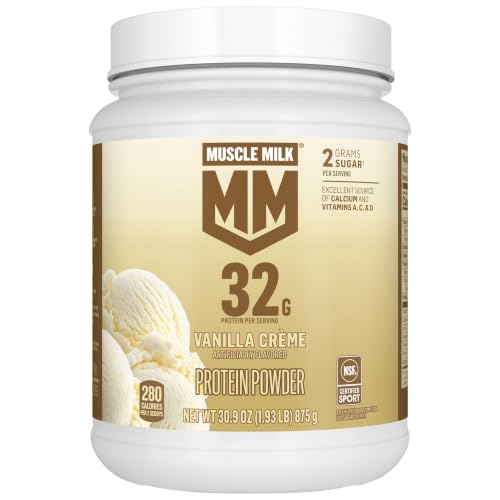
- 32g high-quality protein per serving
- Only 2g sugar per serving
- Excellent source of Calcium and Vitamins A, C & D
- NSF Certified for Sport, tested for banned substances
Trade-offs
- Only 12 servings per container, fewer than many competitors
- Requires 2 scoops per serving, uses powder faster
This powder delivers 32g of protein per serving with only 2g of sugar, and it provides an excellent source of calcium and vitamins A, C, and D. The NSF certification means it has been screened for over 270 banned substances, which matters if you compete or simply want assurance about what you’re taking. It dissolves easily in water when you mix two scoops into eight fluid ounces using a shaker bottle, so it works as a quick post-workout drink or a portable breakfast option.
The container holds about 12 servings, which is fewer than the 20 servings you get with Dymatize ISO100. Each serving requires two scoops, so you will use the powder more quickly than a product with a lower protein dose per serving. If you want a higher protein count per scoop and don’t mind replacing the tub more often, this fits that need. If you prefer a lower protein option that lasts longer, a 24g choice like Optimum Nutrition Gold Standard Whey gives you more servings per container.
Product photos
RYSE Loaded Protein Powder

What We Like
- 25g whey isolate and concentrate blend
- Prebiotic fiber supports gut health
- MCTs for clean energy and digestion
- Low carb and low sugar formula
Trade-offs
- Only 27 servings per tub
- Not suitable for those avoiding dairy
Twenty-five grams of protein per serving from a whey isolate and concentrate blend supports muscle building and recovery, but the real standout here is the digestive-friendly twist. Added prebiotic fiber helps reduce bloating, and MCTs provide clean energy without that heavy, stuck feeling some protein shakes leave behind. This makes it a smart pick if your stomach usually protests after a shake, or if you want something that supports gut health while fueling recovery.
The trade-off is serving count: at 27 servings per tub, you will go through it faster than some other options. That matters if you drink protein daily and want fewer reorders. But if your priority is a smooth, comfortable shake that skips the bloat and still delivers solid macros, RYSE Loaded Protein Powder delivers exactly that without extra filler or fuss.
Product photos
NAKED Whey Isolate Protein

What We Like
- Only two ingredients, no artificial anything
- Zero carbs and zero sugar per serving
- 30g protein from grass-fed whey isolate
Trade-offs
- Unflavored, so no sweetness or flavoring
- Requires mixing for smooth texture
A 30g serving of pure grass-fed whey isolate with zero carbs and just two ingredients is exactly what you want when you need protein without the extras. This is the pick if you want to control exactly what goes into your shake, no artificial sweeteners, no flavors, no colors, and no chemical residues from harsh processing. It suits the minimalist who values clean sourcing from pasture-fed cows and wants a protein powder that won’t interfere with recipes or a strict dietary plan.
Unflavored means unflavored. If you are used to a sweet vanilla or chocolate protein from a flavored brand, this will taste neutral, which some people love for smoothies or baking, but others find bland. You will need a good blender or shaker to get a smooth consistency, since sunflower lecithin is included to aid solubility but does not eliminate the need for mixing. That simplicity is the whole point, but it does mean this is not the grab-and-go sweet shake you might expect from a flavored isolate. Best for the cook, the purist, or anyone avoiding every hidden ingredient.
Product photos
How We Evaluated Protein Powders
We started with the fundamentals: protein content per serving, protein source (whey isolate, concentrate, or plant-based), and the amino acid profile that supports muscle recovery. Every powder in this lineup was assessed against its listed macros, ingredient transparency, and the type of processing used, hydrolyzed whey absorbs faster, while concentrate offers a more affordable protein source.
Next we looked at what real users consistently report: mixability, taste, and digestive comfort. A powder that clumps or causes bloating won’t stay in your routine no matter how good its stats look. We also weighed serving sizes and container counts, because a tub that runs out in twelve servings changes the value equation for daily use.
Finally, we considered dietary qualifiers like grass-fed sourcing, organic certification, third-party testing for banned substances, and the presence of digestive aids like prebiotic fiber. This research-led evaluation can’t replace personal taste testing, but it gives you a clear framework to match a powder’s strengths to your own goals. For a deeper look at the full category, our guide to the best overall protein powders covers more options across different budgets.
What To Look For In Protein Powders
Not all protein powders are built the same. The right choice depends on your digestion, your diet, and what you expect from a shake.
Look for a protein source that matches your digestive tolerance. Whey isolate works for low lactose needs, while plant-based options suit vegan diets. Aim for a protein count between 20-30g per serving for muscle support. Also check for minimal added sugars if you’re watching carbs.
Protein Source and Digestion
Whey isolate undergoes filtration that removes most of the fat and lactose, making it a reasonable choice for anyone with mild dairy sensitivity. Whey concentrate is less processed and cheaper but contains more lactose and fat. Plant-based blends (pea, brown rice, or hemp) offer complete amino acids for vegan diets but typically digest slower and may have a grittier texture. Hydrolyzed whey is pre-digested for the fastest absorption, ideal right after training.
Protein Content and Macros Per Serving
Most effective servings fall between 20 and 30 grams of protein. Anything below that may not fully stimulate muscle protein synthesis after a hard session. Watch the carb and sugar counts too: a low-sugar powder (1-2g per serving) suits keto or low-carb diets, while powders with 5g or more of sugar work better as meal replacements or for bulking phases.
Additives, Sweeteners, and Third-Party Testing
Artificial sweeteners, gums, and fillers can cause bloating in sensitive stomachs. Look for powders with recognizable ingredients or those that list digestive enzymes and prebiotic fiber if gut comfort is a concern. Third-party certifications like NSF Certified for Sport or Informed Sport mean the product has been tested for banned substances, important for competitive athletes.
- Check the serving size: some powders require two scoops, which doubles the cost per shake.
- Look at the container weight and serving count to calculate how long a tub lasts.
- Read the “other ingredients” line for thickeners, artificial flavors, or sugar alcohols.
- Confirm the protein source matches your dietary needs (grass-fed, organic, plant-based).
- If you are new to protein powders, start with a single-serving sample pack before buying a full tub.
A good rule of thumb: the shorter the ingredient list, the fewer surprises in your shake.
Protein Powders Compared
The table below compares each powder’s protein source, protein per serving, sugar content, and key dietary features side by side.
| Product | Protein per serving | Protein source | BCAAs per serving |
|---|---|---|---|
| Optimum Nutrition Gold Standard Whey Protein | 24g | Whey isolate & concentrate | 5.5g |
| Dymatize ISO100 Whey Isolate Protein | 25g | Hydrolyzed whey isolate | 5g |
| Transparent Labs Grass-Fed Whey Protein | 28g | 100% grass-fed whey isolate | N/A |
| Orgain Organic Vegan Protein Powder | 21g | Organic peas, brown rice & chia | N/A |
| Premier Protein 30g Whey Protein Powder | 30g | 100% Whey | N/A |
| NAKED Whey Chocolate Protein Powder | 25g | Grass Fed Pure Whey Protein | 6.0g |
| Isopure Zero Carb Whey Isolate Protein | 25g | 100% whey isolate | N/A |
| Muscle Milk Genuine Protein Powder | 32g | N/A | N/A |
| RYSE Loaded Protein Powder | 25g | Whey isolate & concentrate | N/A |
| NAKED Whey Isolate Protein | 30g | Grass-fed UK, Ireland, NZ | 8.4g |
Frequently Asked Questions
How much protein do I need per day from powder?
Most active adults benefit from 20-30 grams of protein per shake, which typically covers one-third to one-half of a single meal’s protein needs. Total daily protein depends on your body weight and activity level, aim for roughly 0.7 to 1 gram per pound of body weight from all food and supplement sources combined.
What is the difference between whey isolate and whey concentrate?
Whey isolate is filtered to remove most fat and lactose, resulting in a higher protein percentage per gram and faster digestion. Whey concentrate retains more of the milk’s natural nutrients but also more lactose and fat, making it cheaper and slower to absorb. Many blends use both for a balance of cost and performance.
Can I use protein powder for weight loss?
Protein powder can support weight loss by helping you feel full and preserving muscle mass while in a calorie deficit. Choose a low-sugar, low-carb powder with around 25g of protein per serving and use it as a meal replacement or post-workout shake. It works best as part of a structured diet, not as a standalone solution.
Is plant-based protein as effective as whey for building muscle?
Yes, when the plant-based powder provides all nine essential amino acids and you consume enough total protein daily. Plant proteins digest slower than whey, which can be an advantage for sustained amino acid release. Look for blends that combine pea and rice protein for a complete amino profile.
How do I know if a protein powder is safe and pure?
Look for third-party testing certifications like NSF Certified for Sport or Informed Sport on the label. These programs test for banned substances, heavy metals, and contaminants. Powders with short ingredient lists and transparent sourcing also reduce the chance of hidden additives.
The Bottom Line
The Optimum Nutrition Gold Standard Whey Protein remains the most versatile choice for anyone who wants a reliable, mixable whey that supports recovery without demanding a premium price tag. Its blend of isolate and concentrate gives you solid protein density with naturally occurring BCAAs, and the instantized formula means no clumps.
If your priorities are more specific, the right pick is waiting. The Dymatize ISO100 Whey Isolate is your best bet for rapid post-workout absorption with minimal sugar. Plant-based eaters should grab the Orgain Organic Vegan Protein Powder for its organic ingredients and added fiber. Keto dieters will appreciate the Isopure Zero Carb Whey Isolate, and anyone with a sensitive stomach can turn to the RYSE Loaded Protein Powder with its prebiotic fiber and MCTs.
The single most important factor is matching the protein source and macros to your diet and digestion. A powder that fits your stomach and your macros will keep you consistent, and consistency is what drives real results. For more tailored recommendations, check our guides on protein powders for women, protein powders for men, and workout protein powders for training-specific options.
