
10 Best Quality Protein Powders in 2026
This post contains affiliate links. As an Amazon Associate, we earn from qualifying purchases.
The Optimum Nutrition Gold Standard Whey Protein wins best overall because it balances 24g of premium whey, naturally occurring BCAAs, and instant mixing into a versatile, trusted powder that works for almost anyone. For clean-label fans, the Transparent Labs Grass-Fed Whey Protein takes best grass-fed. Athletes wanting the fastest absorption should look at the Dymatize ISO100 Whey Protein Isolate.
Shopping for quality protein powder means wading through marketing claims about grass-fed, hydrolyzed, isolate, and plant-based blends. What actually matters is whether the protein source fits your digestion, your diet, and your daily routine without forcing you to choke down chalky, clumpy shakes.
We built this guide by examining specs, manufacturer documentation, expert round-ups, and patterns in owner feedback. The result is ten clear picks ranked by overall quality, with honest trade-offs so you can match the right powder to your specific needs.
Top 10 Quality Protein Powders in the Market
Certain content that appears on this site comes from Amazon. This content is provided "as is" and is subject to change or removal at any time.
The Best Quality Protein Powders, Reviewed
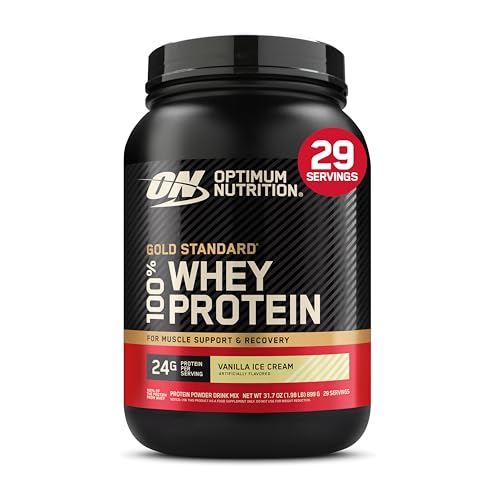
Optimum Nutrition Gold Standard Whey Protein
What We Like
- 24g premium whey from isolate and concentrate
- 5.5g naturally occurring BCAAs per serving
- Instantized formula mixes without clumps
- Banned-substance tested for safety
Trade-offs
- Uses concentrate, not pure isolate for fastest absorption
- Not a pure whey isolate for fastest absorption
With 24 grams of protein per scoop from a blend of whey isolate and concentrate, this powder delivers the muscle-building and recovery support that fits a wide range of training schedules. The 5.5 grams of naturally occurring BCAAs help your muscles repair after a tough session, and the instantized formula means you won’t be fighting clumps when you shake it with water or milk. For someone who wants a reliable, everyday protein that works post-workout, between meals, or whenever extra protein is needed, this is the kind of straightforward choice that keeps things simple.
The trade-off is that it uses a blend of isolate and concentrate rather than pure isolate. So if your goal is the fastest possible absorption with minimal lactose, a product like Dymatize ISO100 might suit you better. But for most people building consistent strength habits, the combination of quality ingredients, easy mixing, and the peace of mind that comes from banned-substance testing makes this a practical, no-fuss option that earns its place as a daily staple.
Transparent Labs Grass-Fed Whey Protein

What We Like
- 28g protein per serving
- 100% grass-fed whey isolate
- No artificial sweeteners or dyes
- Contains all nine essential amino acids
Trade-offs
- Only one flavor option listed
- Not suitable for those avoiding dairy or whey protein
With 28 grams per scoop from 100% grass-fed whey isolate, this is about as clean as a protein powder gets. It skips artificial sweeteners, food dyes, gluten, and preservatives entirely, which matters if you want your supplement list to read like real food rather than a chemistry experiment. The amino acid profile includes all nine essentials in a balanced ratio, so your muscles get what they need for repair and growth without any extra junk getting in the way. This makes it a natural fit if you prioritize ingredient transparency and want a straightforward, no-nonsense protein to support your training.
The Transparent Labs Grass-Fed Whey Protein Isolate delivers 28 grams of protein per serving, which is more than the 24 grams in Optimum Nutrition Gold Standard Whey Protein. That means you get a higher protein density in every scoop. That extra protein supports muscle recovery and growth without piling on extra sugar or fat, making it a lean choice for anyone serious about their macros. The catch is that you only get one flavor choice here, Milk Chocolate. So if you like rotating between vanilla or unflavored options, you might feel a little limited. Transparent Labs focuses on purity over variety, and that single-minded approach works well if your goal is a clean label with verified sourcing, but it does mean less flexibility for those who like to switch things up week to week.
Product photos
Dymatize ISO100 Whey Protein Isolate

What We Like
- Hydrolyzed for fast digestion and absorption
- 25g protein with only 1g fat and 1g sugar
- Gluten-free and low lactose
- Fruity Pebbles flavor for a nostalgic treat
Trade-offs
- 20 servings per container means more frequent reordering
- Hydrolyzed isolate can taste slightly bitter to some
Each serving delivers 25 grams of protein, and because it’s hydrolyzed, the protein is broken into smaller peptides to speed up digestion and absorption. That makes this a smart pick for anyone who wants amino acids hitting muscles quickly after a workout. With only 1 gram of fat and 1 gram of sugar per serving, the macros stay clean. The Fruity Pebbles flavor adds a sweet, nostalgic twist that makes post-gym nutrition feel more like a treat than a chore.
You only get 20 servings per tub, so if you train daily, you’ll be ordering again sooner than with a larger container. The hydrolyzed process can leave a faint bitterness behind, though the fruity flavor does a decent job masking it. Compared to Optimum Nutrition Gold Standard, which offers 24g protein per serving in a 2-pound tub, ISO100 focuses on speed and purity, ideal for the athlete who prioritizes rapid absorption over volume or variety.
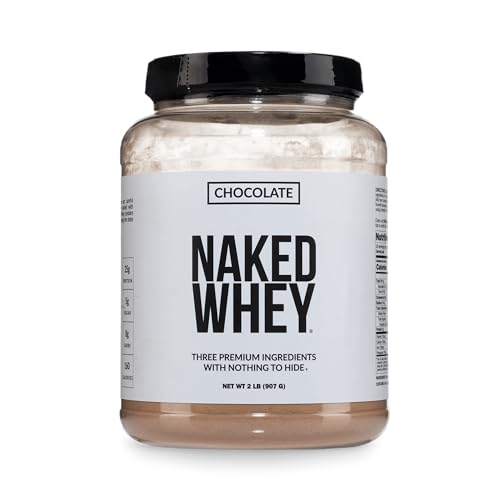
NAKED Whey Chocolate Protein Powder
What We Like
- Grass-fed whey from small dairy farms
- Cold-processed, no chemical detergents
- NSF Certified for purity and safety
Trade-offs
- 5g sugar per serving from coconut sugar
- Not suitable for those avoiding all added sugars
Three ingredients: grass-fed whey, organic chocolate, and organic coconut sugar. No artificial sweeteners, and the cold processing avoids contamination from chemical detergents. An NSF stamp verifies purity and safety. For someone who wants to know exactly what they are putting in their body after a workout, this cuts through the noise. It is the kind of straightforward choice that makes sense if you are tired of scanning long ingredient lists or wondering whether that ‘natural flavor’ hides something.
Those three ingredients include 5g of sugar and 8g of total carbs per scoop. That means it is not the leanest option if you are watching every gram for keto or low-carb goals. Compare it to the NAKED Whey Isolate (unflavored, zero carbs, two ingredients) if you want to strip things down even further. But for a chocolate protein that tastes like real chocolate and mixes without a chemistry lesson, this is the one to grab.
NAKED Whey Isolate Protein Powder

What We Like
- Zero carbs and zero sugar
- Only two clean ingredients
Trade-offs
- No added digestive enzymes or probiotics
- Unflavored, so no built-in taste boost
A full 30 grams of protein with zero carbs and zero sugar is the headline here, and for anyone tracking macros strictly, that’s a rare find.
Unflavored means unflavored. If you’re used to the sweet vanilla or chocolate of something like Optimum Nutrition Gold Standard, this will taste like milk with a faint creaminess, nothing more. You’ll need to add your own cocoa, fruit, or sweetener if you want flavor. But for those who prioritize purity over taste, that’s not a flaw; it’s the point. At 30g protein and zero carbs, it offers a very simple ingredient list compared to many other whey isolates in the guide, for anyone who wants nothing extra in their scoop.
Product photos
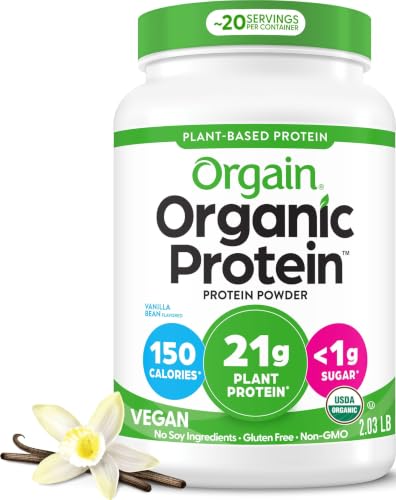
Orgain Organic Vegan Protein Powder
What We Like
- USDA Organic and certified plant-based
- 21g protein from peas, rice, chia
- 6g prebiotic fiber for gut support
- No added sugar, erythritol, or artificial ingredients
Trade-offs
- Plant protein blends can taste grainier than whey
- Contains chia seeds, which some avoid for texture
Twenty-one grams of organic plant protein from peas, brown rice, and chia seeds make this a well-rounded option if you want a clean, whole-foods-style powder without the dairy or soy. The 6g of prebiotic fiber is a bonus most protein powders skip entirely, so you get gut support alongside muscle recovery. That makes it a natural fit for anyone who prefers organic ingredients and wants to avoid the artificial sweeteners, carrageenan, or lactose found in many mainstream tubs. It mixes easily with water or your favorite plant milk, and the vanilla bean flavor works stirred into overnight oats or baked goods without clashing.
The plant-based blend also tends to have a thicker, slightly earthier texture than whey, which some folks love and others find chalky. If your priority is maximum protein per gram of powder or a completely neutral flavor, a whey isolate might suit you better. But for a certified organic, vegan-friendly powder that adds fiber and skips the junk, this is a thoughtful everyday choice.
Isopure Zero Carb Whey Isolate

What We Like
- Includes added vitamins for immune support
- Low or zero carbohydrates per serving
- Ultra-filtered to remove excess fat, carbs, and sugars
Trade-offs
- Unflavored, not a standalone tasty shake
- No flavor options for those who dislike unflavored protein
The one-pound container is a compact size, which is convenient for travel but means you’ll reorder sooner than with larger tubs. Because it’s unflavored, it blends easily into smoothies, iced coffee, or baked goods rather than serving as a standalone flavored shake. That makes it a better fit for someone who already has a recipe or prefers to control sweetness, rather than someone looking for a grab-and-go vanilla or chocolate drink.
Nutricost Whey Protein Isolate

What We Like
- 30 g protein per serving
- 65 servings per container
- Non-GMO and gluten free
Trade-offs
- Unflavored, so no taste boost
- No flavor options for those who prefer taste
Thirty grams per scoop with sixty-five servings in a single tub means this is built for someone who wants straightforward fuel without the extras. The unflavored isolate mixes easily into coffee, oatmeal, or smoothies without altering the taste, which makes it a versatile base for anyone controlling their own flavor profile. It suits the buyer who prioritizes clean ingredients and a high protein-to-serving ratio over a pre-sweetened experience, especially when they plan to use it daily and want the container to last.
You get no flavoring, so if you expect a sweet vanilla or chocolate shake straight from the tub, you will be disappointed. But for the person who wants maximum grams per scoop and a neutral canvas, the extra step is a small price to pay for that control.
Product photos
RYSE Loaded Protein Powder

What We Like
- Prebiotic fiber supports gut health
Trade-offs
- Only 27 servings per tub
You get only 27 servings per tub, which is fewer than some other 2-pound whey protein powders on the market. If you go through protein quickly, you will be reordering more often. The Cinnamon Toast flavor is a specific taste, great if you enjoy it, but not a neutral option like unflavored powders. For someone who prioritizes digestive comfort and a flavored shake that feels light, this is a deliberate choice; for pure volume or versatility, you might look elsewhere.
Product photos
NOW Foods 2174 Quality Protein Powder

What We Like
- Unflavored for smoothie versatility
- 24g whey isolate with BCAAs
- GMP-certified manufacturing quality
- Family-owned since 1968
Trade-offs
- 5 lb tub is heavy to handle
- No flavor means it tastes bland on its own
A 24-gram serving of pure whey protein isolate with no added flavor means you get the protein without clashing with your favorite smoothie ingredients. This makes it a smart pick if you like controlling your own taste, stir it into coffee, yogurt, or a fruit blend without fighting vanilla or chocolate notes. The GMP certification backs up the quality, so you know each scoop is tested for stability and potency, which matters when you’re buying a five-pound tub for consistent daily use.
The unflavored nature means it won’t add sweetness or flavor to your drink, so if you prefer a pre-sweetened shake straight from the tub, this isn’t that. Compared to Dymatize ISO100’s flavored options, this one is designed for mixing into other ingredients. But if you’re someone who meal-preps smoothies or wants a clean protein source without sweeteners, the NOW Foods 2174 delivers exactly what it says, no surprises, just reliable protein.
Product photos
How We Evaluated Quality Protein Powders
Our evaluation started with the hard specs: protein grams per serving, protein source (isolate versus concentrate versus blend), amino acid profile, and the presence of artificial additives. We cross-checked these against manufacturer documentation and third-party certifications like NSF certification and GMP manufacturing standards.
The four criteria that mattered most were protein quality (source and completeness), ingredient transparency (artificial sweeteners, fillers, hidden sugars), mixability and texture, and third-party testing for banned substances or purity. A powder with 30g of protein means little if it comes from a low-quality source or leaves you gagging on clumps.
We did not lab-test these powders ourselves. Our goal is to give you the clearest possible picture of what each product offers so you can make an informed choice for your own body and goals. For a deeper look at what makes a powder truly clean, check our guide to pure protein powders.
What To Look For In Quality Protein Powders
Finding the right protein powder comes down to matching the source, the processing method, and the ingredient list to your digestion, diet, and training schedule.
Look for a protein source that matches your digestion tolerance and dietary restrictions. Check the grams of protein per serving against your daily needs. Scan the ingredient list for artificial sweeteners, fillers, and added sugars. Verify third-party testing or certifications for purity and banned substances.
Protein Source and Processing
Whey concentrate retains more of the milk’s natural fat and lactose, which can cause bloating for sensitive stomachs. Whey isolate undergoes additional filtration to remove most fat and lactose, delivering a cleaner, faster-digesting protein. Hydrolyzed whey is pre-digested into smaller peptides for the fastest absorption. Plant-based blends (pea, rice, chia) offer complete amino acid profiles but typically taste grainier and may have less protein per scoop.
Ingredient Transparency
Quality powders list exactly what is inside. Watch for proprietary blends that hide exact amounts of individual ingredients. Artificial sweeteners like sucralose and acesulfame potassium are common in flavored powders; some people find them bitter or experience digestive upset. Natural sweeteners like stevia and monk fruit are gentler options. Our clean protein powder guide covers which ingredients to prioritize and which to avoid.
Third-Party Testing and Certifications
NSF Certified for Sport, Informed Choice, and GMP certification indicate that a manufacturer follows quality control standards and tests for banned substances. These are especially important for competitive athletes subject to drug testing. Even casual gym-goers benefit from knowing their powder is free of heavy metals, contaminants, and undeclared ingredients. The safest protein powders on the market typically carry one or more of these certifications.
- Check for a certification seal on the label or the manufacturer’s website.
- Read the ingredient list for “proprietary blend”, avoid if you want exact amounts.
- Look at the serving size and scoop count to calculate cost per serving.
- Consider whether you want flavored or unflavored based on how you plan to use the powder.
- Verify the protein source matches your dietary needs (whey, isolate, plant-based).
A quality protein powder should have a short ingredient list, a clear protein source, and some form of third-party testing or certification you can verify.
Quality Protein Powders Compared
The table below compares all ten picks side by side across protein grams per serving, source type, standout features, and the type of athlete each best serves.
| Product | Protein per Serving | Protein Source | Weight |
|---|---|---|---|
| Optimum Nutrition Gold Standard Whey Protein | 24 g | Whey isolate & concentrate | 2.0 pounds |
| Transparent Labs Grass-Fed Whey Protein | 28 g | 100% Grass-Fed Whey Isolate | 2.3 pounds |
| Dymatize ISO100 Whey Protein Isolate | 25 g | 100% Whey Isolate, Hydrolyzed | 1.3 pounds |
| NAKED Whey Chocolate Protein Powder | 25 g | Grass Fed Whey Protein | 2.0 pounds |
| NAKED Whey Isolate Protein Powder | 30 g | Grass Fed Whey Protein Isolate | 2.0 pounds |
| Orgain Organic Vegan Protein Powder | 21 g | Organic peas, brown rice, chia | 2.0 pounds |
| Isopure Zero Carb Whey Isolate | 25 g | 100% Whey Isolate | 1.0 pounds |
| Nutricost Whey Protein Isolate | 30 g | N/A | 5.7 pounds |
| RYSE Loaded Protein Powder | 25 g | Whey isolate & concentrate | 2.4 pounds |
| NOW Foods 2174 Quality Protein Powder | 24 g | Whey Protein Isolate | 5.0 pounds |
Frequently Asked Questions
What is the difference between whey concentrate and whey isolate?
Whey concentrate retains more fat and lactose from milk, typically containing a lower protein percentage by weight. Whey isolate undergoes extra filtration to remove most fat and lactose, reaching a higher protein content. Isolate digests faster and is better for those with lactose sensitivity, while concentrate is usually less expensive and still highly effective for most people.
How much protein powder should I take per day?
Most active adults need a certain amount of protein per kilogram of body weight daily, spread across meals and snacks. A single scoop of protein powder typically provides a moderate amount of protein. Use powder to fill the gap between what you get from whole foods and your daily target. Going significantly over your needs does not build more muscle and may cause digestive discomfort.
Is plant-based protein powder as effective as whey?
Yes, when chosen carefully. Plant-based blends that combine pea, rice, and chia or soy provide complete amino acid profiles comparable to whey. Plant proteins often have less leucine per gram, which is the key amino acid for muscle protein synthesis. Look for blends with at least 2-3 grams of leucine per serving, and consider a slightly larger serving to match whey’s effectiveness. For the best and cleanest options in plant-based, check our dedicated guide.
What does “grass-fed” mean in protein powder?
Grass-fed means the cows that produced the milk were raised on pasture rather than grain feed, which can result in a better fatty acid profile, including higher levels of CLA and omega-3s. Grass-fed whey also typically comes from farms with higher animal welfare standards. The difference in protein content is negligible, but some people prefer the cleaner nutrition profile. Our grass-fed protein powders guide covers the top options.
How do I know if a protein powder is safe and not contaminated?
Look for third-party certifications like NSF Certified for Sport, Informed Choice, or USP verification. These programs test batches for heavy metals, pesticides, and banned substances. Check the manufacturer’s website for batch-specific test results. Avoid powders with vague “proprietary blends” that hide exact ingredient amounts. The high-quality protein guide goes deeper into what safety certifications mean.
The Bottom Line
The Optimum Nutrition Gold Standard Whey Protein is the best overall choice for anyone who wants a versatile, trusted whey that mixes cleanly and supports recovery without complication. Its balance of isolate and concentrate gives you fast absorption with a lower price point than pure isolate, and the banned-substance testing adds peace of mind for regular gym-goers.
If you want a grass-fed, no-artificial-ingredients option, the Transparent Labs Grass-Fed Whey Protein delivers 28g of clean protein with a minimalist ingredient list. For athletes who prioritize speed, the Dymatize ISO100 Whey Protein Isolate is hydrolyzed for the fastest possible digestion post-workout. And if plant-based is your path, the Orgain Organic Vegan Protein Powder offers USDA Organic certification with added prebiotic fiber.
The single most important factor in choosing a quality protein powder is matching the protein source and processing method to your own digestion and dietary needs. A powder that causes bloating or contains ingredients you avoid will never be a good buy, no matter how impressive its specs look on paper.
