
10 Best Rubber Flooring For Home Gym in 2026
This post contains affiliate links. As an Amazon Associate, we earn from qualifying purchases.
For home gym owners who drop weights, the SUPERJARE Extra-Thick Rubber Top Mat is the best overall pick thanks to its full 1-inch thickness for impact absorption and non-slip surface. For broad coverage without gaps, the American Floor Mats Heavy Duty Rubber Roll is our top roll pick, while the Grytfit Interlocking Rubber Floor Tiles deliver 100% solid rubber construction.
A home gym floor needs to absorb shock, protect the subfloor, and stay stable under heavy loads. Too-thin mats let dents form. Slippery surfaces make deadlifts and squats dangerous. The right rubber flooring solves all three problems at once.
This guide is built from manufacturer specs, expert round-ups, and patterns in owner feedback. We focused on thickness, material quality, surface texture, and installation ease to help you match a floor to your workout style and space.
Top 10 Rubber Flooring For Home Gym in the Market
Certain content that appears on this site comes from Amazon. This content is provided "as is" and is subject to change or removal at any time.
The Best Rubber Flooring For Home Gym, Reviewed
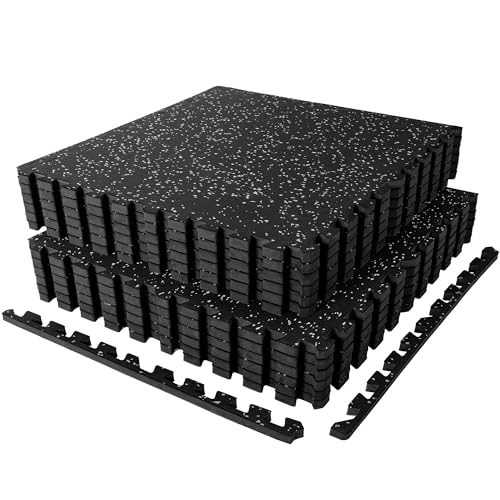
SUPERJARE Extra-Thick Rubber Top Mat
What We Like
- 1-inch thick for heavy impact absorption
- Non-slip rubber surface for stable lifting
- Interlocking tiles with detachable borders
- Quiets noise from dropped weights
Trade-offs
- Not as dense as 100% rubber tiles under a heavy rack
- Tiles must be trimmed to fit odd-shaped spaces
At a full inch thick, this mat absorbs impact and reduces noise from dropped weights, so your floor and downstairs neighbors get some protection during heavy training. The EPDM rubber top provides strong traction for squats and deadlifts, while the EVA foam base adds cushioning for high-impact moves. It’s a setup that balances floor protection and noise reduction for a home gym.
The 24×24-inch tiles lock together to form a neat square or rectangular shape, which means they fit cleanly into most home gym layouts without awkward gaps. If your space has odd nooks, you may need to trim a few tiles, which takes a little extra effort. Each tile is 1 inch thick, built with a high-density EVA foam base and a strong EPDM rubber top, so the mat absorbs shock from heavy drops while protecting your floors and joints. For most home gyms, that balance of shock absorption and stability makes it a smart pick.
Product photos
American Floor Mats Heavy Duty Rubber Roll
What We Like
- Thick 3/8 in rubber absorbs impact
- Recycled rubber construction is durable
Trade-offs
- At 4 ft wide, needs two people to unroll
- No interlocking edges; seams require tape or adhesive
- Heavier than tile options for quick rearranging
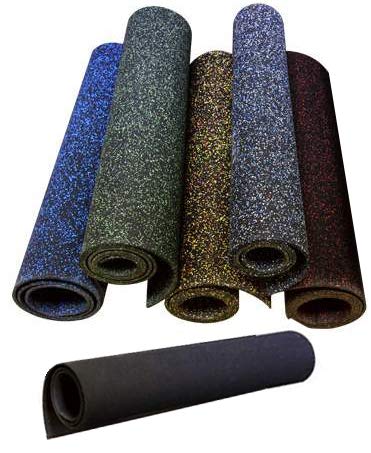
This roll gives you a single 4-foot-wide by 16-foot-long sheet of rubber flooring, so you can protect a dedicated home gym zone without the gaps or shifting edges that puzzle mats sometimes create. That makes it a natural fit for anyone setting up a permanent workout space who wants a clean, professional look and solid shock absorption under heavy weights or cardio equipment. The 3/8-inch thickness provides enough cushion for deadlifts and dumbbell drops while staying low enough that your rack or bench sits flat and stable.
The trade-off is that a roll this size is heavy and awkward to maneuver alone, you will want a helper to position it before cutting. Unlike the SUPERJARE Extra-Thick Rubber Top Mat, which comes as interlocking tiles you can install piece by piece, this roll requires careful measuring and trimming to fit around walls or obstacles. If you plan to move your gym layout often or work in a small space where every inch counts, the tile route may feel more forgiving.
Grytfit Interlocking Rubber Floor Tiles
What We Like
- 100% solid rubber, no foam fillers
- Made in the USA with quality control
- Slip-resistant and moisture-tolerant
- Precision interlocking for tight seams
Trade-offs
- Only 22.5" tiles, smaller than some options
- No thickness stated for heavy impact
- 4-pack covers just 14 sq. ft.
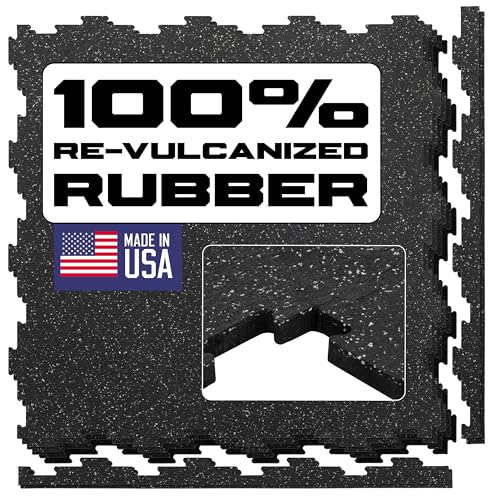
Grytfit tiles are made from 100% solid rubber with no foam or fillers, which means they resist compression and wear better than EVA mats under heavy gym equipment. That solid construction gives you a stable, durable surface that stays put in garages or basements where moisture and temperature changes are common. The material is slip-resistant and moisture-tolerant, so it works well in a variety of training zones.
Each 4-pack of these tiles covers about 14 square feet. Outfitting a full gym floor means buying several packs and planning the layout carefully. A roll like the American Floor Mats Heavy Duty Rubber Roll covers a larger area in one piece, but these tiles use 100% solid rubber with no foam or fillers and are made in the USA. If you prioritize material quality and domestic production over quick coverage, and you’re willing to piece together a bigger space, Grytfit delivers a durable foundation.
Product photos
Rubber-Cal Eco-Sport Interlocking Tiles

What We Like
- Interlocking design for easy installation
- Wear-resistant and durable rubber
- 0.8-inch thick rubber for impact absorption
Trade-offs
- 19.5-inch tiles mean more seams to align
- 15-tile pack weighs 13 pounds, heavy to carry
Here’s the catch: the full 15-tile pack weighs 13 pounds, so carrying it into a basement requires some effort. And at 19.5 inches square, you will have more seams to align than with larger tiles such as the SUPERJARE 1-inch option, which measures 24 inches per side. If you need a tile that offers good shock absorption and works in damp spaces, these fit the bill. Just expect a bit more work during setup and a busier floor pattern from the extra joints.
Product photos
SUPERJARE 0.56'' Thick Rubber Top Mat
What We Like
- Dual-layer design for durability and cushioning
- EPDM rubber top resists tears and wear
- Interlocking edges for easy assembly and expansion
- Reduces noise and vibration during workouts
Trade-offs
- At 0.56 inches, less shock absorption than thicker mats
- Not suitable for heavy Olympic lifting drops
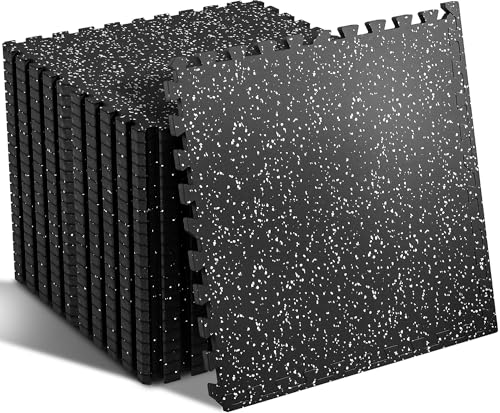
A dual-layer build with a dense EVA foam core and a tough EPDM rubber surface gives this mat a smart balance of cushion and durability. At just over half an inch thick, it handles heavy equipment like treadmills and kettlebells without tearing, while the foam layer muffles thuds and vibrations so you can drop a deadlift without waking the neighbors. The interlocking tiles click together quickly, and the included detachable borders let you shape a clean square or rectangle that fits your space exactly. For someone setting up a home gym on a budget, this is a practical way to protect both your floor and your joints without overspending.
The trade-off comes down to thickness. At 0.56 inches, this mat offers decent shock absorption for bodyweight moves and moderate weight work. If you need more cushion for heavy drops, a thicker mat like SUPERJARE’s own 1-inch Extra-Thick option provides greater thickness. The lightweight design makes it easy to rearrange, though it may not stay perfectly in place under very heavy stationary equipment without additional anchoring. It is a smart value pick for general strength training and cardio, but those who regularly drop very heavy weights may want a thicker floor.
IncStores 14rollblack Rubber Flooring
What We Like
- Made in the USA
- Recycled rubber material
- Moisture-resistant protection
- Slip-resistant surface
Trade-offs
- 1/4 inch thickness offers less cushioning than thicker rolls
- At 60 lbs, the roll is heavy to maneuver alone
- Single-piece roll limits layout flexibility in odd-shaped rooms
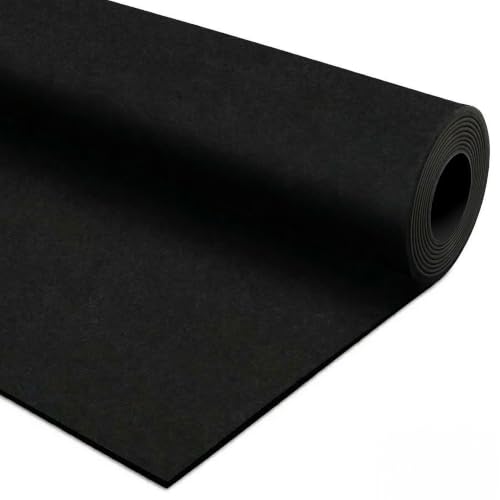
A full 4×10 foot sheet of recycled rubber covers a sizeable gym area in one continuous piece, without the joints that puzzle tiles leave between every square. That one-piece surface is a real win for anyone dropping heavy weights or sliding a bench around, no edges to catch, no gaps for debris to settle. The 1/4-inch thickness keeps it low-profile underfoot, and the recycled rubber offers moisture-resistant protection from spills or sweaty sessions.
The single-piece design has a clear downside: at 60 pounds and 10 feet long, getting this roll into your basement or up a flight of stairs is a two-person job, and you’ll need to plan the layout carefully before cutting because the roll is not cheap. If your gym space has tight corners or irregular shapes, interlocking tiles like the SUPERJARE Extra-Thick Rubber Top Mat let you work around obstacles more easily, though you’ll trade that continuous look for multiple seams. This roll is the straightforward choice for a clean, durable floor in a rectangular room where you can unroll it and go.
Product photos
MYOYAY Heavy Duty Interlocking Tile
What We Like
- Full 1-inch thickness for shock absorption
- Non-skid textured surface for safety
- Anti-vibration design reduces noise
- Water-resistant and easy to clean
Trade-offs
- Covers only 11.12 sq ft per pack
- No rubber top layer like some competitors
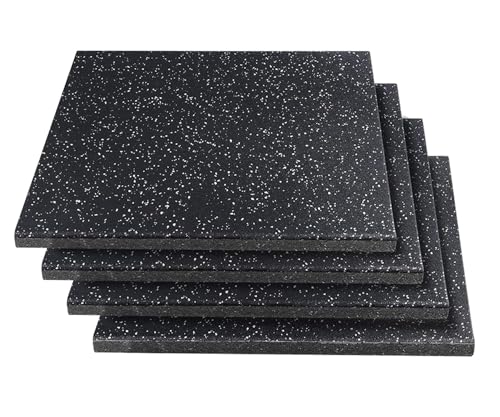
A full inch of high-density rubber provides shock absorption and anti-vibration, which helps reduce noise transfer to rooms below. The 1-inch thickness also offers anti-fatigue cushioning for standing during workouts. This tile delivers core protection for your floor without sacrificing material quality.
Coverage is the main limitation: each pack covers 11.12 square feet, so a larger space requires multiple packs. The interlocking buckles make installation a quick DIY project. If you want a rubber top layer for extra durability, the SUPERJARE Extra-Thick Rubber Top Mat offers that, but it has a different construction. For straightforward impact protection, this tile gets the job done.
LifeTrim Large Workout Mat
What We Like
- One-piece 9×6 ft coverage
- Non-slip surface for stability
- Protects floors from equipment damage
- Shoe-friendly durable rubber
Trade-offs
- At 0.2 in thick, less cushion than thicker mats
- 30 lb weight makes repositioning awkward
- Single large piece is hard to roll out alone
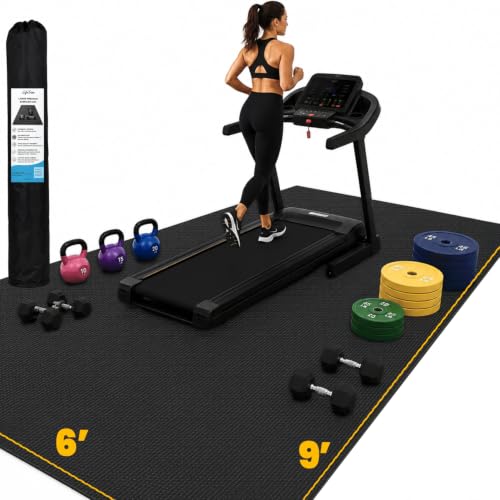
A single 9×6-foot rubber mat means no gaps, no puzzle pieces, and no shifting between you and the floor. That one-piece coverage is the main reason this mat works well for home gyms where you want a clean, continuous surface for a variety of workouts. The 1/4-inch thickness provides cushioning for joints during floor exercises while keeping the mat low-profile against the ground, so plates and dumbbells stay stable. It also protects your floors from damage caused by heavy exercise equipment, which is a relief if you’re working out on hardwood or carpet.
This mat is 0.2 inches thick, so it’s not meant to absorb heavy drops, if you’re regularly dropping barbells, you’d want a thicker option like the American Floor Mats 3/8-inch roll. At 30 pounds and a 9×6-foot size, unrolling it by yourself can be a real struggle. But if your workouts stay on the floor and you just need a non-slip surface that stays put, this mat delivers without the hassle of interlocking tiles.
Product photos
ProsourceFit Rubber Top Puzzle Mat

What We Like
- 3/4-inch cushion absorbs impact well
- Non-slip textured rubber top layer
- Quick jigsaw assembly with end borders
- Two-layer design protects floors from dents
Trade-offs
- Covers only 24 sq ft per pack
- Not a full-room solution for larger gyms
The 3/4-inch thickness provides a cushioned surface that turns hard floors into an impact-absorbent area for fitness and equipment, protecting floors from scratches and dents. The dual-layer build, textured rubber on top for grip, high-density EVA foam underneath for shock absorption, means you can exercise without worrying about floor damage. The interlocking jigsaw edges make assembly quick and easy, and the included end borders give the mat a clean, polished look. For setting up a workout space, this tile delivers comfort and floor protection without requiring heavy-duty installation.
Covering 24 square feet with six interlocking tiles, this mat creates a cushioned workout space that turns hard floors into a comfortable, impact-absorbent surface. The 3/4-inch thickness protects floors against scratches and dents from heavy equipment, while the jigsaw design allows quick assembly and easy disassembly when you need to rearrange. Reviewers note the textured rubber top layer combined with high-density EVA foam bottom layer provides a non-slip surface that absorbs impacts effectively. For those covering larger areas, the system can expand to 48 square feet with additional tiles, and the included end borders give the finished layout a clean, polished look.
Product photos
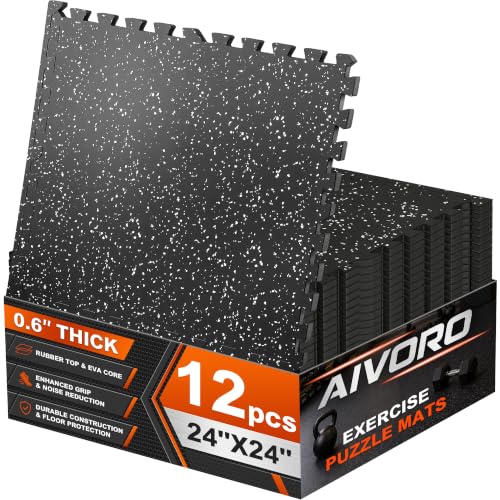
AIVORO 0.6" Interlocking Rubber and EVA Gym Floor Tiles
What We Like
- Dual-layer cushions impact and reduces noise
- Interlocking edges resist separation during workouts
- Water-resistant surface wipes clean easily
- Supports weights, benches, bikes, and treadmills
Trade-offs
- EVA foam base compresses more than solid rubber
- Not thick enough for heavy deadlifts or dropping barbells.
The dual-layer design, recycled rubber on top of high-density EVA foam, gives you a surface that softens impact and quiets footfalls without feeling like you’re sinking. That 0.6-inch thickness is enough to protect your floor from kettlebells and dumbbells during most bodyweight and moderate strength work, and the textured rubber keeps your footing steady during HIIT or yoga. It’s the kind of middle ground that makes sense if you do a mix of training styles and want one floor that handles them all without needing a separate mat for each activity.
The AIVORO tiles use a recycled rubber top layer bonded to high-density EVA foam. This cushions impact during yoga, HIIT, and bodyweight exercises while protecting floors from scratches and scuffs from equipment like dumbbells and treadmills. Compared to the SUPERJARE Extra-Thick Rubber Top Mat at 1 inch thick, the AIVORO’s 0.6-inch EVA base compresses more under heavy point loads. So it’s better suited for moderate weights and floor work than for repeated heavy drops. The interlocking edges stay aligned during lateral movements, and the water-resistant surface lets you wipe away light moisture with a damp cloth after training.
Product photos
How We Evaluated Rubber Flooring For Home Gym
We started with the specs that matter most for a home gym floor: thickness, material composition, surface grip, and installation method. Each product was compared against manufacturer claims for impact absorption, weight tolerance, and moisture resistance. We also looked at coverage per pack and tile size to understand how each option fits real room dimensions.
The four criteria that carried the most weight were thickness, material density, surface texture, and seam quality. Thickness matters for shock absorption when weights are dropped. Material density compares solid rubber versus foam or recycled blends. Surface texture needs to be non-slip for safety during dynamic movement. Seam quality depends on interlocking precision for a gap-free floor. These factors determine whether a floor protects your equipment, your subfloor, and your joints over years of use.
A research-led evaluation has limits. We did not install every mat in a working gym or measure decibel reduction with calibrated tools. The recommendations here are based on what the data and collective owner experience say, not a controlled test environment.
What To Look For In Rubber Flooring For Home Gym
Choosing the right floor means balancing thickness, material, and coverage for your specific workout. Here is what to check before you buy.
Pick a thickness that matches your heaviest lifts: 1-inch for Olympic drops, 3/8-inch for moderate weights, and thinner mats for bodyweight and cardio. Solid rubber lasts longest, but recycled rubber rolls offer the best value for large spaces.
Thickness and Impact Absorption
Thickness is the single most important spec for anyone dropping barbells or dumbbells. A 1-inch mat like the SUPERJARE Extra-Thick absorbs heavy impact and protects concrete underneath. Thinner 1/4-inch rolls protect against scratches and light equipment but won’t save a dropped heavy deadlift from denting the floor. For most home gyms, 3/8-inch is the minimum for moderate weight training. The thickness of your rubber gym flooring directly affects noise levels in rooms below.
Material Composition
Solid rubber tiles and recycled rubber rolls each have trade-offs. Solid rubber, like the Grytfit tiles, compresses less under heavy rack feet and resists tearing over years of use. Recycled rubber rolls, such as the IncStores option, cost less per square foot and work well for garage gyms where appearance matters less.
Some mats use a dual-layer design with an EPDM rubber top over a foam base, these cushion well for general training but compress more under concentrated weight.
Surface Texture and Grip
A non-slip surface keeps your feet planted during squats, lunges, and Olympic lifts. Textured rubber tops prevent dumbbells and plates from sliding sideways when set down. Smooth surfaces are easier to clean but can feel slick under sweaty shoes. Rubber mats with a raised diamond or pebble pattern offer the best grip for dynamic movement.
Installation and Coverage
- Measure your room’s length and width in feet, then multiply for total square footage.
- Check whether tiles have detachable borders for a clean edge against walls.
- For rolls, confirm the width fits your space and plan for a helper, most 4-foot rolls weigh over 50 pounds.
- With interlocking tiles, order 10-15 percent extra for trimming around corners and columns. Consider flooring for garage gyms if your space sees temperature swings or moisture.
A good rule of thumb: buy one thickness grade thicker than you think you need. Your joints and your subfloor will thank you later.
Rubber Flooring For Home Gym Compared
The table below compares all ten picks side by side, covering thickness, material type, coverage per pack, and key features so you can spot the right fit at a glance.
| Product | Thickness | Material | Coverage |
|---|---|---|---|
| SUPERJARE Extra-Thick Rubber Top Mat | 1 inch | EPDM rubber top / EVA foam base | 48 Sq Ft |
| American Floor Mats Heavy Duty Rubber Roll | 3/8 in (9 mm) | Heavy duty rubber | N/A |
| Grytfit Interlocking Rubber Floor Tiles | N/A | 100% solid rubber | 14 sq. ft. |
| Rubber-Cal Eco-Sport Interlocking Tiles | 0.8 inches | Rubber | 39.6 sq ft |
| SUPERJARE 0.56'' Thick Rubber Top Mat | 0.56 inches | EPDM rubber top / EVA foam base | 48 sq ft |
| IncStores 14rollblack Rubber Flooring | 1/4 inch | Recycled rubber | 40 Sq Ft |
| MYOYAY Heavy Duty Interlocking Tile | 1 inch | High density rubber | 11.12 sq ft |
| LifeTrim Large Workout Mat | 1/4 in (7 mm) | Rubber | N/A |
| ProsourceFit Rubber Top Puzzle Mat | 3/4 inch | Rubber top + EVA foam bottom | 24 sq ft |
| AIVORO 0.6" Interlocking Rubber and EVA Gym Floor Tiles | 0.6 inches | Recycled rubber top / EVA foam base | 48 sq ft |
Frequently Asked Questions
How thick should rubber gym flooring be for a home gym?
For heavy Olympic lifting and dropped weights, choose at least 3/8-inch thickness. For deadlifts over 315 pounds or repeated barbell drops, 1-inch mats like the SUPERJARE Extra-Thick are safer for the floor and the equipment. Bodyweight training and cardio work fine on 1/4-inch mats.
What is the difference between rubber tiles and rubber rolls?
Rubber tiles interlock for easy installation and allow you to replace damaged sections individually. Rolls provide continuous coverage over large rectangular spaces but require adhesive or tape at the seams and are heavy to maneuver alone. Tiles suit irregular rooms while rolls work best in dedicated garage or basement gyms.
Can rubber flooring be installed over concrete?
Yes. Concrete is the ideal subfloor for rubber gym flooring. The rubber absorbs impact that would otherwise transfer to the concrete slab, and the non-slip surface stays stable without adhesives in most cases. For basement concrete, a vapor barrier underneath helps prevent moisture issues.
How do you clean rubber gym flooring?
Sweep or vacuum loose dust and hair daily. Mop with a mild soap and water solution, avoid harsh chemicals that can dry out the rubber. For deeper cleaning, a dedicated mop with a soft microfiber head prevents scratching the surface.
Is rubber gym flooring good for soundproofing?
Rubber flooring reduces impact noise from dropped weights and footfall, but it is not a complete soundproofing solution. The thicker the mat, the more vibration it absorbs. For serious soundproofing needs, combine rubber mats with acoustic underlayment and wall treatments.
The Bottom Line
If you drop heavy weights and want a floor that absorbs impact, stays put, and quiets noise, the SUPERJARE Extra-Thick Rubber Top Mat is the best overall choice. Its 1-inch thickness and non-slip surface handle heavy deadlifts, snatches, and dropped dumbbells without transferring shock to the subfloor.
For those covering a whole garage or basement gym without seams, the American Floor Mats Heavy Duty Rubber Roll delivers broad coverage and solid protection. Budget-minded lifters will find real value in the SUPERJARE 0.56-Inch Dual-Layer Mat for general strength training, while the Grytfit solid rubber tiles suit anyone who wants a 100 percent rubber floor with no foam fillers.
The single most important buying factor is thickness. Match it to the heaviest weight you plan to drop, and everything else, grip, density, installation, falls into place from there.
